Hair This Personal Requires a Surgeon
Who Gets It.
Hair has never been neutral in Black culture — for women especially, it’s identity, pride, and history all at once. When it starts to change — from traction damage, hormonal shifts, diffuse thinning, or something harder to name — the weight of that is real. We understand it.
Hair has never been neutral in Black culture — for women especially, it’s identity, pride, and history all at once. When it starts to change — from traction damage, hormonal shifts, diffuse thinning, or something harder to name — the weight of that is real. We understand it.
At Northwestern Hair, the conversation you have with Dr. Vinay isn’t just clinical. It’s personal — because your hair always has been. And we’re not going to rush past that to get to a treatment plan.
“For so many of our female patients, the hair loss started long before they came in. They adapted, managed around it.
What I want them to know is that there are real options, and the earlier we start, the better those options are.”
Dott. Vinay
What We See in Our African American Women Patients
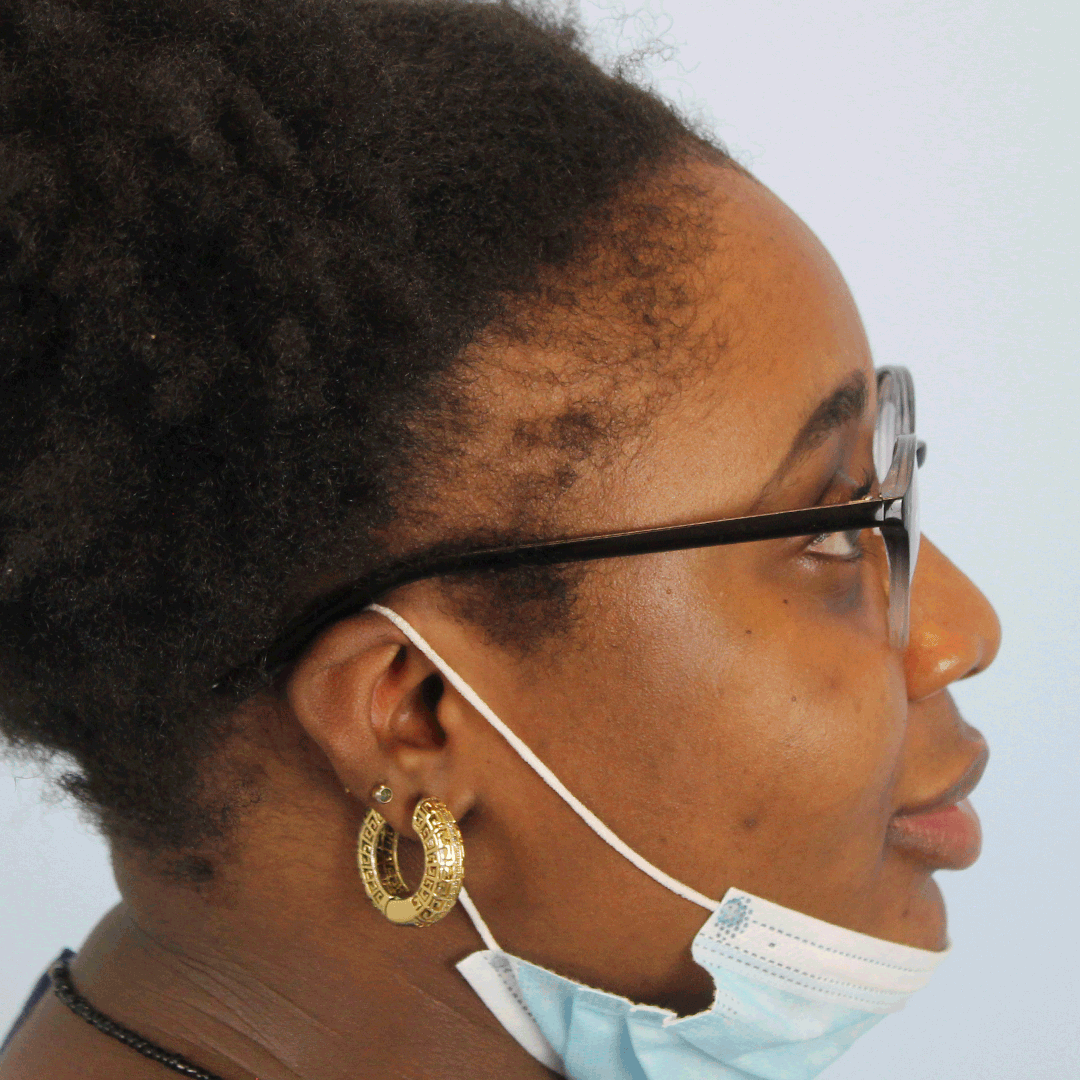
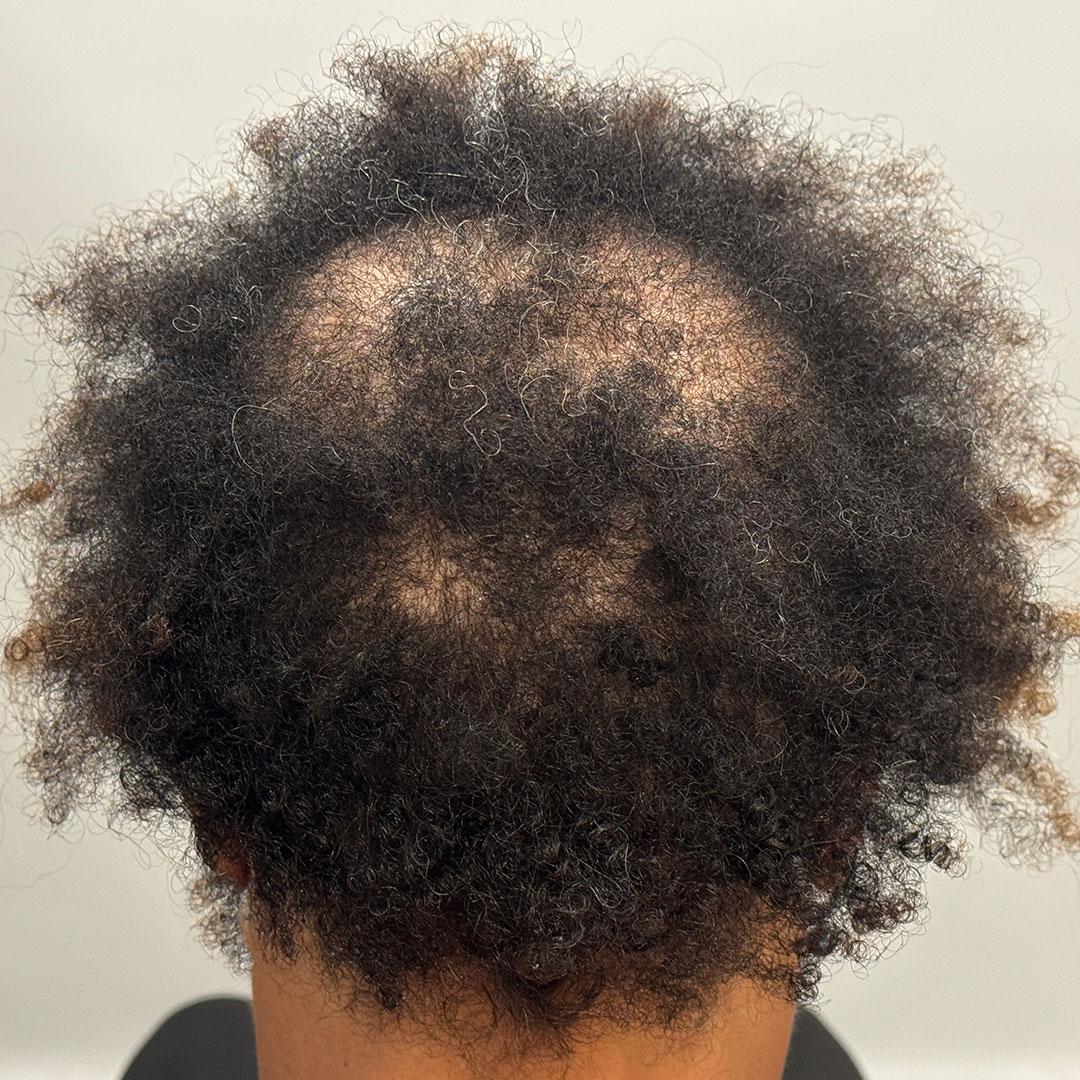
The most common patterns: traction alopecia from years of braids, extensions, weaves, and locs pulling on the hairline; hormonal thinning from postpartum changes or androgenetic loss; and diffuse shedding that often goes unaddressed for years because it’s gradual enough to seem manageable.
Each of these has a different cause, a different timeline, and a different treatment path. We don’t assume, we assess.
Estrazione di follicoli curvi
Richiede un approccio diverso rispetto ai capelli lisci
Modelli specifici dell'attaccatura dei capelli
Tipicamente più pieno e arrotondato rispetto agli standard dell'attaccatura dei capelli caucasica
Considerazioni sulle cicatrici
Maggiore attenzione al rischio e alla prevenzione dei cheloidi
Questi non sono aggiustamenti minori. Sono ciò che separa un risultato che sembra giusto da uno che non lo è.
Preoccupazione comune
Traction Alopecia - Caught Early, It’s Treatable
Traction alopecia is one of the most treatable forms of hair loss — when it’s addressed before the follicles become permanently damaged. ACS combined with a targeted at-home regimen can support meaningful recovery in early-stage cases, often without surgical intervention.
We’ll start with an honest assessment of how much damage has occurred, where, and whether the follicles are still viable. From there, the path forward is specific to you. We won’t recommend a transplant unless we genuinely believe it’s the right answer.
Rischio di cheloidi e cosa fare al riguardo
I pazienti di origine africana hanno una maggiore predisposizione alle cicatrici cheloidi. Valutiamo questo aspetto in fase di consultazione, prima di ogni altra cosa. Il nostro approccio all'estrazione dei follicoli e al design delle incisioni tiene conto direttamente di questo aspetto e, nei casi in cui il rischio sia elevato, vi spiegheremo chiaramente cosa significa per le vostre opzioni. Preferiamo avere una conversazione difficile all'inizio piuttosto che un esito prevenibile in seguito.
Chirurgico
Ripristino Chirurgico dei Capelli
prima
DOPO
Per i pazienti per i quali il trapianto è la strada giusta, il Dottor Vinay guida personalmente ogni procedura: progetta la linea dei capelli, supervisiona l'estrazione e dirige il posizionamento degli innesti con il suo team chirurgico. Il suo coinvolgimento non è di supervisione. È presente e impegnato in ogni fase critica.
Non esiste uno standard universale per l'attaccatura dei capelli. La forma, l'altezza e la densità che appaiono naturali in un paziente nero hanno una loro logica estetica — e il dottor Vinay progetta in base a quella, non a una media da libro di testo. Il risultato dovrebbe sembrare che ti appartenga. Perché appartiene a te.
Per i pazienti che non sono ancora giunti al punto di un intervento chirurgico, o che stanno gestendo danni da trazione in fase iniziale, l'ACS e un protocollo personalizzato a domicilio possono affrontare la perdita alla radice. Il dottor Vinay valuterà se questo è il punto di partenza giusto per la tua situazione.
Competenza in follicoli curvi
I capelli strettamente arricciati e ricci richiedono una tecnica di estrazione specializzata. I follicoli si curvano sotto il cuoio capelluto, rendendo gli approcci standard inefficaci o dannosi.
Angolo corretto per evitare la transezione
Dimensioni speciali del punch per follicoli curvi
Manipolazione attenta per preservare l'integrità dell'innesto
Posizionamento che tiene conto dello schema naturale della bobina
Puoi tornare alla vita normale il giorno dopo una procedura Discrete FUE™ — senza che nessuno sospetti nulla.
prima
DOPO
Siero Cellulare Autologo (SCA)
Usa cellule rigenerative dal proprio sangue per riattivare i follicoli dormienti, ripristinare il flusso sanguigno e stimolare la crescita. Va oltre le terapie piastriniche tradizionali sfruttando cellule curative attive.
Non chirurgico
ACS + Assistenza Domiciliare
At the center of our non-surgical program is Autologous Cellular Serum (ACS) — a treatment that uses regenerative cells from your own blood to reactivate dormant follicles, restore blood flow, and stimulate new growth. ACS goes beyond traditional platelet therapies by drawing on active healing cells rather than platelets alone. The difference at the follicle level shows up in outcomes.
ACS is delivered across a series of in-office sessions, each paired with a personalized at-home maintenance plan calibrated to your specific pattern of loss. The goal is thicker, healthier hair that holds — not a temporary result that requires constant management to maintain.
Il trattamento precoce è sempre la conversazione migliore
Perché è importante
Hair loss is progressive. The earlier we address it, the more follicles we can preserve or reactivate. Once follicles are completely dormant or scarred over, non-surgical options become less effective.
Il Programma di Trattamento
Serie di sessioni ACS in ambulatorio
Piano di manutenzione personalizzata a domicilio
Calibrato per il tuo specifico schema di perdita
Risultati significativi senza incisione
Iniziare con una consulenza sincera.
Dr. Vinay will assess your specific situation and give you a straight answer on what’s possible.