Hair This Personal Requires a Surgeon
Who Gets It.
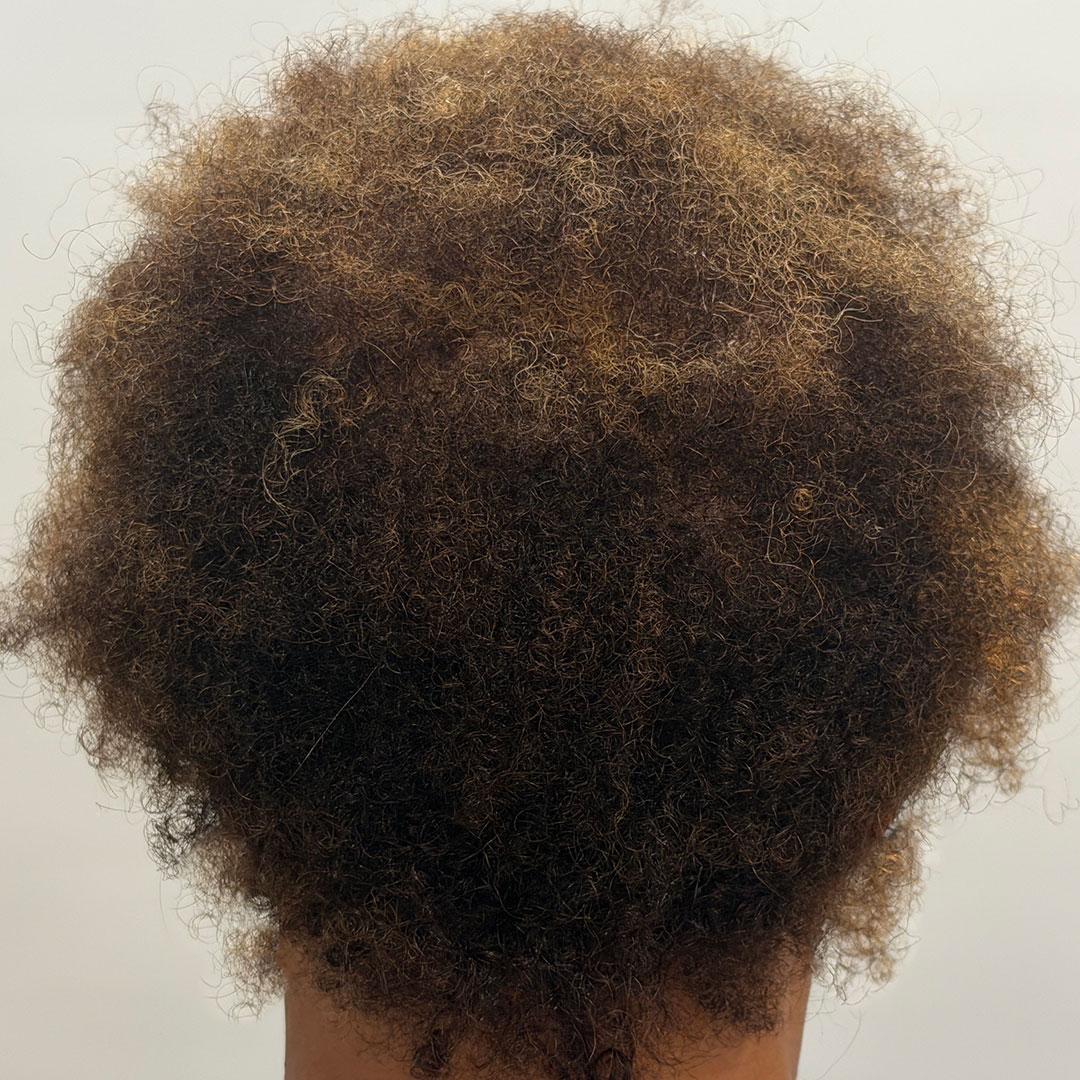
Hair has never been neutral in Black culture — for women especially, it’s identity, pride, and history all at once. When it starts to change — from traction damage, hormonal shifts, diffuse thinning, or something harder to name — the weight of that is real. We understand it.
Hair has never been neutral in Black culture — for women especially, it’s identity, pride, and history all at once. When it starts to change — from traction damage, hormonal shifts, diffuse thinning, or something harder to name — the weight of that is real. We understand it.
At Northwestern Hair, the conversation you have with Dr. Vinay isn’t just clinical. It’s personal — because your hair always has been. And we’re not going to rush past that to get to a treatment plan.
“For so many of our female patients, the hair loss started long before they came in. They adapted, managed around it.
What I want them to know is that there are real options, and the earlier we start, the better those options are.”
Dr. Vinay
What We See in Our African American Women Patients
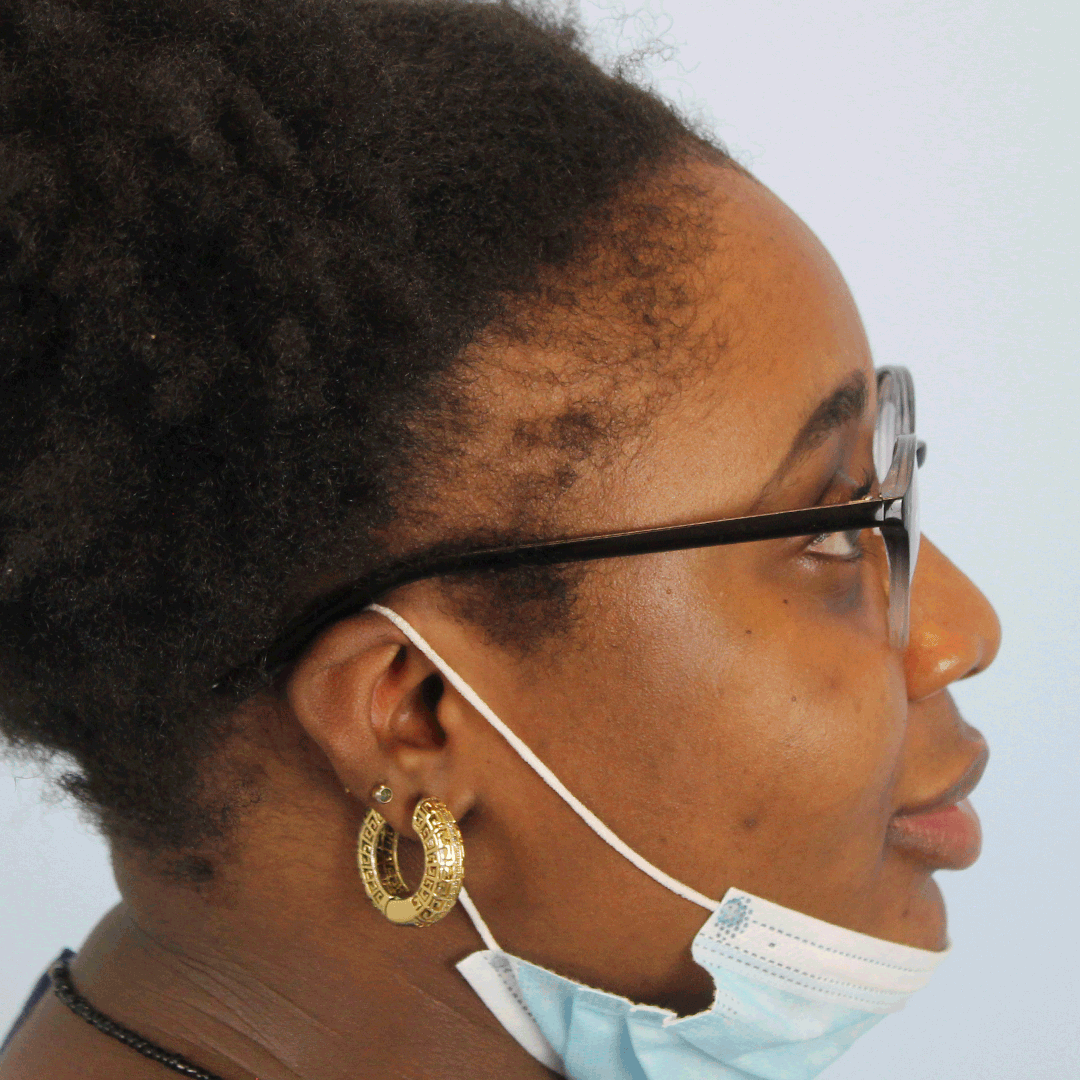
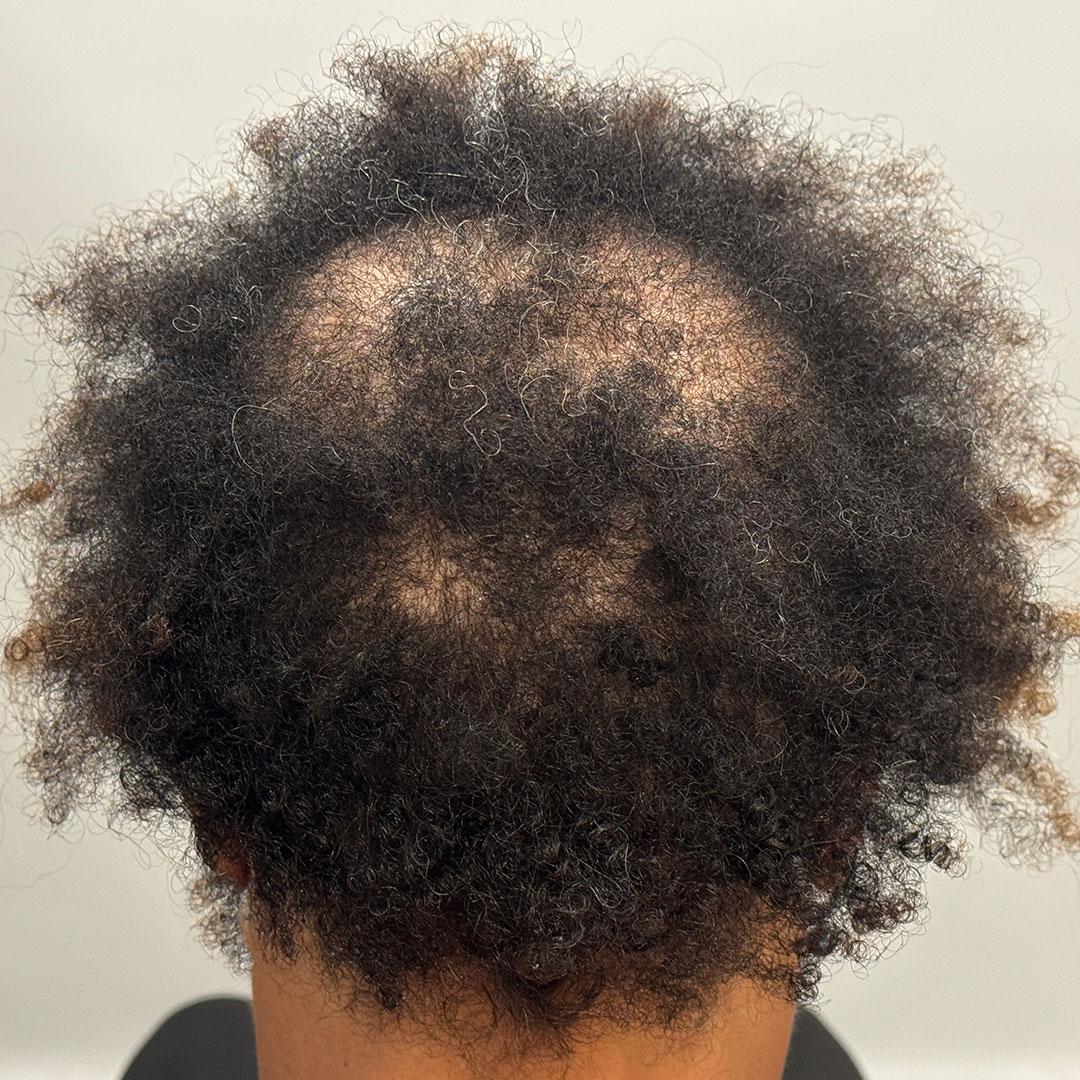
The most common patterns: traction alopecia from years of braids, extensions, weaves, and locs pulling on the hairline; hormonal thinning from postpartum changes or androgenetic loss; and diffuse shedding that often goes unaddressed for years because it’s gradual enough to seem manageable.
Each of these has a different cause, a different timeline, and a different treatment path. We don’t assume, we assess.
Ekstrakcja zakrzywionych mieszków włosowych
Wymaga innego podejścia niż włosy proste
Specyficzne linie włosów
Zwykle pełniejsza i bardziej zaokrąglona niż w standardach linii włosów u osób rasy kaukaskiej
Rozważania dotyczące blizn
Zwiększona uwaga na ryzyko i zapobieganie keloidom
To nie są drobne korekty. To one decydują o tym, czy efekt wygląda dobrze, czy nie.
Wspólna Obawa
Traction Alopecia - Caught Early, It’s Treatable
Traction alopecia is one of the most treatable forms of hair loss — when it’s addressed before the follicles become permanently damaged. ACS combined with a targeted at-home regimen can support meaningful recovery in early-stage cases, often without surgical intervention.
We’ll start with an honest assessment of how much damage has occurred, where, and whether the follicles are still viable. From there, the path forward is specific to you. We won’t recommend a transplant unless we genuinely believe it’s the right answer.
Ryzyko Keloidów i Co z Tym Robimy
Pacjenci pochodzenia afrykańskiego mają większą predyspozycję do tworzenia bliznowców. Oceniamy to podczas konsultacji, zanim przejdziemy do czegokolwiek innego. Nasze podejście do pozyskiwania przeszczepów i projektowania nacięć bezpośrednio to uwzględnia — a w przypadkach podwyższonego ryzyka otwarcie poinformujemy, co to oznacza dla Twoich opcji. Wolimy odbyć trudną rozmowę na wczesnym etapie, niż uniknąć przewidywalnego wyniku.
Chirurgiczny
Chirurgiczna transplantacja włosów
przed
PO
U pacjentów, dla których przeszczep jest właściwą drogą, dr Vinay osobiście prowadzi każdy zabieg – projektując linię włosów, nadzorując pobieranie i kierując umieszczaniem przeszczepów wraz z zespołem chirurgicznym. Jego zaangażowanie nie jest nadzorcze. Jest obecny i zaangażowany na każdym krytycznym etapie.
Nie ma uniwersalnego standardu linii włosów. Kształt, wysokość i gęstość, które wyglądają naturalnie u pacjenta rasy czarnej, mają swoją własną logikę estetyczną – a dr Vinay projektuje zgodnie z nią, a nie z jakimś podręcznikowym średnim rozwiązaniem. Efekt powinien wyglądać tak, jakby należał do Ciebie. Ponieważ tak jest.
Dla pacjentów, którzy nie są jeszcze w punkcie, w którym potrzebna jest operacja, lub dla tych, którzy radzą sobie z wczesnym uszkodzeniem trakcyjnym, ACS i spersonalizowany protokół domowy mogą rozwiązać problem u źródła. Dr Vinay oceni, czy jest to właściwy punkt wyjścia dla Państwa sytuacji.
Włosy mocno skręcone i kręcone wymagają specjalistycznej techniki ekstrakcji. Mieszek włosowy zakrzywia się pod skórą głowy, co sprawia, że standardowe metody są nieskuteczne lub szkodliwe.
Właściwy kąt pozwalający uniknąć przetarcia
Specjalistyczne rozmiary stempli do zakrzywionych mieszków włosowych
Ostrożne obchodzenie się w celu zachowania integralności przeszczepu
Układ uwzględniający naturalny wzór zwoju
Możesz wrócić do normalnego życia dzień po zabiegu Discrete FUE™ – bez podejrzeń ze strony kogokolwiek.
przed
PO
Autologiczne surowice komórkowe (ACS)
Wykorzystuje komórki regeneracyjne z własnej krwi do reaktywacji uśpionych mieszków włosowych, przywrócenia przepływu krwi i stymulacji wzrostu. Wykracza poza tradycyjne terapie płytkowe dzięki wykorzystaniu aktywnych komórek leczniczych.
Niechirurgiczny
ACS + Opieka domowa
At the center of our non-surgical program is Autologous Cellular Serum (ACS) — a treatment that uses regenerative cells from your own blood to reactivate dormant follicles, restore blood flow, and stimulate new growth. ACS goes beyond traditional platelet therapies by drawing on active healing cells rather than platelets alone. The difference at the follicle level shows up in outcomes.
ACS is delivered across a series of in-office sessions, each paired with a personalized at-home maintenance plan calibrated to your specific pattern of loss. The goal is thicker, healthier hair that holds — not a temporary result that requires constant management to maintain.
Wczesne leczenie to zawsze lepsza rozmowa
Dlaczego to jest ważne
Hair loss is progressive. The earlier we address it, the more follicles we can preserve or reactivate. Once follicles are completely dormant or scarred over, non-surgical options become less effective.
Program leczenia
Cykl sesji ACS w gabinecie
Personalizowany plan pielęgnacji domowej
Skalibrowane do Twojego konkretnego wzorca utraty
Znaczące wyniki bez nacięcia
Rozpocznij od uczciwej konsultacji.
Dr. Vinay will assess your specific situation and give you a straight answer on what’s possible.