BEARD TRANSPLANT CHICAGO

THE BEARD
REAL MEN NEED

Permanent. Precise. Natural. 


You’ve tried everything else. This is the permanent beard restoration answer..

For most men, a patchy beard isn’t a grooming failure — it’s biology. Follicle density on your face is largely determined before you’re born. No supplement, no dermaroller, no minoxidil regimen changes that equation at the root level. A beard transplant does.

We relocate DHT-resistant follicles from the back of your scalp — hair that will never fall out — and place them precisely where your beard needs to be. The result grows, trims, and shaves exactly like your natural beard. If you’ve been searching for a permanent solution for a patchy beard, this is it — because once those follicles are in, they’re yours for life.

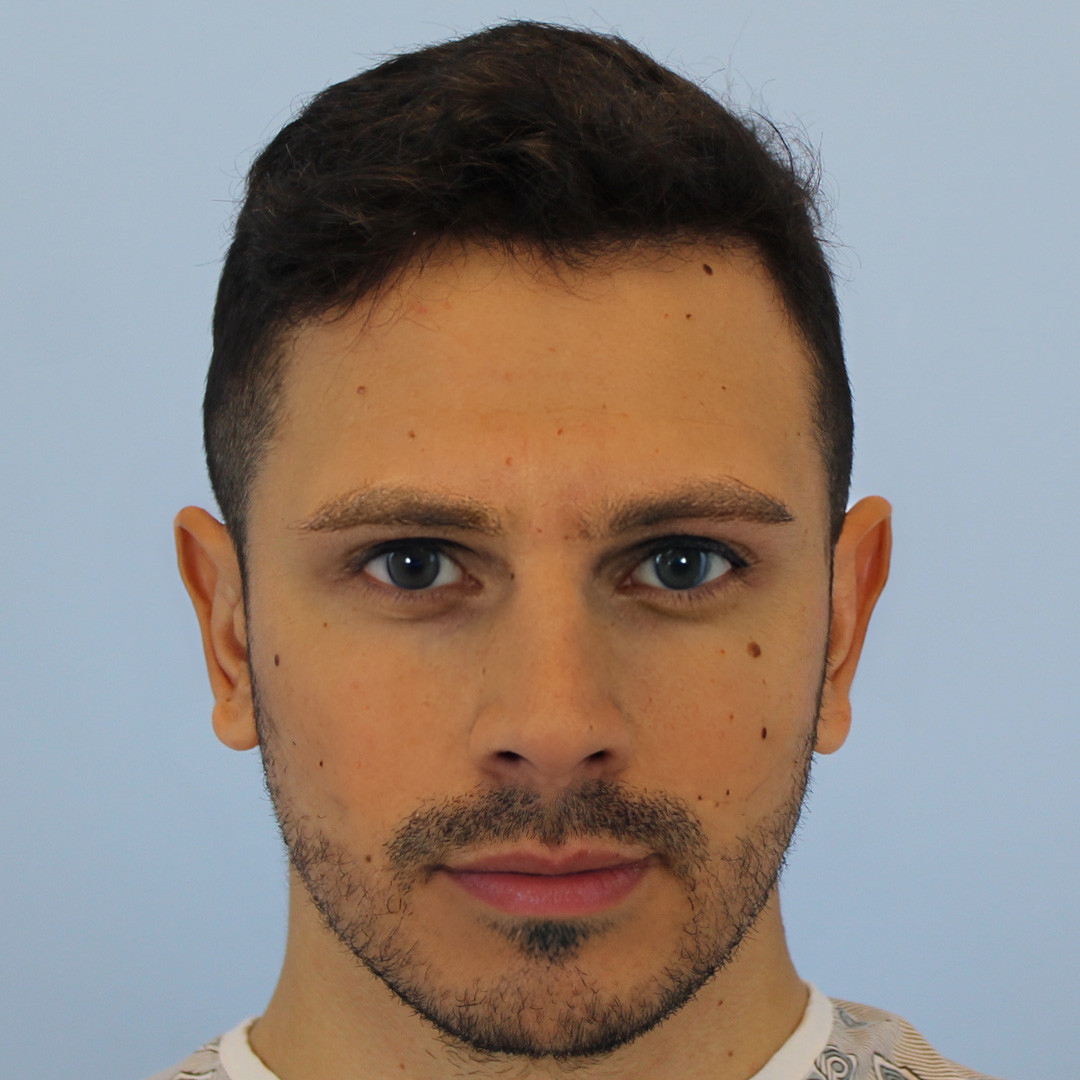
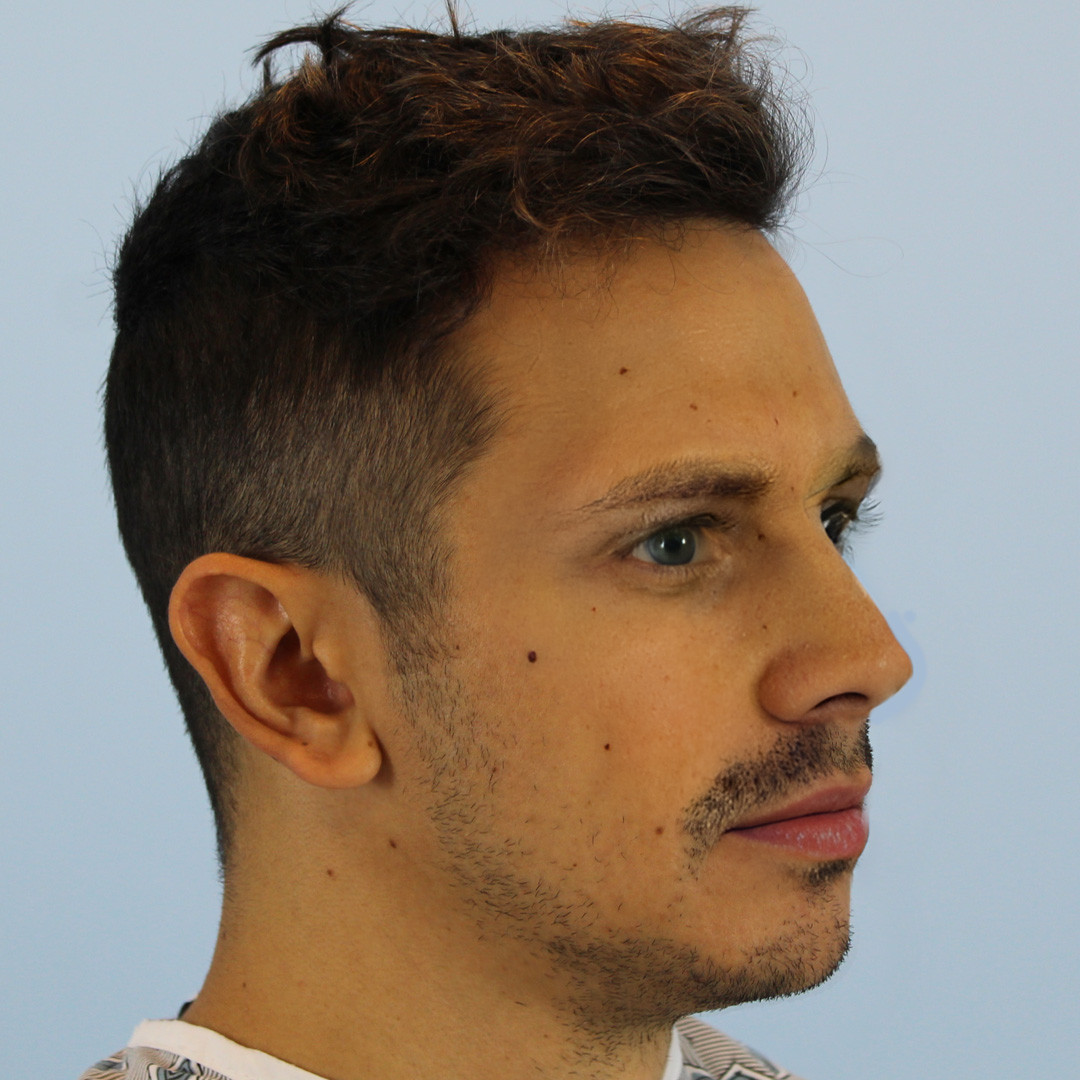
BEFORE

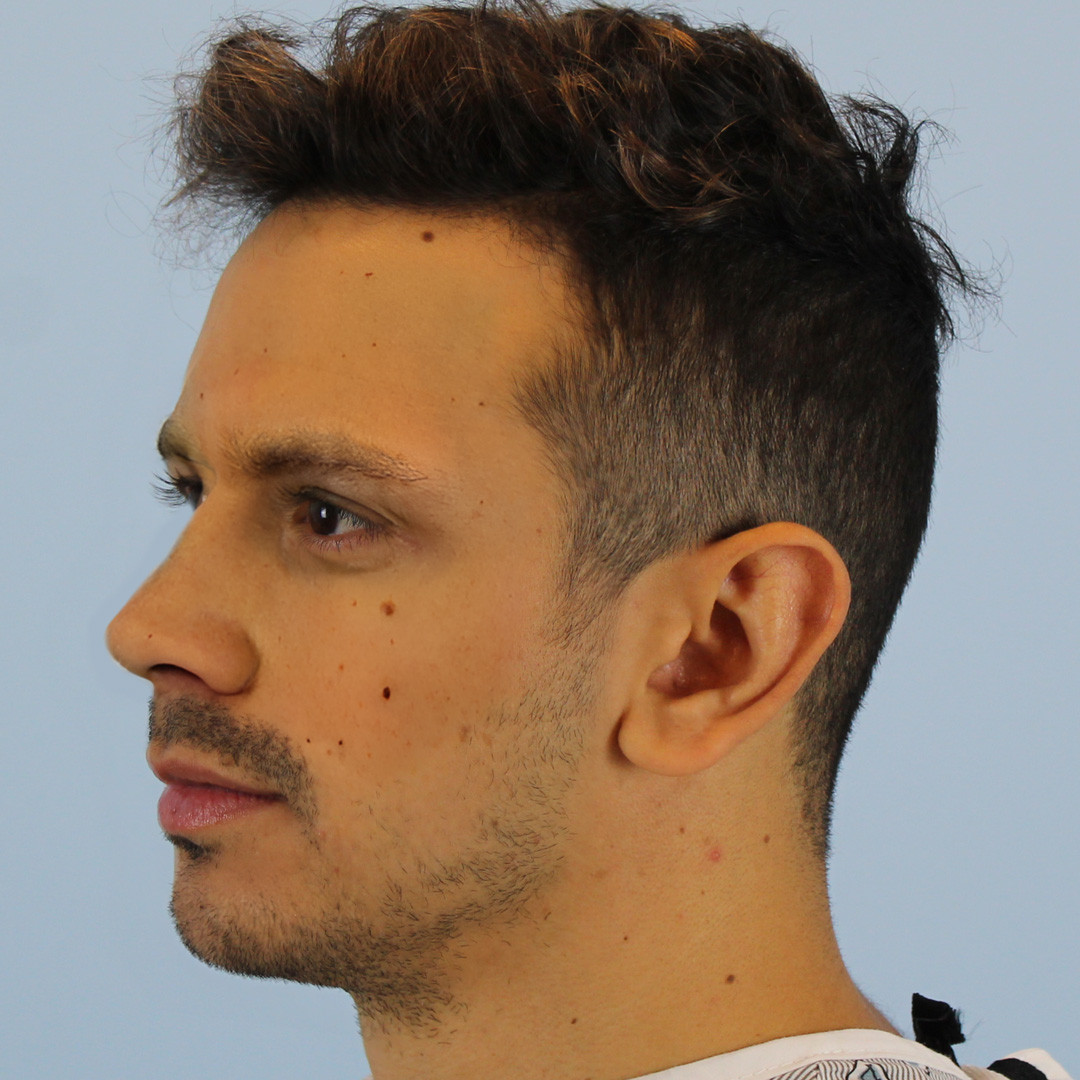
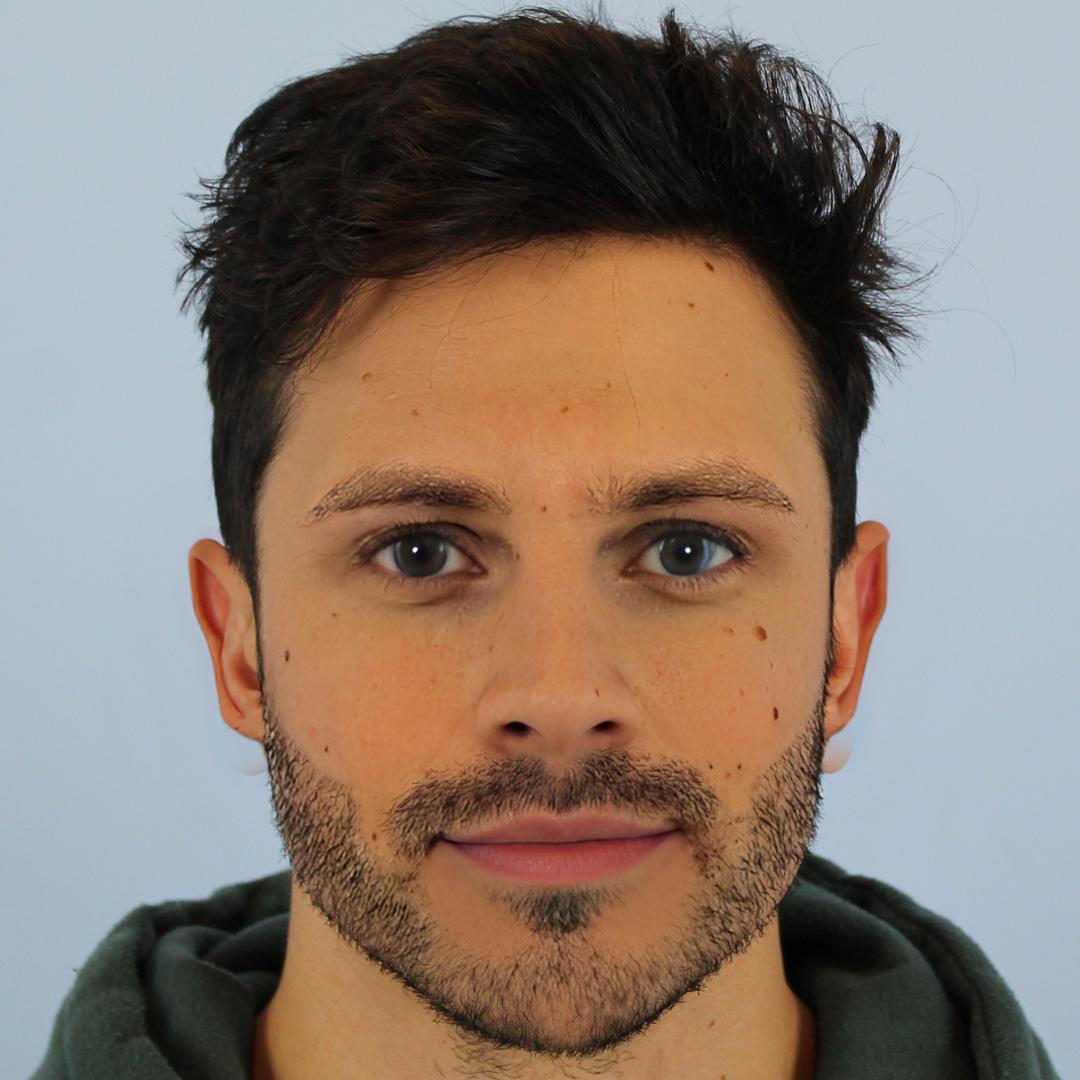
AFTER
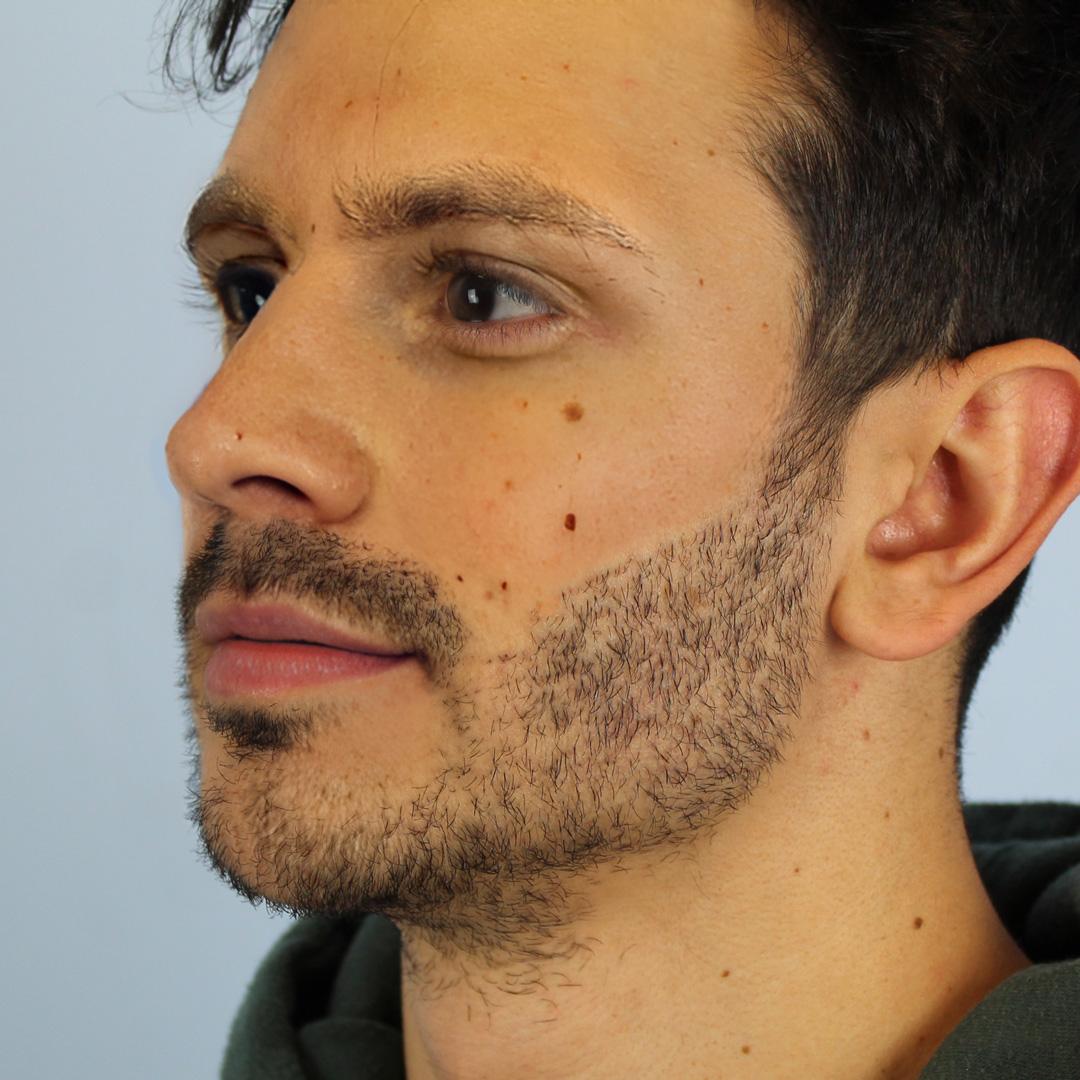
2600 grafts

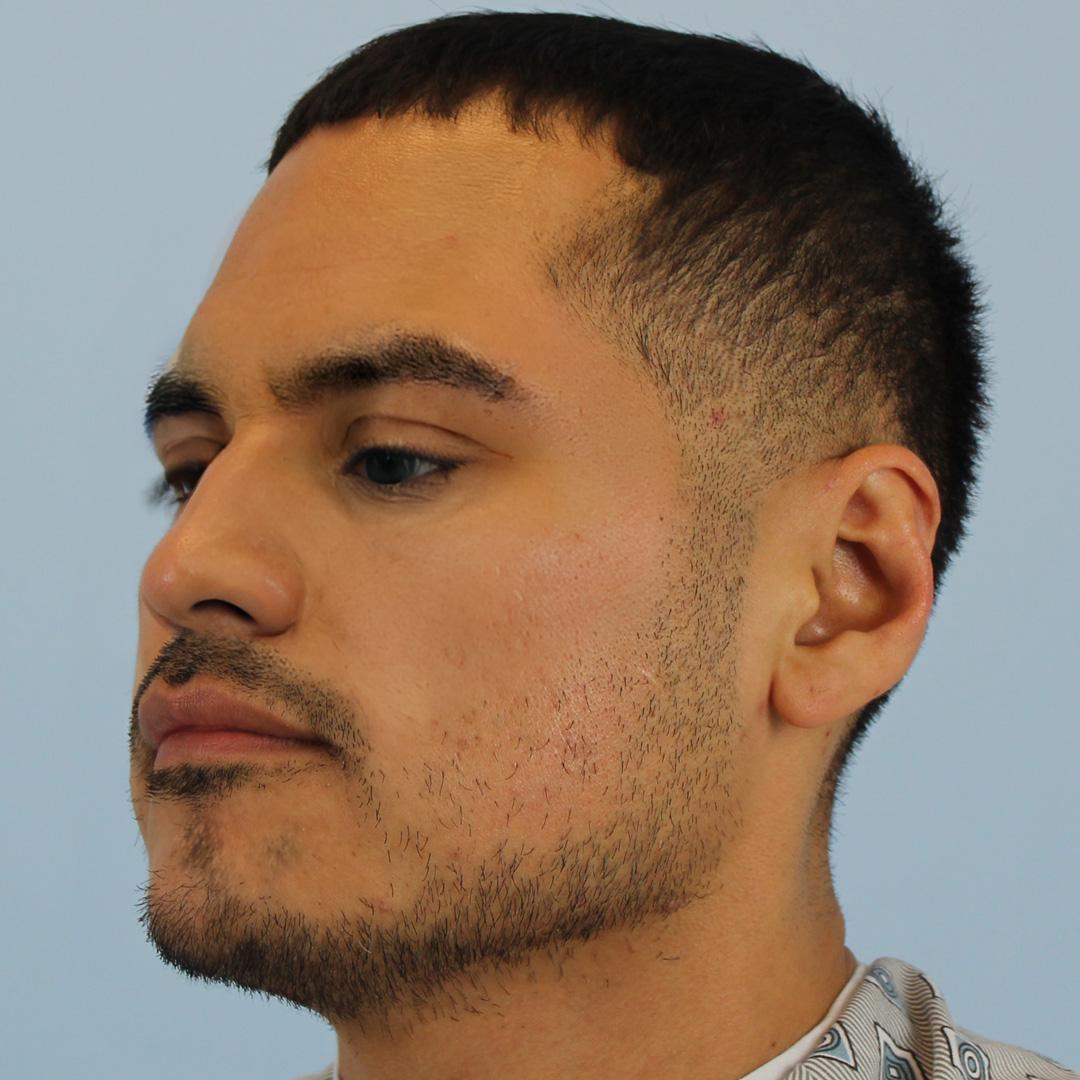
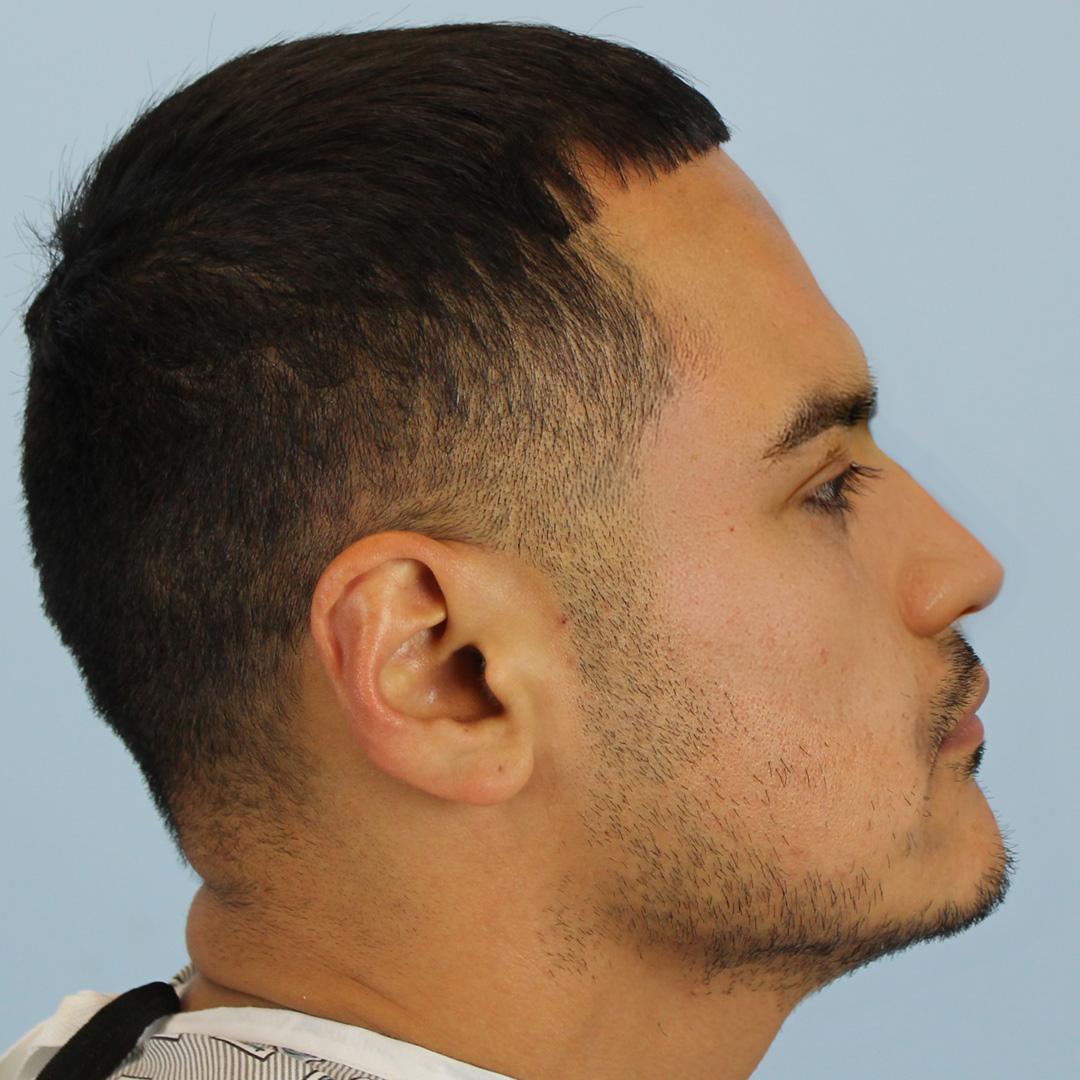
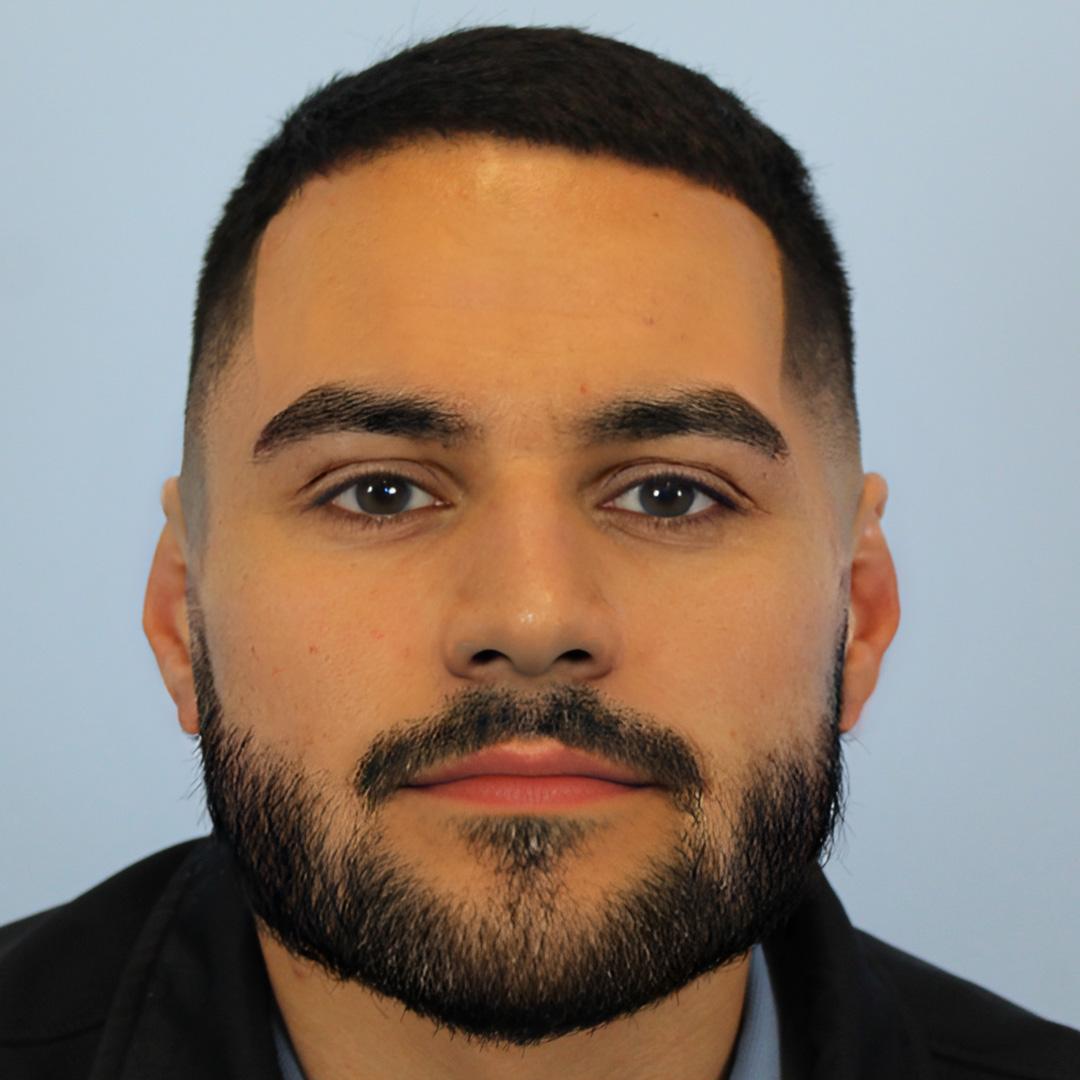
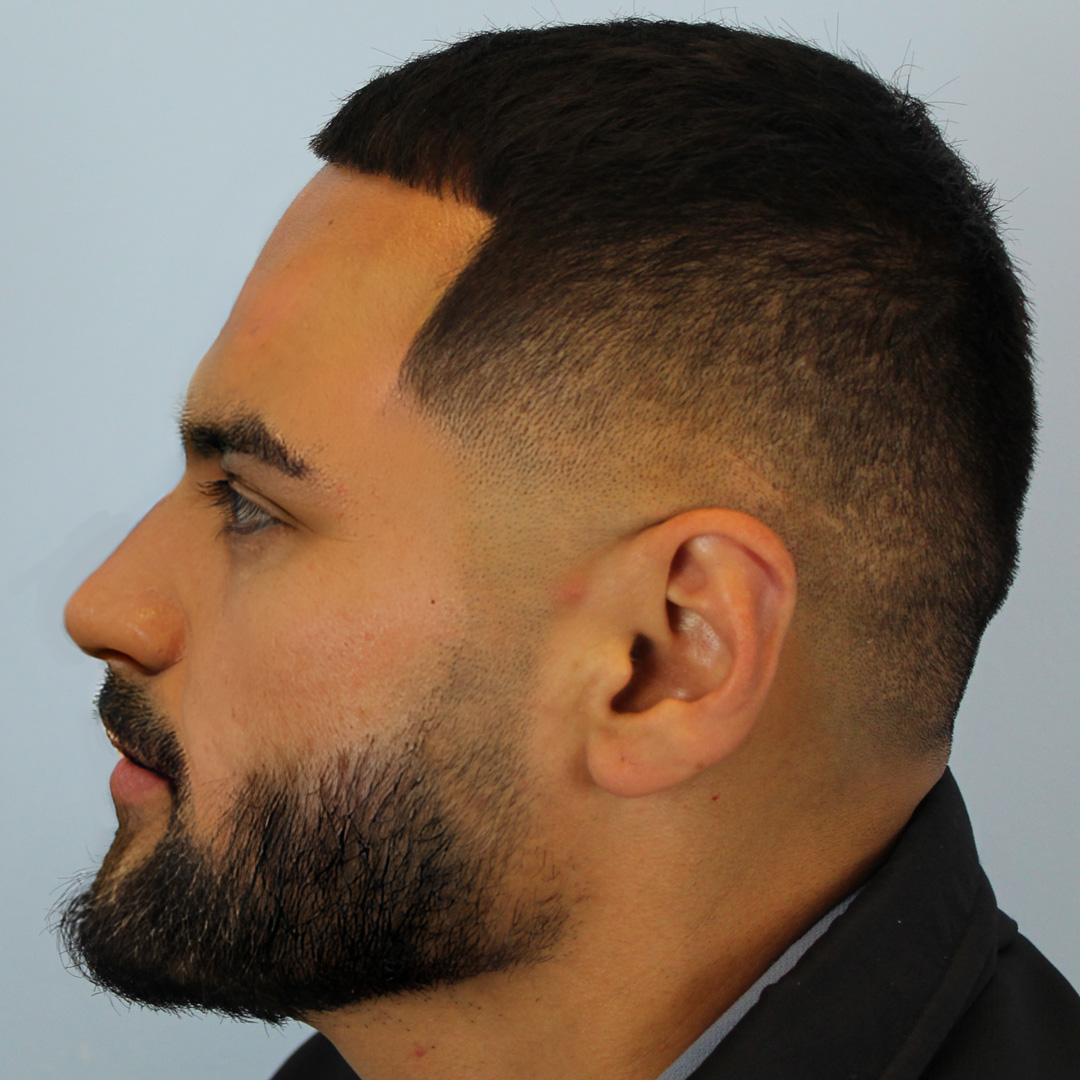
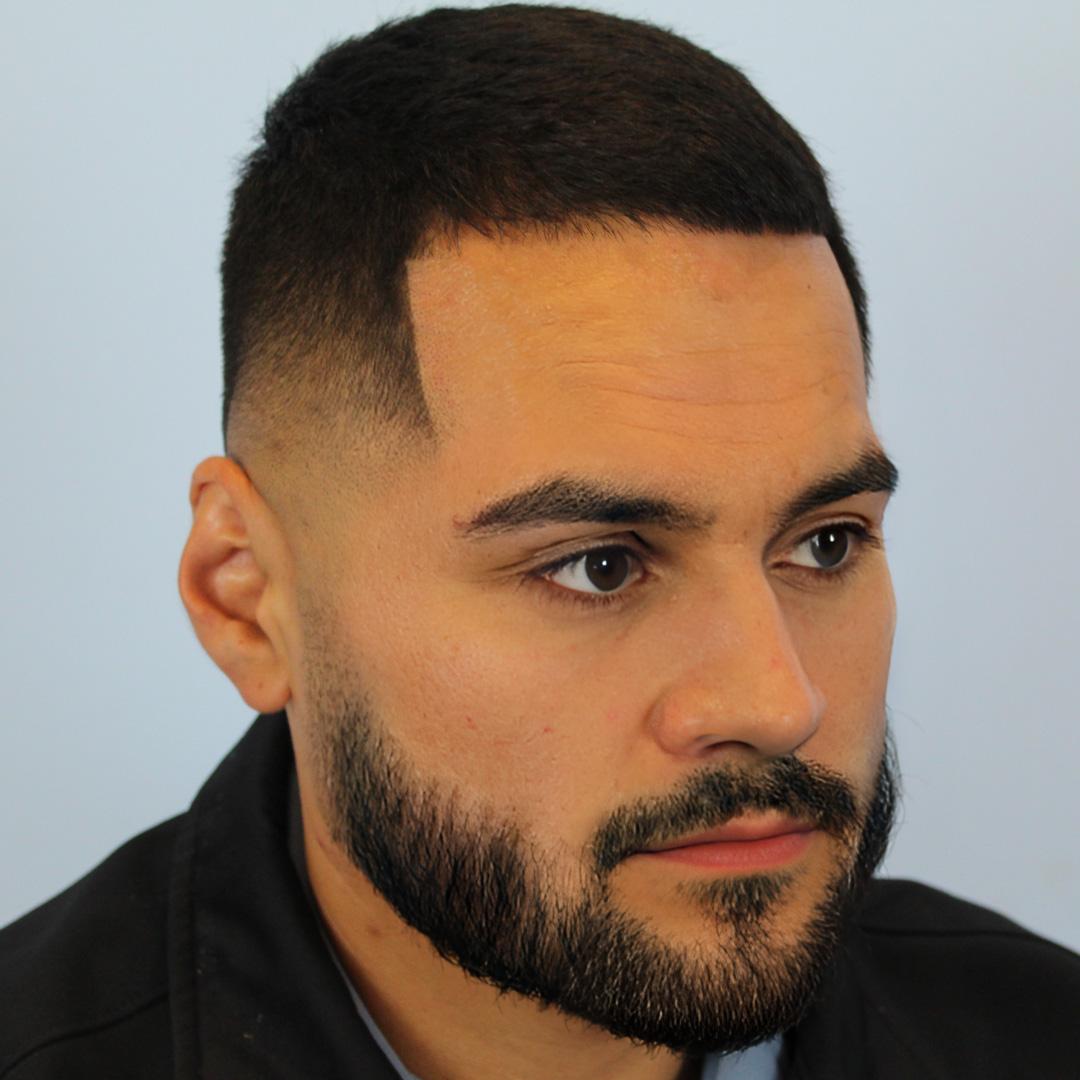
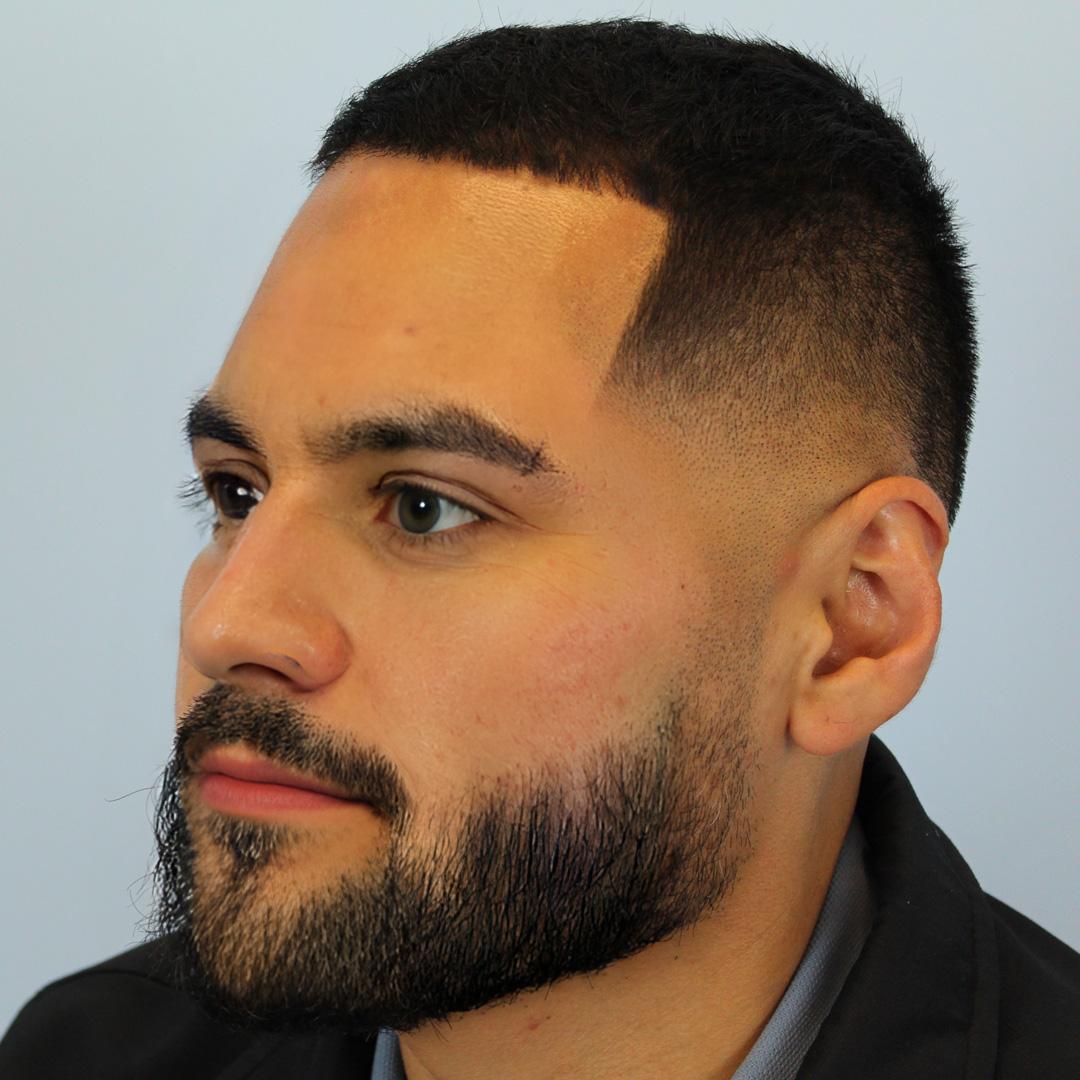
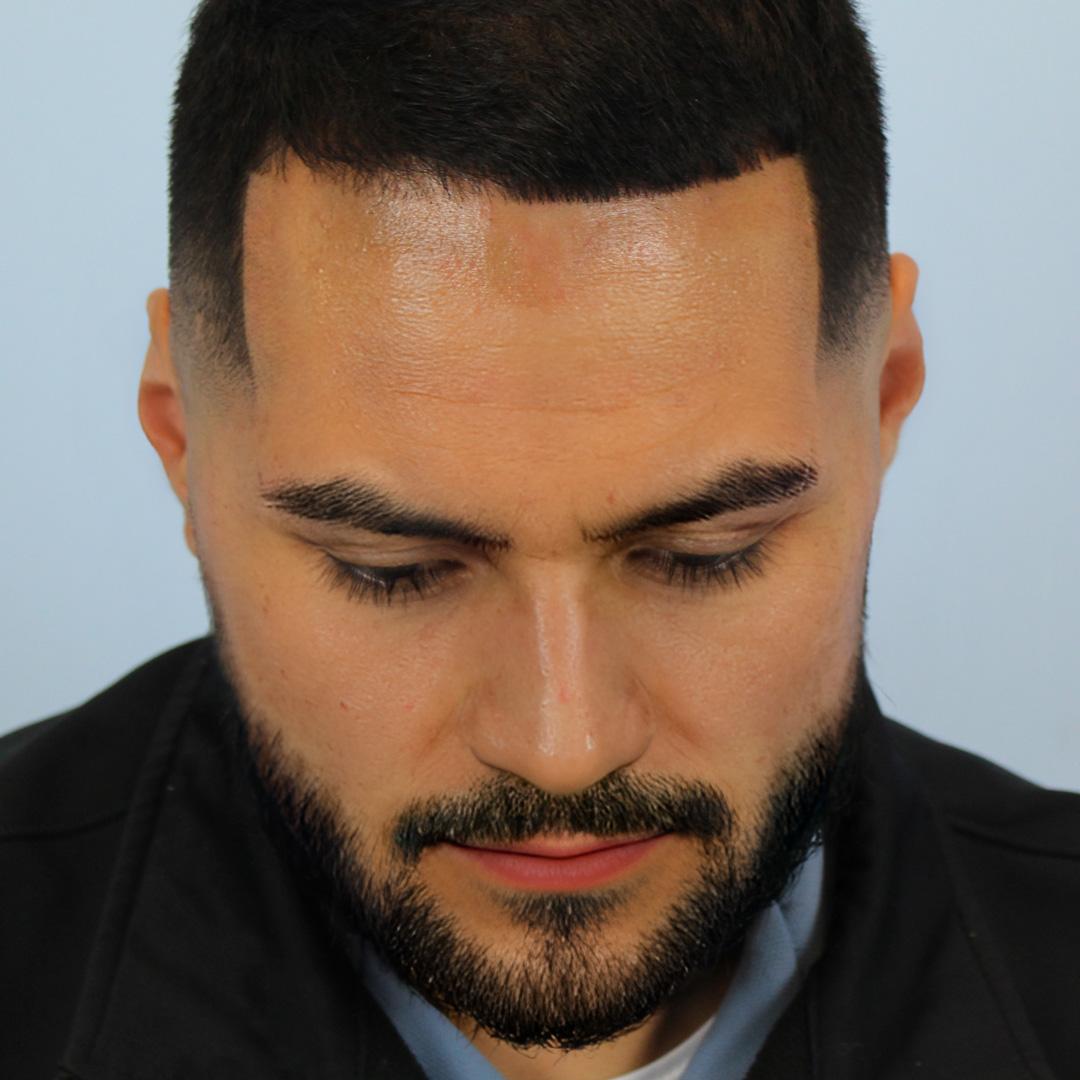
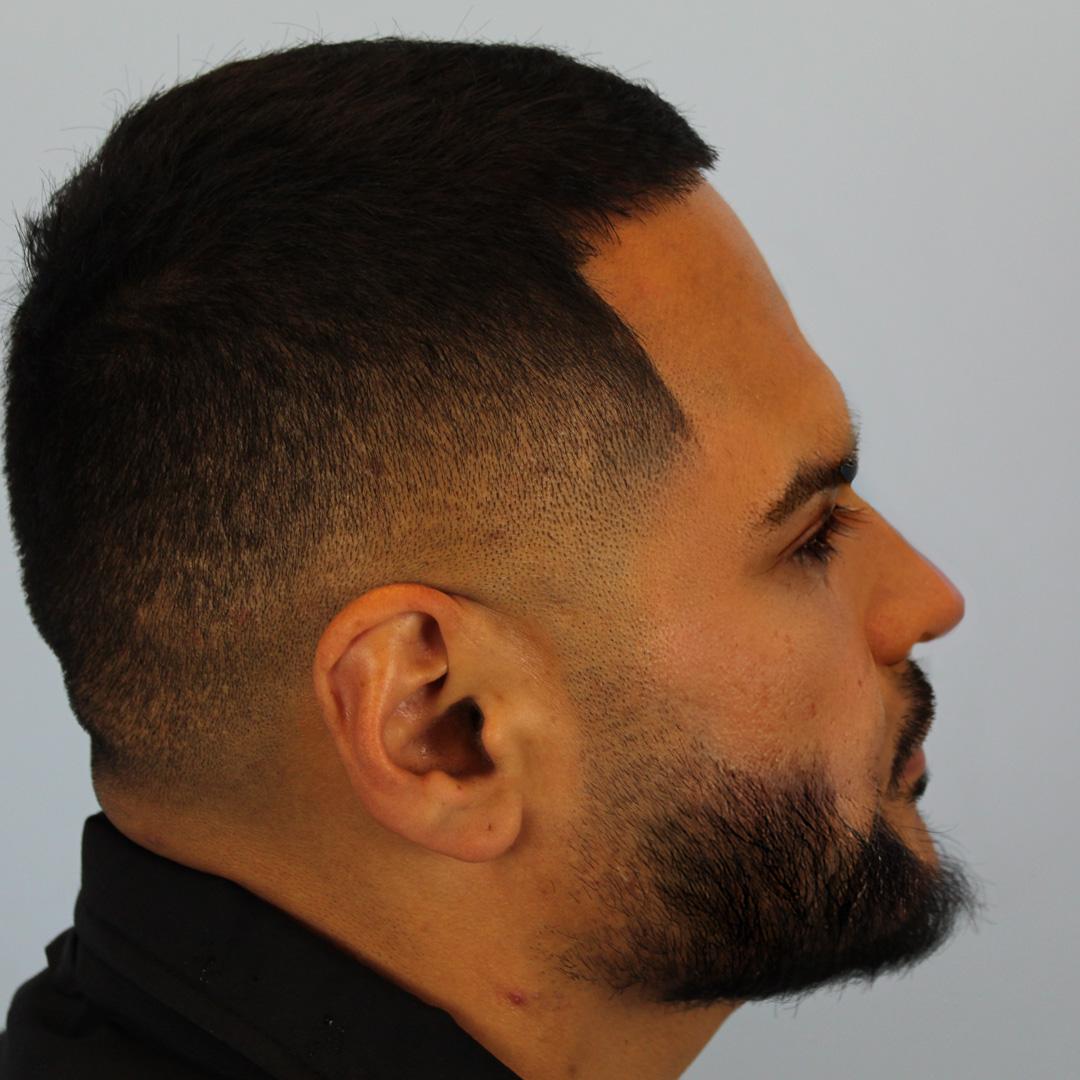
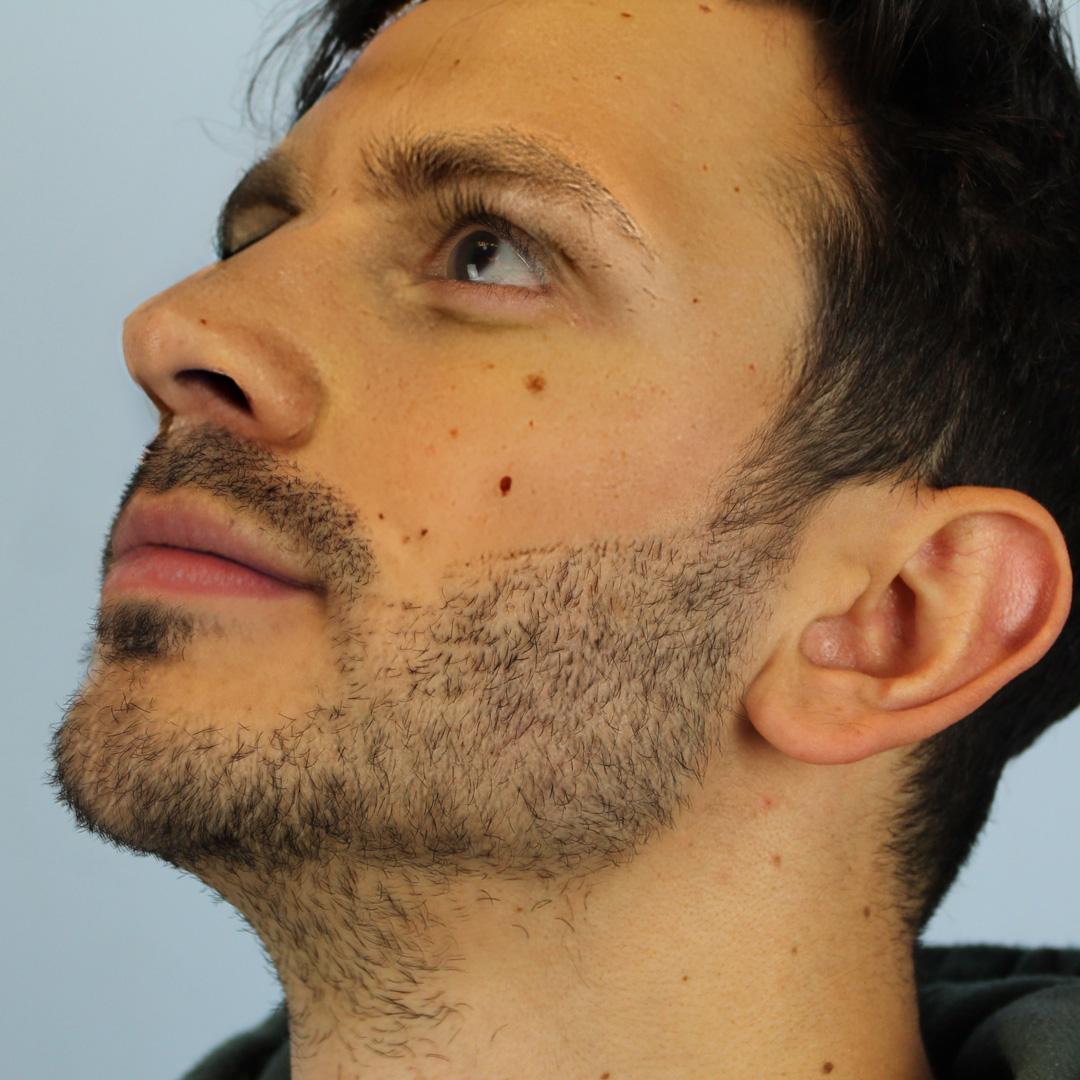
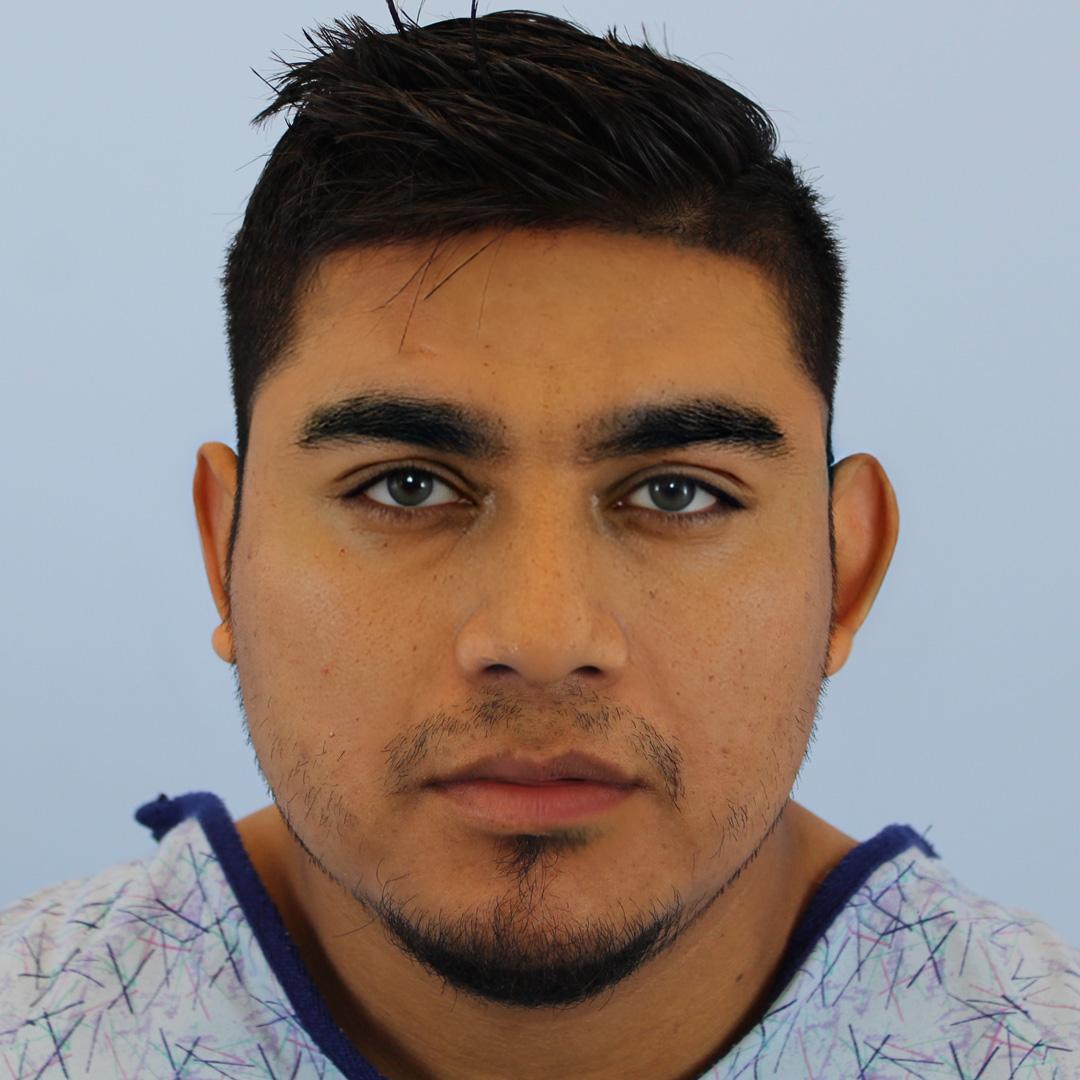
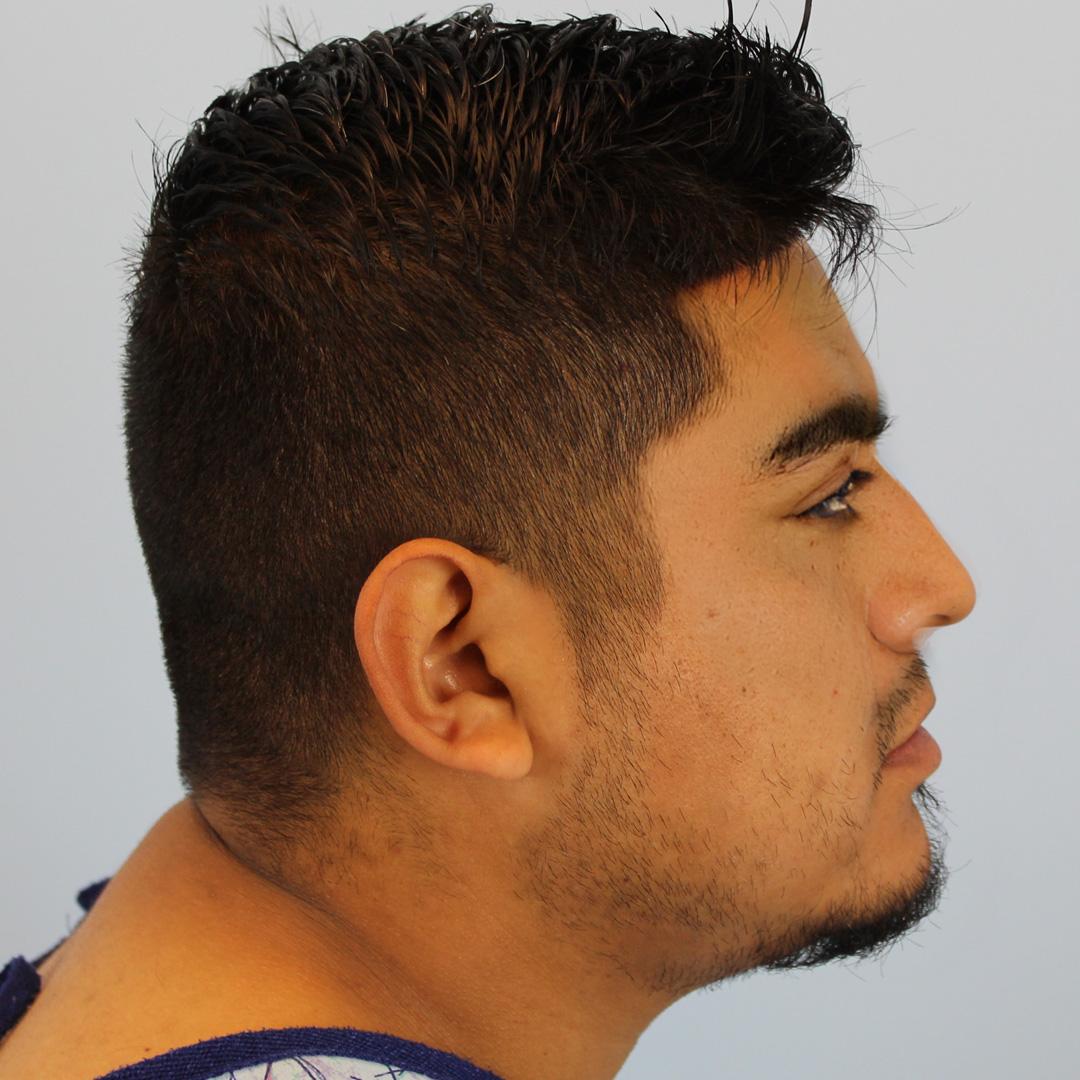
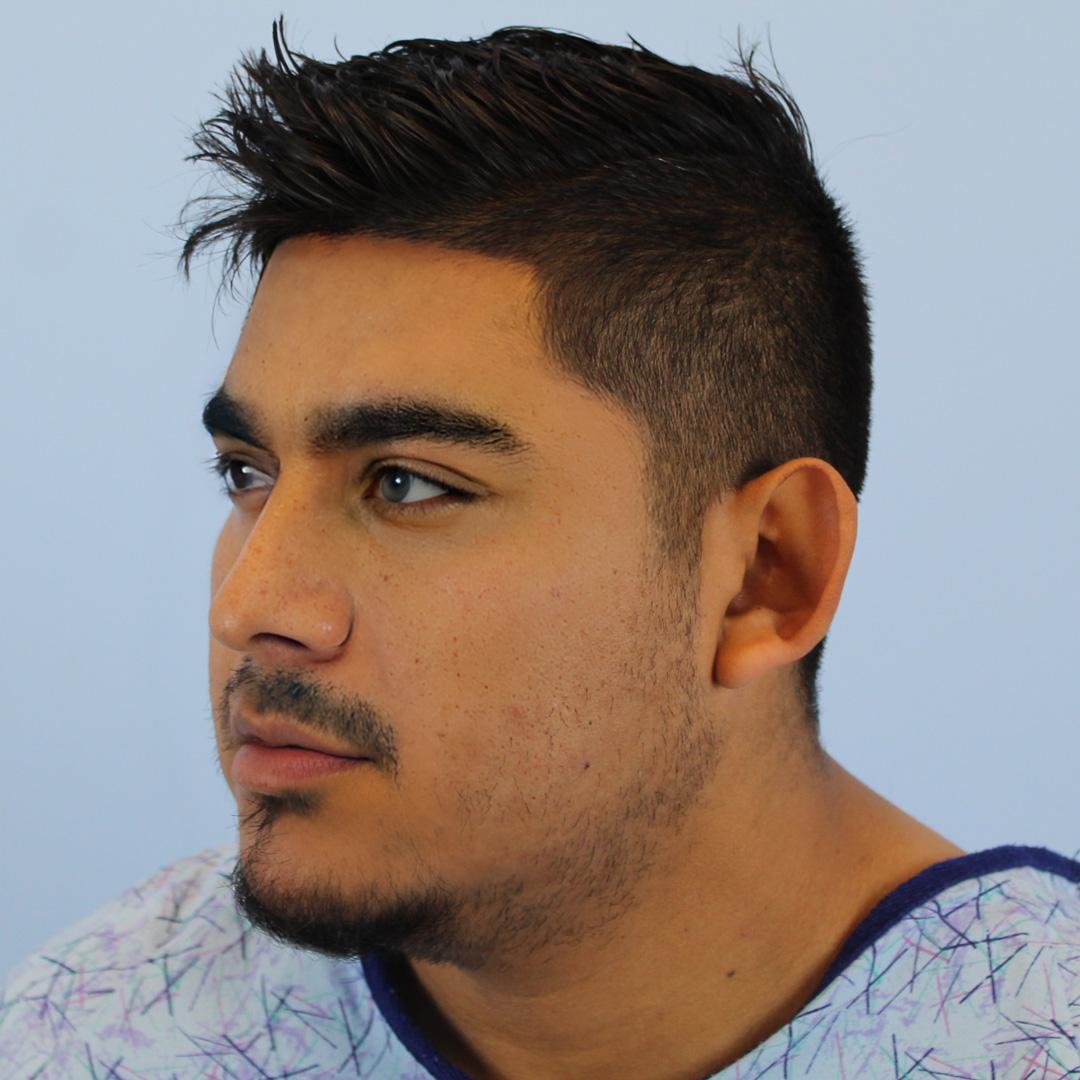
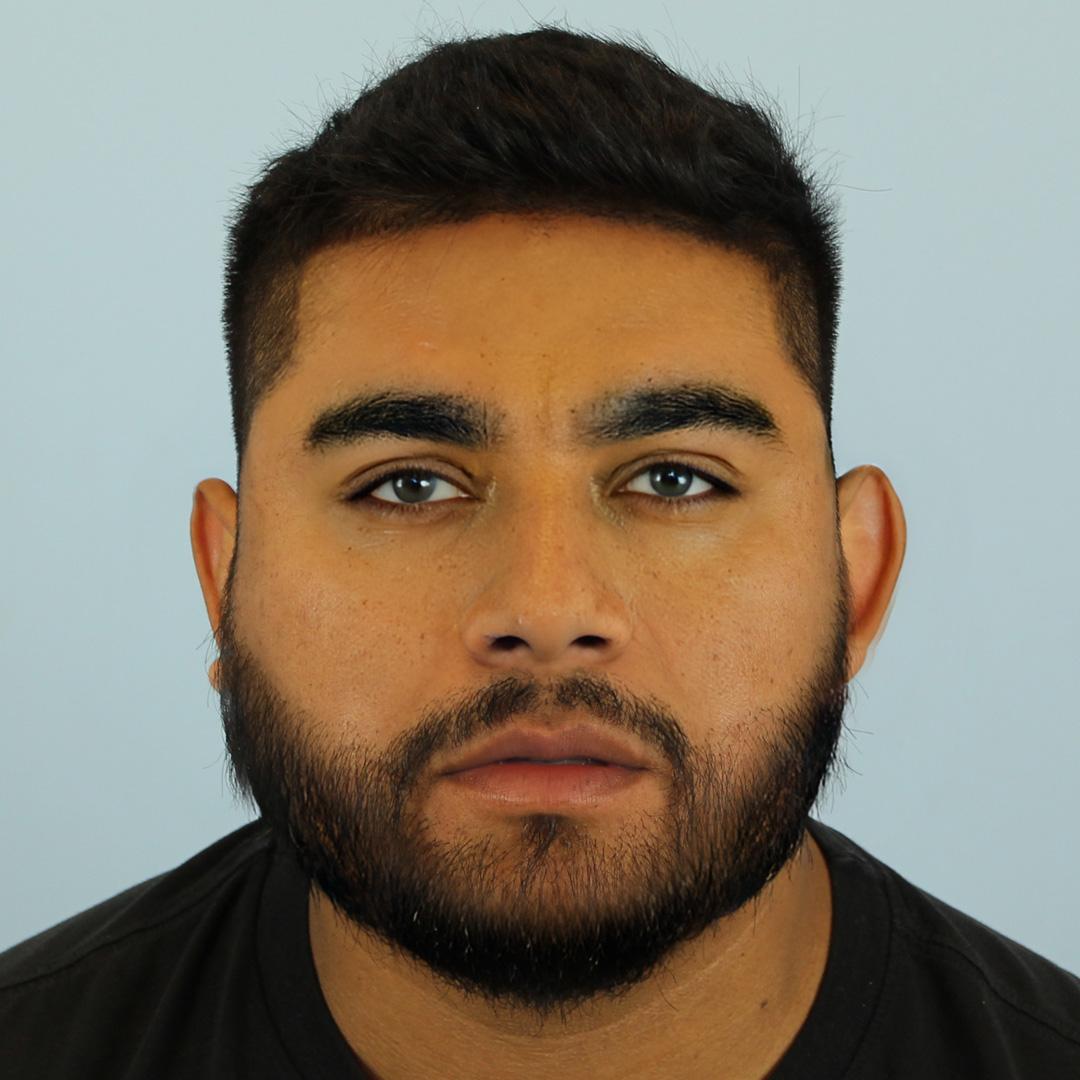
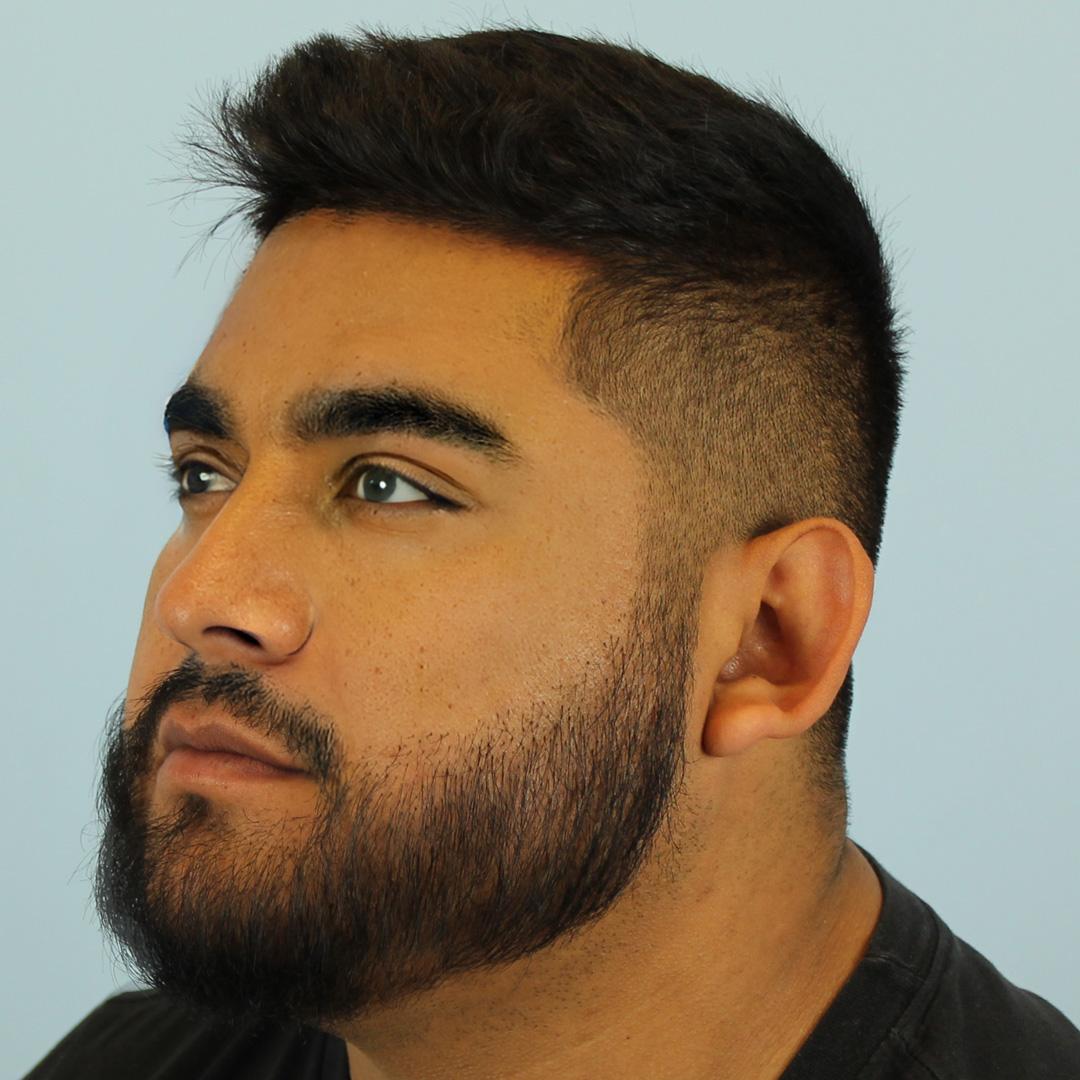
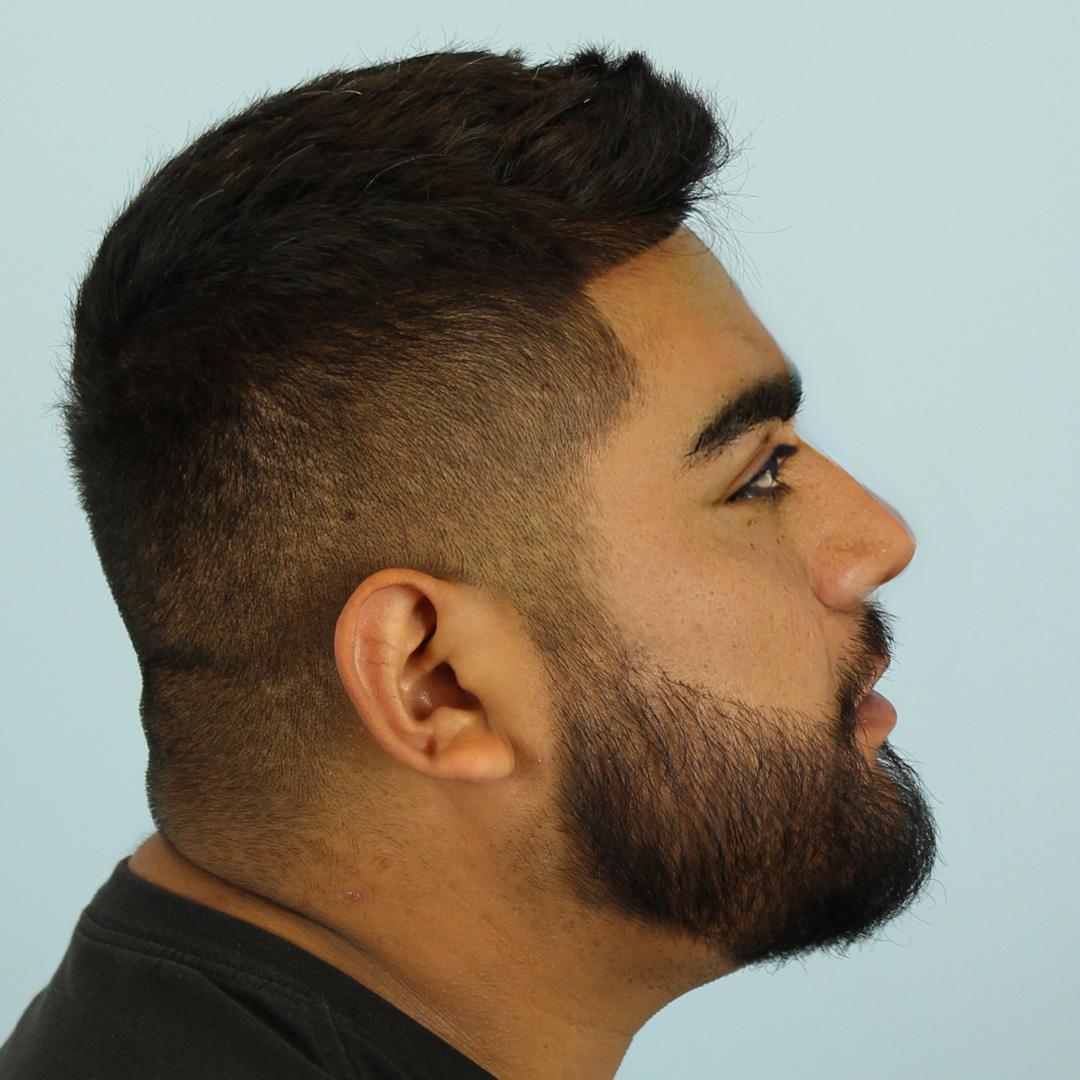
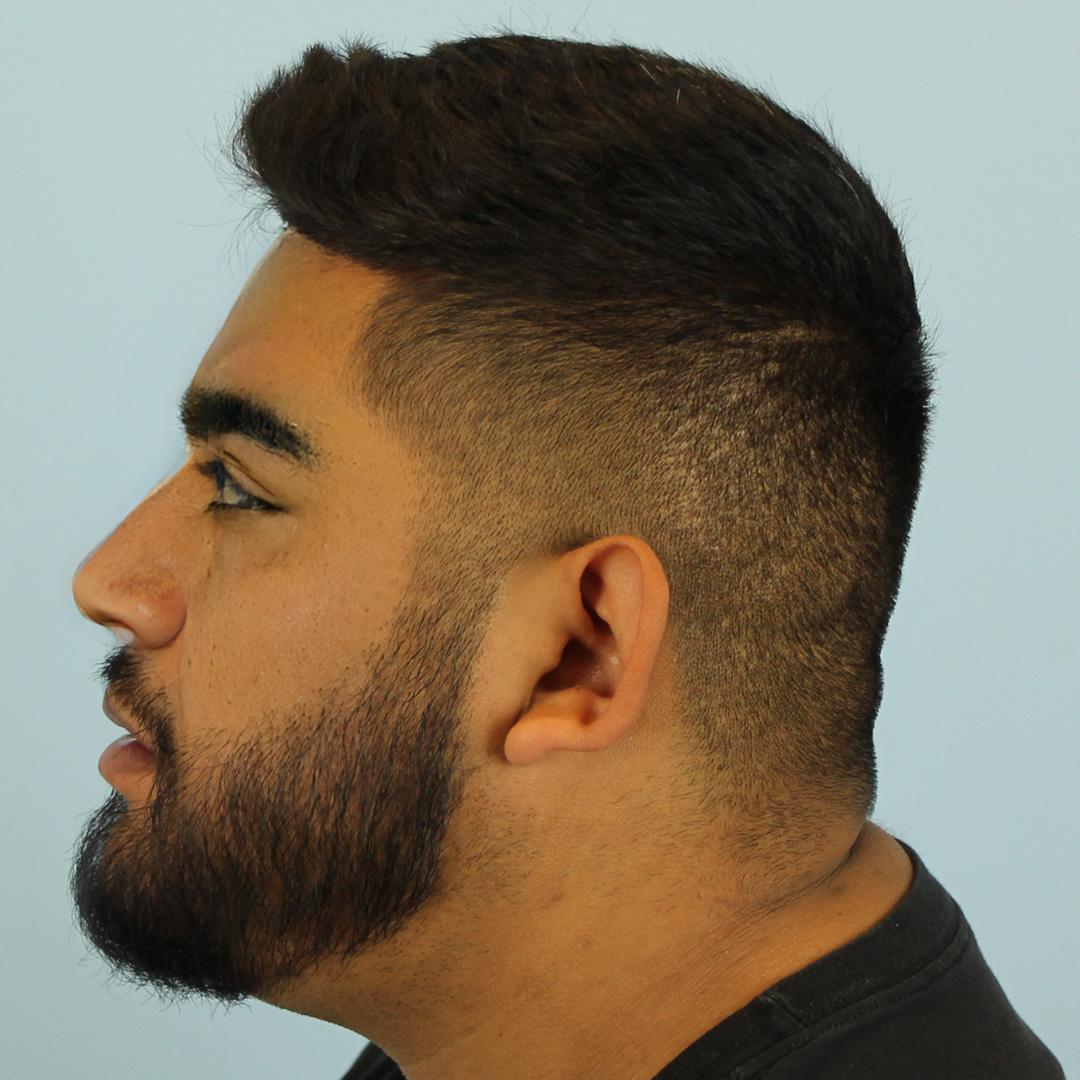
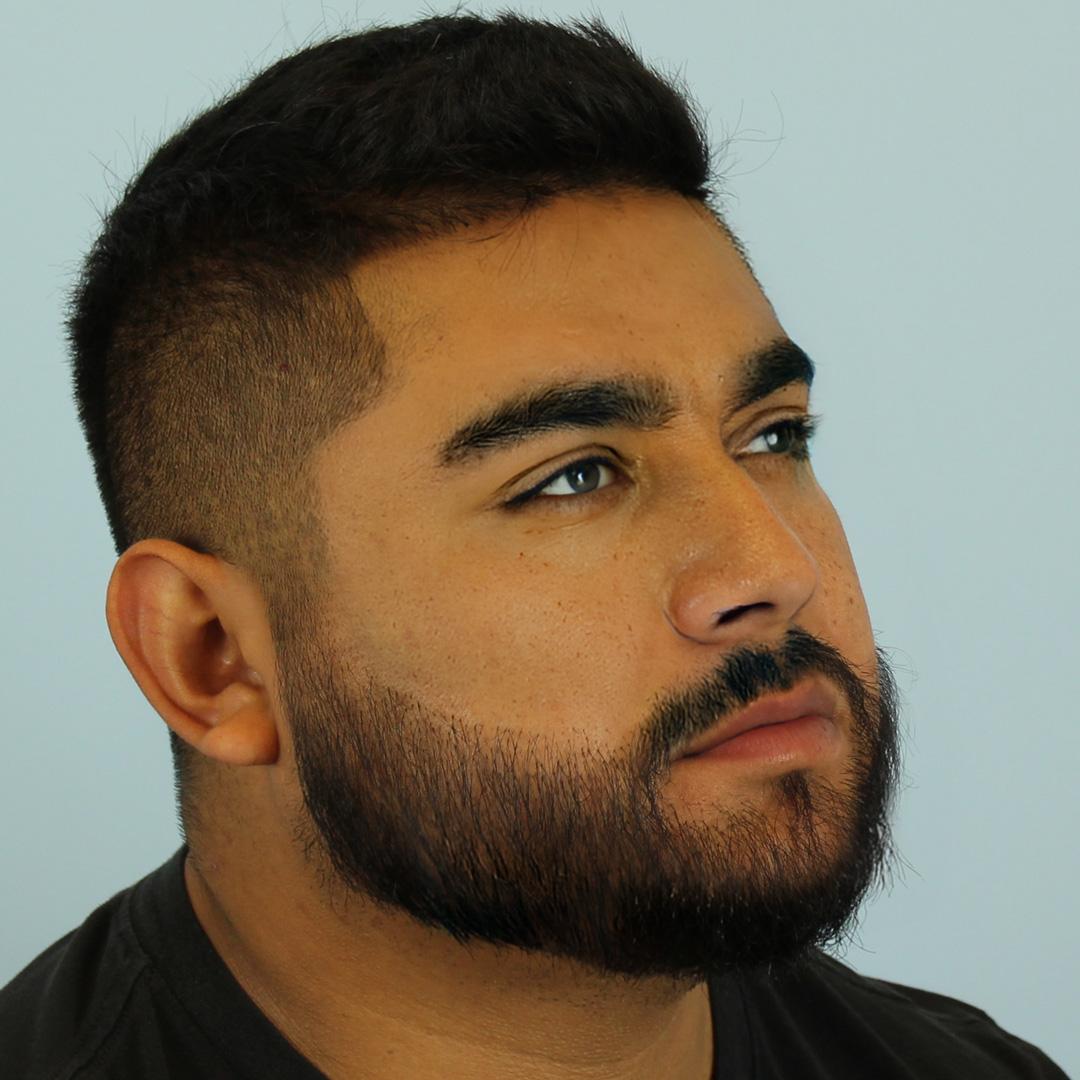
Beard transplant for Latino men — goatee, cheek and jawline restoration restoration. 11 month result. Sparse facial hair coverage is especially prevalent in Latino and Hispanic men due to genetic variation in androgen receptor sensitivity. This patient received 2,600 FUE grafts targeted to the goatee, cheek and jawline zones, achieving a natural, well-defined beard that respects his facial structure and heritage.

A beard transplant changes how the world sees you — and how you see yourself.

How you carry yourself in a room changes when you look the way you’ve always pictured yourself. Research consistently shows that men with full beards are perceived as more masculine, more dominant, and more credible — in boardrooms, in relationships, in every context where first impressions form in seconds.

But what we hear most often from patients — whether they came to us for a full beard transplant, a goatee, or to fill in sparse cheeks — isn’t about how others see them. It’s about how they finally see themselves. That shift, from self-conscious to settled, is what this procedure is really about.

BEFORE

AFTER
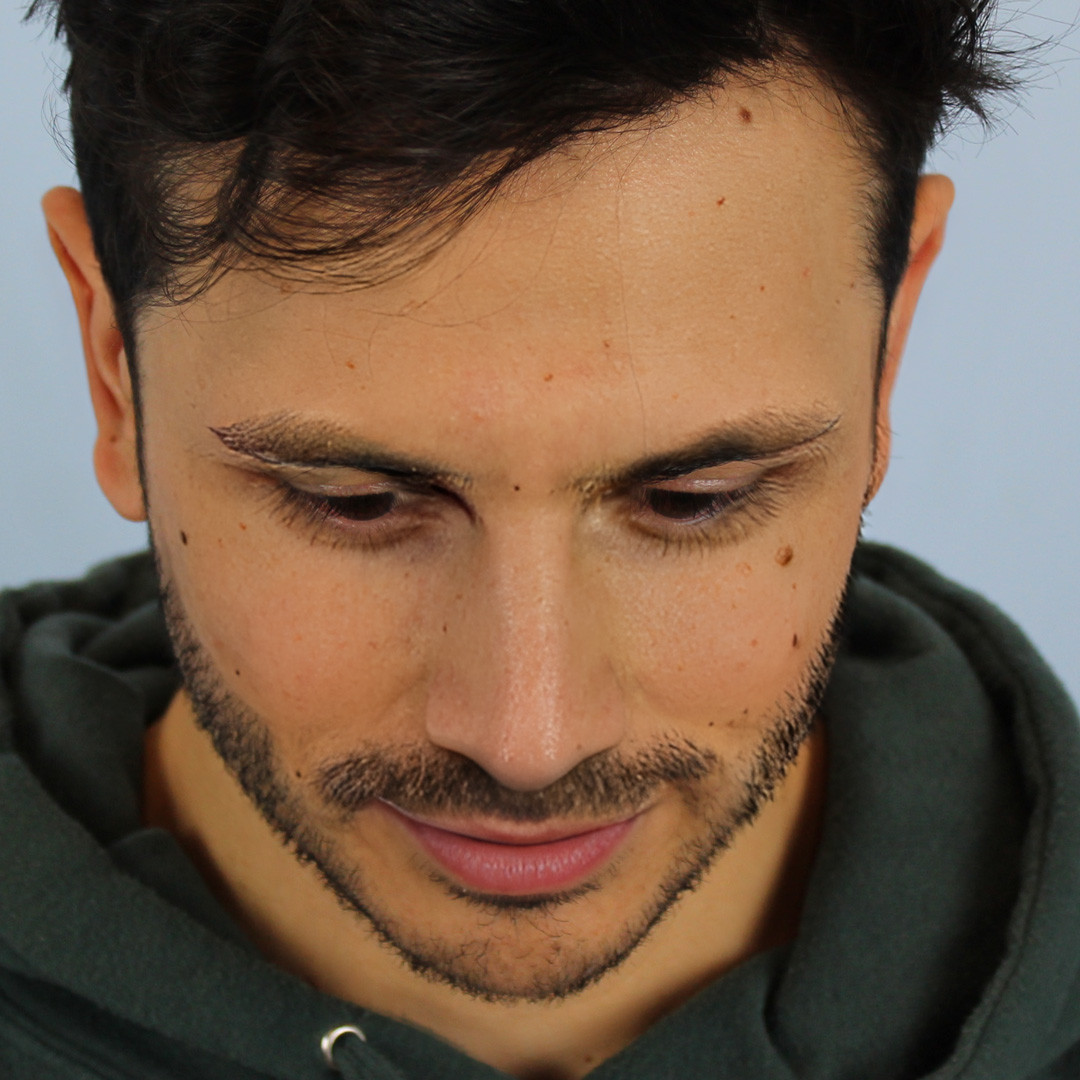
3200 grafts

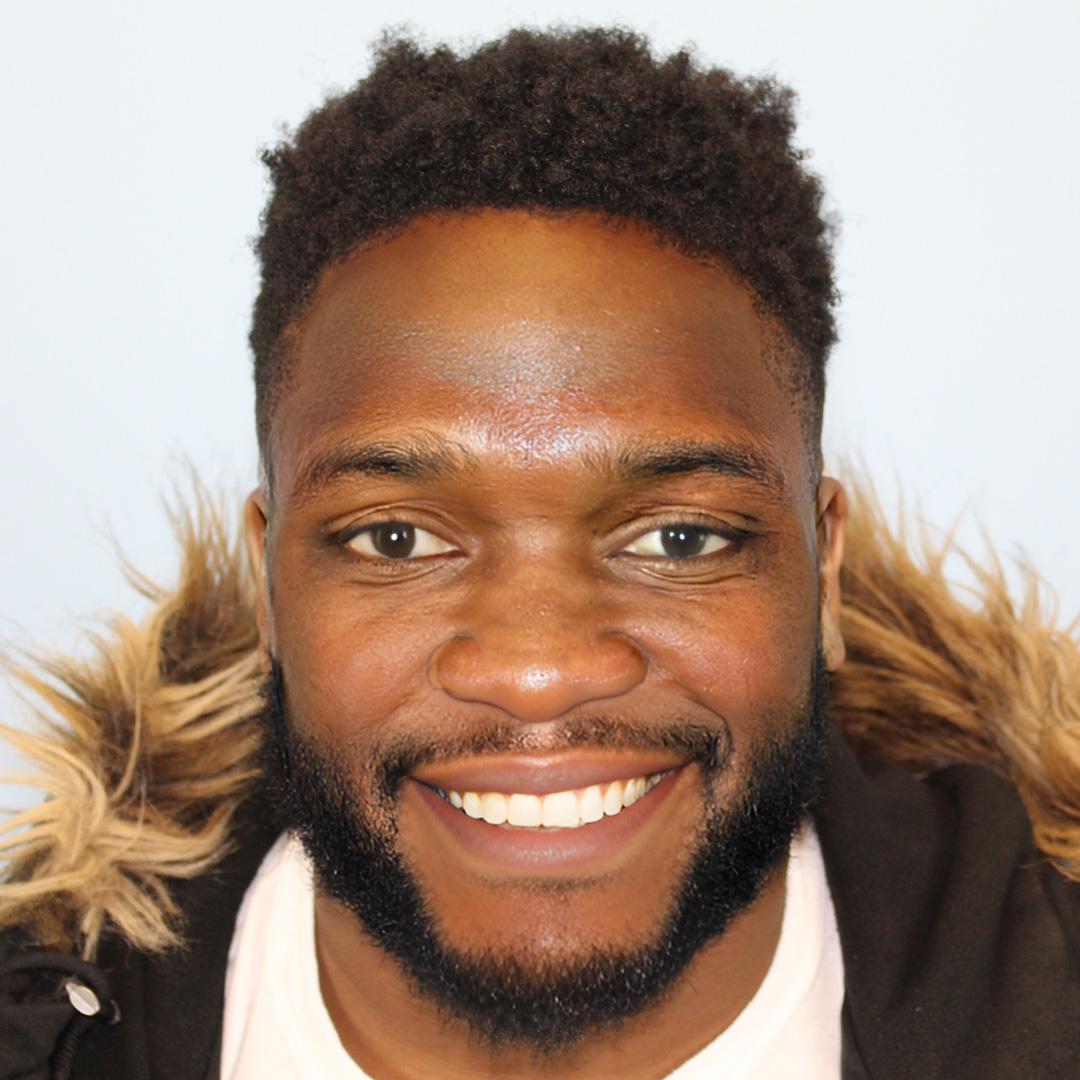
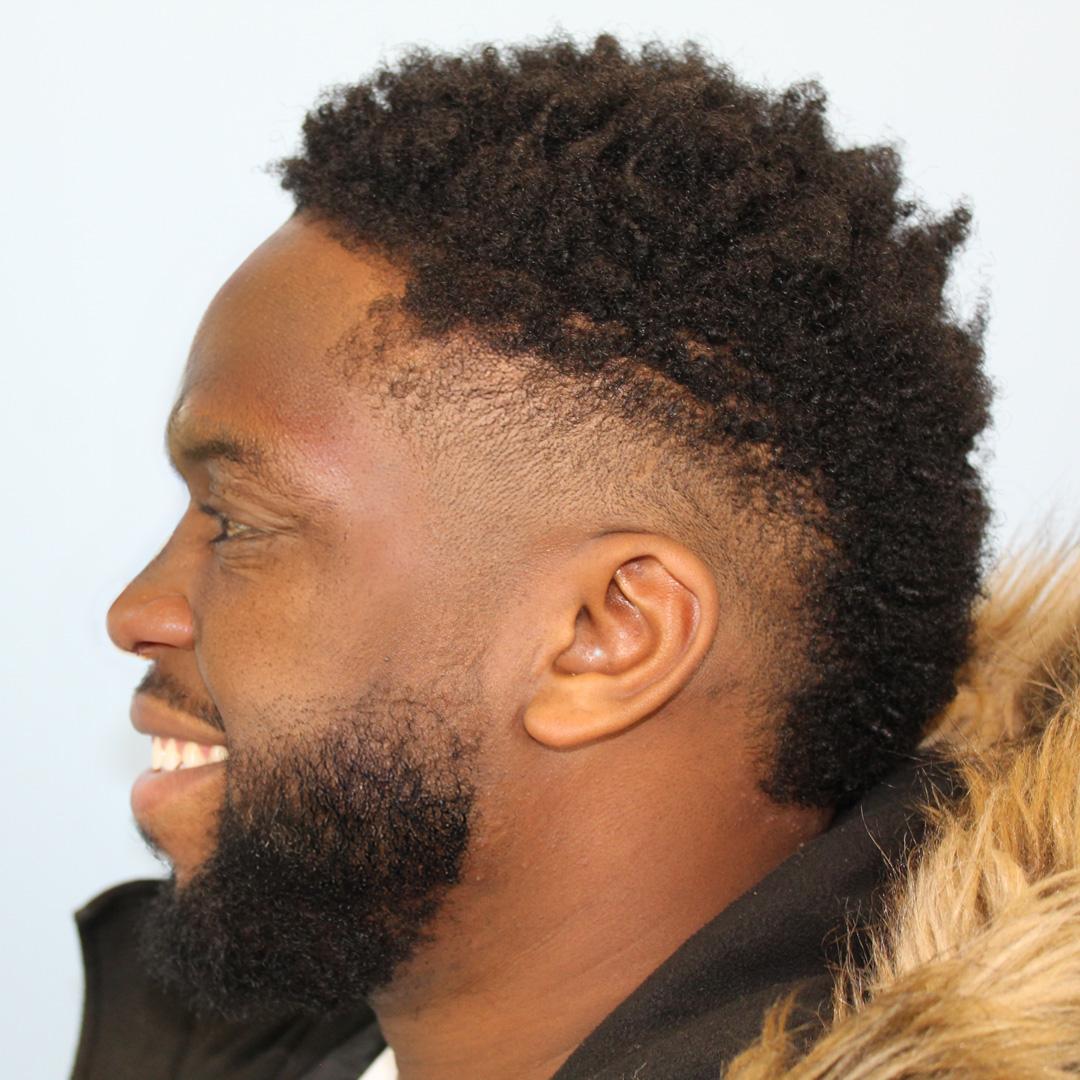
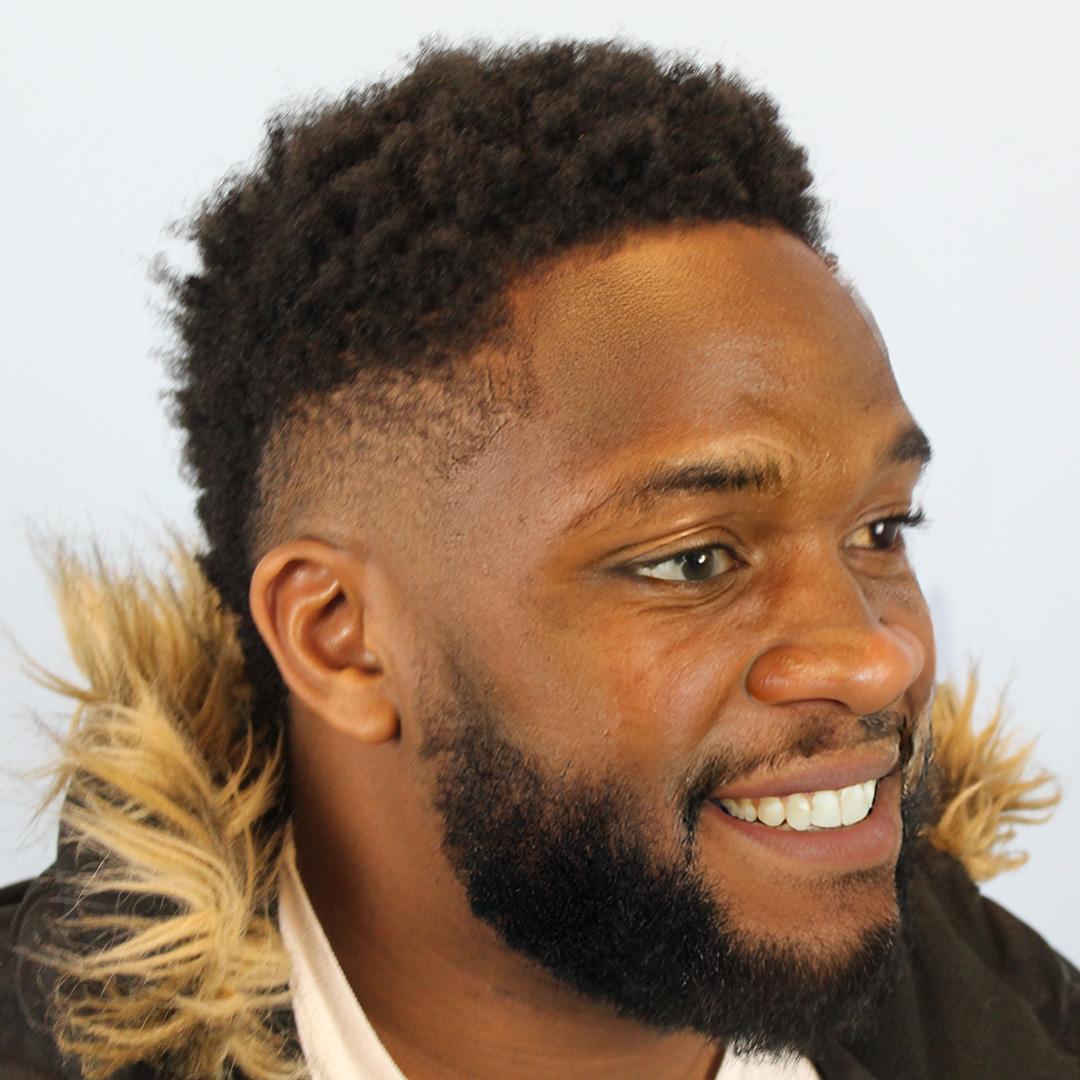
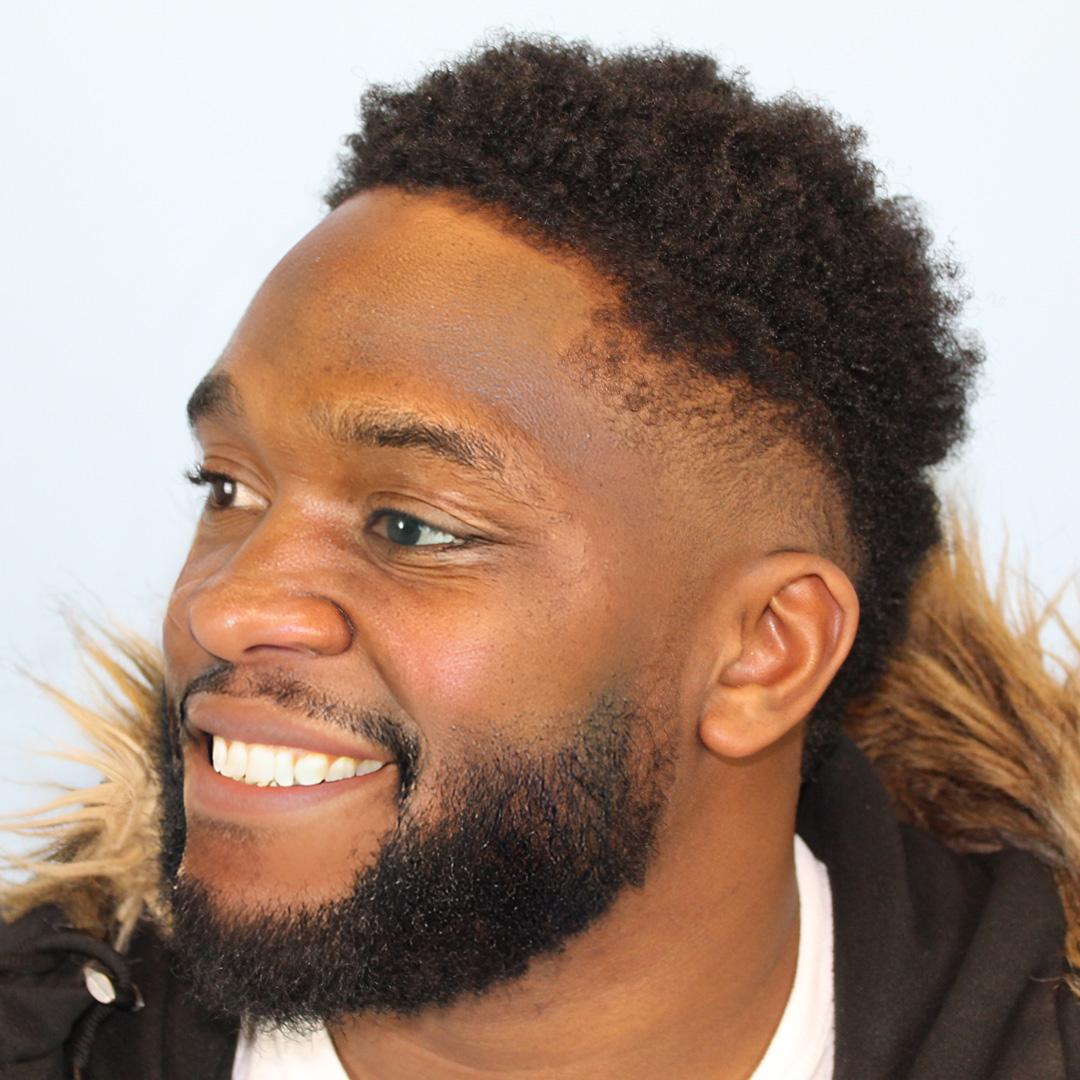
Full beard transplant result at 12 months. This patient presented with thin beard with low density due to genetic follicular deficit. He desire more density but not to be “too full.” Approximately 3,200 FUE grafts were placed across the goatee, cheeks, and jawline to build a natural, beard from the ground up.

Patchy. Thin. Absent. Scarred. All treatable with facial hair restoration..

The men who sit across from us in consultation come in with different stories. Some have never been able to grow coverage on their cheeks — a common outcome in Latino and Asian men with lower follicular density. Others have lost density to alopecia barbae. Many are looking for a beard transplant for acne scars or facial trauma that disrupted natural growth. The presentation is different for every patient. The solution, at the follicle level, is the same.

We also work with transgender men pursuing gender-affirming beard transplant procedures — a deeply personal process where surgical precision and an understanding of the patient’s vision matter as much as technique. Our beard transplant before and after results reflect the full range of patients we serve, across all ethnicities and starting points.

Whatever your starting point, we design a beard that fits your face, suits your life, and looks like it was always yours.

BEFORE

AFTER
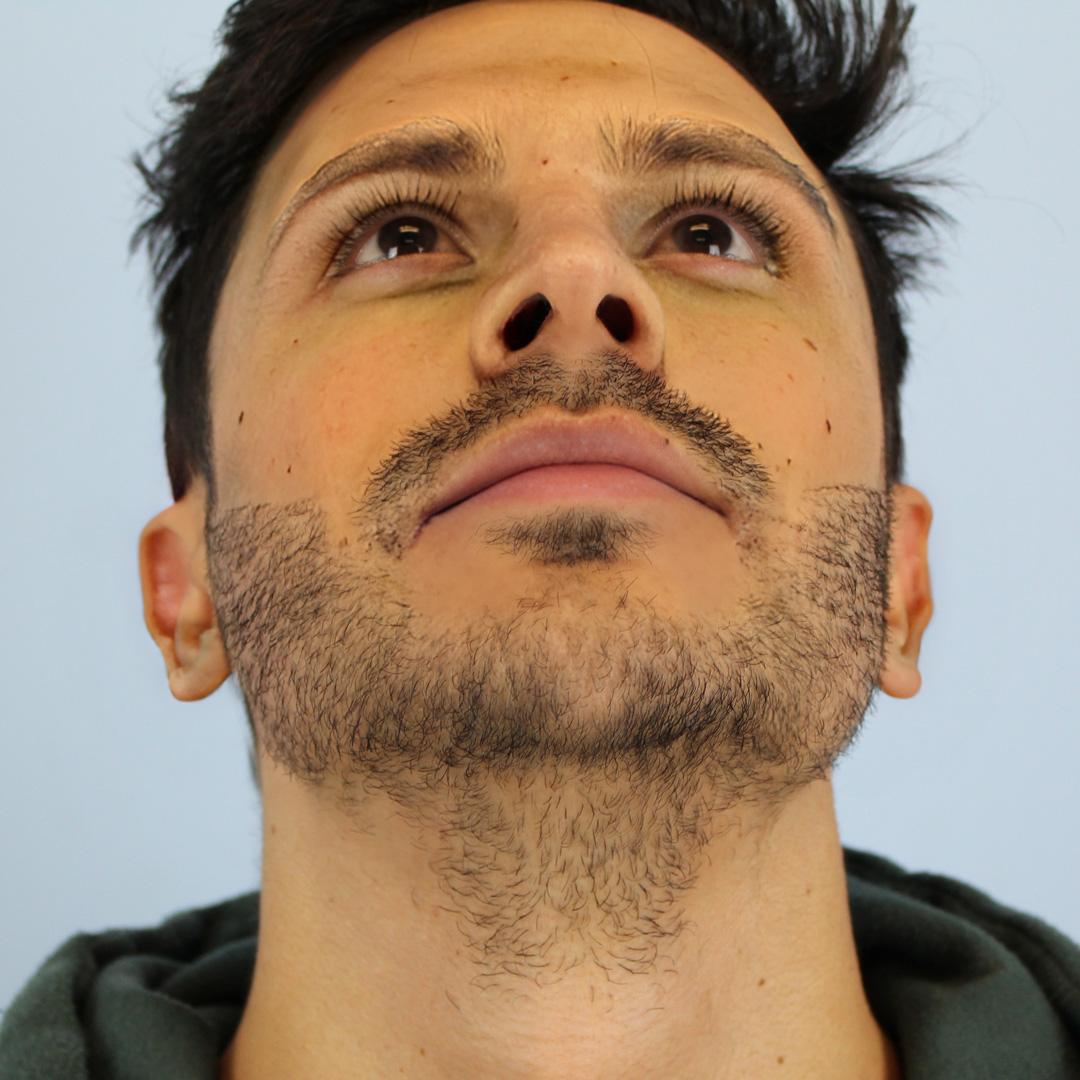
2000 grafts

Partial beard transplant result at 12 months. This patient presented with a beard that did not connect to is sideburns and could not be shaped. Approximately 2,000 FUE grafts were placed across the cheeks, and jawline to build a natural, full beard that was continous and could be style from sideburn to sideburn.

DESIGNED BY AN ARTIST. CREATED BY A SURGEON

Beard restoration is as much a design discipline as it is a surgical one. The angulation of each follicle, the density gradient across zones, the way the jawline transitions to the cheek — these are aesthetic decisions that shape the entire outcome. Getting them right requires a surgeon who thinks like an artist and operates with precision.

At Northwestern Hair, Dr. Rawlani’s design philosophy drives every FUE beard transplant procedure. Whether the case calls for full coverage, targeted scar camouflage, or ethnic-specific graft placement for African American beard transplant patients, the result is a beard that looks like it belongs to you — frames your face the way it should, and holds up to scrutiny up close.

BEFORE

AFTER
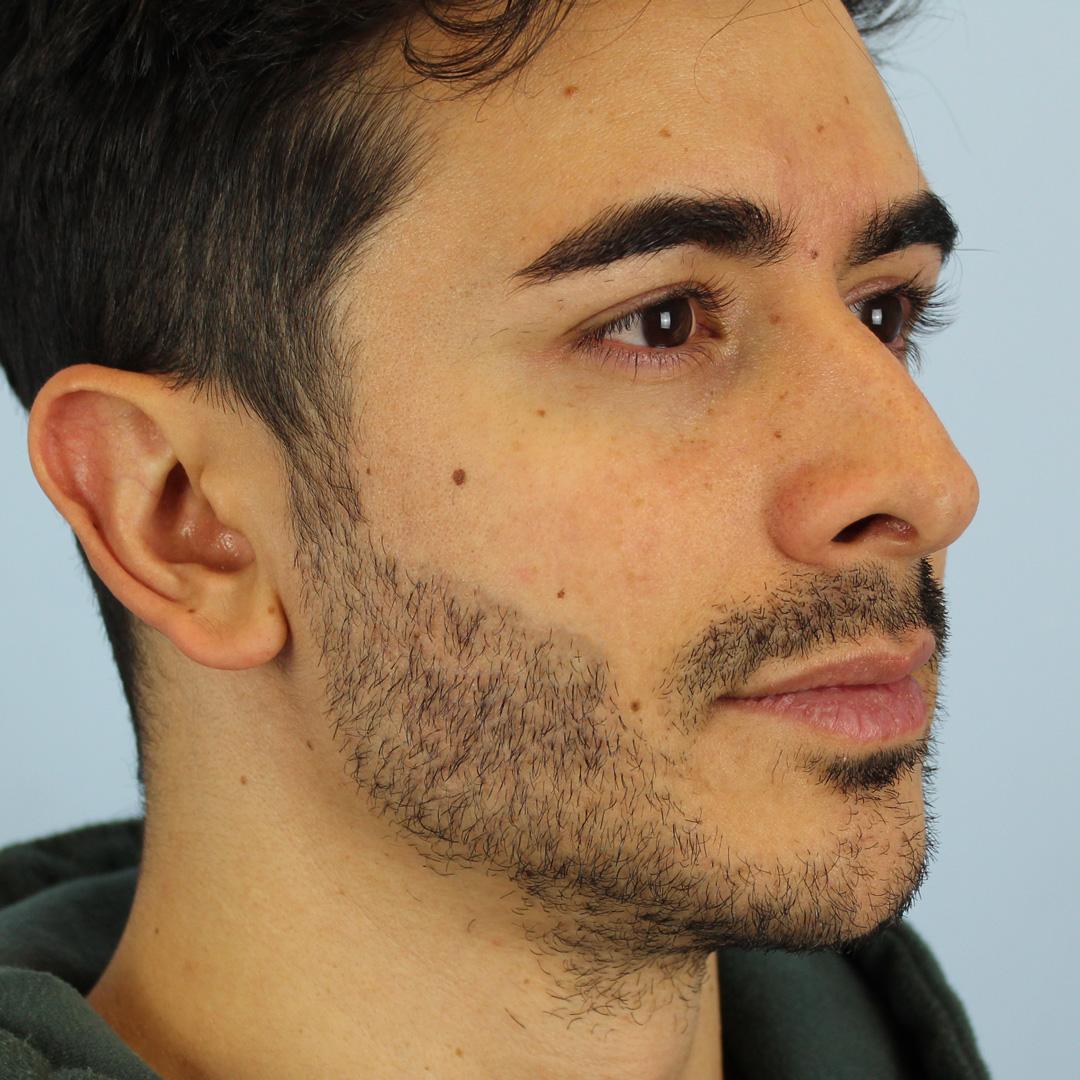
3200 grafts

Full beard transplant result at 12 months. This patient presented with near-complete absence of facial hair due to genetic follicular deficit, especially around the mustache, cheeks and jawline. Approximately 3,200 FUE grafts were placed across the mustache, chin, cheeks, and jawline to build a natural, full beard from the ground up.

BEARD TRANSPLANT COST IN CHICAGO

How much does a beard transplant cost?

Beard transplant cost in Chicago typically ranges from $5 to $10 per graft, depending on the complexity of the case, the zones being treated, and the total number of grafts required. Because every beard is different, your final cost is determined during consultation after Dr. Rawlani assesses your donor density and designs your specific treatment plan.

COST BY PROCEDURE TYPE

Goatee

Starting at $5,000 for 1,000 – grafts

Chin and mustache zones only

Partial beard

Starting at $10,000 for 2,000 grafts

Targeted cheek and jawline zones only

Full beard

Starting at $15,000 for 3,000 grafts. 

All zones — cheeks, jawline, chin, and mustache.

Northwestern Hair prices by graft — so you pay for exactly what your beard requires. Financing options are available. A beard transplant consultation with Dr. Rawlani is the first step to an accurate estimate for your specific case.

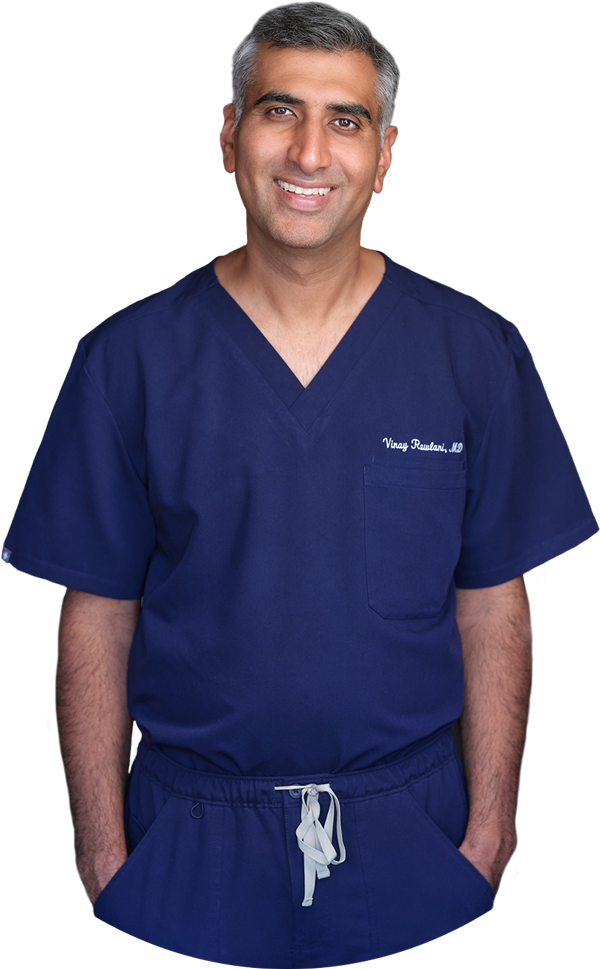
DR VINAY,
THE ARTIST AND THE SURGEON.

“It’s my job to have great hair, and it’s my pleasure to give you the same.”

I want you to be thrilled with the results for the rest of your life. That’s why I don’t approach this as another procedure. It’s an artistic commission that allows me to apply the best science has to offer.

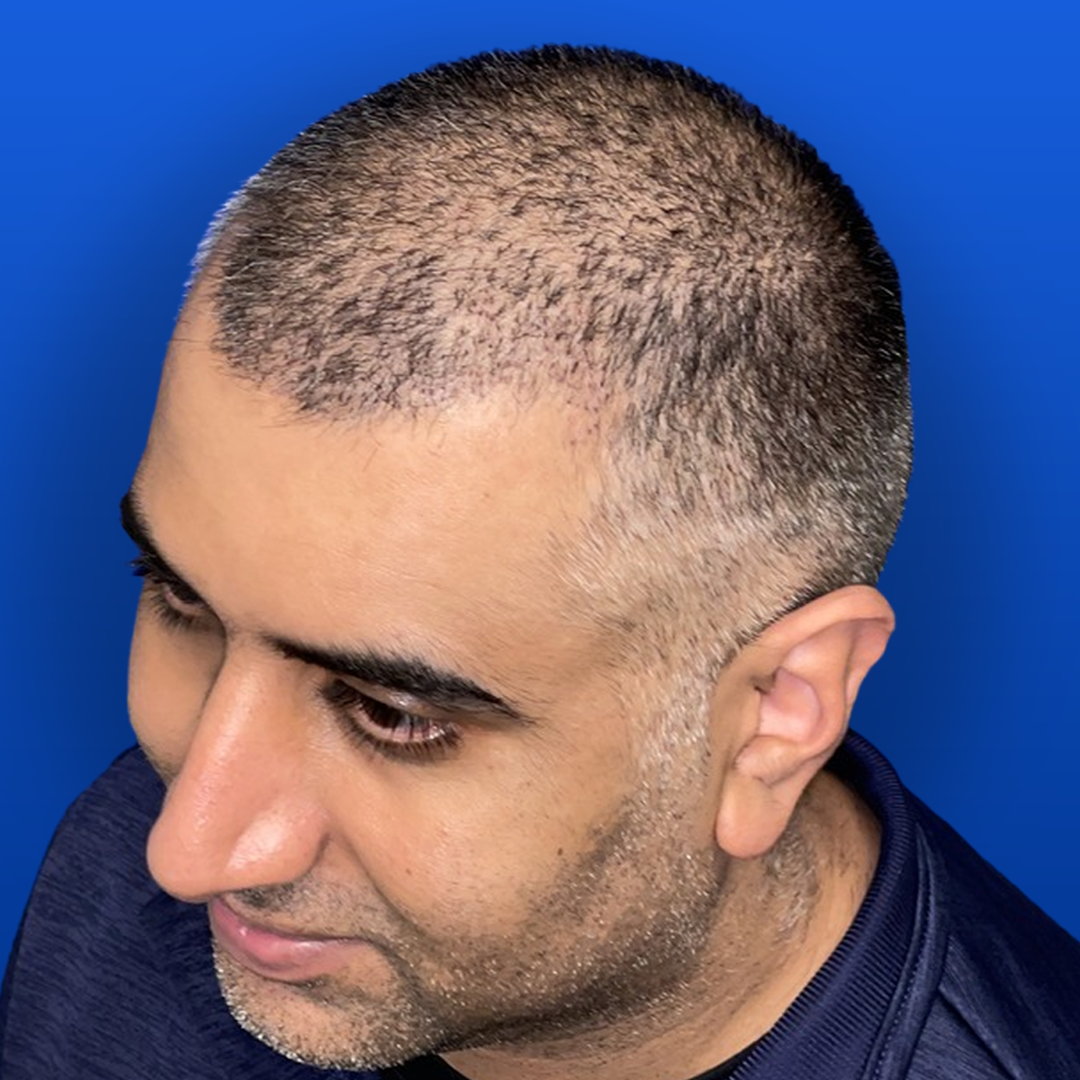
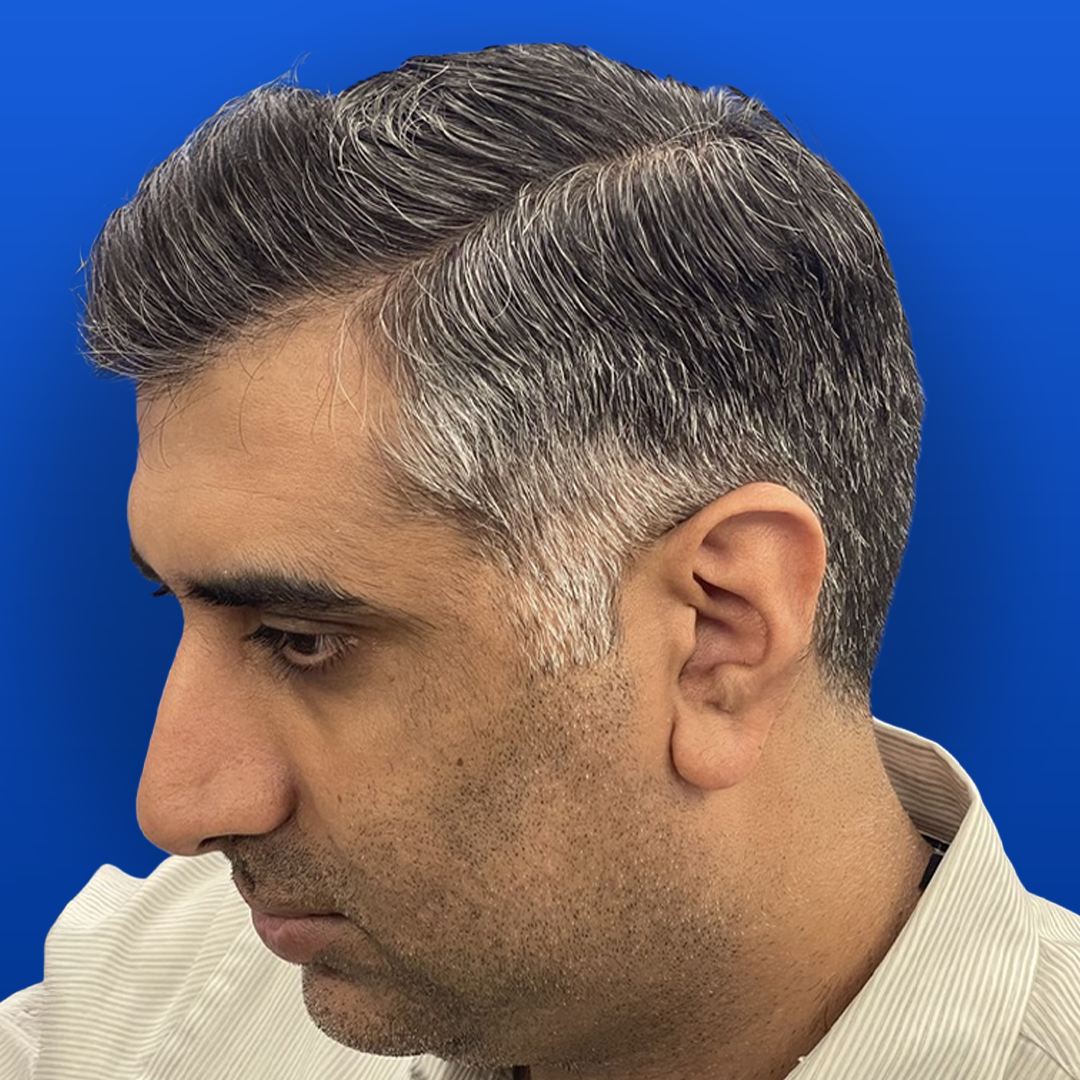
When I had my own hair transplant, going through the surgical process myself changed everything. I experienced every decision, every doubt, every healing milestone that my patients now face—and it gave me a sharper lens for what matters most. Since then, I’ve made it my mission to refine each step of the journey, from graft survival to design language. My hair grew back—but more importantly, so did a whole new standard for care.

“I received a Micro PUE transfer and the NHR team made the process easy. A week later I was playing drums in front of a crowd and no one even noticed my healing head thanks to Dr. Vinay’s discreet haircut methods. One friend even mentioned my hair looked good that day, I couldn’t believe it. Once I got through a few nights of rough sleep and some itching, it was back to life as usual. Stoked by the results!”

LANCE M.

FREQUENTLY ASKED QUESTIONS

Everything you need to know about beard transplants.

Questions sourced from real patient conversations — answered in Dr. Rawlani’s voice.

BEFORE THE PROCEDURE

Am I a candidate for a beard transplant?

Most men with patchy, sparse, or absent facial hair are good candidates, provided they have sufficient donor hair on the scalp. The key factors Dr. Rawlani evaluates are donor density, the degree of facial hair deficit, and your long-term scalp hair loss risk — since beard and scalp transplants draw from the same donor supply. Men with alopecia barbae, acne scarring, burn or trauma injuries, and genetic sparse coverage are all routinely treated at Northwestern Hair.

No — you don’t need to shave your entire head. The donor area at the back of the scalp is trimmed, not fully shaved, and the surrounding hair covers it naturally during healing. For patients with longer hair or who wear their hair in a bun, the trim can be kept narrow and positioned so it’s completely concealed. This is something we plan specifically in the consultation — your lifestyle and how your hair is worn are part of the design conversation.
Graft count depends entirely on your starting point and your goals. A goatee typically requires 1,000–1,500 grafts. A medium-density full beard is approximately 2,500–3,000 grafts. Patients with very sparse or absent coverage across all zones may require 3,500 or more. Dr. Rawlani will map your beard zones during consultation and give you a precise graft estimate based on your anatomy.
FUE — and Northwestern Hair’s proprietary Micro PUE variant — harvests individual follicles directly from the donor area, leaving only tiny dot scars that are virtually undetectable. FUT harvests a strip of tissue, allowing for larger graft counts in a single session but leaving a linear scar at the donor site. Dr. Rawlani will recommend the right technique based on your graft requirements, hair texture, and donor area characteristics.
Yes, in most cases. Laser hair removal damages follicles in the treated area, but transplanted follicles are new — harvested from untreated donor zones. As long as the recipient skin has healed and there’s no active scarring that would prevent graft survival, beard transplantation after laser removal is very achievable. Dr. Rawlani will assess the recipient tissue during consultation to confirm suitability.

RESULTS & APPEARANCE

Yes — and this is one of the most important questions to ask your surgeon before committing to a procedure. A well-executed beard transplant should allow you to wear any length you want, from a clean shave to a full beard. The key is graft angulation and placement depth. When follicles are placed at the correct angle and level for the face, they grow flat and natural at any length. At Northwestern Hair, our before and after results include patients who wear close stubble — not just long beards — because the technique supports it.
No. Transplanted grafts are placed between and around your existing hair — nothing is removed or replaced. Your native follicles stay exactly where they are. The transplant adds density and coverage to the areas that need it, working with what you already have rather than displacing it. Some temporary shock loss of native hair near the recipient sites can occur, but this is almost always temporary and resolves as healing progresses.
Cobblestoning — a bumpy, uneven texture in the recipient area — is one of the most common complications from beard transplants performed at high-volume or inexperienced clinics, and it comes down to graft placement depth. When grafts are placed in the beard, they need to be set slightly proud of the skin surface, because during the healing process the tissue contracts and the graft sinks to the correct level. If a surgeon places grafts flush or too deep, that contraction pulls them below the surface, creating pitting or cobblestoning. Getting this right requires hands-on experience with facial tissue — it’s a feel that develops over hundreds of cases, and it varies patient to patient. We have not seen a bumpy or divoted result in our office in over five years.

RECOVERY & DOWNTIME

Most patients return to desk work within 3–5 days. Small scabs form around each graft in the first week and resolve on their own — avoid touching or shaving the area during this time. Transplanted hairs shed at 2–4 weeks, which is normal and expected. New growth begins at 3–4 months, with significant density visible at 6–9 months. Full, final results are typically seen at 12 months post-procedure.

Light activity can resume after about a week. Strenuous exercise — weightlifting, running, anything that significantly elevates blood pressure or causes heavy sweating — should be avoided for 3–4 weeks. Elevated blood pressure increases blood flow to the scalp and face, which can disrupt healing grafts before they’ve fully anchored. Sweat can also irritate the recipient sites. We give every patient specific post-operative guidelines and are available to answer questions throughout recovery.
Some redness and temporary skin changes in the recipient area are normal in the first weeks after a beard transplant. This typically resolves fully within 4–8 weeks as the tissue heals. Persistent discoloration beyond three months — particularly a darkened outline around the beard zone — is usually a sign of sun damage to unprotected healing skin, or of deeper placement trauma from technique issues. Sun protection during the first months of recovery is important and something we emphasize in our aftercare protocol.

ETHNICITY & CONDITION-SPECIFIC

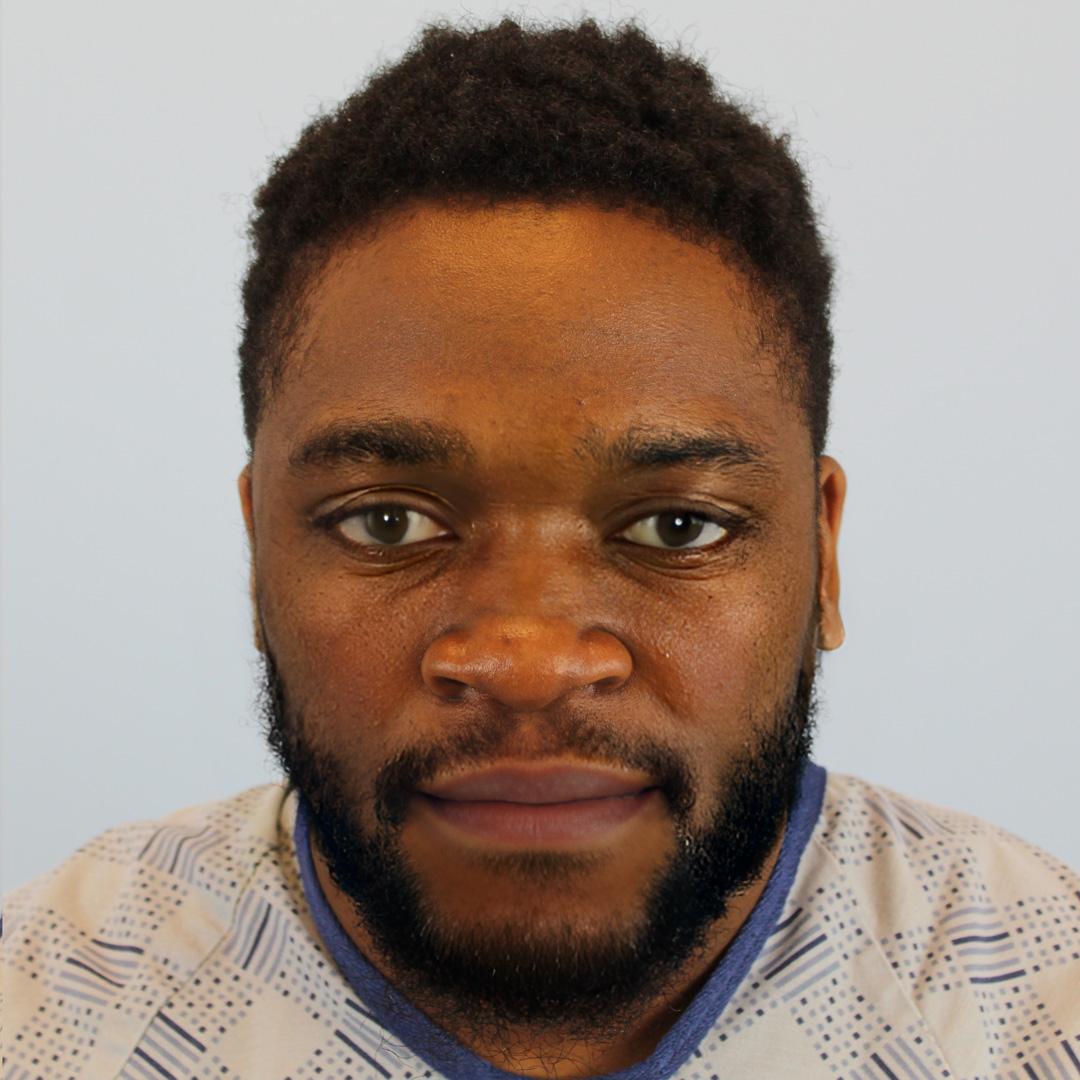
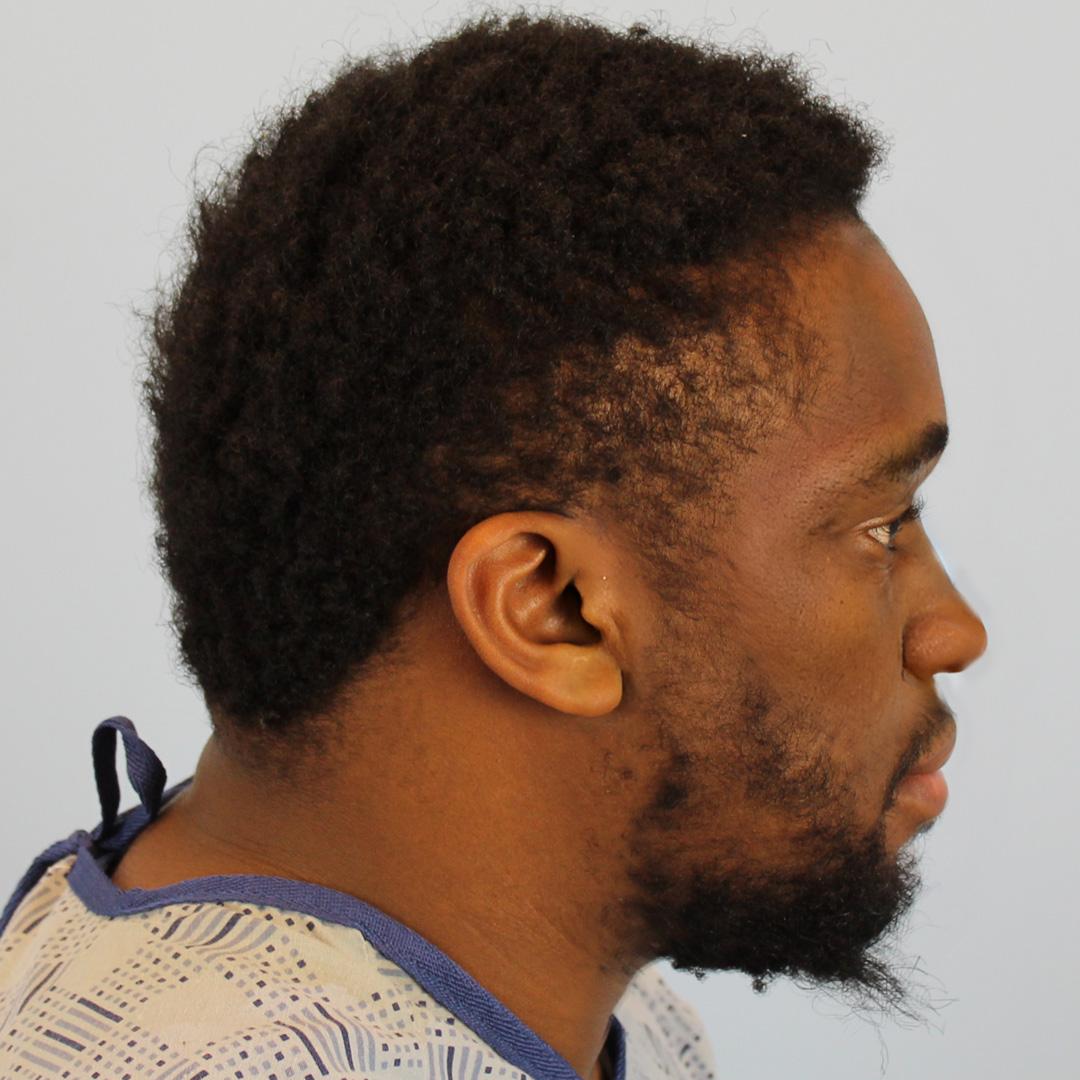
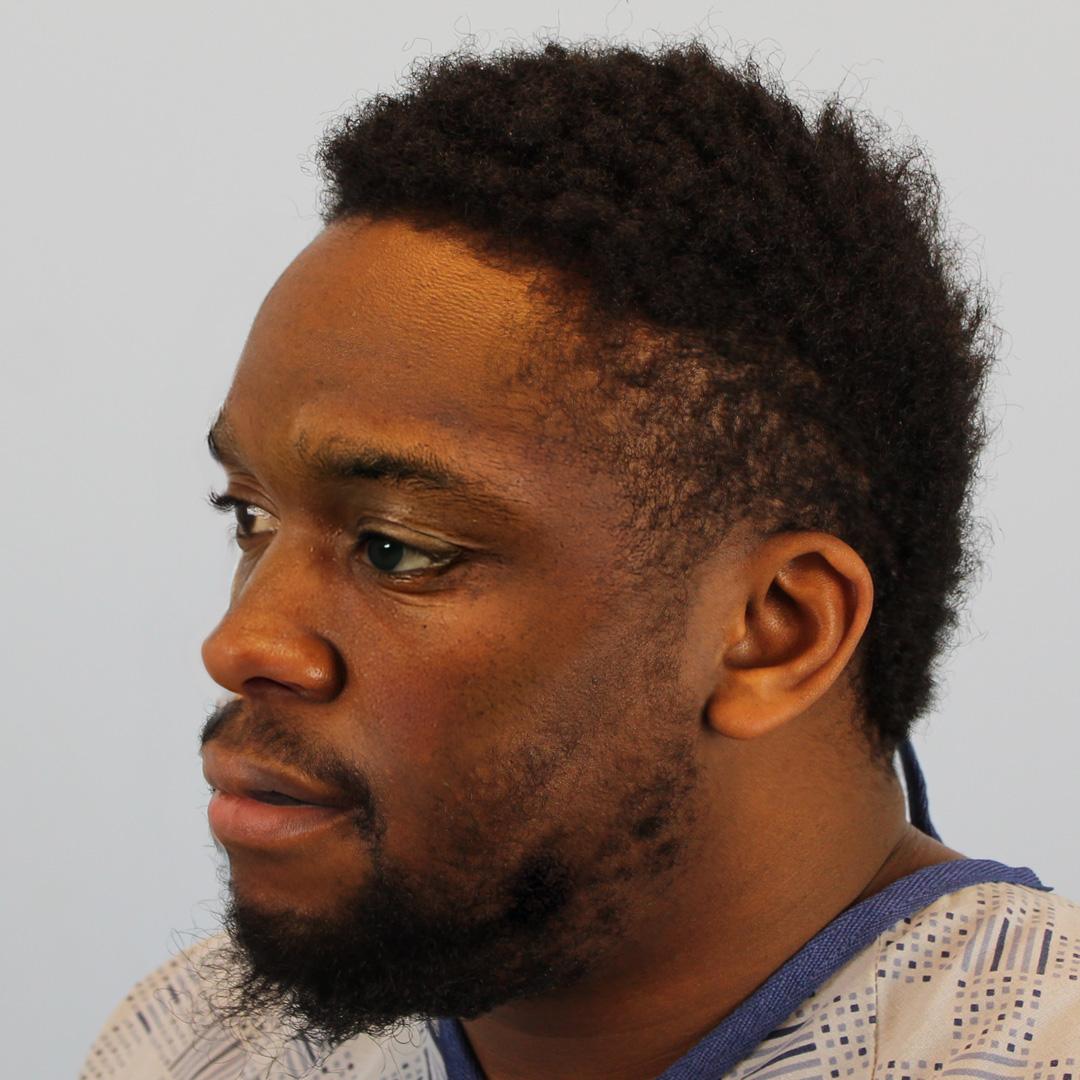
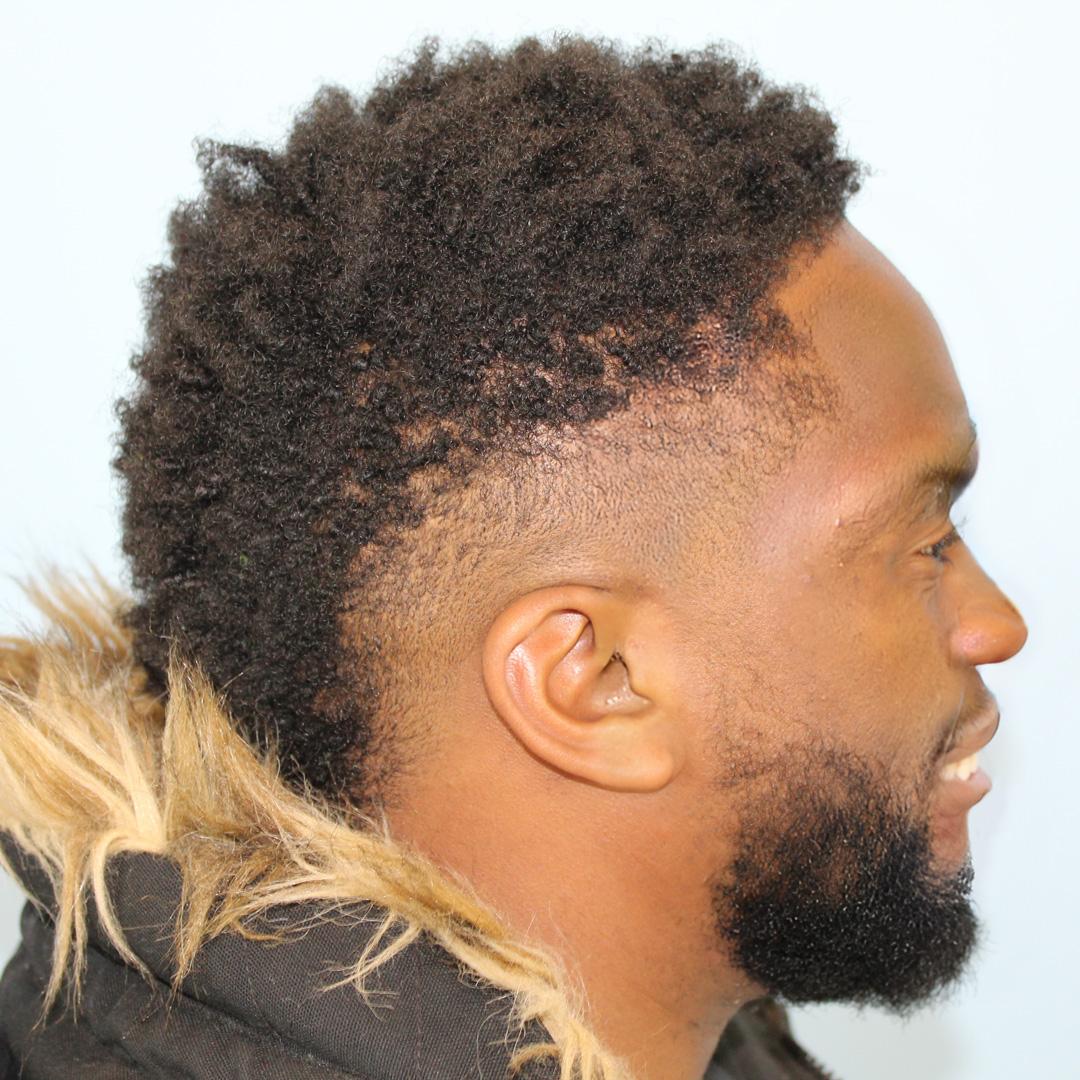
The procedure works excellently for African American men, but technique matters significantly. Coarser, curlier follicle structure requires modified extraction angles and placement precision to avoid transection and achieve natural curl-consistent angulation. Dr. Rawlani has extensive experience with ethnic-specific graft placement, and our African American beard transplant before and after results reflect that. The outcome is a beard that integrates seamlessly with your natural hair pattern.
Sparse or absent cheek coverage is especially common in Latino and Hispanic men due to genetic variation in androgen receptor sensitivity — it’s biology, not a deficiency. Beard transplantation addresses this directly by placing grafts in the cheek and jawline zones where density is lacking, creating a full, defined beard that respects your facial structure. Results look entirely natural because the grafts are your own hair, grown where you’ve always wanted it.
Alopecia barbae — patchy beard loss caused by alopecia areata — can be treated with beard transplantation, though timing and candidacy depend on the stability of the condition. Active, rapidly progressing disease is generally not an ideal time for transplantation. Once the condition has stabilized, transplanted follicles can restore lost density permanently. Dr. Rawlani will evaluate your specific presentation and recommend whether surgical or non-surgical options — or a combination — are right for your case.
Yes — scar camouflage is one of the most effective applications of beard transplantation. Acne scarring, burn scars, surgical scars from procedures like cleft lip repair or facelifts, and trauma injuries all disrupt the dermal layer where follicles reside, creating permanent bare patches. Precisely placed FUE grafts restore natural-looking density over and around scarred tissue, effectively concealing the affected area.
Yes. Northwestern Hair works with transgender men seeking facial masculinization through beard restoration. For FTM patients, beard transplantation can complement hormone therapy outcomes by adding coverage and density in areas where androgen-driven growth has been partial or uneven. Every consultation is private, judgment-free, and focused entirely on your vision for your appearance.

GETTING STARTED

Yes. The follicles transplanted to your beard are harvested from the DHT-resistant zone at the back of your scalp — hair that will never fall out. Once established in their new location, they grow permanently. You can shave, trim, and style the transplanted beard exactly like natural facial hair. Because it is.
Book a one-on-one consultation with Dr. Rawlani. He’ll assess your donor density, evaluate your beard zones, discuss your goals, and give you a precise graft estimate and cost breakdown. There’s no pressure and no template — just an honest conversation about what’s possible for your specific anatomy.

DONT LET A BEARD HOLD YOU BACK.

Schedule your consultation now and discover the transformative power of our bread transplant techniques.

With Dr. Vinay’s personal commitment to your satisfaction and his deep understanding of the hair transplant journey, you can trust that you’re in the best hands.

Call Text Schedule Login