
Hair has never been neutral in Black culture — for women especially, it’s identity, pride, and history all at once. When it starts to change, the weight of that is real. We understand it.


+197 reviews
African American women face unique challenges with hair loss that many clinics aren’t equipped to address. Tightly coiled hair has specific anatomical properties that require a different surgical approach — and specific considerations around skin condition, scarring risk, and hairline aesthetics that demand a skilled surgeon with relevant experience.
Many black women experiencing hair loss are first seen by a dermatologist or primary care physician. At Northwestern Hair, we specialize in hair restoration specifically — bringing dermatology-informed assessment together with surgical and non-surgical treatment options designed for African American hair.
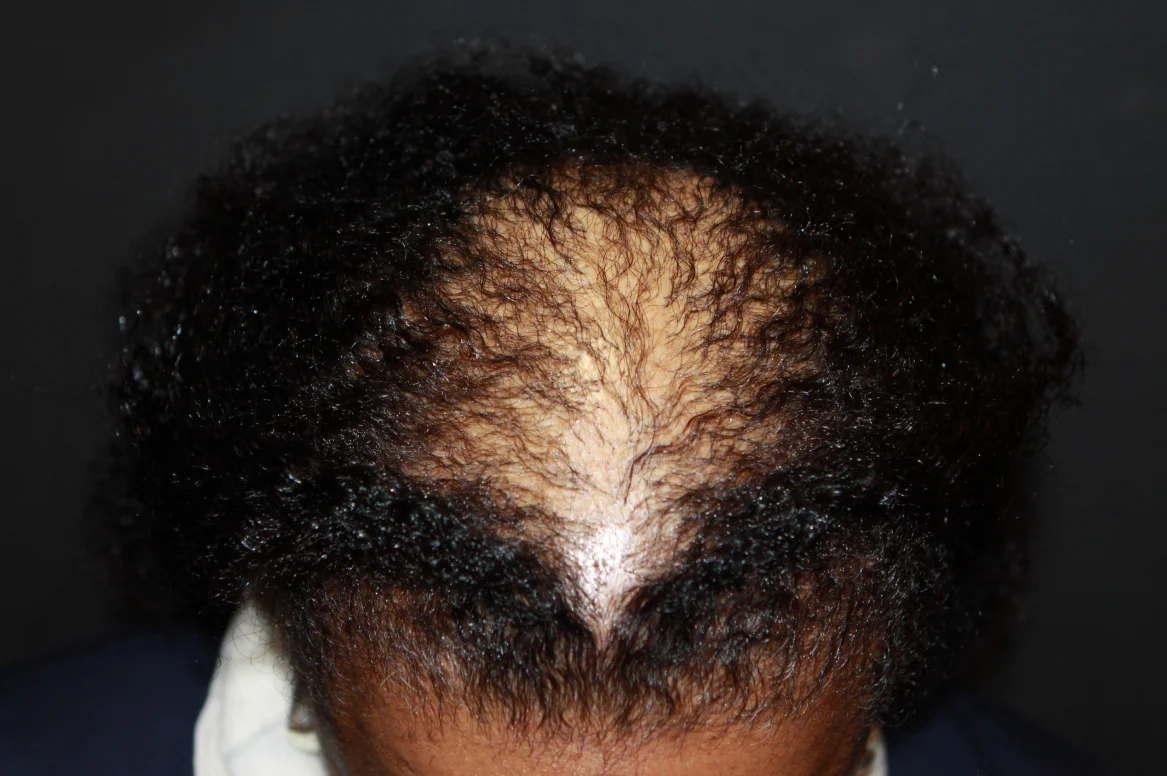
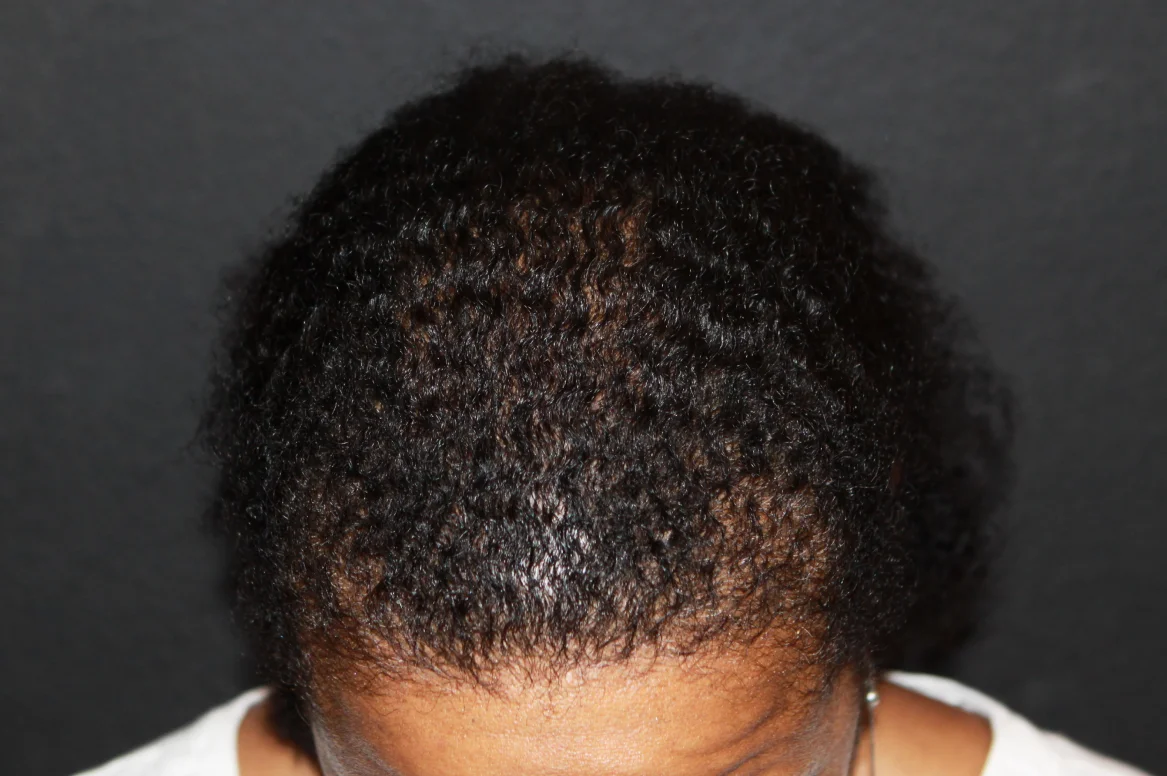

Dr. Vinay

“
We have what separates a result that looks right from one that doesn’t.
+197 reviews

Hair follicles in tightly coiled hair follow curved paths beneath the scalp — C or J-shaped tunnels rather than straight shafts. Standard extraction methods risk transecting the follicle mid-root, destroying viable grafts. Proper angle, specialized punch sizes, and careful handling are essential at every stage of the extraction process. Losing viable grafts due to improper technique is one of the most common failure points in hair transplantation for African American women. Contact Northwestern Hair Restoration for more information.
African American women typically have hairline patterns that are fuller and more rounded than Caucasian hairline standards. A hairline copied from generic templates often looks unnatural on black women. The shape, height, and density that looks natural on a Black woman is specific to that patient — and Dr. Vinay designs to your anatomy, not a textbook average.
People of African descent have a significantly higher risk of keloid formation. Wounds and incisions are more prone to producing hypertrophic or keloidal scars — a skin condition that requires proactive assessment and technique modification. We evaluate keloid risk in consultation before anything else is planned and design the entire procedure around that assessment.
Northwestern Hair offers a full range of hair restoration services for African American women — surgical and non-surgical, each built around the unique challenges of afro-textured hair. Every treatment plan is personalized to your specific pattern of loss and your goals.
For patients where hair transplantation is the right path, Dr. Vinay leads every procedure personally — designing the hairline, overseeing extraction, and directing graft placement with his surgical team. Hair transplantation for African American patients requires specialized techniques that account for the natural curl and density of afro-textured hair.
The goal is natural looking hair that looks completely natural — designed to your specific anatomy and grown in a direction consistent with your natural coil pattern. If you can tell it was done, it isn’t finished.
Tightly coiled hair requires specialized extraction technique. The hair follicles curve beneath the scalp, making standard approaches ineffective. Our follicular unit extraction approach ensures proper angle to avoid transection, specialized punch sizes for curved follicles, careful handling to preserve graft integrity, and placement that accounts for the natural coil pattern.
The goal is natural looking hair that blends seamlessly with your existing hair.
For patients with previous unsuccessful procedures, we offer transplant scar revision to correct prior work and restore a natural looking hairline. Dr. Vinay will assess what’s achievable given your specific situation and remaining donor supply.
Many women who come to us have already been through a procedure elsewhere that didn’t account for the unique characteristics of African American hair. Scar revision is a path to getting the result you originally came in for.
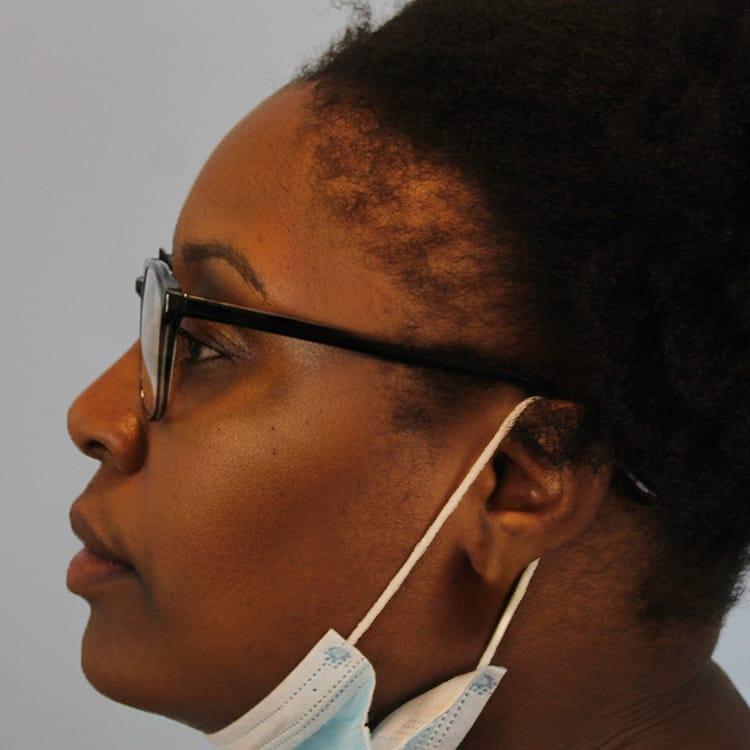
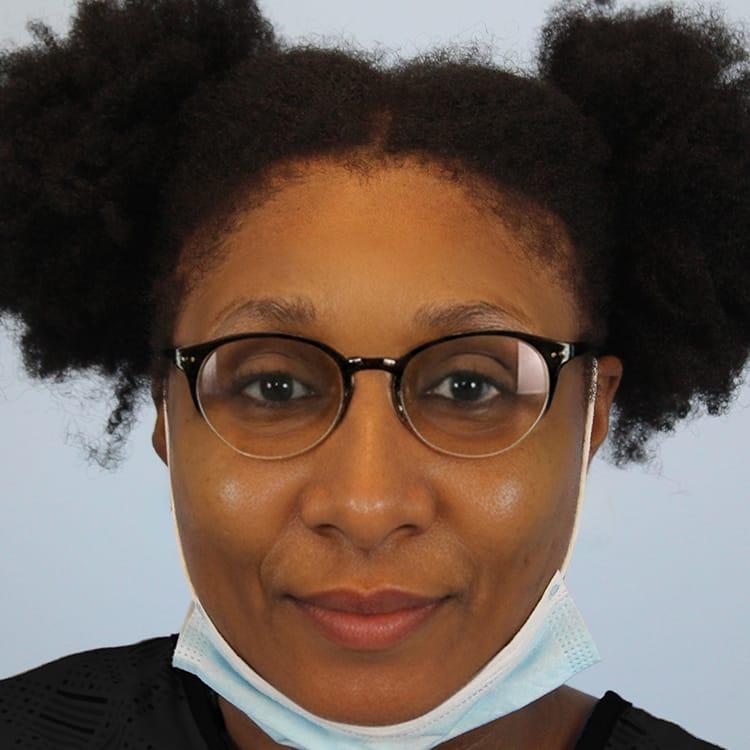
A treatment that uses regenerative cells from your own blood to reactivate dormant hair follicles, restore blood flow, and stimulate new hair growth. Autologous Cellular Serum (ACS) goes beyond traditional platelet therapies by drawing on active healing cells rather than platelets alone.
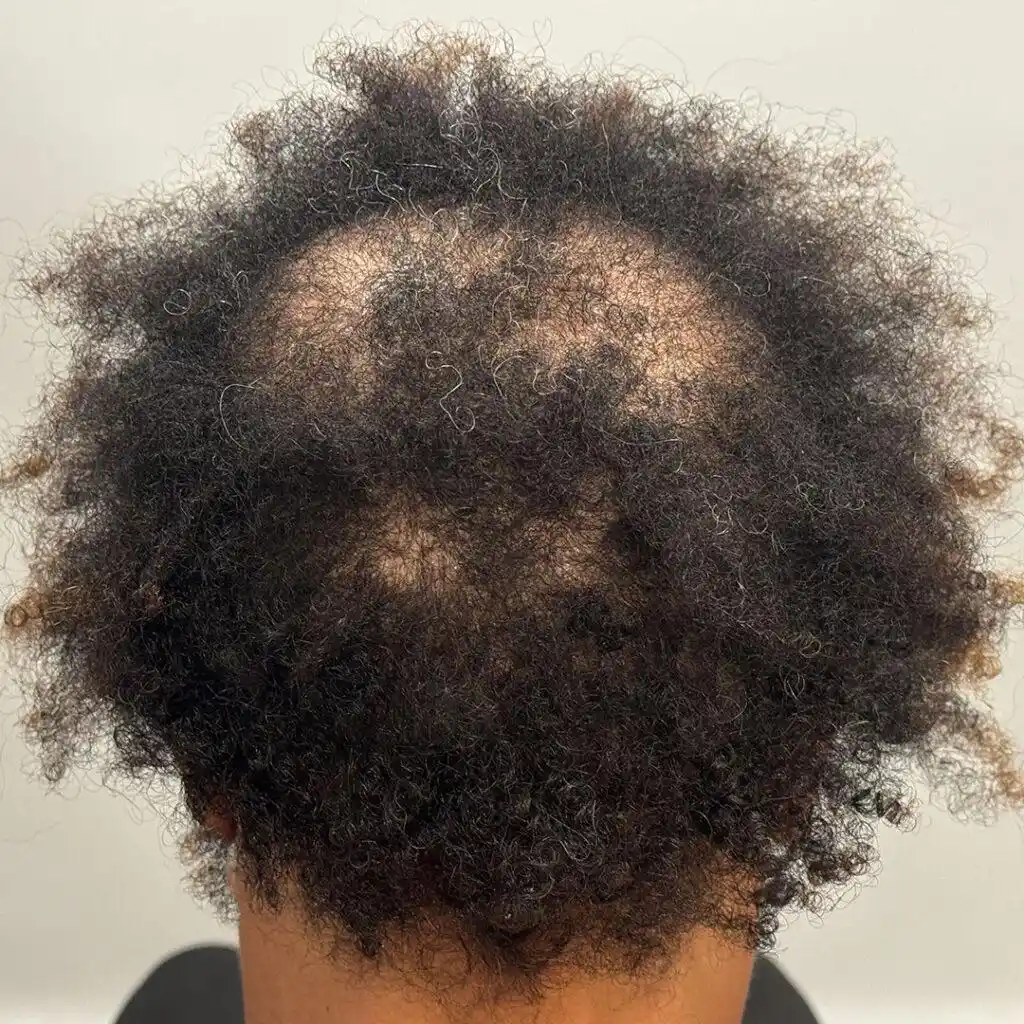
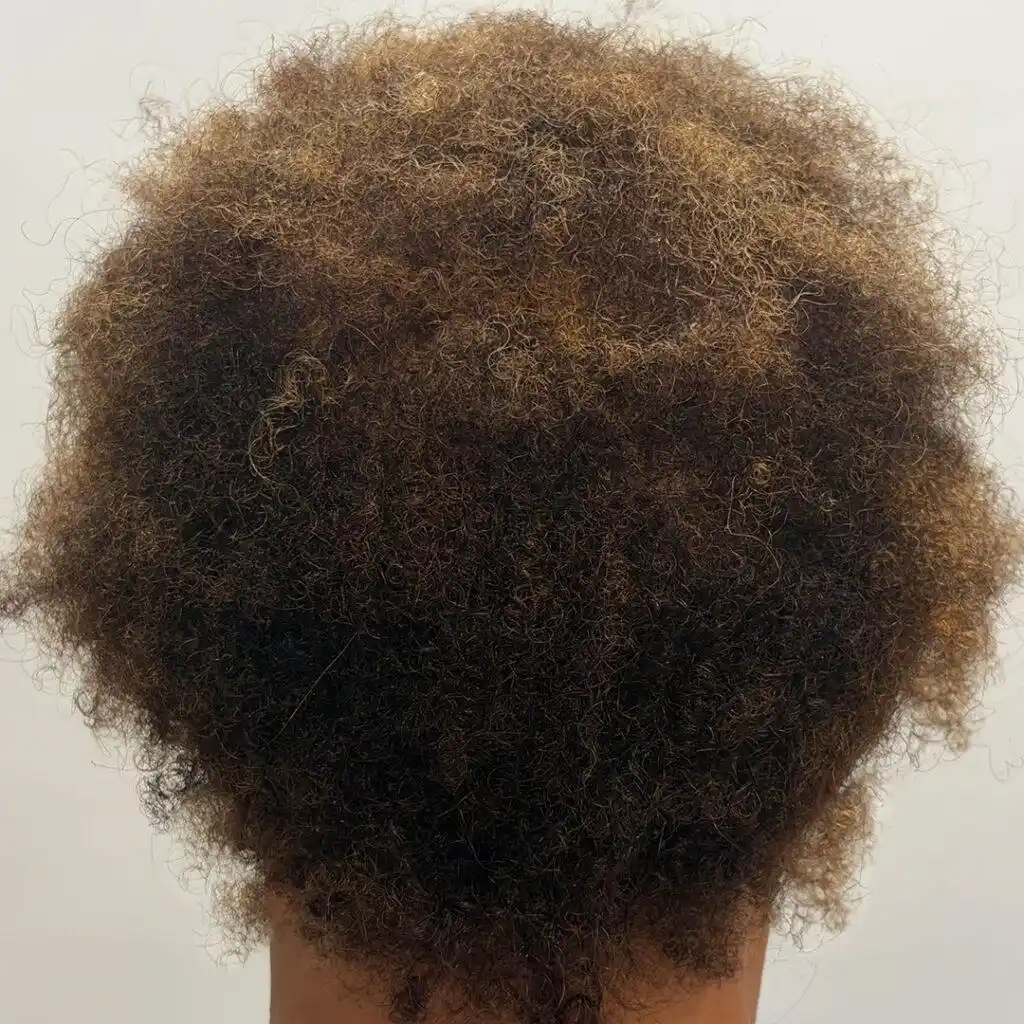
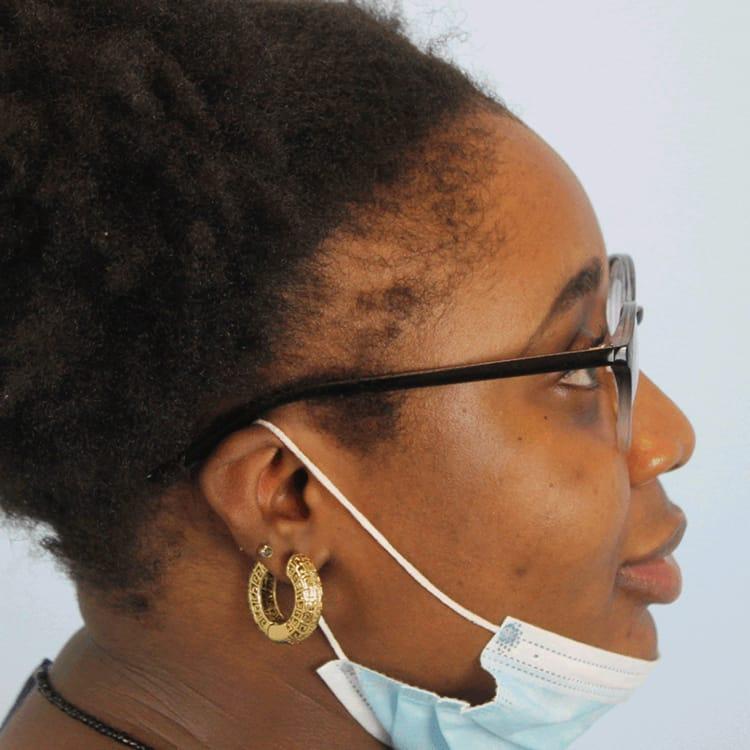
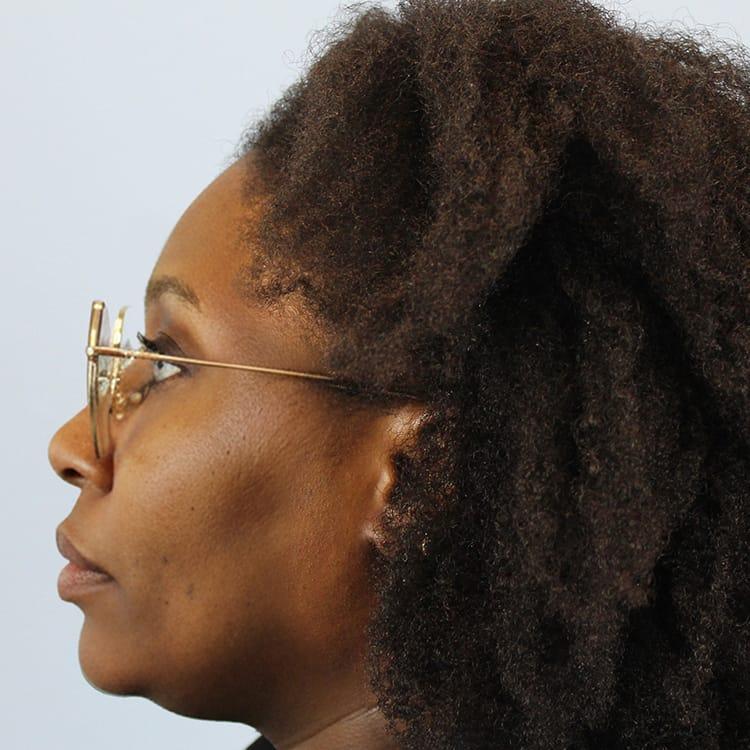
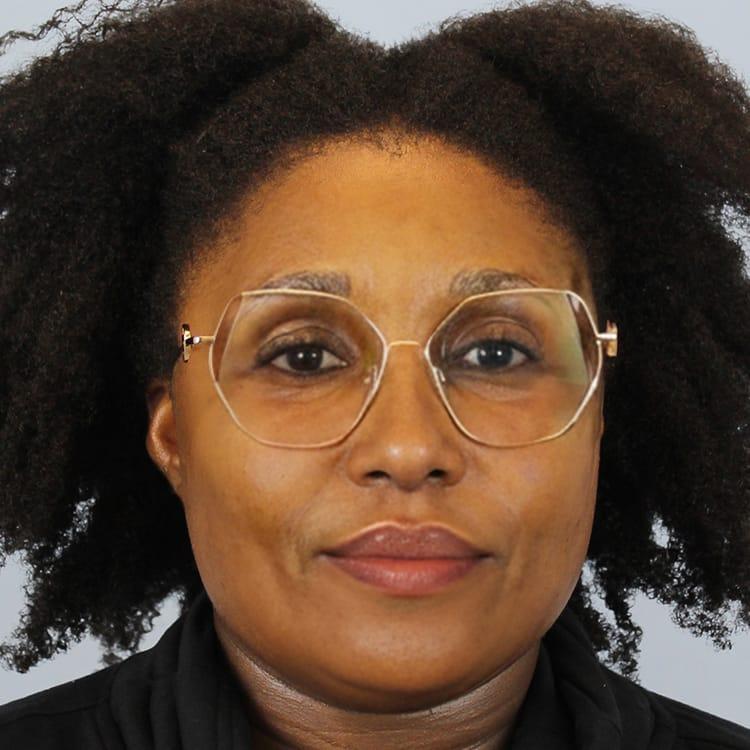
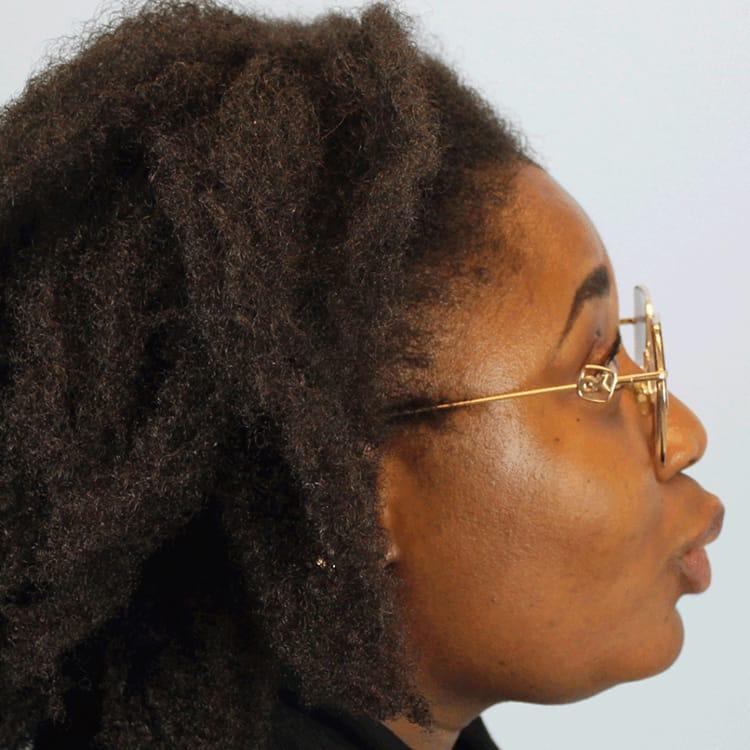
Carla’s case is a good reminder that the right treatment isn’t always the biggest one.
She came in assuming she’d need surgery. She’s a senior executive at one of the most recognizable brands in the world, in front of audiences every week, and androgenic alopecia at her crown had created two visible spots — the kind of thing the patient can’t see in the mirror but a roomful of people behind her can. She wanted it gone. She was prepared for whatever it took.
We started with non-surgical therapy and were honestly prepared to escalate. We didn’t have to. Two ACS treatments closed the gap. The clinical lesson is that crown hair loss often responds faster than the patient expects, and starting conservative protects the donor area for later if it’s ever needed. Carla got her result and kept her options open at the same time.
For many African American women, ACS is the right starting point before any surgical intervention is considered. It addresses hair loss at the root — and for patients whose follicles are still viable, it can restore hair without the commitment of surgery.
ACS is delivered across a series of progressive in-office sessions, each building on the last. Each session is calibrated to your specific pattern of loss. Paired with a personalized at-home hair care maintenance plan, ACS can produce meaningful results without incision.
This combination is particularly effective for traction alopecia caught before follicles are permanently damaged. The at-home protocol preserves the progress made in each session and supports continued improvement between appointments.


Traction alopecia is caused by prolonged tension on the hair follicles from tight hairstyles such as braids, weaves, or extensions. It is one of the most common contributing factors to hair loss among African American women, and one of the most treatable — when caught before follicles are permanently damaged.
Initially reversible, prolonged tension leads to permanent follicle damage that prevents new hair growth. ACS combined with a targeted at-home hair care regimen can support meaningful recovery in early-stage cases. Early treatment is always the better conversation.
Central Centrifugal Cicatricial Alopecia (CCCA) is the most common scarring alopecia among black women. Published research has established it as a significant concern in this community — characterized by inflammatory hair loss that begins at the center of the scalp and spreads outward. Many women experiencing CCCA are unaware of the skin condition and delay seeking treatment, which is why early diagnosis is essential to prevent permanent follicle damage.
Symptoms include hair breakage, scalp tenderness, itching, and changes in scalp texture. Contributing factors include genetic predisposition and certain hair care styling practices. Early intervention gives us significantly more to work with.
Hormonal changes during and after pregnancy significantly affect hair growth cycles. While some shedding is normal and reverses within 6–12 months, many women find their hair doesn’t return to pre-pregnancy density without treatment. ACS therapy can support meaningful recovery during the postpartum period.
If significant hair loss persists beyond 12 months postpartum, intervention is appropriate. Early assessment gives us more to work with — dormant follicles can often be reactivated, and follicles that are gone cannot.
Gradual overall hair density reduction that develops over time — often unaddressed because it progresses slowly enough to seem manageable. By the time most patients come in, the loss has been happening quietly for longer than they realize. The earlier we assess it, the more options remain available.
Diffuse thinning in African American women can have multiple contributing causes — hormonal, nutritional, autoimmune, or related to hair care practices. Accurate diagnosis is the first step toward the right treatment path.
Extensive use of relaxers, high-heat styling tools, and damaging hair care practices can affect the hair shaft and scalp over time, contributing to hair loss. We assess the extent of damage and whether follicles remain viable before recommending any treatment path.
Lifestyle changes, including modifying styling practices and transitioning to more protective hair care approaches, are part of the ongoing plan. Protecting what’s there is as important as restoring what’s been lost.

The anatomy of your hair determines the technique. Understanding the differences is the first step toward the right treatment.
|
African American hair Wavy to strong curl |
Caucasian hair Straight to wavy |
|---|---|
| Hair strength | |
| Brittle — requires gentle handling | Strong |
| Coverage per graft | |
| Great coverage | Low to medium |
| Grafts needed | |
| Lower count | Higher count |
| Hairline shape | |
| Square and defined | Curved and soft |
| Procedure difficulty | |
| Moderate to high | Simple to moderate |
| Common cause of loss | |
| Androgenic + traction alopecia | Androgenic alopecia |
| Recommended technology | |
| Micro PUE — always recommended | FUE or standard FUE |
|
African American hair Wavy to strong curl |
Caucasian hair Straight to wavy |
|
|---|---|---|
| Hair strength | Brittle — requires gentle handling | Strong |
| Coverage per graft | Great coverage | Low to medium |
| Grafts needed | Lower count | Higher count |
| Hairline shape | Square and defined | Curved and soft |
| Procedure difficulty | Moderate to high | Simple to moderate |
| Common cause of loss | Androgenic + traction alopecia | Androgenic alopecia |
| Recommended technology | Micro PUE — always recommended | FUE or standard FUE |
Research into your specific history — including styling practices, medical history, and family history — informs the diagnosis. The right treatment path depends entirely on what’s actually causing the loss.
Your customized treatment approach is based on your specific loss pattern and unique needs. Long-term planning includes 5–10 year hair restoration goals. We won’t recommend hair transplantation unless we genuinely believe it’s the right answer — if ACS can restore hair effectively, that’s where we start.
A combination approach is often the most effective path — ACS to address dormant follicles while surgery addresses areas of permanent loss. Your plan reflects what your specific situation actually requires, not a default protocol.
Surgical vs. Non-Surgical Decision
For most African American women experiencing traction alopecia or early-stage hormonal thinning, ACS combined with an at-home hair care maintenance protocol is the right starting point. Surgical hair transplantation becomes appropriate when loss has progressed beyond what non-surgical treatment can address.
Medications may also be incorporated as part of a combination approach based on your specific situation. Dr. Vinay will give you a direct, honest read on which path makes sense — and why.
Dr. Vinay’s direct involvement at every critical stage ensures specialized techniques that account for African American hair characteristics. Careful attention to natural hairline patterns and aesthetic goals produces results that look like they belong to you.
Post-operative care is designed specifically for afro-textured hair to support successful outcomes and minimize scalp irritation during healing. The unique curly nature of afro-textured hair requires specific handling during the recovery period to protect results.
Medical maintenance therapy preserves and optimizes results. Regular follow-up assessments and treatment adjustments keep your progress on track. Education on protective hair care styling practices and healthy scalp habits helps maintain your results long-term.
The relationship doesn’t end at the procedure. Dr. Vinay and the team stay involved through your hair restoration journey — monitoring progress, adjusting the plan, and making sure the outcome holds up over time.
Dr. Vinay Rawlani has seen both sides of the hair restoration process. Having undergone both surgical and non-surgical treatments for his own hair loss, he understands firsthand what works—and what doesn’t.
With medical training from Northwestern University and the University of Chicago, Dr. Vinay combines artistry, precision, and innovation to deliver exceptional results. Whether he’s crafting a timeless hairline or optimizing density, every step is guided by his commitment to perfection.



During your consult, Dr. Vinay will assess your specific situation and give you a straight answer on what’s possible. No overselling.
Just the truth. Early intervention provides more treatment options — once follicles are permanently damaged, the ability to restore hair becomes significantly limited. The conversation you have now determines the options you’ll have later.
Schedule your consultation — in-person at our Chicago clinic or virtually for patients outside Illinois.
Traction alopecia is one of the most treatable forms of hair loss — when addressed before follicles are permanently damaged. Early-stage traction alopecia can respond well to ACS combined with a targeted at-home hair care regimen. Traction alopecia is progressive — the earlier we address it, the more follicles we can preserve or reactivate. Once follicles are scarred over, non-surgical options become less effective.
We assess keloid risk in consultation before anything else is planned — evaluating personal history of keloids, family history, and how previous wounds have healed. Our approach to donor extraction and incision design accounts for this skin condition directly.
In cases where risk is elevated, we’ll tell you plainly what that means for your options. Technique modifications are applied from the first extraction through final placement to ensure minimal scarring throughout the procedure.
CCCA is the most common scarring alopecia among black women — an inflammatory condition that begins at the center of the scalp and spreads outward. It is a serious skin condition that causes permanent follicle destruction if not addressed early. If you’ve noticed hair thinning at the crown, early evaluation is essential.
Study after study published in dermatology research has confirmed CCCA is significantly more prevalent in African American women than in other ethnic groups. Many women are unaware they have it until the condition has already progressed. The earlier we assess it, the more options remain.
Surgical procedures start at $5 per graft, with 0% financing available. Non-surgical ACS programs are discussed during consultation. The total cost depends on what your specific case requires — which Dr. Vinay will assess honestly, with no hidden fees and no packages designed to get you in at a low number and add on from there.
Cost is discussed after the evaluation — so you receive a real number based on your actual case. The earlier you start the conversation, the more treatment options remain available.
Yes — virtual consultations are available for patients outside Illinois. In-person consultations take place at our Chicago clinic at 3 E Huron St, Mezzanine Floor, Chicago, IL 60611.
Virtual consultations allow us to review photos, discuss your history, and give you a preliminary sense of your options before an in-person visit. For patients traveling from outside the area, this is often the right first step.