




Genetics vs Lifestyle: What Really Causes Hair Loss in Men and Women?
Hair loss affects millions of men and women worldwide, yet many people remain unsure about what is actually causing their thinning hair. Some blame genetics, while others point to stress, diet, or lifestyle habits. The reality is that hair loss is often influenced by a combination of factors, with genetics and lifestyle playing different roles depending on the individual.
Understanding what contributes to hair loss can help patients make informed decisions about prevention, treatment, and long-term hair restoration. In this guide, we’ll examine the relationship between genetics and lifestyle and explore what really causes hair loss in men and women.
Contact Northwestern Hair Restoration for more information.
The Role of Genetics in Hair Loss
Genetics is one of the most significant factors associated with hair loss. Hereditary hair loss affects both men and women and is often responsible for gradual thinning that progresses over time.
Genetic hair loss occurs when hair follicles become sensitive to certain hormones, particularly dihydrotestosterone (DHT). Over time, this sensitivity causes follicles to shrink, producing finer and shorter hairs until growth eventually slows or stops.
Genetic Hair Loss in Men
Male pattern hair loss is the most common form of hereditary hair loss in men.
Common signs include:
- Receding hairline
- Crown thinning
- Gradual loss of density
- Progressive scalp visibility
The condition often develops gradually and may begin as early as a person’s twenties.
Genetic Hair Loss in Women
Women can also inherit a predisposition to hair loss.
Female pattern hair loss typically appears as:
- Diffuse thinning across the scalp
- Widening of the hair part
- Reduced hair volume
- Increased scalp visibility
Unlike men, women usually maintain their frontal hairline while experiencing gradual thinning throughout the crown and top of the scalp.
Can Lifestyle Cause Hair Loss?
 While genetics may determine susceptibility to hair loss, lifestyle factors can significantly influence hair health and may contribute to increased shedding or accelerated thinning.
In some cases, lifestyle-related hair loss is temporary and may improve when the underlying issue is addressed.
Chronic Stress
Stress can disrupt the normal hair growth cycle and trigger excessive shedding.
A condition known as telogen effluvium occurs when a larger-than-normal number of hair follicles enter the resting phase before shedding.
Potential stress-related triggers include:
- Major life changes
- Illness
- Surgery
- Emotional trauma
- Chronic psychological stress
Stress-related hair loss is often temporary but may become prolonged if stress persists.
Poor Nutrition
Hair follicles require a steady supply of nutrients to support healthy growth.
Nutritional deficiencies involving:
- Iron
- Protein
- Vitamin D
- Zinc
- B vitamins
May contribute to hair thinning and reduced density.
A balanced diet supports overall hair health and helps maintain normal growth cycles.
Smoking and Tobacco Use
Research has suggested that smoking may negatively affect circulation and contribute to oxidative stress, potentially impacting follicle health and hair growth.
While smoking alone may not directly cause hereditary hair loss, it may influence overall scalp health and hair quality.
Sleep and Recovery
Sleep plays an important role in cellular repair and hormone regulation.
Poor sleep habits may contribute to increased stress levels and disrupt biological processes that support healthy hair growth.
Genetics vs Lifestyle: Which Matters More?
When it comes to long-term hair loss, genetics often plays the dominant role.
Hereditary conditions such as male pattern hair loss and female pattern hair loss are driven primarily by genetic factors and hormonal sensitivity.
However, lifestyle factors can influence:
- The speed of progression
- Overall hair health
- Shedding patterns
- Treatment outcomes
- Scalp health
For example, a person with a strong genetic predisposition may notice hair loss earlier or more aggressively if additional lifestyle-related stressors are present.
Conversely, healthy habits may help optimize scalp health and support existing hair growth.
Other Common Causes of Hair Loss
 Hair loss is not always caused by genetics or lifestyle alone.
Additional contributing factors may include:
Hormonal Changes
Hormonal fluctuations can affect hair growth in both men and women.
Examples include:
- Menopause
- Pregnancy
- Postpartum recovery
- Thyroid disorders
- Hormonal imbalances
Medical Conditions
Certain health conditions can contribute to hair loss, including:
- Autoimmune disorders
- Scalp conditions
- Chronic illnesses
- Nutritional disorders
Medications
Some medications may affect the hair growth cycle and contribute to increased shedding or thinning.
A thorough medical evaluation can help identify whether medication-related hair loss is a factor.
Why Proper Diagnosis Matters
Many individuals assume they know the cause of their hair loss, but the reality is often more complex.
A physician-led evaluation can help determine:
- Whether hair loss is genetic
- The role of hormonal factors
- Potential lifestyle contributors
- Follicle health
- Appropriate treatment options
Accurate diagnosis is essential for developing an effective hair restoration strategy.
Treatment Options for Hair Loss
The most appropriate treatment depends on the underlying cause.
Non-Surgical Hair Restoration
Many patients benefit from non-surgical therapies designed to support healthier follicle function and improve scalp health.
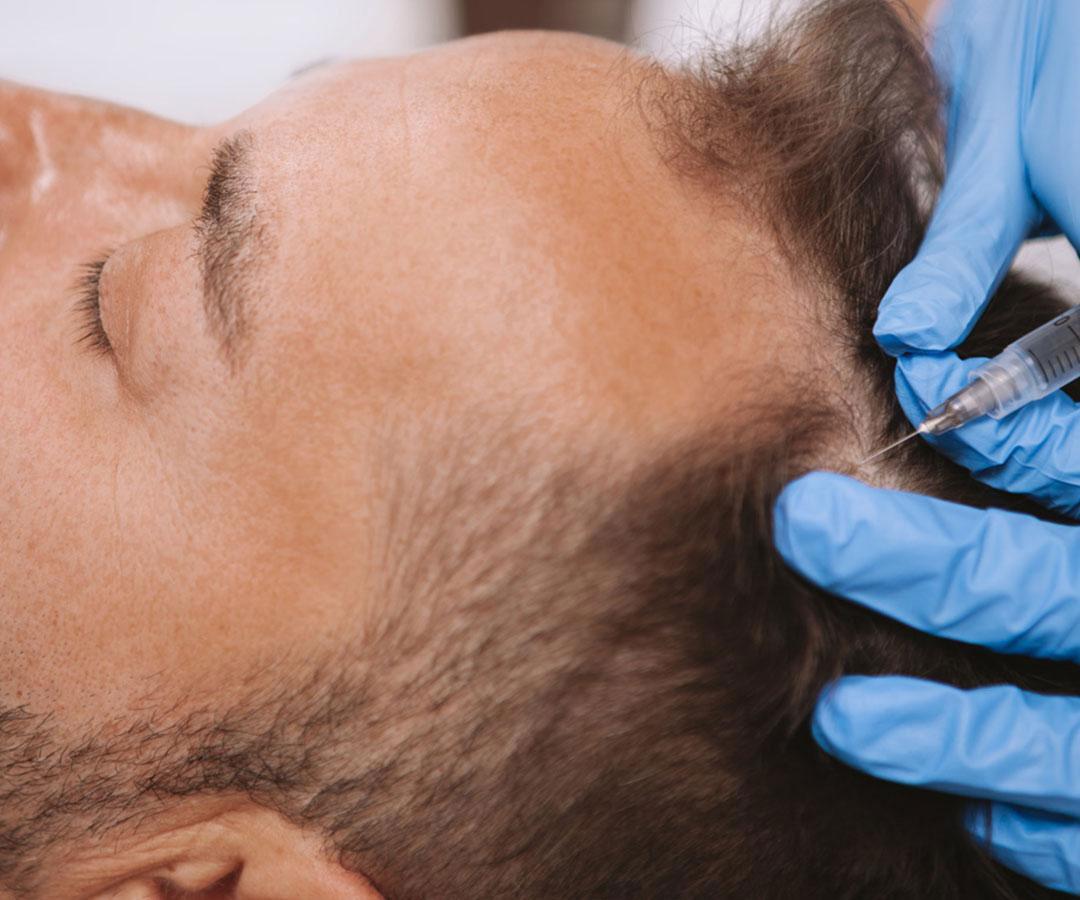
At Northwestern Hair, Autologous Conditioned Serum (ACS) is used as part of personalized hair restoration programs designed to encourage natural hair growth and support existing follicles.
Hair Preservation Strategies
Early intervention often focuses on preserving active follicles and slowing progression before significant hair loss occurs.
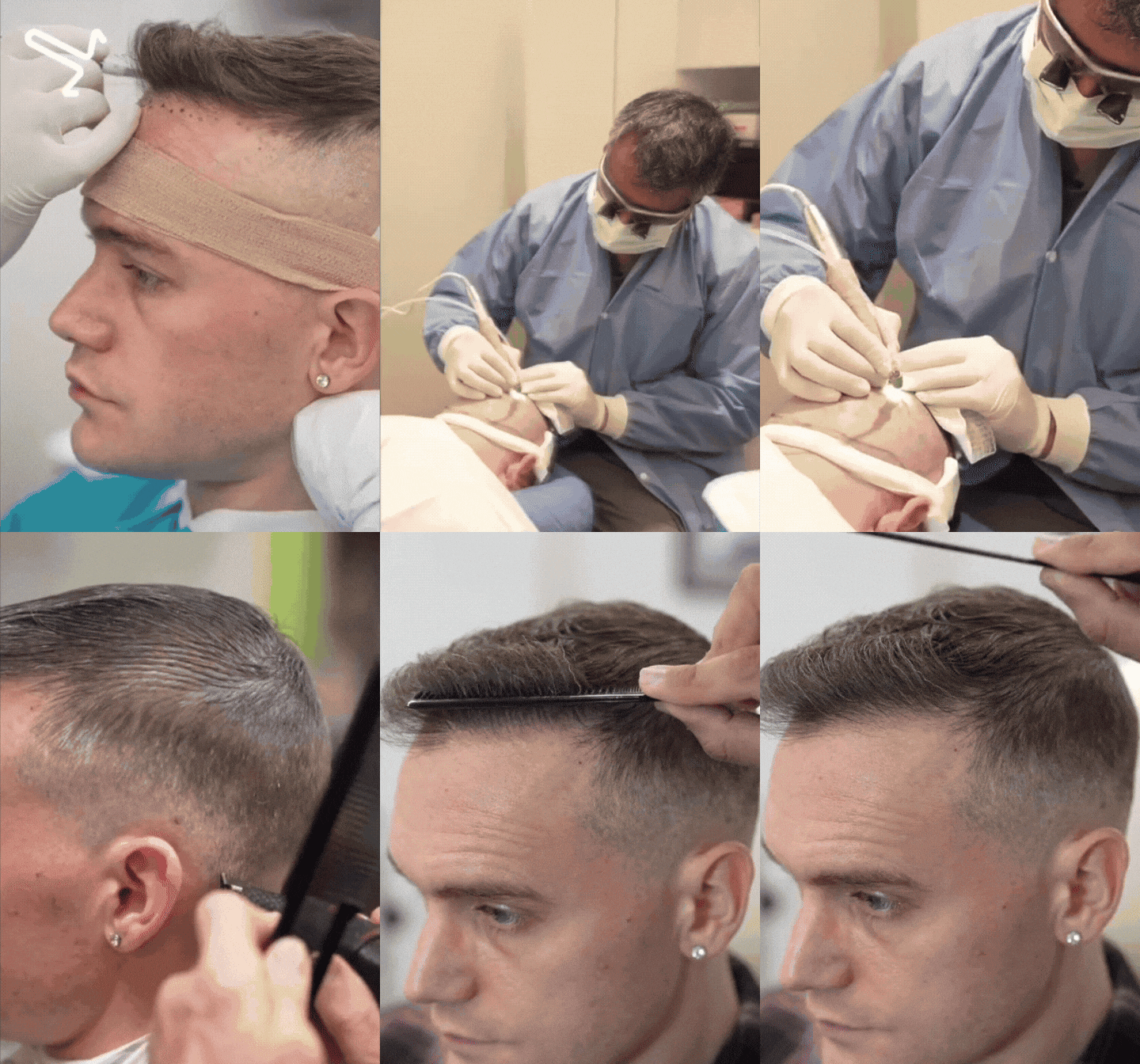
Hair Transplantation
For select patients with stable hair loss patterns and adequate donor hair, transplantation may be considered as part of a comprehensive restoration plan.
A professional consultation can help determine the most appropriate approach.
Why Patients Choose Northwestern Hair
At Northwestern Hair, every patient receives a comprehensive evaluation designed to identify the root causes of hair loss and develop a personalized treatment strategy.
Led by Dr. Vinay Rawlani, the practice combines advanced regenerative therapies, physician-led care, and individualized planning to help patients pursue healthier, fuller-looking hair.
Schedule a Hair Restoration Consultation
If you’re experiencing thinning hair, increased shedding, or concerns about hereditary hair loss, a professional evaluation can help determine the cause and identify effective treatment options.
Understanding whether genetics, lifestyle factors, or a combination of both is contributing to your hair loss is the first step toward developing a successful restoration strategy.