
Northwestern Hair Restoration’s clinical collaborator at Magic Ink’s Winnetka location


+200reviews
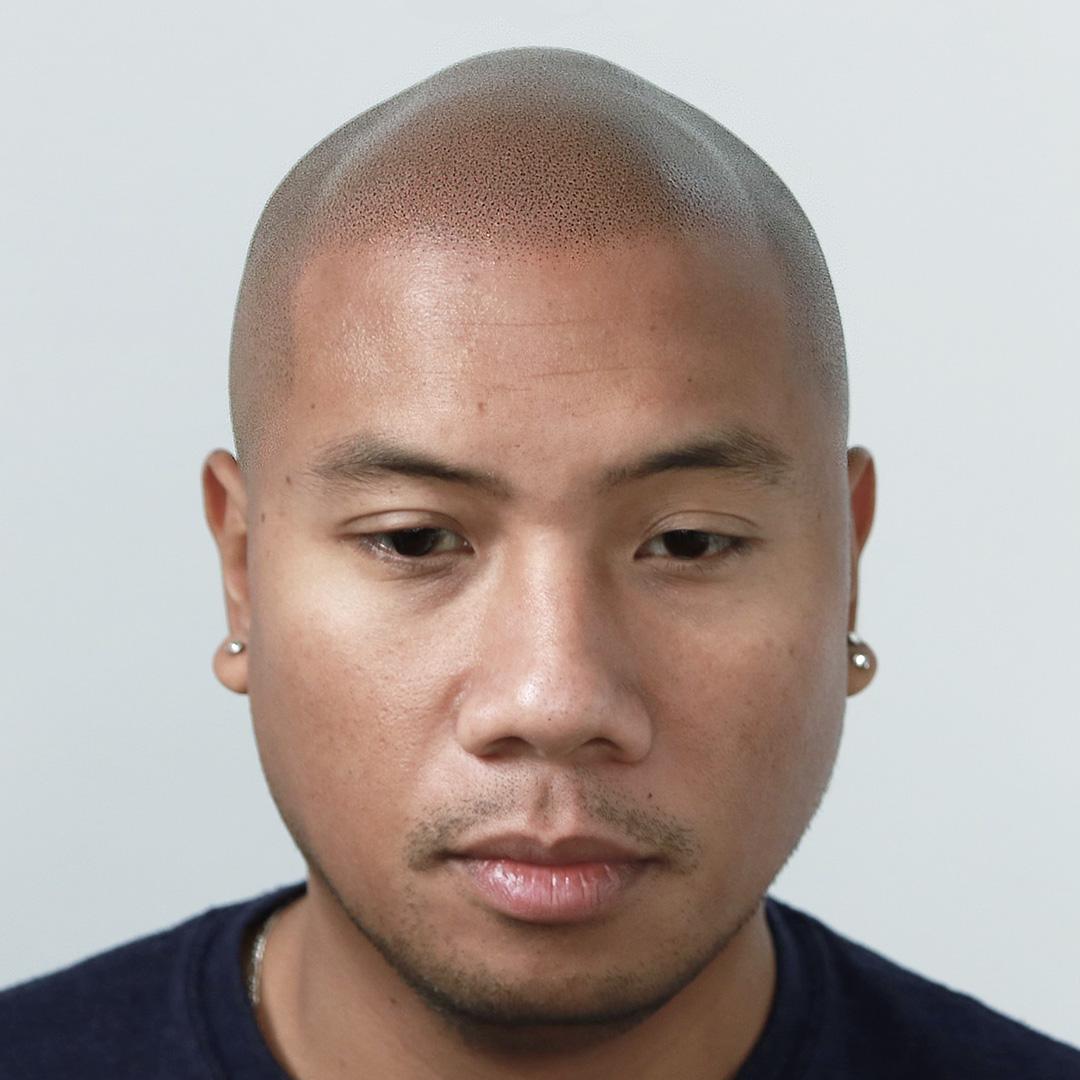
Before
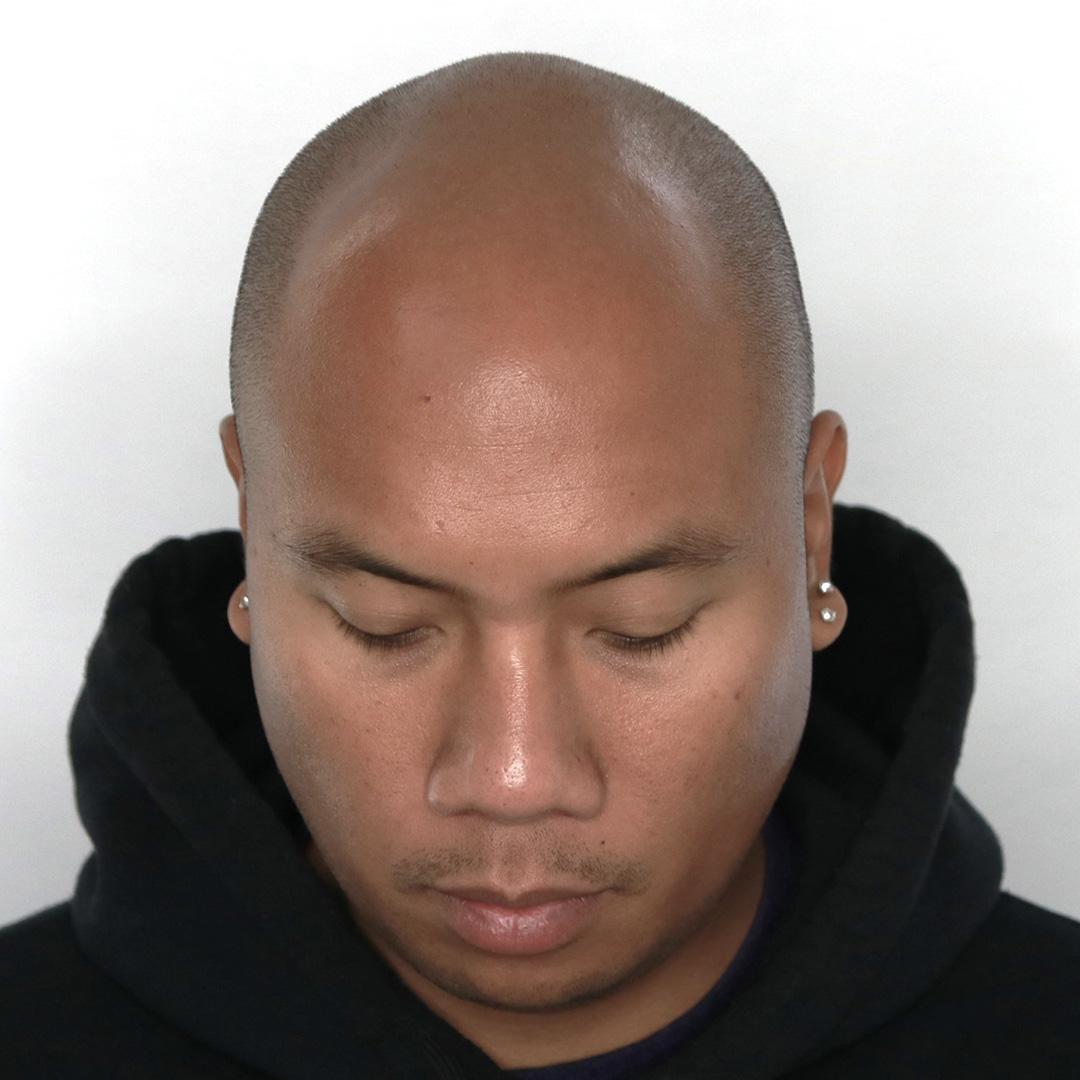
After
Before
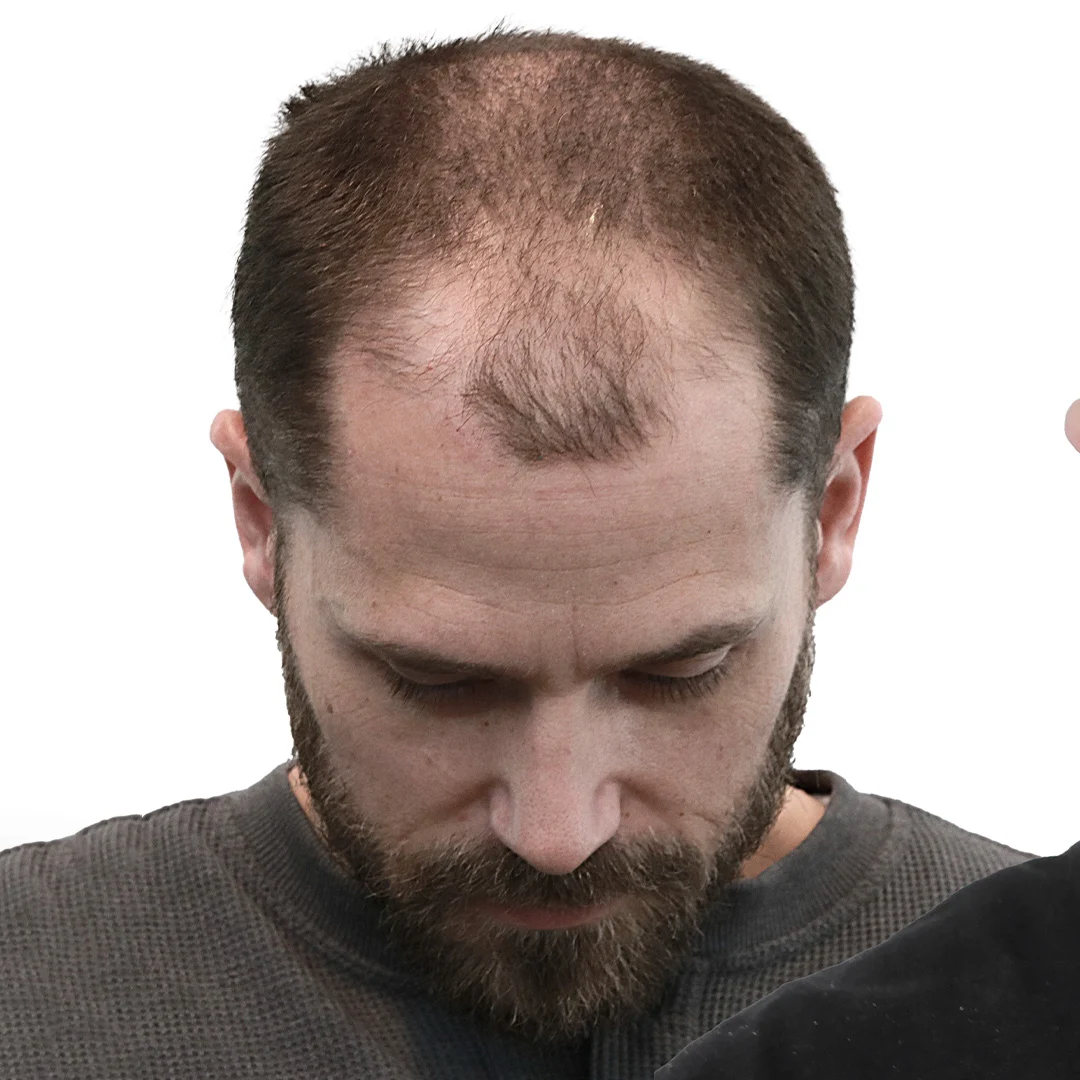
After
When I built our collaborator network, the practices I sought out were the ones doing work that I respected but that we could not credibly offer in-house. Magic Ink SMP was at the top of that list for scalp micropigmentation. Michal Muszynski — Mike, or Magic Mike — opened Magic Ink in Winnetka after years as a lead practitioner at Hairline Ink, one of the leading scalp micropigmentation practices in the country at the time. He left to do the work without compromise under his own name, and the practice he has built since is one of the destinations for serious SMP work anywhere in the country. Patients fly to Winnetka from across the United States and internationally to be treated by him.
I collaborate with Magic Ink because Mike does something that medical and surgical hair restoration alone cannot do, and he does it at a level that genuinely advances what we can offer patients together. Scalp micropigmentation, properly executed, is hair restoration in its own right — a complete option for the patient who wants the shaved aesthetic, a decisive density augmentation for the patient with existing hair, and a precision finishing tool for the patient who has had or will have a hair transplant. Mike’s standing in the SMP field — fourteen years in the work, over ten thousand completed sessions, more than thirty-five hundred unique patients, Meeting of the Minds awards, sponsorships from leading needle and ink companies, and a regular presence as a teacher and speaker at industry events — is what makes his work the right anchor for the work Northwestern Hair is building together with Magic Ink.
Magic Ink has been recognized across the field and across regional media for the quality of its work. The practice serves men experiencing male pattern baldness who want a shaved-head aesthetic, patients with existing hair who want density augmentation, patients with hair transplant scarring who need camouflage, patients with alopecia and scarring alopecia conditions, and patients arriving with prior botched SMP work elsewhere — the repair specialty Mike has built out as the broader SMP industry has expanded without consistent quality controls. Our collaboration brings Mike’s work into the same consultation pathway as Northwestern Hair’s surgical and medical hair restoration, with the practitioners rotating between locations on the second and third Saturday of each month so that patients in either Winnetka or our main Chicago location can access the integrated planning that the combination unlocks.
Mike frames his own work this way: scalp micropigmentation is a life-changing procedure where he gets to work on a live canvas, create something realistic, and reinstate the patient’s confidence. The framing is honest, and the practice he has built lives up to it. Hair loss is not a cosmetic inconvenience for the patients Magic Ink serves. It is something that affects identity, professional life, social presence, and the way patients move through the world. Mike experienced it himself before he found this work, and the practice exists to address that reality with the technical seriousness and human care it warrants.
Every patient’s hairline, skin tone, hair color, follicle density pattern, and facial geometry is unique, and the work is custom-built for that individual. There is no template hairline at Magic Ink. There is no standard pigment shade. Each treatment uses pigment custom-matched to the patient’s hair color and skin tone, and each hairline is designed against the patient’s facial structure rather than imposed on it.
The entire technical apparatus exists to produce pigment work that reads as natural follicles at conversational distance, and the benchmark Mike holds his work to is whether someone looking at the patient would be able to tell anything has been done.
Mike’s own practitioners at Magic Ink go through a three-month hands-on training program before they touch a client — substantially longer than the industry-typical week-long or even online-only certifications that have proliferated as SMP has grown. The premise is that SMP is intricate enough that no shortcut training produces competent results.
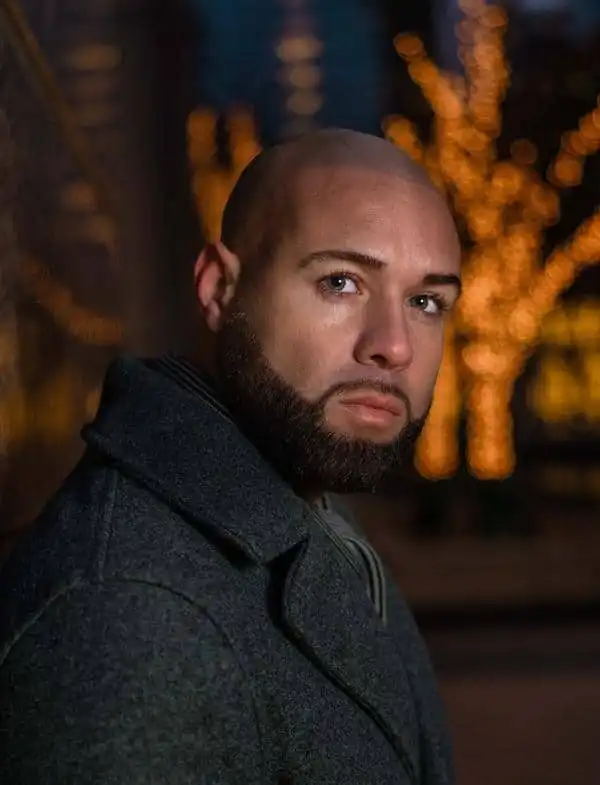
Master Scalp Micropigmentation Practitioner. Fourteen years in the SMP industry. Over ten thousand completed sessions. More than thirty-five hundred unique patients. Bachelor of Fine Arts. Meeting of the Minds award recipient. Mike — known to his patients and across the field as Mike, or Magic Mike — is the practitioner Magic Ink is built around, and his standing in the field is what makes Magic Ink one of the destinations for serious SMP work in the country.
Mike grew up in Poland, where art was the constant of his upbringing. Painting, drawing, sculpting, music composition — he was surrounded by creative practice from a young age, and the artistic sensibility he developed there is what underlies everything he does in pigmentation work today. He earned a Bachelor of Fine Arts and built early skill in fashion, logo, and graphic design before his path turned toward tattooing — specifically, a traditional technique called Dot Work, where images are built from thousands of individually placed pigment points rather than continuous lines. Dot Work is the technical foundation that scalp micropigmentation rests on. Mike’s mastery of it is what allows his scalp work to read as natural follicles rather than as obvious tattoo.
Mike’s path into SMP was personal before it was professional. His own hair loss began at a young age and shaped the trajectory of his career. After years of trying solutions that did not work for him, he received SMP treatment from a Chicago practitioner — and the experience clarified, in his own framing, that he had stumbled upon his calling. He traveled to the UK to train under Paul Clark and Simon Lane, two of the founding figures of modern SMP. He then finished his training in Los Angeles with the company that had performed his own procedure. He returned to Chicago, served as lead practitioner at Hairline Ink for several years, and built the reputation that ultimately allowed him to open Magic Ink SMP under his own name.
Mike’s recognition in the field reflects the work. Awards from Meeting of the Minds as one of the best SMP artists in America. Sponsorships from leading needle and ink companies. Regular speaking engagements at industry events. Patients who travel internationally specifically to be treated by him. None of these are the kind of accolades that SMP practitioners earn casually — they reflect a consistency of execution over years, on patient after patient, that the broader field has not produced at scale.
Beyond his patient work at Magic Ink, Mike teaches density technique for women’s hair loss to other practitioners across the country. He has spent years perfecting SMP techniques for women’s hair density work specifically — the underdeveloped area where most SMP practitioners’ standard technique falls short. This teaching practice is where the foundation of our collaboration was laid. I had been researching practitioners with depth in this area, and Mike’s instructional work was where the rigor existed. I reached out, we met, and the conversation moved from training to the development of a new pigmentation technique built specifically for women, which has since come forward as Adaptive Trichopigmentation.
Mike sees patients at Magic Ink throughout the week with one exception: on the second and third Saturday of each month, he travels to Northwestern Hair Restoration’s main Chicago location at 3 E. Huron. Patients at the Chicago flagship can be evaluated by Mike on those days for SMP consultation, treatment, and combined SMP-plus-hair-restoration cases. On those same Saturdays, I travel to Magic Ink in Winnetka, which means Northwestern Hair patients pursuing integrated consultations have access to both of us at either location.
Mike’s clinical philosophy is built on a position the broader SMP industry has been slow to take seriously: that SMP is genuinely demanding clinical work, and that the difference between competent and excellent execution shows up over years rather than at the moment of treatment. The pigment looks fine for the first month. The hairline looks fine the first time the patient sees it in the mirror. What separates the work that holds up from the work that doesn’t is what happens at year two, year five, year ten — when the pigment that was placed at the right depth and in the right shade stays true, and the pigment that was placed too deep or in the wrong color base reveals itself as a tattoo rather than as hair.
Three positions underpin how Mike treats:
Every other technical decision in the treatment plan flows from the hairline. A patient who comes in with a clear sense of what they want is taken seriously and given the work they have asked for — but Mike will push back honestly when a proposed hairline is too low, too aggressive, or out of balance with the patient’s facial geometry and age. The hairline he designs is one the patient can wear for the rest of their life as their face changes and their hair pattern matures around it. This is part of why his work ages naturally rather than dating itself to the year it was performed.
Each Magic Ink treatment uses pigment custom-mixed to the patient’s exact hair color and skin tone. The base of the pigment, the shade dilution, and the cool-warm color matching are all specific to the individual. Mike’s pigment knowledge is part of why his work stays true to color over years where other practitioners’ work shifts toward the blue, green, or grey tones that mark poorly executed SMP.
Pigment placed too superficially exfoliates faster than intended. Pigment placed too deeply migrates and discolors. The right depth — and the consistency of that depth across thousands of individual dots in a single session — is the technical bar that separates master practitioners from competent ones. Mike’s Dot Work background and fourteen years of practice are why his depth control is at the level it is.
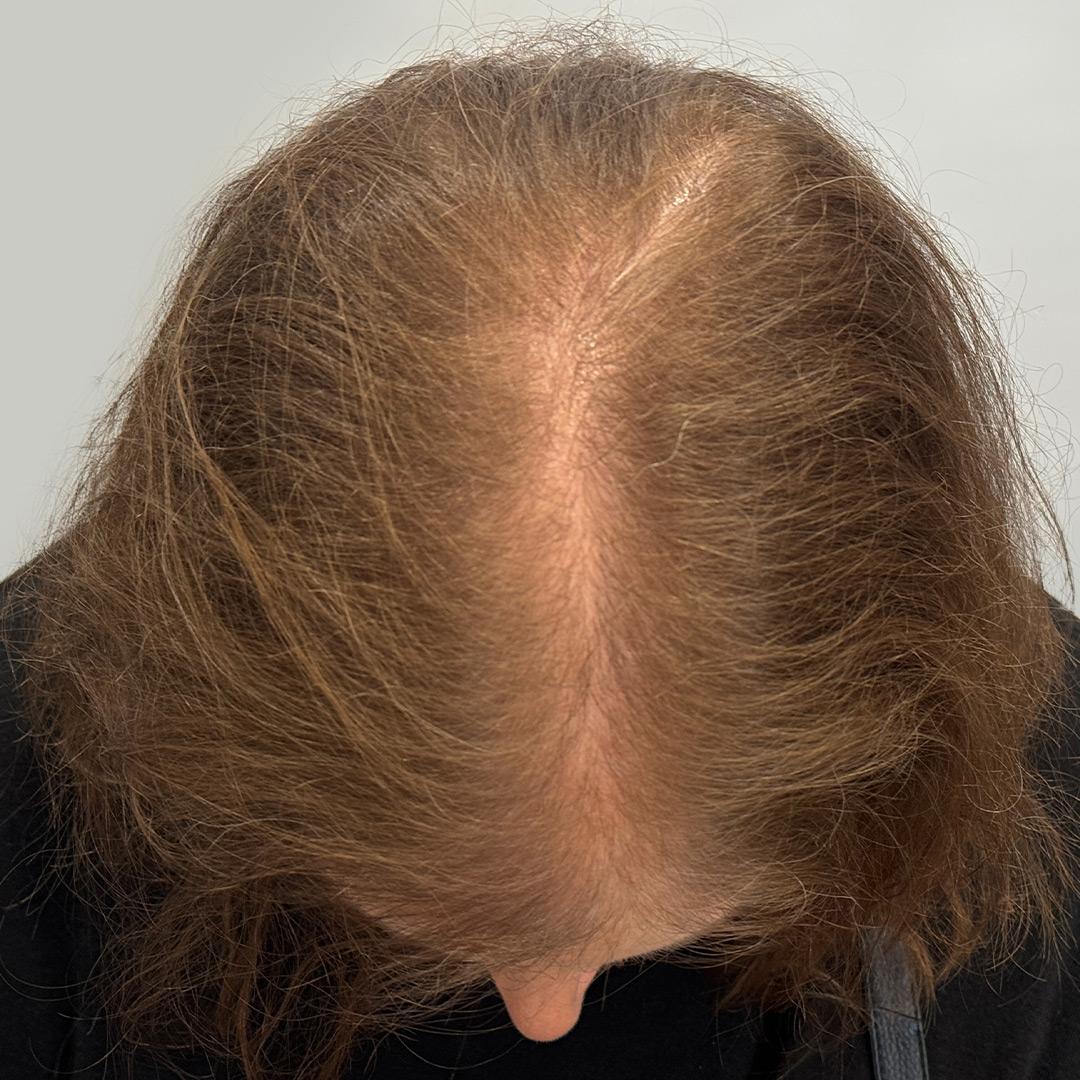
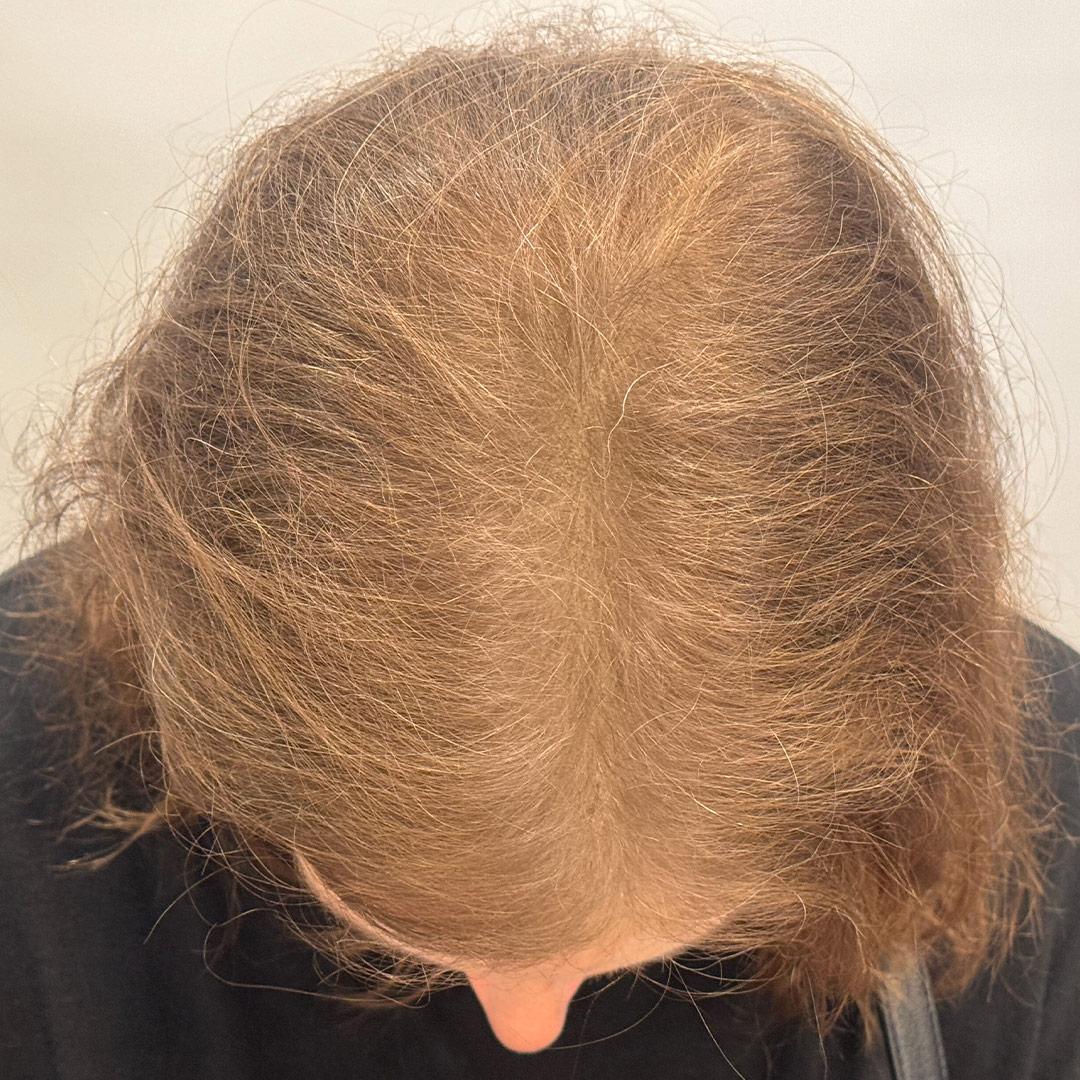
SMP repair has become a meaningful portion of Mike’s practice not because the industry has grown — though it has — but because so much of that growth has happened outside the kind of training depth that competent execution requires. Patients arriving at Magic Ink for repair typically had their original work done by practitioners with three-day or online-only certifications and no live-model practice before they opened their clinics. The wrong pigment selection, the wrong depth, the wrong hairline design, and the resulting color shifts are what Mike now spends part of his practice correcting.
Before
After
Before
After
Before
After
The same philosophy shapes how Mike trains the practitioners who work at Magic Ink. The Magic Ink training program is three months of hands-on, in-clinic instruction before any new practitioner touches a client — a standard substantially longer than the industry-typical week-long or online-only certifications that have proliferated as SMP has grown. New practitioners begin with pigment theory, depth control, and dot-placement technique on practice surfaces. They progress to supervised work on live models. They progress to monitored independent work under Mike’s review before they are cleared to see their own patients. The premise is that SMP is intricate enough that no shortcut training produces competent results — and the repair caseload that comes to Magic Ink from elsewhere is the evidence. Mike’s commitment to this training depth is part of what distinguishes Magic Ink as a practice rather than as a single-practitioner operation: the team at Magic Ink works at a level the broader industry doesn’t currently demand of itself.
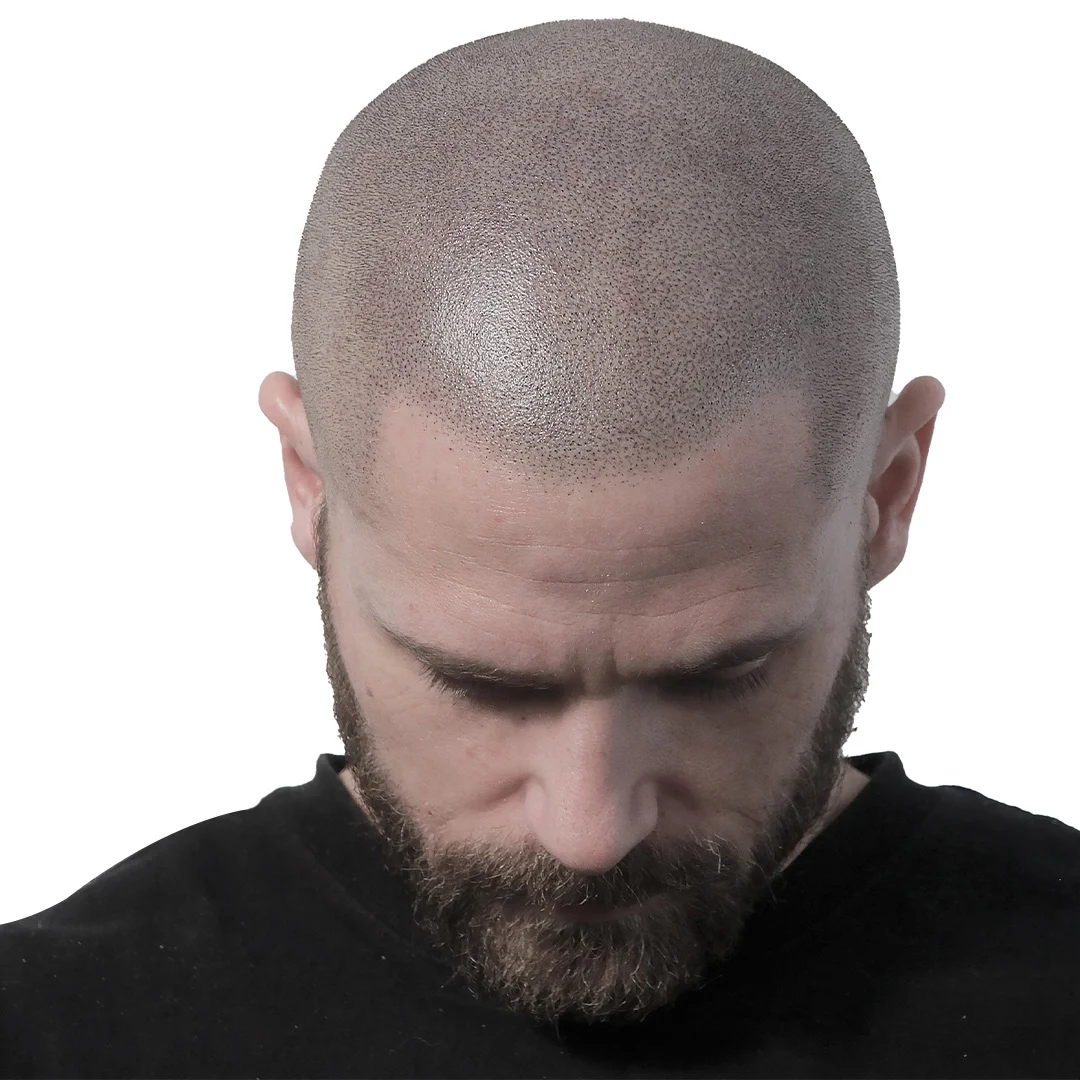
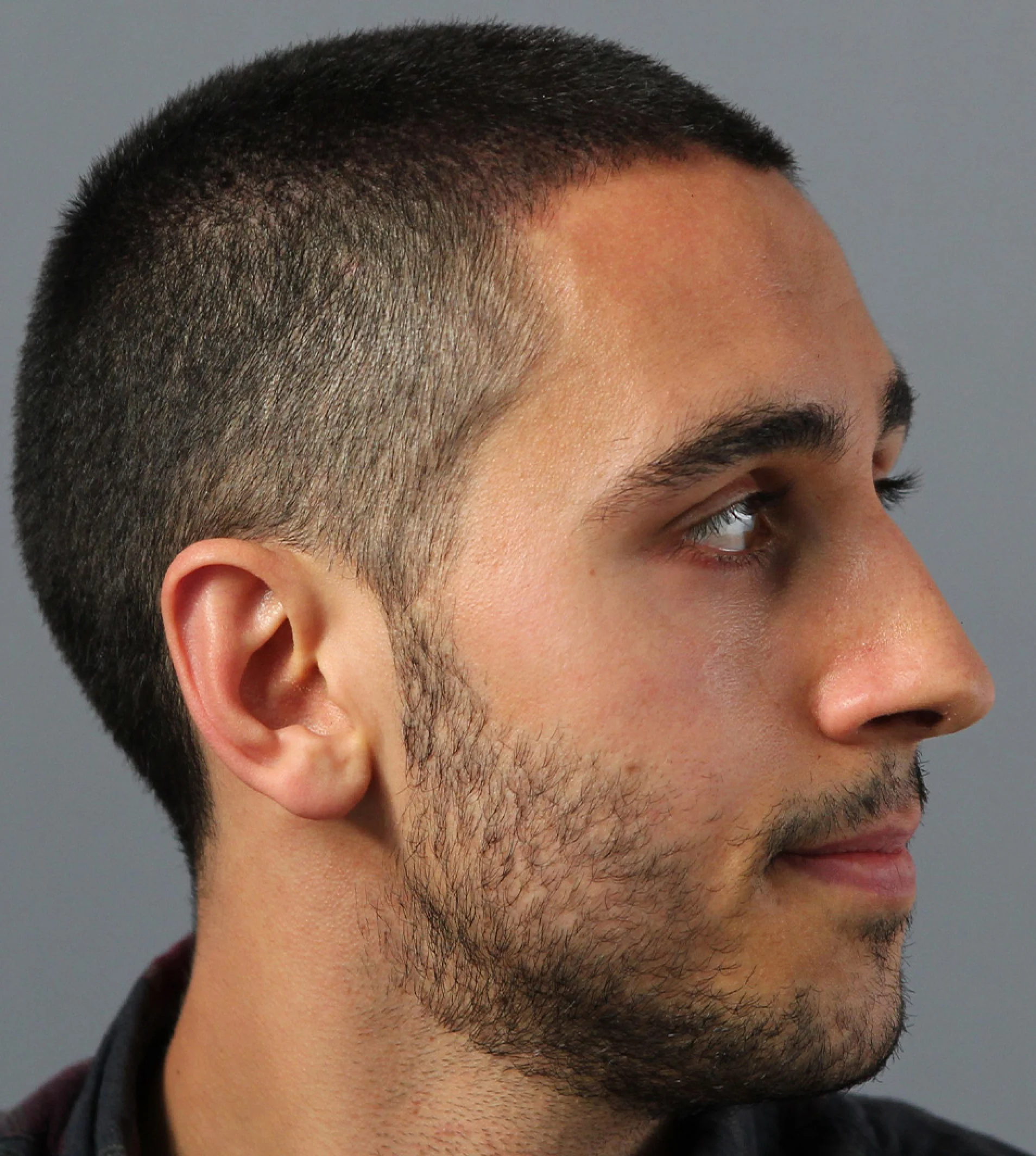
The foundational application of SMP. For men experiencing male pattern baldness who want a clean, shaved aesthetic, Mike’s pigmentation creates the visual appearance of a uniformly cropped head of hair — a styling outcome rather than visible hair loss. The hairline is designed against the patient’s facial structure and age. The pigment density across the scalp matches what the patient’s natural follicle pattern would have looked like at the chosen hair length. The work reads at conversational distance as natural follicles. This is the work Mike has done thousands of times, and it is the application that built Magic Ink’s reputation.
Before
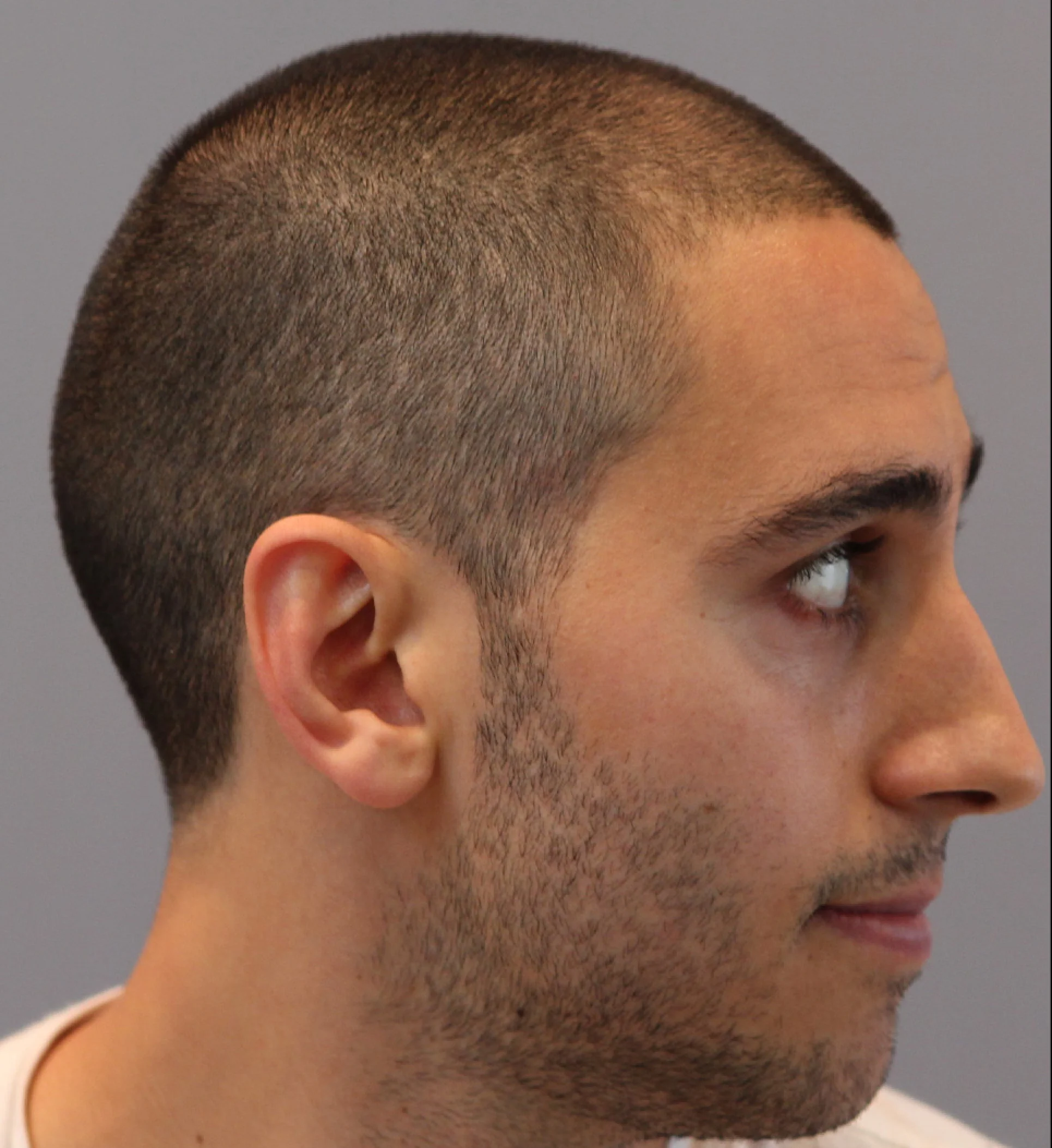
After
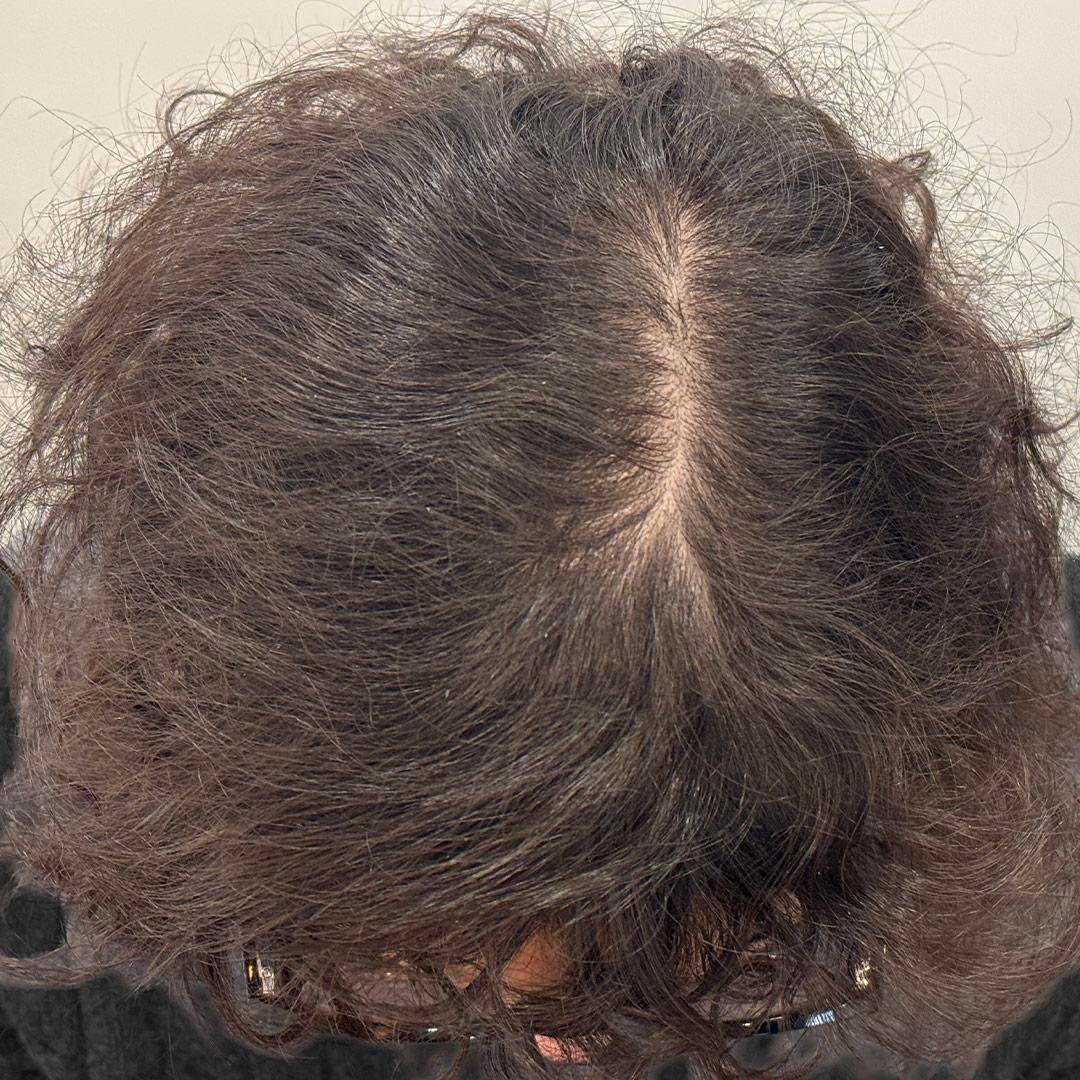
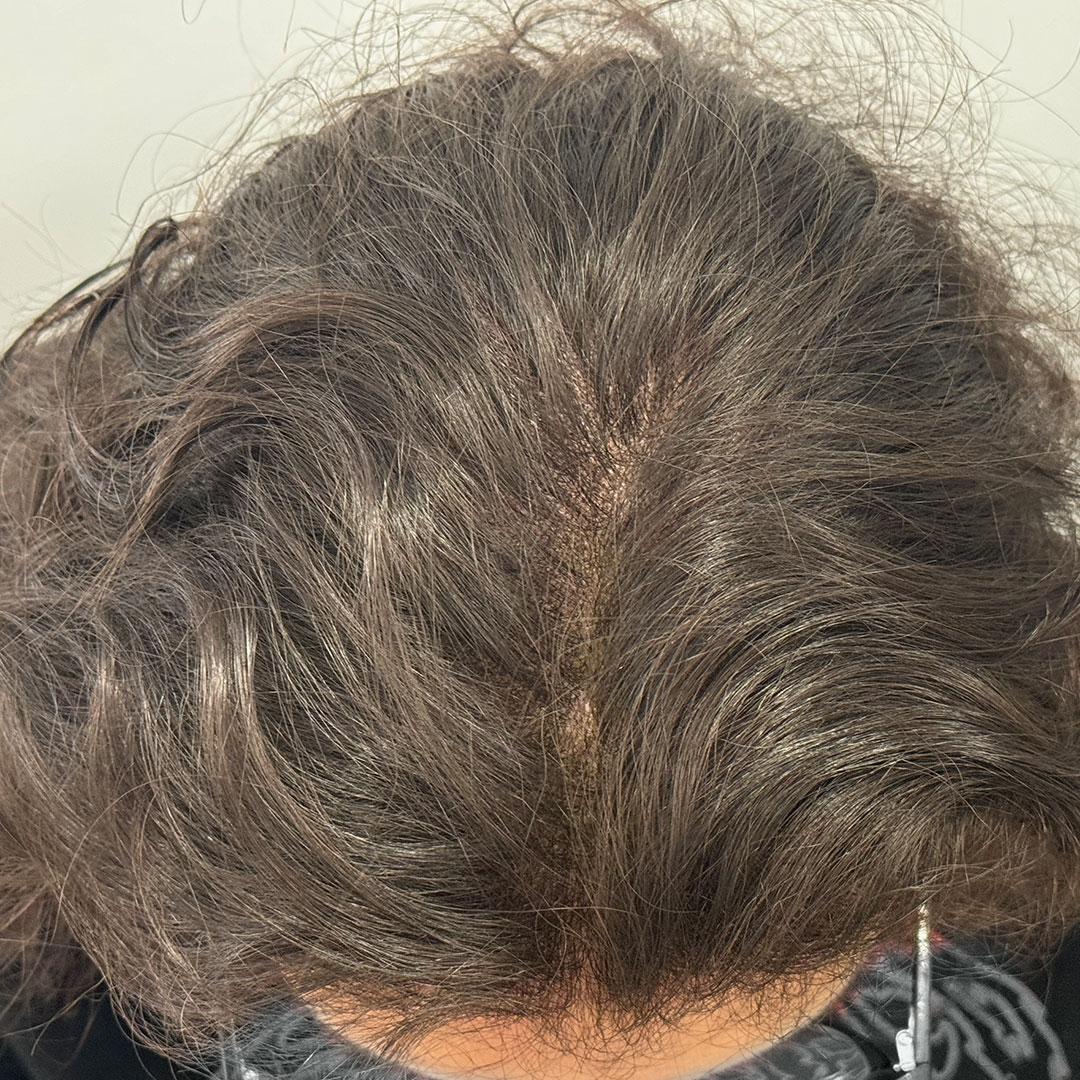
For patients with existing hair who want more visual density without shaving down, Mike places pigment between follicles to make the surrounding hair read as fuller. This application requires different technical decisions than the shaved-aesthetic work — the pigment must be placed at the depth and density that complement the existing hair rather than competing with it, and the color match must be precise to the patient’s existing hair color rather than to scalp tone. Density augmentation works for men with diffuse thinning, men with mild crown thinning who want fuller coverage, and patients of either sex with overall thinning who are not yet candidates for surgical work and want the visual density that pigmentation can provide.
Before
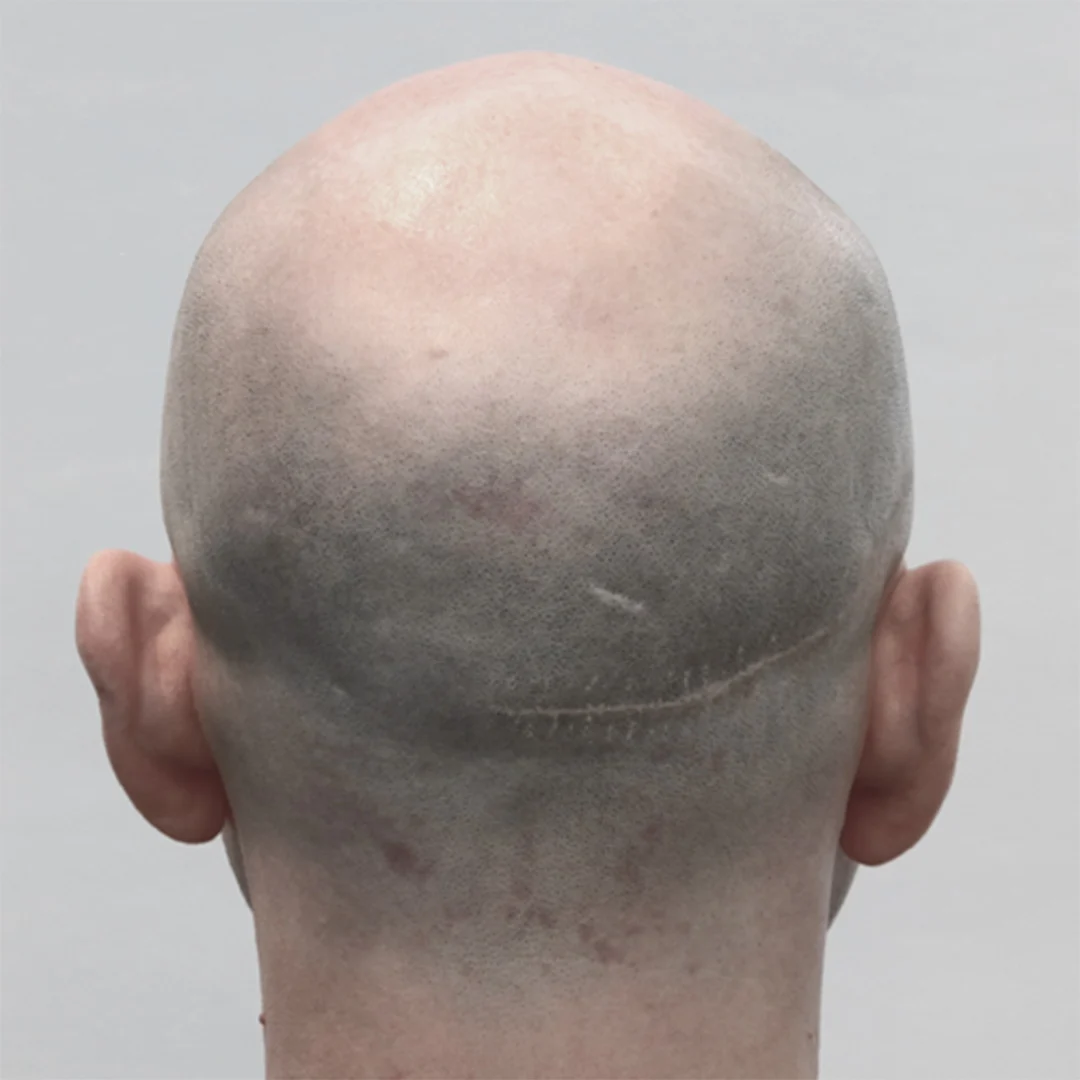
After
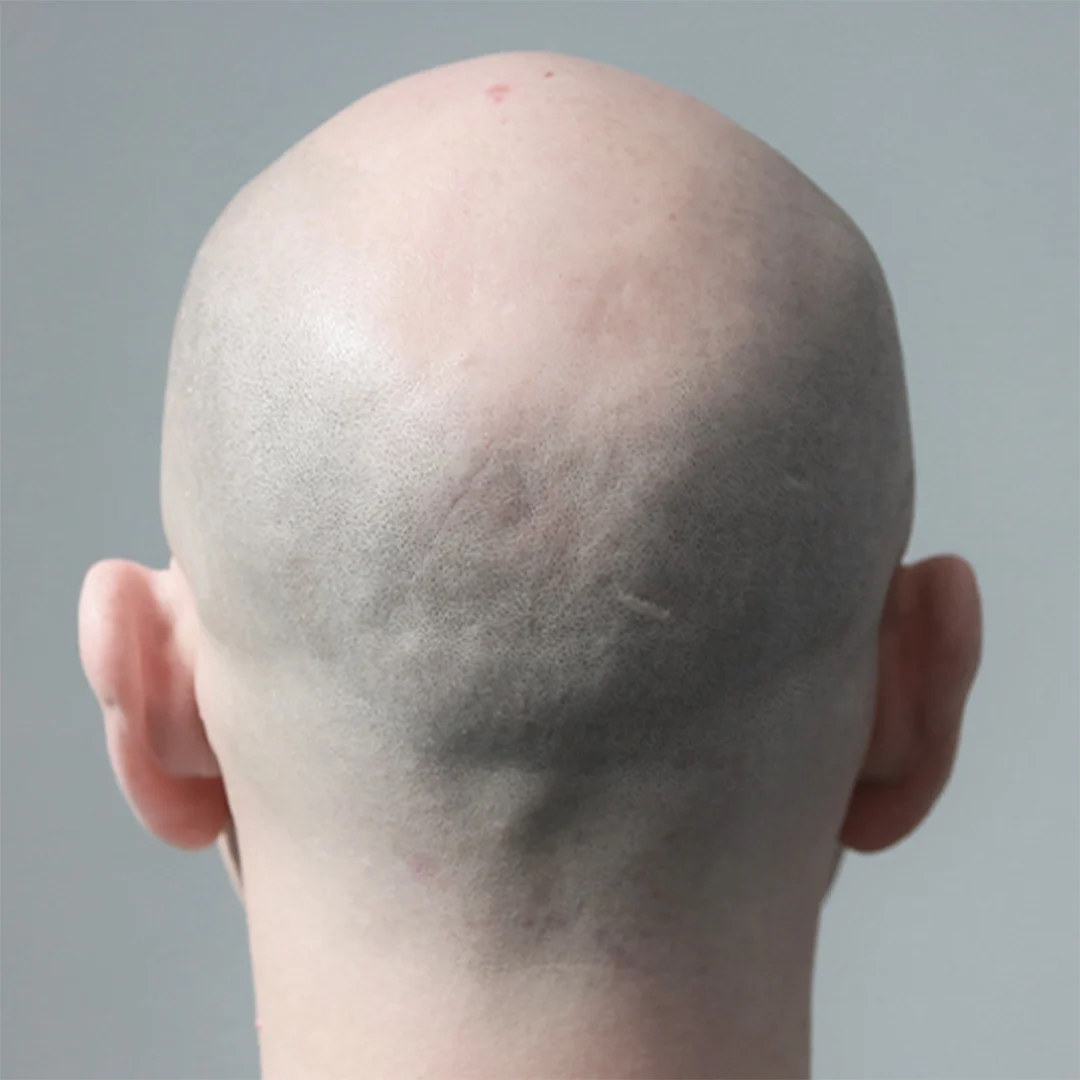
For patients with existing FUT strip scars on the back of the scalp — which can widen over time or become hypertrophic — the two-pronged approach produces better results than either treatment alone. The surgical step revises the scar to its minimum possible width and softens the scar tissue so it behaves more like normal scalp skin rather than scar tissue. Mike’s pigmentation work on the revised, softened scar then requires less pigment overall, takes the pigment more naturally because the softened tissue behaves more like normal skin, and produces a more natural-looking result than SMP over an unrevised wide scar.
Northwestern Hair Restoration’s clinical presence in the North Shore operates inside Magic Ink’s Winnetka location at 894 Green Bay Road. The space is Mike’s — he runs Magic Ink throughout the week with his full clinical scope independent of our collaboration, and his patients are welcome whether or not Northwestern Hair is part of their care. The collaboration adds my hair restoration consultation as an additional pathway for Mike’s patients, adds Mike’s scalp micropigmentation work as an additional pathway for ours, and gives both our patient populations access to the integrated planning that the combination unlocks.
What makes this collaboration distinctive is its reciprocity. On the second and third Saturday of each month, I travel to Magic Ink in Winnetka and Mike travels to Northwestern Hair Restoration’s main Chicago location at 3 E. Huron. Both practices operate at full capacity at both locations on those Saturdays. A patient at the North Shore clinic can be seen by either or both of us in a single visit — and the same is true for patients at the Chicago flagship. The collaboration is not one practitioner extending into the other’s space. It is a mutual exchange that gives our combined patient population integrated access to both clinical environments.
Two areas have emerged where the collaboration produces work that neither practice could deliver alone. The first is men’s hair restoration that integrates surgical and pigmentation planning from the beginning rather than as separate or sequential decisions — combined evaluation of FUE candidacy, SMP design, donor area assessment, and the question of how the two treatments work together over the patient’s lifetime. The second is the work that became Adaptive Trichopigmentation — a new pigmentation technique Northwestern Hair has developed, built on Mike’s expertise and advancing what is possible for women experiencing hair loss.
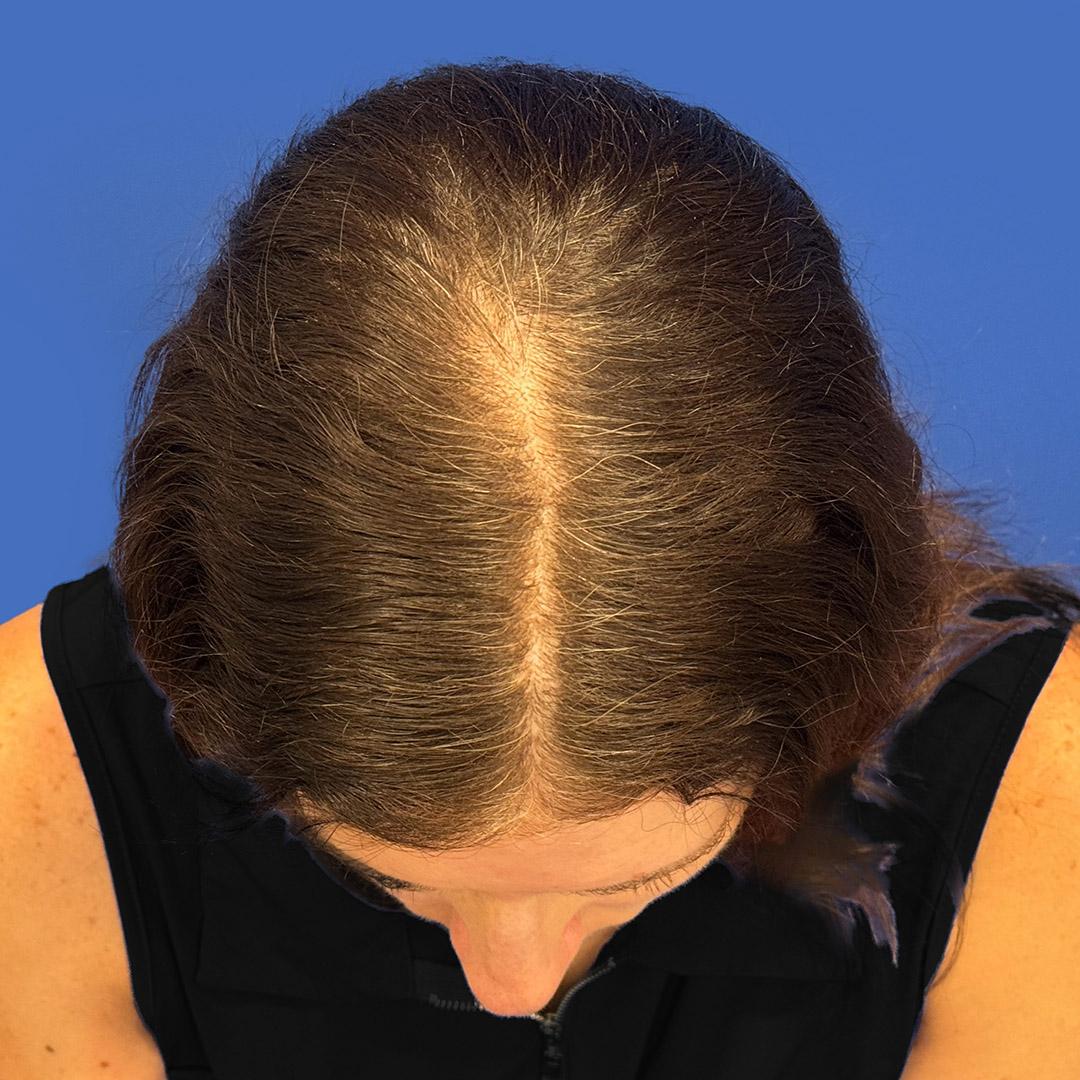
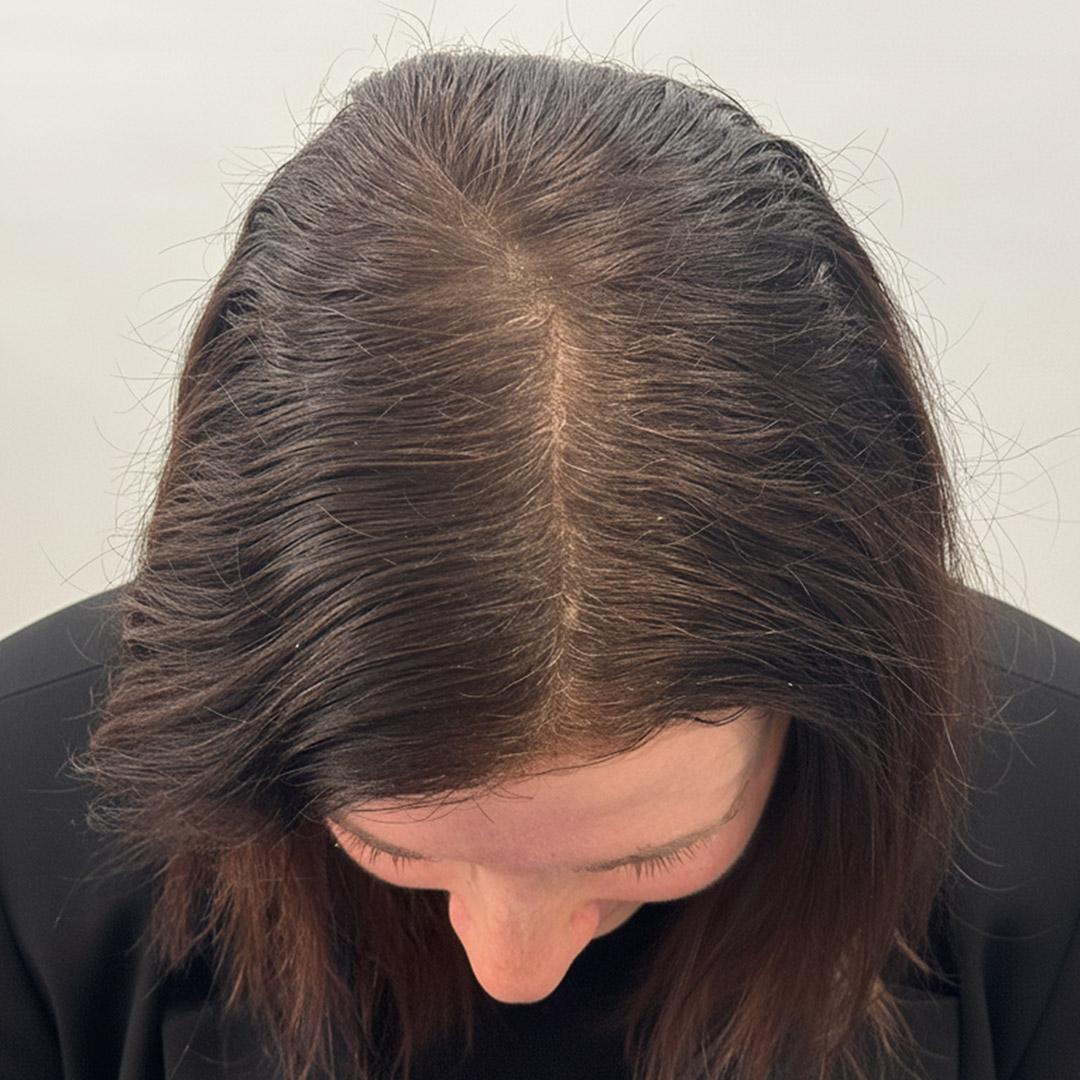
Mike is an SMP artist who teaches women’s hair density work across the country. He has spent years perfecting the techniques of scalp micropigmentation for women’s hair loss specifically — pigment selection, depth control, hairline integration, the density distribution that produces visible fullness at the part line and crown where female hair loss shows scalp. His teaching practice in this area is one of the few in the field doing the work seriously, and the patients he sees at Magic Ink for women’s SMP density work are among the best-served in the country for that specific application of SMP.
Within his field, Mike has done extraordinary work for women who are candidates for SMP. The work he performs is real, the results are durable, and his customers have been satisfied. He has been an expert at this within his field for years.
Through the collaboration with Northwestern Hair, that perspective is evolving into something different. Drawing on Mike’s extensive experience in SMP and pigment, a new technique has been developed that fits more women than traditional SMP can — and that we believe is more clinically appropriate for the way female hair loss actually behaves. The technique is called Adaptive Trichopigmentation — ATP. It is not SMP. It is a new variation of pigmentation work that uses color-matched cosmetic-engineered pigments rather than carbon, places pigment superficially in the epidermis rather than permanently in the dermis, exfoliates naturally over three to six months, and is zoned strategically against the possibility of future surgical hair restoration so that women are not exposed to long-term pigmentation risk.
Northwestern Hair has a track record of developing proprietary techniques that have progressed the field of hair restoration. Micro PUE is the refinement of FUE that delivers more natural results — hairlines that evolve with the patient’s age rather than dating themselves to the year the procedure was performed. ACS Non-Surgical Hair Restoration is a significant improvement upon prior platelet-based therapies, used as a non-surgical option for both men and women. And now Adaptive Trichopigmentation — ATP — is the cosmetic solution that actually serves the female population the way scalp micropigmentation serves the male population. Each of these techniques was built to address a clinical need the existing options were not meeting. ATP is the latest in that pattern, and the reason it exists is that Mike’s pigment knowledge and his teaching practice in women’s density work gave us the technical depth to advance the conversation. His expertise is the foundation the technique was built from.
Before
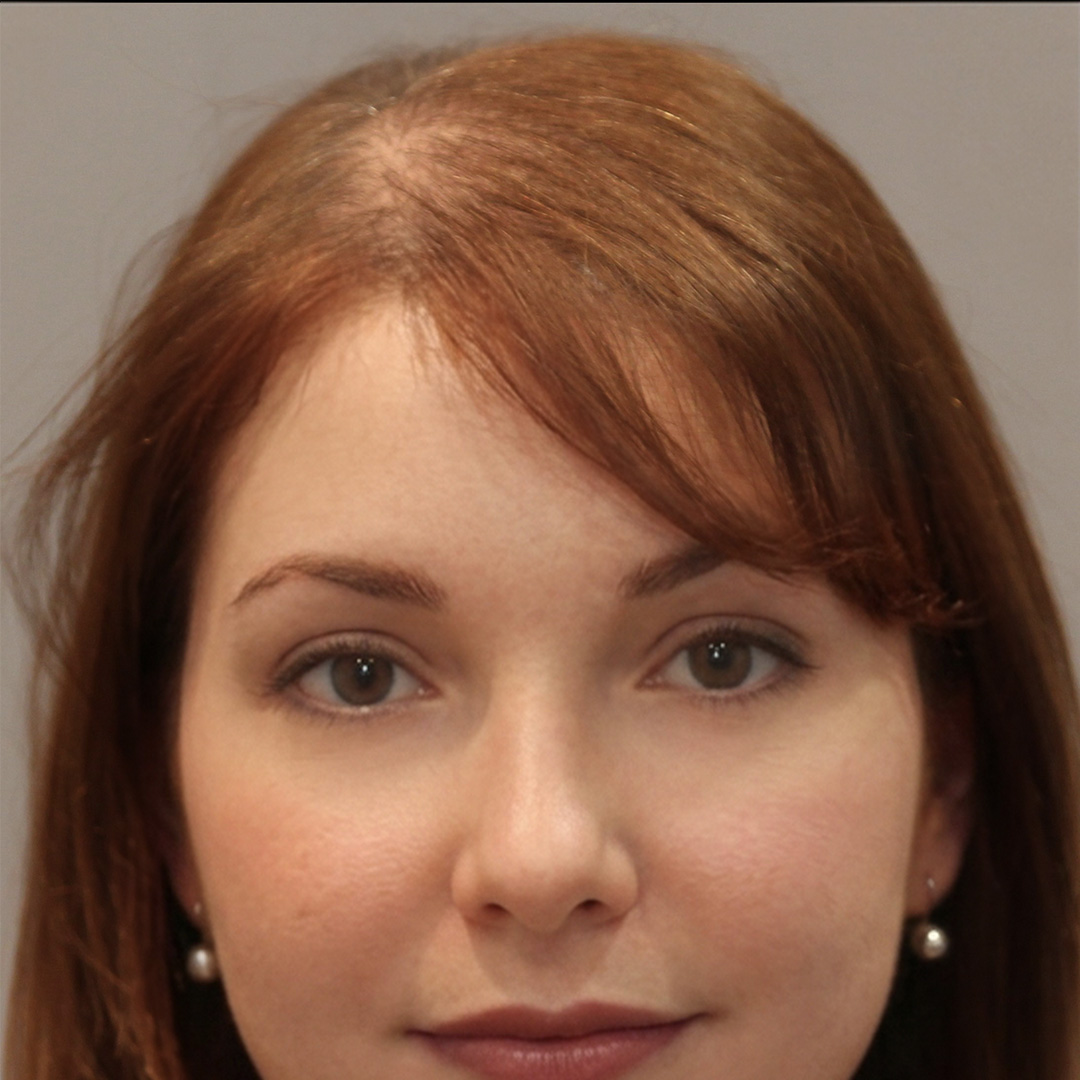
After
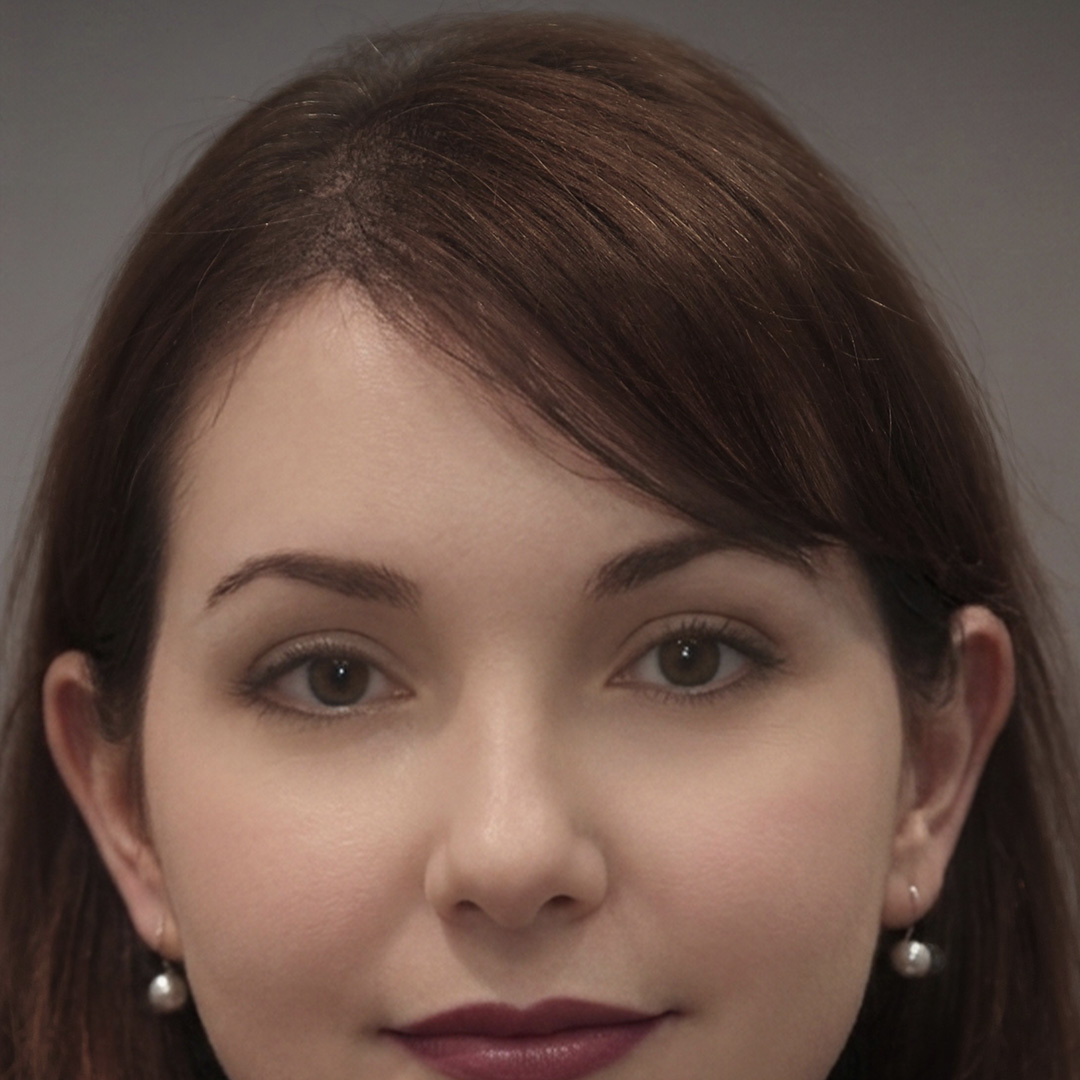
The distinction matters for patients. If you are considering pigmentation work and you are a candidate for traditional SMP — including women’s density SMP at the level Mike performs it — Mike’s practice at Magic Ink is one of the best in the country, and that work is available to you directly from him. If you are a woman whose case suggests that a more adaptive, lower-risk, refresh-based technique would serve you better than permanent SMP, the right answer is ATP — with Mike as the practitioner who performs the pigmentation work and our clinical team handling the long-term planning. The consultation determines which is the right path for you.
The forward direction is a permanent shared space. In the upcoming years we plan to formalize the collaboration into a downtown Chicago center of excellence where our partners — including Mike and Magic Ink — will have a fixed presence rather than a rotating one. The rotation model we operate today is the working version of what permanent space will let us deliver, and the clinical presence we operate inside Magic Ink Winnetka is part of how we are learning what that future will look like.
Magic Ink SMP is located at 894 Green Bay Road, Suite 8, in Winnetka, Illinois. Mike sees patients at Magic Ink Winnetka Monday through Saturday, with one rotation exception: on the second and third Saturday of each month, he travels to Northwestern Hair Restoration’s main Chicago location at 3 E. Huron. For complete operational details — hours, scheduling pathways for both Northwestern Hair and Magic Ink, our service area across the North Shore, and the reciprocal Saturday rotation — see our North Shore location page, which describes Northwestern Hair’s clinical days at Magic Ink Winnetka.
For patients who would like to learn more about Magic Ink SMP directly, their website is magicinksmp.com.