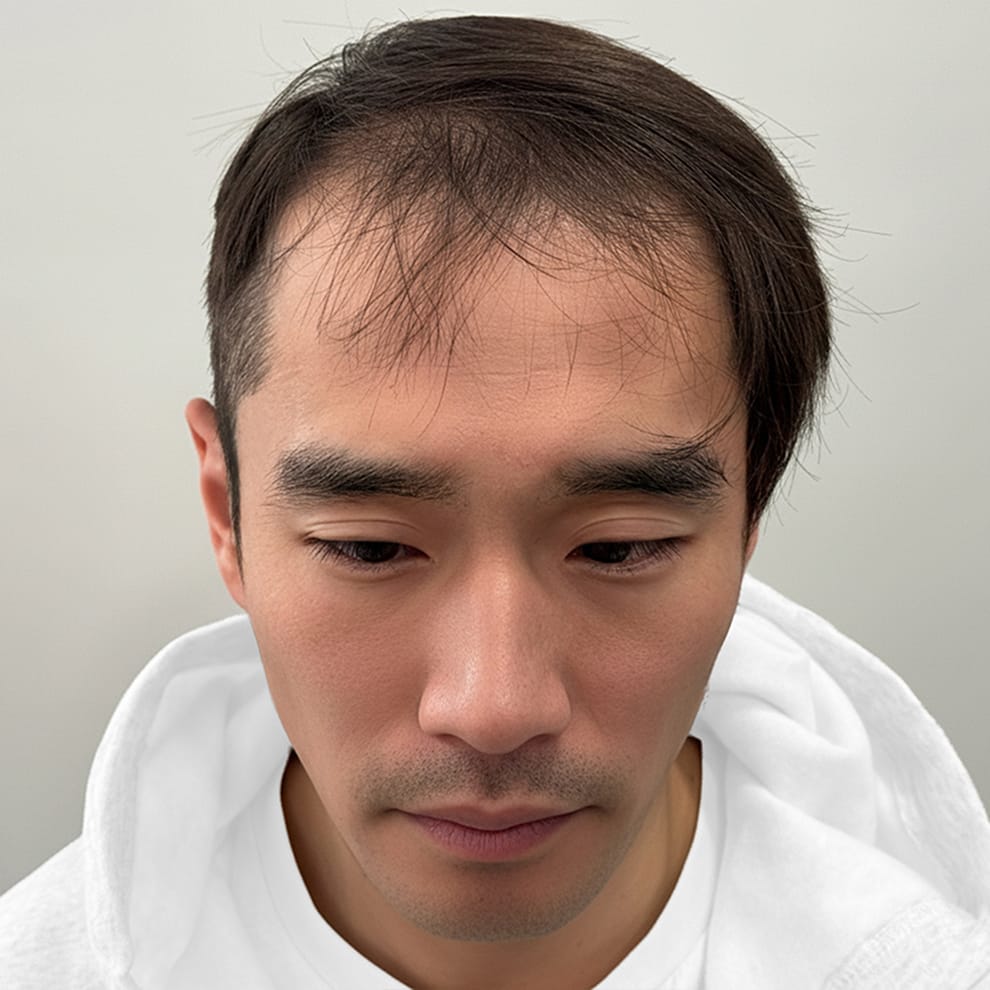
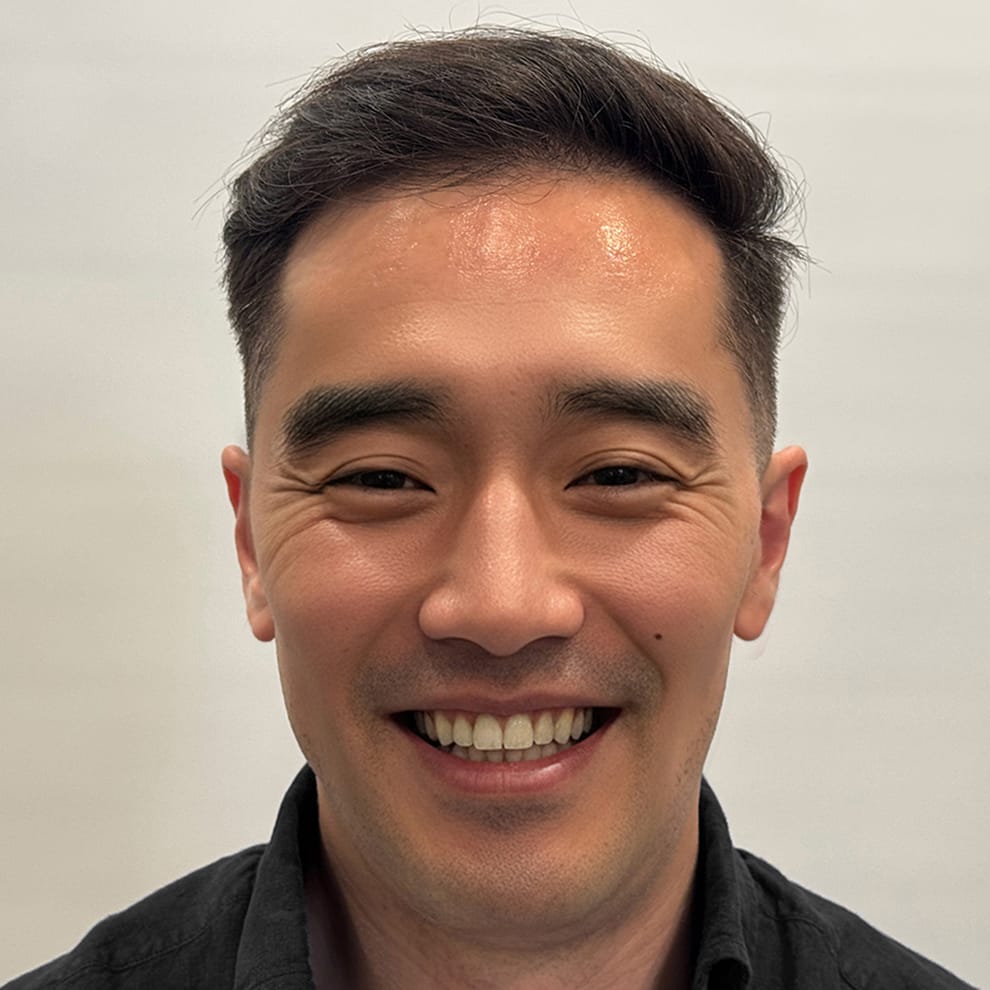
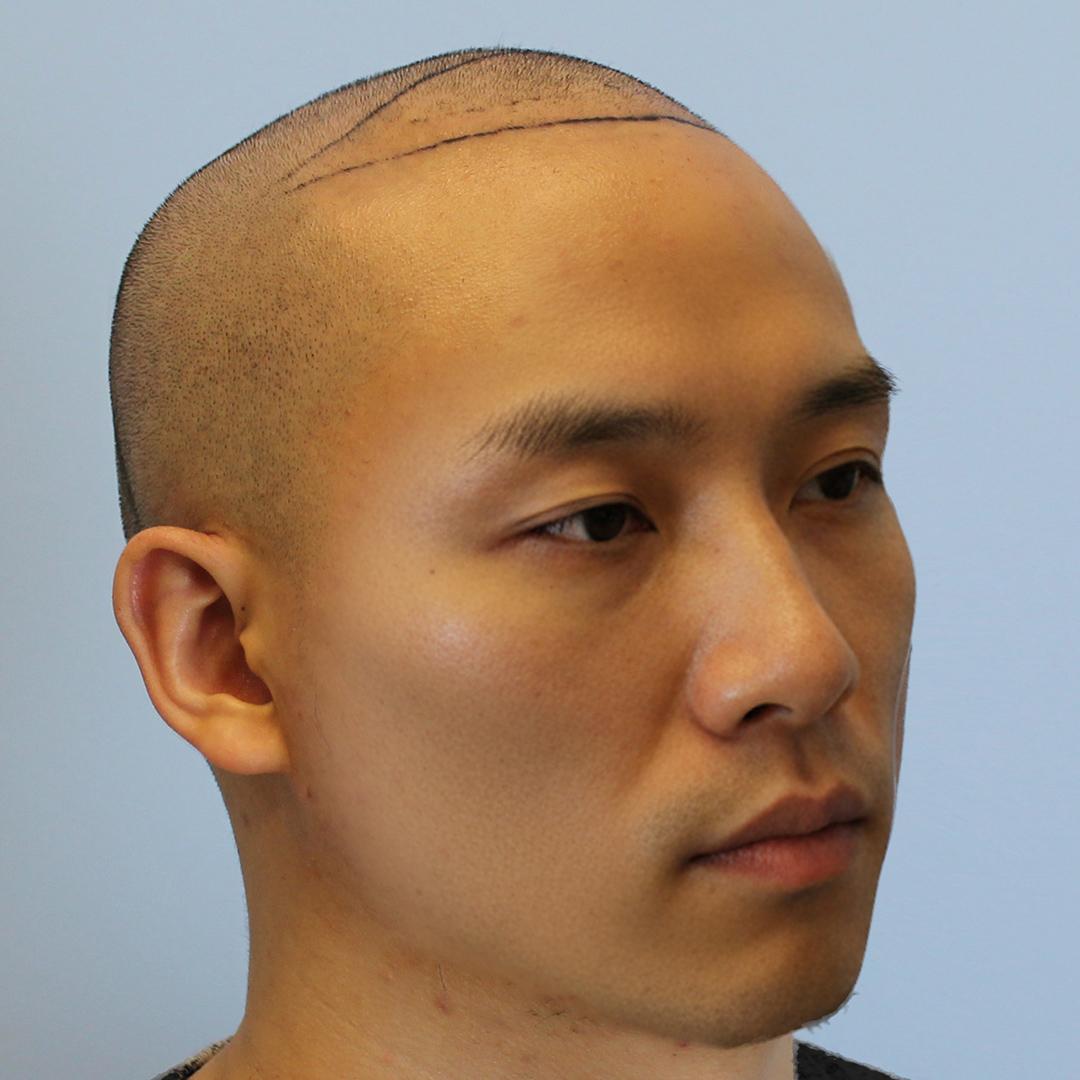
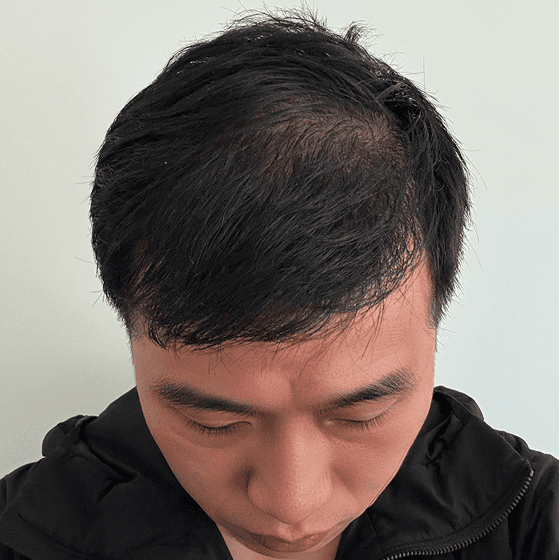
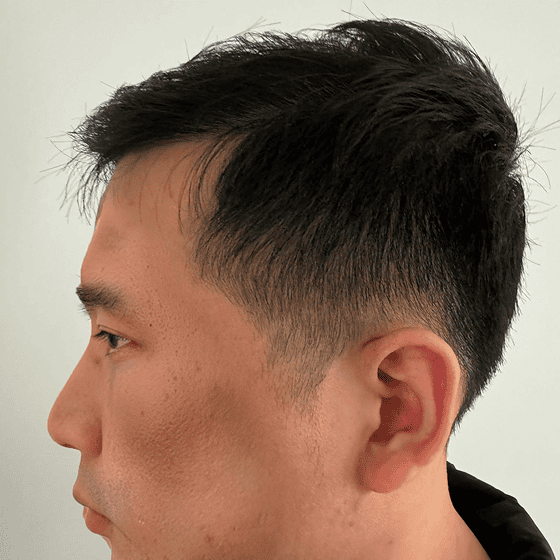
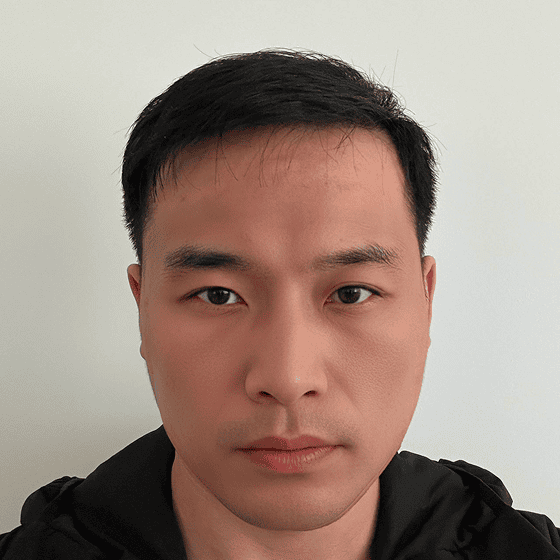
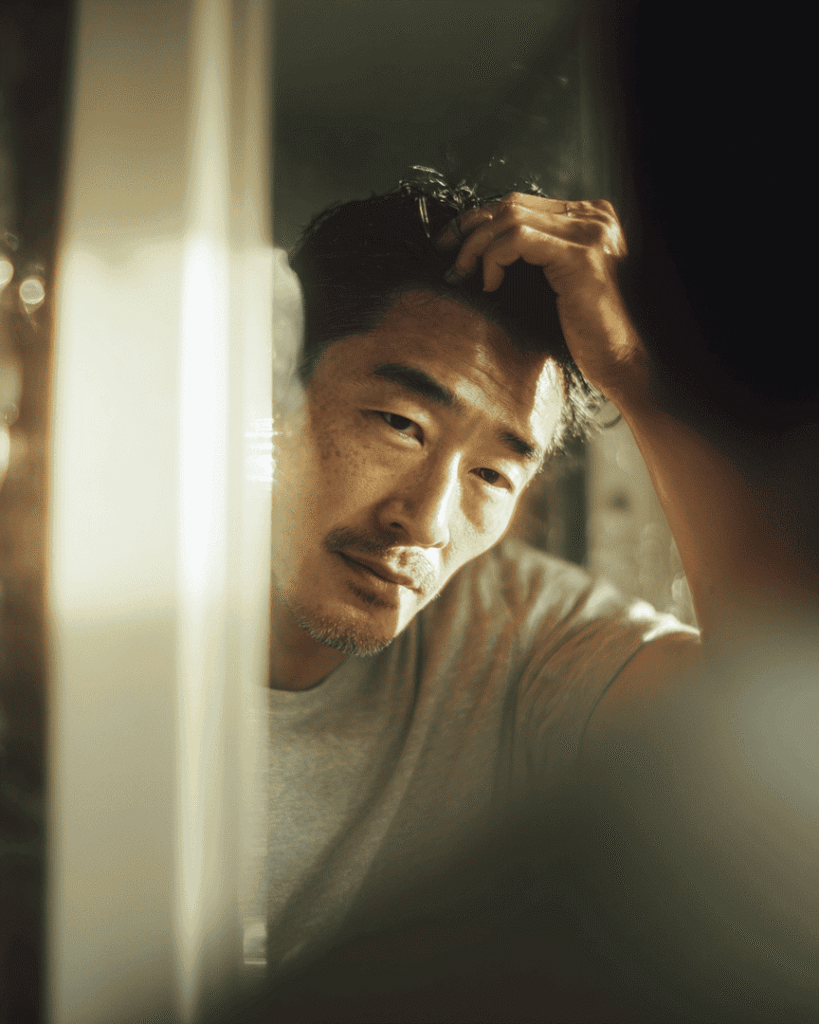
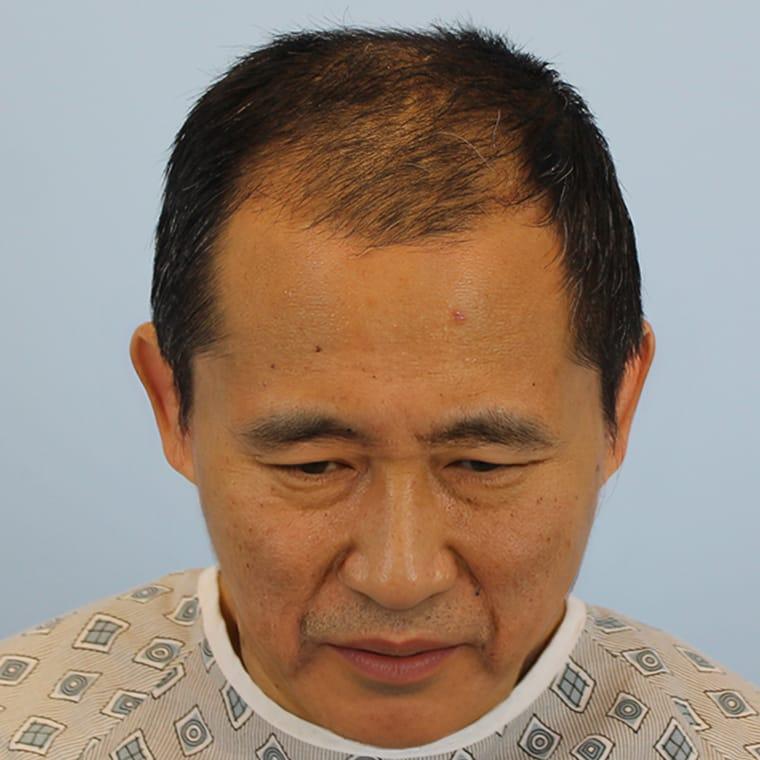
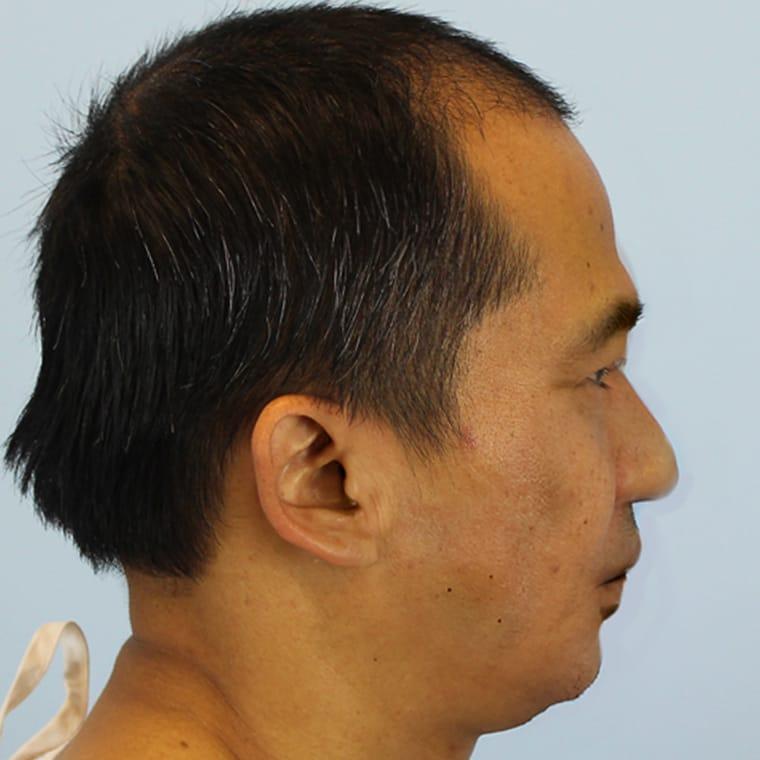
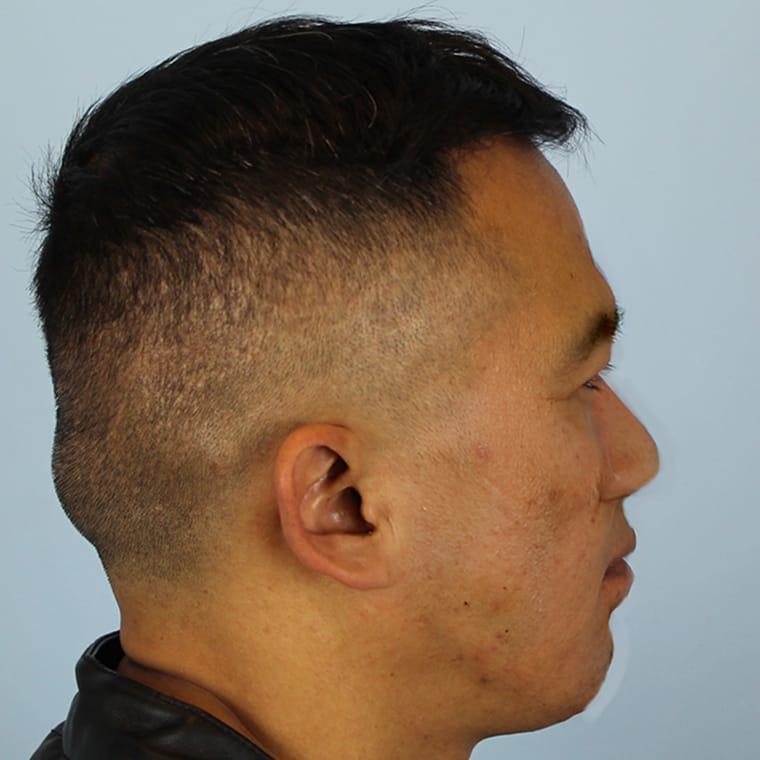
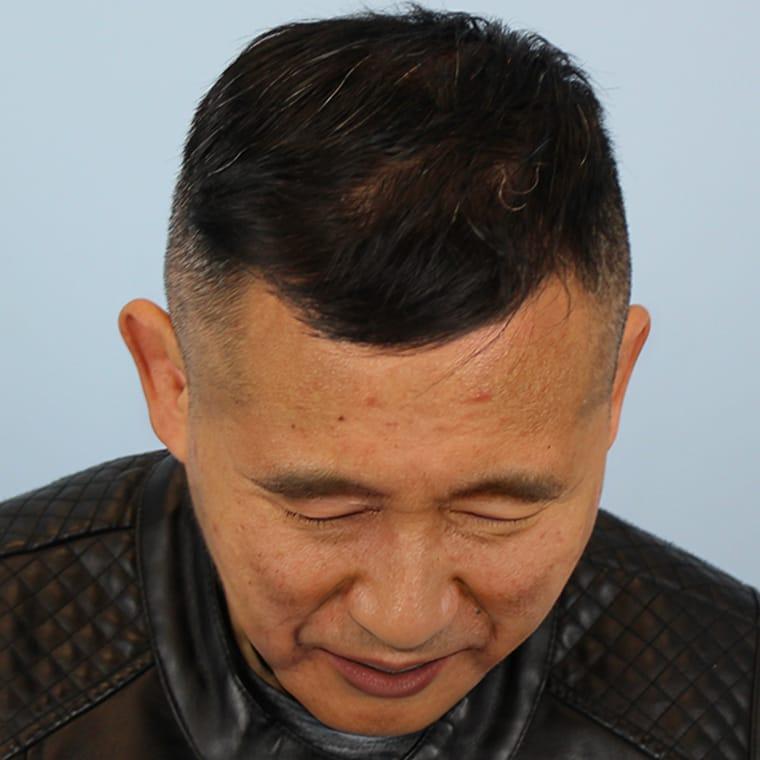
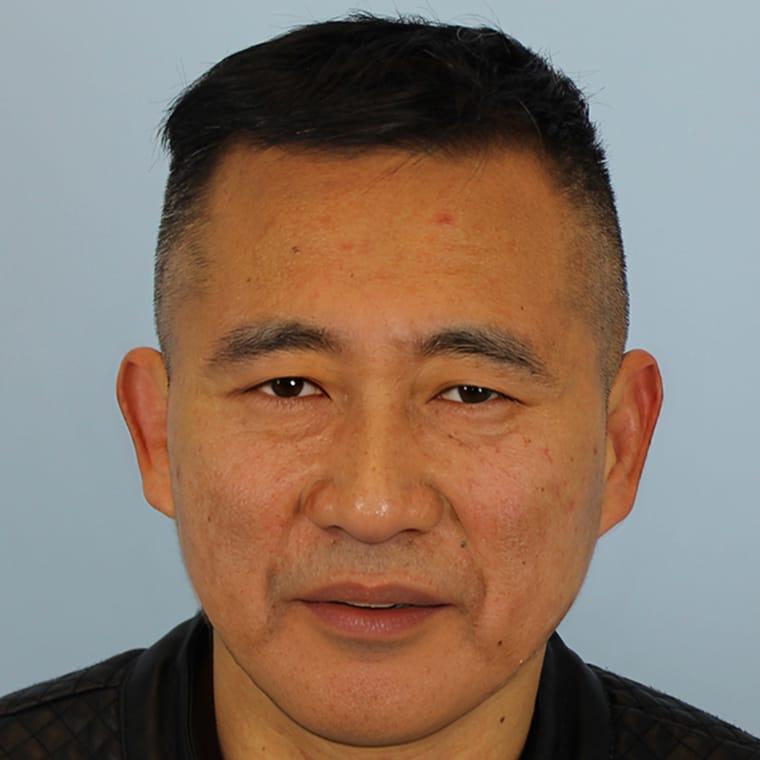
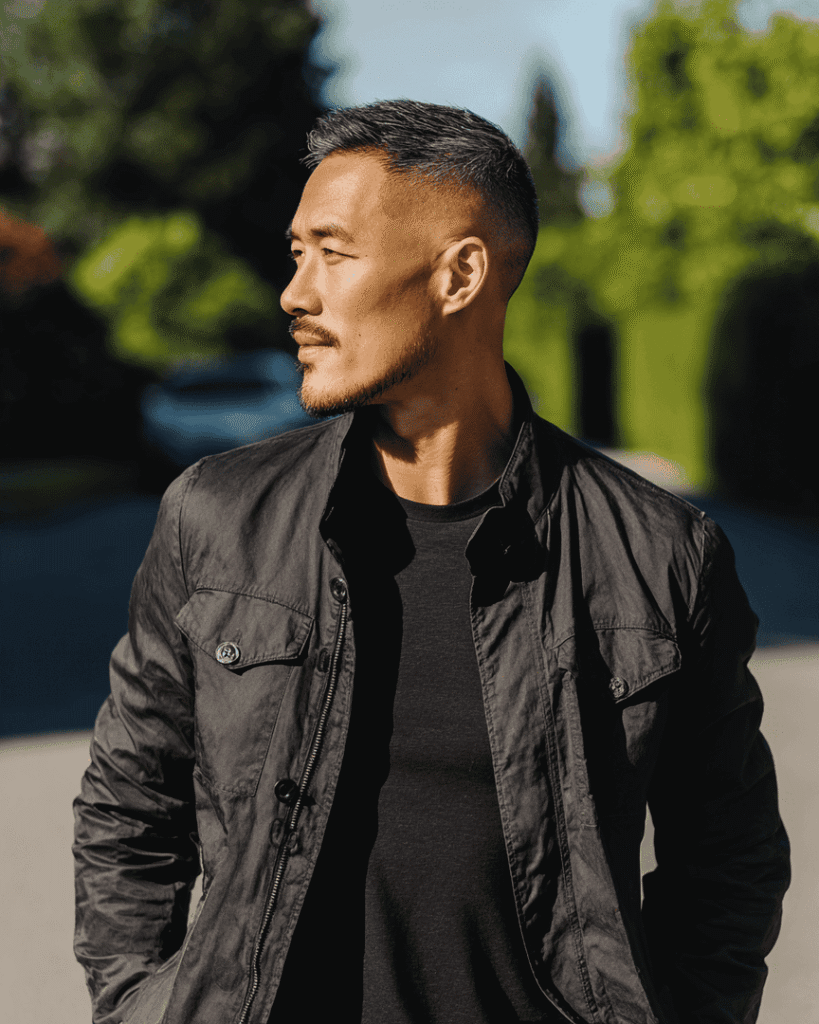
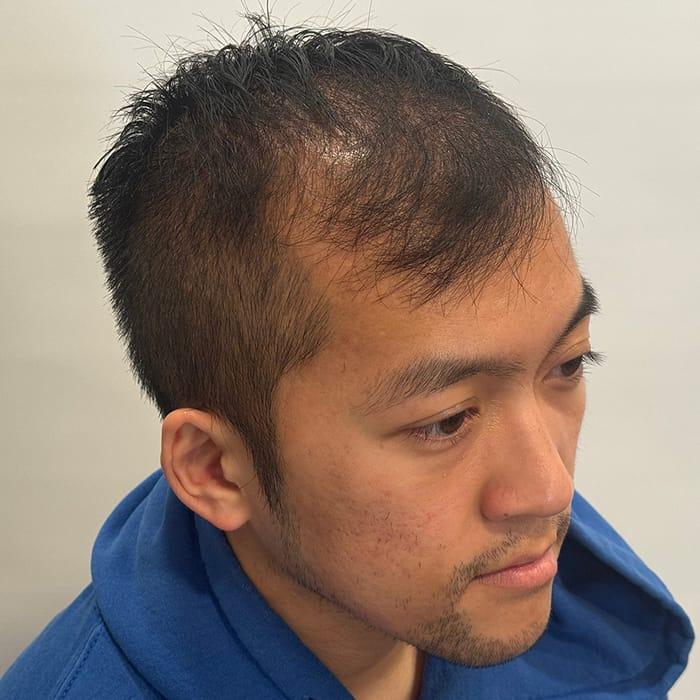
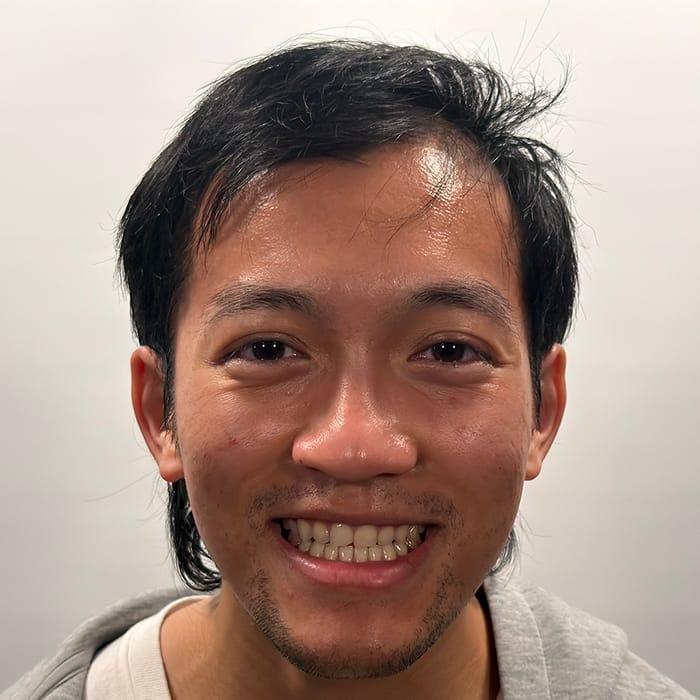
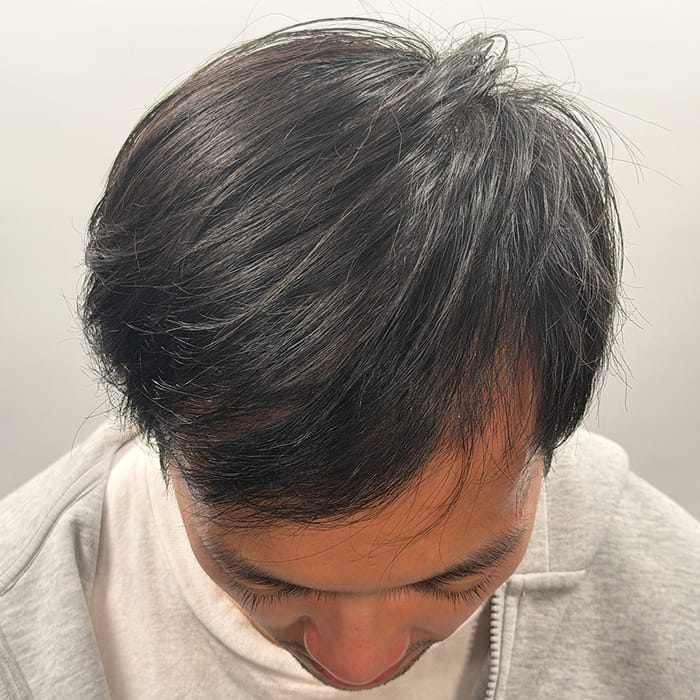
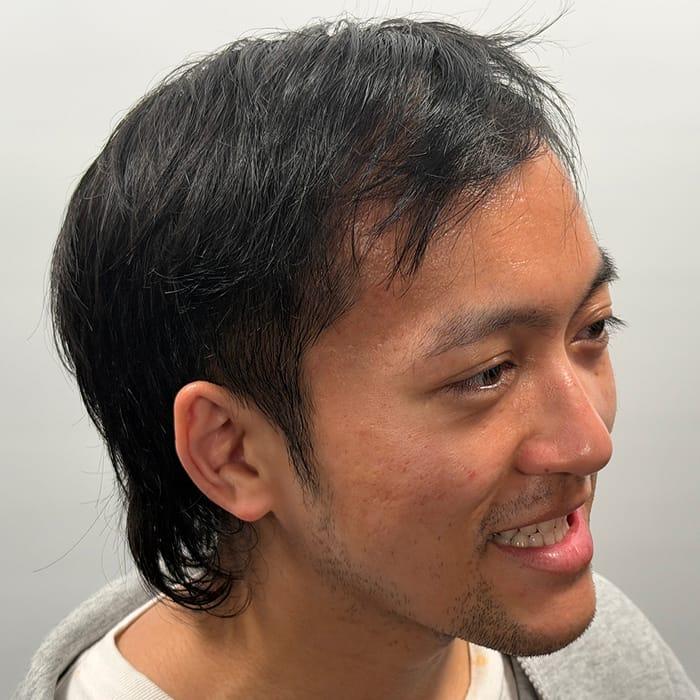
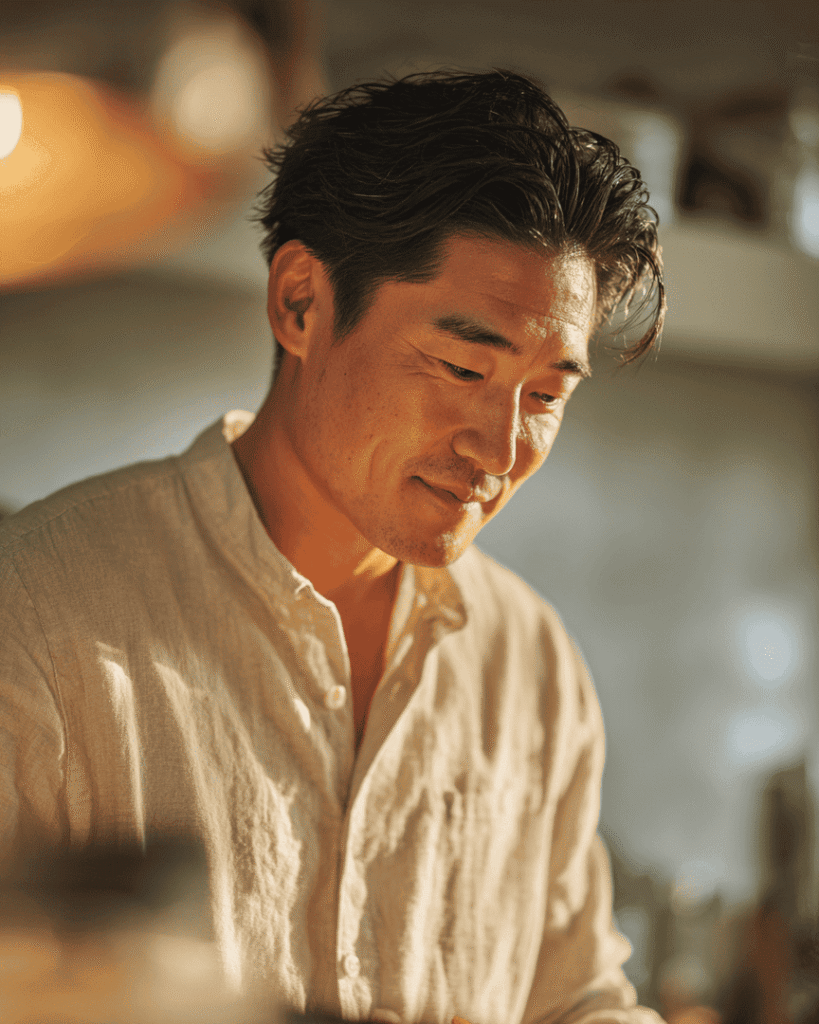
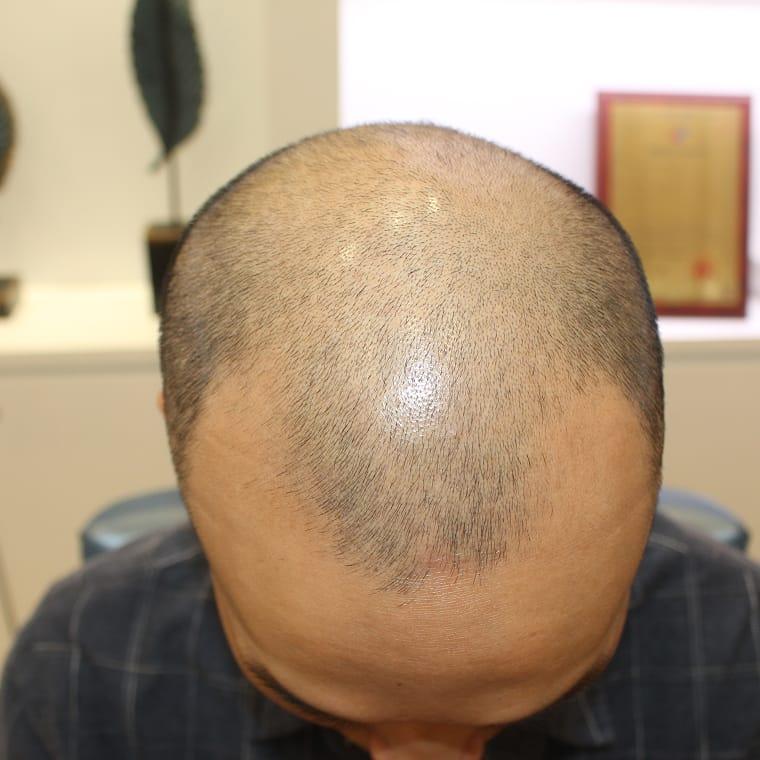
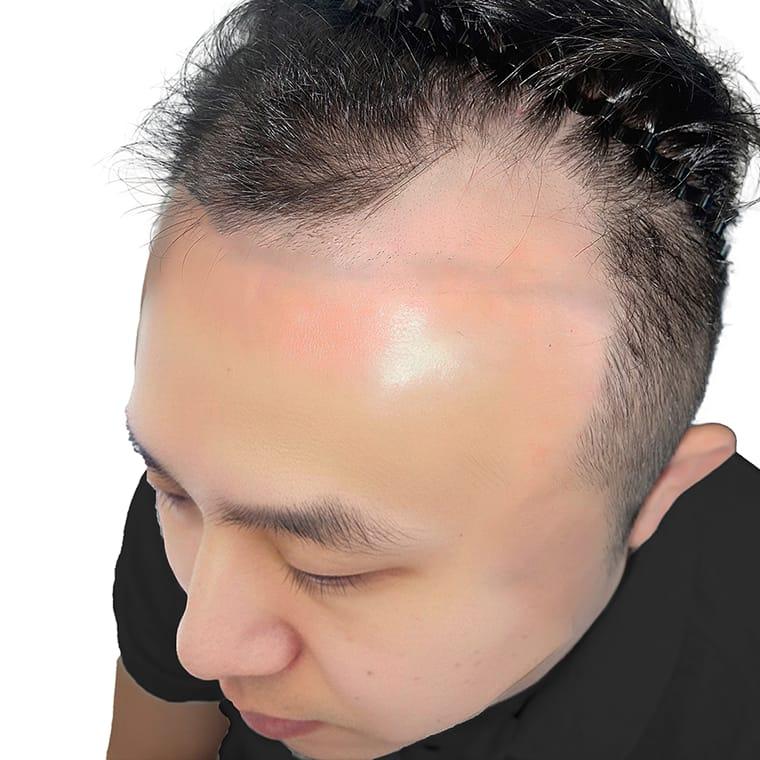
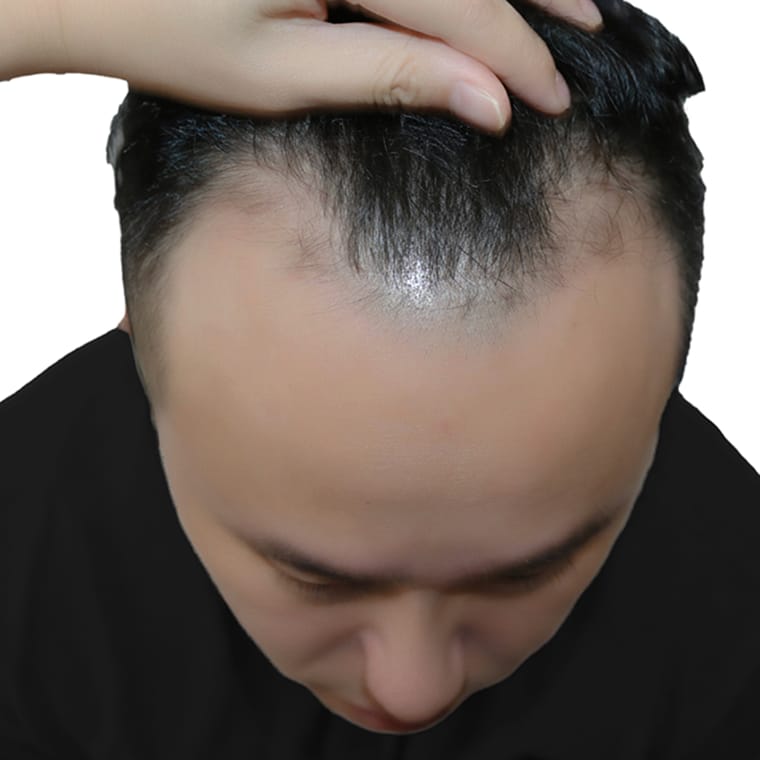
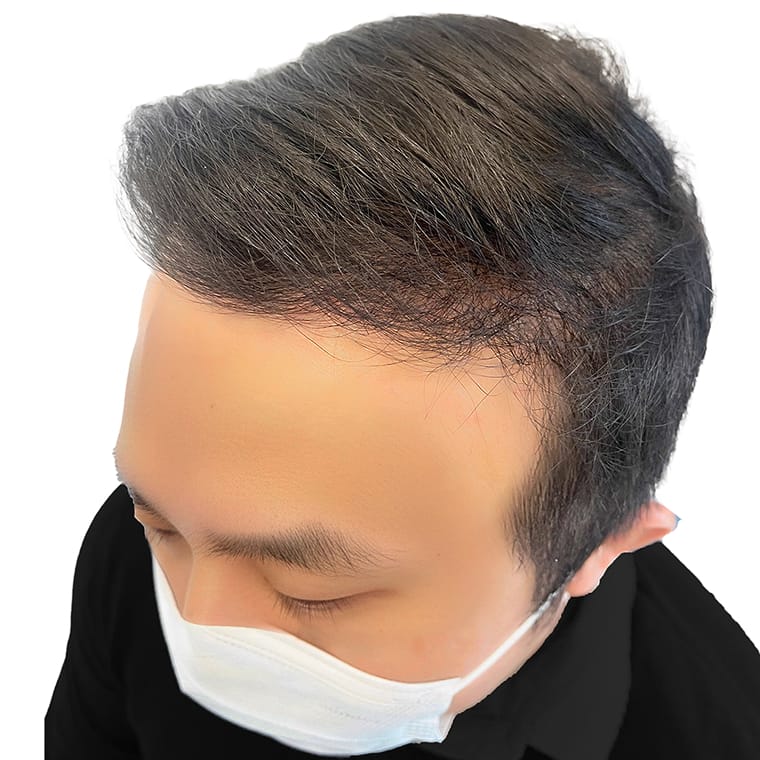
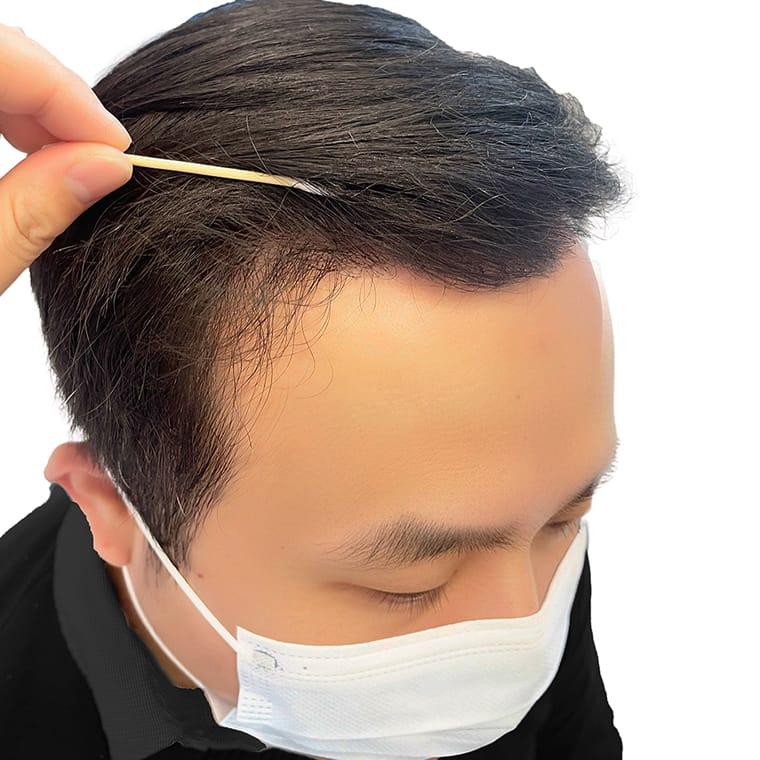
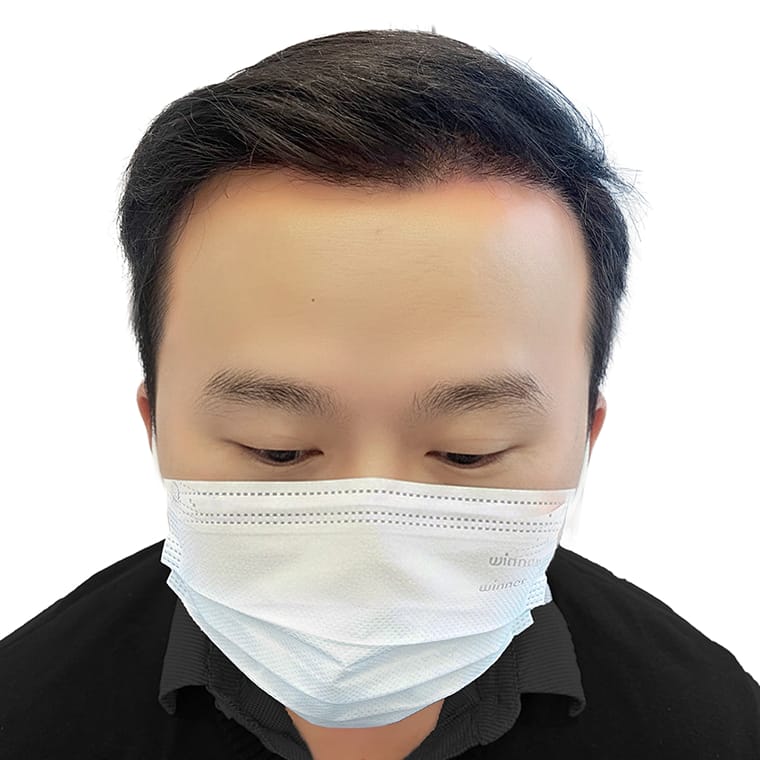
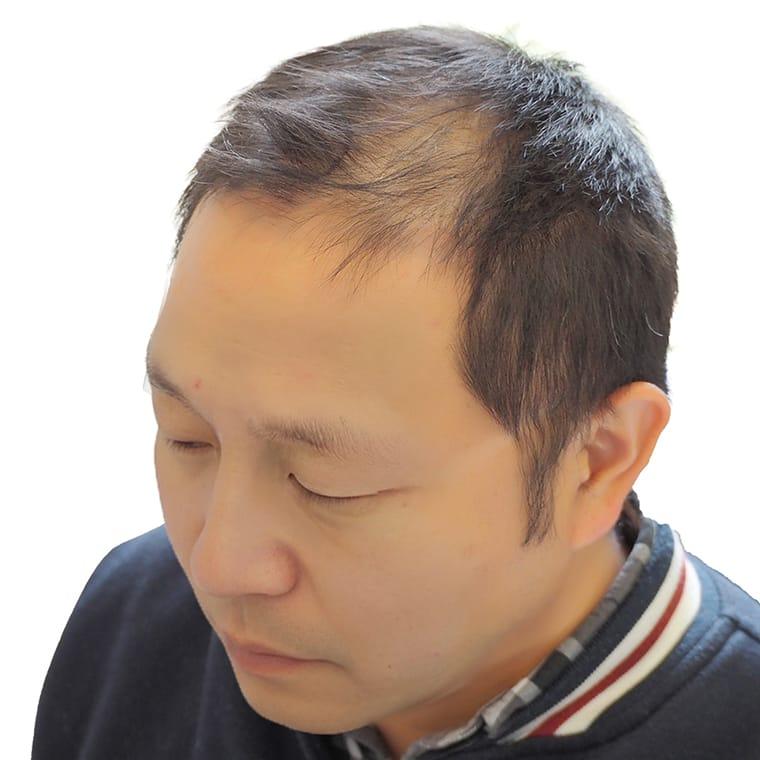
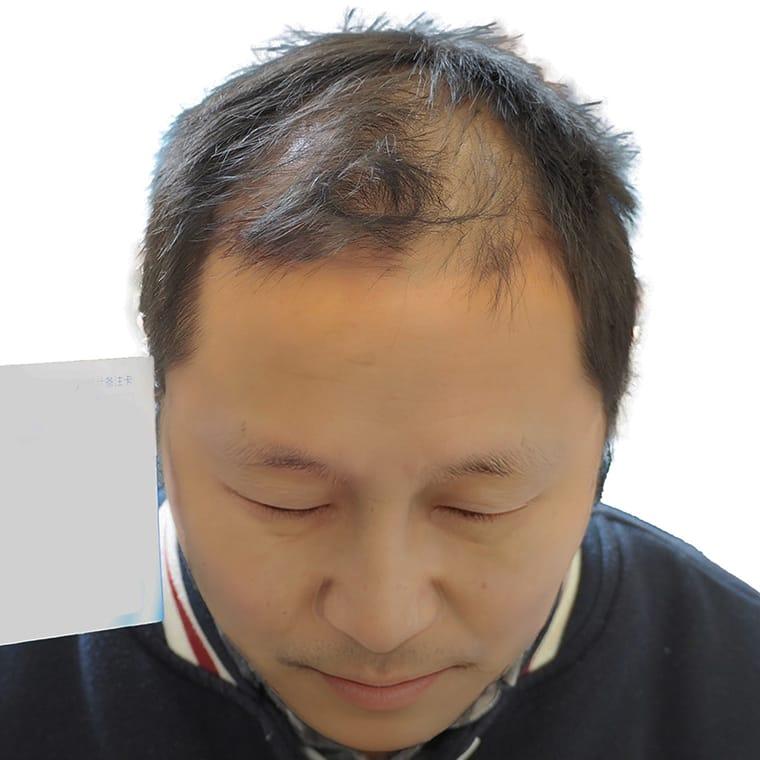
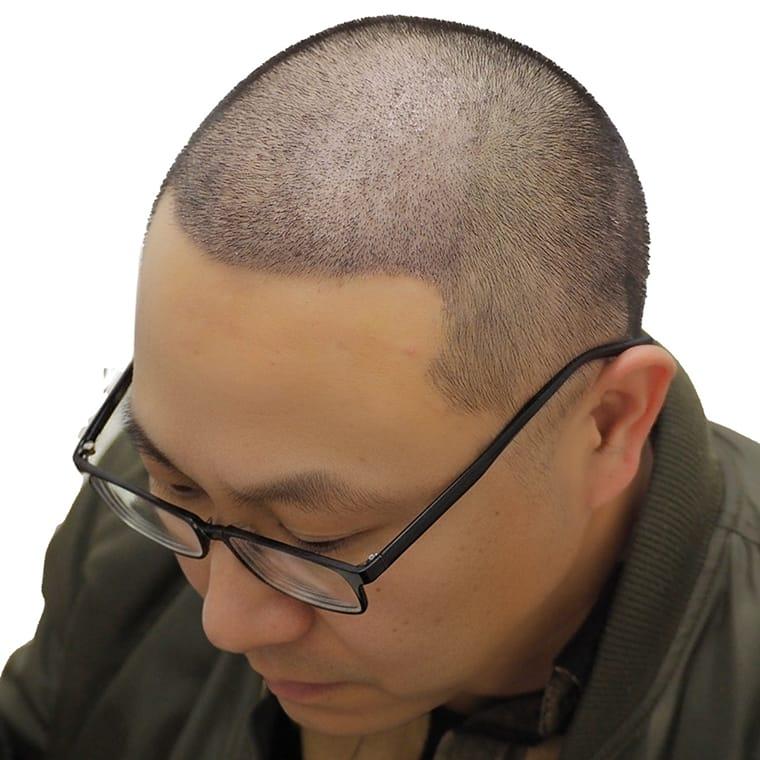
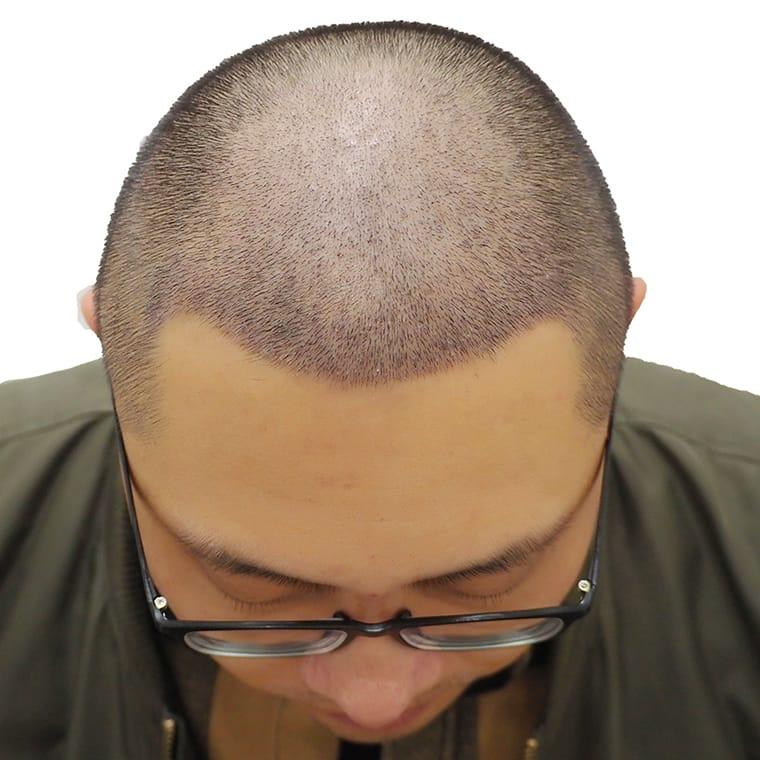
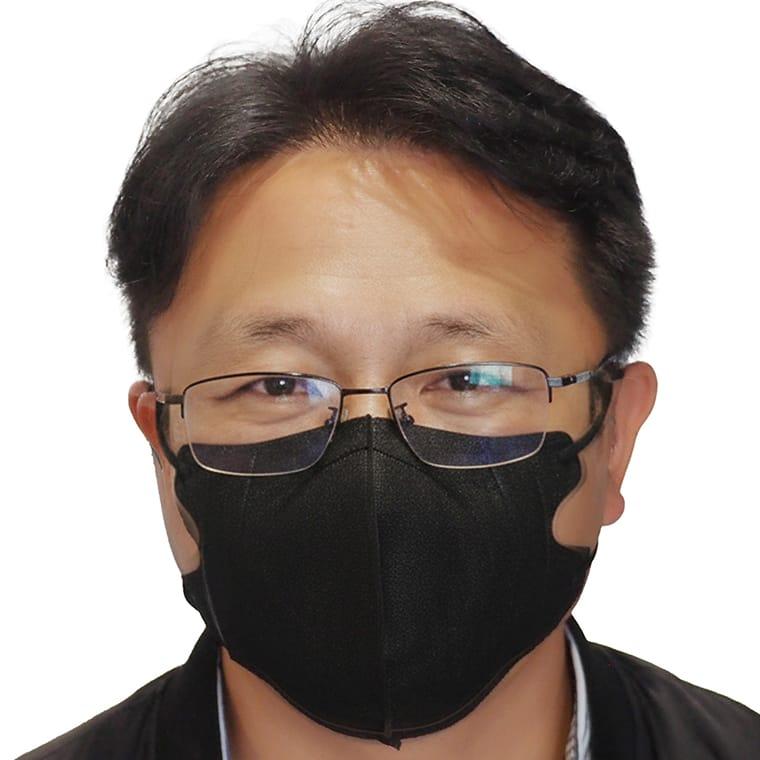
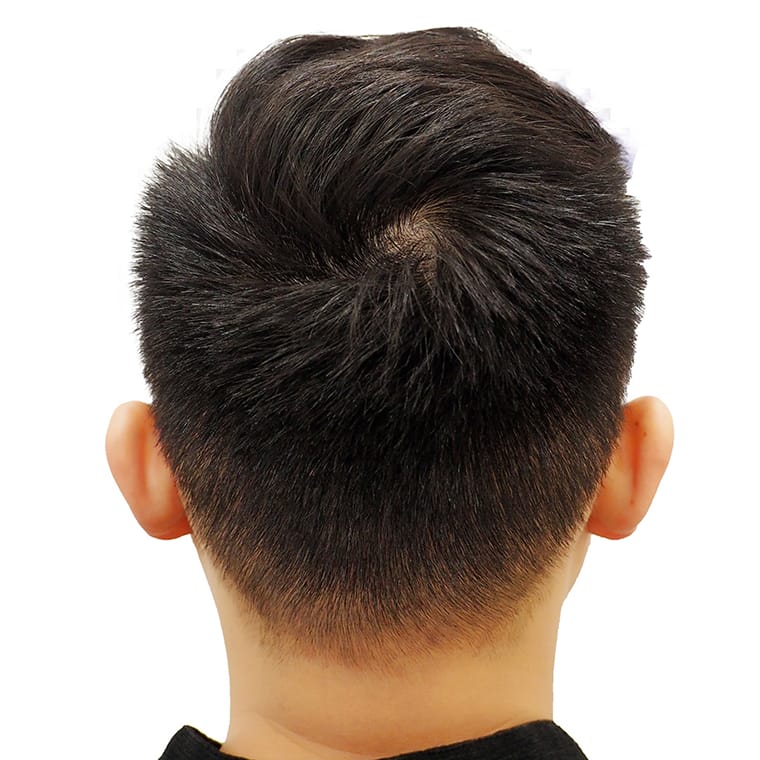
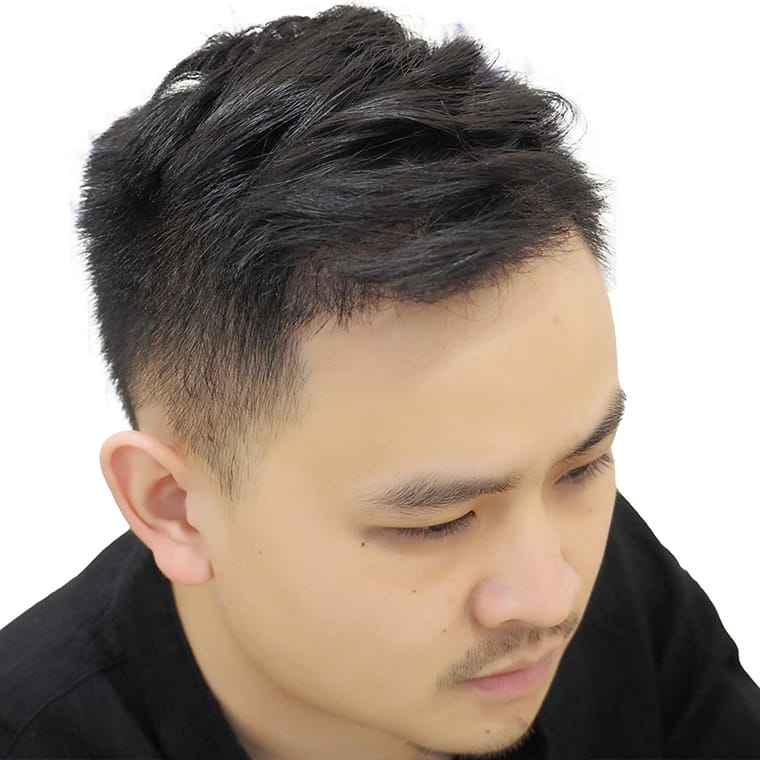
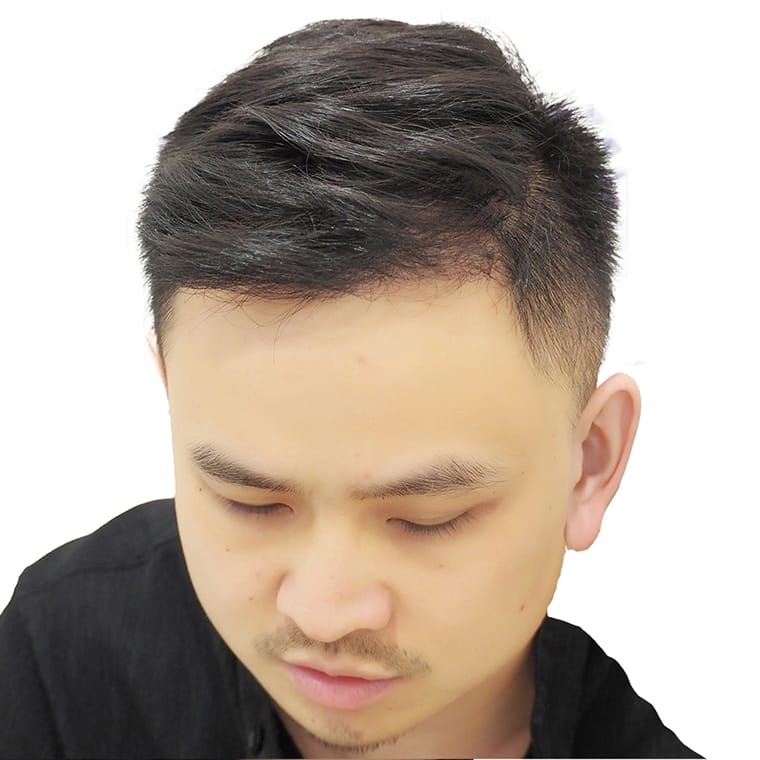
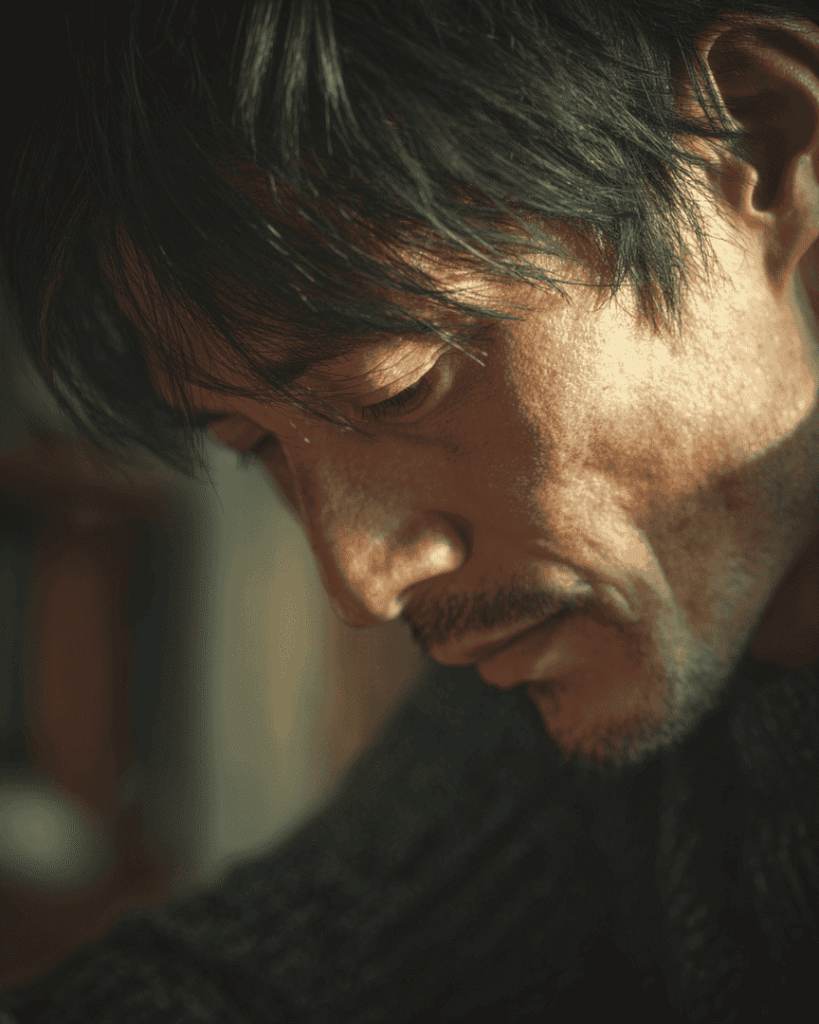
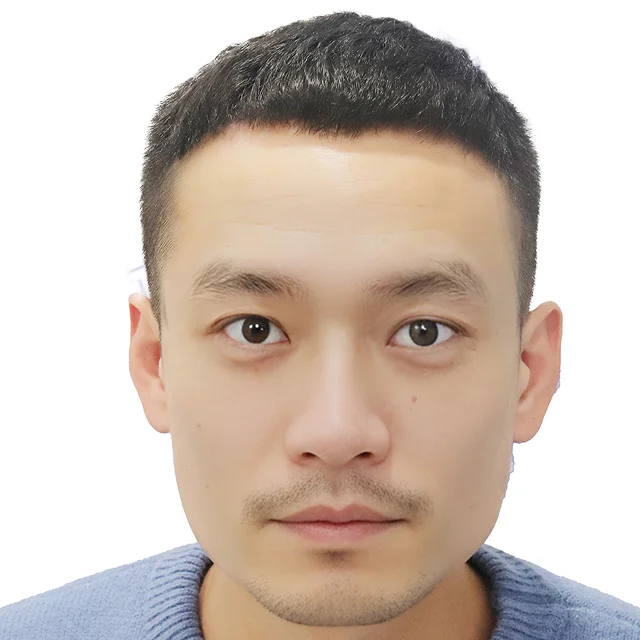
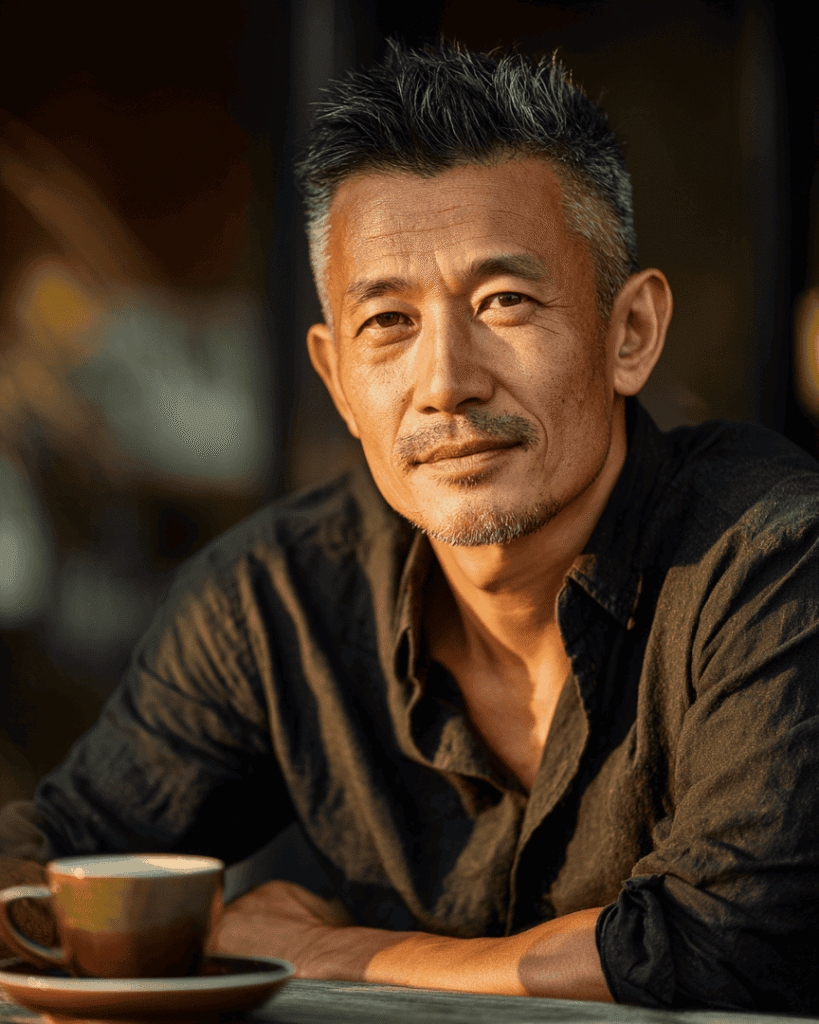
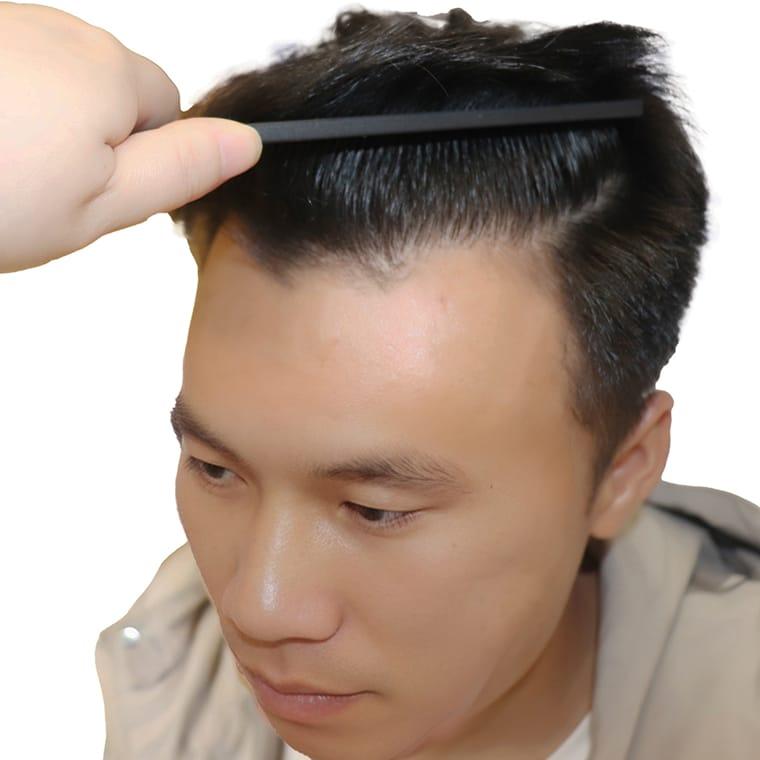
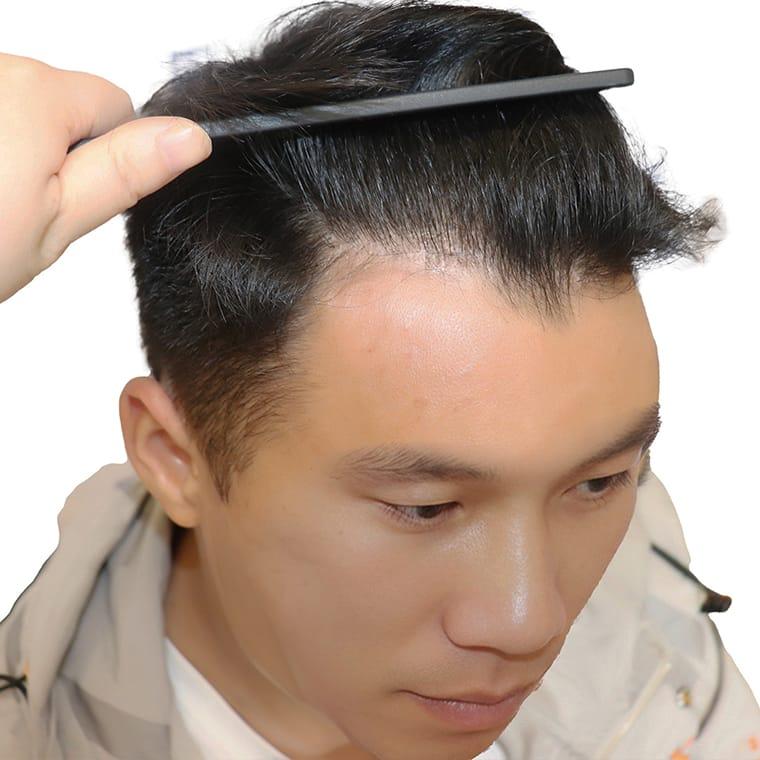
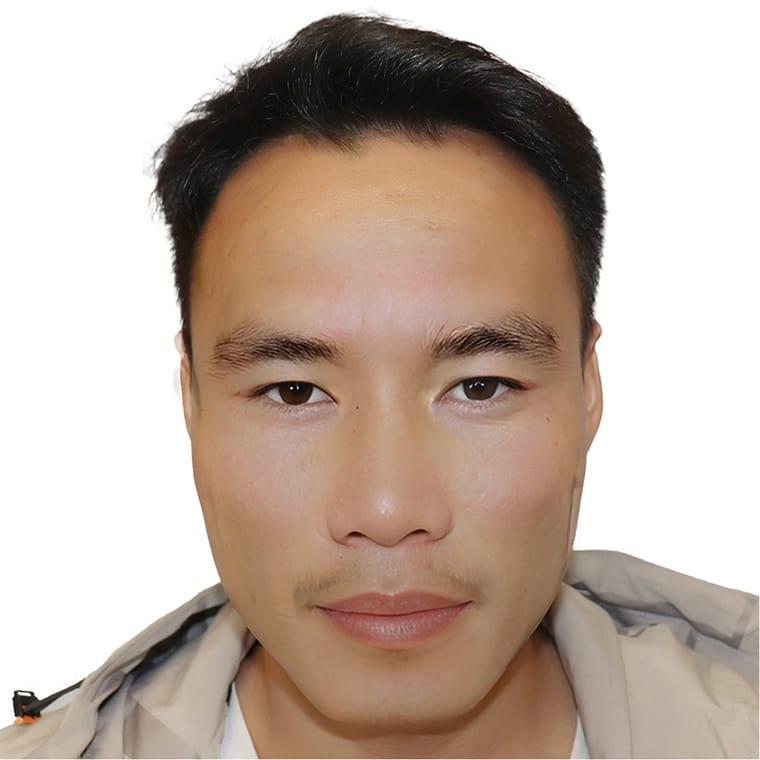
Karl’s wife came to the consultation with him, and that changed the conversation.
She’d been the one quietly believing he’d feel sharper, more himself, with his hair restored. He was open to it but hadn’t pushed. Sitting across from both of them, the work shifted from solving a hair problem to designing for a life they were already enjoying together.
We talked through density, naturalness, and how to build a result that wouldn’t read as “done.” Karl is in business, and he’s in rooms, on stages, at dinners, so the hairline needed to disappear into the rest of him.
It has. He’s styling differently, dressing sharper, and they’re both visibly enjoying it. Sometimes the best outcomes come from the cases where the patient walked in with someone who already saw it.
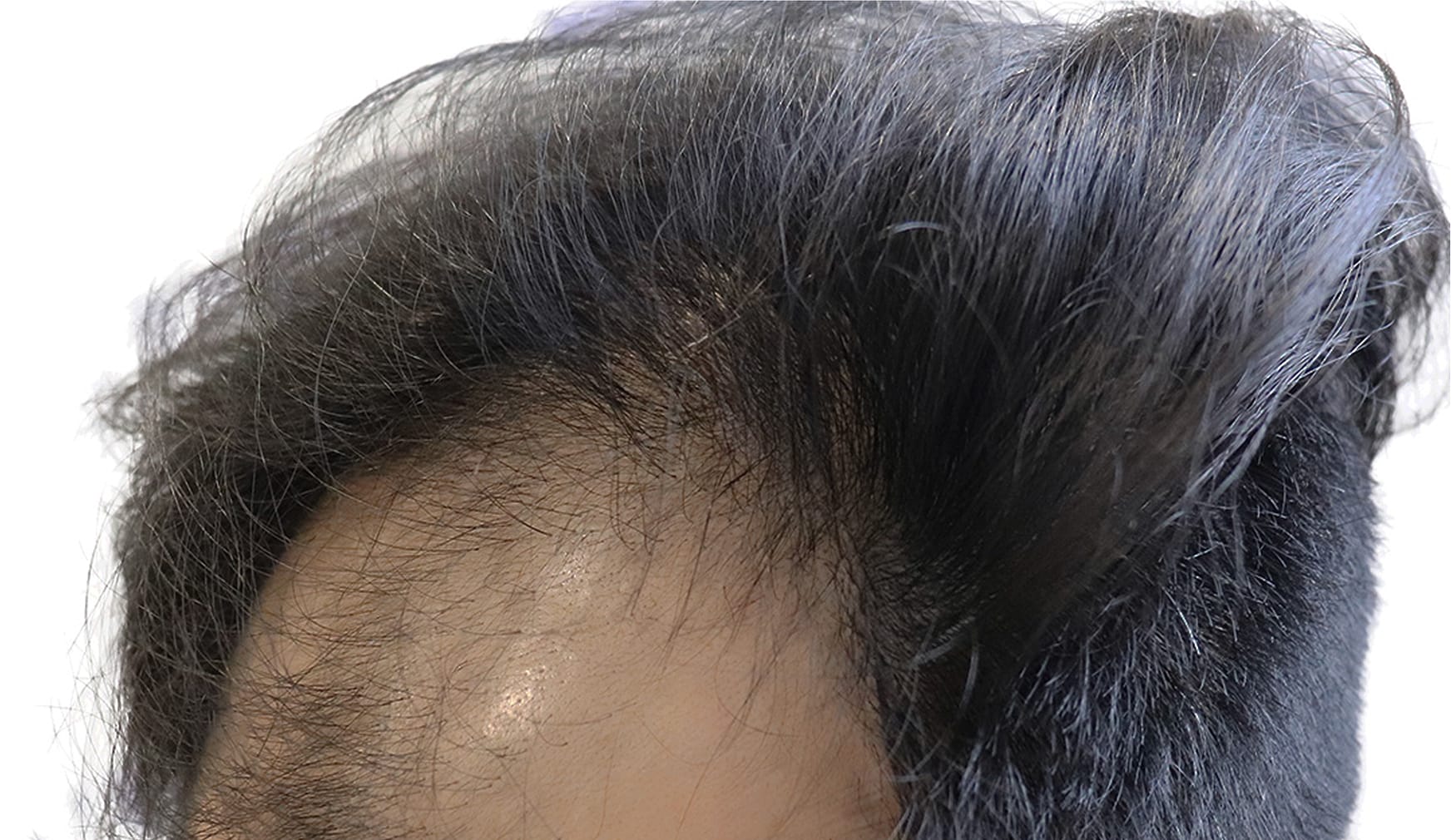
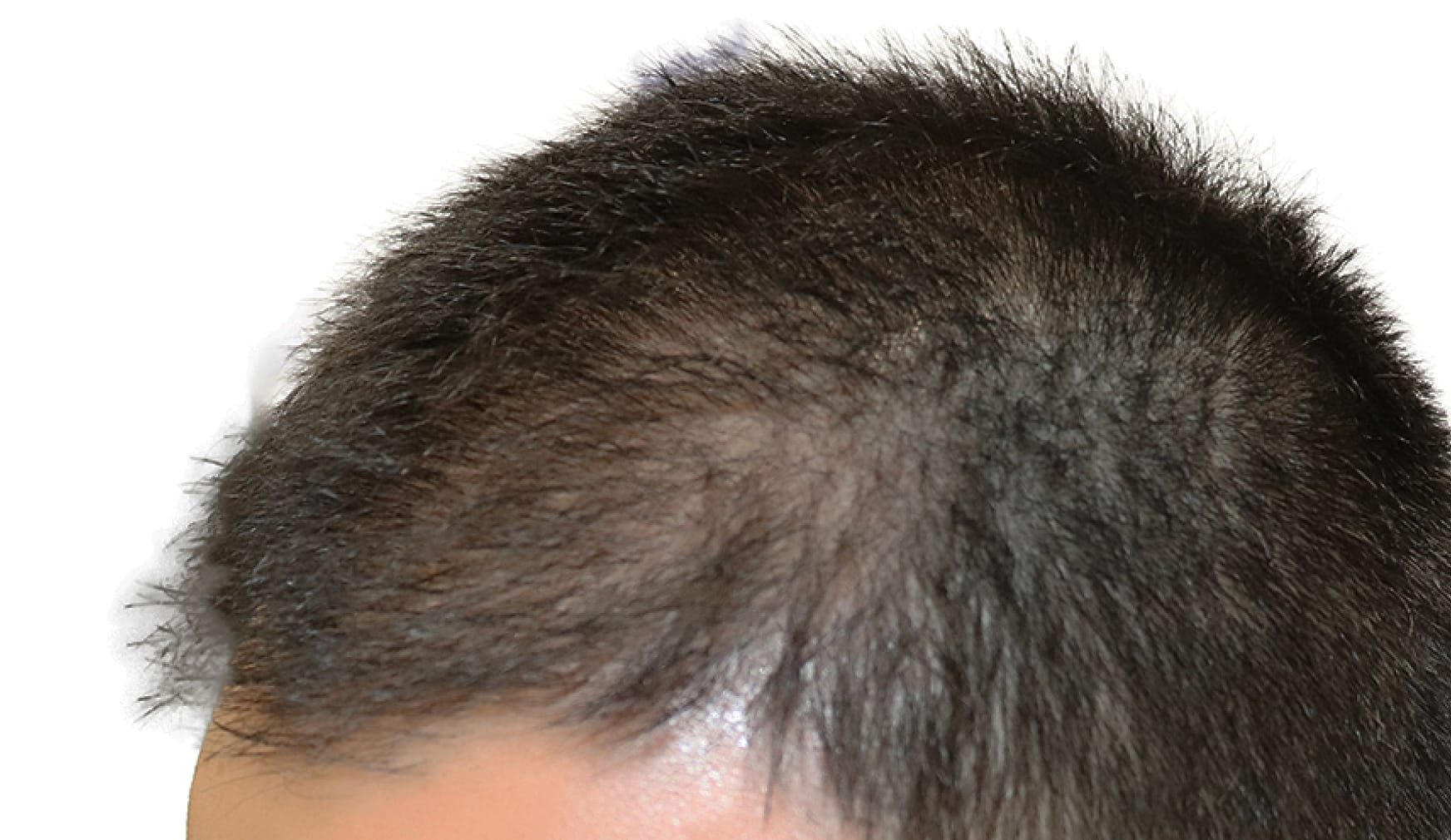
Before
After
The Most Undetectable Results Start With the Most Precise Technique.
Asian hair makes hair transplant results highly visible. When the work is done right, it disappears completely. That’s the standard we hold at our Chicago hair transplant clinic, Northwestern Hair.
Asian hair shafts are typically thicker, straighter, and darker than other hair types, which creates sharper contrast against the scalp. When placement is precise, the results can be extraordinary. When it isn’t, there’s nowhere to hide. Dr. Vinay’s approach was built for cases where precision isn’t optional, and it applies with particular force here.
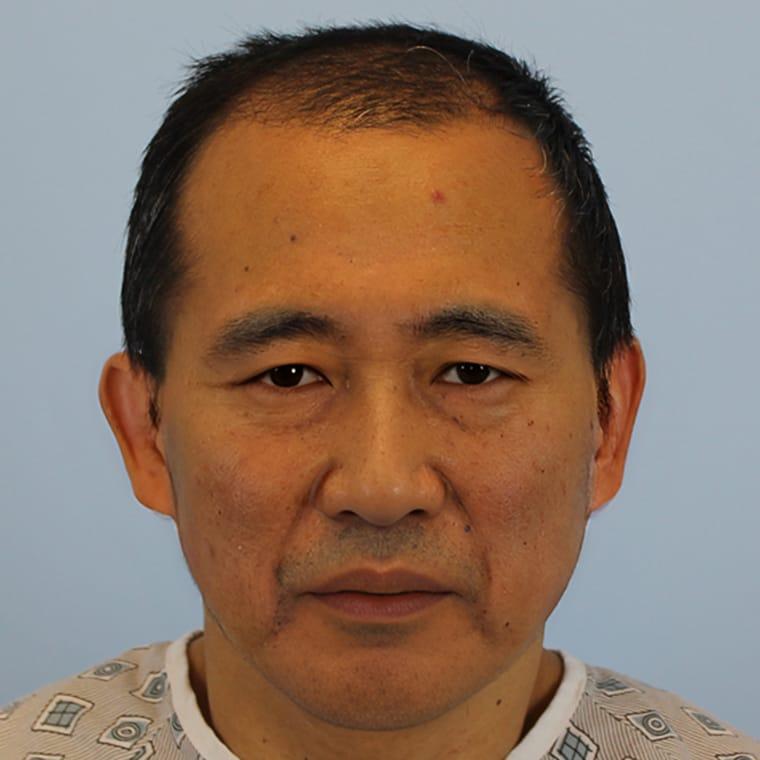
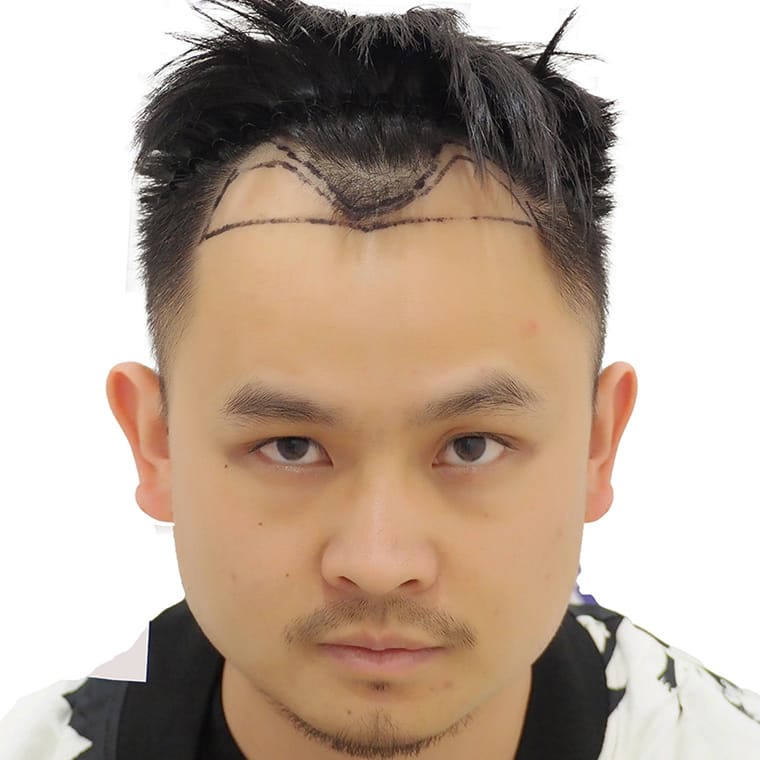
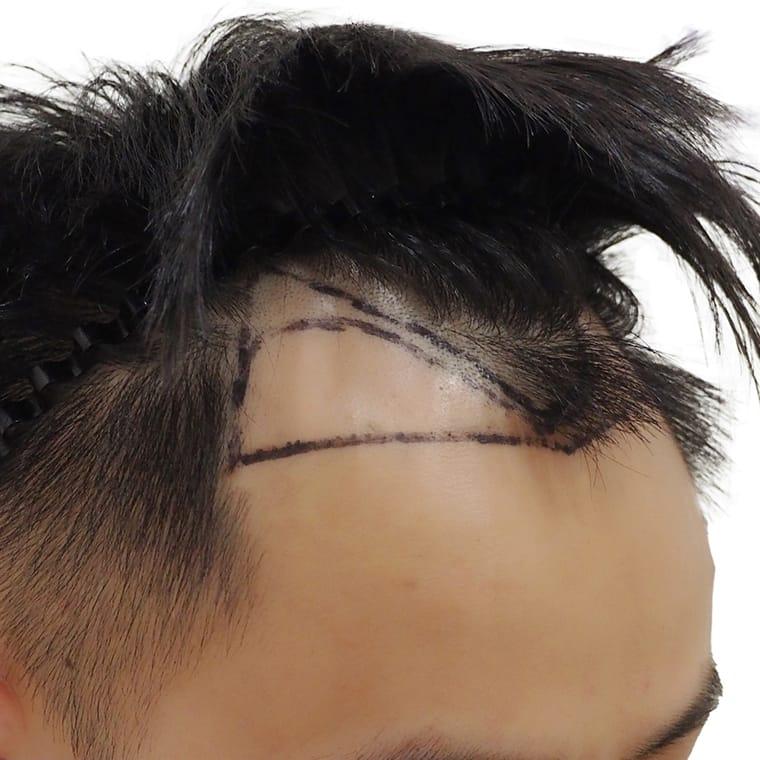
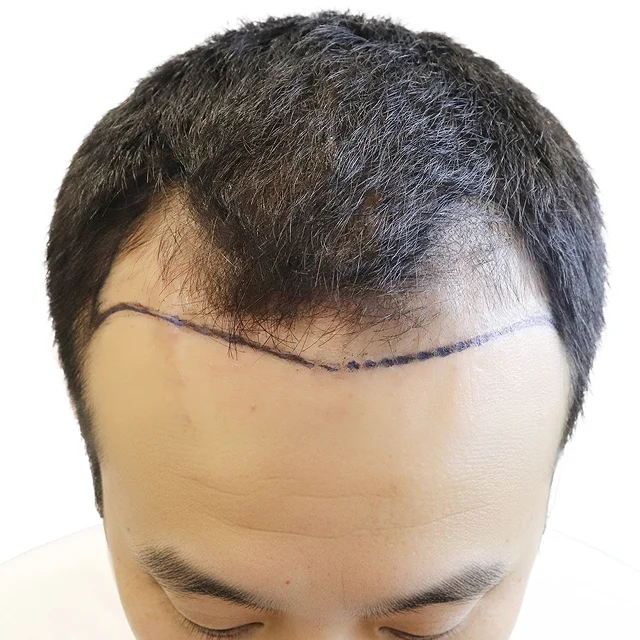
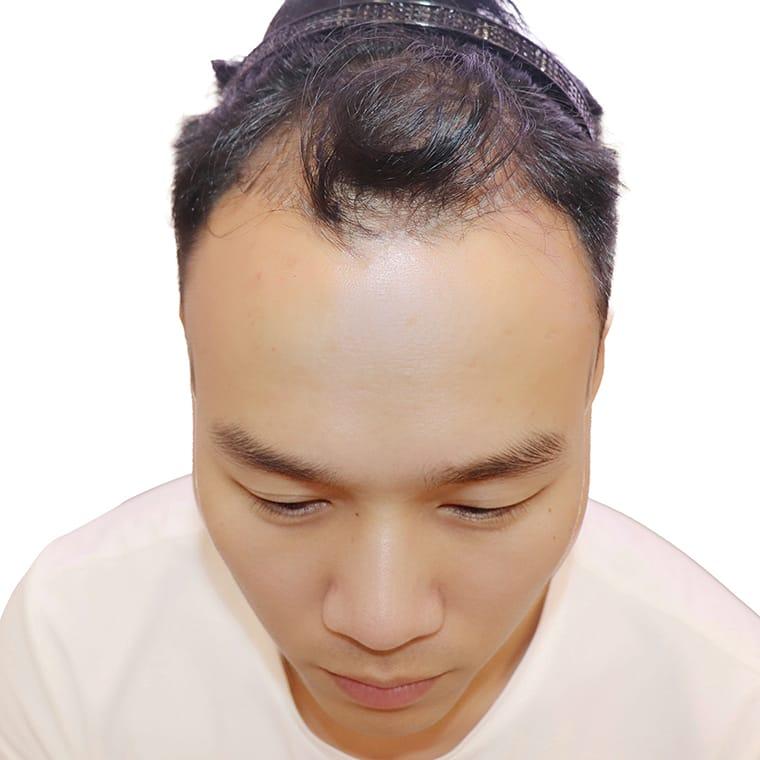
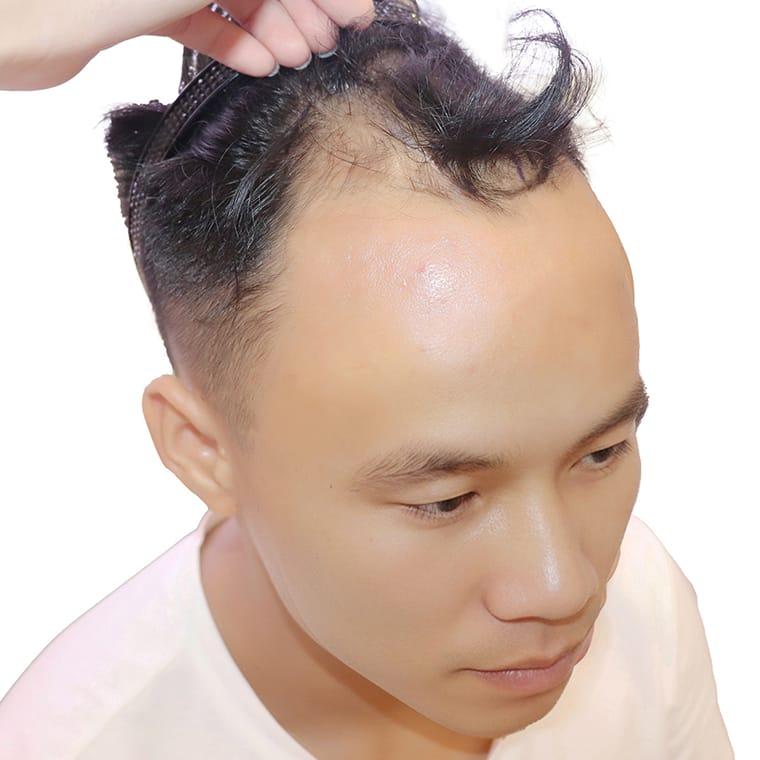
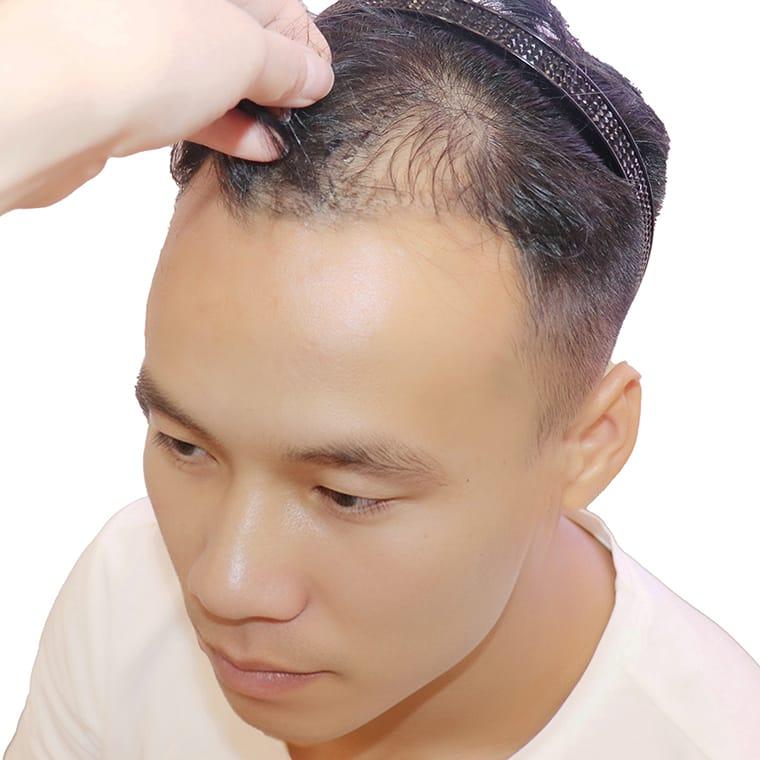
"We spent 90 minutes mapping Wasif's hairline, starting with where his hair loss will end, then working backward to design something that looks sharp today and natural in 20 years."
Dr. Vinay
Why Asian Hair Requires Specialized Hair Restoration Techniques
Asian hair restoration surgery in Chicago requires a personalized approach that accounts for unique characteristics most hair clinics aren’t equipped to address. The combination of thicker shaft diameter, straighter growth patterns, and lower follicular unit density creates surgical demands that standard hair transplant procedure approaches simply cannot meet.
Before
After
Thicker Shaft Diameter Creating High Scalp Contrast
Asian hair follicles average around 80 micrometers in diameter, significantly thicker than other hair types. This larger shaft diameter means more coverage per graft, but also sharper contrast against the scalp. The result has to be exact. Every misplaced graft in an FUE hair transplant becomes immediately noticeable in a way it simply would not with finer hair. The appearance of even a slightly misaligned graft is immediately visible to both doctors and patients.
Lower Follicular Unit Density Requiring Careful Donor Planning
Asian men generally have lower follicular unit density than other populations — typically around 61–63 follicular units per square centimeter in donor areas. Individual strands are thicker, but there are fewer of them. Donor supply requires careful planning across donor areas from the first hair transplant procedure through any future sessions. Volume cannot substitute for precision.
Straighter Hair Structure Making Placement Angles Critical
Asian hair grows at a more acute angle to the scalp than other hair types. Implantation angles must account for this — grafts misaligned by even a few degrees create noticeable irregularities that are especially apparent given the high contrast between dark hair and lighter scalp. This is one of the main benefits of working with a surgeon experienced specifically in Asian hair transplantation.
Dark Color Against Lighter Scalp Leaving No Margin for Error
High shaft-to-scalp contrast makes angle, depth, and direction more consequential here than in almost any other case. Where other hair types might forgive minor placement inconsistencies, Asian hair reveals them immediately. The margin for error is smaller — and the planning reflects that.
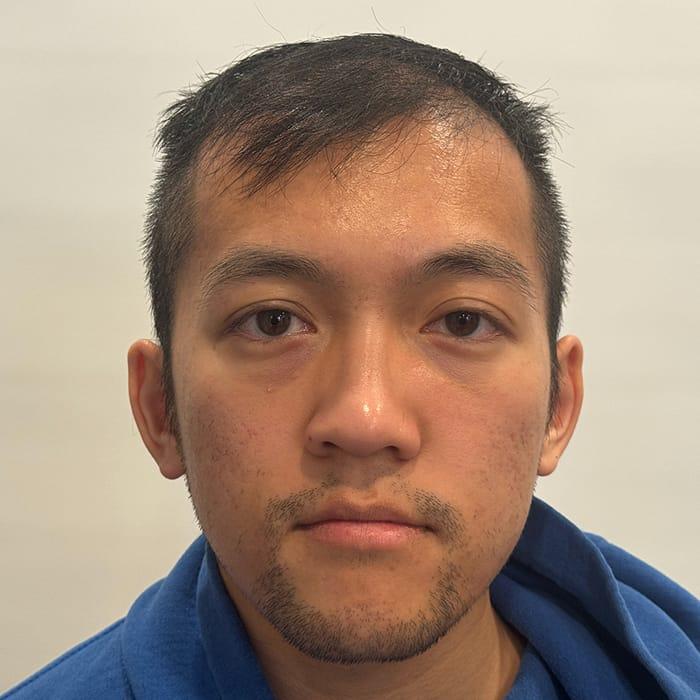
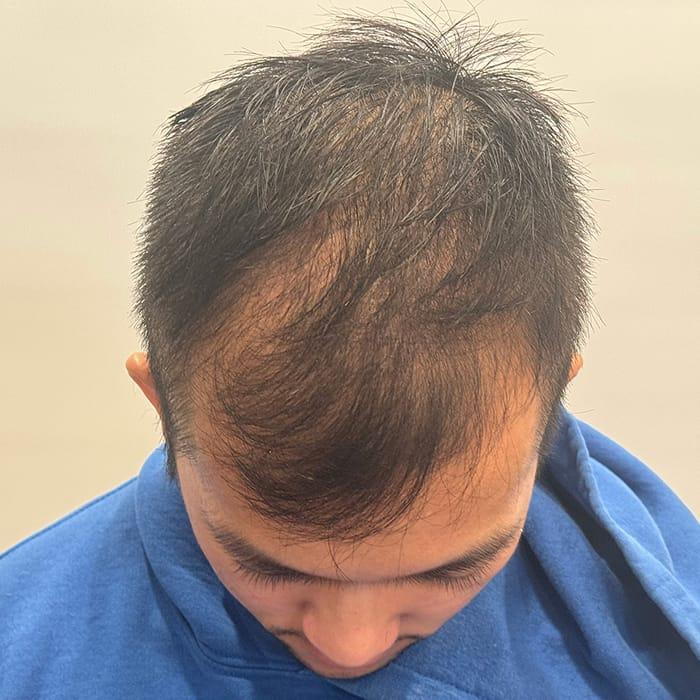
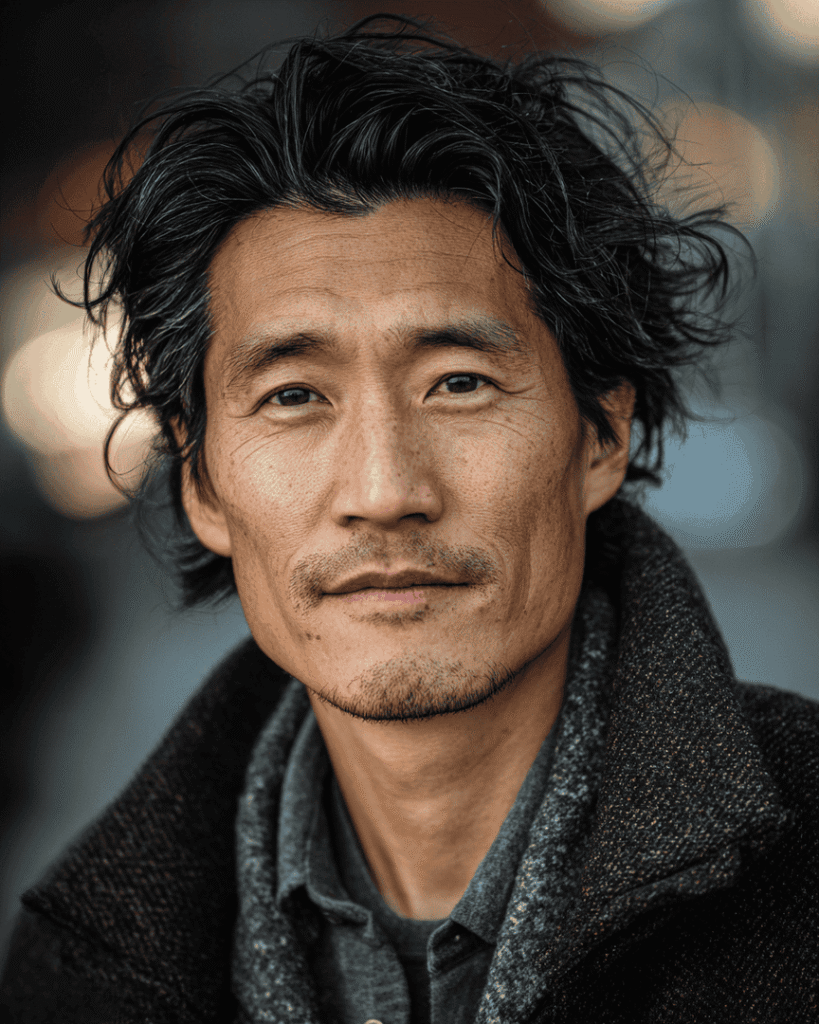
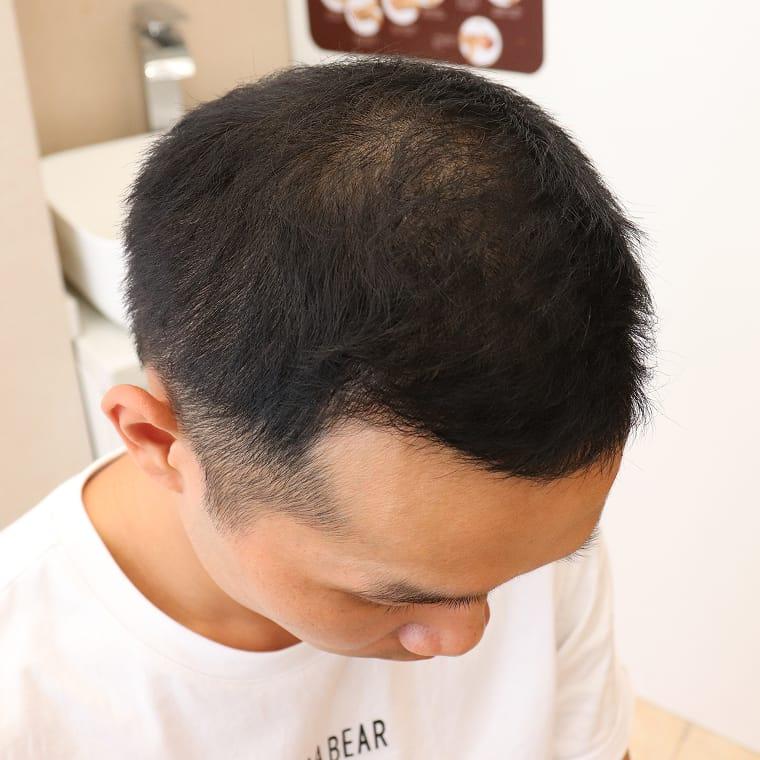
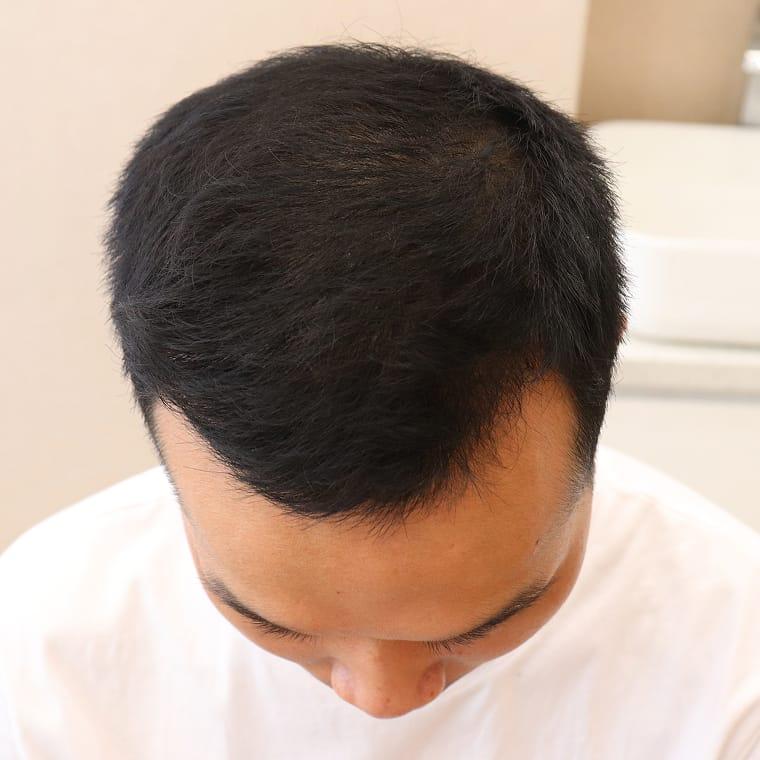
Eddie didn't come in because of how
his hair looked in photos.
He came in because of how it felt on dates.
He’d developed a whole choreography around it – styling it a certain way, checking it through the evening, staying conscious of wind, light, angles. He’s a student, recently into his career, and he wanted that mental energy back.
He sought us out specifically for our experience with Asian hair. The characteristics matter: coarser shaft, different density patterns, different angles of emergence. Designing for it well is its own discipline. We added density across his front hairline and mid-scalp so he could style any way the day called for, with no maintenance strategy required.
Now he’s getting on a plane to see his family for the first time since the procedure. His parents haven’t seen him yet. That’s the moment I keep thinking about.
Before
After
Precision Is Not a Feature. It’s the Requirement.
Most hair transplant patients who come to us for an Asian hair transplant aren’t looking to make a statement. They want natural looking results — so natural that no one notices anything changed. That quiet, undetectable outcome is the hardest thing to achieve. It demands more from the surgeon than any dramatic result would.
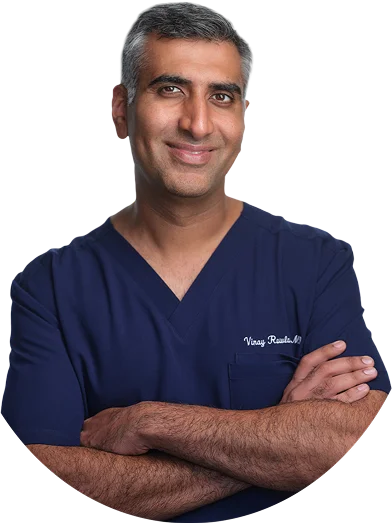
Dr. Vinay leads every hair transplant surgery personally — designing the hairline, overseeing extraction, and directing graft placement with his surgical team. His involvement is not supervisory. He is present and engaged at every critical stage of the hair restoration surgery.
Dr. Vinay Rawlani has seen both sides of the hair restoration process. Having undergone both surgical and non-surgical treatments for his own hair loss, he understands firsthand what works—and what doesn’t.
With medical training from Northwestern University and the University of Chicago, Dr. Vinay combines artistry, precision, and innovation to deliver exceptional results. Whether he’s crafting a timeless hairline or optimizing density, every step is guided by his commitment to perfection.
FUE Hair Transplant: Follicular Unit Extraction for Asian Hair
Our Micro PUE technique is a refined form of an FUE hair transplant — follicular unit extraction — a minimally invasive hair transplant procedure that harvests individual follicular units from the donor area without linear scarring. For Asian hair transplant patients, we use smaller punch sizes and carefully adjusted extraction angles to minimize transection and preserve follicle integrity.
Some Chicago hair transplant clinics use robotic hair restoration systems or robotic hair transplant technology like ARTAS to assist with follicle selection. At Northwestern Hair, Dr. Vinay handles this precision manually through Micro PUE, which allows for the specific angle and depth control that Asian hair requires — adapting in real time to each patient’s unique hair characteristics. The result is faster healing and less visible scarring than traditional strip methods.
High-Graft Sessions Without Donor Compromise
Our approach allows for high-graft hair transplant surgery without compromising donor areas. Asian donor reserves generally support approximately 5,000–8,000 lifetime scalp grafts, with body hair occasionally considered as a supplemental source for patients with advanced hair loss. Every decision in your first procedure shapes what’s possible in future sessions.
Long-Term Planning for Male Pattern Baldness and Hair Loss
Male pattern baldness follows predictable progression patterns, and our surgical hair restoration approach accounts for where hair loss will progress over the next 5, 10, and 20 years — not just today’s pattern. Patients who are bald or significantly thinning require a different approach than those in early stages, and the personalized treatment plan reflects that distinction.
What Makes Northwestern Hair Different for Asian Patients
Many Chicago hair transplant clinics and doctors focus on graft count. We focus on placement quality. Natural looking results for Asian hair transplant patients require both — but precision is what makes the difference between a result that disappears and one that announces itself. The range of outcomes at different clinics reflects this directly.
Before
After
The Three Factors That Determine Every Asian Hair Transplant Result
Asian hair demands a higher standard of surgical precision than almost any other hair type. Here’s what makes it different — and what that demands from your surgeon.
01
Coverage Per Graft vs. Scalp Contrast
Larger shaft diameter means more coverage per graft — but sharper contrast against the scalp. The result has to be exact. Strategic graft placement ensures exceptional results without wasting donor hair that may be needed for future hair transplant procedures.
02
Strategic Donor Supply Calculations
Fewer follicular units per square centimeter means donor supply requires careful planning from the first session onward. Volume cannot substitute for precision. Distribution must be planned thoughtfully across donor areas to maintain adequate supply for this procedure and any future hair restoration surgery.
03
Precision in Angle, Depth, and Direction
Dark hair against lighter scalp makes angle, depth, and direction more consequential than in almost any other case. High shaft-to-scalp contrast means every placement decision shows — which is why Dr. Vinay gets the design right before extraction begins.
The Difference Between Volume and Precision in Asian Cases
Many Chicago hair transplant clinics focus on graft count. Natural looking results require both volume and precision — but precision is what makes the difference between a result that disappears and one that announces itself. That’s the standard of exceptional care we provide.
For patients not yet at the point of hair transplant surgery, or looking to protect existing hair alongside their procedure, ACS (Autologous Cellular Serum) uses regenerative cells from your own blood to reactivate dormant follicles and restore scalp blood flow. ACS goes beyond traditional platelet therapies by drawing on active healing cells — a difference that shows up in lasting results.
Before
After
ACS as Part of a Comprehensive Personalized Treatment Plan
A personalized treatment plan can combine surgical hair restoration with ACS maintenance therapy to support exceptional care and long-term outcomes. For patients in earlier stages of hair loss, ACS combined with targeted at-home protocols may delay the point at which surgical intervention becomes necessary. Certain medications applied directly to the scalp can also be incorporated based on your specific needs. Dr. Vinay will assess the right combination during your consultation.
Treatment Options: Surgical vs. Non-Surgical
The right treatment option depends on the extent of your hair loss, the health of your donor area, and your long-term goals. Some patients are better served by starting with ACS and medical maintenance — building follicle health before a hair transplant procedure. Others are ready for surgery immediately. Dr. Vinay will give you a direct, honest read on which path fits your situation.
Beard Restoration
We also perform beard restoration for patients looking to address patchy growth, scarring, or uneven density. Ask about it at your consultation.
Our Asian Hair Transplant Process
Step 1
Comprehensive Hair Loss Evaluation
Dr. Vinay personally assesses every patient — evaluating donor supply, current loss patterns, hair shaft characteristics, and progression trajectory. Medical history, family history, and lifestyle all factor into the assessment. This is the first step toward a personalized treatment plan built around your specific needs and goals.
Assessing Your Unique Hair Characteristics
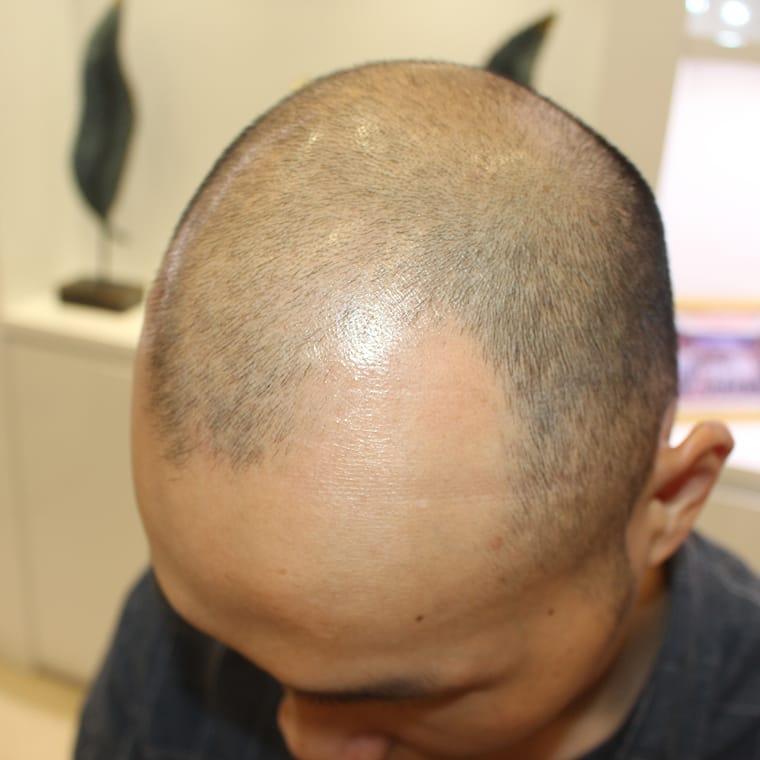
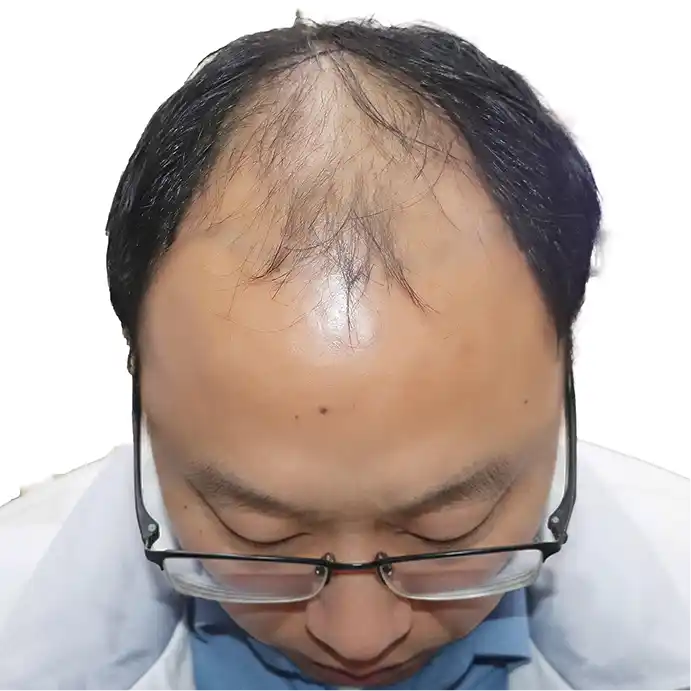
We assess the unique characteristics of your specific case — shaft diameter, growth angle, scalp contrast, and facial structure. This thorough evaluation forms the foundation of any hair restoration surgery recommendation and ensures realistic expectations from the outset. Some patients that appear significantly bald may still have viable donor options that make meaningful restoration possible.
Analysis of Facial Bone Structure and Natural Hairline Remnants
Successful Asian hairlines are typically lower, straighter, and more uniformly dense than Western cosmetic norms. We examine your bone structure, facial proportions, and natural hairline remnants to design a hairline that looks like it was always there — not one imposed from a generic template.
Long-Term Hair Loss Projection and Planning
We plan for where hair loss will progress over 5, 10, and 20 years — ensuring the design holds up as that progression continues. Donor reserves are managed to protect future options. Every decision in the first procedure shapes what’s possible later.
Step 2
Straighter Hair Structure Making Placement Angles Critical
Asian hair grows at a more acute angle to the scalp than other hair types. Implantation angles must account for this — grafts misaligned by even a few degrees create noticeable irregularities that are especially apparent given the high contrast between dark hair and lighter scalp. This is one of the main benefits of working with a surgeon experienced specifically in Asian hair transplantation.
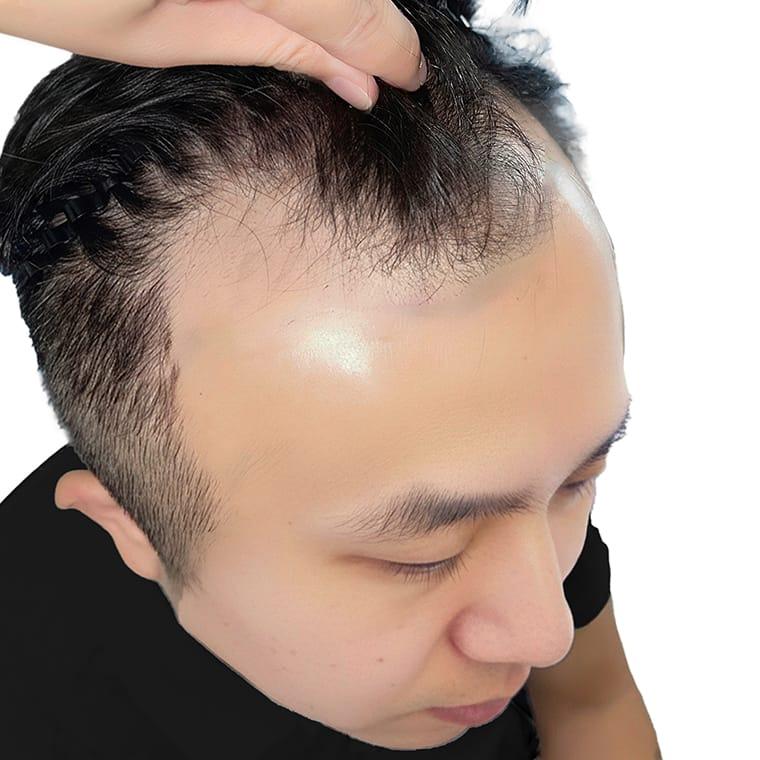
Creating Natural, Graduated Density Distribution
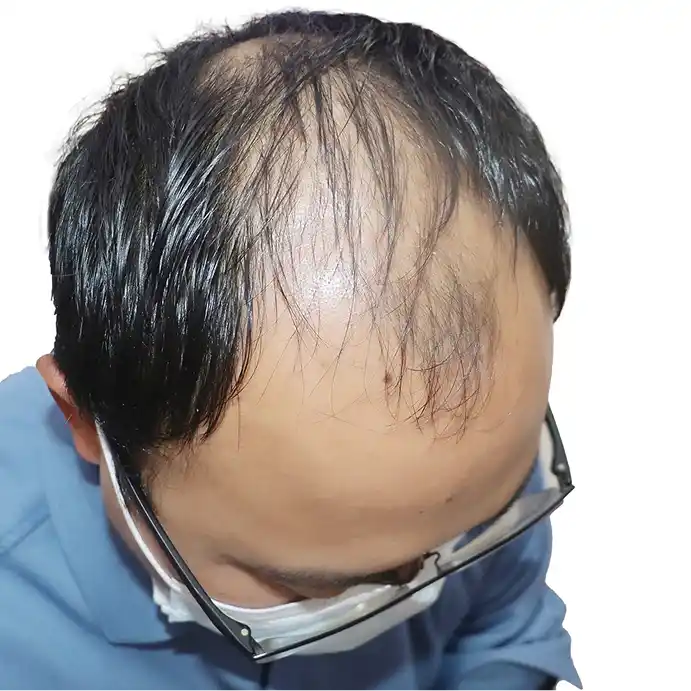
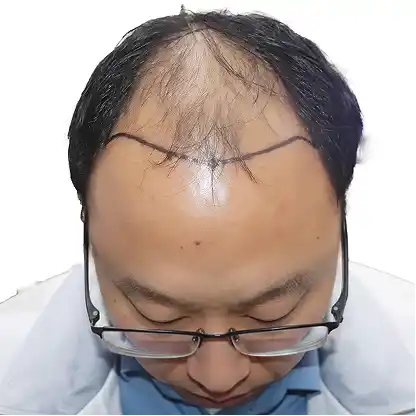
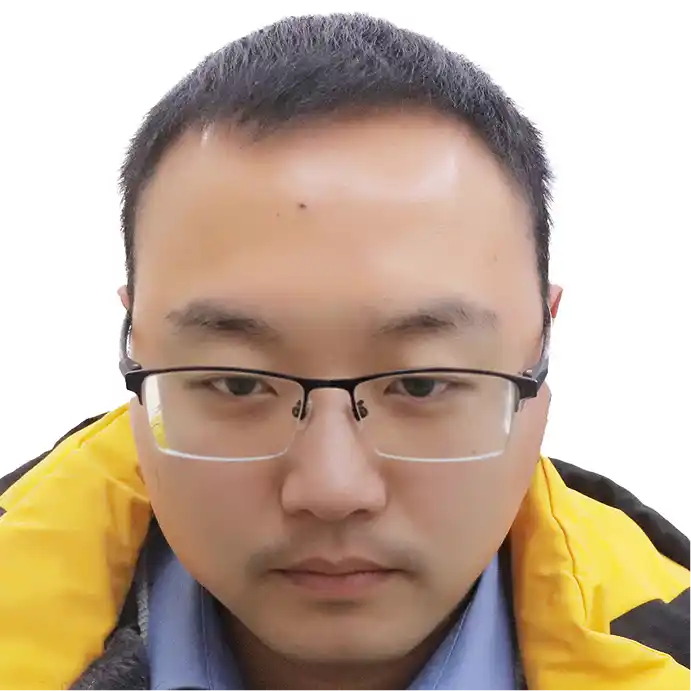
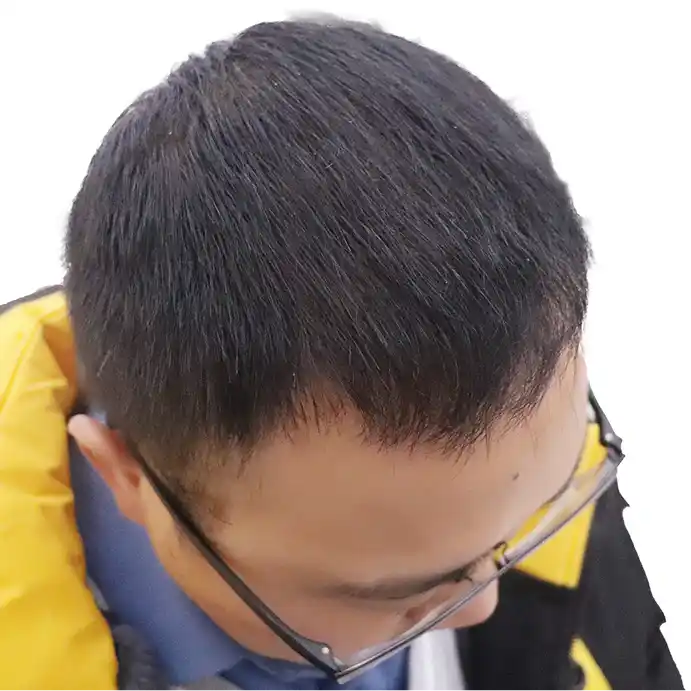
The hairline cannot just look dense — it has to look graduated, natural, and three-dimensional. Single-hair grafts at the extreme front create a soft, natural edge, with density increasing gradually behind. This prevents any noticeable pattern and ensures the result holds up in every light, from every angle.
Before
The design
After
Step 3
Precision Micro PUE Extraction
Lower density means extraction must be distributed thoughtfully across donor areas. We use sub-1.0 mm punches and adjust extraction angles to the underlying follicle curves — minimizing transection and preserving follicle integrity throughout the hair transplant procedure.
Step 4
Expert Graft Placement
Dr. Vinay maintains direct oversight at every critical stage of graft placement. Angle, direction, and depth are all calculated to ensure the result disappears into the face. The goal is a hair restoration surgery outcome so natural that no one can tell — not even on the closest examination.
After hair transplant surgery, most patients return to desk work within 2–3 days. Initial redness subsides within 1–2 weeks, with faster healing than traditional strip methods. Transplanted hair typically sheds at 2–4 weeks — a normal part of the process. New hair growth begins around month 3–4, with full results at 12–15 months. Regular follow-up consultations with our team of doctors monitor progress and adjust treatment options as needed.
Long-Term Maintenance for Lasting Results
Long-term maintenance therapy is essential for lasting results and sustained exceptional care. This includes topical treatments and certain medications applied directly to the scalp, personalized to your specific pattern of hair loss. The goal is to protect both transplanted hair and existing hair over the years ahead.
Before
After
Still not sure which path is right for you?
Celine is a native of mainland China who relocated to the United States as the U.S. representative for Barley Microneedle Hair Transplantation, the largest hair transplant clinic in Asia. After acquiring Chicago’s International Hair Institute on Barley’s behalf, she partnered with Dr. Vinay at Northwestern Hair to bring expanded hair restoration services to patients in the U.S. market — and ultimately joined Northwestern Hair to lead our work making hair restoration more accessible to the Asian community.
As a fluent Mandarin speaker, Celine handles consultations for Chinese-speaking patients — walking you through your options, answering your questions, and making sure language is never a barrier to getting the right information. Surgical procedures start at $5 per graft, with 0% financing available. She’ll make sure you leave the consultation with a clear picture of what’s possible — and a plan that actually fits your life.
Schedule Your Asian Hair Transplant Consultation in Chicago
Every case starts with an honest assessment — what your hair goals are, where it’s headed, and what’s actually achievable. The first step is understanding your specific Asian hair characteristics and setting realistic expectations for your hair restoration journey.
Schedule your consultation with Celine in-person or virtually for patients outside Illinois. Discover what’s possible when precision meets a personalized approach built specifically for your hair.
Frequently Asked Questions About Asian Hair Transplant Surgery
Why does Asian hair require different transplant techniques?
Asian hair presents unique characteristics that standard hair transplant procedure approaches often fail to address. Thicker shaft diameter, straighter growth patterns, and darker pigmentation create a high-contrast situation where surgical precision is non-optional. When placement is imprecise — wrong angle, incorrect depth, or improper direction — the results are immediately visible. This is why specialized experience with Asian hair types is essential for exceptional results.
How many grafts do Asian hair transplant patients typically need?
Graft requirements for an Asian hair transplant procedure depend on the extent of hair loss, donor supply availability, and coverage goals. Asian patients typically have lower follicular unit density in donor areas, which means careful planning is essential. Individual Asian hair shafts are thicker, so fewer grafts may be needed for equivalent visual coverage — but only when placement is precise. Dr. Vinay will give you a specific number during your evaluation.
What makes Northwestern Hair different for Asian hair transplant patients?
Dr. Vinay’s personalized approach was built for cases where precision is non-optional. His direct involvement in hairline design, extraction oversight, and placement direction ensures that the unique characteristics of Asian hair receive the attention they require. Micro PUE uses refined extraction with smaller punch sizes to reduce transection rates. Most importantly, we plan for your hair’s future — not just today’s pattern.
Is hair transplant surgery a cosmetic surgery procedure?
Hair transplant surgery is classified as a cosmetic surgery procedure and is not typically covered by insurance. Surgical procedures at Northwestern Hair start at $5 per graft, with 0% financing available. The total cost depends on the number of grafts your specific case requires — which Dr. Vinay will assess during your consultation. There are no hidden fees.
Can ACS treatment work for Asian hair loss?
ACS (Autologous Cellular Serum) can be effective for Asian patients experiencing early-stage thinning or those wanting to protect existing hair alongside surgical hair restoration. The treatment uses regenerative cells from your own blood to reactivate dormant follicles and restore scalp blood flow. For patients not yet at the point of a hair transplant procedure, ACS combined with a personalized at-home maintenance protocol may delay the need for surgical intervention.
Are virtual consultations available?
Yes, virtual consultations are available for patients outside Illinois. In-person consultations take place at our Chicago clinic at 3 E Huron St, Mezzanine Floor, Chicago, IL 60611. Contact our team to schedule.