




What Is ACS? The Science Behind Autologous Cellular Serum for Hair Loss
If you’ve been researching non-surgical hair restoration in Chicago, you’ve probably encountered PRP — Platelet-Rich Plasma — as the default regenerative treatment. It’s the option most commonly referenced in dermatology offices, the one with the most name recognition, and the one that gets described as cutting-edge in practices that adopted it a decade ago.
What you may not have encountered yet is ACS — Autologous Cellular Serum — and the scientific distinction between the two matters more than most patients realize when they’re evaluating their options.
ACS is the regenerative treatment at the center of Northwestern Hair’s non-surgical program for both men and women. It is not a variation of PRP. It is not a marketing rebrand of something that already existed. It is a distinct biological preparation that operates through a different mechanism, targets a different population of cells, and produces results that the clinical evidence distinguishes from what platelet-only therapies deliver.
Understanding what ACS actually is — at the biological level, not just the marketing level — is the foundation for evaluating whether it’s the right treatment for your situation. This piece provides that understanding in the depth it deserves. Contact Northwestern Hair Restoration today for more information.
Starting With the Problem: What Hair Loss Actually Is at the Cellular Level
To understand what ACS is doing, you first need to understand the cellular reality of the problem it’s treating.
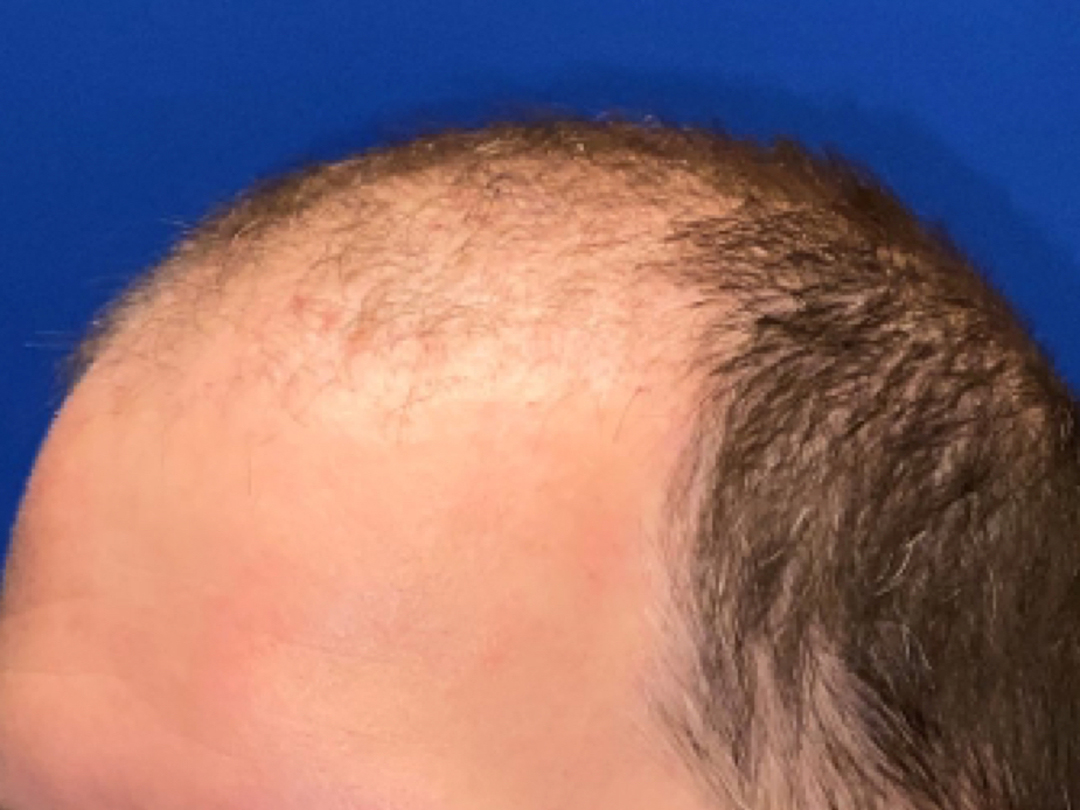
Hair loss — whether androgenic, hormonal, or stress-related — doesn’t happen all at once at the scalp surface. It happens gradually, from the inside out, driven by a cascade of cellular events that unfold over months and years before the visual change becomes apparent.
Hair loss doesn’t happen overnight. It’s a gradual process tied to factors like testosterone causing follicles to thin and slow their metabolism. The body responds to this metabolic slowdown by decreasing blood flow to the scalp. If the metabolism is not increased and blood flow not re-established, the follicle cannot survive.
This sequence — metabolic slowdown followed by vascular withdrawal followed by progressive follicular decline — is the cellular story of hair loss in its most common forms. And it points directly to what effective treatment needs to accomplish: reverse the metabolic slowdown, restore the blood flow, and give the compromised follicles the biological support they need to resume producing viable terminal hair.
That’s the target ACS is designed for.
What Autologous Cellular Serum Is
 The name contains the essential information, if you parse it correctly.
Autologous means derived from the patient’s own body. The biological material used in ACS preparation comes from the patient being treated — not from a donor, not from a synthetic compound, not from a standardized pharmaceutical preparation. The treatment uses the patient’s own biology.
Cellular is the most important word in the name — and the one that distinguishes ACS from PRP most meaningfully. ACS is a cellular preparation, meaning it contains active regenerative cells as well as the growth factor proteins those cells produce. This is different from platelet-rich plasma, which primarily delivers growth factor proteins — the chemical messengers that cells use to communicate — without the cells themselves.
Serum refers to the preparation form — a concentrated biological liquid derived from the patient’s blood through a specific processing protocol that determines which components are retained and at what concentrations.
Autologous Conditioned Serum is a cutting-edge, non-surgical treatment that uses the body’s natural healing factors to reactivate dormant hair follicles — stimulating hair and skin cells to replicate and grow, just as they naturally do when healing a wound. Backed by the science of wound care, ACS goes beyond traditional platelet therapies by harnessing active regenerative cells from your own blood, targeting the root causes of hair loss for superior results.
The wound care reference is not incidental. It reflects the scientific framework from which ACS was developed — and understanding that framework helps clarify why the cellular approach is more powerful than the platelet-only approach.
The Wound Healing Framework: Why This Matters for Hair
The scientific basis of regenerative medicine for hair loss draws on one of biology’s most fundamental and well-studied processes: wound healing.
When tissue is damaged, the body initiates a coordinated regenerative response that involves multiple cell types, growth factors, and signaling cascades working in concert. Platelets arrive first, releasing growth factors that signal the surrounding tissue to begin repair. But the deeper regenerative work — the actual cellular proliferation, the vascular regrowth, the restoration of tissue function — is done by a broader population of cells that platelets recruit to the site.
This distinction between the initiating signal and the regenerative action is at the heart of why ACS outperforms platelet-only therapies.
PRP essentially delivers the initiation signal — the growth factors that platelets release — without the cellular population that executes the regenerative response. It’s the fire alarm without the fire department. The alarm is real, and it activates something, but the full response requires more than the signal alone.
ACS delivers both: the growth factors that initiate the regenerative response and the active cellular machinery that carries it out. The result is a treatment that more fully replicates the complete biological process that the wound healing framework demonstrates is necessary for genuine tissue regeneration.
The Cellular Difference: What Makes ACS More Powerful Than PRP
The most concrete illustration of the difference between ACS and PRP is visible at the microscopic level — and Northwestern Hair presents this comparison directly to help patients understand what they’re actually choosing between.
Typical platelet therapies are still effective, just not as powerful as ACS. Notice how ACS cells develop tentacles, allowing them to stimulate growth more effectively.
This visual distinction — the morphological change in ACS cells that produces the tendritic projections capable of making contact with and stimulating surrounding follicular cells — represents a functional difference, not just an aesthetic one. Cells with extended projections can interface with a broader area of tissue, communicate with more follicular units, and deliver their regenerative signals more effectively than cells that remain in their default spherical form.
The tendritic morphology of activated regenerative cells is part of their normal biological function in wound healing — it’s how they physically contact and stimulate the cells they’re communicating with. A preparation that produces this activation is functionally different from one that doesn’t, regardless of the growth factor content.
The comparison isn’t designed to dismiss PRP as ineffective. Platelet-rich plasma has a genuine evidence base and produces real responses in hair follicles. The distinction is one of completeness — ACS delivers the full regenerative environment that the cellular and growth factor components together create, while PRP delivers a meaningful subset of it.
What ACS Does Inside the Follicle
Understanding what ACS accomplishes at the follicular level requires understanding the state of the follicles it’s treating.
In patients with androgenic hair loss, female pattern hair loss, or other progressive loss patterns, the affected follicles are in various stages of the miniaturization process — the progressive deterioration described in detail in the biology piece earlier in this series. The common thread across those stages is metabolic compromise: follicles that are producing less hair, cycling faster, and receiving less vascular support than healthy follicles require.
ACS targets this metabolic and vascular compromise directly through several mechanisms:
Follicular Metabolism Reactivation
ACS targets dormant follicles and supercharges hair follicle metabolism, encouraging new growth.
The metabolic reactivation mechanism works through growth factors and cellular signals that stimulate the dermal papilla — the specialized cluster of cells at the base of each follicle that governs its growth cycle activity. A dermal papilla with suppressed metabolic activity produces the shortened anagen phases and reduced hair caliber that characterize miniaturized follicles. ACS-delivered signals to the dermal papilla support its function and can partially restore the anagen duration and hair shaft diameter that DHT-driven miniaturization has progressively reduced.
This is not the same as transplanting new follicles. It’s working with the follicles that are already there — the miniaturized but still-present follicles that haven’t yet crossed the threshold into permanent loss. The distinction matters because these follicles are distributed across the thinning zone in a way that surgery can’t replicate — ACS treats the entire affected area simultaneously rather than addressing defined zones of complete loss.
Vascular Restoration
 ACS boosts blood flow through the promotion of new blood vessel growth — ensuring hair receives the nutrients it needs.
The vascular component of hair loss — the reduction in scalp blood flow that accompanies follicular miniaturization and accelerates it — is addressed by ACS through angiogenic signals that promote the development of new blood vessels in the scalp. Hair follicles are metabolically demanding structures that require continuous delivery of oxygen, nutrients, and signaling molecules through their vascular supply. Follicles with compromised blood supply are operating at reduced function regardless of what other interventions are applied.
By promoting vascular regrowth, ACS addresses the supply chain problem that makes metabolic reactivation sustainable rather than temporary. A follicle whose metabolic activity has been stimulated but whose blood supply remains compromised will gradually return to its prior compromised state. A follicle with restored vascular supply has the infrastructure to maintain improved function over time.
Growth Factor Signaling Environment
Beyond the direct cellular effects, ACS creates a growth factor environment in the scalp that supports follicular health at the intercellular communication level. Growth factors are the molecular messengers that cells use to coordinate behavior — to signal growth, inhibit apoptosis (cell death), promote differentiation, and regulate cycling.
In healthy scalp tissue, these signals maintain the balance of follicular cycling that produces consistent terminal hair production. In a scalp affected by androgenic miniaturization, the signaling environment has shifted in a direction that suppresses follicular function. ACS reintroduces the growth signals that support a healthier follicular environment — not as synthetic compounds, but as biological molecules derived from the patient’s own cellular machinery and therefore fully compatible with the scalp’s existing biochemistry.
Why the Autologous Nature of ACS Matters
The autologous character of ACS — the fact that it’s derived from the patient’s own blood — is not merely a technical detail. It has clinical significance that affects both safety and efficacy.
Biocompatibility. The growth factors and cells in ACS preparation are native to the patient’s own biology. They’re not foreign compounds that the immune system needs to tolerate. The signaling molecules in an autologous preparation speak the biological language of the patient’s own tissues — they interact with follicular receptors that are already calibrated to respond to them. This is different from introducing a synthetic growth factor at a standardized dose regardless of individual biological variation.
No allergic or rejection risk. Because the preparation comes from the patient’s own blood, there is no risk of allergic reaction or immune rejection. The treatment is entirely self-derived — a biological amplification and reintroduction of what the patient’s own system produces, not an introduction of foreign material.
Individual calibration. Each patient’s ACS preparation reflects their own cellular biology — their own growth factor concentrations, their own cellular populations, their own baseline biological context. This individual calibration means the treatment is inherently personalized to the patient’s system rather than standardized to a population average.
The Treatment Protocol: What Four Sessions Actually Involves
The program involves four ACS treatments. Each session takes 1.5 to 2 hours with no downtime. Almost everyone has a response, with first signs typically visible at 3 months and peaking at 9 months. By the end, patients have a tailored plan to stop loss, maintain growth, and maximize results.
Understanding what happens within and between sessions helps clarify why the protocol is structured the way it is.
The Session Itself
Each ACS session begins with a blood draw from the patient — typically a volume comparable to a standard laboratory blood draw. The blood is then processed through a specific preparation protocol that concentrates the target cellular and growth factor components into the serum that will be administered to the scalp.
The preparation process is the critical variable that distinguishes ACS from PRP. The processing protocol determines which components of the blood are retained and concentrated — and a protocol designed to retain active regenerative cells in addition to platelets produces a fundamentally different preparation than one designed only to concentrate platelets.
The prepared serum is then administered to the scalp through a series of injections distributed across the treatment zone. The injection pattern covers the full area of thinning — the entire crown, the central part region, the hairline if appropriate — delivering the biological preparation to the follicles that need it across the complete affected area rather than spot-treating a defined zone.
The session is performed under topical or local anesthetic to minimize discomfort. Most patients describe the experience as mild pressure and minimal sensation during the injections. There is no downtime — patients return to normal activity immediately after the session.
Between Sessions
Over the course of four ACS sessions, multiple at-home treatment options are trialed to find the right ones for each patient. The personalized at-home maintenance includes proven at-home treatments that complement the in-office ACS sessions.
The at-home protocol between sessions isn’t a passive waiting period. It’s the maintenance layer that sustains and extends what ACS initiates — keeping blood flow elevated, supporting follicular metabolism between the more intensive in-office stimulations, and managing the underlying contributors to hair loss that continue operating between sessions.
For men, this typically includes topical treatments that support scalp vascularity, medications that address the DHT-driven component of the loss, and devices like laser caps that provide low-level light stimulation to maintain metabolic activity in the treated follicles.
For women, the at-home protocol is calibrated to the hormonal and systemic factors identified in the diagnostic evaluation — targeted medications appropriate to female hair loss biology, microneedling to enhance cellular absorption, and laser cap therapy for sustained metabolic support.
The Response Timeline
The biological timeline of ACS response reflects the natural pace of follicular recovery — which is slower than most patients want but faster than doing nothing.
The first one to two months are typically not visually apparent. The cellular and metabolic changes initiated by ACS are occurring at the follicular level — the dermal papilla is responding to stimulation, vascular regrowth is beginning, the signaling environment in the scalp is shifting — but the hair that reflects these changes hasn’t yet emerged from the follicle.
By month three, most patients begin to notice the first visible signals: reduced shedding before new growth is apparent, hairs that seem to be growing more consistently, or early emergence of new growth in treated areas. First signs are typically visible at 3 months and peak at 9 months.
The six-to-nine month window is typically the most visually dramatic phase — the period when the density improvements initiated by earlier sessions are fully expressed in the growth that’s emerged and matured. Patients in this window often describe the change as others beginning to notice something different about their hair before they can fully articulate what it is.
By the nine-to-twelve month mark, the full response to the treatment course is visible — and the at-home protocol transitions to the primary maintenance mechanism sustaining those results going forward.
ACS as Surgical Preparation and Complement
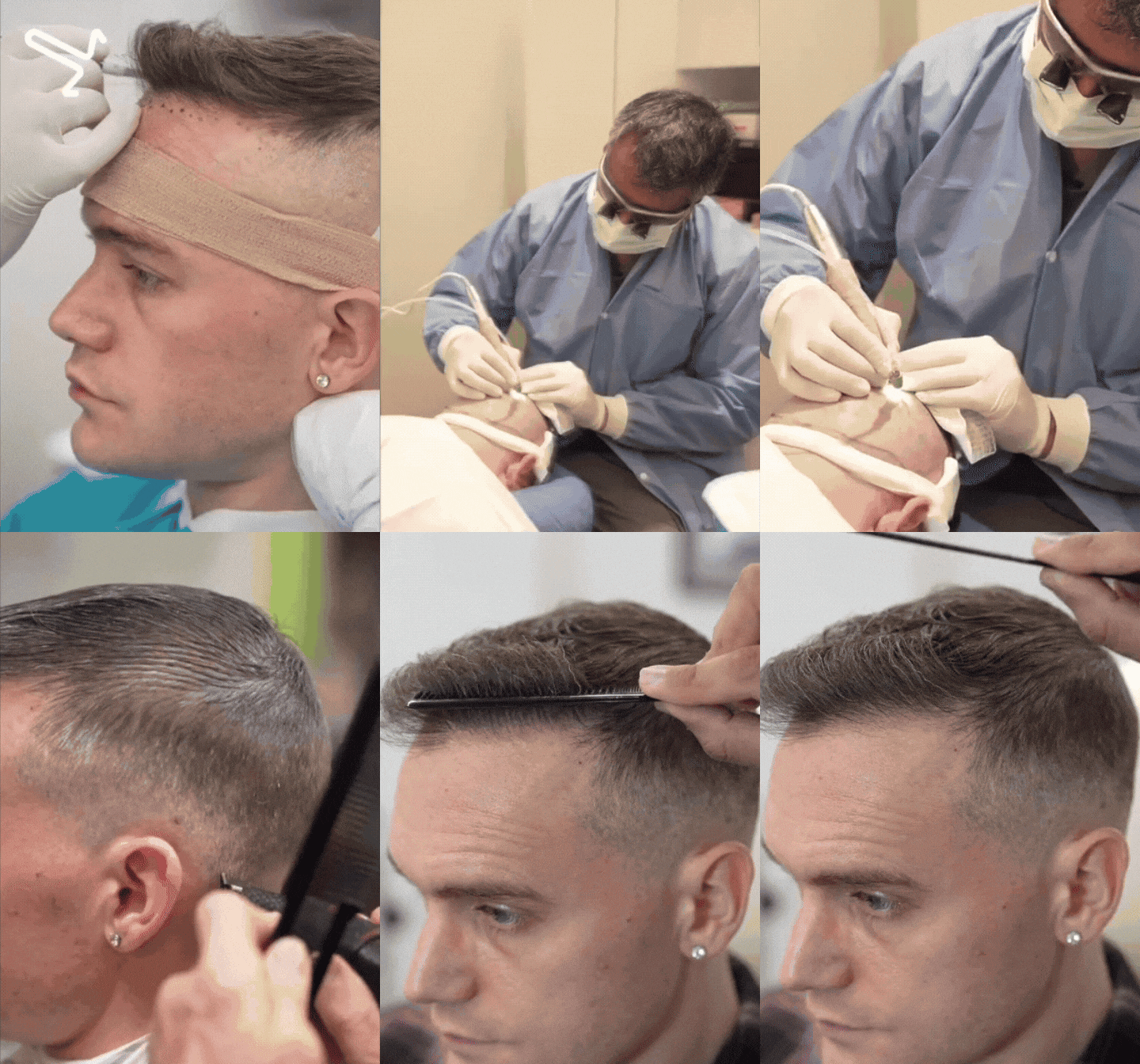
ACS serves roles beyond its standalone application as a non-surgical treatment. In the surgical context at Northwestern Hair, it functions as both a preparation tool and a post-operative support mechanism.
ACS donor preparation increases blood flow and tissue strength, preparing the donor area for extraction. ACS recipient therapy improves graft survival and prepares the scalp for high-density graft placement.
The pre-surgical application of ACS to the donor area before extraction is a meaningful clinical innovation. By increasing blood flow and tissue strength in the donor area before grafts are removed, ACS creates conditions where the extraction process is less traumatic to the surrounding tissue and the remaining follicles. The donor area that has been ACS-prepared recovers more effectively and maintains better long-term density than one that was extracted without preparation.
The application to the recipient area supports graft survival during the critical early period after placement — when the transplanted follicles are establishing their blood supply in the new location. A recipient environment with improved vascularity and a supportive growth factor milieu gives grafts a better biological foundation for the initial weeks of establishment that determine long-term graft survival rates.
For patients who have both surgical and non-surgical components to their treatment — a transplant addressing permanent loss zones combined with ACS addressing the surrounding miniaturized but treatable follicles — the integration of ACS across both dimensions of the plan creates a more complete treatment than either alone.
ACS vs. PRP: The Honest Comparison
Most patients researching ACS have some familiarity with PRP and want to understand the comparison honestly rather than through marketing language. Here it is.
PRP — Platelet-Rich Plasma — is a genuine treatment with a real clinical evidence base for hair loss. It works by concentrating platelets from the patient’s blood and reintroducing them to the scalp, where their growth factor release stimulates follicular activity. The evidence supports its ability to slow hair loss progression and produce modest density improvements in some patients.
The limitation of PRP is in what it delivers: primarily growth factor proteins released by platelets, without the active cellular component that executes the deeper regenerative response those growth factors initiate. It’s a partial implementation of the wound healing biology that regenerative hair restoration is built on.
ACS delivers the more complete implementation — the growth factors plus the active regenerative cells that respond to them and carry out the biological work of follicular restoration. The difference, visible microscopically in the cell morphology comparison Northwestern Hair presents, reflects a functional difference in what the two preparations accomplish in the scalp tissue.
Typical platelet therapies are still effective, just not as powerful as ACS. That’s the honest framing: not that PRP is ineffective, but that ACS delivers more of what the regenerative biology requires.
Who ACS Is Right For
The range of patients for whom ACS is the appropriate primary treatment is broad — broader than the surgical option, and relevant at earlier stages of hair loss where surgery isn’t yet indicated or appropriate.
Men with early-to-moderate androgenic hair loss who want to preserve existing hair, slow progression, and potentially improve density in miniaturized zones before loss becomes severe enough to require surgical intervention.
Men who aren’t surgical candidates yet — too young, too early in their loss trajectory, or not yet stable enough to plan a surgical procedure with confidence — who benefit from ACS as the active management strategy during the pre-surgical window.
Women with female pattern hair loss at any stage, where the diffuse thinning pattern makes ACS’s whole-scalp coverage more appropriate than surgery’s zone-specific approach.
Women experiencing hormonal hair loss — postpartum, perimenopausal, menopausal — where the underlying hormonal shift creates vulnerability in follicles that are still present and potentially recoverable.
Post-surgical patients supporting the native hair that remains alongside and behind a transplant, preserving what ACS can reach while the transplanted hair covers what it already permanently replaced.
Patients who’ve tried PRP without satisfying results and want to understand whether a more complete regenerative approach would produce better outcomes.
The candidacy conversation happens in the consultation — where the specific clinical picture, the extent and pattern of loss, the laboratory findings, and the patient’s goals together determine whether ACS alone, ACS with a surgical complement, or another approach best serves the situation.
What the Clinical Evidence Shows
ACS isn’t a treatment invented at Northwestern Hair. Its scientific basis draws on peer-reviewed research in regenerative medicine, wound healing biology, and hair restoration. The treatment is backed by published clinical research, and the mechanisms it operates through — growth factor stimulation of dermal papilla activity, vascular regrowth through angiogenic signaling, cellular regeneration through autologous biological preparations — are established in the scientific literature on wound healing and tissue regeneration.
The application of wound healing biology to hair follicle restoration is a scientifically coherent extension of established mechanisms. Hair follicles are complex biological structures that share many of their regenerative requirements with other tissue types — they need blood supply, metabolic support, growth factor signaling, and cellular activity to function. The wound healing framework that ACS applies to hair restoration isn’t a stretch. It’s a direct application of well-characterized biology to a specific clinical problem.
The clinical results that Northwestern Hair’s patients document — and that the before-and-after evidence across both the men’s and women’s programs reflects — are consistent with the biological mechanisms the treatment is built on.
What to Expect From a Consultation
For patients in Chicago considering ACS, the consultation is where the abstract becomes specific.
Dr. Vinay evaluates the actual clinical picture — the pattern and extent of loss, the condition of the follicles through trichoscopic analysis, the laboratory findings that identify systemic contributors, and the patient’s goals and timeline. The treatment plan that emerges from that evaluation is specific to the individual patient rather than a standardized protocol.
Dr. Vinay Rawlani knows what it’s like to face hair loss — because he’s been there. Having undergone both surgical and non-surgical treatments himself, he approaches every patient with precision, expertise, and a commitment to achieving exceptional results. Trained at Northwestern and the University of Chicago, Dr. Vinay personally oversees every step of treatment to ensure the highest standard of care.
The personal experience dimension matters in a specific way: a physician who has been through both ACS treatment and surgical restoration has a first-person understanding of the patient experience — the questions that arise between sessions, the uncertainty of the early months before results become visible, the clinical milestones that distinguish normal from concerning. That understanding shapes how the clinical relationship is managed in a way that purely academic knowledge doesn’t.
The Bottom Line on ACS
ACS is a regenerative hair treatment that applies the science of wound healing biology to the specific cellular problem of hair follicle miniaturization. It does this through an autologous preparation that delivers active regenerative cells alongside growth factor proteins — producing a more complete biological response than platelet-only therapies that deliver the growth factors without the cellular component.
For patients with miniaturized but still-present follicles — which describes the majority of people in the early-to-moderate stages of hair loss — ACS treats the follicles that are there rather than replacing the ones that aren’t. That distinction gives it a scope and applicability that surgery doesn’t have, and a mechanism that addresses the cellular root of the problem rather than its surface appearance.
Understanding what ACS is, at the level of biology rather than marketing, gives you the foundation to evaluate whether it’s the right tool for your specific situation. That evaluation is what the consultation is for.
Ready to find out whether ACS is the right approach for your hair loss? Book a consultation with Dr. Vinay at Northwestern Hair — and get the specific clinical picture, not a generic recommendation.