



Hormonal Hair Loss in Men and Women: Causes, Testing, and Treatment Options
Hair loss can be caused by many factors, but hormonal imbalances are among the most common contributors in both men and women. Hormones play a critical role in regulating the hair growth cycle, and when those levels fluctuate or become imbalanced, hair follicles can be affected.
While some forms of hormonal hair loss are temporary, others may progress over time if left untreated. Understanding the causes, diagnostic process, and available treatment options can help individuals take proactive steps toward preserving and restoring their hair.
Contact Northwestern Hair Restoration for more information.
What Is Hormonal Hair Loss?
Hormonal hair loss occurs when changes in hormone levels disrupt the normal hair growth cycle. Hair follicles are highly sensitive to certain hormones, and even minor imbalances can affect growth, shedding, and overall hair density.
Depending on the underlying cause, hormonal hair loss may develop gradually or appear suddenly. It can affect the scalp, hairline, crown, or diffuse areas throughout the head.
Both men and women can experience hormonal hair loss, although the patterns often differ.
Common Causes of Hormonal Hair Loss
 Androgen-Related Hair Loss
One of the most common causes of hair loss is sensitivity to androgens, a group of hormones that includes testosterone and dihydrotestosterone (DHT).
In genetically susceptible individuals, DHT can gradually shrink hair follicles, causing them to produce thinner, shorter hair over time.
This process is commonly associated with:
- Male pattern hair loss
- Female pattern hair loss
- Progressive thinning and density loss
Thyroid Disorders
The thyroid gland helps regulate numerous bodily functions, including hair growth.
Both hypothyroidism and hyperthyroidism can contribute to:
- Increased shedding
- Reduced hair density
- Hair texture changes
- Slower hair growth
Thyroid-related hair loss often improves when hormone levels are properly managed.
Menopause
Many women experience hair thinning during perimenopause and menopause due to declining estrogen levels.
These hormonal shifts may contribute to:
- Diffuse thinning
- Hairline changes
- Reduced volume
- Increased scalp visibility
Pregnancy and Postpartum Changes
Pregnancy often causes temporary increases in hair density due to hormonal changes. After childbirth, hormone levels normalize, leading many women to experience increased shedding.
While postpartum hair loss is often temporary, some women may develop longer-term thinning that requires evaluation.
Polycystic Ovary Syndrome (PCOS)
PCOS can affect hormone balance and is a common cause of hair thinning in women.
Women with PCOS may experience:
- Diffuse scalp thinning
- Increased shedding
- Hormonal fluctuations
- Other symptoms related to androgen imbalance
Chronic Stress
While stress is not a hormone itself, it can significantly affect hormonal regulation and contribute to hair loss.
Chronic stress may disrupt the hair growth cycle and trigger increased shedding through a condition known as telogen effluvium.
Symptoms of Hormonal Hair Loss
 Symptoms vary depending on the underlying cause but commonly include:
In Men
- Receding hairline
- Crown thinning
- Progressive density loss
- Widening areas of scalp visibility
In Women
- Widening hair part
- Diffuse thinning
- Reduced hair volume
- Hairline thinning
- Increased shedding
Because symptoms can overlap with other forms of hair loss, professional evaluation is often necessary.
How Hormonal Hair Loss Is Diagnosed
Accurate diagnosis begins with a comprehensive assessment.
A physician may evaluate:
- Medical history
- Family history of hair loss
- Hair loss pattern
- Scalp health
- Lifestyle factors
- Current medications
When appropriate, laboratory testing may help identify hormonal imbalances contributing to hair loss.
Common Tests for Hormonal Hair Loss
Depending on symptoms and medical history, testing may include evaluation of:
- Thyroid function
- Testosterone levels
- Estrogen levels
- Androgen-related markers
- Nutritional status
- Other hormone-related indicators
Testing helps identify underlying conditions that may be affecting hair growth and supports the development of a personalized treatment strategy.
Treatment Options for Hormonal Hair Loss
The most effective treatment depends on the specific cause of hair loss.
Addressing the Underlying Hormonal Issue
When a hormonal imbalance is identified, managing the underlying condition is often the first step.
This may involve collaboration with healthcare providers to address thyroid disorders, hormonal fluctuations, or other medical concerns contributing to hair loss.
Non-Surgical Hair Restoration
Many patients benefit from non-surgical treatments designed to support healthier follicle function and improve scalp health.
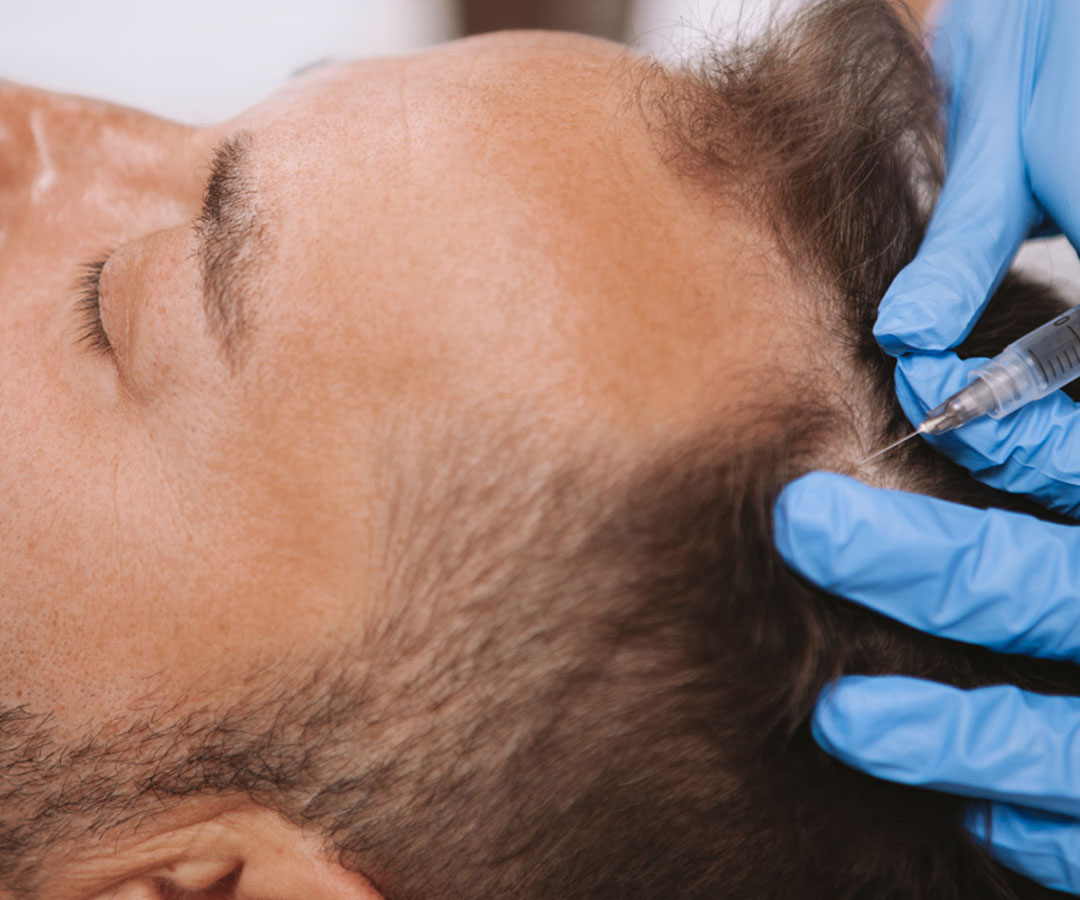
At Northwestern Hair, regenerative therapies such as Autologous Conditioned Serum (ACS) are used in personalized hair restoration programs to promote natural hair growth and support existing follicles.
Hair Preservation Strategies
Preserving active follicles is often a key goal, particularly in cases of progressive hormonal hair loss.
Early intervention may help slow thinning and improve long-term outcomes.
Hair Transplantation
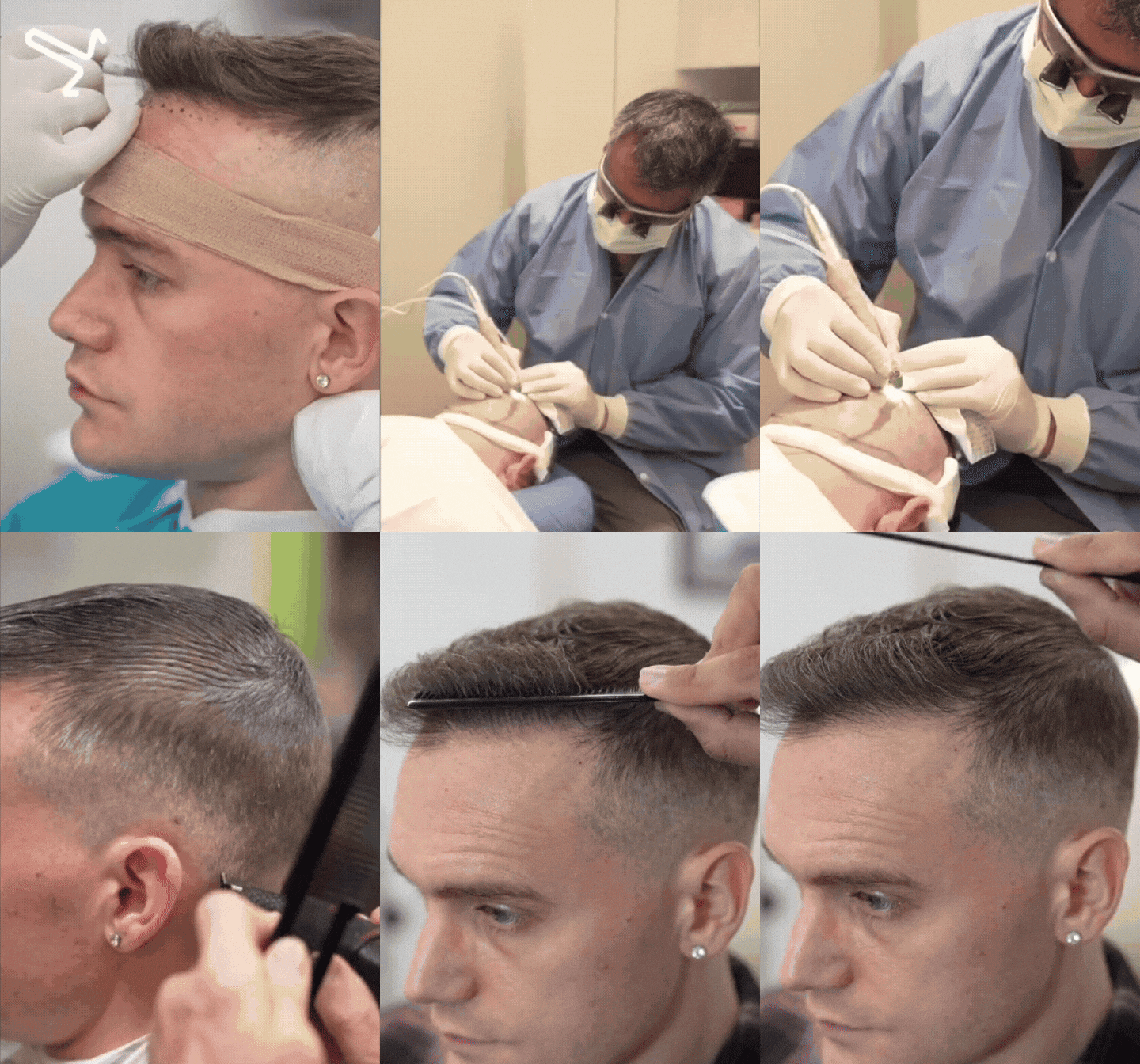
For select patients with stable hair loss patterns and adequate donor hair, transplantation may be considered as part of a comprehensive restoration strategy.
A thorough evaluation helps determine whether surgical restoration is appropriate.
Why Early Intervention Matters
Hormonal hair loss often becomes more difficult to treat as follicle miniaturization progresses.
Seeking evaluation early may help:
- Preserve existing hair
- Identify underlying causes
- Expand treatment options
- Improve long-term outcomes
- Reduce future density loss
The sooner the cause is identified, the sooner an effective treatment plan can begin.
Why Patients Choose Northwestern Hair
Hair loss caused by hormonal changes requires more than a one-size-fits-all solution.
At Northwestern Hair, every patient receives a comprehensive evaluation designed to identify the underlying cause of hair loss and create a personalized treatment strategy.
Led by Dr. Vinay Rawlani, the practice combines advanced regenerative therapies, physician-led care, and individualized planning to help patients pursue healthier, fuller-looking hair.
Schedule a Hair Restoration Consultation
If you’re experiencing hair thinning, increased shedding, or concerns about hormonal hair loss, a professional evaluation can help determine the cause and identify effective treatment options.
Whether you’re exploring non-surgical therapies or considering long-term restoration strategies, a personalized consultation is the best place to start.