




Hairline Restoration vs Crown Restoration: Which Should You Prioritize First?
One of the most common questions patients ask during a hair restoration consultation is whether they should restore their hairline or focus on the crown first. While both areas contribute to the overall appearance of hair density, they serve very different aesthetic purposes and require different treatment strategies.
The answer isn’t always straightforward. Every patient’s pattern of hair loss is unique, and the best approach depends on factors such as age, donor hair availability, the progression of hair loss, and long-term goals. According to Dr. Vinay Rawlani of Northwestern Hair Restoration, successful hair transplantation isn’t simply about replacing lost hair—it’s about creating a plan that delivers natural-looking results both now and years into the future. Contact us today for more information.
Understanding The Difference Between Hairline And Crown Hair Loss
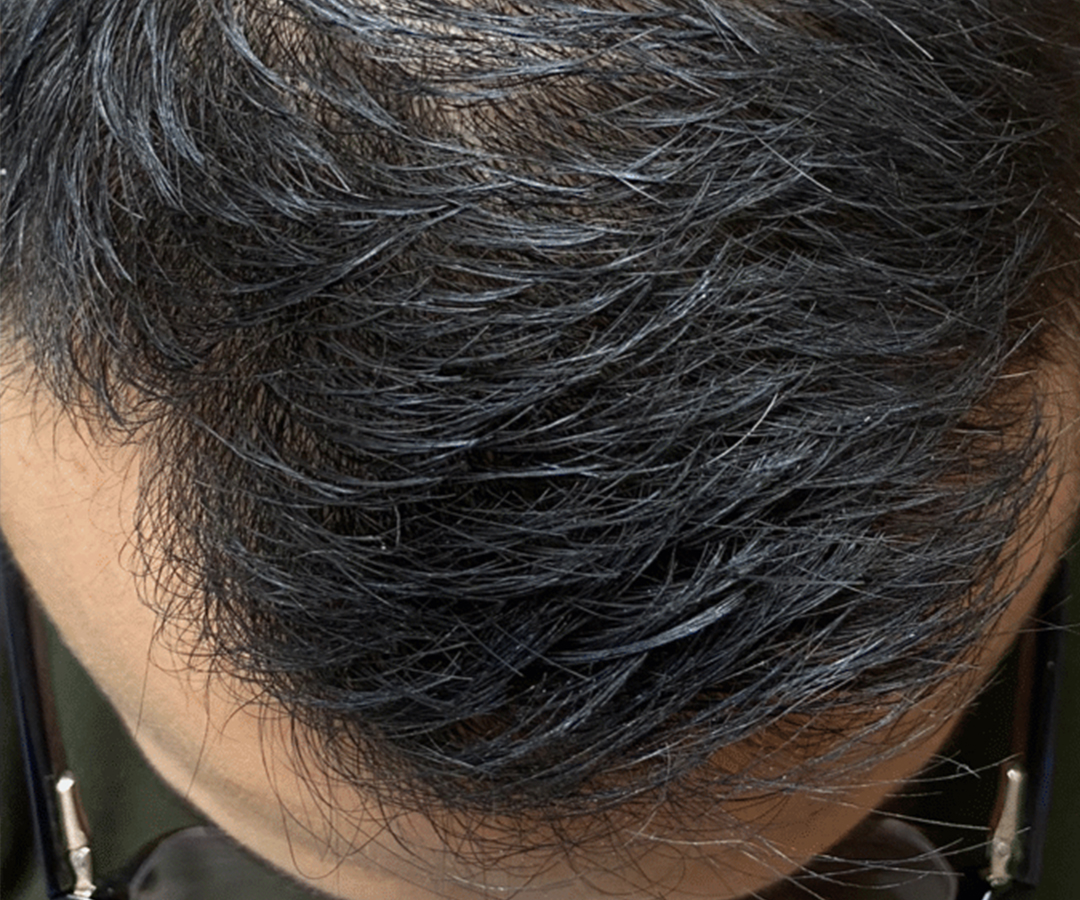
The frontal hairline is one of the most noticeable features of your appearance. It frames the face, influences facial balance, and often creates the first impression people have when they look at you. Even moderate recession around the temples can make someone appear older than they actually are.
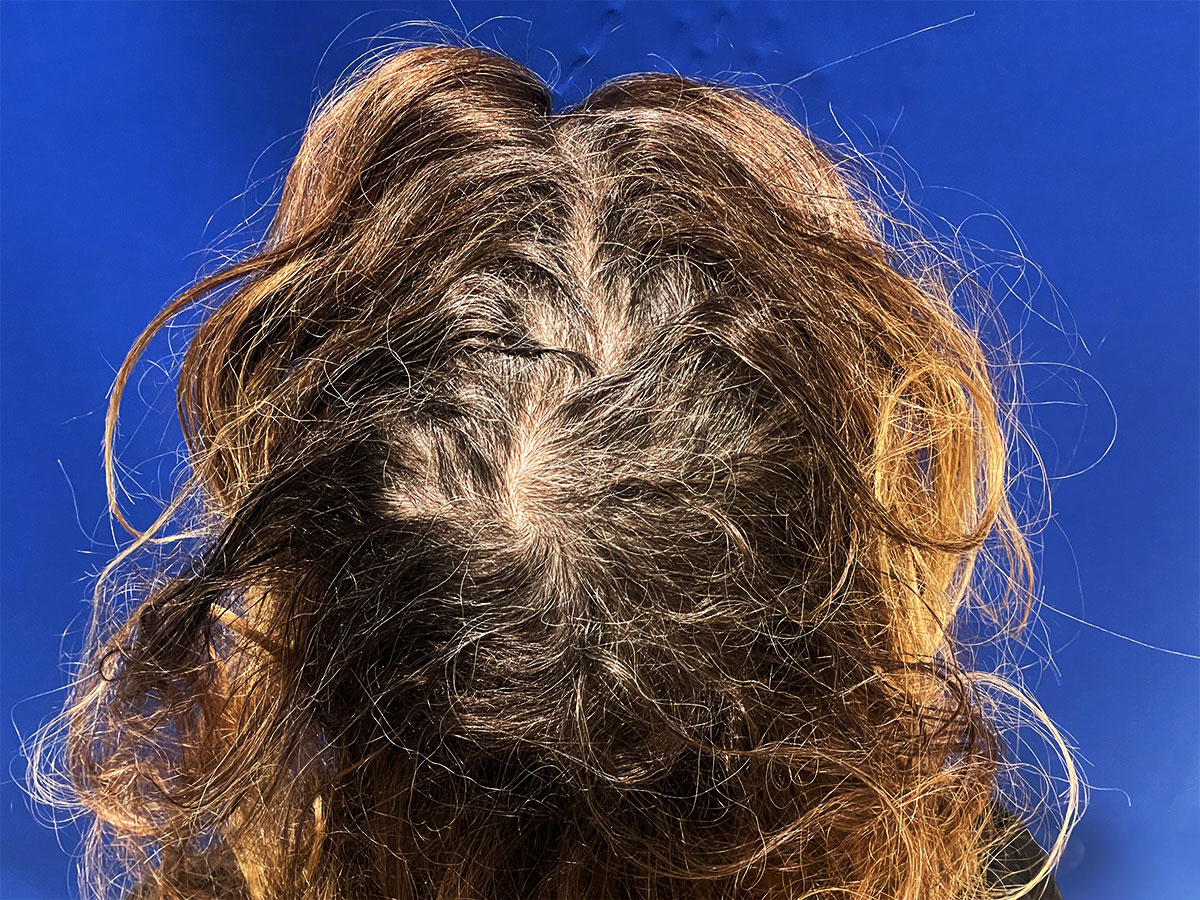
The crown, also known as the vertex, presents a different challenge. Hair grows in a spiral pattern, making it more difficult to recreate. Because the crown covers a larger surface area, restoring it often requires significantly more grafts than treating the frontal hairline.
Although both areas may be affected simultaneously, they don’t always require treatment at the same time.
Why Most Patients Begin With Hairline Restoration
 For many patients, restoring the hairline creates the greatest visual improvement with the fewest grafts.
Even a modest reconstruction of the frontal hairline can dramatically improve facial appearance and increase the perception of fuller hair. Since people typically make eye contact during conversations, the front of the scalp receives the most attention.
This is why Dr. Vinay Rawlani often prioritizes the frontal third of the scalp when appropriate. A carefully designed hairline can make the entire head of hair appear fuller without requiring thousands of additional grafts.
However, this doesn’t mean every patient should ignore the crown.
When Crown Restoration Should Be A Priority
Some patients experience significant thinning primarily in the crown while maintaining a relatively stable hairline. Others may have both areas affected equally.
If crown loss is extensive or causing considerable cosmetic concern, treatment may shift toward restoring density in the vertex. Because of the crown’s unique swirl pattern and larger treatment area, graft placement must be carefully planned to create natural growth while preserving donor hair.
Restoring the crown without proper planning can quickly exhaust available donor follicles, leaving fewer options should frontal hair loss continue progressing later.
This is why physician-led planning is so important.
Donor Hair Is A Limited Resource
One of the most important principles in hair transplantation is donor management.
Unlike natural hair, donor follicles are limited. Every graft harvested from the donor area can only be transplanted once. This makes long-term planning critical for every patient.
During your consultation, Dr. Vinay Rawlani evaluates donor density, scalp characteristics, family history, and anticipated hair loss progression before recommending where grafts should be allocated.
Rather than focusing solely on today’s appearance, the goal is to preserve enough donor hair to address future needs while achieving the best cosmetic improvement now.
Hairline Design Requires Precision
Hairline restoration involves much more than lowering the frontal hairline.
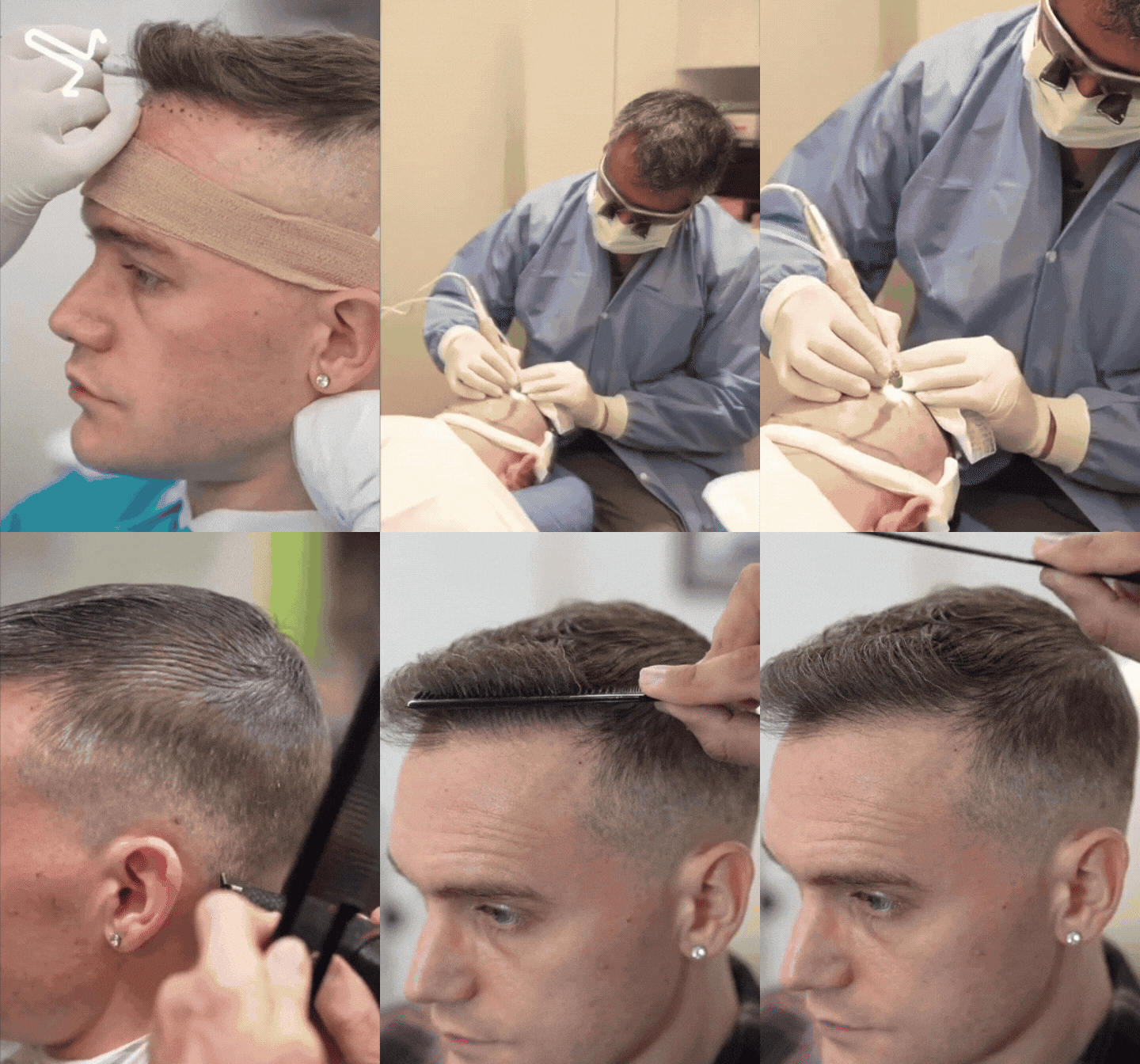
The angle, density, irregularity, and transition zones all contribute to whether the result looks completely natural or obviously surgical. A straight or overly aggressive hairline may appear acceptable immediately after surgery but can become unnatural as surrounding native hair continues to thin.
At Northwestern Hair Restoration, every hairline is individually designed by Dr. Vinay Rawlani, taking into consideration facial proportions, age, ethnicity, and long-term hair loss progression.
This physician-led design philosophy helps produce restorations that continue looking natural for many years.
Crown Restoration Requires A Different Technique
Unlike the frontal scalp, the crown requires strategic placement that follows the natural whorl pattern of hair growth.
Creating natural density across such a large area requires careful graft distribution and realistic expectations. Attempting maximum density across the entire crown during one procedure may unnecessarily deplete donor reserves.
Instead, Northwestern Hair Restoration focuses on achieving balanced coverage while protecting long-term treatment options.
Combining Surgical And Non-Surgical Treatments
 Hair transplantation often works best when combined with medical therapies.
Patients experiencing ongoing thinning may benefit from treatments designed to preserve existing follicles while supporting transplanted hair.
Depending on your evaluation, Dr. Rawlani may recommend:
- ACS (Autologous Conditioned Serum)
- PRP therapy
- Prescription medications
- Low-level laser therapy
- Personalized maintenance plans
These therapies can slow future hair loss, improve hair quality, and enhance long-term surgical outcomes.
Every Patient Requires A Personalized Strategy
There is no universal answer to whether the hairline or crown should be treated first.
Some patients benefit from restoring only the frontal third. Others achieve better results by combining both areas in a single procedure or staging treatment over time.
Your age, donor supply, hair characteristics, and expected progression all influence the ideal treatment plan.
Rather than following a one-size-fits-all approach, Northwestern Hair Restoration develops individualized strategies based on comprehensive medical evaluation.
Why Choose Northwestern Hair Restoration?
Patients choose Northwestern Hair Restoration because every procedure is physician-led from consultation through recovery.
Dr. Vinay Rawlani personally evaluates each patient, designs every hairline, oversees donor management, and performs the critical aspects of every surgical procedure. This level of involvement helps ensure natural results while preserving future treatment options.
Whether you’re considering men’s hair transplants, women’s hair restoration, Micro FUE, ACS therapy, or non-surgical hair loss treatments, you’ll receive a customized plan built around your long-term goals—not just your current hair loss.
Schedule Your Consultation
If you’re deciding between restoring your hairline or your crown, the best next step is a comprehensive evaluation.
A consultation with Dr. Vinay Rawlani will help determine where treatment will create the greatest cosmetic impact while protecting your donor hair for the future.
Contact Northwestern Hair Restoration today to schedule your consultation and receive a personalized hair restoration strategy designed for natural, lasting results.