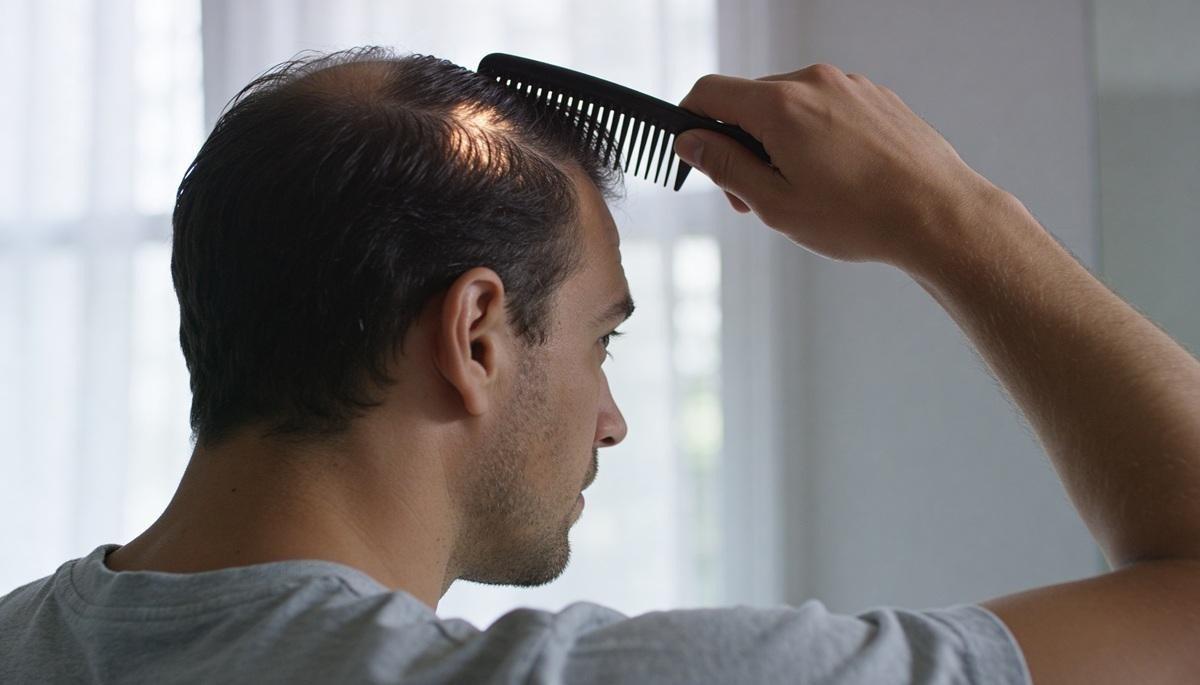





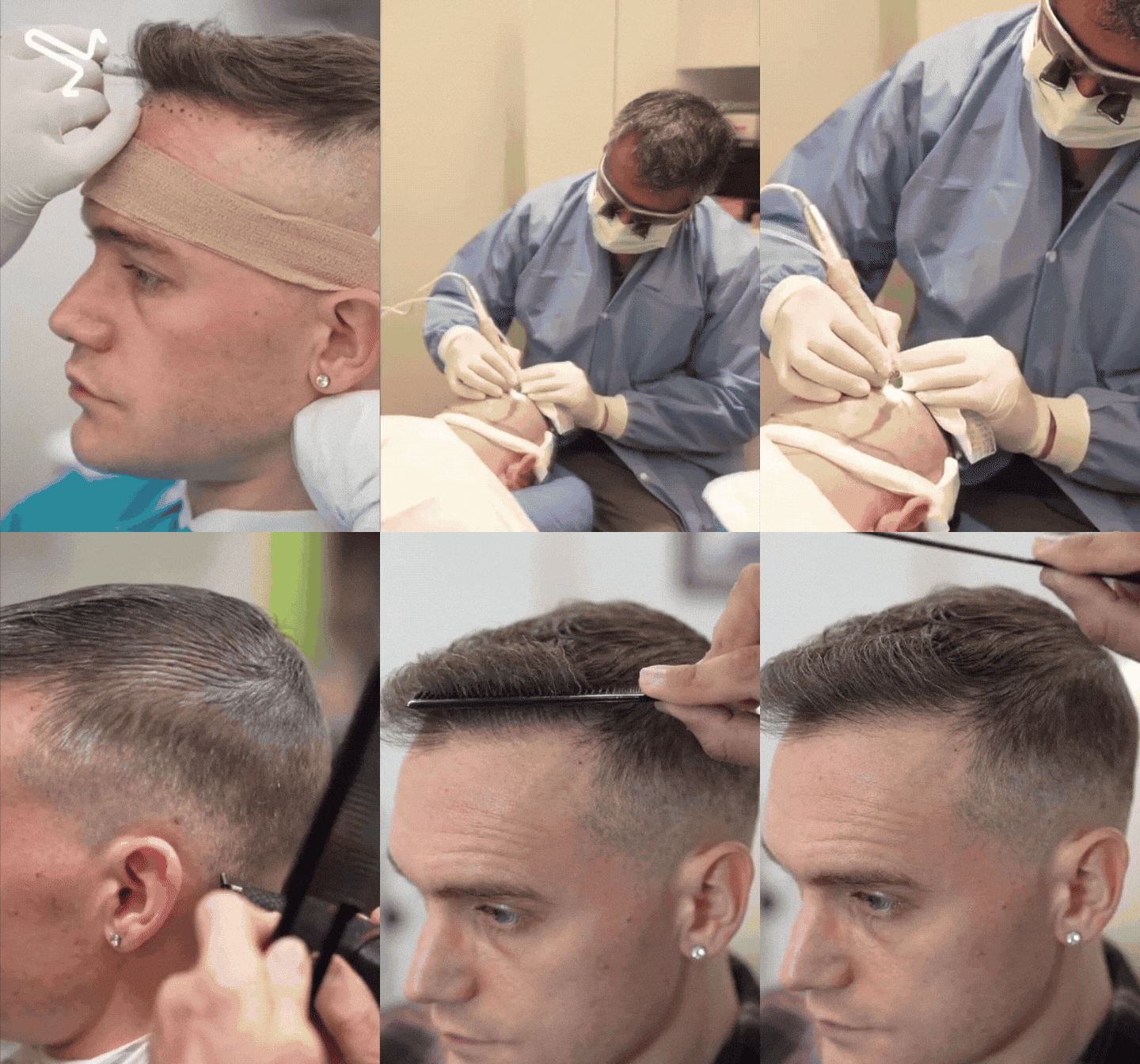
Hair Transplant Repair: Fixing a Bad Hair Transplant from Turkey or Elsewhere
Every week, our Chicago clinic sees patients who have already had a hair transplant — and are unhappy with the result. Some flew to Turkey chasing a package price. Some went to a high-volume domestic chain where they never met the surgeon until the day of the procedure. Some had work done fifteen years ago with standard techniques then but look unmistakably artificial now.
They all ask the same two questions: Can this be fixed? And how bad is it going to be?
The honest answers: usually yes, and it depends on what went wrong. Repair work is some of the most technically demanding surgery in hair restoration, but it’s also some of the most rewarding — because the transformation isn’t just cosmetic. Patients who’ve been hiding under hats for years get their confidence back. Contact Northwestern Hair Restoration for more information.
Here’s what you should know before pursuing a revision.
What Makes a Hair Transplant “Bad”?
 A failed or unsatisfying transplant usually falls into one or more of these categories:
Poor hairline design. This is the most common complaint we see. Hairlines placed too low, drawn too straight, or built without natural irregularity look artificial from across the room. A hairline is not a line — it’s a gradient, a transition zone with single hairs in the front feathering into density behind. Clinics that treat hairline design as a production step rather than an artistic one produce results that never look right, even when the grafts grow perfectly.
Wrong graft placement or angle. Hair doesn’t grow straight out of the scalp — it exits at specific angles and directions that vary across the head. Grafts placed perpendicular to the scalp, or against the natural flow, create a “doll’s hair” effect that no styling can hide. Similarly, multi-hair grafts placed at the front hairline (where only single-hair grafts belong) create a pluggy, clumped appearance.
Low growth yield. Sometimes the design is fine, but the hair simply didn’t grow. Poor graft handling, grafts left out of the body too long, dehydration during the procedure, or aggressive implantation can kill follicles before they ever have a chance. When a clinic performs six or eight procedures a day with technicians doing most of the work, graft survival is often the casualty.
Overharvested donor area. This is the most serious problem — and the most common one we see in patients returning from medical tourism. The donor zone at the back and sides of the head contains a finite number of DHT-resistant follicles. Clinics that extract 4,000 to 5,000 grafts in a single marathon session can leave the donor area visibly thin, moth-eaten, or scarred. Your donor supply is the bank account for every future procedure; once it’s spent, it’s spent.
Scarring. Older strip (FUT) procedures leave a linear scar across the back of the head. Aggressive or poorly executed FUE can leave visible white dot scarring or patchy depletion. Either can restrict how short you can wear your hair.
Progression of native loss. Sometimes the transplant itself was fine — but nobody protected the surrounding native hair. The patient’s untreated hair continued to recede, leaving the transplanted zone stranded as an island. This is why we discussed finasteride as part of a complete long-term plan in our previous post; a transplant without a native hair strategy is a half-finished job.
Can a Bad Hair Transplant Be Fixed?
In most cases, yes — but repair is a different discipline than first-time surgery, and expectations need to be set honestly.
Repair work involves some combination of three approaches:
- Camouflage and reinforcement. The most common repair. We place new grafts among and in front of poorly placed older ones — softening a harsh hairline with single-hair grafts, adding density to thin areas, and correcting angles so the old work disappears into the new. Done well, camouflage alone resolves many pluggy or sparse results.
- Graft excision and redistribution. For grafts that are too low, too clumped, or growing in the wrong direction, camouflage isn’t enough. Individual problem grafts can be carefully removed — often reusable, punched out and re-implanted in a more appropriate location. This is meticulous, slow work, and it’s where surgical skill matters most. Removing a graft without damaging it or the surrounding skin is far harder than placing one.
- Scar repair. Linear FUT scars can be improved by grafting hair directly into the scar tissue, by scar revision, or both. Scar tissue has reduced blood supply, so graft survival rates are lower, and density expectations must be realistic — but meaningful camouflage is very achievable for most patients.
The Donor Supply Problem
 Here’s the hard conversation we sometimes have to have: repair surgery depends entirely on what’s left in your donor area.
A patient with an intact donor zone and a poorly designed hairline is a straightforward repair case with an excellent prognosis. A patient whose donor area was strip-mined by an overseas clinic — 4,500 grafts extracted in one session, visible depletion, scarring throughout the safe zone — has far fewer options. In severe cases, beard hair can supplement scalp donor supply, but body hair has different characteristics and is a supplement, not a substitute.
This is why we evaluate every repair candidate’s donor area under magnification before discussing any plan. The donor zone determines what’s possible; everything else is design.
It’s also why we counsel patients considering a first procedure to treat their donor area as the irreplaceable resource it is. The cheapest transplant can become the most expensive one when you’re paying for it twice — once in Istanbul and again in repair.
Why Repairs Fail at High-Volume Clinics (And What to Look for Instead)
The uncomfortable truth about the transplant industry is that many bad results come from a business model, not bad luck. When a clinic’s economics depend on volume — multiple patients per day, technicians performing the surgery, the doctor appearing for a handshake — the artistic decisions that separate natural from artificial get compressed or delegated.
Repair surgery is the opposite of that model. It demands unhurried extraction, individualized design, and a surgeon personally managing every stage. When evaluating any clinic for revision work, ask directly:
- Who designs the hairline, and who places the grafts — the surgeon or technicians?
- How many procedures does the clinic perform per day?
- Can I see repair cases specifically — not just first-time results?
- How will you assess and preserve my remaining donor supply?
At Northwestern Hair, repair cases are performed by Dr. Rawlani using the same Micro PUE approach we use for primary procedures — smaller punch sizes, gentler graft handling, and single-patient focus. For repair work, where every remaining graft counts, that precision isn’t a luxury. It’s the whole game.
What to Expect from the Repair Process
Timeline expectations matter more in repair than anywhere else. If your previous procedure was recent, we generally recommend waiting 10 to 12 months before revision — partly to let the scalp fully heal, and partly because transplanted hair matures slowly. What looks like failed growth at month five sometimes looks acceptable at month twelve. We’d rather evaluate a finished result than operate on an unfinished one.
A typical repair journey looks like this:
- Evaluation — magnified assessment of the existing work, donor supply, scarring, and native hair loss trajectory.
- Design — an honest plan for what can be corrected, in what order, and across how many sessions. Complex repairs are often staged.
- Medical stabilization — protecting your remaining native hair with medication so the repair doesn’t get undermined by continued loss.
- Surgery — camouflage, excision, or scar work as the case requires.
- Maturation — repair results follow the same growth timeline as primary transplants: early growth at three to four months, meaningful change by month eight, final results at twelve to fifteen months.
The Bottom Line
A bad hair transplant is not a life sentence. The majority of poor results — pluggy hairlines, wrong angles, visible scarring, stranded islands of grafts — can be dramatically improved by a skilled repair surgeon, provided your donor area still has reserves to work with.
But repair is unforgiving of shortcuts. The clinic that fixes a bad transplant needs to be categorically more careful than the one that caused it. Choose based on who is actually holding the instruments, not on price or marketing.
If you’re living with a transplant result you regret — whether it came from Turkey, another Chicago clinic, or a procedure done decades ago — schedule a consultation at Northwestern Hair. Dr. Rawlani will evaluate your existing work and donor supply honestly, and tell you exactly what can and can’t be fixed.