




Hair growth is regulated by a complex network of biological systems, with the endocrine system playing a central role. In hormonal hair loss, chemical messengers such as hormones influence everything from metabolism to cellular turnover, directly affecting follicle function. Because hair follicles are among the most metabolically active structures in the body, they are especially sensitive to hormonal changes.
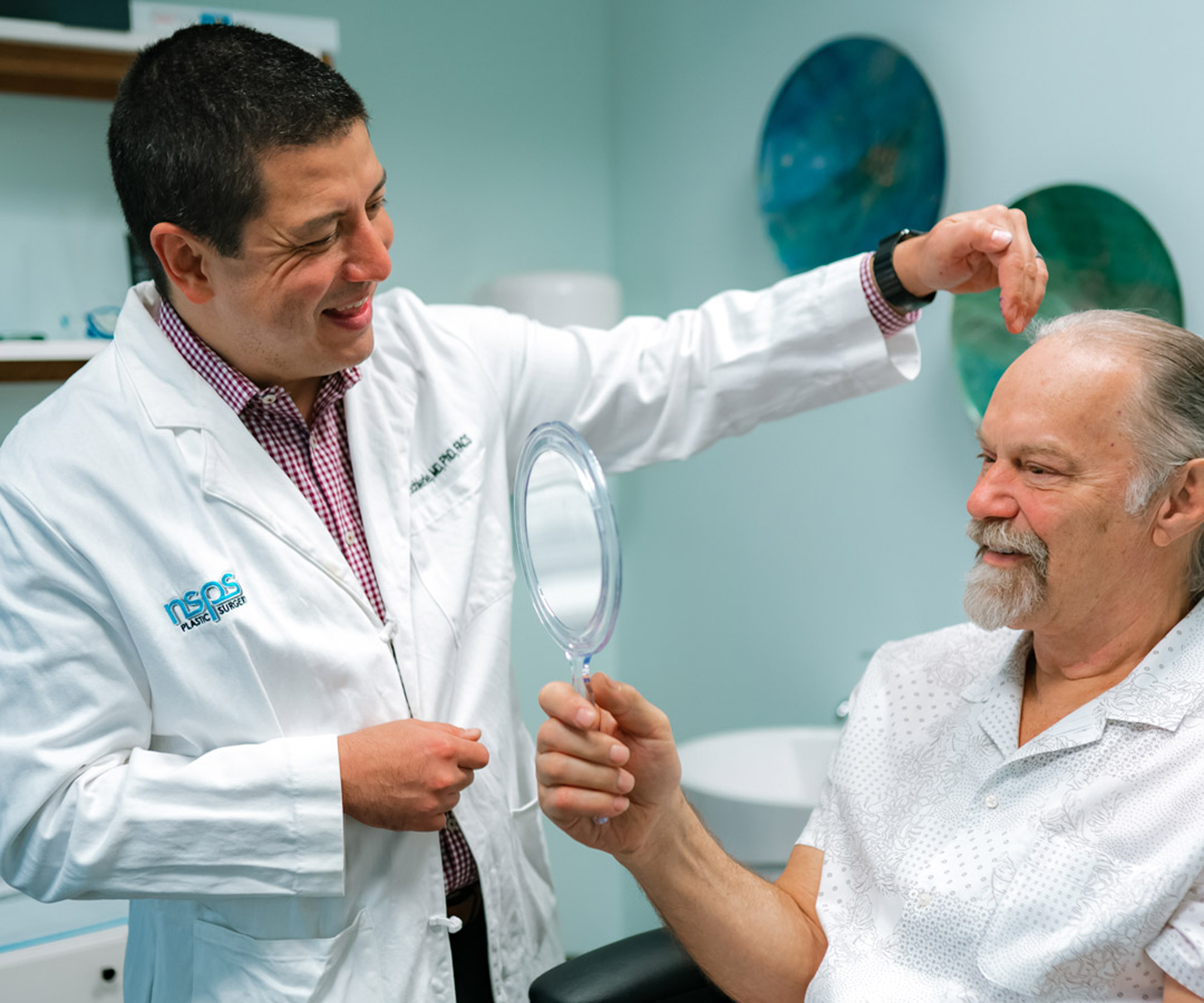
At Northwestern Hair, hormonal imbalance is one of the most common contributing factors identified in patients experiencing thinning, shedding, or changes in hair quality. Under the clinical leadership of Dr. Vinay Rawlani, a plastic-surgery-trained physician specializing exclusively in hair restoration, each patient undergoes a detailed evaluation designed to identify hormonal drivers of hair loss and determine how they are interacting with follicle biology.
Dr. Vinay’s approach is rooted in both science and design. Trained at Northwestern University and the University of Chicago, and having undergone hair restoration himself, he understands that lasting results depend not only on aesthetics but on correcting the biological conditions that govern follicle survival.
Hormonal hair loss affects both men and women and can present in multiple clinical forms. Understanding its causes, diagnostic process, and modern treatment strategies is essential to restoring and preserving hair density. Contact us today for more information.
How Hormones Influence Hair Growth
 Hair follicles operate on tightly regulated growth cycles consisting of growth (anagen), transition (catagen), and resting/shedding (telogen) phases. These phases are governed by local growth factors, immune signaling, circulation, and endocrine input.
Hormones influence follicles by regulating:
- Growth cycle timing
- Follicle metabolism
- Stem cell activity
- Sebaceous gland behavior
- Local inflammatory balance
When hormone levels shift—or when follicles become overly sensitive to specific hormones—normal cycling can be disrupted. This can lead to progressive thinning, diffuse shedding, changes in hair texture, or miniaturization.
The Most Common Hormonal Drivers of Hair Loss
Androgens and DHT sensitivity
 The most widely recognized hormonal mechanism in hair loss involves androgens, particularly dihydrotestosterone (DHT). In genetically susceptible individuals, DHT binds to receptors in certain follicles, gradually causing miniaturization.
This process underlies androgenetic alopecia, the most common form of hair loss in both men and women.
Over time, DHT-sensitive follicles:
- Produce progressively finer hair
- Experience shortened growth cycles
- Lose visible density
- Eventually cease producing terminal hair
While androgenetic alopecia is genetically mediated, its progression is hormonally driven, making endocrine evaluation an important part of comprehensive assessment.
Estrogen and progesterone fluctuations
In women, estrogen plays a protective role in hair growth. It supports longer growth phases, improved follicle survival, and enhanced scalp circulation.
When estrogen levels fall or fluctuate, such as during:
- Postpartum hormonal shifts
- Perimenopause and menopause
- Ovarian or endocrine disorders
- Discontinuation of hormonal medications
Hair follicles may prematurely enter the shedding phase, leading to diffuse thinning or telogen effluvium. In some women, estrogen decline may also accelerate underlying androgen sensitivity, compounding density loss.
Thyroid hormones
The thyroid regulates metabolic activity throughout the body, including within hair follicles. Both hypothyroidism and hyperthyroidism can disrupt hair cycling.
Thyroid-related hair loss often presents as:
- Diffuse thinning
- Increased shedding
- Dry, brittle hair texture
- Slowed regrowth
Because thyroid disorders can mimic or overlap with other hair loss conditions, diagnostic testing is essential.
Cortisol and stress hormones
Chronic physiological stress alters multiple hormonal pathways. Elevated cortisol disrupts immune regulation, inflammatory signaling, and vascular function within the scalp. Over time, this can:
- Push follicles into the resting phase
- Suppress follicle stem cell activity
- Reduce scalp circulation
- Exacerbate genetic hair loss
Stress-related endocrine disruption is one of the most frequent contributors to persistent shedding patterns.
How Hormonal Hair Loss Presents Clinically
Hormonal hair loss does not follow a single pattern. Depending on the dominant imbalance and individual susceptibility, patients may experience:
- Gradual crown thinning
- Widening of the part line
- Receding hairline
- Sudden diffuse shedding
- Loss of density and volume
- Changes in hair caliber and texture
Because hormonal imbalances often coexist with genetic predisposition, stress physiology, and inflammatory factors, accurate diagnosis is critical.
Dr. Vinay Rawlani’s Diagnostic Approach
Dr. Vinay does not evaluate hair loss as a surface-level cosmetic issue. His diagnostic process examines the biological ecosystem of the scalp.
Each evaluation is designed to assess:
- Pattern and distribution of loss
- Degree of follicle miniaturization
- Hair cycle activity
- Scalp metabolic health
- Clinical indicators of endocrine involvement
- Long-term aesthetic trajectory
When hormonal contribution is suspected, further investigation may include medical history analysis, systemic review, and coordination with appropriate testing protocols.
This depth of evaluation allows Dr. Vinay to determine whether hormonal disruption is the primary driver, an accelerating factor, or a compounding condition—and to design treatment accordingly.
Treatment Strategies for Hormonal Hair Loss
Successful management of hormonally driven hair loss requires both systemic correction and local follicle restoration.
1. Addressing hormonal contributors
When an endocrine imbalance is identified, management begins with stabilizing the internal environment. This may involve coordinated care approaches to correct thyroid dysfunction, manage hormonal transitions, or address metabolic contributors.
Restoring hormonal balance helps normalize hair cycling and prevents continued follicle destabilization.
2. Supporting follicle metabolism and scalp health
Even after hormonal correction, follicles often remain weakened. Northwestern Hair utilizes advanced non-surgical therapies to:
- Improve microcirculation
- Enhance oxygen and nutrient delivery
- Reduce inflammatory signaling
- Support growth factor activity
- Strengthen emerging hair shafts
These therapies are designed to create an environment in which follicles can re-enter healthy growth phases.
3. Regenerative support with Autologous Cellular Serum (ACS)
Regenerative medicine plays a central role in Dr. Vinay’s biologically driven treatment philosophy. Autologous Cellular Serum (ACS) uses components derived from the patient’s own biology to support follicle signaling, circulation, and cellular repair.
In hormonally influenced hair loss, ACS may help:
- Reactivate metabolically suppressed follicles
- Improve scalp vascular function
- Enhance regenerative signaling pathways
- Support thicker, healthier hair production
ACS is often integrated into broader non-surgical programs designed to restore scalp biology while long-term stabilization is underway.
4. Surgical restoration when follicles are no longer viable
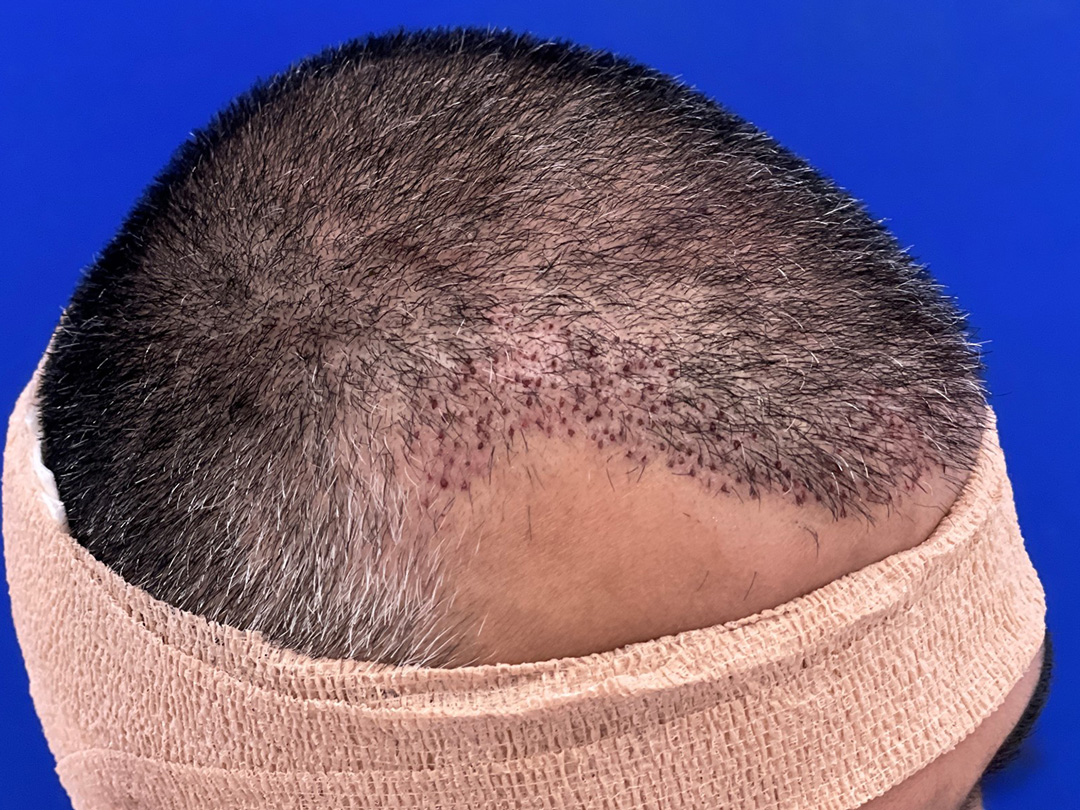
In advanced cases—particularly when hormonal drivers have accelerated genetic miniaturization—surgical hair restoration may be appropriate.
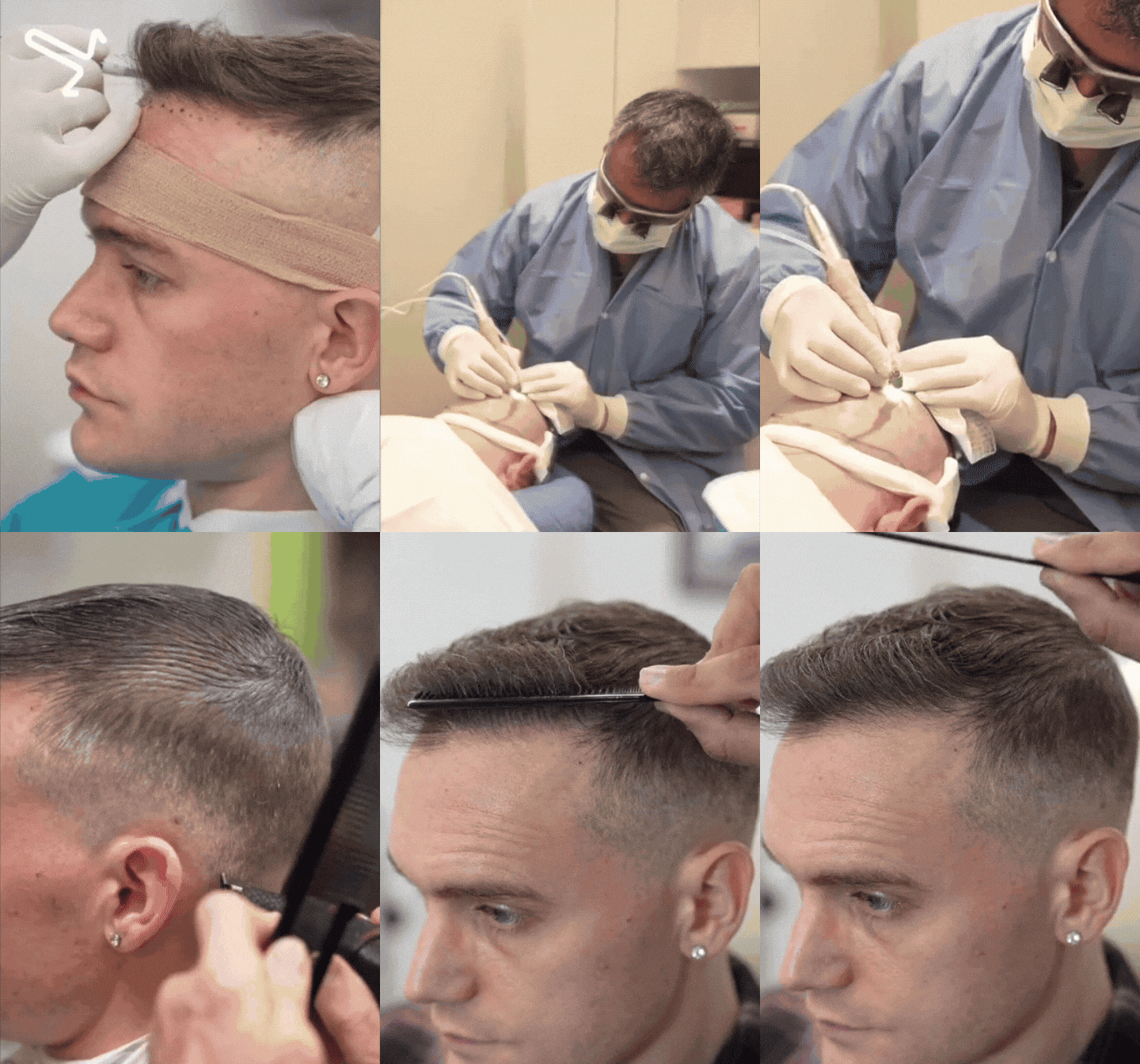
Dr. Vinay personally designs and performs every hair transplant, applying his proprietary hairline design methodology developed through years of studying facial proportions, density gradients, and aging patterns.
This ensures that restoration is not only technically precise but architecturally timeless.
From graft angulation to density planning and plasma preservation, every variable is controlled to support long-term viability and natural aesthetic integration.
Why Early Evaluation Matters
Hormonal hair loss often develops quietly. By the time visible thinning occurs, a significant percentage of follicular mass may already be compromised.
Early professional evaluation allows for:
- Identification of endocrine contributors
- Preservation of vulnerable follicles
- Shorter recovery timelines
- More predictable regrowth
- Reduced need for extensive surgical intervention
Because hormonal imbalances can evolve, long-term monitoring and adaptive treatment planning are essential.
Northwestern Hair’s Physician-Led, Integrated Model
Northwestern Hair operates under a physician-led restoration framework where diagnosis, treatment design, and execution are unified.
Dr. Vinay Rawlani personally oversees the evaluation process and designs treatment strategies that may incorporate:
- Diagnostic scalp and follicle analysis
- Hormone-aware non-surgical programs
- Regenerative medicine, including ACS
- Long-term follicle preservation planning
- Surgical restoration when biologically indicated
By integrating medical insight, regenerative science, and aesthetic design, Northwestern Hair is able to address hormonal hair loss not simply as a symptom, but as a complex biological condition requiring individualized care.
Final Thoughts
Hormonal hair loss is not limited to a single age group or gender. It can arise from endocrine shifts, metabolic disruption, chronic stress, or genetic sensitivity—and it often overlaps with other hair loss mechanisms.
When hormonal influence is accurately identified, treatment can move beyond surface-level solutions and toward true biological restoration.
Under the direction of Dr. Vinay Rawlani, Northwestern Hair approaches hormonal hair loss through clinical precision, regenerative innovation, and long-term design philosophy—supporting not only hair regrowth, but the conditions that allow hair to thrive. Contact us today for more information.