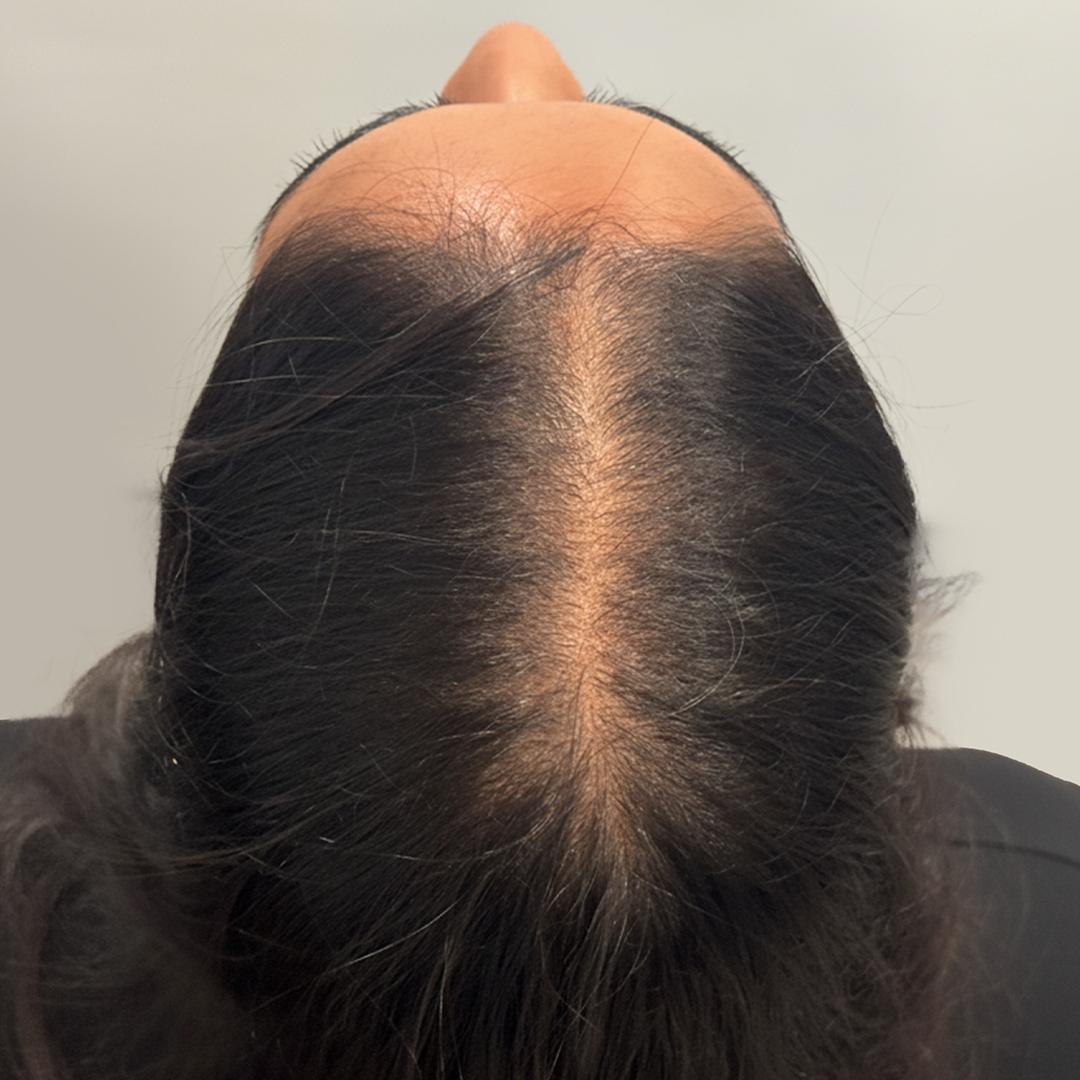
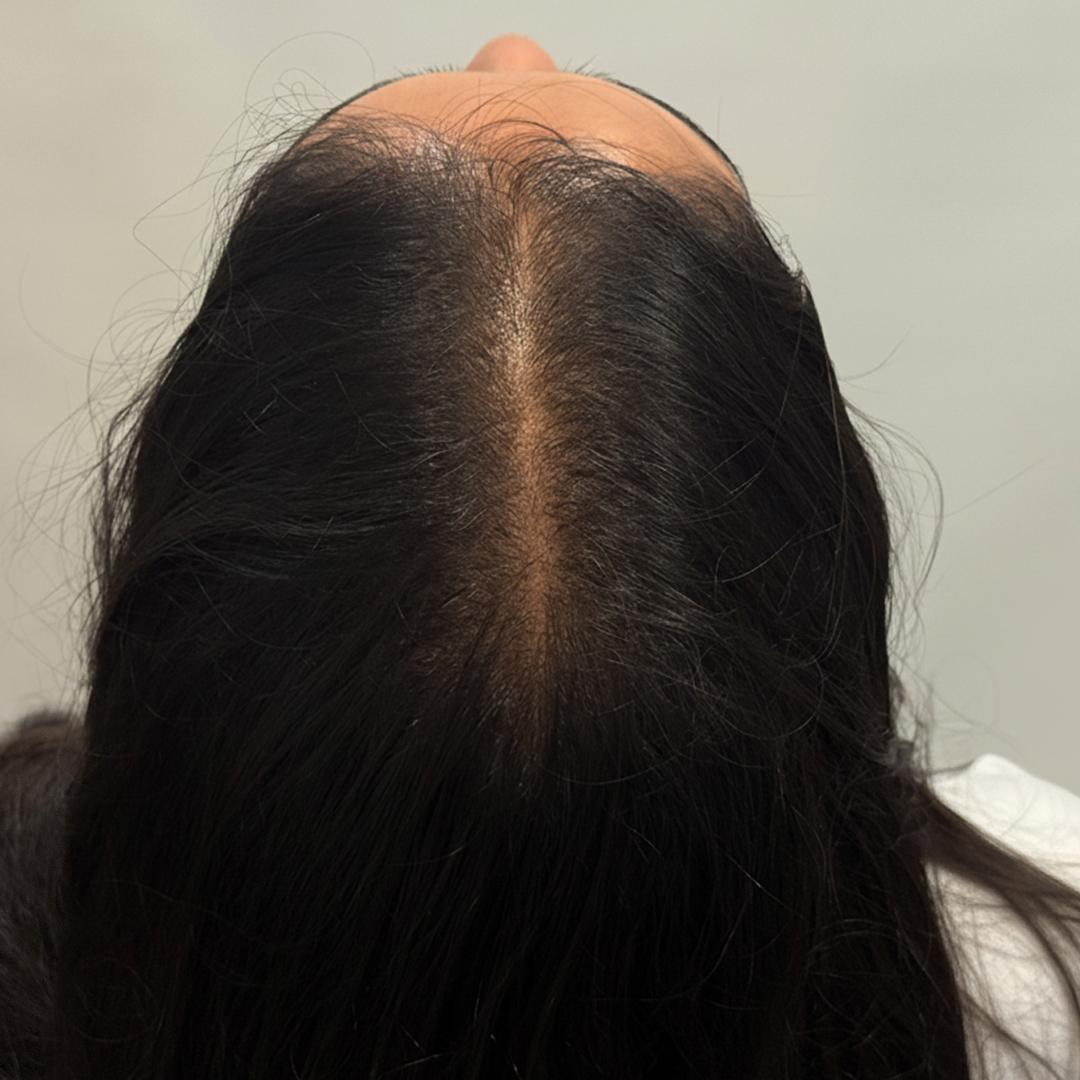
Hair loss in women rarely has one cause, and it rarely shows up as one clean pattern either — which is why treating it before understanding it produces poor results.
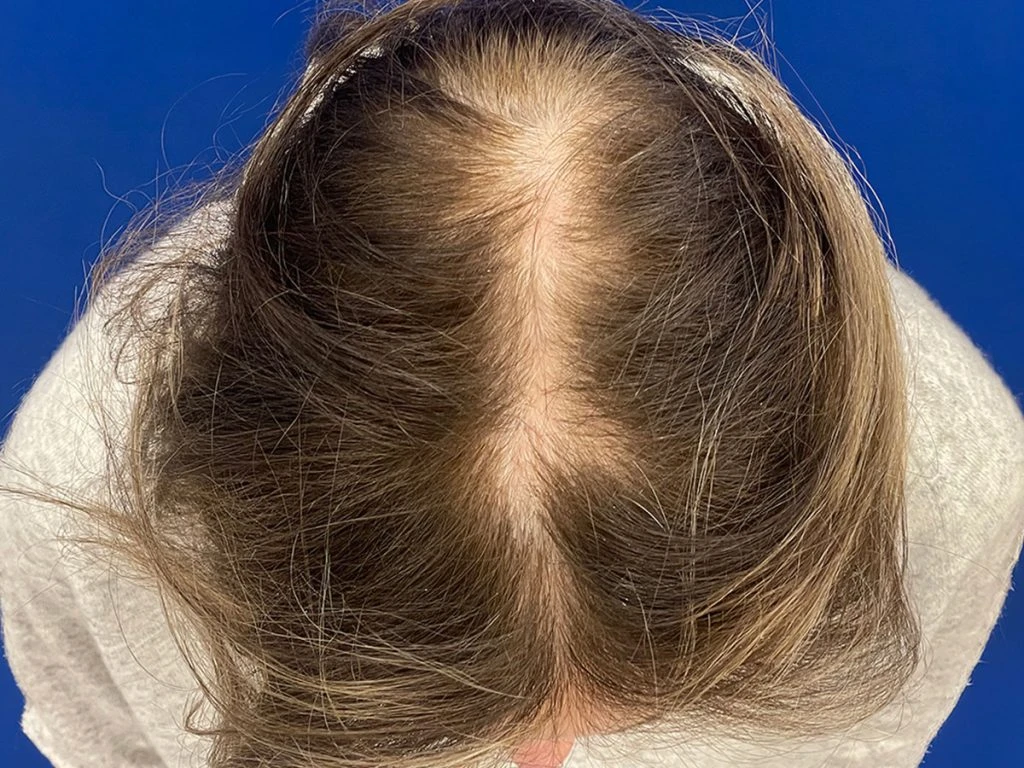
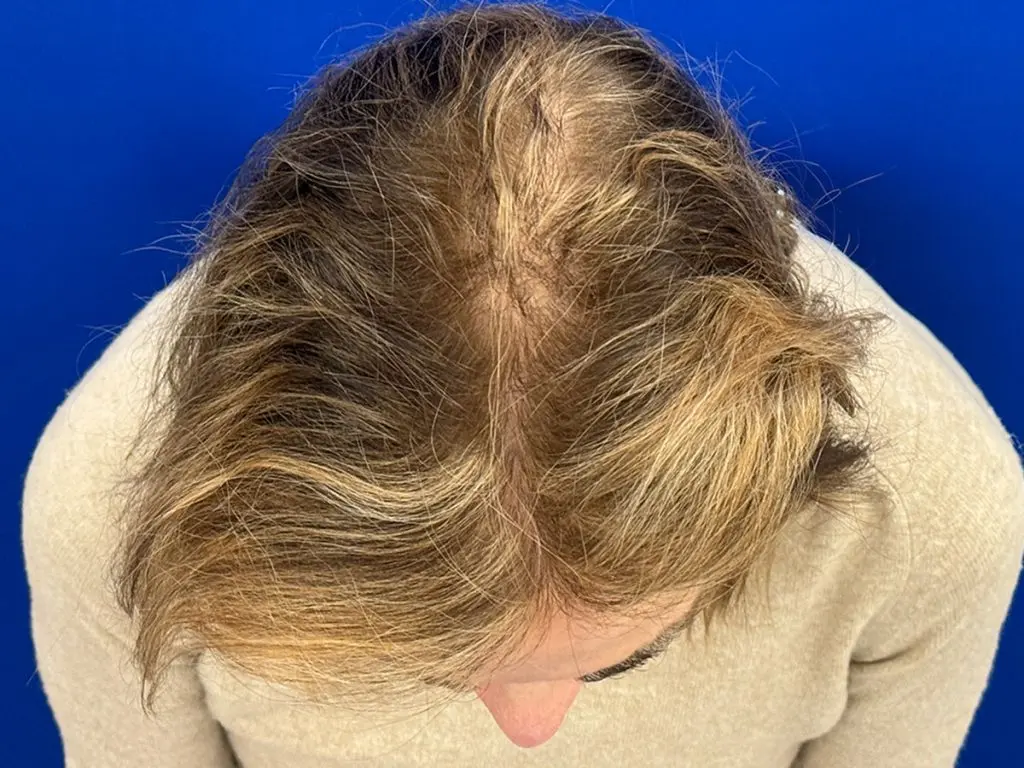
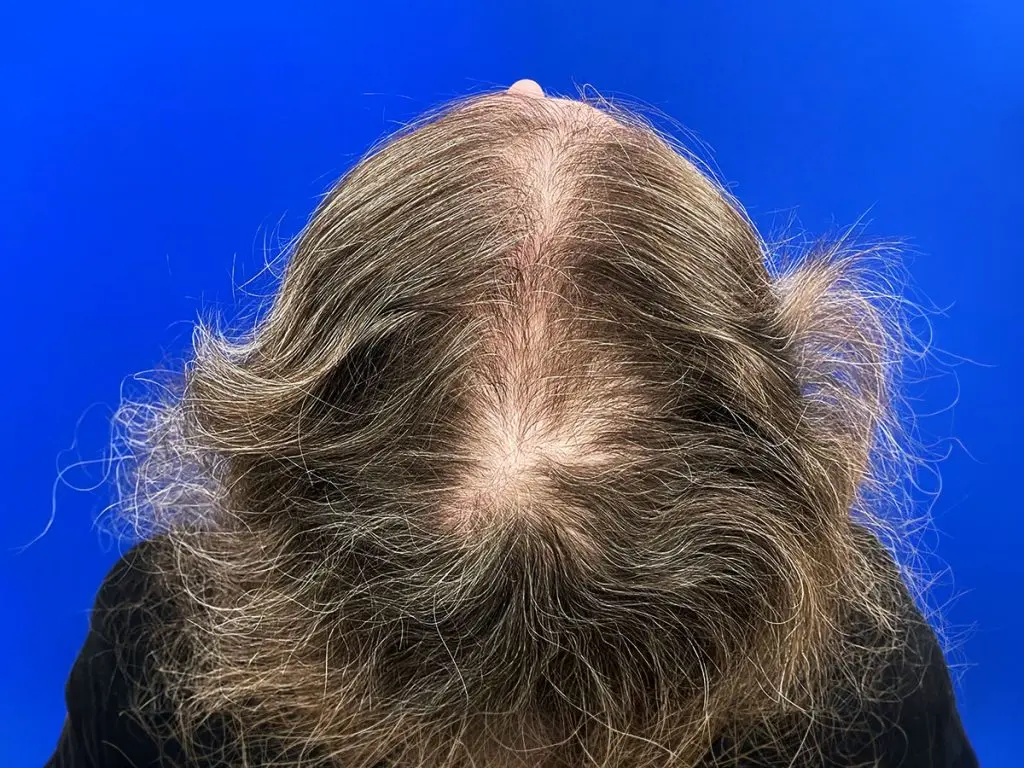
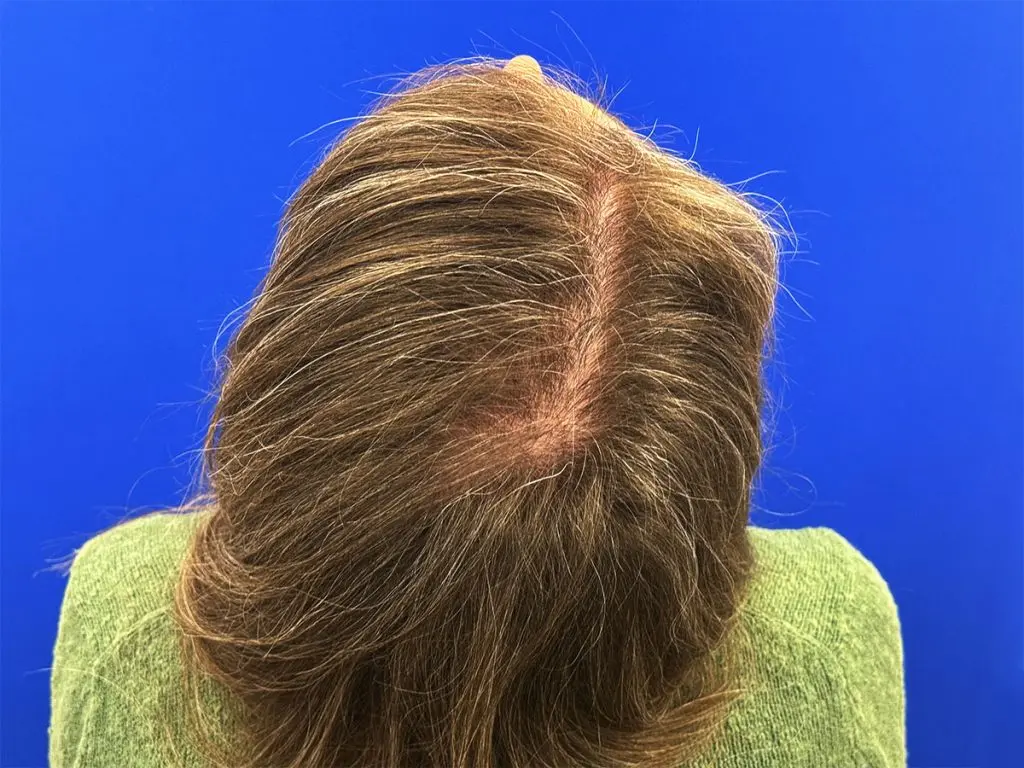
Men’s hair loss is overwhelmingly pattern baldness, driven by one hormonal pathway, and it shows up the same way in almost every case. Women’s hair loss branches — hormones, thyroid function, iron levels, inflammation, stress, or postpartum changes, sometimes several at once — and it can show up as a widening part, diffuse thinning, or a receding hairline, sometimes all in the same patient at different points.
That’s why the order of operations matters more here than almost anywhere else in hair restoration. A treatment chosen before a diagnosis is a guess, and a guess wastes the thing patients have the least of: time their hair loss isn’t waiting on.
WHAT TYPES OF HAIR
LOSS DO WE TREAT?
Hair loss isn’t the same for everyone. At Northwestern Hair, we specialize in treating a wide range of hair loss causes, including:
Hormonal Hair Loss
From postpartum changes to menopause, we address hair loss caused by fluctuating hormones.
Stress-Related Shedding
Chronic stress can impact hair health. Our treatments target both the symptoms and root causes.
Nutritional and Metabolic
Hair Loss
We identify deficiencies and optimize your metabolism to support healthy regrowth.
Post-Chemotherapy Hair
Loss
Specialized care designed to support regrowth after chemotherapy.
Whatever your unique challenges, our tailored treatments are designed to help you restore and maintain your hair.
We treat women with every type of hair loss, whether the cause is metabolic, hormonal, inflammatory, autoimmune or scarring. These are the six we see most often, and each one calls for a different plan.
Our at-home treatments give you access to the same medications, devices, and expertise Dr. Vinay uses in his full program – delivered as a manageable routine you can follow on your own schedule.
01
Consultation
Meet with Dr. Vinay to discuss your hair loss history, lifestyle, and goals.
02
Your Custom Plan
We may recommend labs to get the full picture. Based on your consultation, Dr. Vinay prescribes a combination of treatments – drawing from medications, devices, and supplements – targeting the specific mechanisms driving your hair loss.
03
Ongoing Optimization
Hair loss isn’t static, and neither is your plan. Dr. Vinay supervises your progress and adjusts your plan as needed.
When You Need More Than Dr. Vinay
Dr. Vinay refers into a team he works with directly. These aren’t names on a directory. They’re the people your care is handed to when your diagnosis calls for them, and he stays involved when it is.
Trichology
Debbie Ansay-Martinez
Trichologist and hair replacement expert, founder of HairLab Chicago. Scalp and hair care, and the non-medical side of hair loss — a category that does not require a prescription but does require proper treatment and restoration of scalp homeostasis.
Functional Health
Dr. Kate Volmir
Functional health physician. Hormone replacement therapy for hormonal causes of hair loss, and the broader metabolic and hormonal picture that patterned loss sits inside.
Dermatology
Dr. Elizabeth Kiracofe
Dermatologist, consulted on cases where a condition of the skin is affecting the hair, and where specialty medication rather than hair loss treatment is what the scalp requires.
Transformation
BREE
At 78, Bree’s hair loss came naturally with age and she was determined to take matters into her own hands. After four treatments with Dr. Vinay, she was very pleased with her outcome.
Hair loss rarely announces its cause. Two patients with the same thinning can have completely different reasons behind it, and the right treatment for one can do nothing for the other. These are the tools Dr. Vinay uses to find out what’s actually driving yours.
Medical History
Hair loss often starts months before it shows. We look at your family history, recent illness, surgery, pregnancy, stress, diet, medications and hormonal changes to find the events that line up with when the loss began.
Scalp Examination
Dr. Vinay examines your scalp and hair pattern directly, in person or over Zoom. Where the loss is, how it’s spreading and what the surrounding hair looks like already narrow down the cause.
Hair Pull Test
A gentle pull on a small group of hairs shows how many come out and in what phase of growth. It tells us whether the loss is an active shed or a gradual thinning, which point to very different causes.
Trichoscopy
A magnified view of the scalp and individual follicles. It reveals what the eye can’t see: hairs shrinking in diameter, inflammation around the follicle, scarring, or follicles that have gone dormant but can still be stimulated.
Lab Testing
Many causes of hair loss don’t show on the scalp at all. Blood work checks hormones, thyroid function, iron levels, vitamins and metabolic markers. We order what your case calls for, not a standard panel for everyone.
Genetic Testing
Some patterns of hair loss are inherited. Genetic testing helps show how strongly your hair loss is driven by genetics, how it’s likely to progress, and which treatments are most likely to work for you.
Progress Photography
Standardized photos at every visit, taken from the same angles and under the same light. They make small changes visible over time, so your plan is adjusted based on what’s actually happening, not on memory.
Treatment for Every Kind of Hair Loss Women Experience
Same four targets, opposite plans — becauseSome women need a surgical solution. Others get everything they need from ACS and a home regimen. A few are better served by a hair system while a non-surgical treatment does its work underneath. What fits depends on how far the loss has progressed and what’s driving it.the diagnosis is what decides.
Surgical
Hair Transplant for Women
Who is it for
Women with a stable donor area and a defined zone of loss: a widening part, a high or receding hairline, traction alopecia, or scarring from a past procedure. Diffuse or still-active loss usually needs to be stabilized first, which is why candidacy is decided at diagnosis.
How it works
Follicles are taken one at a time from the donor area and placed where density is needed, following the direction and angle of your natural hair so the part and hairline read as your own. Procedures are performed only at our Chicago flagship, and results mature over the following twelve months.
Before
After
Before
After
Non-Surgical
ACS
Who is it for
Women at almost any stage. ACS is organized into three plans: Maintain, for women who want to keep the hair they have; Restore, for women regrowing areas that have thinned; and Replace, for women pairing it with a transplant or a hair system.
How it works
ACS is prepared from a small sample of your own blood and applied to the scalp to do three things: block the inflammatory signals driving the loss, raise the metabolism of the follicle, and restore blood flow to it. Dr. Vinay was the first to bring it into hair restoration from orthopedic medicine.
Non-Surgical
At-Home Treatment Program
Who is it for
Women whose diagnosis can be managed at home, women extending results between in-office treatments, and women who live too far to visit the clinic regularly.
How it works
After your consultation, Dr. Vinay prescribes a regimen built for your diagnosis and it’s shipped to your door. Follow-ups happen over Zoom with progress photos, so the plan changes when your results say it should.
Before
After
Before
After
Non-Surgical
Scalp Treatments
Who is it for
Women whose scalp is part of the problem: flaking, buildup, inflammation, sensitivity or damage from styling and chemical services. Hair can’t grow well from a scalp that isn’t healthy.
How it works
Our trichologist, Debbie Ansay-Martinez, examines the scalp under magnification and treats it to restore its normal balance, at HairLab Chicago in Deerfield. When a skin condition is involved, Dr. Elizabeth Kiracofe is consulted.
Non-Surgical
Custom Hair Systems
Who is it for
Women with advanced loss, loss after chemotherapy or autoimmune conditions, or anyone who wants full coverage right away while another treatment works underneath.
How it works
A CRLAB CNC system is custom built to the shape of your head and matched to your color, density and part, then fitted by Chanel Kwak at HairLab Chicago. The base lets the scalp breathe, so ACS or scalp treatment can continue beneath it.
Before
After
Before
After
Non-Surgical
Scalp Micropigmentation
Who is it for
Women with a visible part, thin crown or scarring who want the appearance of more density, on its own or alongside a medical treatment or transplant.
How it works
Fine pigment is placed in the scalp to reduce the contrast between hair and skin, so thinning areas read as fuller. It’s performed by Sandra Salgado, our scalp micropigmentation specialist for women, and usually takes two to three sessions.
Transformation
BRANDY
Brandy came to us alongside her husband who was receiving hair treatments from Dr. Vinay, and decided to ask “Can you do something about my hair, too?” At 38, she was experiencing female pattern hair loss and received four personalized treatments to achieve the results you see below.
Plastic and reconstructive surgery is the specialty that heals wounds. That is what the training is.
I began practicing plastic surgery and grafting techniques in 2009, alongside the rest of a surgical practice. For the last five years my work has been entirely hair. The advances we made in transplantation and in non-surgical restoration were significant enough that it became the only thing we do.
I trained in plastic and reconstructive surgery at Northwestern University, where I was Chief Resident and the Louis E. Fazen Endowed Scholar of Medicine, and at the University of Chicago. I have performed over 10,000 procedures.
I have colleagues with real expertise in hair loss. What our particular training gave us was expertise in wound healing as a process, not as a complication to be managed. It is also why we are successful at grafting, since a transplant is a wound-healing problem before it is anything else.
That is what allowed me to bring ACS into hair restoration from orthopedic medicine, where it was developed to heal tendons, ligaments and cartilage, tissues where blood supply is poor and healing is slow. A thinning follicle has the same problem. I was the first to use it for hair, and we have continued to develop it since.
At Northwestern Hair, we know every woman’s hair loss journey is different.
Dr. Vinay Rawlani, a Northwestern- and University of Chicago-trained physician, personally oversees every step of your treatment journey, adapting your plan to match your progress and goals. His hands-on approach ensures you receive the best care—and results—possible.
Dr. Vinay’s philosophy is simple: You deserve exceptional outcomes. That’s why he takes the time to understand your needs, monitor your progress, and tailor each session for maximum growth
YOUR INVESTMENT.
Dr. Vinay shares in your commitment. If ACS doesn’t bring the results we’re aiming for, his physician fee will be reinvested into your next step, whether that’s exosomes, a transplant, or another advanced therapy—ensuring you’re never moving forward alone.
Initial Consult
$100
Treatment Plans
Starting at
$6k
Financing Available
Through Cherry and PatientFi, with flexible monthly options and no-interest financing for qualified patients.
All of them. Androgenetic hair loss in men and women, telogen effluvium, postpartum hair loss, menopausal hair loss, traction alopecia, scarring alopecias, and hair loss caused by medical conditions or treatments. The first step is always diagnosis, because the right treatment depends on what’s actually driving the loss.
How do you diagnose hair loss?
A detailed medical history, scalp examination, hair pull test, trichoscopy under magnification, and blood work when it’s indicated. We’re working to identify the underlying cause, not just the surface symptoms. The treatment plan follows the diagnosis, not the other way around.
Will my consultation be with Dr. Vinay?
Yes. Every paid consultation at Northwestern Hair is conducted personally by Dr. Vinay. Before booking with him, patients can also speak with members of our team free of charge to ask initial questions and decide whether a formal consultation is the right next step. Complimentary pre-consultations are available in English, Spanish, and Chinese. When a patient consults with Dr. Vinay in Spanish or Chinese, a foreign-language-speaking team member joins the conversation to translate, so language is never a barrier.
What can I expect at my first consultation?
A real medical evaluation, not a sales meeting. Dr. Vinay reviews your history, examines your scalp and hair, runs diagnostic testing as needed, and gives you an honest read on your options, including when it’s the right answer, the recommendation to wait or to do nothing at all.
Does the consultation cost anything?
A formal consultation with Dr. Vinay is paid and reserves his time with you specifically. It runs 30 to 45 minutes and can be applied toward your treatment if you proceed. For patients not yet ready for that step, you can speak with a member of our team — including team members who speak Spanish or Chinese — to have your questions answered first.
Do you offer financing?
Yes. We work with PatientFi and Cherry to offer financing options at competitive rates, including no-interest financing for qualified patients. We’ll walk you through what makes sense at consultation.
Am I a candidate?
If you’re losing your hair, you’re a candidate for evaluation. Candidacy for a specific treatment depends on your pattern of loss, your donor area, your scalp condition, your age, your medical history, and your goals — which is what the consultation is for. We treat the full spectrum of hair loss, and most patients leave with a plan even when surgery isn’t part of it.
Will my photos be used publicly?
Only with written consent, given specifically and on a per-use basis. Blanket consent isn’t something we ask for and isn’t something we accept. We may ask patients to share their photos for educational purposes, because patient education is part of how this practice operates. Patients who choose to participate receive substantial cost savings through Northwestern Hair Studio.
How long have you been in practice?
Dr. Vinay began practicing in Chicago in 2009. He’s a board-certified physician trained in plastic surgery, dermatology, and hair restoration, and has performed over 5,000 procedures to date. In 2019, the practice was dedicated exclusively to hair loss and hair restoration.
Where are you located?
Our flagship is at 3 East Huron, in the heart of Streeterville in Chicago. We also operate satellite offices in Lake County, on the North Shore, and in the Western Suburbs. All four locations offer consultations and non-surgical treatment. Hair transplantation is performed only at the Chicago flagship.
How do I schedule a consultation?
Call (312) 668-8222, text us, or book online. Most inquiries get a same-day response.



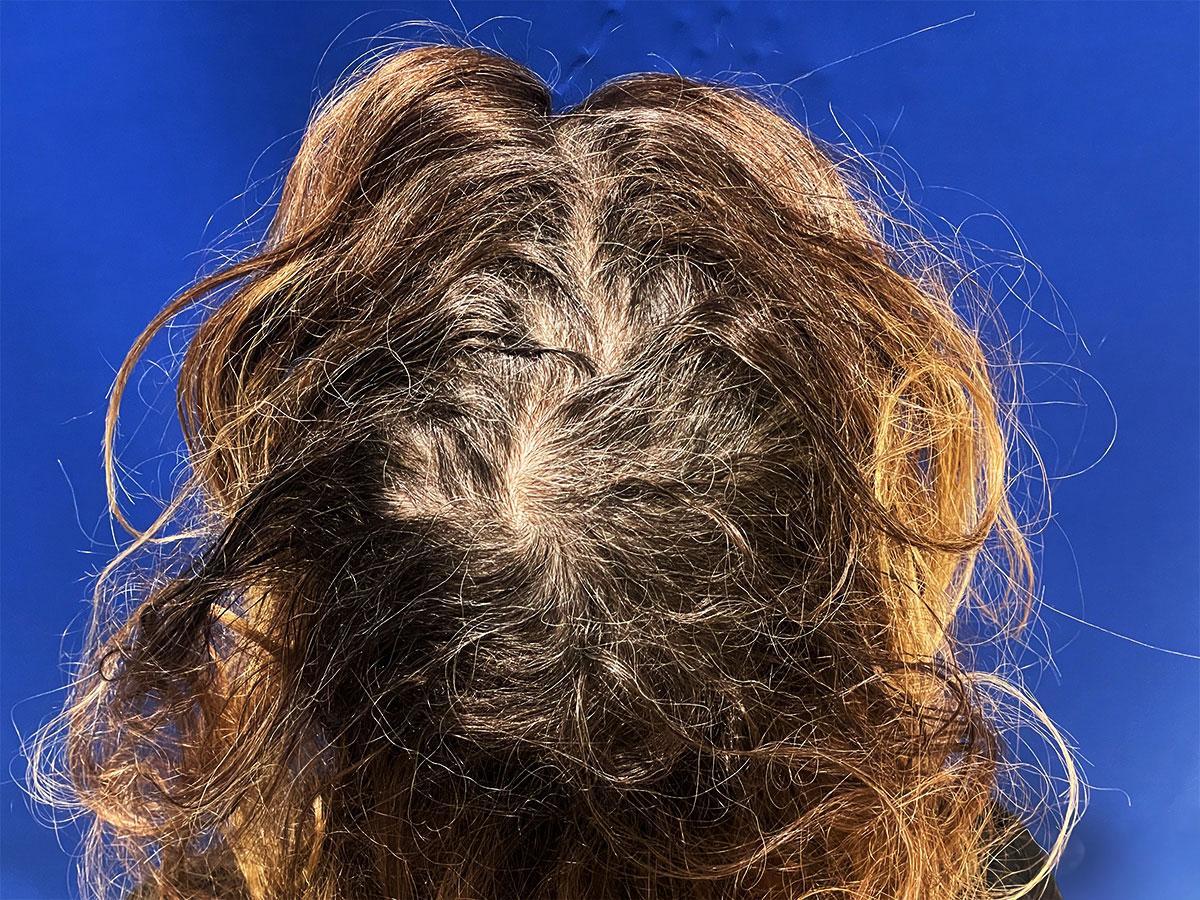
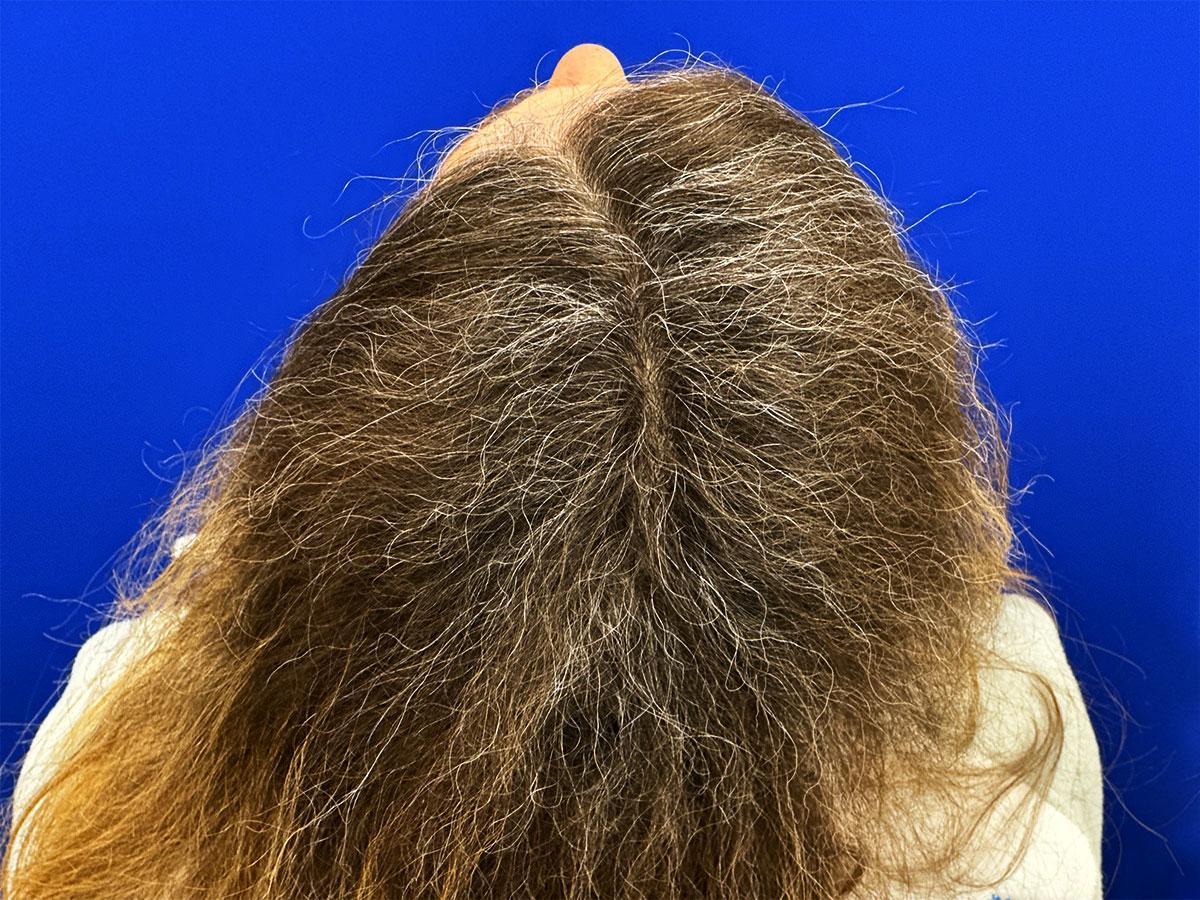




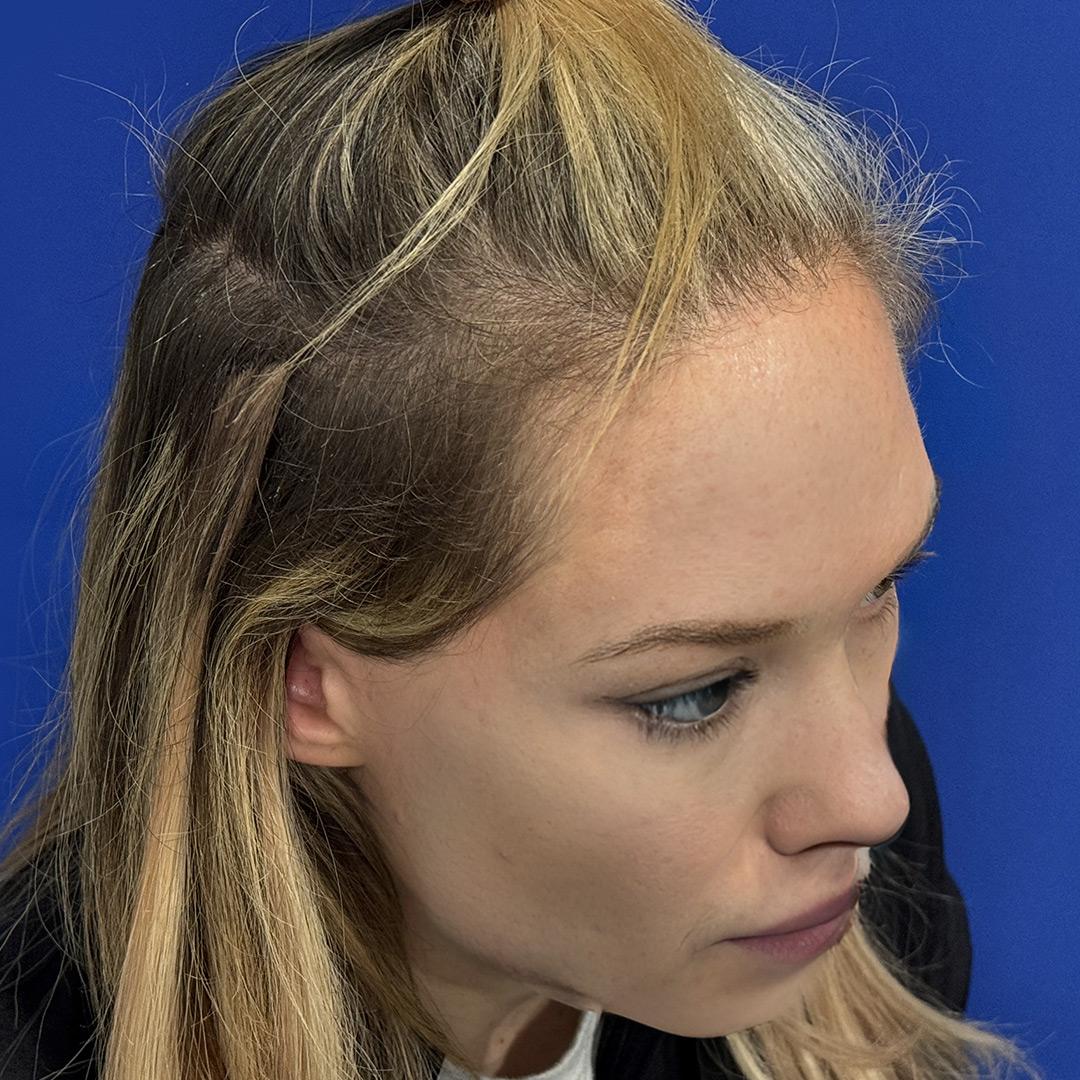
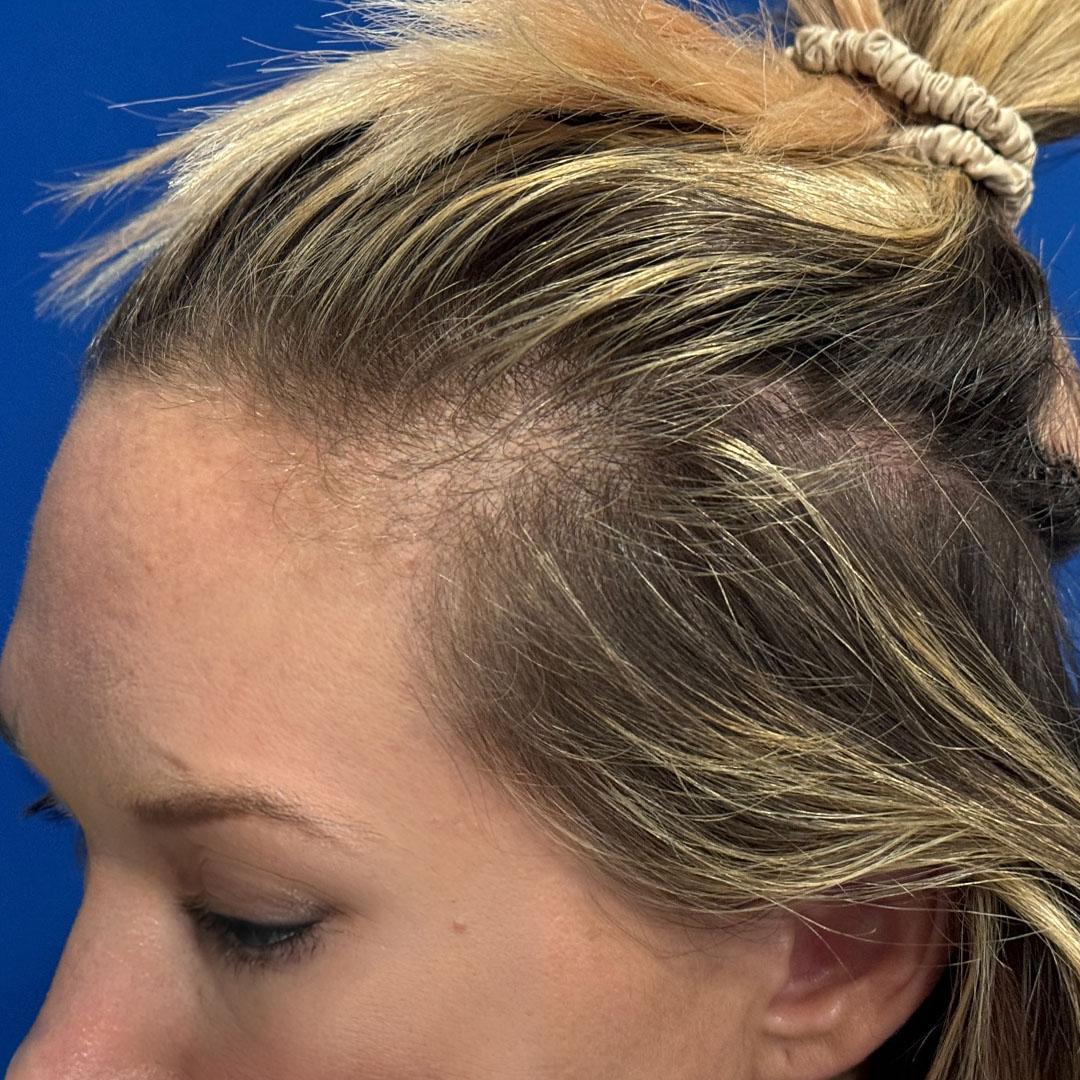
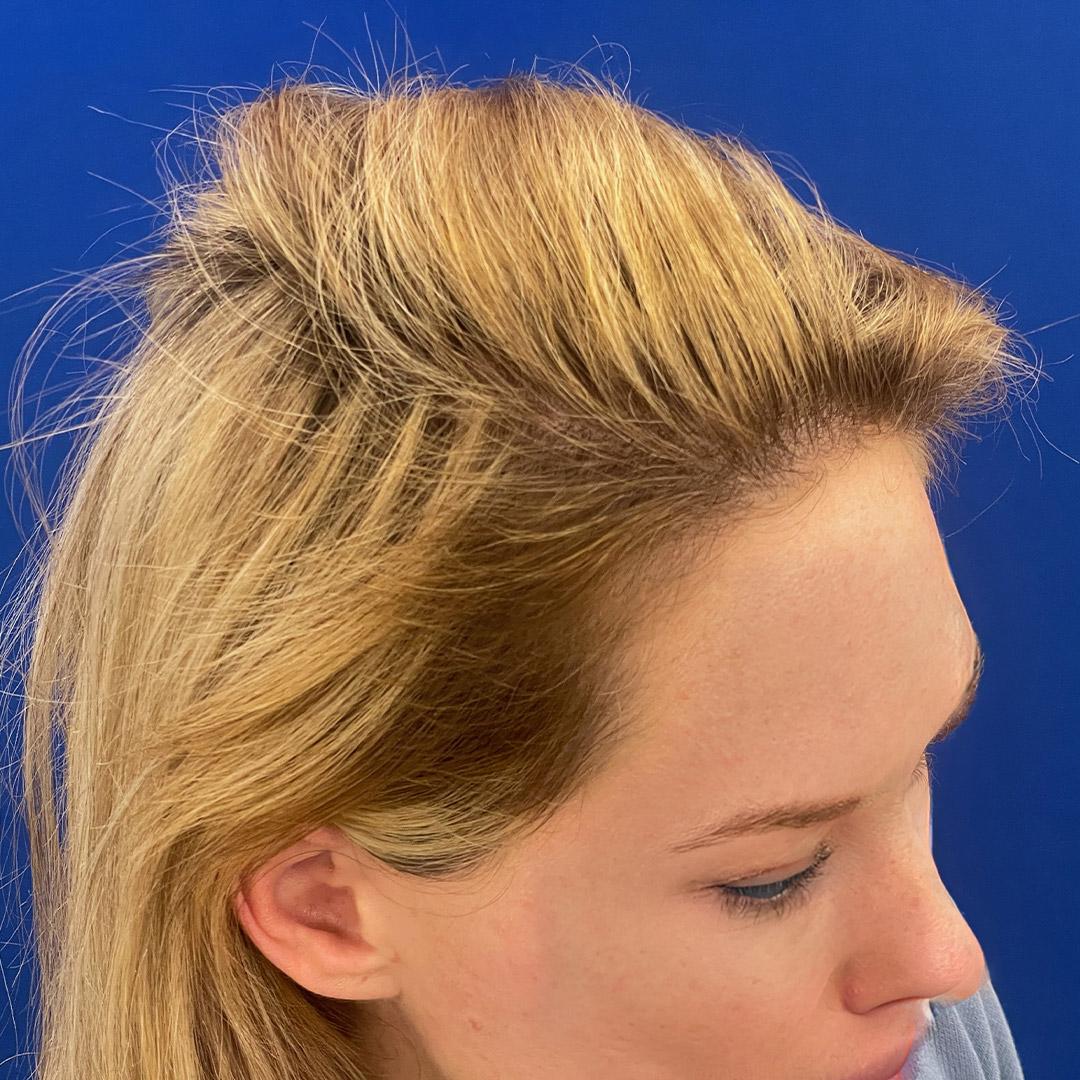
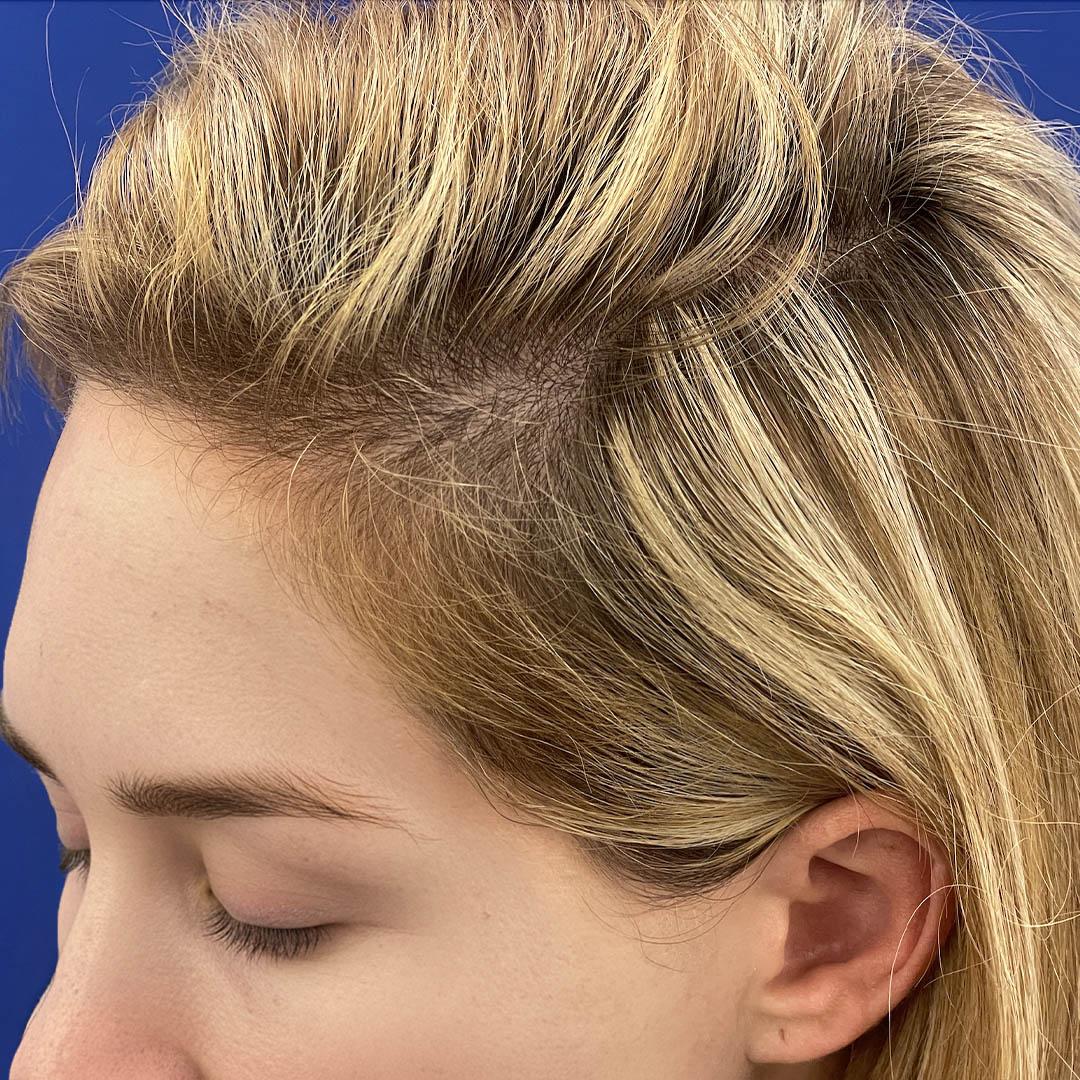
 Postpartum Hair Loss
 Menopausal Hair Loss
 Nutritional or metabolic hair loss
 Hormonal Hair Loss (androgenetic alopecia)
 Post-Chemotherapy hair loss
 Stress-related hair loss (telogen effluvium)