


Hair Restoration for Women After Pregnancy: When Shedding Becomes Hair Loss
Pregnancy brings many changes to the body, including changes to hair growth. Many women enjoy thicker, fuller hair during pregnancy due to elevated hormone levels that keep more hair follicles in the growth phase. However, after childbirth, those hormone levels begin to normalize, often leading to increased shedding.
For most women, postpartum hair shedding is temporary. But when hair loss continues for months, becomes severe, or noticeably affects hair density, it may indicate a need for professional evaluation and treatment.
Understanding the difference between normal postpartum shedding and more significant hair loss can help women determine when to seek hair restoration solutions.
Contact Northwestern Hair Restoration for more information.
Why Hair Changes During Pregnancy
During pregnancy, increased estrogen levels prolong the growth phase of the hair cycle. As a result, fewer hairs enter the shedding phase, making hair appear thicker and fuller.
Many women notice:
- Increased hair volume
- Fuller ponytails
- Reduced daily shedding
- Improved hair texture
These changes are typically temporary and related to hormonal fluctuations.
What Is Postpartum Hair Shedding?
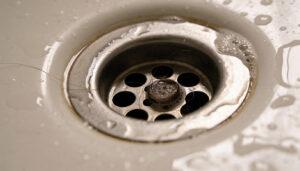 After childbirth, hormone levels gradually return to pre-pregnancy levels. As this happens, many hairs that remained in the growth phase begin transitioning into the shedding phase.
This process is known as postpartum shedding or postpartum telogen effluvium.
Women commonly notice:
- Increased hair in the shower drain
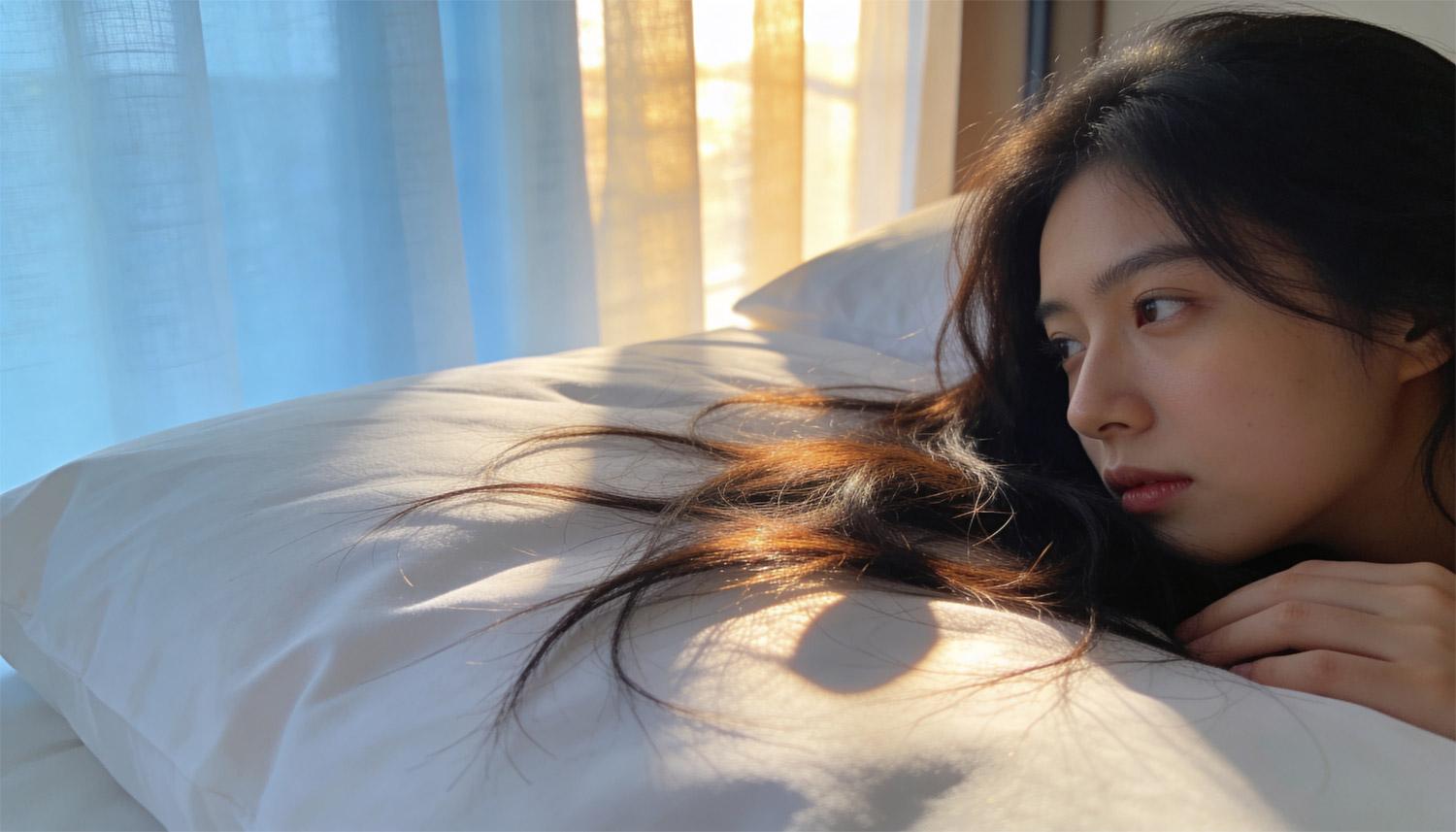
- More hair on pillows or brushes
- Overall reduction in hair volume
- Temporary thinning throughout the scalp
Postpartum shedding often begins several months after delivery and may continue for a period of time before hair growth gradually returns to normal.
When Shedding Becomes Hair Loss
While postpartum shedding is common, some women experience hair loss that extends beyond the normal recovery period.
Warning signs may include:
- Persistent shedding for many months
- Visible scalp exposure
- Widening of the hair part
- Reduced density that does not improve
- Thinning around the hairline or temples
- Continued progression of hair loss
In these cases, an underlying issue may be contributing to the problem.
A professional evaluation can help determine whether the condition is temporary shedding or a more significant form of hair loss requiring treatment.
Common Causes of Ongoing Hair Loss After Pregnancy
Hormonal Changes
Hormones continue to fluctuate after childbirth, particularly during breastfeeding and postpartum recovery. These changes may affect hair growth cycles for some women.
Nutritional Deficiencies
Pregnancy and childbirth place significant demands on the body’s nutritional reserves.
Deficiencies involving iron, protein, vitamin D, and other nutrients may contribute to prolonged hair loss.
Stress
The physical and emotional demands of caring for a newborn can affect the body in numerous ways, including the hair growth cycle.
Stress-related shedding may prolong recovery and contribute to ongoing thinning.
Underlying Female Pattern Hair Loss
In some cases, pregnancy may reveal an underlying predisposition to female pattern hair loss.
Women who were already genetically susceptible may notice that hair density does not fully recover after postpartum shedding resolves.
Why Early Evaluation Matters
Many women assume their hair will eventually return to normal and delay seeking professional guidance.
While some cases improve naturally, prolonged hair loss may benefit from early intervention.
A physician-led evaluation can help determine:
- Whether hair follicles remain active
- The cause of ongoing shedding
- The extent of density loss
- Appropriate treatment options
- Long-term hair restoration goals
Early treatment may help preserve existing hair and improve outcomes.
Non-Surgical Hair Restoration for Postpartum Hair Loss
Many women experiencing postpartum hair loss prefer non-surgical treatment options.
Regenerative Hair Restoration
 Advanced regenerative therapies focus on supporting scalp health and promoting healthier follicle function.
At Northwestern Hair, Autologous Conditioned Serum (ACS) is used in customized hair restoration programs to promote natural hair growth and improve follicle health.
Because ACS utilizes the body’s own regenerative components, many women appreciate its non-surgical approach and personalized treatment strategy.
Scalp and Hair Health Optimization
Improving scalp health often plays an important role in restoring hair density.
Comprehensive treatment plans may address factors that affect follicle performance while supporting healthier hair growth over time.
Personalized Treatment Planning
Every woman’s postpartum experience is different.
A personalized evaluation allows physicians to develop treatment recommendations based on the underlying cause of hair loss rather than relying on generalized solutions.
Can Hair Restoration Help Restore Density?
Many women experiencing postpartum hair loss are surprised to learn that treatment options exist beyond simply waiting for hair to return.
Depending on the cause of thinning, hair restoration treatments may help:
- Improve hair density
- Support healthier growth cycles
- Preserve existing follicles
- Reduce ongoing thinning
- Enhance overall scalp health
The key is identifying the root cause before developing a treatment plan.
When to Seek Professional Help
You may benefit from a hair restoration consultation if:
- Shedding continues longer than expected
- Hair density continues decreasing
- Your scalp becomes more visible
- The hairline begins thinning
- Hair loss affects confidence or daily life
The earlier the issue is evaluated, the more treatment options may be available.
Why Women Choose Northwestern Hair
Women experiencing postpartum hair loss often seek solutions that address the underlying cause of thinning rather than temporary cosmetic fixes.
At Northwestern Hair, every patient receives a comprehensive evaluation designed to identify contributing factors and create a personalized restoration strategy.
Led by Dr. Vinay Rawlani, the practice combines advanced regenerative therapies, physician-led care, and individualized treatment planning to help women pursue healthier, fuller-looking hair.
Schedule a Hair Restoration Consultation
If postpartum shedding has become persistent hair loss, professional evaluation can help determine the cause and identify effective treatment options.
Whether you’re experiencing ongoing thinning, reduced density, or concerns about future hair loss, a personalized consultation can help you develop a strategy for restoring both your hair and confidence.