




How Stress Impacts Hair Loss in Both Men and Women
Stress affects nearly every system in the body, including hair growth. While most people associate hair loss with genetics or aging, chronic stress can also play a significant role in thinning hair, increased shedding, and changes in overall hair health.
Both men and women can experience stress-related hair loss, and in some cases, the effects may become noticeable weeks or even months after a stressful event. Understanding the connection between stress and hair loss can help individuals recognize the warning signs and seek appropriate treatment before the problem progresses.
Contact Northwestern Hair Restoration for more information.
Can Stress Really Cause Hair Loss?
 Yes. Stress can disrupt the normal hair growth cycle and trigger conditions that lead to excessive shedding and reduced hair density.
Hair normally grows in cycles that include:
- The growth phase (anagen)
- The transition phase (catagen)
- The resting and shedding phase (telogen)
When the body experiences significant physical or emotional stress, more hair follicles may prematurely enter the shedding phase. This can result in noticeable hair loss several weeks or months after the triggering event.
While stress is not always the sole cause of hair loss, it can contribute to thinning and may worsen existing hair loss conditions.
Types of Stress-Related Hair Loss
Telogen Effluvium
Telogen effluvium is one of the most common forms of stress-related hair loss.
This condition occurs when a significant number of hair follicles enter the resting phase at the same time, leading to increased shedding throughout the scalp.
Potential triggers include:
- Emotional stress
- Illness
- Surgery
- Major life changes
- Rapid weight loss
- Physical trauma
Individuals often notice increased hair shedding during washing, brushing, or styling.
Exacerbation of Genetic Hair Loss
Stress may not directly cause hereditary hair loss, but it can accelerate or make existing thinning more noticeable.
Men and women already predisposed to pattern hair loss may observe increased shedding or faster progression during periods of chronic stress.
Hair Growth Disruption
Chronic stress can affect hormone regulation, sleep quality, and overall health, all of which influence hair follicle function.
Over time, these disruptions may contribute to reduced hair quality, slower growth, and decreased density.
Common Signs of Stress-Related Hair Loss
Stress-related hair loss often appears differently from hereditary hair loss.
Common signs include:
- Increased daily shedding
- Hair found on pillows, brushes, or in the shower
- Diffuse thinning across the scalp
- Reduced overall hair volume
- Sudden changes in density
- More visible scalp
Unlike male pattern hair loss, stress-related shedding often occurs throughout the scalp rather than in isolated areas.
How Stress Affects Men and Women Differently
Stress and Hair Loss in Men
Men experiencing chronic stress may notice increased shedding in addition to any existing hereditary hair loss.
Stress may also contribute to lifestyle factors that negatively affect hair health, including poor sleep, inadequate nutrition, and hormonal fluctuations.
Stress and Hair Loss in Women
Women frequently experience diffuse thinning related to stress.
Hair loss may be particularly noticeable after:
- Pregnancy
- Major life transitions
- Emotional trauma
- Significant illness
- Career-related stress
Women often notice widening hair parts, reduced volume, or increased shedding on the scalp.
The Link Between Stress Hormones and Hair Growth
Stress triggers the release of hormones such as cortisol, which can influence numerous biological processes.
When cortisol levels remain elevated for extended periods, the body’s normal hair growth cycle may become disrupted.
Chronic stress can also contribute to:
- Sleep disturbances
- Nutritional deficiencies
- Inflammation
- Hormonal imbalances
Each of these factors may negatively affect hair follicle function and overall scalp health.
Is Stress-Related Hair Loss Permanent?
 In many cases, stress-related hair loss is temporary.
When the underlying stressor is resolved, hair growth often gradually returns to normal over time. However, recovery may take several months because hair follicles require time to re-enter the active growth phase.
For some individuals, stress may uncover or accelerate underlying hair loss conditions that require additional treatment.
A professional evaluation can help determine whether hair loss is purely stress-related or influenced by other factors.
How Hair Loss Is Evaluated
Because multiple conditions can contribute to thinning hair, proper diagnosis is essential.
A physician-led evaluation may assess:
- Medical history
- Hair loss pattern
- Recent life events
- Hormonal influences
- Nutritional factors
- Scalp health
Understanding the underlying cause allows for more targeted treatment recommendations.
Treatment Options for Stress-Related Hair Loss
Addressing the Underlying Stressor
Managing stress is often an important part of the recovery process.
Improving sleep, maintaining a balanced diet, exercising regularly, and developing healthy coping strategies may help support overall wellness and hair health.
Non-Surgical Hair Restoration
Many individuals experiencing stress-related hair loss benefit from treatments designed to support follicle function and scalp health.
At Northwestern Hair, Autologous Conditioned Serum (ACS) is used as part of personalized hair restoration programs designed to encourage natural hair growth and support healthier follicles.
Hair Preservation Strategies
Early intervention may help preserve existing hair and improve the likelihood of maintaining density over time.
Personalized treatment plans are often more effective than generalized approaches because they address the specific factors contributing to hair loss.
Why Early Treatment Matters
Many people assume stress-related hair loss will resolve on its own and wait too long before seeking professional guidance.
Early evaluation may help:
- Identify underlying causes
- Preserve active follicles
- Improve treatment outcomes
- Prevent unnecessary progression
- Expand treatment options
The sooner the cause is identified, the sooner an effective plan can be developed.
Why Patients Choose Northwestern Hair
At Northwestern Hair, every patient receives a comprehensive evaluation designed to identify the factors contributing to hair loss.
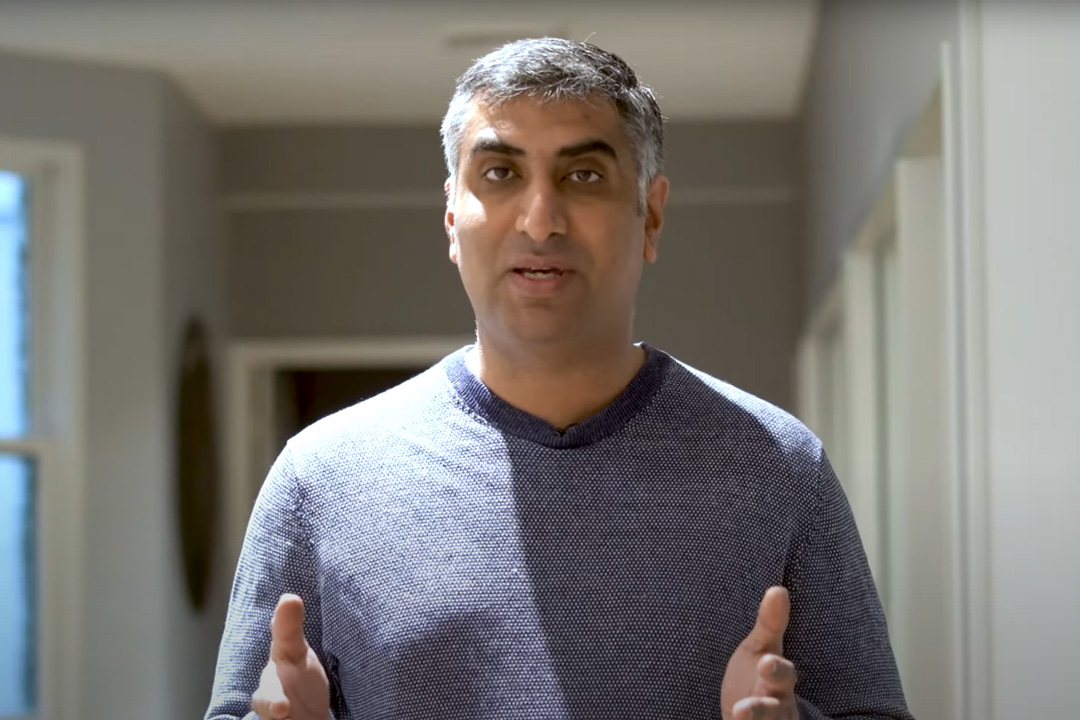
Led by Dr. Vinay Rawlani, the practice combines advanced regenerative therapies, physician-led care, and individualized treatment planning to help men and women pursue healthier, fuller-looking hair.
By focusing on the root causes of hair loss, Northwestern Hair helps patients develop long-term strategies for maintaining hair health and density.
Schedule a Hair Restoration Consultation
If you’re experiencing increased shedding, thinning hair, or concerns about stress-related hair loss, a professional evaluation can help determine the cause and identify effective treatment options.
Understanding how stress impacts hair growth is the first step toward protecting your hair and restoring confidence.