
You have probably been told it is stress. Or hormones. Or that it happens to everyone and there is not much to be done about it.
If you have lived with thinning hair for months or years without a real answer, the problem was never that your hair loss is unexplainable. The problem is that nobody looked closely enough, or looked at only one part of it.
Hair loss in women is rarely caused by one thing. It is usually several contributors overlapping — a hormonal shift, a stretch of low ferritin, a scalp that has been quietly inflamed for years, a susceptibility that was always there and finally found its opening. Each too small to explain the loss on its own. Together, more than enough.
That is why female hair loss diagnosis has to be thorough. It begins with a consultation and, depending on what that consultation finds, may include trichoscopy, hair strand analysis, full laboratory blood testing, epigenetic and follicle-response assessment, and scalp biopsy.
If you are trying to understand why your hair is changing — and what treatment makes sense for your specific pattern of loss — this page walks through how a physician and a trichologist evaluate female hair loss, how those findings shape a personalized plan, and where to find specialist diagnosis and care in Chicago, Deerfield, Winnetka and Clarendon Hills.
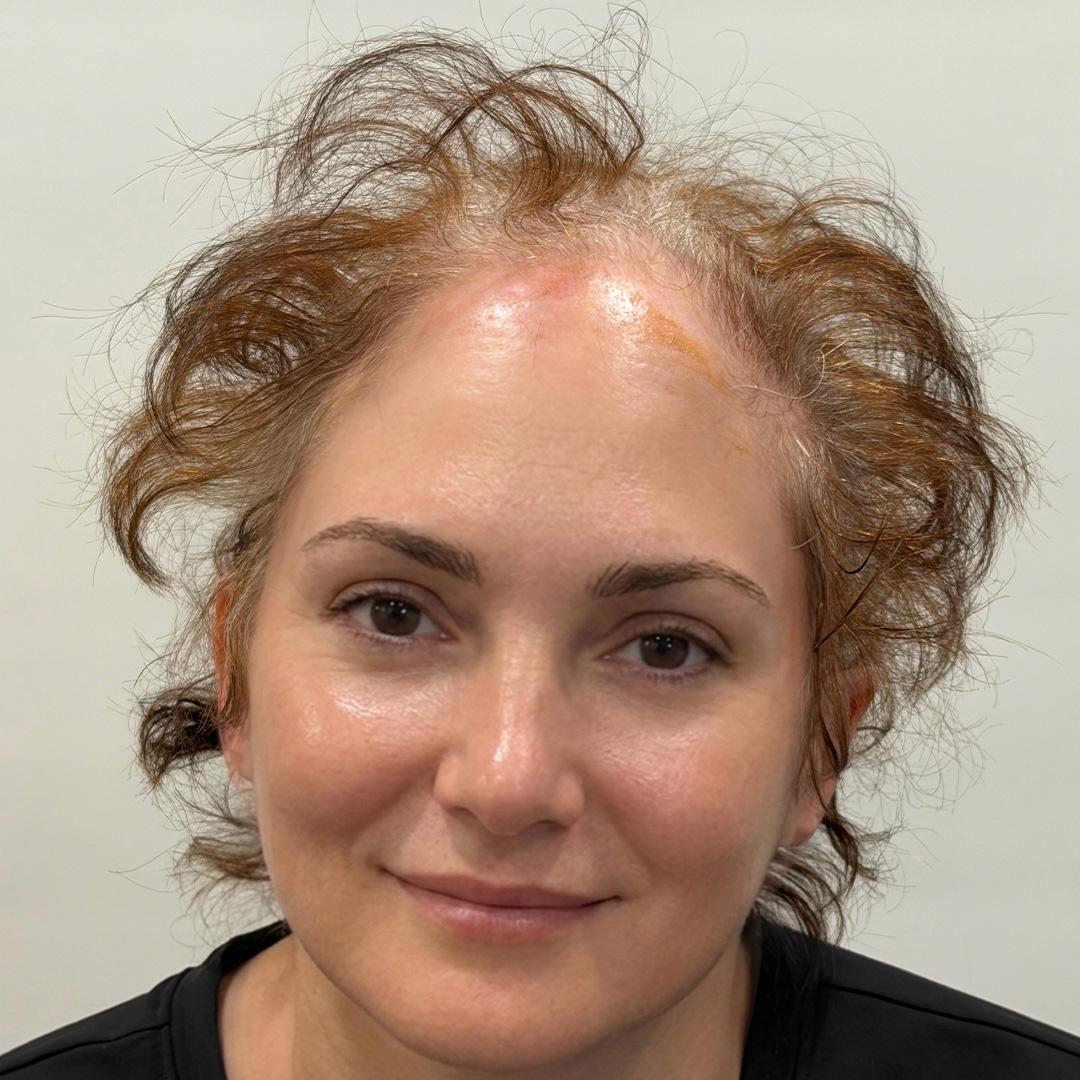
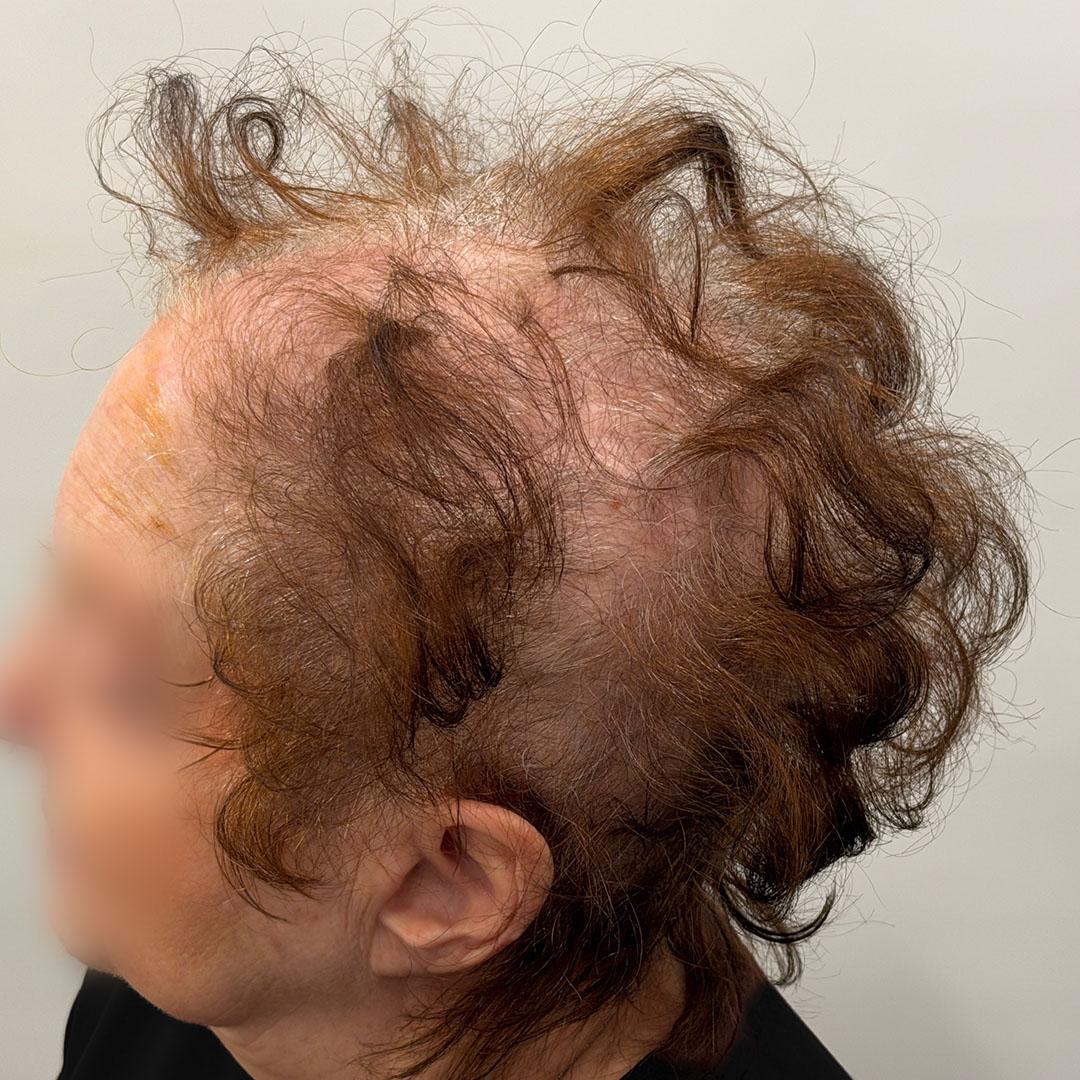
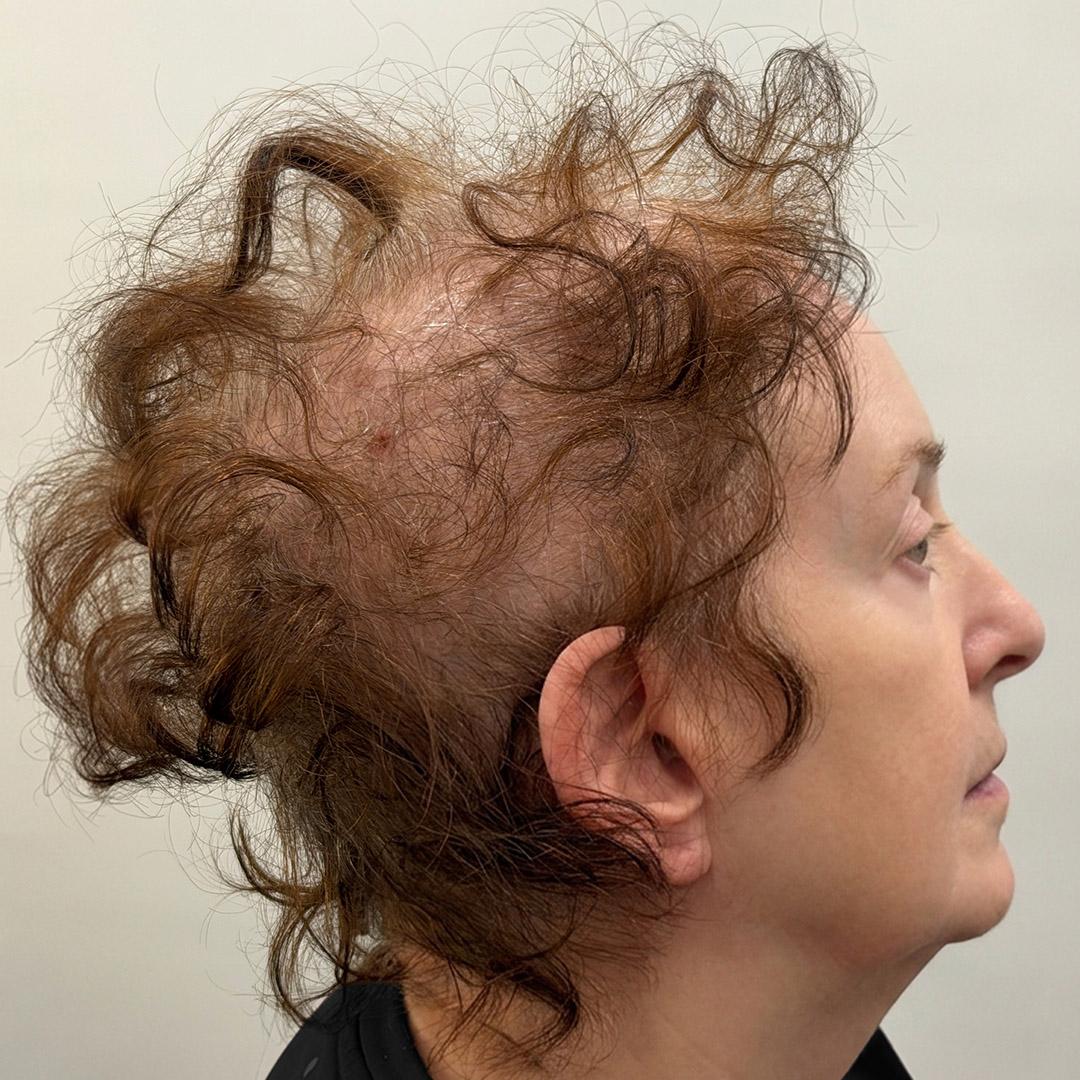
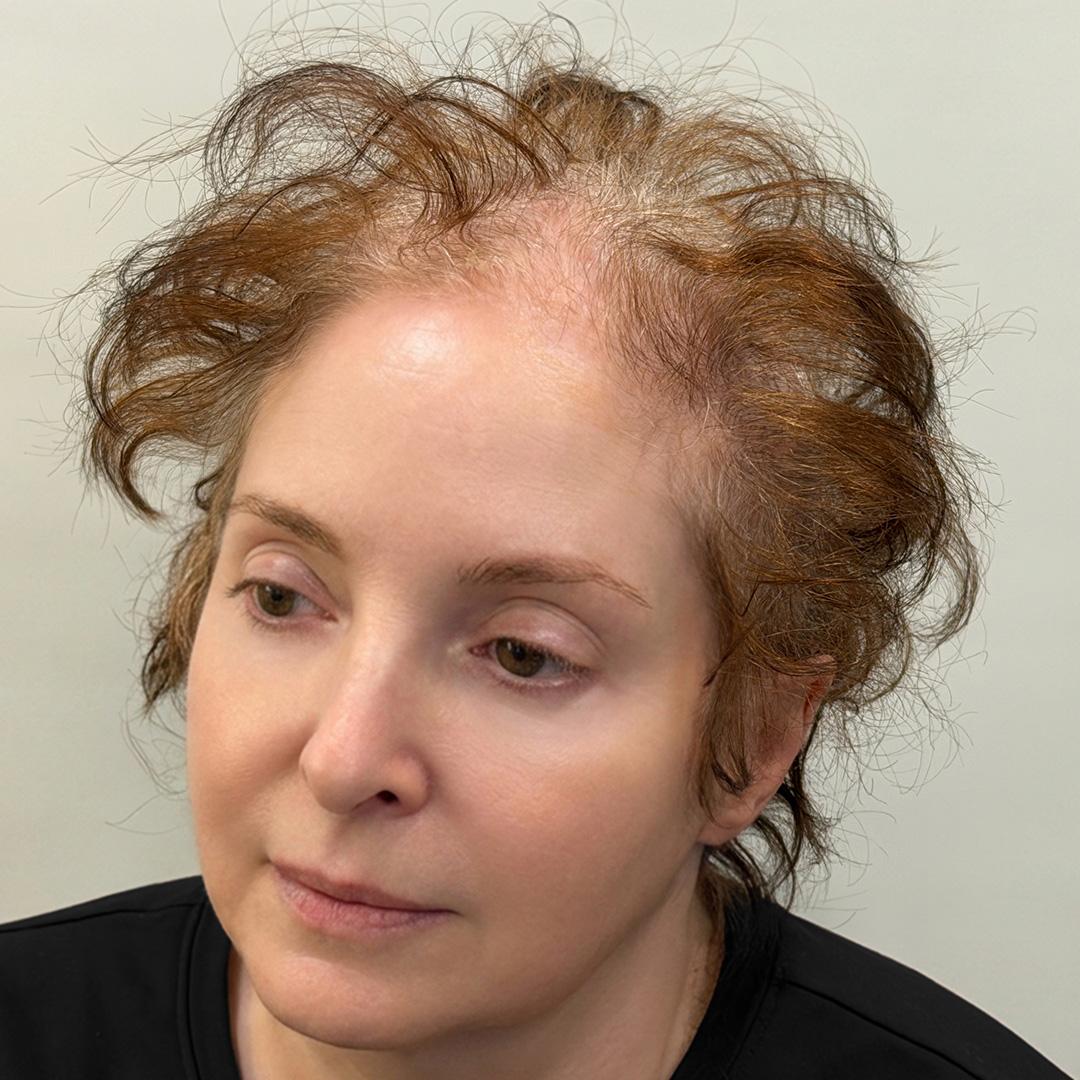
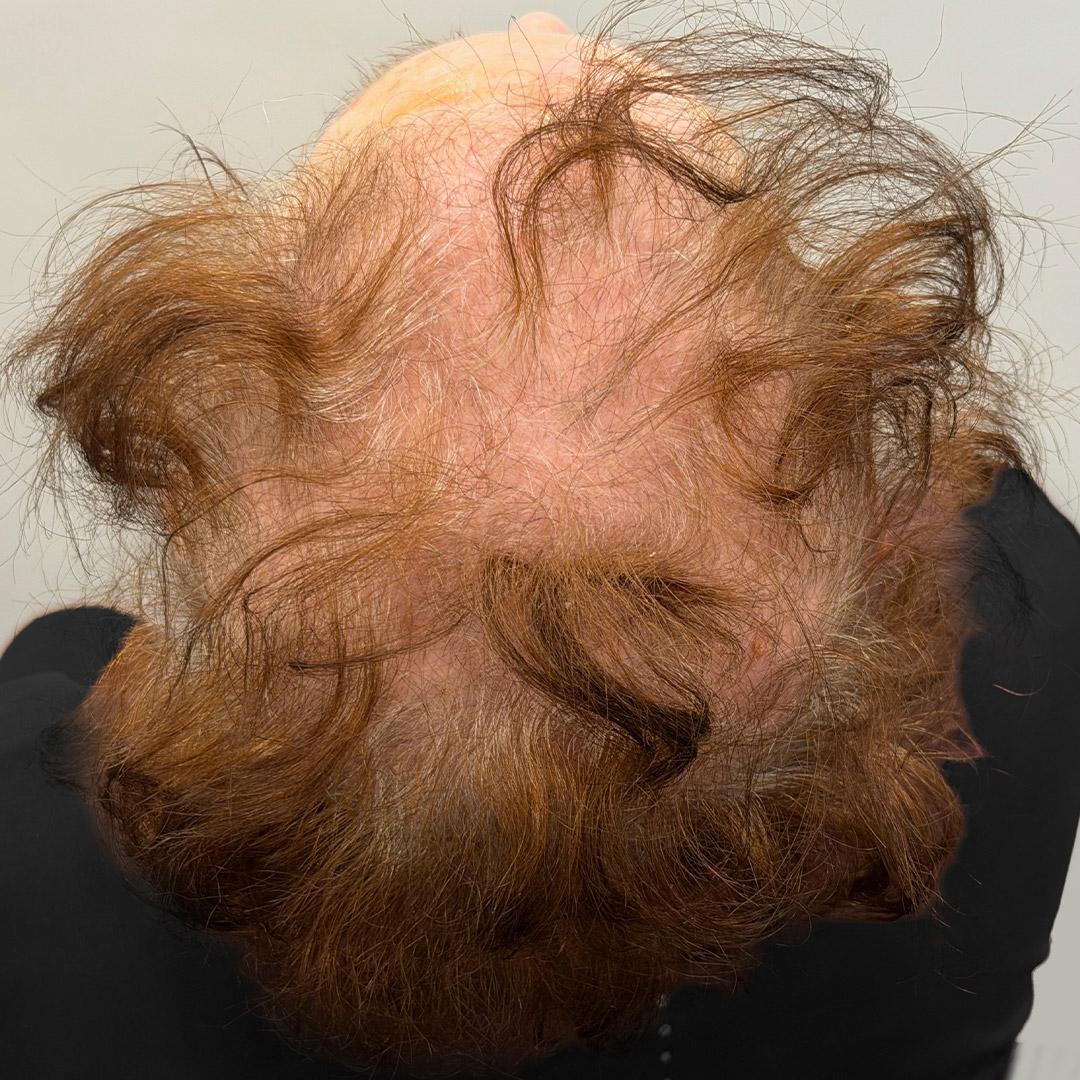
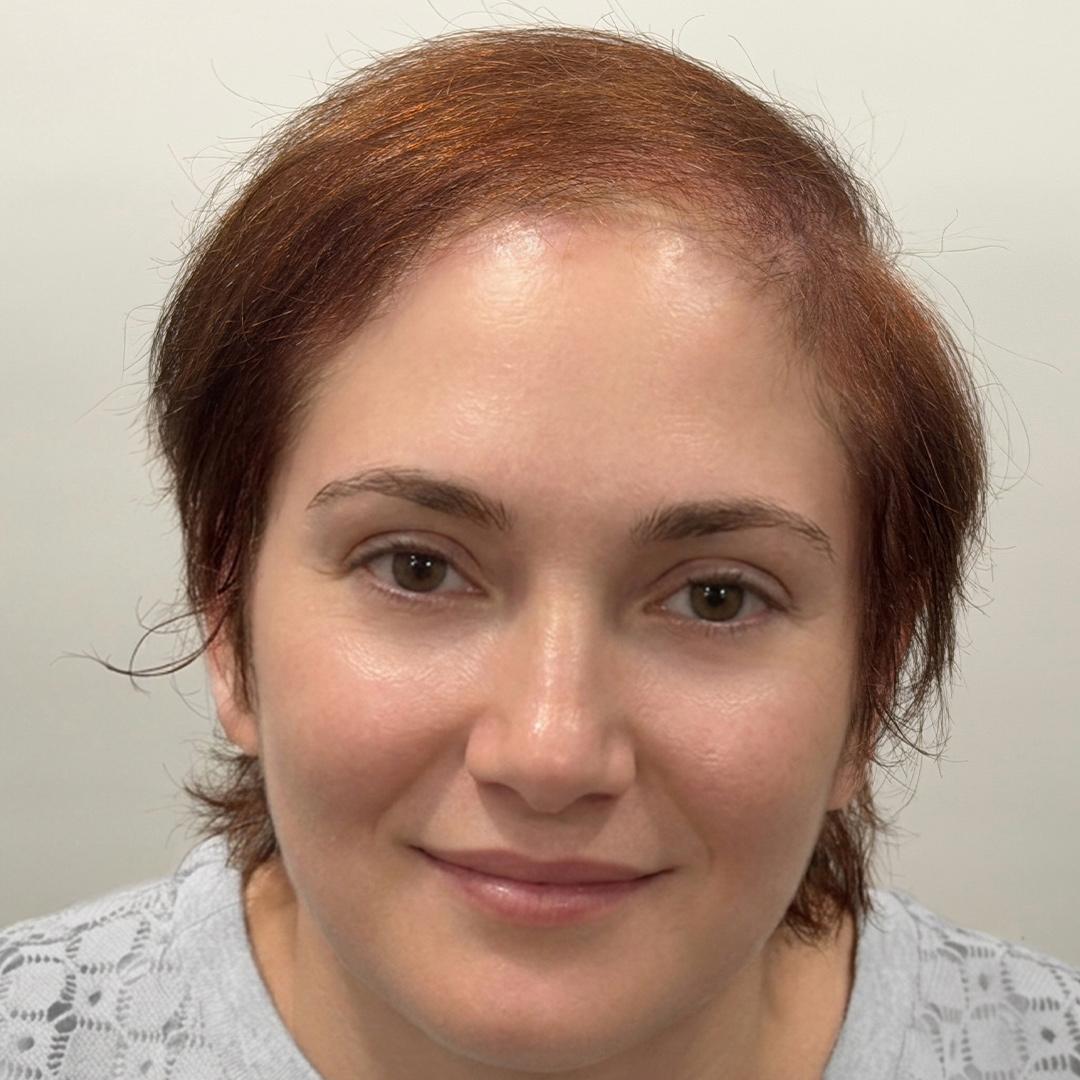
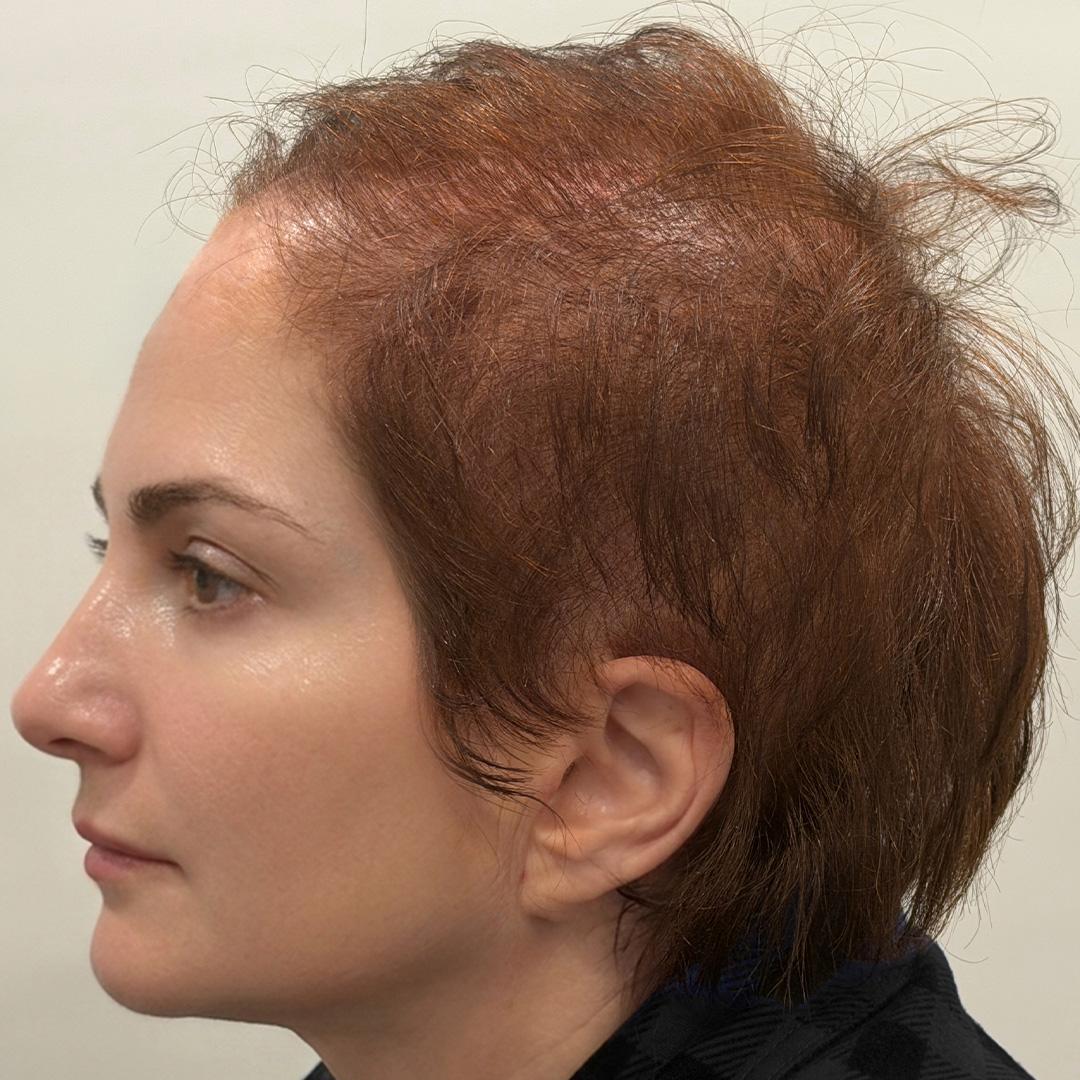
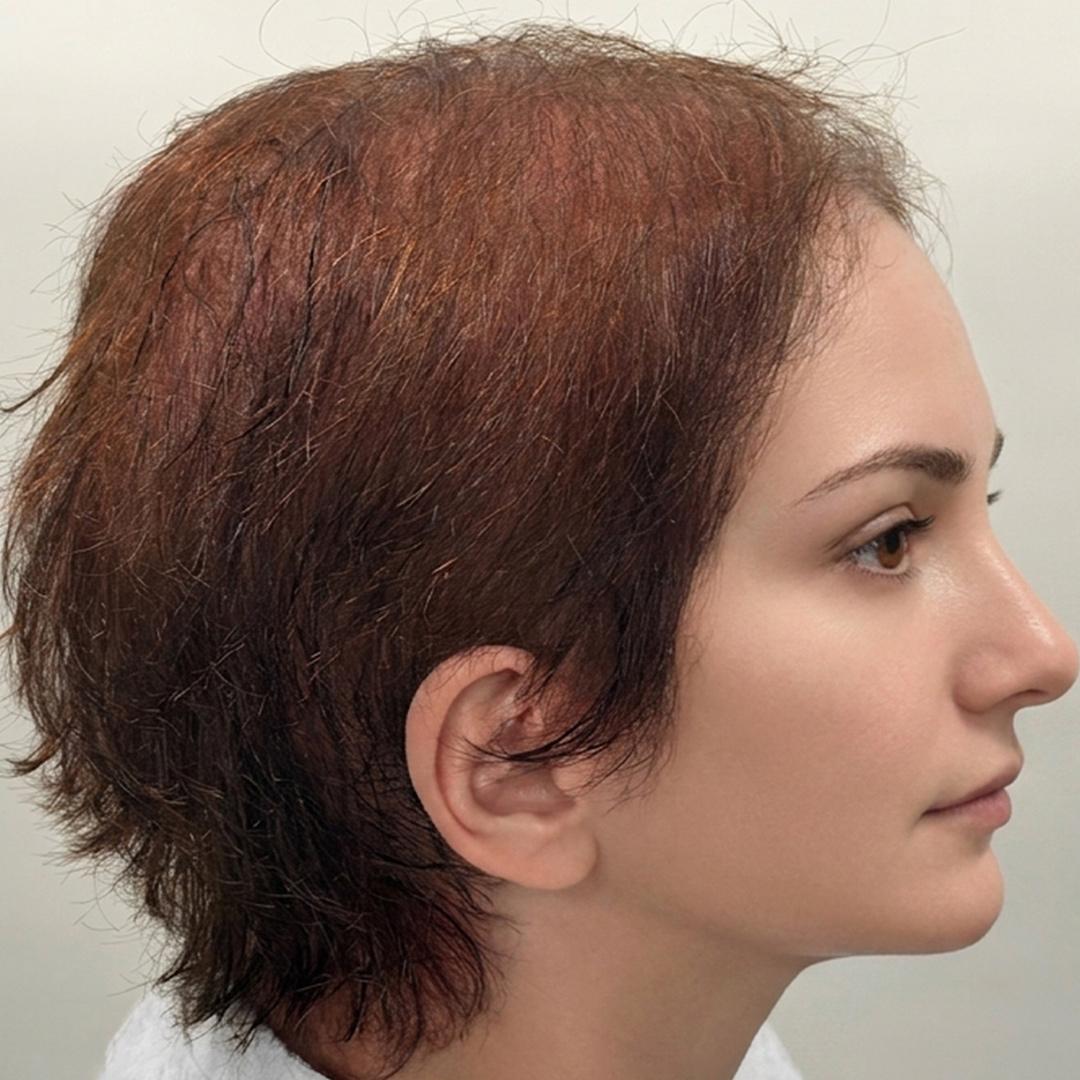
There are two consultations, and you can book either one. Both are $100, and neither fee is applied toward treatment, so the choice is about which one fits your situation rather than which one costs less.

One-on-one with Dr. Vinay Rawlani
Session Duration
30 min
Available in
Chicago, Deerfield, Winnetka and Clarendon Hills
Investment
$100
A medical consultation directed at identifying the underlying cause of your hair loss.
It includes a complete review of your medical history, trichoscopy, and diagnostic evaluation of the scalp. Where the cause is clear from that evaluation, Dr. Vinay prescribes your initial treatment at the same visit. Where it is not, he orders the diagnostic testing that will establish it — laboratory panels, biopsy, or the other assessments described below.
Either way, you leave with a direction rather than a maybe.
Dr. Vinay evaluates the medical causes of hair loss — the ones that require clinical diagnosis and prescriptive treatment. That means what is happening inside the body to produce what you see on your scalp: hormonal, metabolic, nutritional, inflammatory and autoimmune contributors, along with family history, androgen excess, and the susceptibility underneath them. It is also what distinguishes female pattern hair loss from other causes of diffuse thinning and abnormal shedding.
The treatments that follow are medical and procedure-based: prescription therapy, in-office non-surgical treatment, and hair transplantation where it is the right answer.

With Debbie Ansay-Martinez
Session Duration
One hour
Available in
Chicago and Deerfield
Investment
starting at
$100
A non-invasive evaluation of the health of your hair and the skin it grows from.
Alongside the imaging comes a structured review of the nutritional, lifestyle and hormonal circumstances a follicle has been asked to grow through, including your hair care habits, the products you use, and your broader hair care history.
The care that follows is scalp-directed, and for a great many women with thinning and shedding it produces real, documented benefit — often the difference between a scalp that keeps losing ground and one that stabilizes.
Debbie is a Board Certified Holistic Health Practitioner and Trichologist, and a Certified Polarized Light Microscopy Technician through the Italian Academy of Hair Microscopy. For many women, hers is the first evaluation where someone actually examined the scalp rather than glanced at it.

The $100 fee is separate and is not credited toward treatments or packages. Hair Follicle Discovery is also the required first step before any of the scalp treatments.
Either. Neither is a prerequisite for the other, and there is no wrong door.
If your scalp itself is symptomatic — itching, flaking, oily, tender — or you want to understand the condition of your hair and scalp, start with Debbie. If you want to know whether a medical cause is driving your hair loss, start with Dr. Vinay.
Many women eventually have both, because the two consultations answer different questions. But you do not need to decide that now. Book either one and say you are unsure — the first practitioner you see will recommend the other evaluation when it would benefit you.
What follows your consultation depends on what your consultation found. These are not steps to be worked through in order, and most women do not need all of them. They are different ways of looking, each answering a question the others cannot.
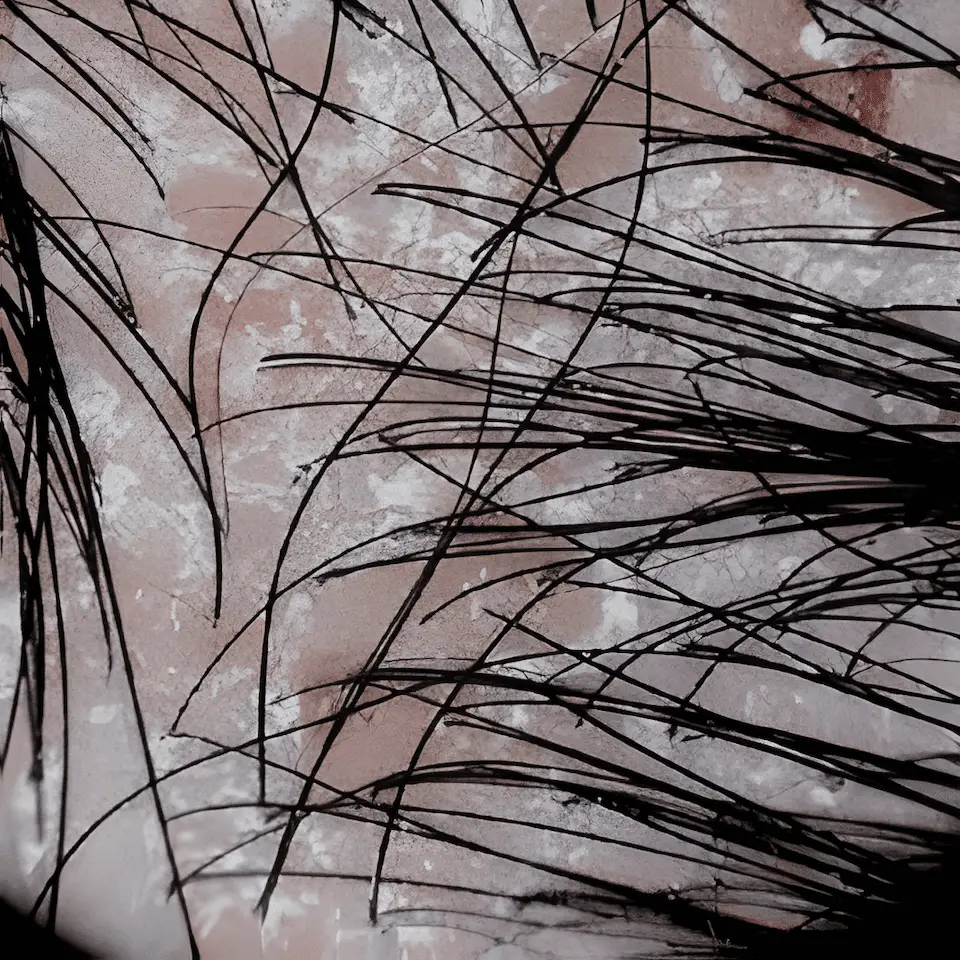
Magnified, high-definition imaging of the scalp and the base of the hair shaft — the level of detail the unaided eye cannot reach.
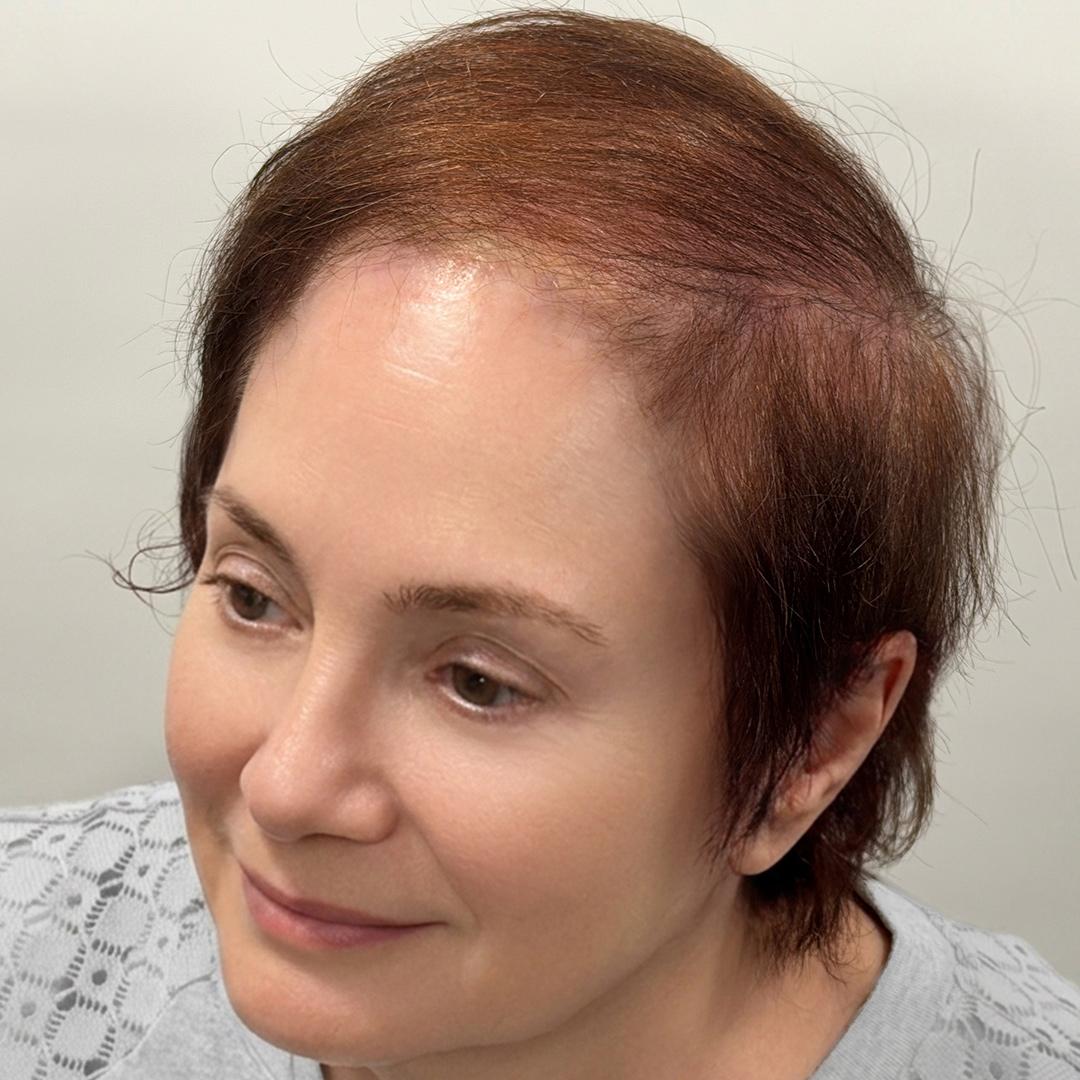
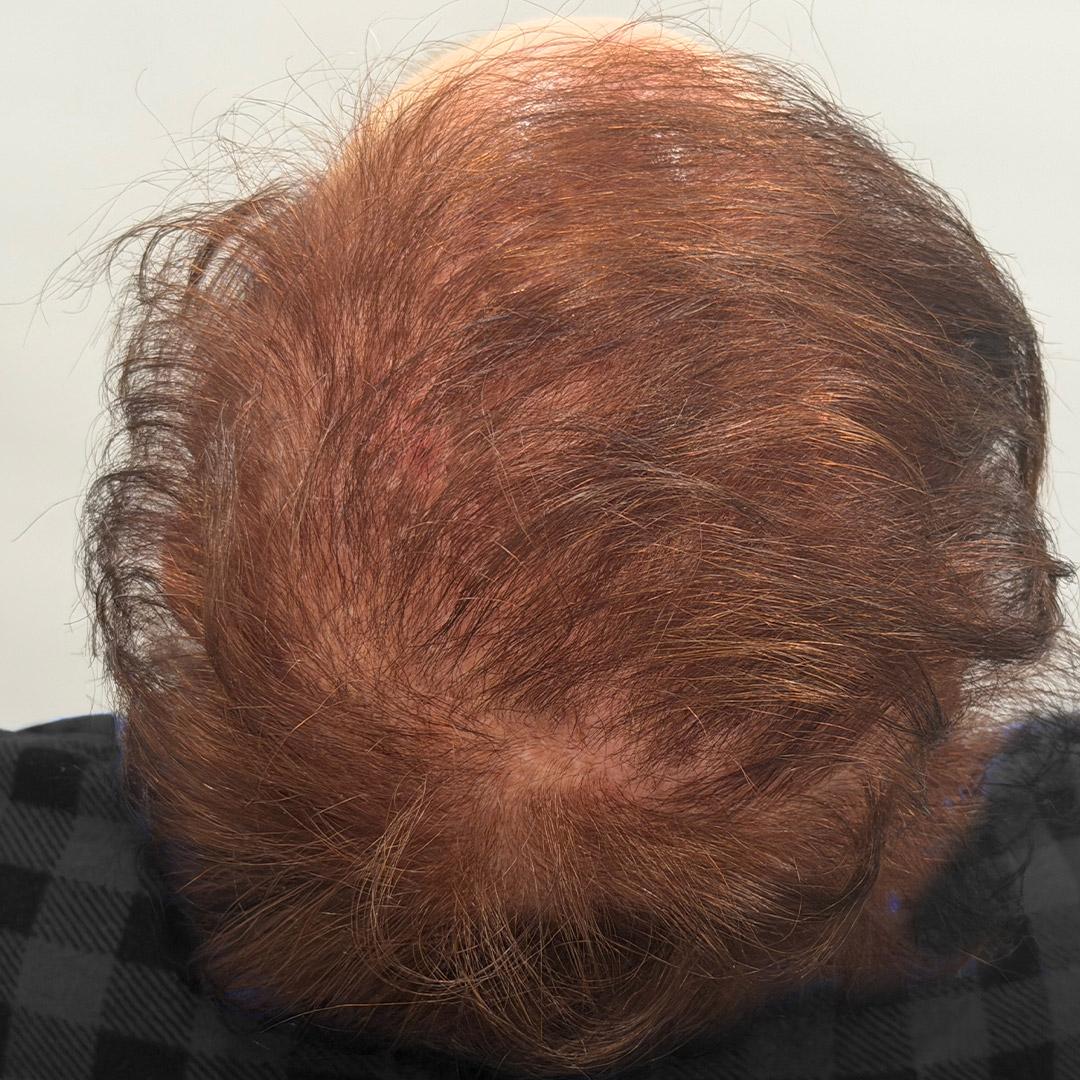
Trichoscopy is where a pattern first becomes visible. In female pattern hair loss, that often appears as gradual thinning through the crown or a widening part. Miniaturization in a distribution consistent with androgenetic alopecia looks quite different from the uniform shedding of telogen effluvium. Both look different again from patchy loss with discrete bald patches and broken hairs, and different again from an inflammatory or scarring process. Imaging is what separates them.
Whether the scalp environment is part of the problem.

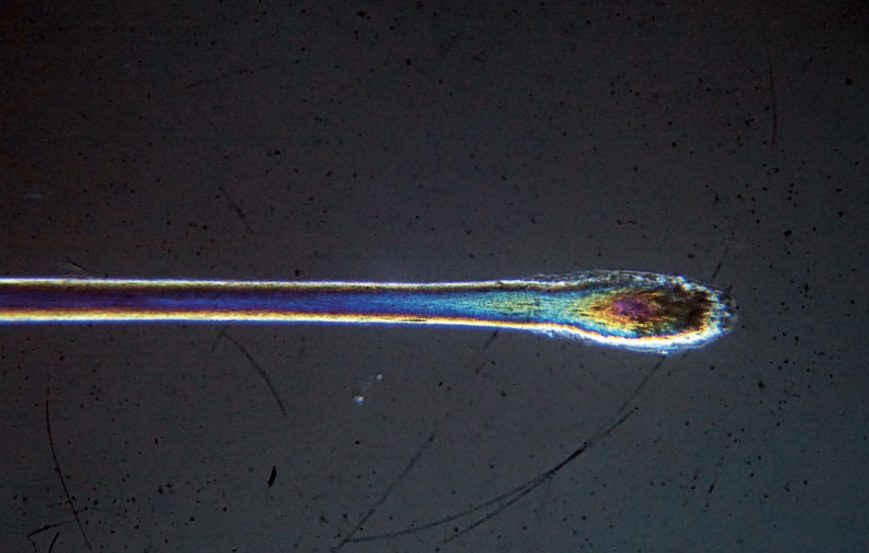
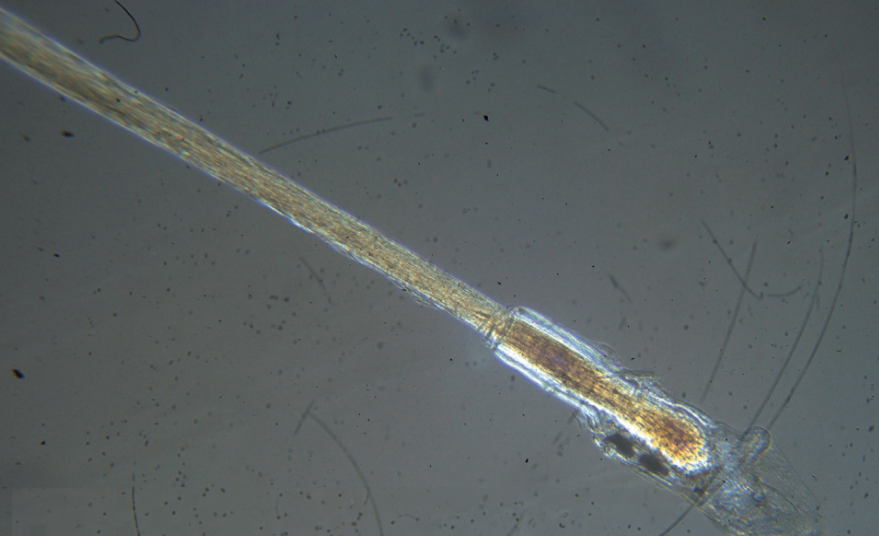
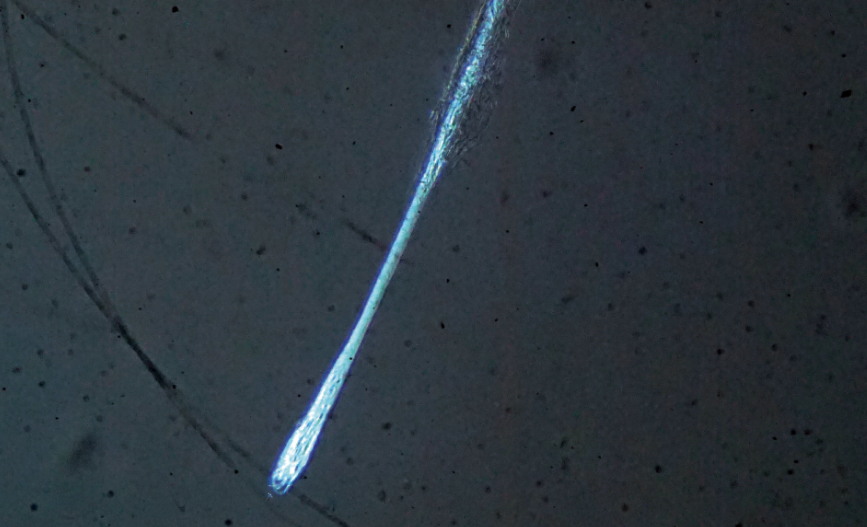
Not all hair loss is loss. Some of it is breakage.
If your hair is snapping mid-shaft, changing texture, or failing to hold length — while your scalp coverage stays largely intact — the problem is not happening at the follicle. It is happening along the strand, and it requires a different examination entirely.
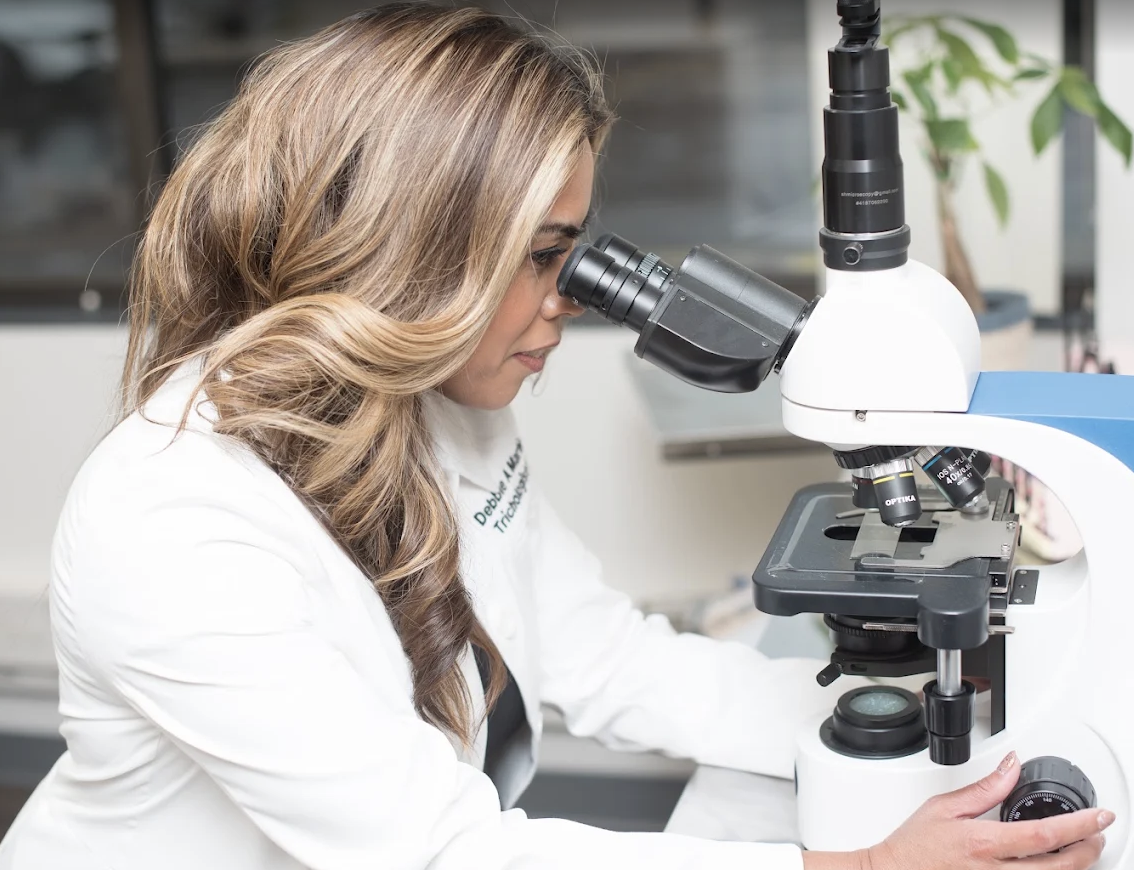
Debbie collects and examines hair strands during your evaluation, assessing the structure and integrity of the hair itself and the abnormalities that cause it to break or change texture. Where findings warrant it, she performs polarized light microscopy, which reveals structural defects that ordinary magnification cannot. She is certified in this technique through the Italian Academy of Hair Microscopy.
This is what identifies the less common hair shaft disorders — the ones frequently mistaken for hair loss, treated as hair loss for years, and never resolved, because the treatment was aimed at the wrong part of the hair.
Scalp biopsy asks why hair is being lost. Hair strand analysis asks why hair is being damaged. They are different questions, and a woman experiencing breakage deserves the second one to be asked.
Laboratory Testing
Available at Home
Your scalp shows what is happening. Your bloodwork often explains it.
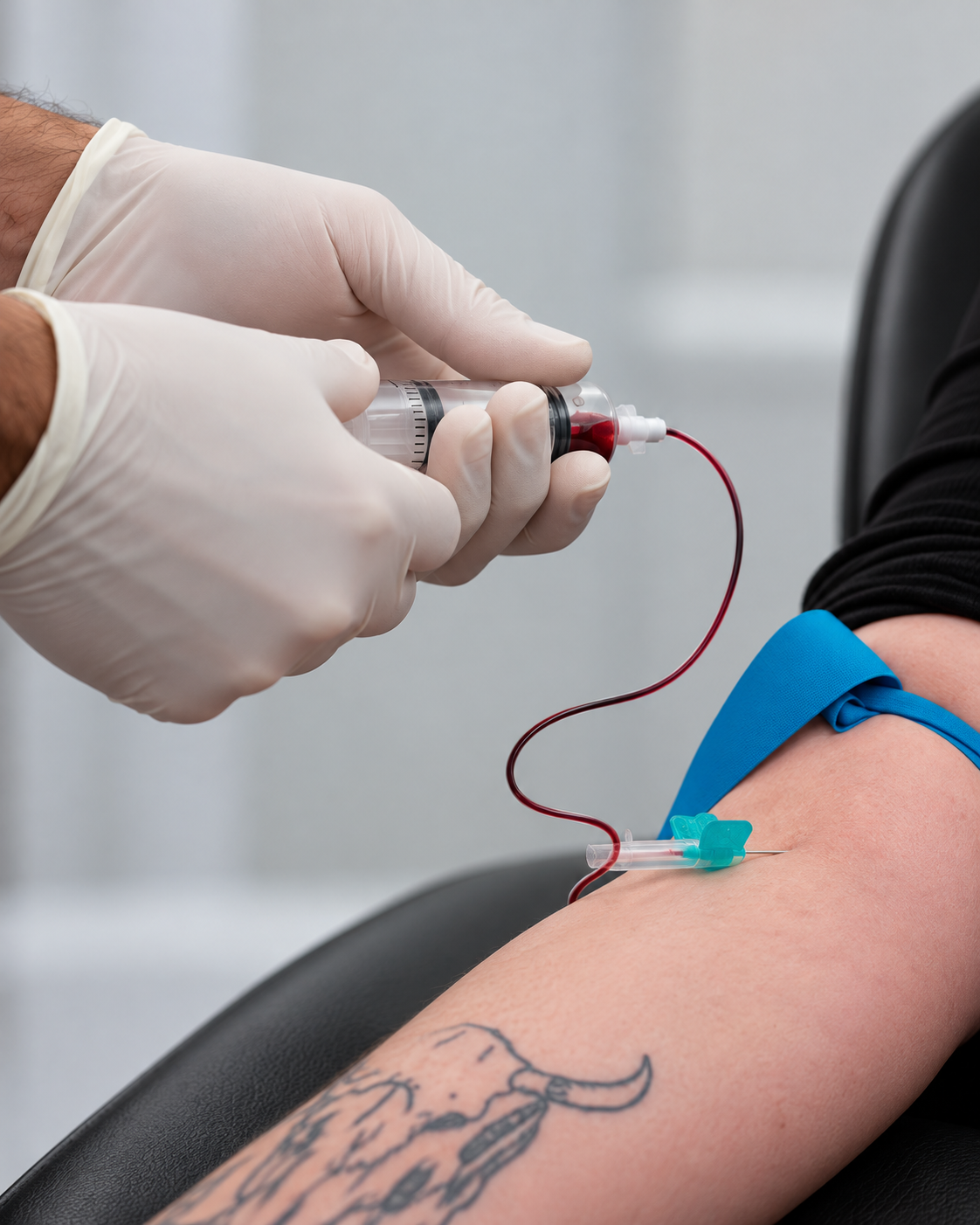
Hair is metabolically active. A follicle in its growth phase is among the most active tissue in the body, and among the first things the body deprioritizes when something else is wrong. That is why hair loss so often turns out to be a visible symptom of something systemic — and why a hair loss blood test needs to be thorough rather than targeted.
We run a complete panel rather than a short list. It begins with the fundamentals most often implicated in women’s hair loss:
From there the panel goes further, into contributors a basic workup will not find:
The point of testing this broadly is a complete picture of your current metabolic state and how it may be affecting your hair. Individual values matter less than the pattern they form together, and a pattern is only visible once you have measured enough of it.
Alongside the panel, we review your medication history. A number of prescription drugs disrupt the hair growth cycle and cause shedding that resolves once the drug is identified — which is why it belongs in the workup rather than being assumed away.
A normal panel is worth as much as an abnormal one. It rules out a category of cause and tells us where to look next.
Two assessments answer questions that history, imaging and bloodwork cannot reach.
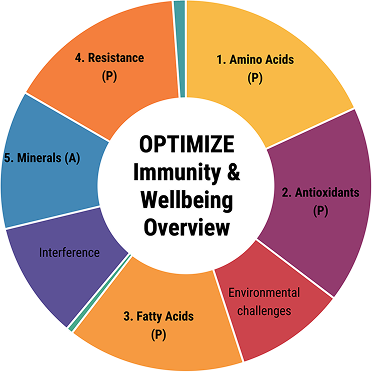
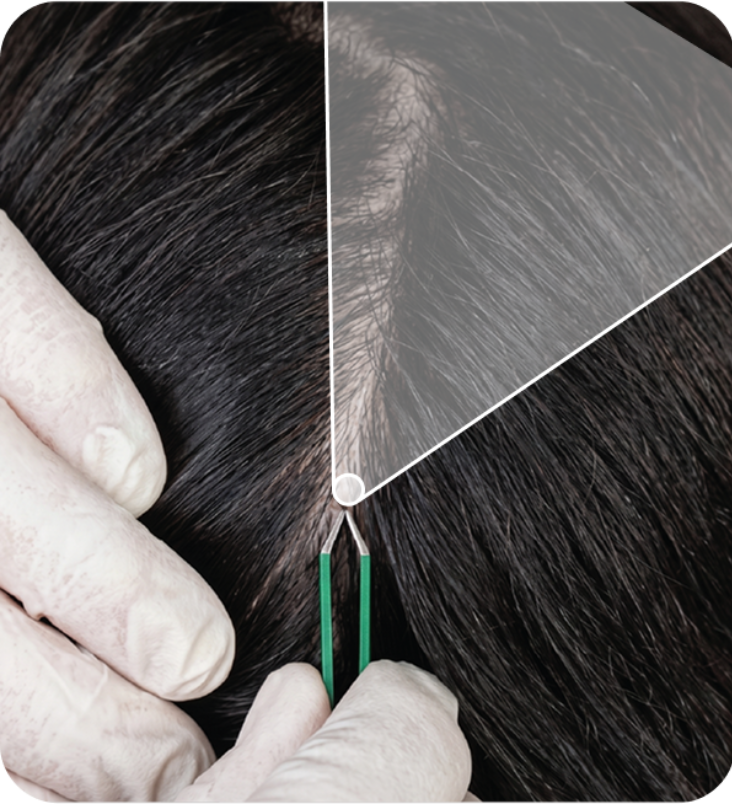
Epigenetic hair follicle analysis looks at what is currently acting on your hair rather than what you inherited. Using four hair follicles taken from the back of the scalp, the analysis maps more than 800 data points covering nutritional status, environmental exposures, and the lifestyle inputs that influence how well a follicle grows. The report identifies nutrient deficiencies, dietary factors worth adjusting, and environmental contributors that may be working against your hair. It is non-invasive, and Debbie reviews the findings with you at a scheduled follow-up visit.
Follicle-response testing answers a different question: whether the most commonly prescribed hair loss treatment will work on you at all.
Minoxidil is the most widely used hair loss treatment in the world, and it is inert as applied. An enzyme in the hair follicle called sulfotransferase has to convert it into its active form, minoxidil sulfate, before it does anything. How much of that enzyme a woman has in her follicles is largely genetic, and it varies enormously between individuals.
Follicle-response testing answers a different question: whether the most commonly prescribed hair loss treatment will work on you at all.
Minoxidil is the most widely used hair loss treatment in the world, and it is inert as applied. An enzyme in the hair follicle called sulfotransferase has to convert it into its active form, minoxidil sulfate, before it does anything. How much of that enzyme a woman has in her follicles is largely genetic, and it varies enormously between individuals.
The consequence is that topical minoxidil produces meaningful benefit in only about 30 to 40 percent of people who use it, and low sulfotransferase activity is a leading reason. Most women who see nothing after six months of faithful use were never going to respond, and had no way of knowing.
Follicle-response testing measures that enzyme activity directly, before you commit to months of treatment. Where activity is low, topical minoxidil is unlikely to deliver, and oral minoxidil becomes the more rational next step rather than a guess.
Read alongside your laboratory results and trichoscopy, these assessments help us understand not only what is driving your hair loss, but what is realistically going to work on it.
Most women will never need a scalp biopsy. When one is warranted, it answers questions nothing else can.
A scalp biopsy examines what is happening beneath the surface of the skin — the follicle itself, the blood vessels supplying it, the sebaceous glands around it, and any inflammation or scarring in the surrounding tissue. It is the only assessment that shows the follicle in its own environment, and it can confirm or exclude conditions such as alopecia areata, discoid lupus erythematosus, and other autoimmune or scarring processes.
The word alarms people more than the reality warrants. A scalp biopsy is a straightforward in-office procedure taking about thirty minutes, performed under local anesthesia.
A small punch, three to four millimeters across, is taken from one or two sites around the area of hair loss. The area is then closed with a single stitch.
You can wash your hair the following day, with care around the site. Most women return to exercise and normal activity at around three days, guided by how the area feels rather than by the calendar.
The stitch comes out at approximately ten days, which is usually the same visit where we review your results. Your specimen is read by a board-certified dermatopathologist specializing in hair loss.
For some women, this is the appointment where years of uncertainty end.
Monoxidil
100% Responsive
Dutasteride
73% Responsive
Melatonin
12% Responsive
Genetic Testing
Available at Home
Ut augue sapien, commodo quis fringilla ac, sagittis nec libero.
Everyone has different sensitivities to medications, and some medications are known to have wide variation between individuals. For example, minoxidil, the number one medication used for hair loss, is ineffective in over 40% of people. This test can allow us to determine if you are sensitive to medications like minoxidil.
This test looks at genetic factors that make you sensitive or insensitive to certain medications. A cheek swab is obtained to gather cells from your body. The gene is then sequenced, looking for different variations of enzymes and proteins within your genetic code. This is then compared to data from tens of thousands of individuals to determine your sensitivity to certain hair loss treatments.
If you’re on a medication but not seeing the results we would expect, this test can help us identify how sensitive you are to this particular treatment. It can also help identify other treatments that may be more effective for you.
Beyond the two consultations you book, your care draws on colleagues whose expertise is brought in where a case calls for it.

Hair loss physician
Lead Hair Loss Physician and founder of Northwestern Hair Restoration. He performs every evaluation in this program, writes every prescription, and conducts every follow-up.

Trichology
Trichologist and hair replacement expert, founder of HairLab Chicago. Scalp and hair care, and the non-medical side of hair loss — a category that does not require a prescription but does require proper treatment and restoration of scalp homeostasis.


Most often, an in-office consultation leads to a diagnosis clear enough to begin treatment. Trichoscopy, laboratory testing and biopsy can frequently be performed at the same visit, which means your plan can begin within a few weeks of results returning.
What makes that possible is that the findings are read together rather than separately. Scalp condition, follicle assessment, lifestyle factors, hormonal picture, laboratory results and medical history are combined into one coordinated, individualized plan — rather than a trichologist working from one half of the picture and a physician from the other.
From there, the plan follows the findings. For some women that is scalp-directed care with Debbie Ansay-Martinez. For others, prescription medication managed by Dr. Vinay. Treating hair loss may also mean correcting a nutritional deficiency, which on its own can be effective. For others, non-surgical restoration, hair replacement, or surgical restoration is the right answer.
What does not happen is a treatment recommended before anyone understands what is being treated.
Diagnosis begins with a consultation — your history, your scalp, and the pattern of loss. Depending on what that consultation finds, it may include trichoscopy, hair strand analysis, a full laboratory panel, epigenetic and follicle-response assessment, or scalp biopsy. Female hair loss is usually multifactorial, with several contributors overlapping, so a single-cause approach tends to miss most of it.
Both consultations are $100. The medical consultation with Dr. Vinay runs 30 minutes; Hair Follicle Discovery with Debbie runs one hour. Neither fee is credited toward treatments or packages.
Either. If your scalp itself is symptomatic — itching, flaking, oily, tender — or you want to understand its condition, start with Debbie. If you want to know whether a medical cause is driving your hair loss, start with Dr. Vinay. The first practitioner you see will recommend the other evaluation when it would benefit you.
A complete panel: thyroid function, iron studies including ferritin, vitamin D, stress markers including cortisol, inflammatory markers including ESR, and autoimmune screening including ANA. Where symptoms suggest hormonal imbalance, testing also includes evaluation for androgen excess. Testing broadly is what makes the overall pattern visible rather than one value in isolation.
No. Most women need one or two. Your consultation determines which are worth doing, and we will tell you when something is not necessary.
Magnified high-definition imaging of the scalp and hair shaft, used to assess follicle density, shaft caliber, scalp condition, sebum production and buildup. Non-invasive, performed in Chicago and Deerfield.
When the diagnosis remains unclear after evaluation, when the result would change your treatment plan, when a treatment under consideration carries greater risk, or when a course of treatment is not working as expected. Most women will never need one.
It is performed under local anesthesia and takes about thirty minutes. A three-to-four-millimeter punch is closed with a stitch, removed at around ten days. Most women return to normal activity within three days.
No, and it is frequently misdiagnosed as hair loss. Breakage originates in the structure of the hair strand, while true shedding reflects release from the follicle itself. Hair strand analysis examines the strand directly, using polarized light microscopy where findings warrant it, to identify the disorders that cause breakage.
Minoxidil is inert as applied. An enzyme in the hair follicle, sulfotransferase, has to convert it into its active form before it does anything, and how much of that enzyme you have is largely genetic. Topical minoxidil produces meaningful benefit in only about 30 to 40 percent of people, and low sulfotransferase activity is a leading reason. Follicle-response testing measures that activity before you spend six months finding out.
Some of them. What differs is interpretation — results read specifically in the context of hair loss, by a physician who treats it, alongside imaging and examination findings a general practitioner does not have.
Medical consultations with Dr. Vinay are available in Chicago, Deerfield, Winnetka and Clarendon Hills. Trichoscopy, Hair Follicle Discovery and the diagnostic assessments are performed in Chicago and Deerfield.
Often, yes. Telogen effluvium commonly follows a physical or emotional stressor and typically resolves within three to six months once the trigger is addressed. Chronic telogen effluvium persists longer and warrants full evaluation.
Yes. Alopecia areata carries a lifetime risk of roughly two percent and causes discrete patches of loss. Where it progresses to involve the entire scalp it is called alopecia totalis, and where it advances to the loss of body hair including brows and lashes, alopecia universalis.

