
Women’s Hair Restoration in Chicago: Causes, Treatments, and What Actually Works
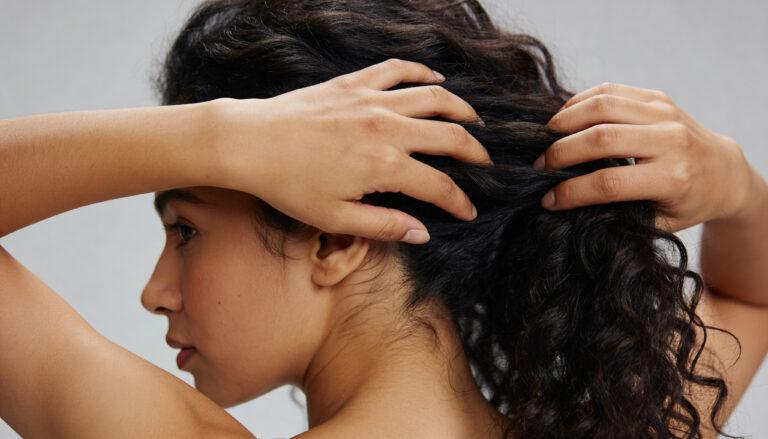
Hair loss is often associated with men, but millions of women experience thinning hair, widening parts, and noticeable reductions in hair density throughout their lives. For many women, hair loss can affect confidence, self-image, and overall quality of life. Fortunately, advances in modern hair restoration have created more effective solutions than ever before.
If you’re experiencing hair loss, understanding the underlying cause is the first step toward finding a treatment that delivers meaningful results. In this guide, we’ll explore the common causes of female hair loss, available treatment options, and what actually works for women seeking hair restoration in Chicago. Contact Northwestern Hair Restoration for more information.
Understanding Female Hair Loss
Unlike male pattern baldness, female hair loss often appears gradually. Many women first notice increased shedding, a widening part, reduced volume, or thinning around the crown.
Hair loss in women can result from several factors, including genetics, hormonal changes, aging, stress, nutritional deficiencies, and certain medical conditions. Because the causes vary significantly from person to person, a thorough evaluation is essential before beginning treatment.
Identifying the source of hair loss allows physicians to develop a targeted plan that addresses the underlying issue rather than simply treating symptoms.
Common Causes of Hair Loss in Women
 Female Pattern Hair Loss
Female pattern hair loss is one of the most common causes of thinning hair. This hereditary condition typically develops gradually and may become more noticeable with age.
Unlike men, women usually retain their frontal hairline but experience diffuse thinning throughout the scalp.
Hormonal Changes
Hormonal fluctuations can significantly affect hair growth cycles. Many women experience temporary or long-term hair thinning related to:
- Pregnancy
- Childbirth
- Menopause
- Thyroid disorders
- Hormonal imbalances
These changes can alter follicle function and contribute to noticeable shedding.
Stress and Lifestyle Factors
Physical or emotional stress can trigger a condition known as telogen effluvium, which causes an increased number of hair follicles to enter the shedding phase.
Significant illness, surgery, rapid weight loss, and chronic stress may all contribute to temporary hair loss.
Nutritional Deficiencies
Hair follicles require adequate nutrients to function properly. Deficiencies in iron, protein, vitamins, or other essential nutrients can negatively impact hair growth and overall scalp health.
Medical Conditions
Certain autoimmune disorders, scalp conditions, and medical treatments may contribute to hair loss. A comprehensive medical evaluation can help identify whether an underlying health issue is affecting hair growth.
Why Proper Diagnosis Matters
One of the biggest mistakes women make is attempting to treat hair loss without understanding its cause.
Not all hair restoration treatments are appropriate for every patient. What works for one woman may be ineffective for another.
A physician-led consultation helps determine:
- The cause of hair loss
- Whether hair follicles remain active
- The progression of thinning
- Appropriate treatment options
- Long-term restoration goals
This personalized approach often leads to better outcomes than generalized treatment plans.
Non-Surgical Hair Restoration Options
Many women experiencing hair thinning are excellent candidates for non-surgical treatments.
Regenerative Hair Restoration
Advanced regenerative therapies have become increasingly popular because they focus on supporting natural follicle function rather than replacing hair.
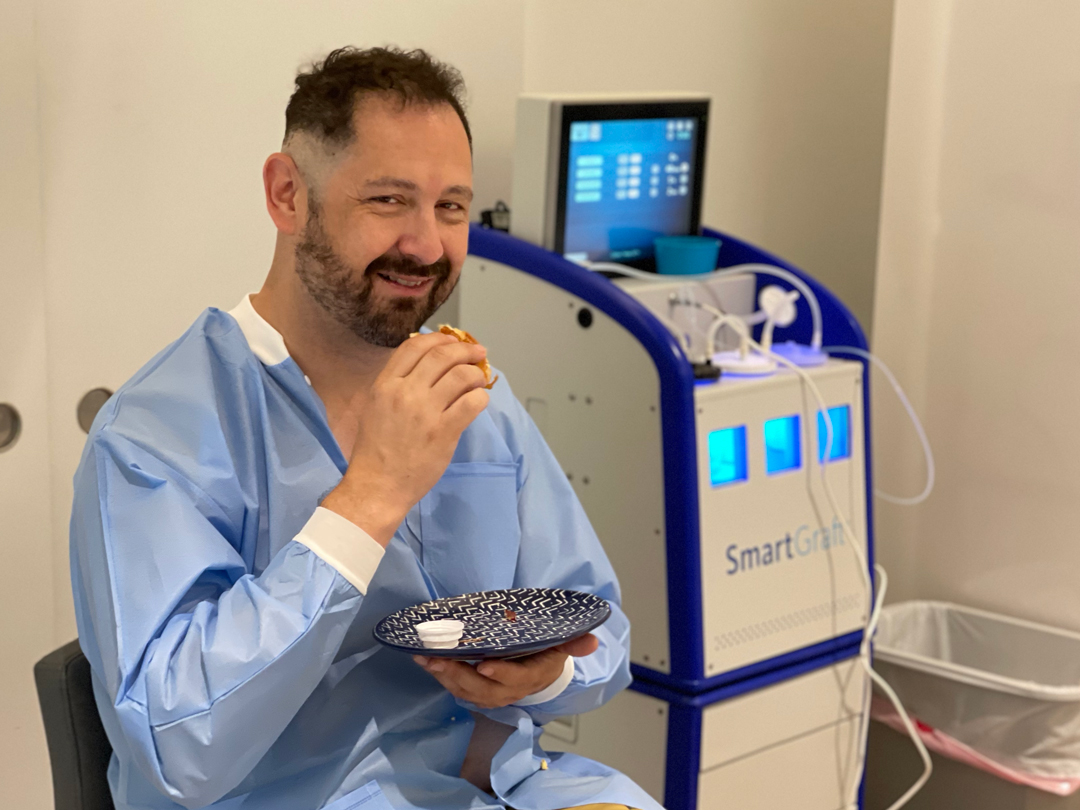
At Northwestern Hair, Autologous Conditioned Serum (ACS) is used as part of a personalized treatment strategy designed to promote healthier hair growth and improve scalp health.
Because ACS utilizes the body’s own regenerative components, it offers a non-surgical approach for women seeking hair restoration without significant downtime.
Medical Hair Restoration Programs
Depending on the cause of hair loss, physicians may recommend customized treatment plans that combine multiple therapies to support hair growth and preserve existing follicles.
The goal is often to slow progression, strengthen existing hair, and maximize long-term scalp health.
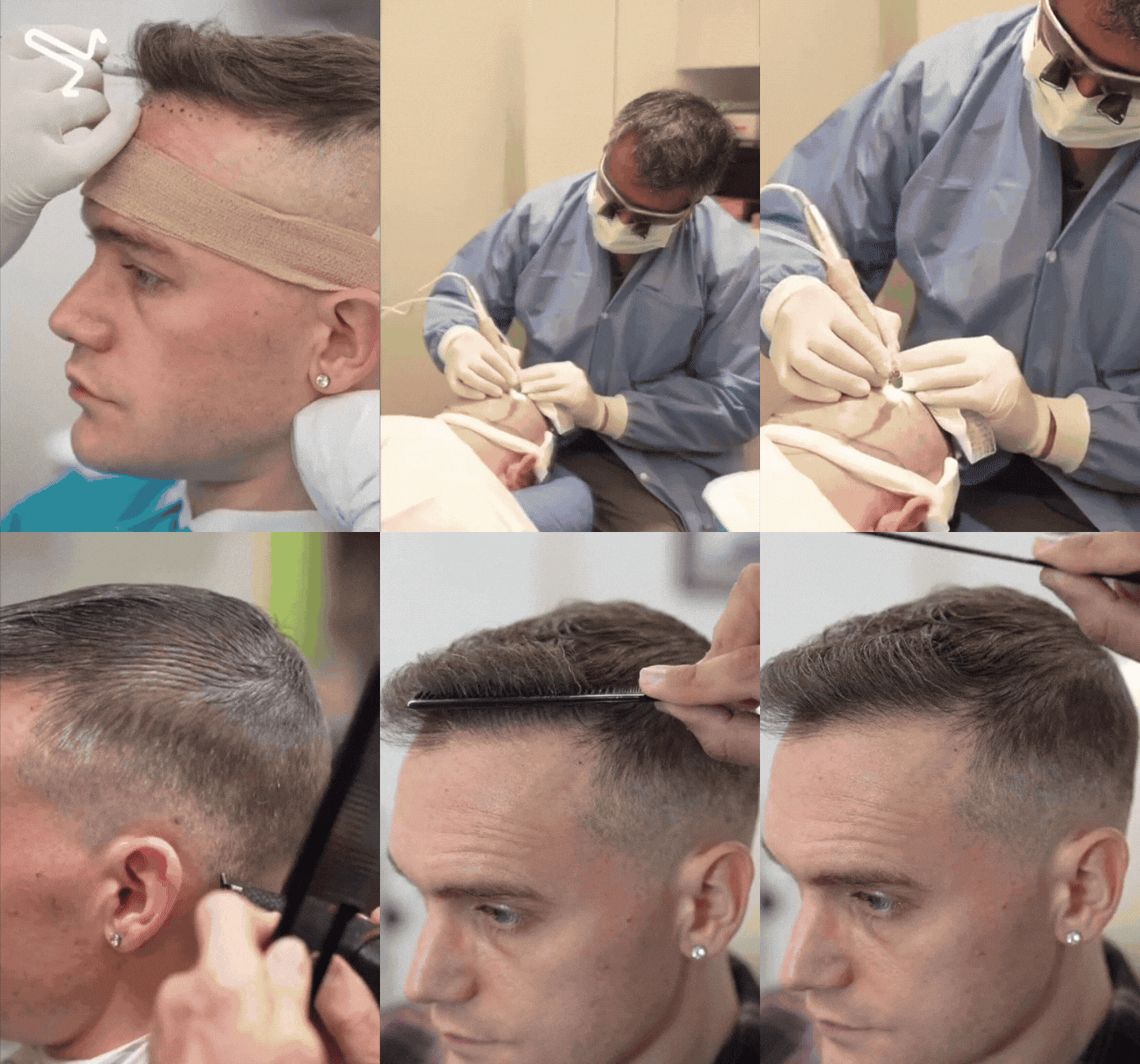
When Is a Hair Transplant an Option for Women?
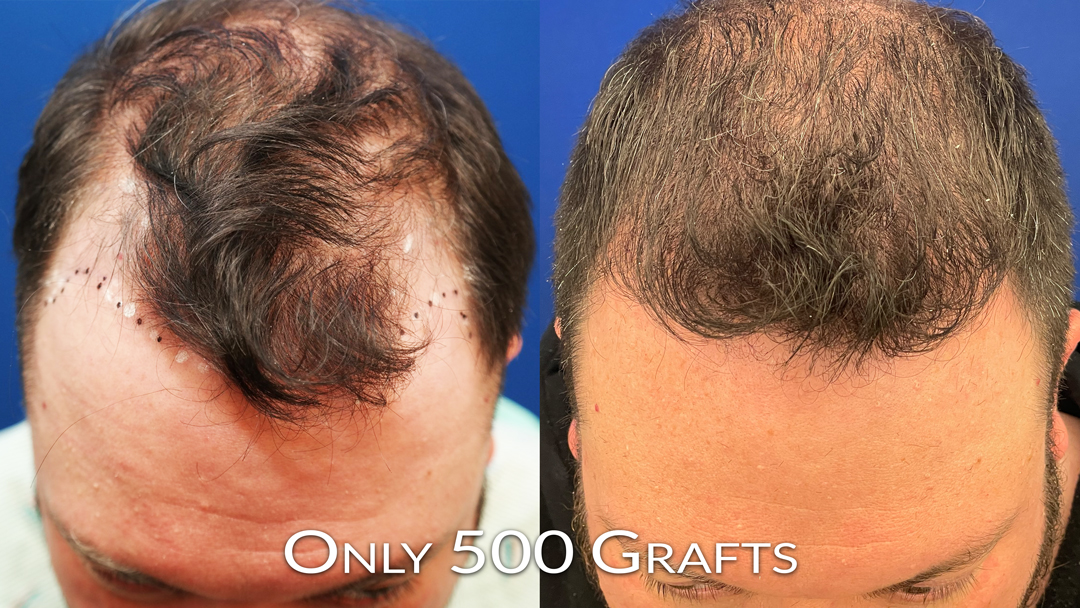
 Many women are surprised to learn that hair transplantation may be an option in certain situations.
Candidates typically include women with:
- Stable hair loss patterns
- Localized thinning
- Adequate donor hair
- Hairline recession
- Scarring-related hair loss
However, not all female hair loss patterns are suitable for transplantation. Because women often experience diffuse thinning throughout the scalp, careful evaluation is necessary before recommending surgery.
A comprehensive consultation can determine whether surgical restoration is appropriate or if non-surgical options may provide better results.
What Actually Works for Female Hair Loss?
The most effective treatment depends entirely on the underlying cause.
For some women, addressing hormonal or nutritional factors may significantly improve hair growth. Others may benefit from regenerative therapies that support follicle function. In select cases, surgical hair restoration may provide long-term improvements.
What consistently produces the best outcomes is a personalized treatment plan developed after a thorough evaluation.
There is no universal solution to female hair loss. Successful treatment requires identifying the cause and selecting the most appropriate therapy for the individual patient.
Why Women Choose Northwestern Hair
Women experiencing hair loss often seek a provider who understands the unique challenges associated with female hair restoration.
At Northwestern Hair, every treatment begins with a detailed consultation designed to identify the cause of hair loss and create a customized plan based on each patient’s goals.
Led by Dr. Vinay Rawlani, the practice combines advanced diagnostic methods, regenerative therapies, and hair restoration expertise to help women pursue healthier, fuller-looking hair.
Schedule a Hair Restoration Consultation
If you’re experiencing hair thinning, increased shedding, or noticeable hair loss, early intervention may improve your treatment options.
A professional evaluation can help identify the cause of your hair loss and determine the most effective strategy for restoring your hair and confidence.
Whether you’re exploring non-surgical treatments or considering hair restoration procedures, a personalized consultation is the best place to start.