
Northwestern Hair Restoration’s clinical collaborator in Clarendon Hills


+200reviews
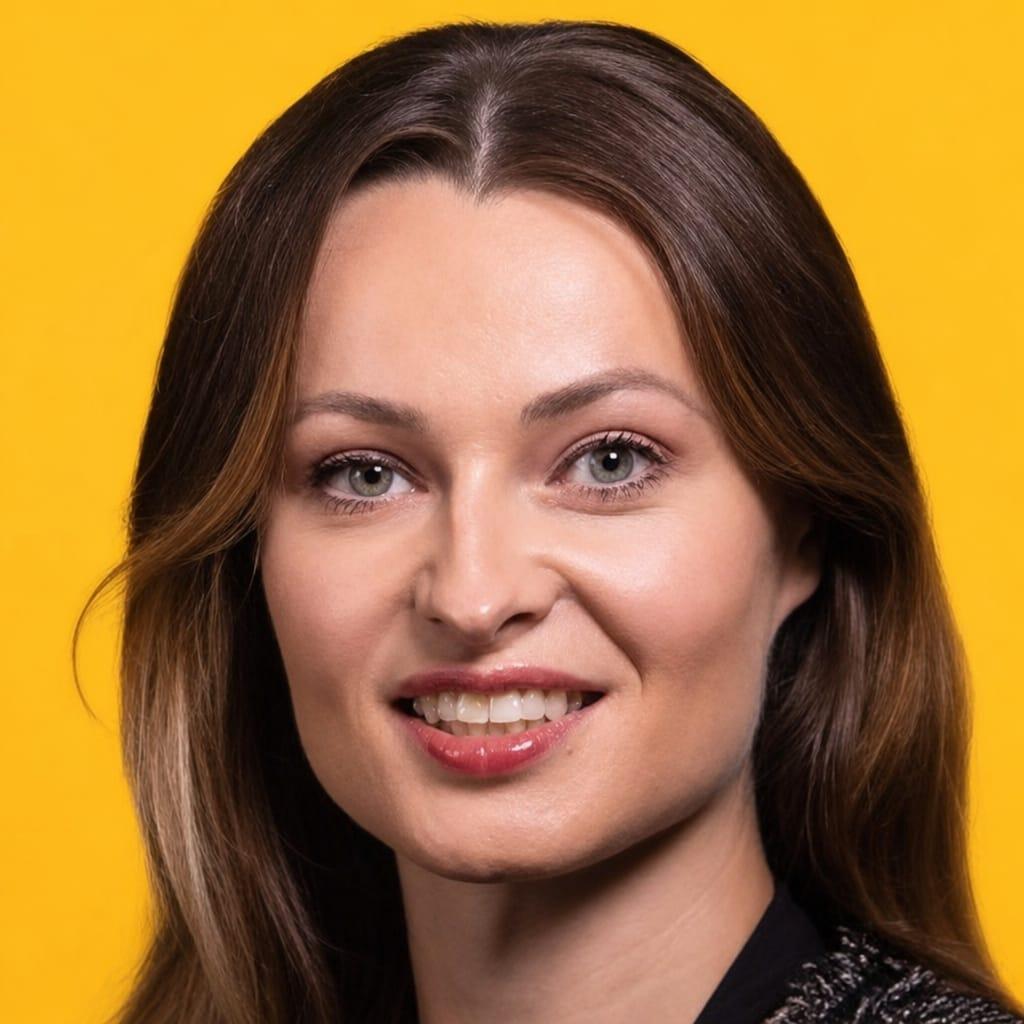
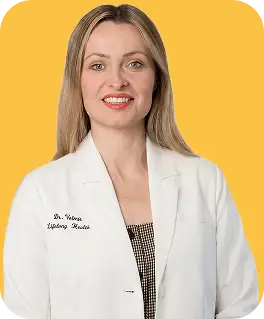
Dr. Kate practices a kind of primary care that is structurally different from the fifteen-minute appointment most patients have come to expect. Her appointments run forty to sixty minutes. Her panel is intentionally limited so that the patients in her care receive the kind of attention that thorough workup actually requires. The model is concierge direct primary care — patients pay a membership rather than billing through insurance for primary care, which removes the administrative pressures that compress most appointments and lets the medicine be the focus. Her subspecialty training is in lifestyle, functional, and longevity medicine, with formal certification through the American College of Lifestyle Medicine, the Institute for Functional Medicine, and the American Academy of Anti-Aging Medicine. Her additional training in peptide and regenerative therapies through the SSRP Institute is what makes her uniquely equipped to handle the emerging wellness category that most primary care physicians do not engage with seriously.

Lifelong Health serves the western suburbs of Chicago as a concierge medical home for patients who want primary care that goes well beyond symptom management. Dr. Kate has built a practice oriented around root-cause evaluation — the patient who comes in with chronic fatigue, hair loss, weight changes, hormonal symptoms, or any of the constellation of conditions that traditional medicine often manages without investigating, receives a workup that goes after the cause rather than treating only the visible result. That investigative posture is what makes the collaboration with Northwestern Hair clinically meaningful. For our patients, Dr. Kate is the physician who looks for what the hair restoration evaluation alone cannot see.

The reason for the collaboration is the medical reality of hair loss. Hair loss, for the vast majority of patients who walk into a hair restoration practice, is a hormonal condition. The numbers are worth stating plainly. Androgenic alopecia accounts for over ninety-five percent of male hair loss — the pattern commonly called Male Pattern Baldness, with testosterone as the prevailing hormonal driver across a man’s life. Roughly sixty percent of female hair loss is hormonally driven as well, presenting as Female Pattern Hair Loss or Androgenic Alopecia. And a separate forty percent of women experience hair loss after menopause itself, when estrogen and progesterone fall and the relative balance of hormones shifts. Add to this a clinical situation that is becoming more common every year: men starting hormone replacement therapy for legitimate life-quality reasons — mental clarity, strength, exercise capacity, libido — and discovering that the same hormonal optimization can accelerate hair loss at the follicle if the protocol is not coordinated with someone who understands both domains.
Most hair restoration practices treat the result of these processes — the loss itself — with surgical and non-surgical interventions at the follicle. That work matters, and we do it well. But the upstream drivers of the loss are squarely within primary care medicine to evaluate and treat. Hair restoration practices typically do not investigate them. The patient walks in with diffuse thinning and brittle hair, and the conversation moves directly to grafts, topicals, or non-surgical treatments. Nobody runs a thyroid panel. Nobody checks ferritin. Nobody asks whether the loss is the symptom of something upstream that medical evaluation could identify and treatment could resolve. That gap is what the collaboration with Lifelong Health closes.
Dr. Kate brings a uniquely useful medical perspective on hair loss. She is equipped to look at the other disease states that may be contributing to a patient’s hair loss — hormonal shifts, thyroid dysfunction, iron and B12 deficiency, cortisol elevation and chronic stress, metabolic derangements, the hair loss that follows significant weight loss. Each of these is well-established in the medical literature as a contributor to hair loss. Each falls within a dedicated primary care physician’s skill set to evaluate and treat. And each is, in many cases, treatable in ways that can either resolve hair loss outright or significantly improve the response to whatever hair restoration treatment the patient is pursuing alongside it. For Northwestern Hair Restoration patients, Dr. Kate is the physician who looks for these contributors and treats them. For patients who have already started a hair restoration plan elsewhere without results, the upstream cause is often the reason; Dr. Kate is the physician who finds it.
The other thing the collaboration brings to Northwestern Hair patients is access to the emerging field of peptides and other non-traditional therapies. Peptides have moved from research into clinical practice over the last decade, and there are now meaningful peptide protocols for hair loss — but the questions a patient considering peptides needs answered are not trivial. Can peptides actually help in this specific case? Where can peptides be safely sourced? What is the dosing protocol? How are results monitored? What should the patient expect? These are questions that require a physician with specific training in functional medicine and wellness. Most traditional doctors do not engage with peptides because the category sits outside the conventional medical pathway. Most wellness providers offering peptides do not have the medical credentialing or oversight to handle the protocols safely. Dr. Kate’s training spans both worlds, which is what makes her the right physician to handle the questions seriously. For Northwestern Hair patients who want peptide-based care as part of their hair loss treatment, Dr. Kate is the clinical access point.
Dr. Kate’s clinical contribution to Northwestern Hair Restoration patients falls into five primary areas. These are the categories where her primary care and integrative medicine training intersects most directly with what hair loss patients need. Each is available to patients at Lifelong Health in person, and each is available statewide and across the additional states where Dr. Kate is licensed through Northwestern Access — the at-home care pathway that brings diagnostic testing and treatment delivery to the patient’s home.
Sex hormone management is the medical domain that addresses the cause of the vast majority of hair loss. For men, the relevant work is testosterone optimization — increasingly common as men pursue hormone replacement therapy for quality-of-life reasons, and clinically important to coordinate with hair restoration because the same hormonal shifts that improve mental clarity, strength, and energy can also accelerate androgenic alopecia. Dr. Kate handles this coordination directly. The hormone optimization plan and the hair restoration plan are built together, not in sequence and not in conflict. For women, the relevant work spans the full hormonal arc — the perimenopausal patient whose hair has begun thinning before menopause itself; the menopausal patient whose hair changes are driven by the decline of estrogen and progesterone and a relative predominance of testosterone; the postmenopausal patient whose hair loss is one symptom in a broader hormonal shift. Forty percent of women experience hair loss past menopause from this hormonal cause. Dr. Kate runs the evaluation, the structured hormone work, and the long-term monitoring. The treatment goes well beyond what a hair restoration practice on its own can offer because the underlying physiology is the medical domain Dr. Kate has built her practice around.
Hypothyroidism affects a large number of people in the United States and accounts for a meaningful proportion of hair loss in women. The presentation can be thinning, shedding, or brittle hair that does not look like the typical androgenic pattern. The primary treatment is thyroid hormone replacement — and the treatment is straightforward when the workup is done properly and the replacement is delivered with appropriate monitoring. Both the workup and the treatment can be done virtually. Dr. Kate orders the diagnostic panel, reviews the results, manages the replacement, and monitors the response — for any Northwestern Hair patient anywhere Dr. Kate is licensed, without requiring the patient to come into the office. For Hair Restoration Clarendon Hills patients seen in person, the thyroid workup is integrated into the same consultation as the hair restoration evaluation. For patients elsewhere, Northwestern Access delivers the same workup to the patient’s home.
Iron deficiency hair loss is a common cause of hair loss in women, particularly women with significant menses. The condition is well-recognized in the medical literature, and the treatment — iron repletion — is conceptually simple but practically demanding. Oral iron tablets carry side effects, constipation prominent among them, and absorption is affected by other factors that require evaluation. The associated B12 deficiencies that often accompany iron deficiency in women have their own workup and their own treatment plan. Iron repletion done poorly fails to resolve the hair loss and frustrates the patient who has tried iron supplementation on her own without results. Iron repletion done well, by a physician with the experience to manage the protocol, frequently produces meaningful hair recovery alongside resolution of the broader symptoms iron deficiency causes. Dr. Kate is the physician who handles this work. The diagnostic workup, the iron repletion protocol, and the B12 evaluation and treatment that often accompanies it are all available in person at Lifelong Health and at home through Northwestern Access.
The remaining medical contributors to hair loss — elevated cortisol from chronic stress, metabolic derangements including insulin resistance and other markers of metabolic syndrome, and hair loss that follows significant weight loss — are all conditions that fall within a dedicated primary care physician’s skill set to evaluate and treat. Each can drive hair loss on its own, and each can amplify the effect of other contributors when present together. For the patient who has lost a meaningful amount of weight on a structured program and is now seeing hair shed, the loss is often metabolic rather than genetic, and the right intervention is metabolic rather than hair-restoration-specific. For the patient under sustained high stress whose hair has started thinning, the cortisol pathway is the upstream cause and the right intervention starts there. Dr. Kate evaluates and treats these contributors directly, integrating them with the hair restoration plan rather than treating them as separate referrals.
Peptides are an emerging clinical category. The science has developed substantially over the last decade, and there are now peptide protocols with evidence for hair restoration and for the broader wellness applications that often accompany hair loss — sleep, metabolic health, recovery, mood. Traditional primary care does not generally engage with peptides because the category sits outside the conventional medical pathway. Most wellness providers offering peptides do not have the medical credentialing or the protocol oversight to handle the work safely. The patient who wants to know whether peptides can help, where to obtain them safely, how to dose them, how to monitor results, and what to expect, often does not have a physician they can have that conversation with. Dr. Kate’s training through the SSRP Institute and her broader subspecialty work in functional medicine make her the physician who can handle these questions seriously. For Northwestern Hair Restoration patients exploring peptide-based care as part of a broader hair loss treatment plan, Dr. Kate is the medical oversight. The protocols are physician-led, the monitoring is structured, and the work is integrated with the rest of the patient’s hair restoration plan rather than running parallel to it without coordination.
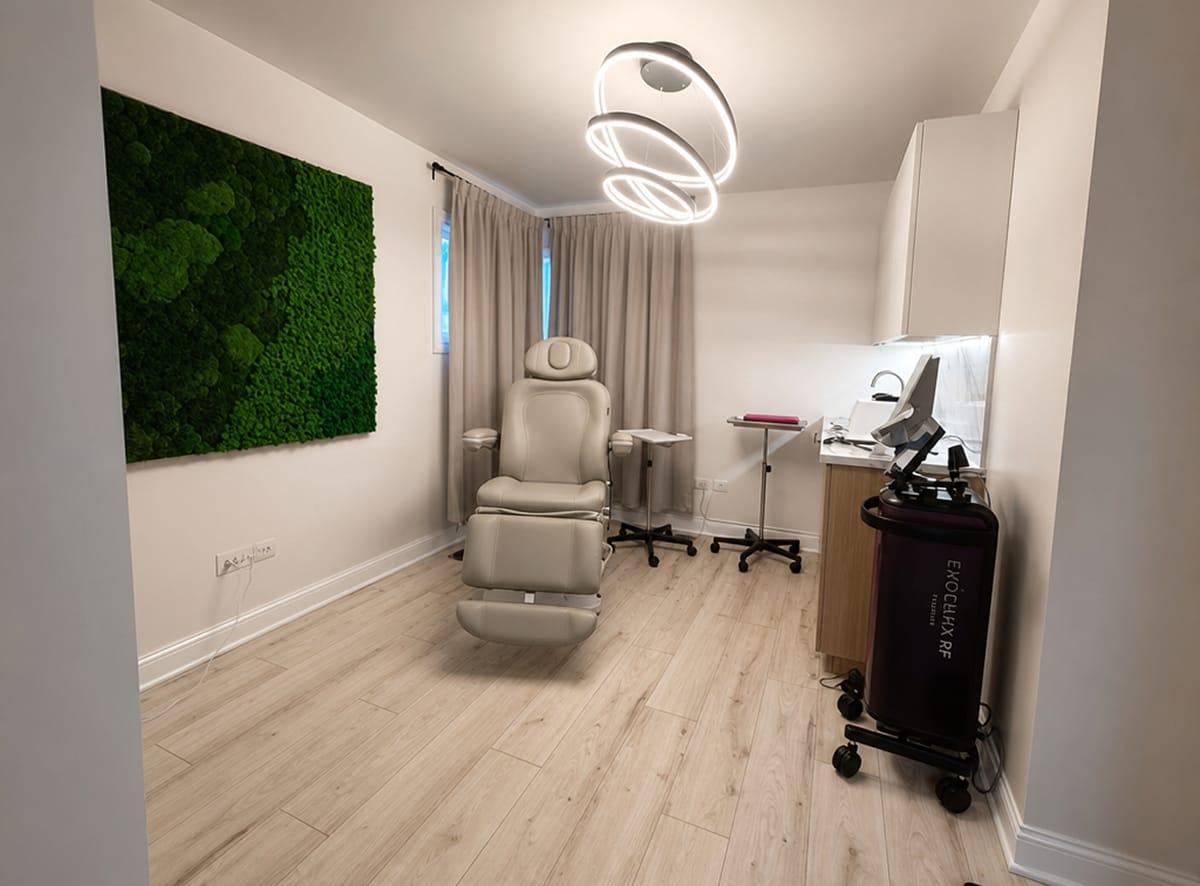
Northwestern Access is another resource Dr. Vinay and Northwestern Hair created to meet the needs of patients. The premise is that a meaningful portion of hair restoration care — diagnostic workup, medical treatment, ongoing monitoring — does not actually require a patient to be in a clinic. Lab orders can be placed remotely. Treatment can be delivered to the patient’s home. Monitoring can happen through secure communication and structured follow-up. For the categories of hair loss that are medically driven — hormonal, thyroid, iron, metabolic, peptide-based — a complete care pathway can be delivered without a single trip to the office. Northwestern Access is the platform that makes this real.
Dr. Kate is the perfect collaborator for this work, and she is what made Northwestern Access viable as a hair restoration treatment pathway. Her clinical scope addresses the conditions most relevant to the at-home pathway. Her training in functional medicine and her experience with complex workup mean the medicine done remotely is the same quality as the medicine done in person. Her statewide and multi-state licensure means the pathway is not constrained by geography. Dr. Vinay and Dr. Kate are the two physicians of Northwestern Access. The collaboration has structurally changed what Northwestern Hair Restoration can deliver — hair restoration care is no longer limited to surgery and in-office non-surgical treatments. A large number of patients can now receive effective care at home. The vast majority of patients whose hair loss is driven by the medical contributors discussed earlier on this page can have the full workup and treatment delivered through Northwestern Access, without losing anything in the quality of the medicine that gets done.
Dr. Kate has expanded Northwestern Hair Restoration’s services into five states through Northwestern Access already — the program is active in Illinois alongside the additional states where her licensure has come through. The continued growth of the program runs through the Interstate Medical Licensure Compact, which provides a pathway to licensure across most of the country. Northwestern Hair’s clinically proven hair restoration treatments are becoming accessible to patients well beyond the geographic catchment of any single physical clinic. The Clarendon Hills office is the in-person access point for Western Suburbs patients. Northwestern Access is the at-home pathway for everyone else. Together they extend Northwestern Hair Restoration’s reach in a way that traditional clinic-based hair restoration cannot match — and the medicine being delivered at home is the same medicine, with the same physician oversight, that patients receive at the flagship in Chicago.
This is what the right collaboration produces. Dr. Vinay and Northwestern Hair built the platform. Dr. Kate’s clinical scope, her training, and her multi-state licensure are what made the platform a viable pathway for the medical workup of hair loss rather than just a delivery mechanism for medication. The right collaborator, combined with Northwestern Hair’s resources and innovation track record, shifts entire industries. Northwestern Access is one of the proofs of that principle, and the collaboration with Lifelong Health is one of the reasons it works.
The collaboration operates inside Dr. Kate’s Clarendon Hills office at 103 E. Ogden Avenue. Lifelong Health remains Dr. Kate’s practice throughout the week, with her full primary care, longevity medicine, and integrative scope running on its own schedule. Northwestern Hair’s clinical presence inside that office is built around a Monday rotation — specifically the second and fourth Monday of every month, when I travel west from the Chicago flagship to see Hair Restoration Clarendon Hills patients in the same space Dr. Kate is practicing. Two physicians are present on those days. A patient consulting for hair restoration can be evaluated by either of us, or by both in a single visit, with the hair restoration evaluation and the medical workup of the underlying contributors happening in coordination rather than across separate appointments at separate offices.
For patients who cannot easily reach Clarendon Hills, or whose case is appropriate for a remote pathway, Northwestern Access is the alternative. Dr. Kate runs the diagnostic workup, manages the treatment plan, and monitors response — for patients statewide in Illinois and in the other states where her licensure is active, with continued multi-state expansion underway. The remote pathway is appropriate for many of the conditions Dr. Kate handles best: the thyroid workup and replacement that can be delivered entirely through labs and prescription with structured monitoring; the hormonal evaluation for women in the perimenopausal and menopausal stages where the workup is well-established and the treatment is responsive to careful follow-up; the iron repletion that requires attention to detail but does not require an office visit for delivery; the peptide protocols where the physician oversight is the critical element and the in-person component is not strictly necessary. For Hair Restoration Clarendon Hills patients seen in person, Northwestern Access can also serve as the at-home continuation of care between in-person visits.

Scheduling for Northwestern Hair consultations — in person at Clarendon Hills or virtually through Northwestern Access — routes through the Northwestern Hair scheduling platform. Patients book directly with us. Dr. Kate’s Lifelong Health practice runs on its own scheduling pathway for primary care, concierge membership, and longevity medicine services unrelated to hair restoration; those bookings go through Lifelong Health directly. For Hair Restoration consultations specifically, Northwestern Hair scheduling is the right path. The collaboration is designed so that the patient pathways are clear: hair restoration care — surgical, non-surgical, medical workup of hair loss contributors — routes through Northwestern Hair. Concierge primary care and longevity medicine through Lifelong Health route through Lifelong Health. For patients who want both, the two scheduling pathways operate in parallel, and the medicine that benefits from coordination between Dr. Vinay and Dr. Kate — the hair restoration patient whose case has a medical workup component — happens on the rotation Mondays or through the Northwestern Access pathway, with both physicians involved.
Lifelong Health is located at 103 E. Ogden Avenue in Clarendon Hills, Illinois. Dr. Kate sees patients at Lifelong Health Monday through Sunday on the standard schedule — Monday through Friday from 10:00 AM to 6:00 PM, Saturday and Sunday from 9:00 AM to 1:00 PM. On the second and fourth Monday of each month, the Northwestern Hair rotation operates inside the Lifelong Health office, and Dr. Vinay Rawlani is on site to see Hair Restoration Clarendon Hills patients alongside Dr. Kate’s continued practice. For complete operational details on Northwestern Hair’s clinical days at Lifelong Health — scheduling, the service area across the western suburbs, the rotation calendar — see our Clarendon Hills location page.
For patients who would like to learn more about Lifelong Health directly — the concierge primary care model, the longevity medicine practice, the membership structure, and the broader scope of Dr. Kate’s work outside of the Northwestern Hair collaboration — Lifelong Health’s website is lifelong-health.org.
For Northwestern Hair Restoration consultations — in person on rotation Mondays at Clarendon Hills or virtually through Northwestern Access — schedule directly through the Northwestern Hair scheduling pathway.