



Dr. Vinay Rawlani’s Approach to Hairline Design in Chicago Hair Restoration
When most people think about a hair transplant, they focus on restoring lost hair. However, one of the most important factors in achieving a successful outcome is not simply how much hair is transplanted—it’s where and how that hair is placed. The design of the hairline can determine whether a result looks natural or noticeably artificial.
At Northwestern Hair, Dr. Vinay Rawlani approaches hair restoration as both a medical procedure and an artistic process. His philosophy centers on creating hairlines that complement each patient’s facial features, age, and long-term hair loss patterns. The goal is not just to restore hair, but to create results that look natural today and continue to look natural years from now.
Contact us today for more information.
Why Hairline Design Matters
The hairline is often the first thing people notice when they look at a person’s hair. It frames the face and plays a major role in overall appearance.
A poorly designed hairline can make even a technically successful hair transplant look unnatural. Common mistakes include creating a hairline that is too low, too straight, too dense, or inconsistent with the patient’s facial proportions.
Natural hairlines have subtle irregularities, varying densities, and unique growth patterns. Replicating these characteristics requires experience, precision, and careful planning.
This is why hairline design is one of the most important aspects of modern hair restoration.
Every Patient Has a Unique Hairline
 There is no universal template for the perfect hairline.
Each patient has unique facial features, bone structure, hair characteristics, and aesthetic goals. A hairline that looks appropriate on one person may look unnatural on another.
During the consultation process, Dr. Rawlani evaluates several factors before designing a restoration plan, including:
- Facial proportions
- Existing hair density
- Hair texture and caliber
- Degree of hair loss
- Donor hair availability
- Age
- Family history of hair loss
By considering these variables, he develops a customized strategy that balances aesthetics with long-term sustainability.
Creating Natural-Looking Hairlines
One of the hallmarks of natural hair is imperfection.
Natural hairlines are rarely perfectly symmetrical or straight. Instead, they contain subtle variations that create a softer, more realistic appearance.
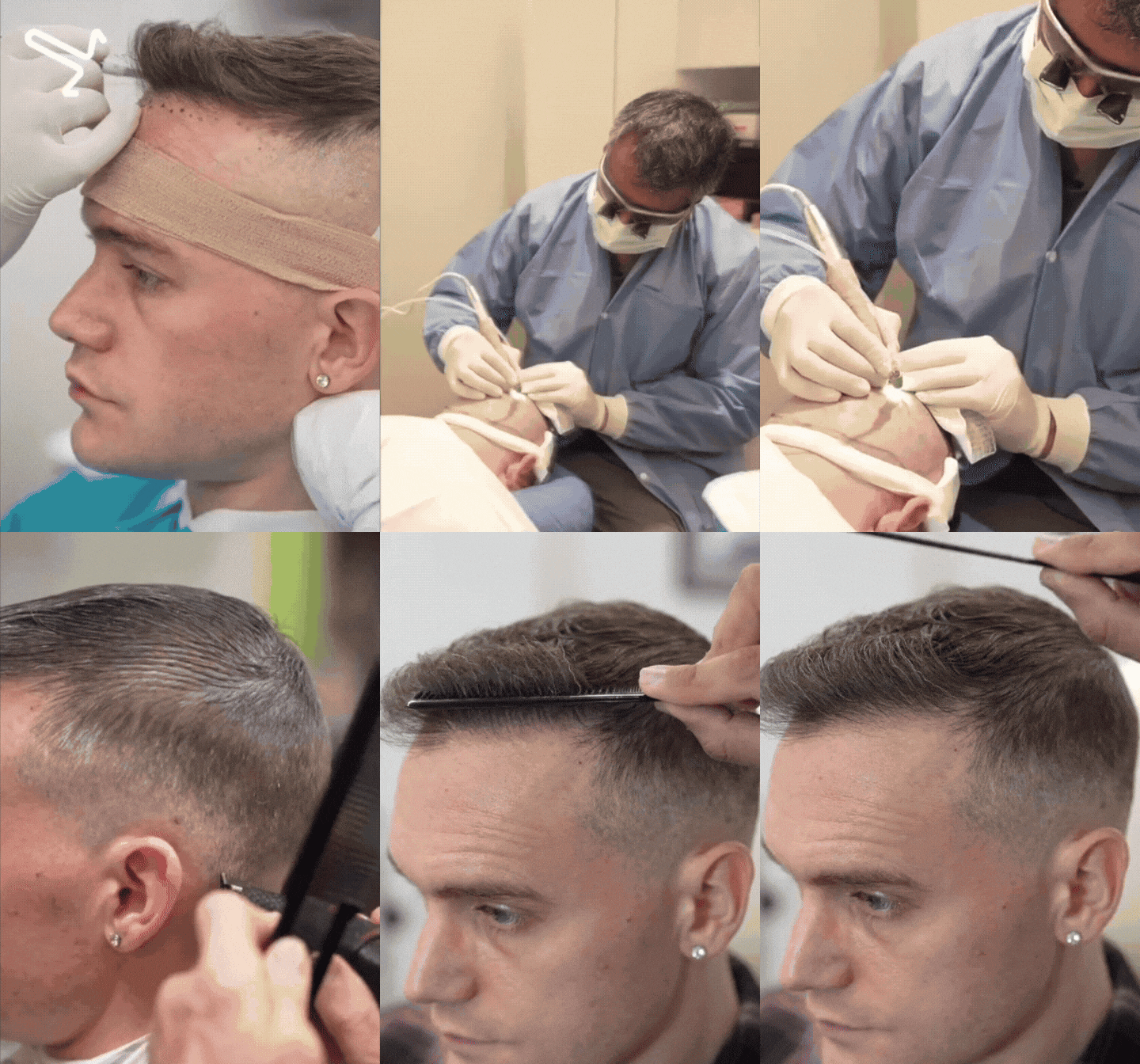
Dr. Rawlani incorporates these principles into every hair restoration procedure. Rather than creating a harsh line across the forehead, he designs a transition zone that mimics the way hair naturally emerges and grows.
This attention to detail helps patients achieve results that blend seamlessly with their existing hair.
Planning for the Future
One of the biggest mistakes in hair restoration is focusing only on immediate results.
Hair loss is often progressive, meaning a patient may continue losing native hair after a transplant. A hairline that appears appropriate today may become problematic if future hair loss is not considered during the planning process.
Dr. Rawlani takes a long-term approach to hair restoration by evaluating:
- Current hair loss patterns
- Future thinning risks
- Donor hair reserves
- Age-related changes
This strategy helps ensure that the restored hairline remains balanced and natural as patients age.
The Role of Facial Proportions
Successful hairline design involves more than simply filling in a receding area.
The position, shape, and density of the hairline must complement the patient’s facial structure. Factors such as forehead height, facial symmetry, and overall proportions influence the final design.
An appropriately positioned hairline can improve facial balance and create a more youthful appearance. Conversely, an improperly placed hairline may draw attention for the wrong reasons.
By carefully analyzing facial anatomy, Dr. Rawlani develops individualized treatment plans that enhance overall aesthetics rather than focusing solely on hair coverage.
Hairline Density and Distribution
Natural hair growth is not uniform.
The front of the hairline typically contains finer, softer hairs that gradually transition into greater density behind the leading edge. Replicating this pattern is essential for achieving realistic results.
Hairline density must also be balanced with donor hair management. Because donor hair is a limited resource, strategic placement is necessary to maximize both immediate improvements and future treatment options.
This thoughtful approach allows patients to achieve natural-looking density without compromising long-term restoration goals.
Combining Art and Science
 Hair restoration requires a unique combination of medical expertise and artistic judgment.
The science involves understanding follicular anatomy, graft survival, donor management, and surgical techniques. The artistry involves designing a hairline that looks completely natural and complements the individual’s appearance.
Dr. Rawlani combines both disciplines to create customized treatment plans focused on long-lasting, aesthetically pleasing outcomes.
The result is a restoration strategy that prioritizes naturalness, balance, and patient satisfaction.
Beyond Hair Transplants
Not every patient requires surgical hair restoration.
For individuals experiencing early-stage thinning, non-surgical options may help preserve existing hair and improve overall scalp health. Northwestern Hair offers advanced regenerative therapies, including Autologous Conditioned Serum (ACS), which can be incorporated into a comprehensive hair restoration plan.
In some cases, non-surgical treatments may help delay the need for a transplant or enhance overall results when used alongside surgical procedures.
Why Patients Choose Northwestern Hair
Patients seeking hair restoration in Chicago often look for more than just a procedure—they want personalized care and natural-looking results.
At Northwestern Hair, every treatment begins with a comprehensive consultation designed to understand the patient’s goals, evaluate hair loss patterns, and create a customized strategy for restoration.
Dr. Rawlani’s commitment to individualized hairline design, long-term planning, and physician-led care has helped many patients achieve results that restore both their appearance and confidence.
Schedule a Hair Restoration Consultation
Dr. Vinay Rawlani’s approach to hairline design in Chicago begins with understanding each patient’s facial features, hair characteristics, and long-term hair loss pattern. Whether you’re considering a hair transplant or exploring non-surgical hair restoration, a comprehensive evaluation helps create a personalized treatment plan designed to achieve natural-looking, long-lasting results.
By combining advanced techniques with personalized planning, Northwestern Hair helps patients achieve natural-looking results that are designed to stand the test of time.
Schedule your consultation with Dr. Vinay at Northwestern Hair →