




Women’s Hairline Restoration: How to Restore Density Naturally
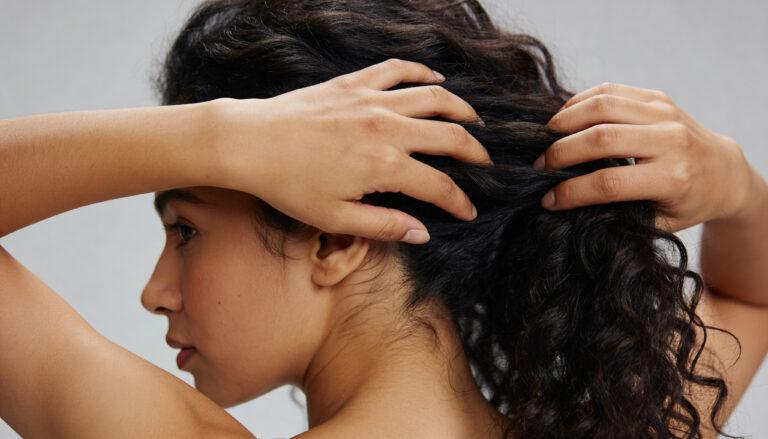
For many women, changes along the hairline can be among the first and most noticeable signs of hair loss. Thinning around the temples, a receding hairline, or reduced density near the forehead can affect facial balance and self-confidence. While hairline concerns are often associated with men, women frequently experience hairline thinning due to a variety of factors, including genetics, hormonal changes, aging, and lifestyle influences.
The good news is that modern hair restoration offers multiple options for improving hairline density. In many cases, women can achieve meaningful improvements without immediately pursuing surgical treatment.
This guide explores the causes of female hairline thinning, available treatment options, and how women can restore density naturally.
Contact Northwestern Hair Restoration for more information.
Understanding Female Hairline Thinning
The female hairline is typically softer and more rounded than the male hairline. When thinning occurs, even subtle changes can become noticeable because the hairline frames the face.
Women experiencing hairline thinning may notice:
- Increased scalp visibility near the temples
- A widening forehead appearance
- Reduced density around the frontal hairline
- Difficulty styling hair as they once did
- Thinner edges around the face
Because the hairline plays such a significant role in facial aesthetics, many women seek treatment early when they notice these changes.
Common Causes of Hairline Thinning in Women
 Genetics
Hereditary hair loss can affect women just as it affects men. Female pattern hair loss often causes gradual thinning that may extend into the frontal scalp and hairline region.
Hormonal Changes
Hormonal fluctuations associated with pregnancy, menopause, thyroid disorders, and other conditions can affect follicle function and contribute to hairline thinning.
Traction Alopecia
Women who frequently wear tight hairstyles may experience traction alopecia, a form of hair loss caused by repeated tension on the hair follicles.
Common contributing hairstyles include:
- Tight ponytails
- Braids
- Buns
- Extensions
When identified early, traction-related hair loss may be partially reversible.
Stress and Lifestyle Factors
Physical and emotional stress can disrupt the normal hair growth cycle, leading to increased shedding and reduced density around the scalp, including the hairline.
Aging
As women age, hair follicles naturally produce finer and thinner hair. This gradual change may contribute to reduced hairline density over time.
Why Early Intervention Matters
One of the biggest mistakes women make is waiting until hair loss becomes severe before seeking professional guidance.
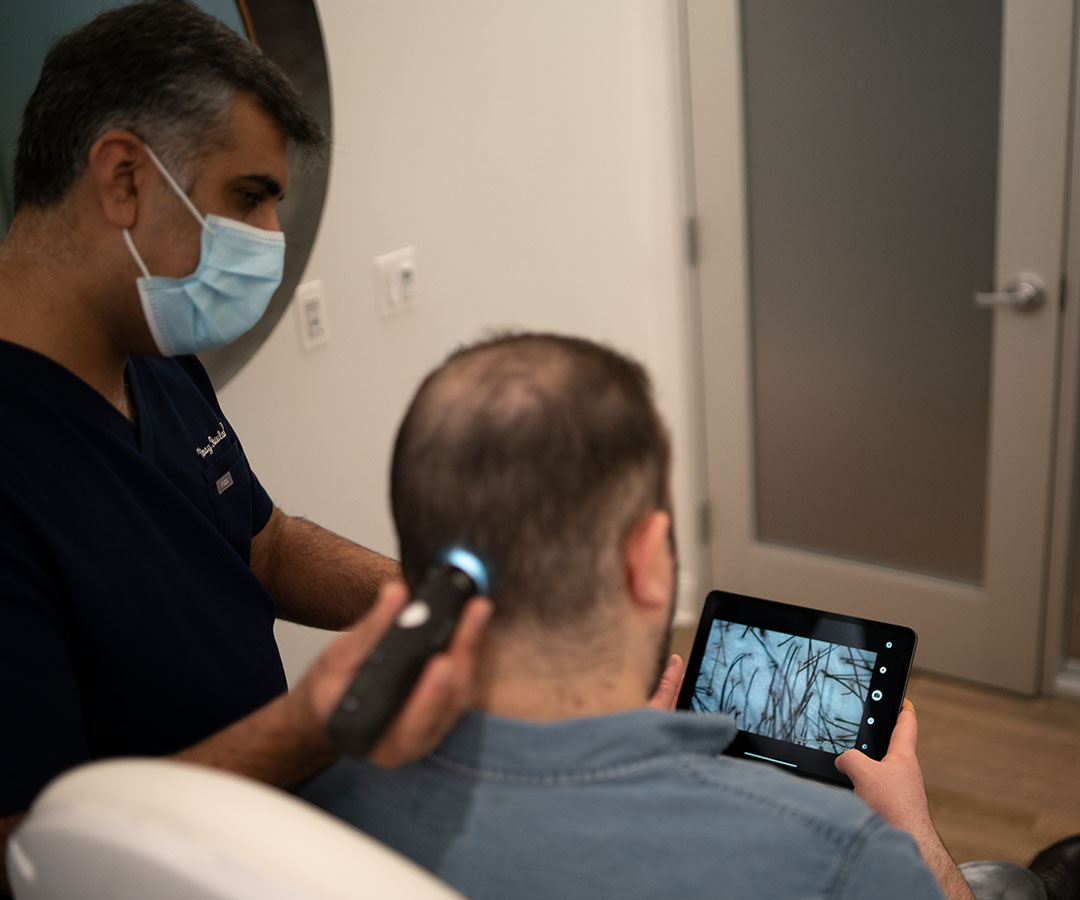
Hair restoration treatments are often most effective when active follicles are still present. Early evaluation allows physicians to identify the cause of thinning and develop a treatment strategy before significant follicular loss occurs.
The earlier the condition is addressed, the more options may be available.
Non-Surgical Hairline Restoration Options
Many women seeking hairline restoration prefer to explore non-surgical solutions first.
Regenerative Hair Restoration
Advanced regenerative therapies are designed to support scalp health and encourage healthier follicle function.
At Northwestern Hair, Autologous Conditioned Serum (ACS) is used as part of a personalized treatment plan for women experiencing thinning hair. This regenerative approach utilizes the body’s own healing components to support healthier hair growth naturally.
Because ACS is non-surgical, many patients appreciate the minimal downtime and personalized treatment approach.
Scalp Health Optimization
Healthy hair begins with a healthy scalp.
Factors such as inflammation, poor circulation, and environmental stressors can affect follicle performance. Comprehensive hair restoration programs often include strategies designed to improve scalp health and create an environment that supports stronger hair growth.
Personalized Hair Restoration Plans
Since every woman’s hair loss pattern is unique, treatment plans should be customized to address the underlying cause of thinning.
A personalized evaluation helps determine which therapies are most appropriate based on hair characteristics, scalp health, and restoration goals.
When Is Hairline Restoration Surgery Appropriate?
 While many women achieve positive results through non-surgical treatments, some patients may be candidates for hair transplantation.
Hairline restoration surgery may be considered when:
- Hair loss is stable
- Donor hair is available
- Hairline recession is clearly defined
- Non-surgical treatments alone may not achieve desired goals
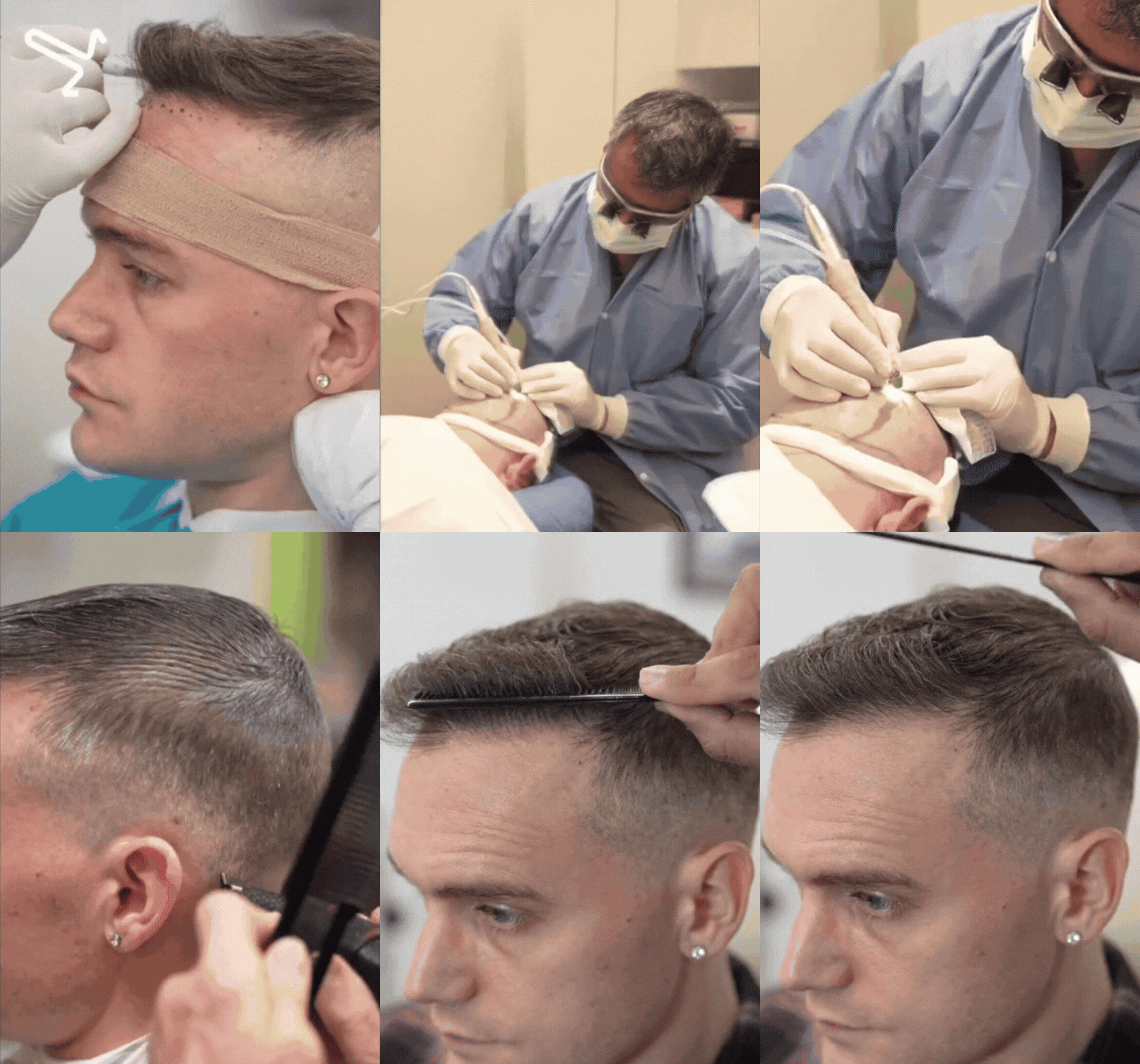
Modern transplantation techniques focus on creating natural-looking hairlines that complement the patient’s facial features and existing hair patterns.
A comprehensive consultation can determine whether surgical restoration is appropriate.
What Makes a Natural Female Hairline?
Successful hairline restoration involves much more than simply adding density.
A natural female hairline requires:
- Soft transitions
- Strategic density placement
- Age-appropriate design
- Facial balance
- Natural growth patterns
The goal is to create results that look authentic rather than obviously treated.
This is why artistic planning plays such a critical role in successful hair restoration.
Long-Term Hair Preservation Is Essential
Hair restoration should focus not only on improving current appearance but also on protecting future hair health.
Women experiencing early-stage thinning often benefit from treatment plans designed to preserve existing follicles while supporting continued growth.
A long-term approach can help maintain natural density and reduce the progression of future hair loss.
Why Women Choose Northwestern Hair
Women seeking hair restoration often want solutions that address the root cause of hair loss rather than simply masking the symptoms.
At Northwestern Hair, every patient receives a comprehensive evaluation designed to identify contributing factors and develop a personalized treatment strategy.
Led by Dr. Vinay Rawlani, the practice combines advanced regenerative therapies, hair restoration expertise, and individualized care to help women pursue healthier, fuller-looking hair naturally.
Schedule a Hair Restoration Consultation
If you’re noticing thinning around your hairline, early evaluation can help identify the cause and determine the most effective treatment options.
Whether you’re interested in non-surgical therapies or exploring hair restoration procedures, a personalized consultation can help you develop a strategy designed to restore density and confidence.