


How Women Can Restore Thinning Hair Without a Full Haircut
For many women considering hair restoration, one concern often outweighs all others: Will I have to shave my head? The fear of a dramatic haircut or visible changes during recovery prevents some women from exploring treatment, even when they are ideal candidates. Fortunately, modern hair restoration has evolved significantly. How Women Can Restore Thinning Hair Without A Full Haircut is no longer just a possibility—it is a reality for many patients through advanced techniques and personalized treatment planning.
At Northwestern Hair Restoration, Dr. Vinay Rawlani understands that restoring hair is about more than improving density. It is also about helping women maintain confidence throughout every stage of treatment. By combining advanced Micro PUE (Precision Follicular Unit Extraction) techniques with physician-led planning and non-surgical therapies, many women can address thinning hair without dramatically changing their hairstyle. Contact Northwestern Hair Restoration today for more information.
Why Many Women Delay Hair Restoration
Unlike men, women often wear their hair longer, making the idea of shaving part or all of the scalp especially concerning.
Many patients worry that friends, family, or coworkers will immediately notice they’ve had a procedure. Others fear they will need months before their hair looks presentable again.
These concerns are understandable, but they are often based on outdated assumptions about hair transplantation.
Today’s techniques allow many women to undergo treatment while preserving much of their existing hairstyle.
Modern Hair Restoration Looks Different
 Hair transplantation has changed dramatically over the past decade.
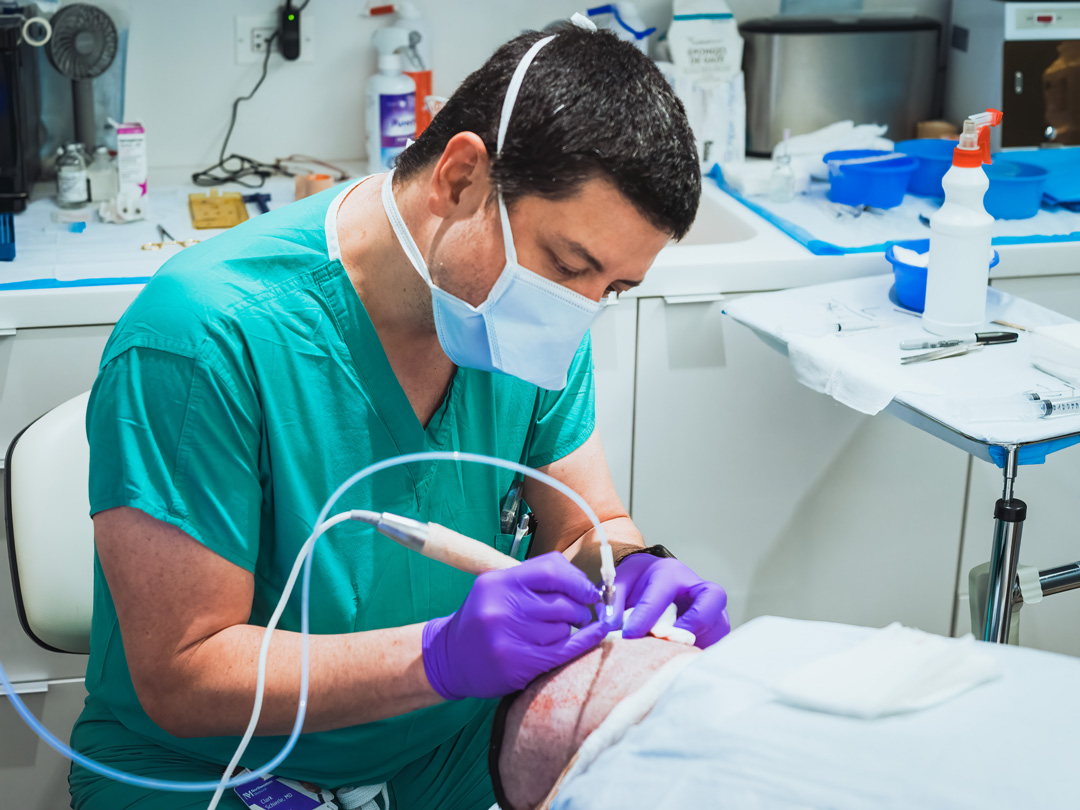
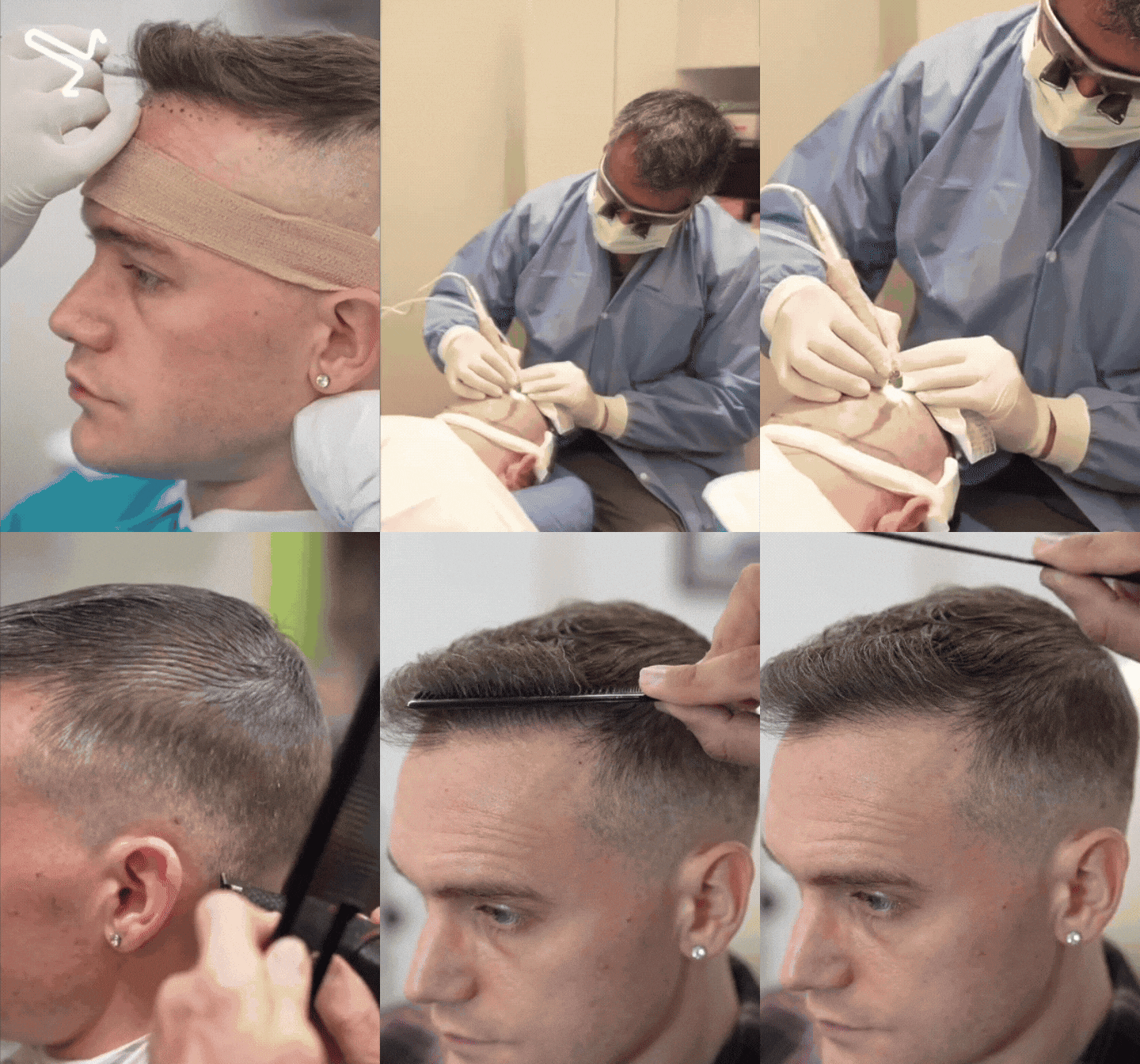
At Northwestern Hair Restoration, Micro PUE allows individual follicular units to be carefully harvested and transplanted with exceptional precision. Depending on the treatment plan and donor area, many female patients do not require a full haircut before surgery.
Instead, donor hair may be selectively trimmed in small, discreet sections that are easily concealed by surrounding hair. This allows patients to wear their hair down during recovery, minimizing the visibility of the procedure.
Every treatment plan is customized according to the patient’s hairstyle, hair density, donor characteristics, and restoration goals.
Are You A Candidate?
Not every woman experiencing thinning hair requires surgery.
The first step is identifying the underlying cause of hair loss. During your consultation, Dr. Vinay Rawlani evaluates your scalp, medical history, donor hair, and pattern of thinning to determine which treatment will provide the greatest benefit.
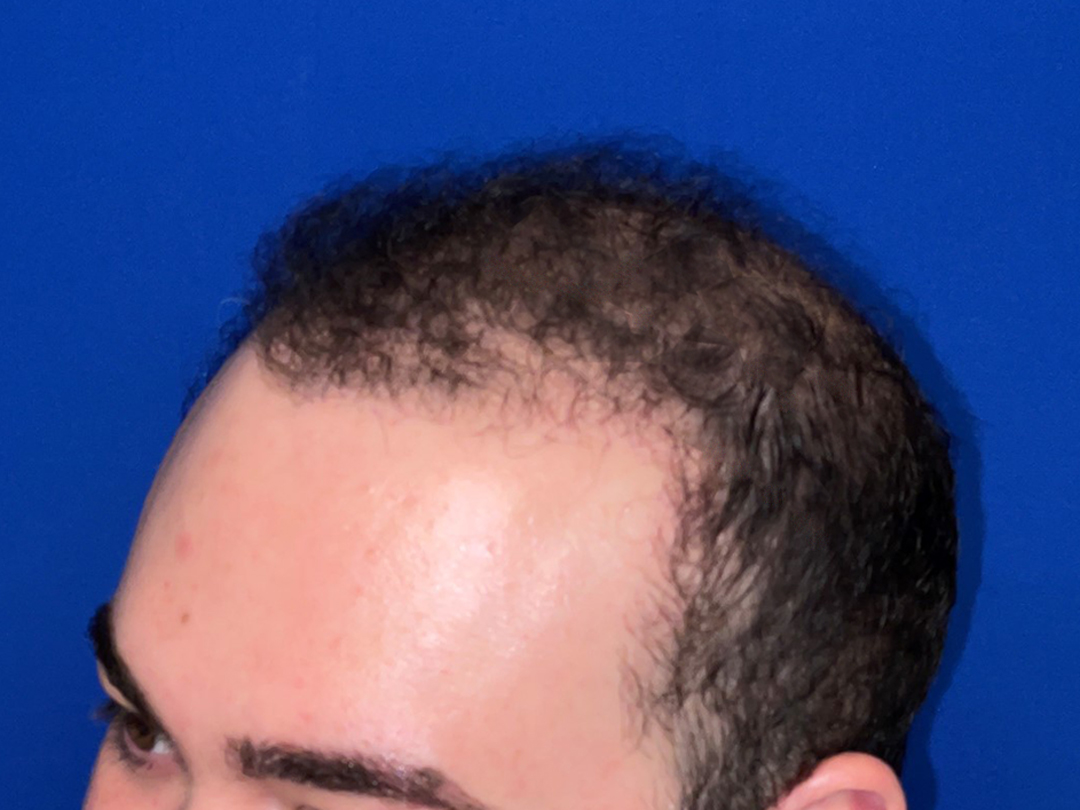
Women with localized thinning, stable hairline recession, or areas of reduced density often make excellent candidates for Micro PUE.
Patients with diffuse thinning throughout both the donor and recipient areas may benefit more from non-surgical therapies before considering transplantation.
Non-Surgical Treatments Can Restore Hair
For many women, surgery is not the first recommendation.
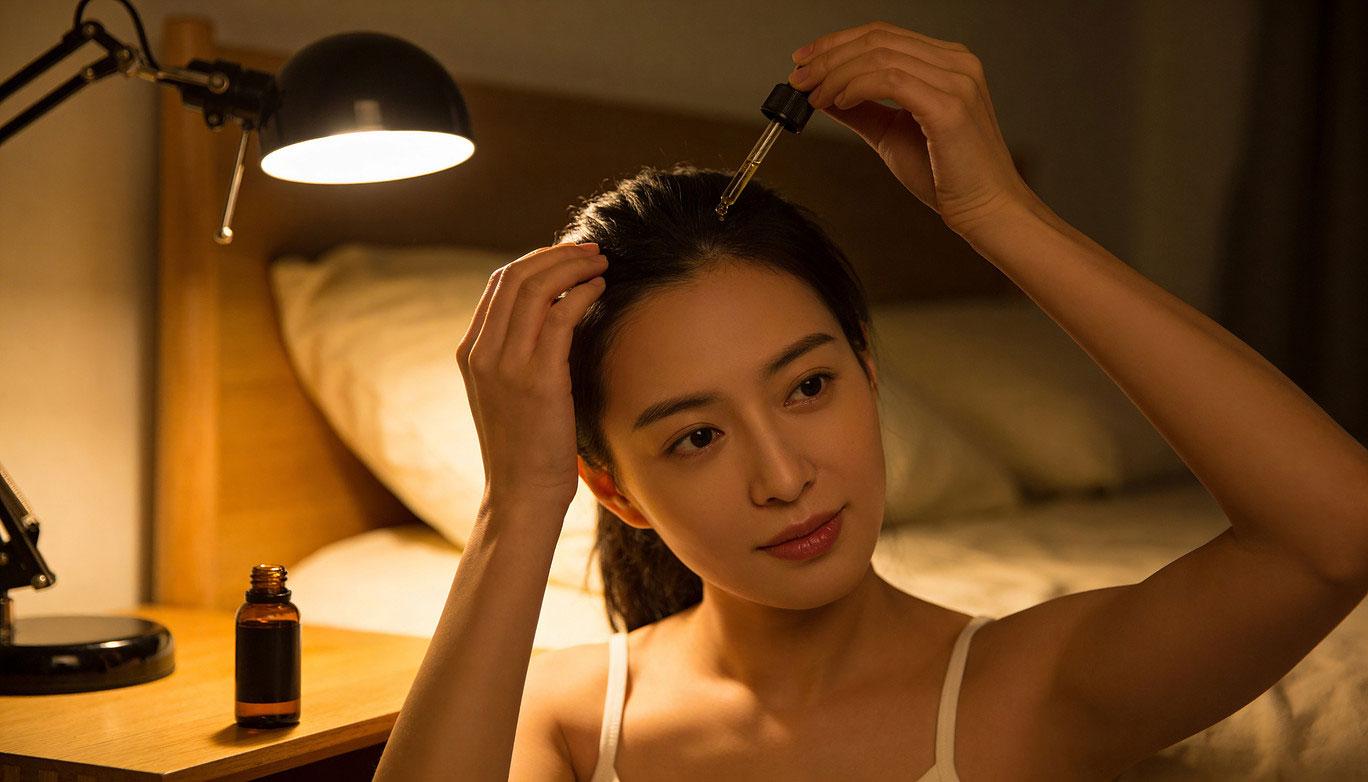
Northwestern Hair Restoration offers several advanced non-surgical treatments designed to strengthen existing follicles, reduce shedding, and improve hair density.
Depending on your diagnosis, Dr. Rawlani may recommend:
- ACS (Autologous Conditioned Serum) therapy
- PRP (Platelet-Rich Plasma) therapy
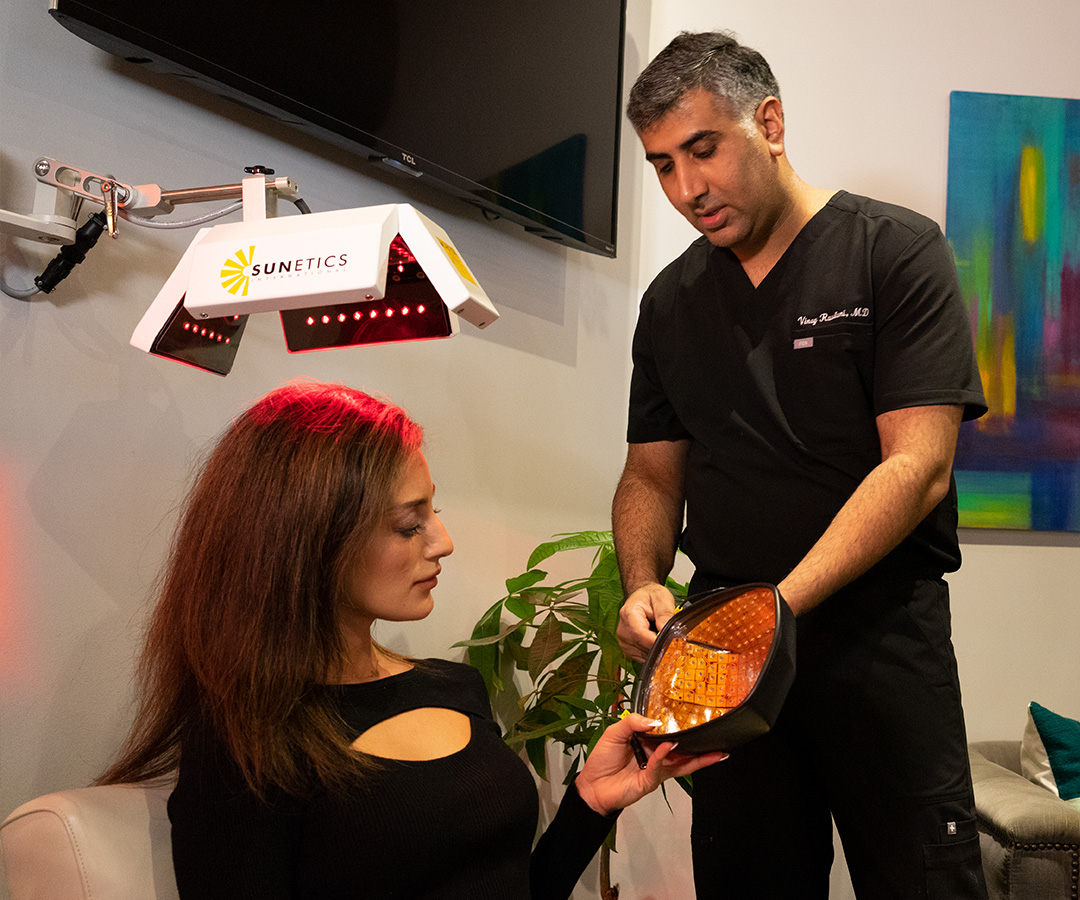
- Low-level laser therapy
- Prescription medications when appropriate
- Personalized maintenance programs
These treatments may improve hair quality while slowing additional thinning, especially when started early.
Personalized Hairline Design
When hair transplantation is recommended, creating natural results requires much more than simply placing grafts into thinning areas.
Hairline design must consider facial proportions, age, hair characteristics, and future hair loss patterns.
Dr. Vinay Rawlani personally designs every hairline to ensure the restored hair blends naturally with existing hair while maintaining flexibility for future treatment if additional thinning occurs.
The goal is subtle improvement—not an appearance that suggests surgery.
Recovery Without A Dramatic Change
Many women are surprised to learn how manageable recovery can be.
Following Micro PUE, most patients experience temporary redness and small scabs that gradually improve during the first week. Because surrounding hair often conceals the treated areas, many women feel comfortable returning to daily activities sooner than they expected.
Hair washing, sleeping instructions, and follow-up care are all explained in detail to help protect newly transplanted follicles during healing.
As recovery progresses, transplanted hairs temporarily shed before entering a resting phase. New growth gradually begins over the following months, producing increasingly natural density.
Long-Term Hair Health Matters
 A successful hair restoration plan focuses on more than today’s appearance.
Hair loss often continues over time, making long-term maintenance an essential part of treatment.
Northwestern Hair Restoration emphasizes ongoing follicle preservation through personalized medical management and regenerative therapies. This comprehensive approach helps support transplanted hair while protecting your existing hair for years to come.
Why Choose Northwestern Hair Restoration?
Women throughout the Chicago area choose Northwestern Hair Restoration because every treatment is built around their individual needs—not a standardized protocol.
Dr. Vinay Rawlani personally evaluates each patient, identifies the underlying cause of hair thinning, designs customized treatment plans, and performs the critical aspects of every Micro PUE procedure. Whether you’re interested in women’s hair restoration, ACS therapy, PRP, Micro PUE, or comprehensive non-surgical care, every recommendation is guided by medical expertise and long-term planning.
The result is natural-looking hair restoration that prioritizes both appearance and the health of your existing follicles.
Schedule Your Consultation
If you’ve been wondering How Women Can Restore Thinning Hair Without A Full Haircut, the first step is a personalized consultation.
Meet with Dr. Vinay Rawlani at Northwestern Hair Restoration to discuss your hair loss, treatment goals, and available options. Together, you’ll create a customized restoration plan that helps improve hair density while allowing you to maintain your confidence throughout the process.