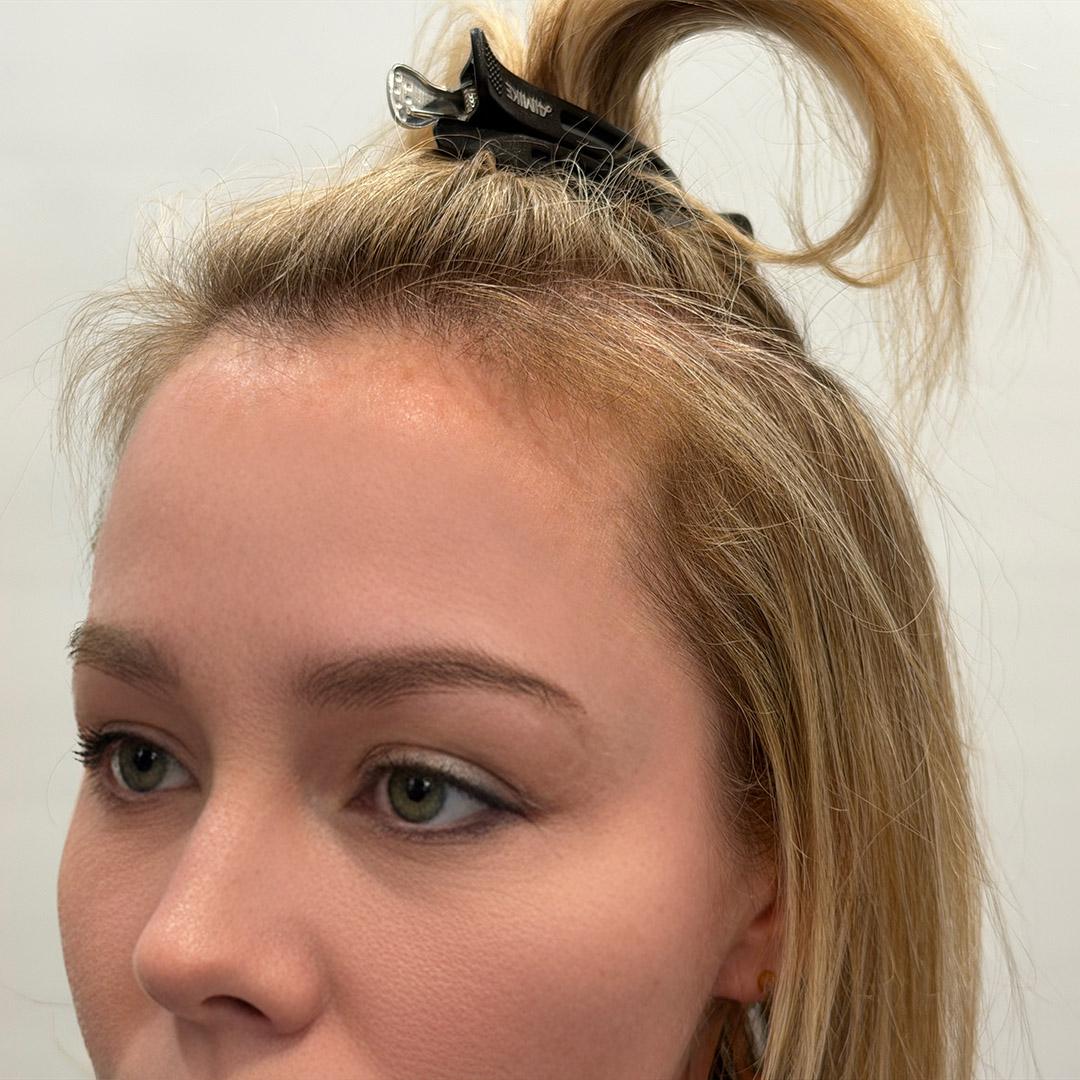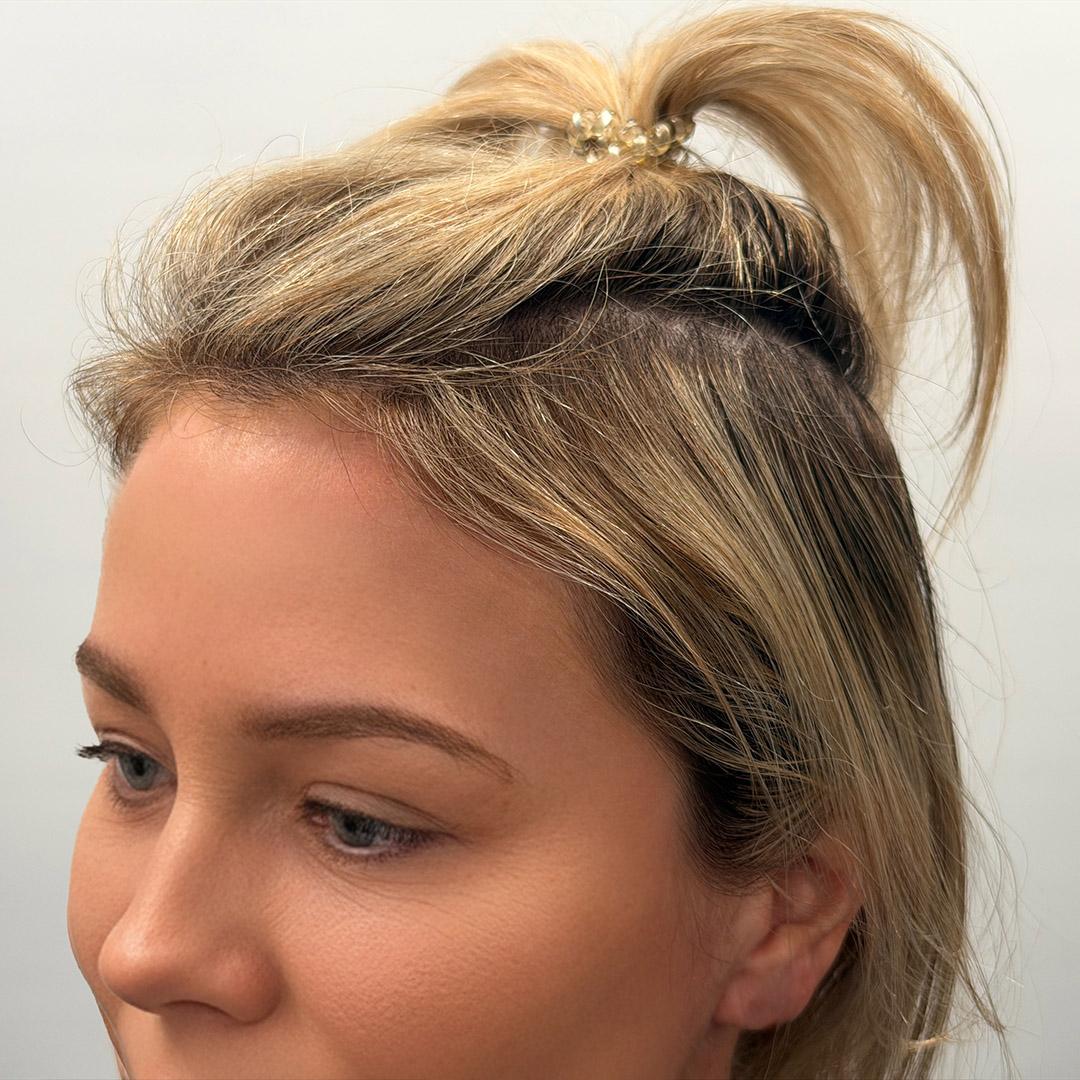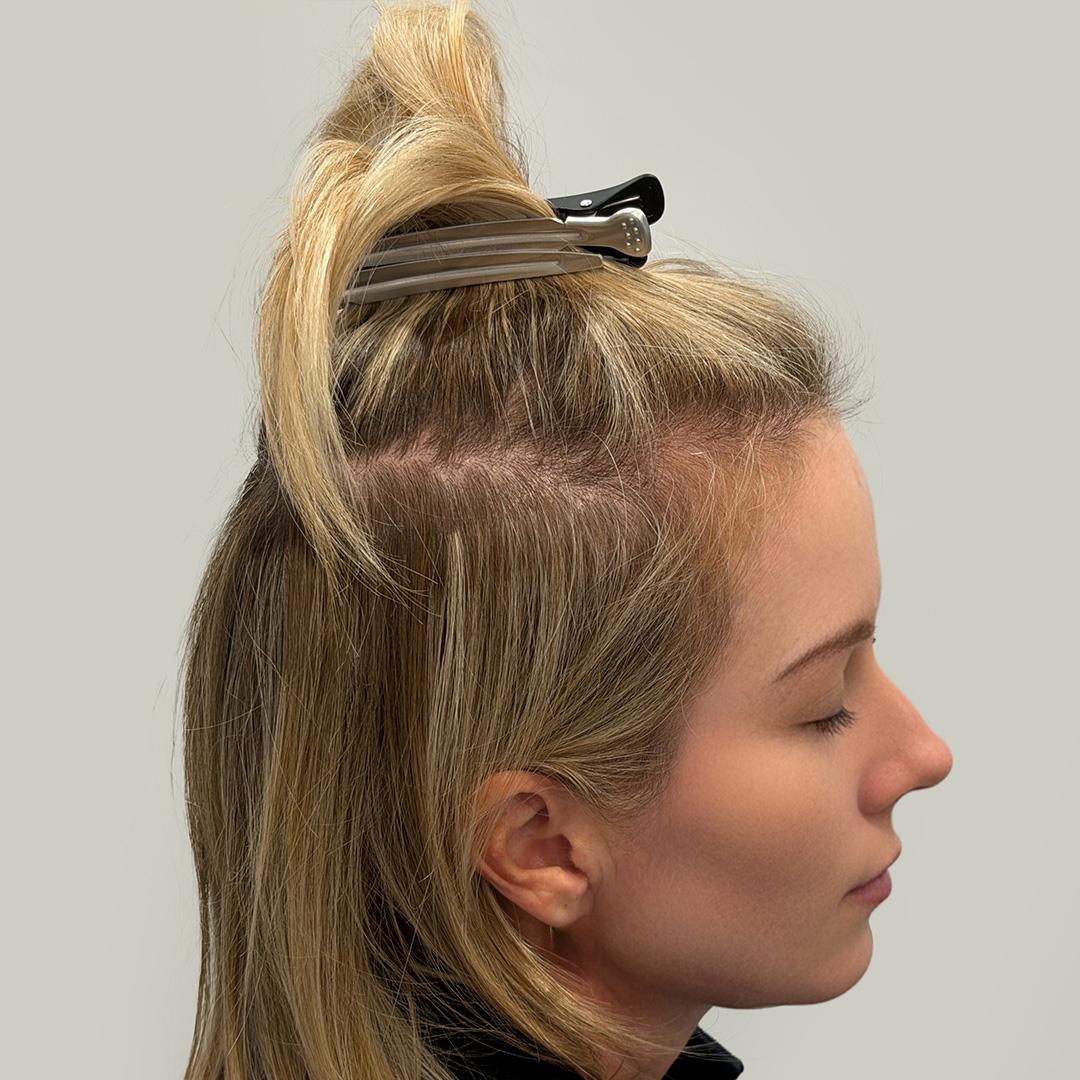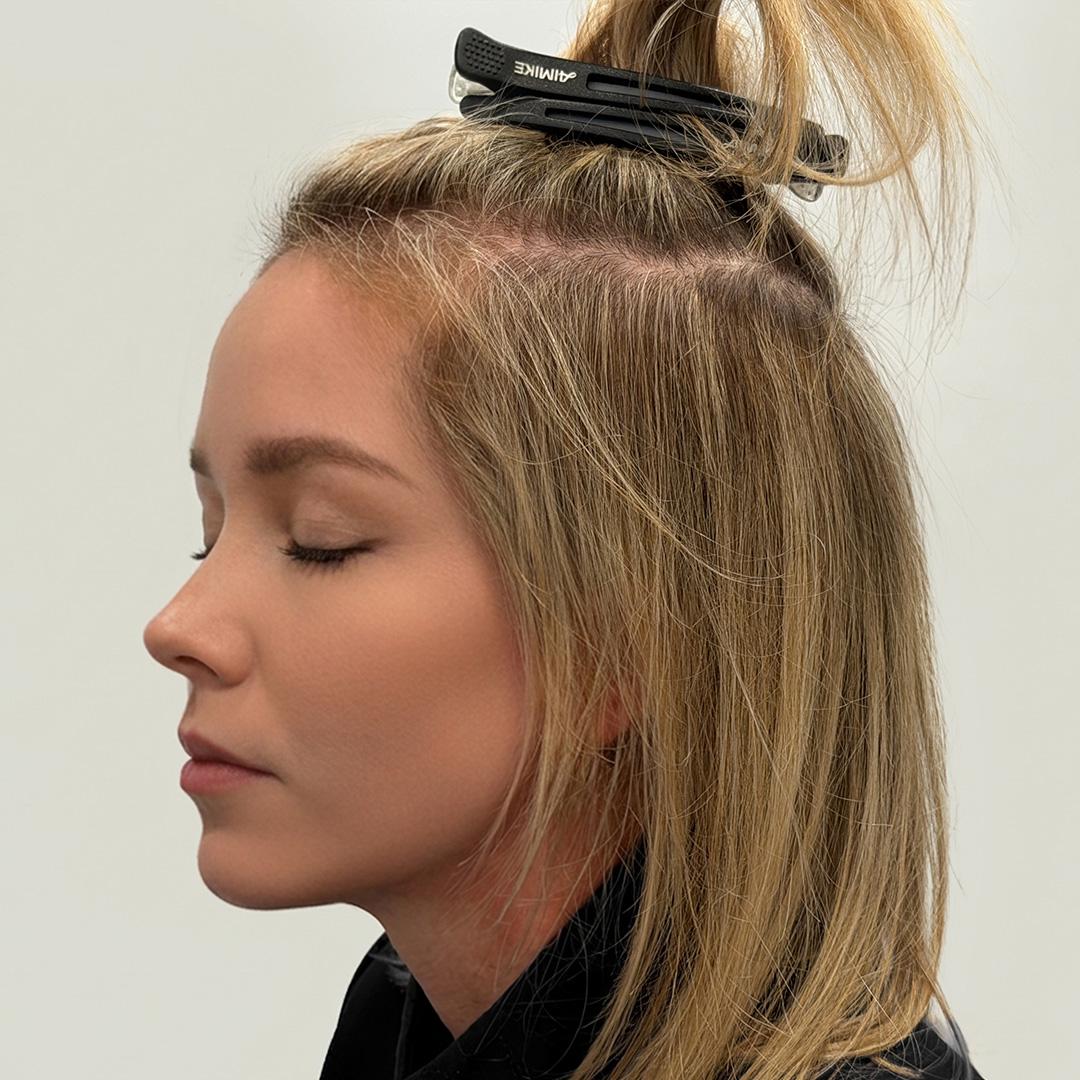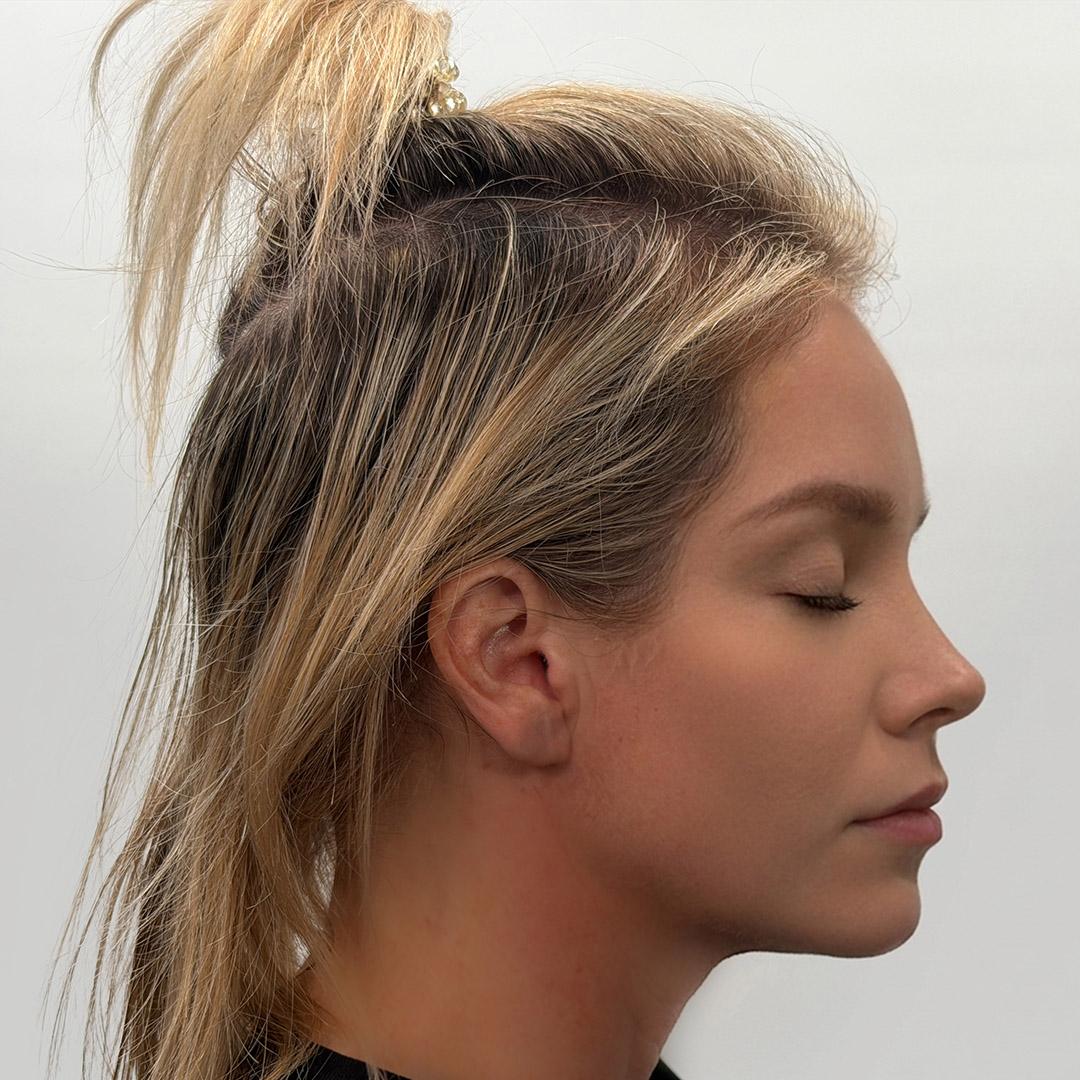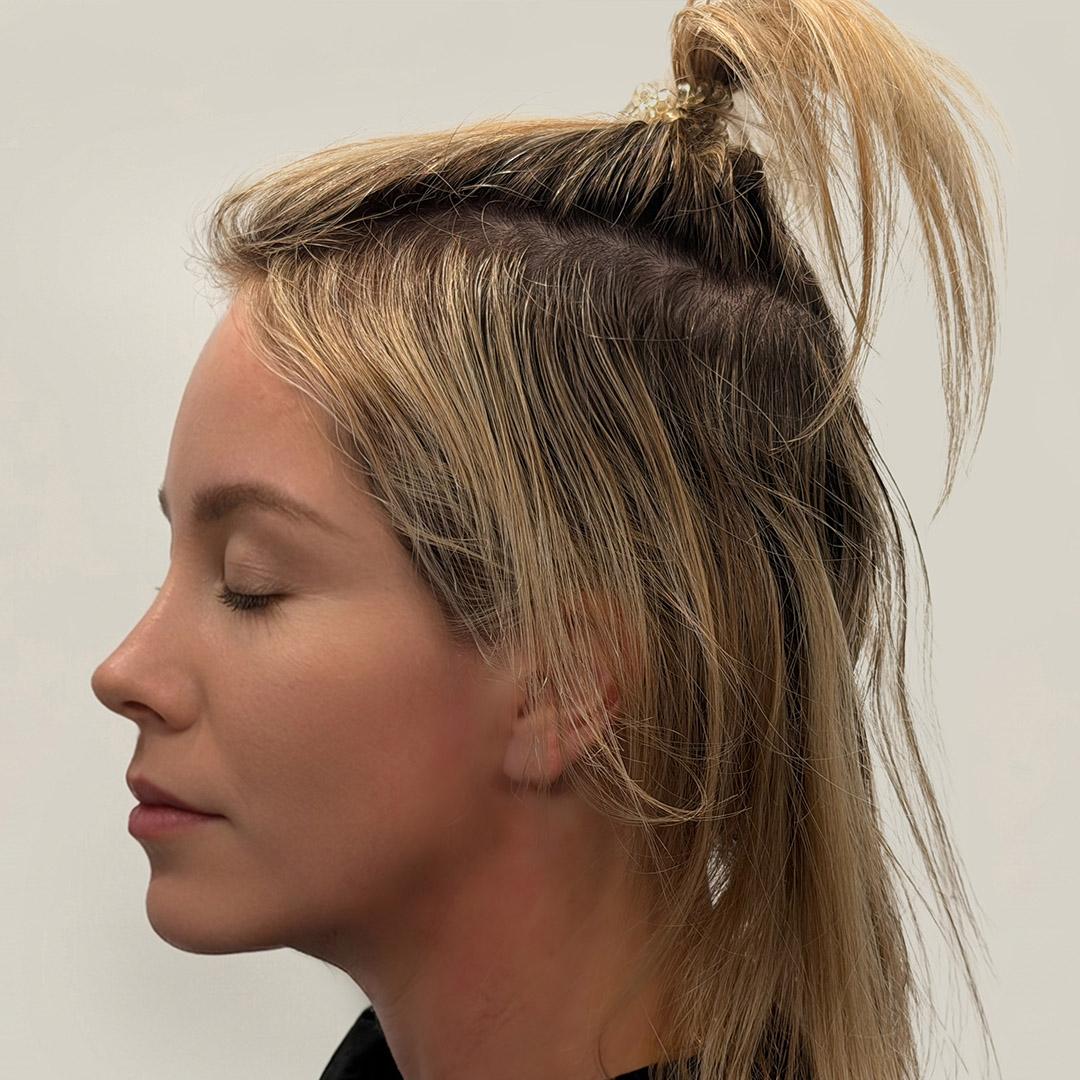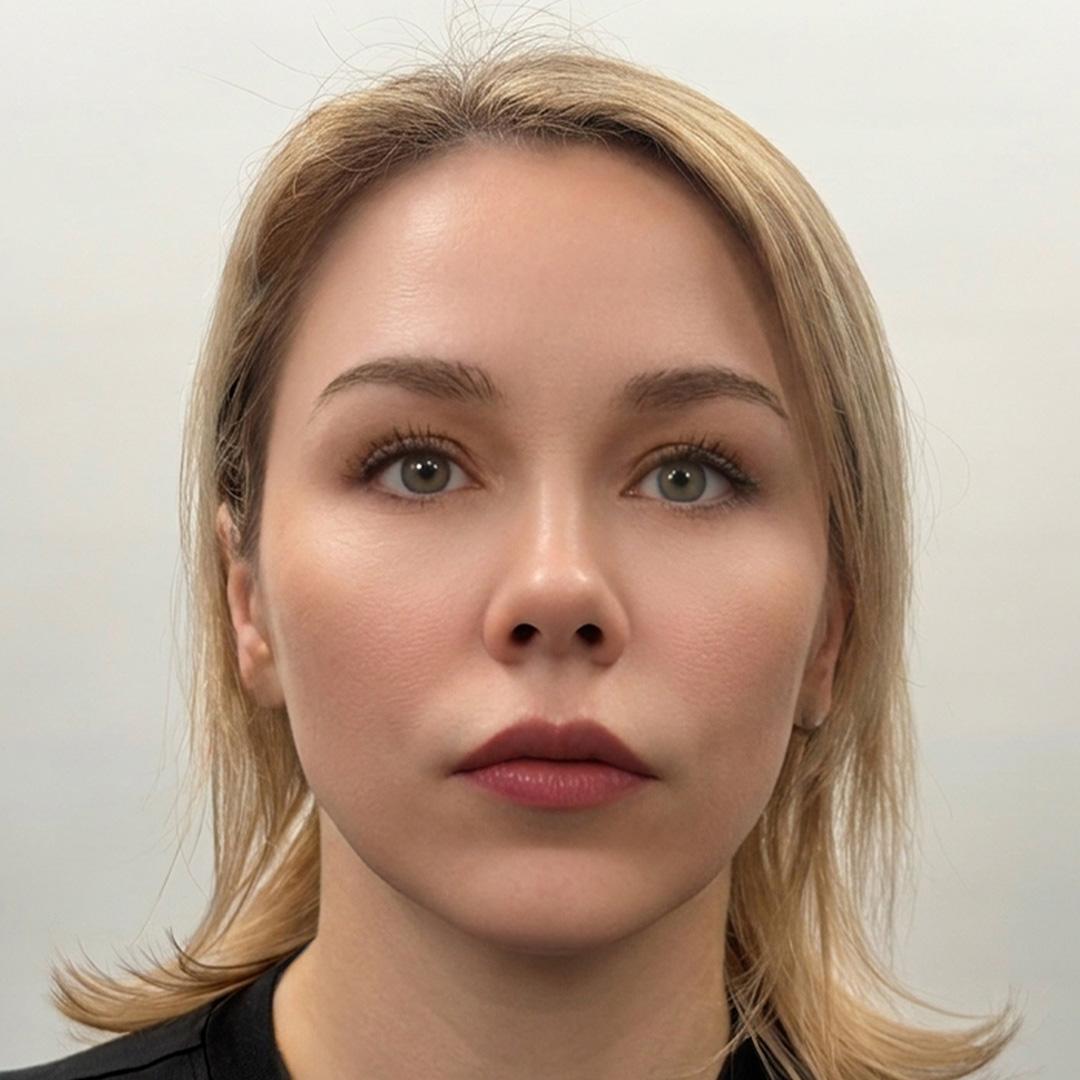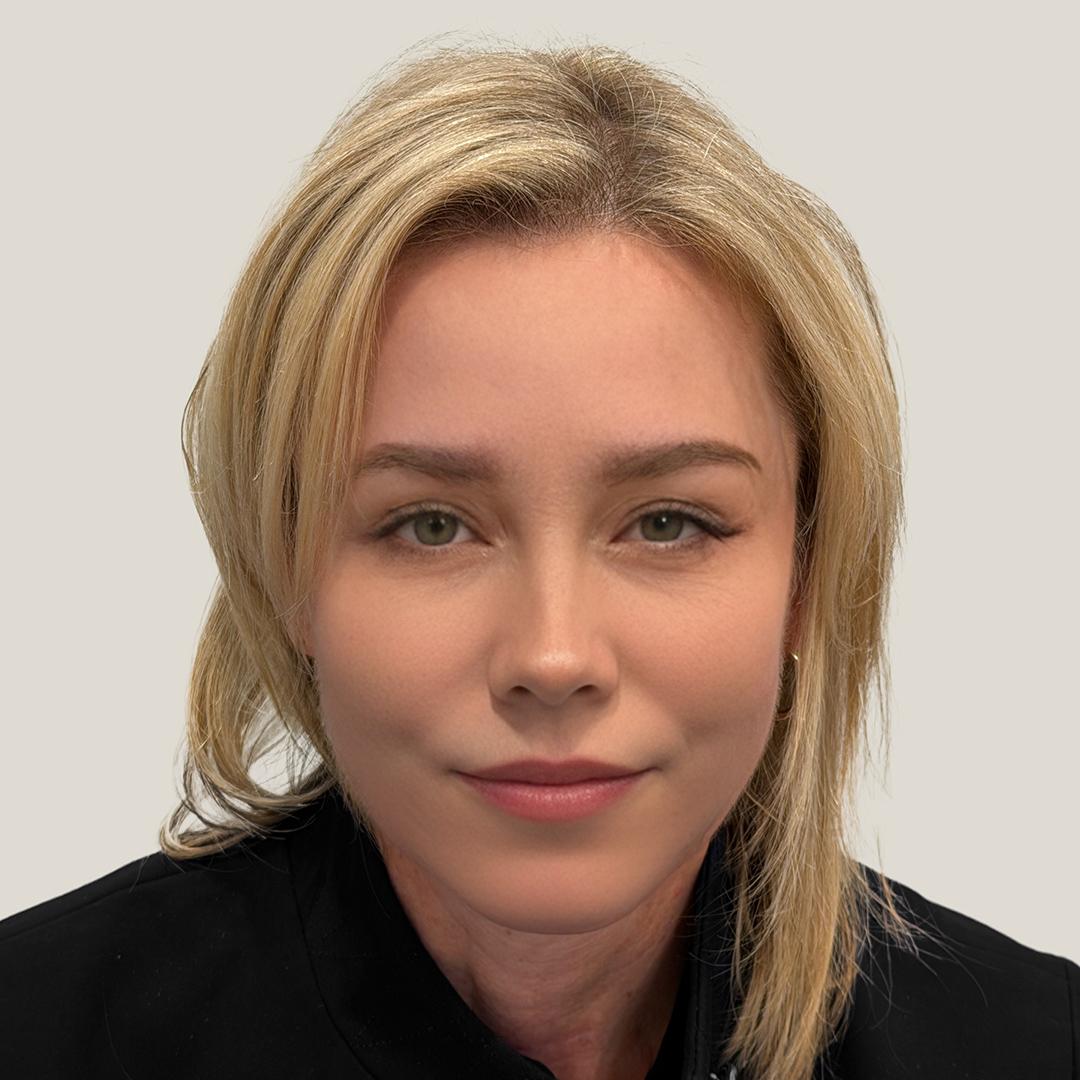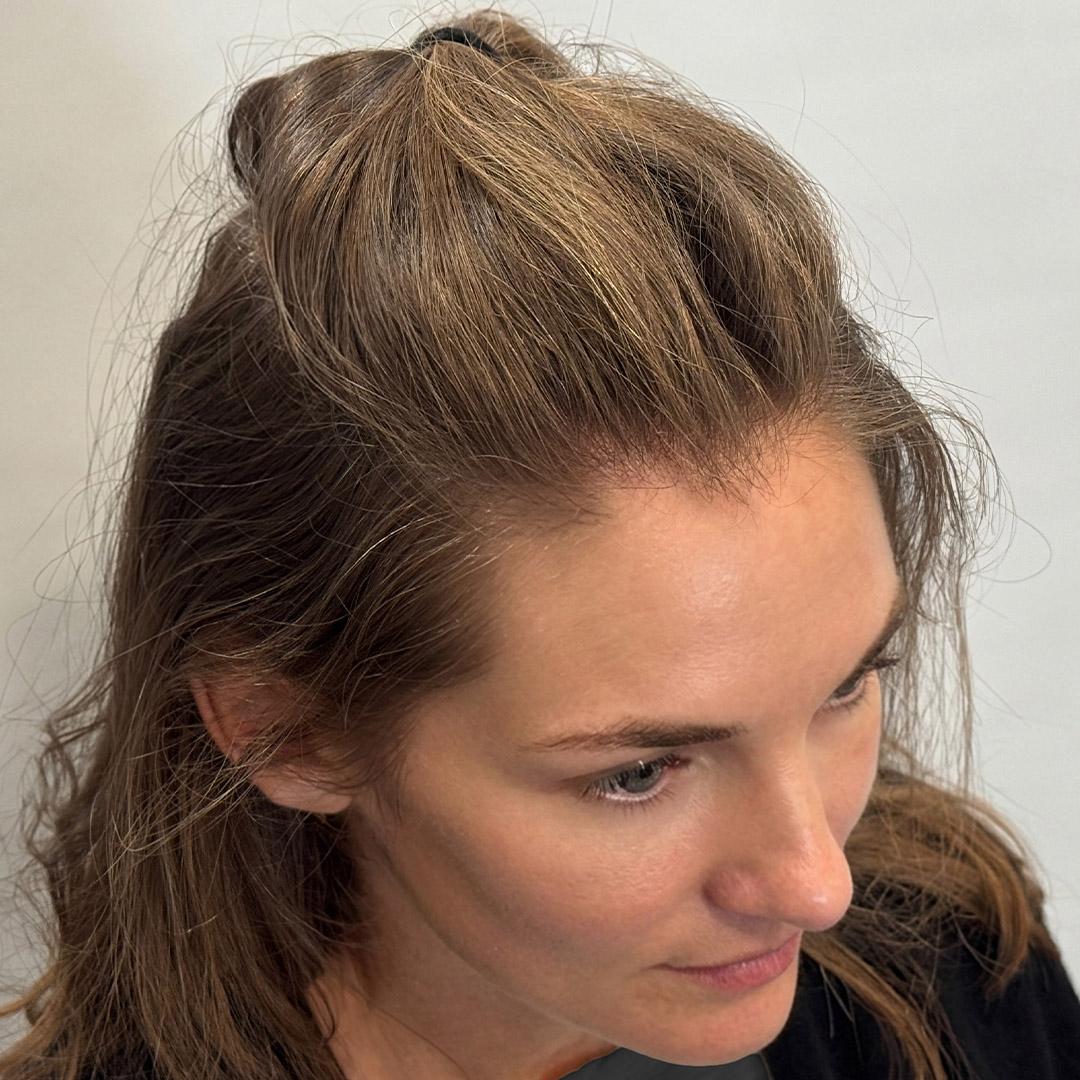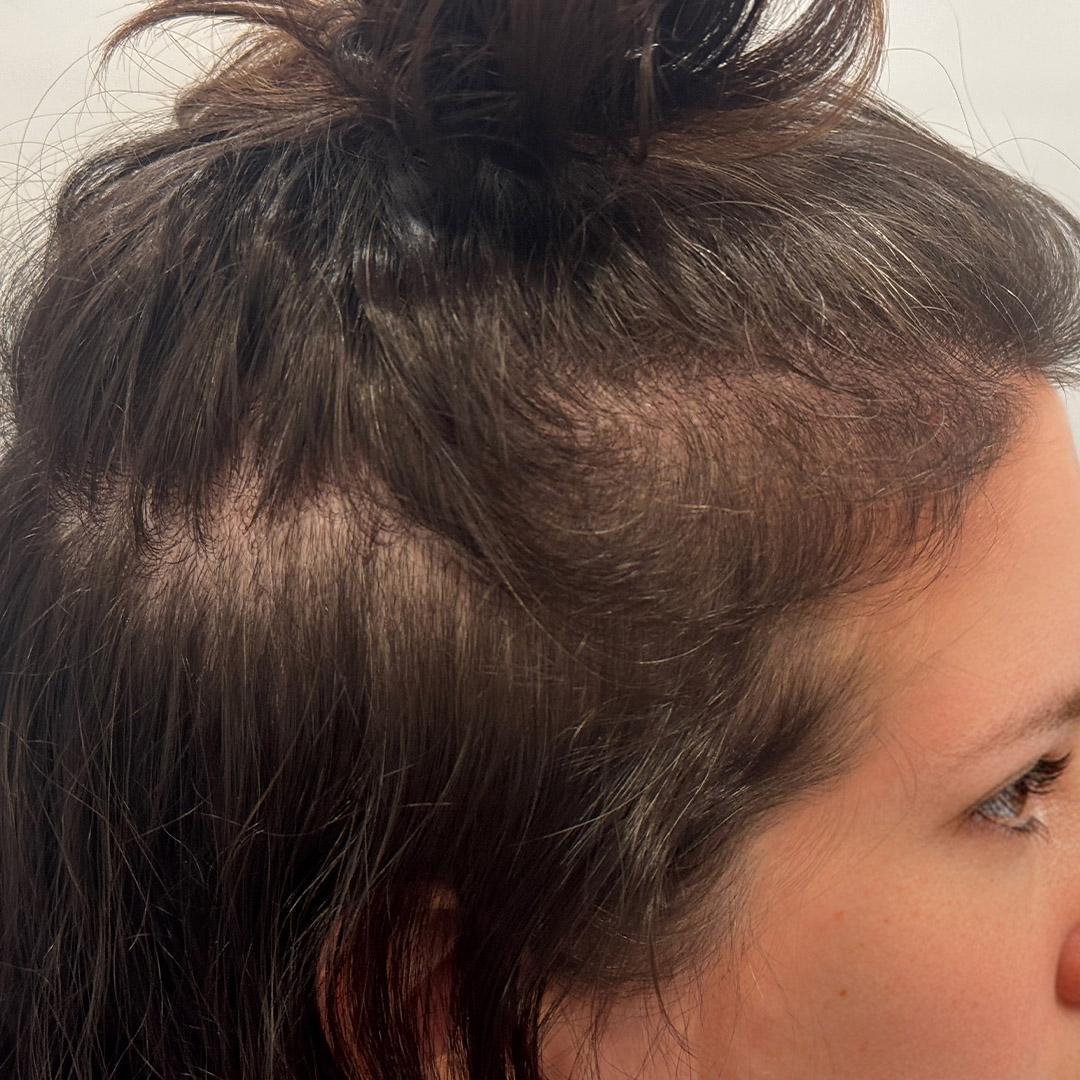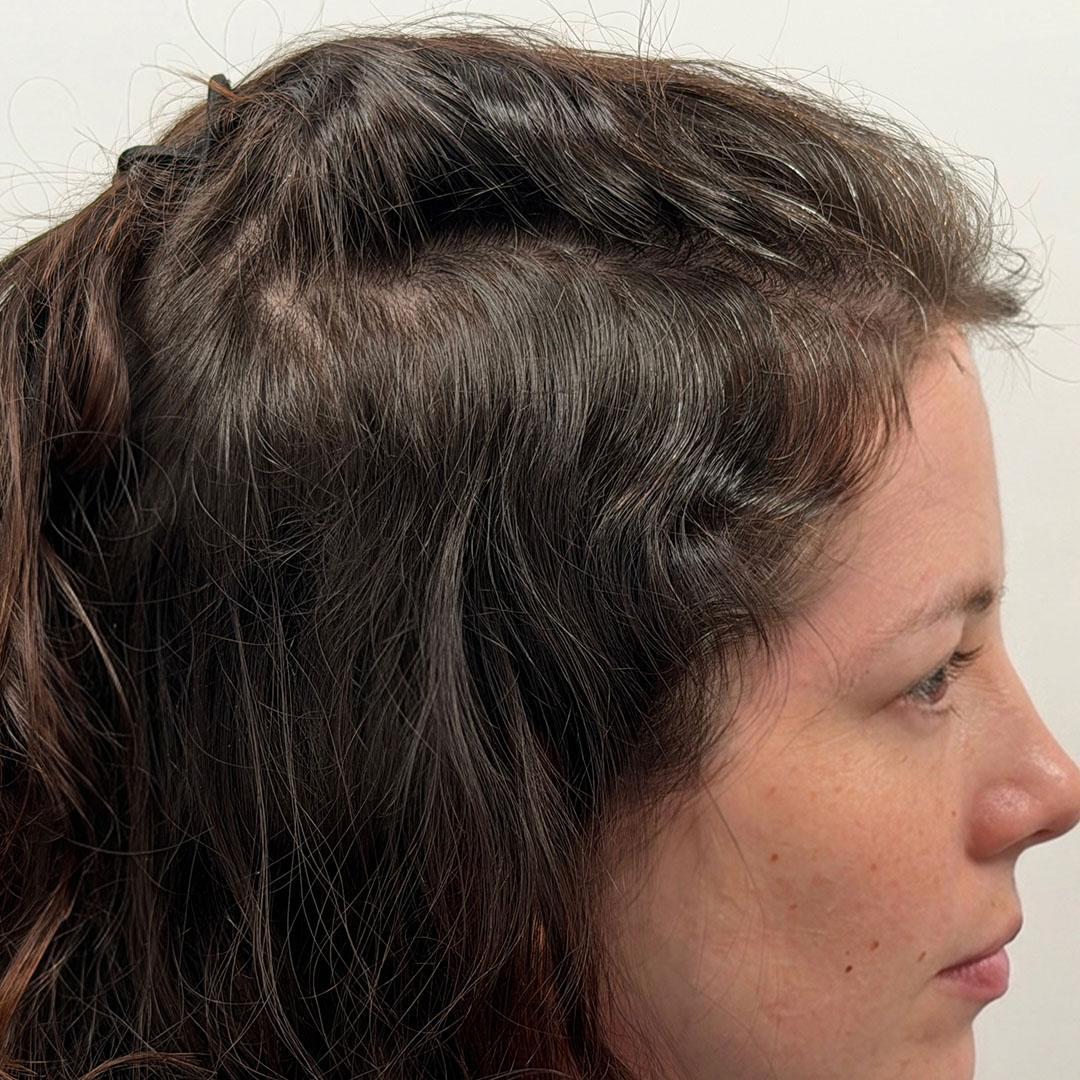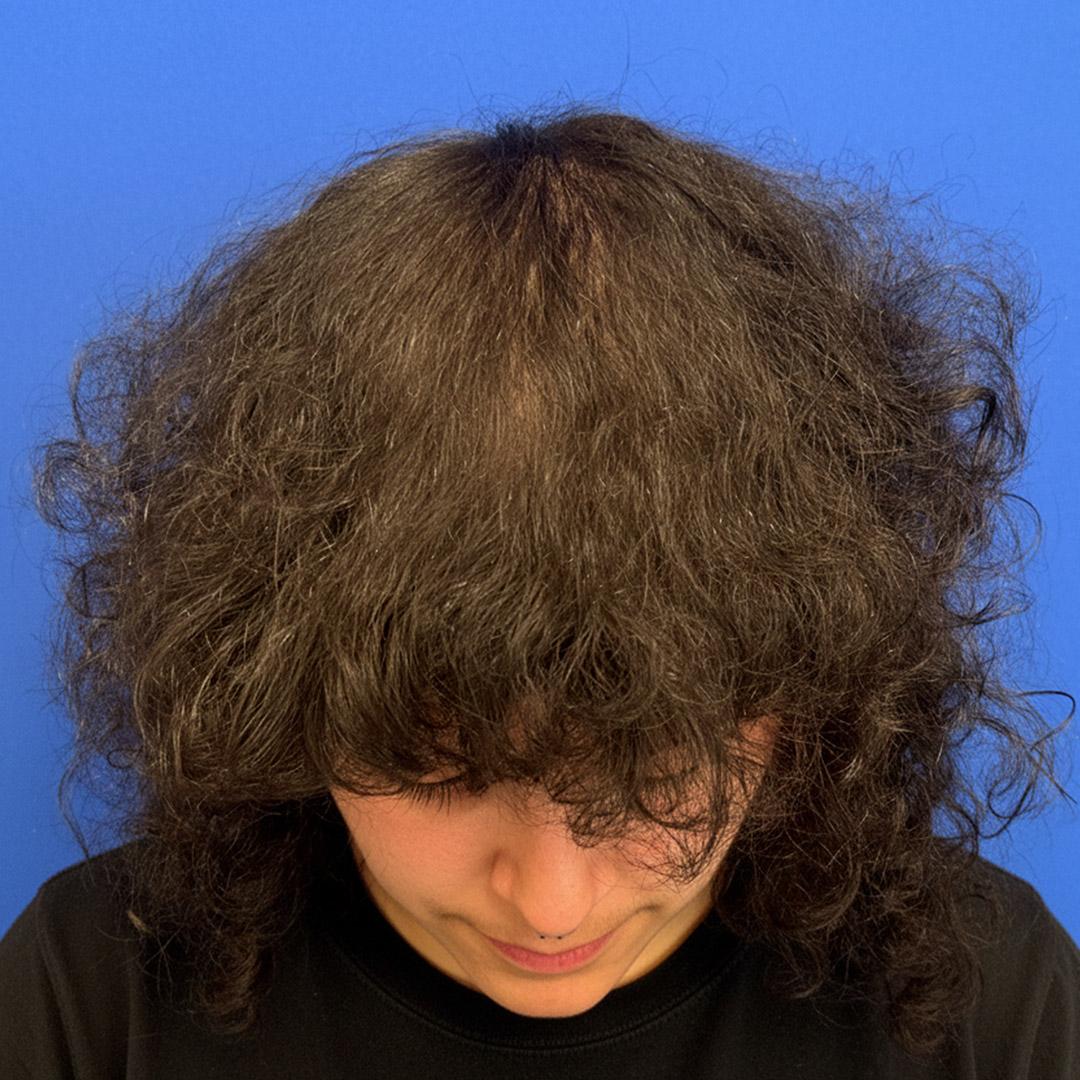

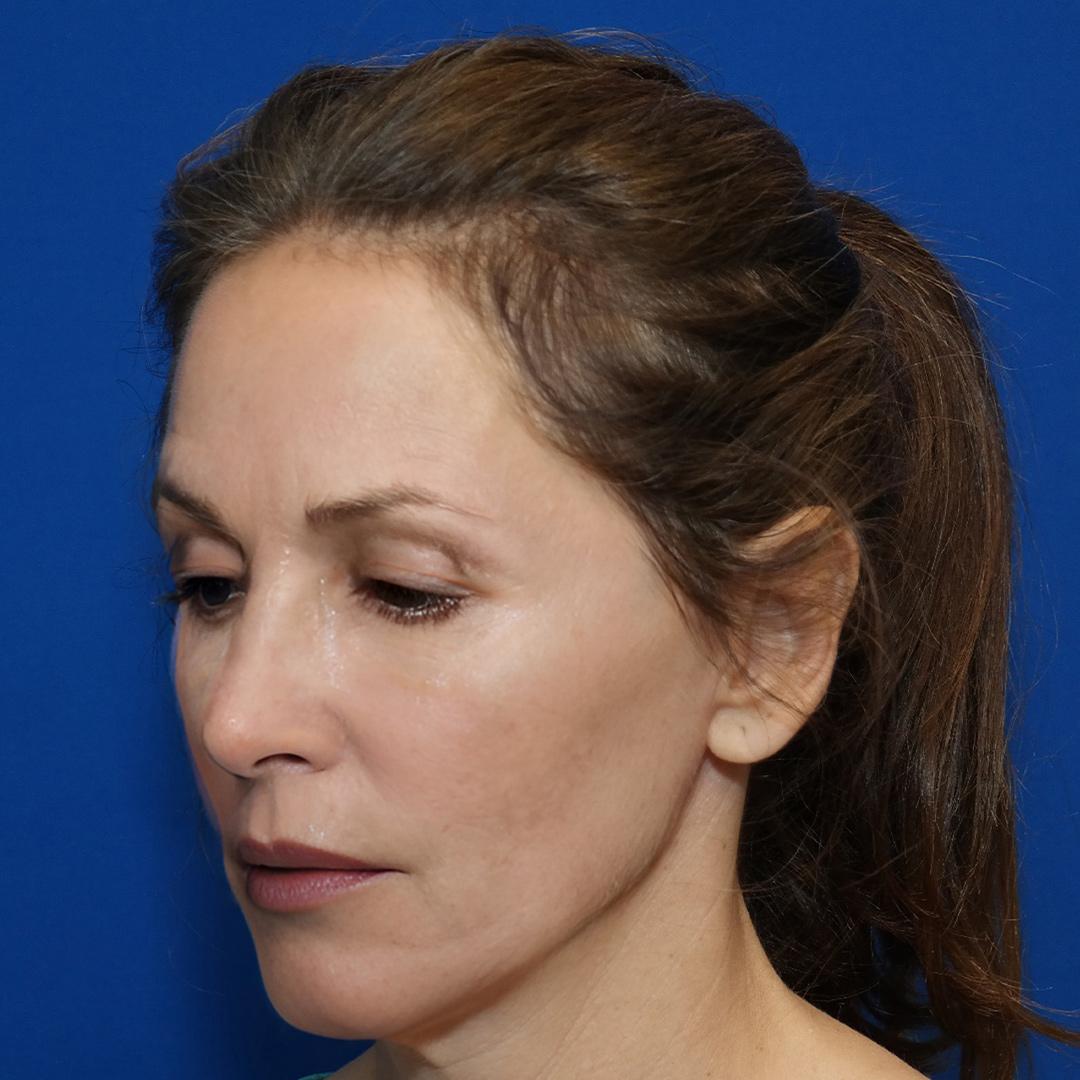
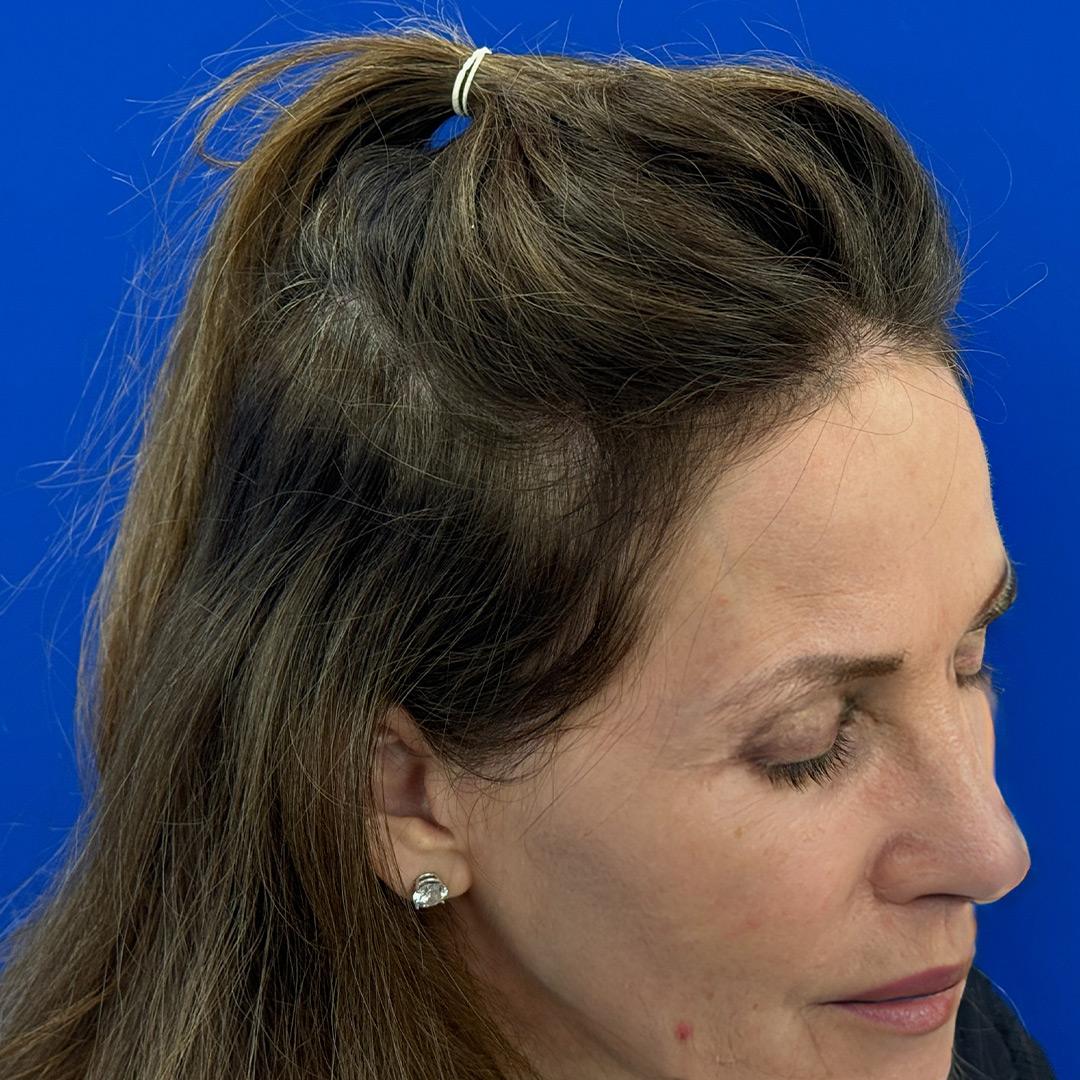
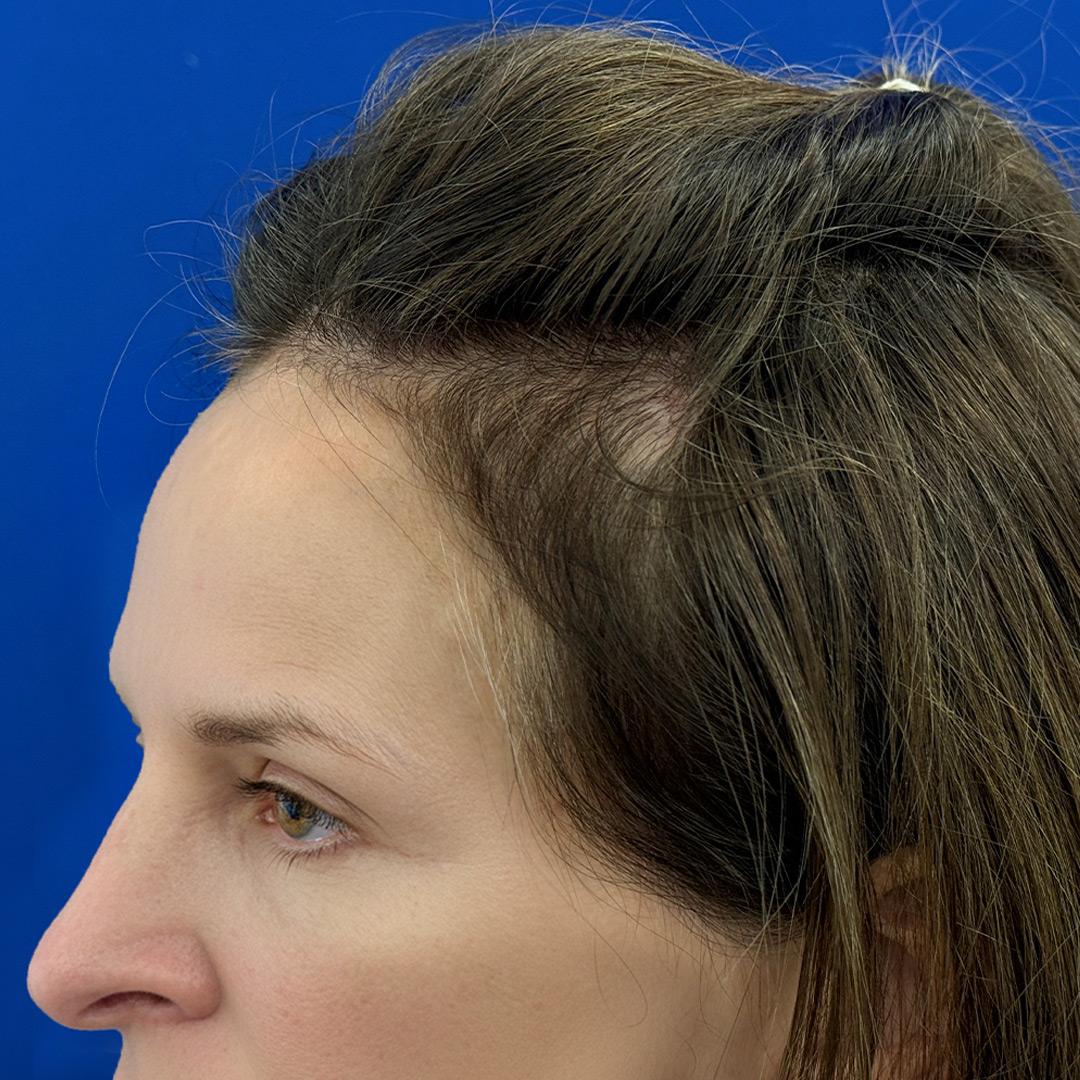
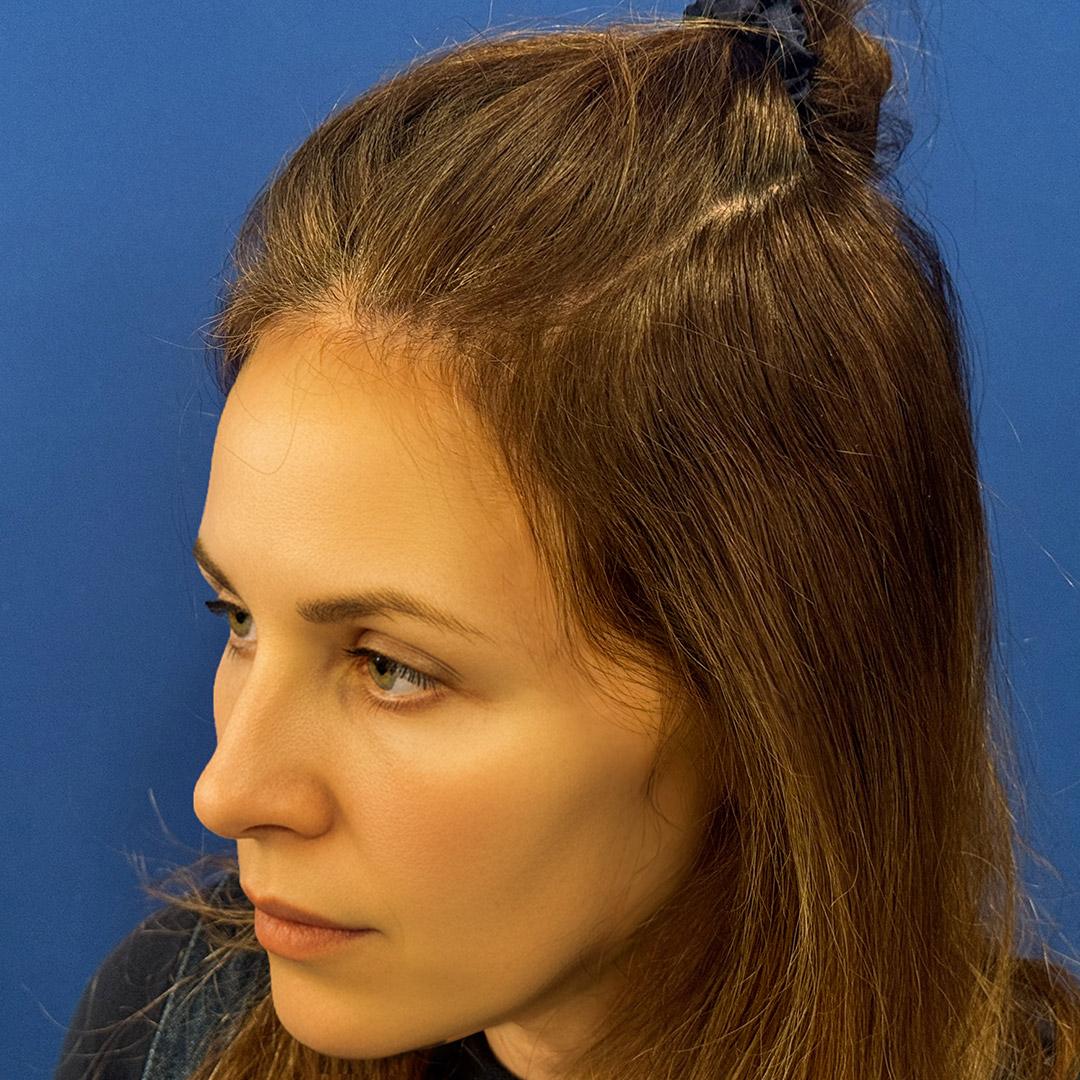
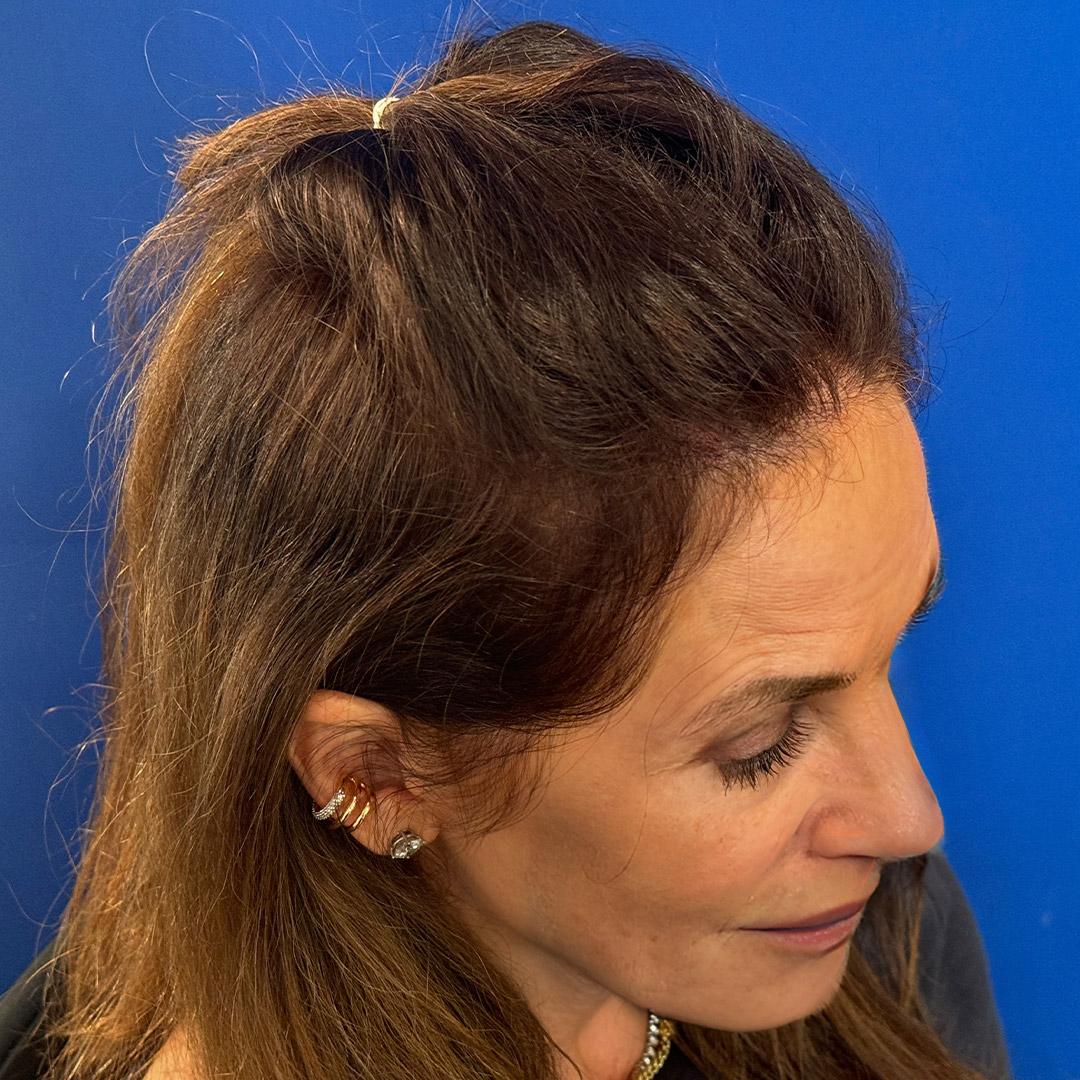
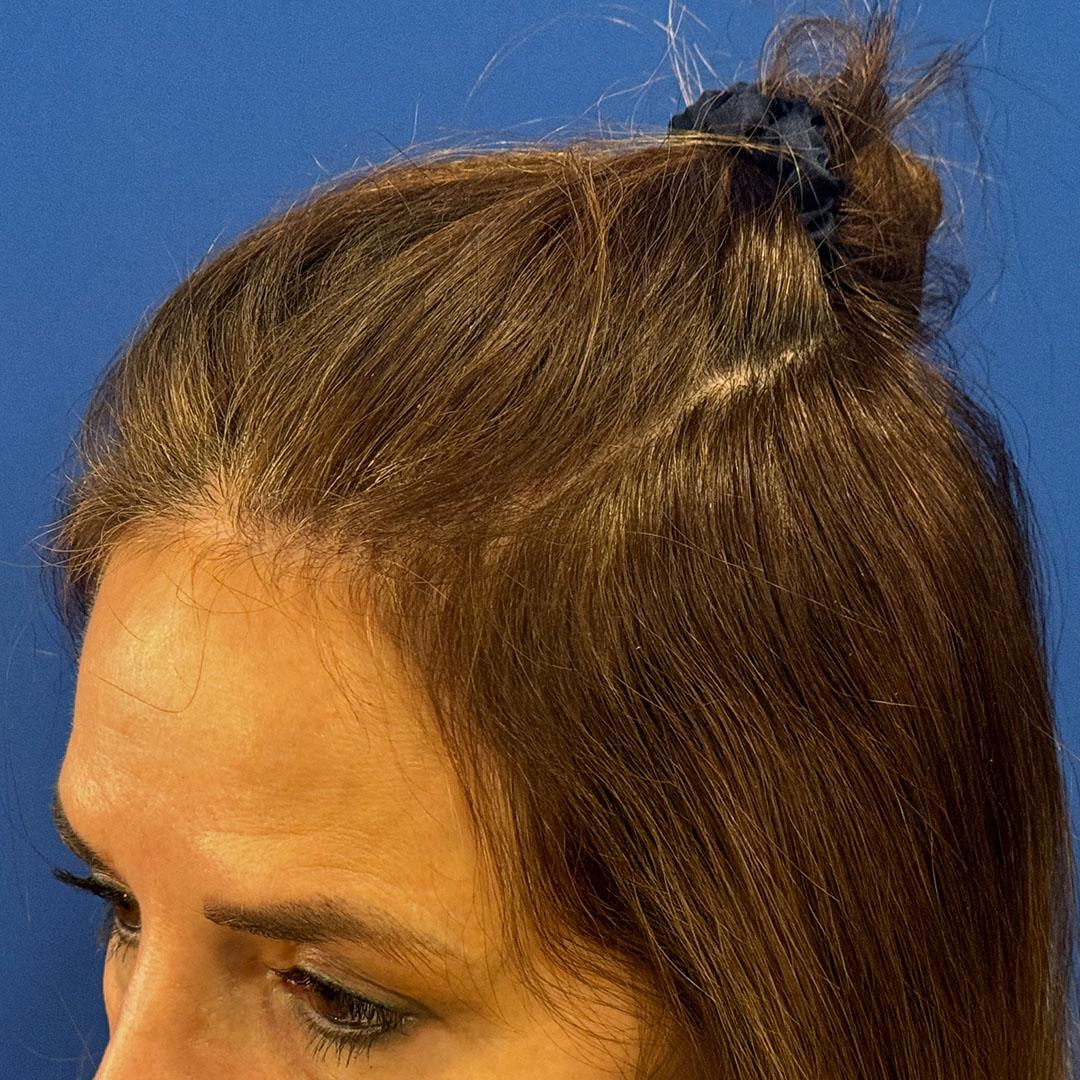
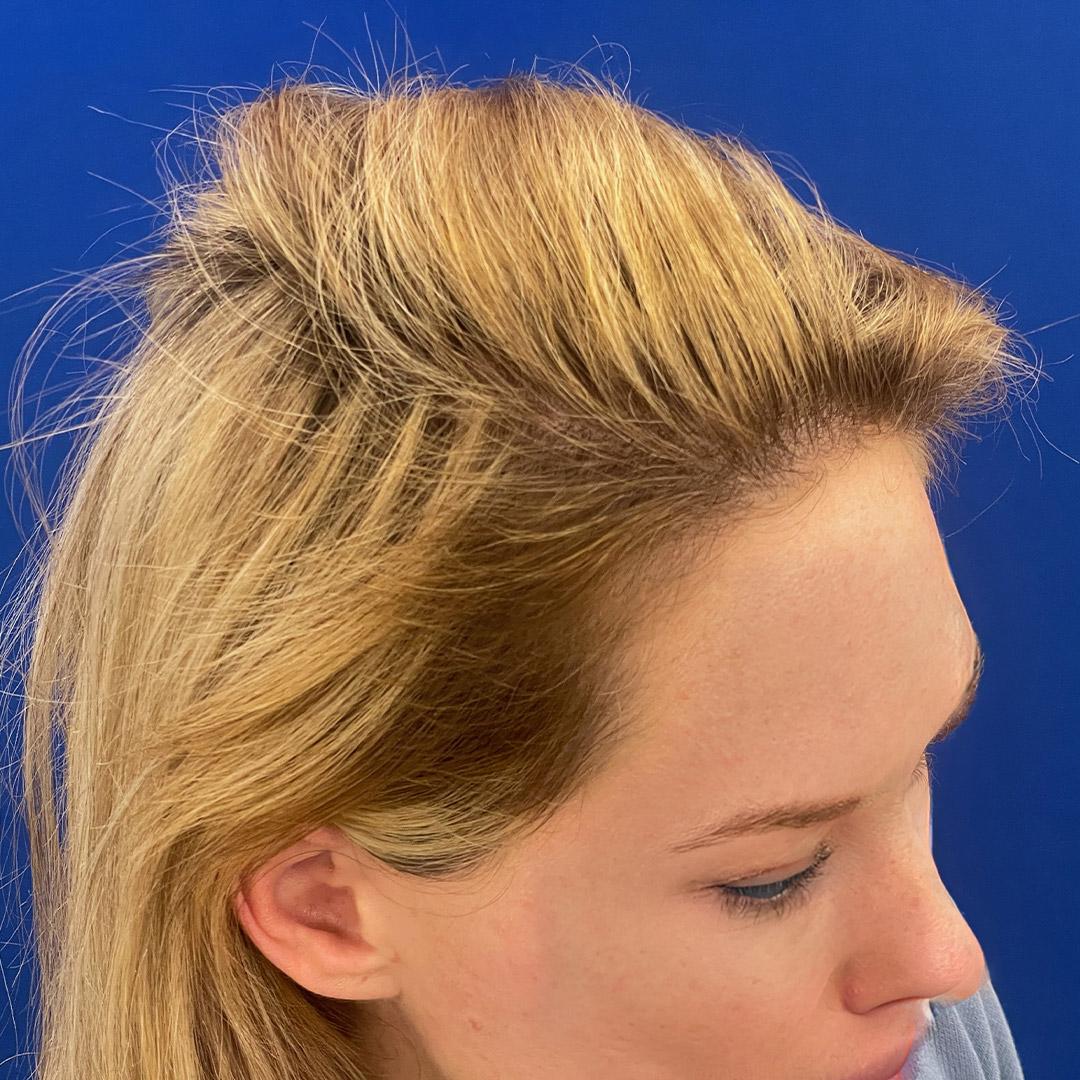
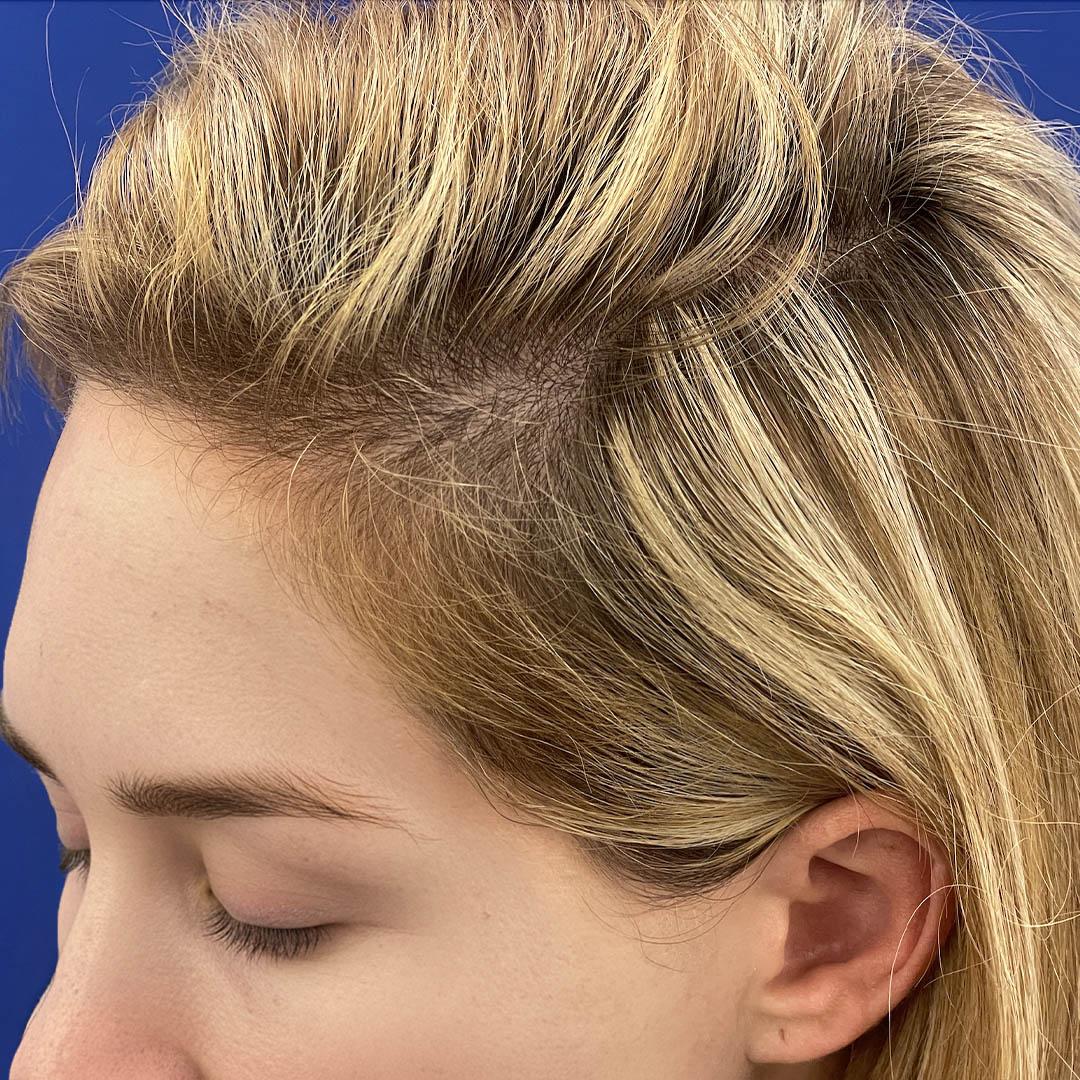
This is the program we run inside our Chicago practice, adapted for women who cannot get to us in person. Every evaluation is performed by Dr. Vinay Rawlani. Complete regimens, scheduled follow-ups, and dosing that changes as you do.
+200 reviews
Hair loss physicians not only own the practice, they operate it. Every evaluation is performed by Dr. Vinay, Lead Hair Loss Physician at Northwestern Hair Restoration.
Complete regimens with prescription medications, FDA-cleared devices, supplements and scalp care.
Scheduled follow-ups and titrated dosing, for maximal effectiveness and minimal side effects.
At-home and nationwide laboratory testing for increased diagnostic accuracy.
Access to specialty care by trichologist, dermatologist and functional medicine physicians.
Our clinic treats women suffering from any type of hair loss — whether it is metabolic, hormonal, inflammatory, autoimmune or scarring. At-home treatment may not be the best option for everyone, but it is a starting point if you are unable to visit our clinic.
Postpartum Hair Loss
Menopausal Hair Loss
Nutritional or metabolic hair loss
Hormonal Hair Loss (androgenetic alopecia)
Post-Chemotherapy hair loss
Stress-related hair loss (telogen effluvium)
National services will send you a questionnaire, prescribe minoxidil and other medications within a day, and ship them monthly. They rarely work for the women who come to us. If what you want is cheap, fast medication without real care, we would genuinely rather you try one of those first.
Our goal is real results. You work with real hair loss physicians at a real hair loss practice: real evaluations, real diagnoses, real treatments, real follow-ups, and a real cost — for people who want real results, not a telemedicine fix.
Most causes of hair loss result from hormones and inflammation. Both slow the metabolism of the hair — and when the body senses decreased metabolism, it slows blood flow. Hair will never grow thicker than the blood supply allows.
Our goal is to intercept the cause, increase the metabolism of the follicle, and improve blood flow. In almost all women, more than one of these categories needs to be addressed with treatment.
We stop what is driving your loss, and that differs by diagnosis. Androgenetic alopecia points us at hormones. Telogen effluvium points us at the stressor that triggered it. Metabolic loss points us at a deficiency we can measure and correct.
Nearly every condition converges here. Androgenetic alopecia progressively thins the follicle and drops its metabolic activity. Telogen effluvium pauses the growth cycle outright.
Different causes, the same downstream failure — and neither of the two most commonly prescribed medications does anything about it. Devices do.
As metabolic demand falls, the body withdraws perfusion from the follicle, and that sets the ceiling on what any treatment can achieve.
A significant share of what we prescribe is aimed directly at raising that ceiling — and at keeping it raised.
One consultation with Dr. Vinay, Lead Physician at Northwestern Hair Restoration, who will be at your consultation one-on-one. Consultations are in person or over Zoom, because we have to see you. There is no questionnaire route, and that is deliberate.
History, examination and diagnosis with Dr. Vinay. There is no provider network. It is always the physicians at Northwestern Hair Restoration.
TOTAL COST
Quoted after your evaluation.
Your consultation ends in one of three ways: starting a treatment regimen, getting more testing, or being referred to someone specialized in your care.
Charged separately
Real treatment begins once you enter the program. Every medication and every treatment is managed one-on-one with Dr. Vinay during your follow-up visits.
Visits are set by clinical need, but tend to decrease in frequency — starting every two months and moving to twice a year.
TOTAL COST
Blocks conversion of testosterone to DHT
The most complete DHT blockade available, and the treatment that acts directly on the cause of patterned loss. Available topically or orally.
Used only after menopause or once family planning is complete. Systemic effects are possible, and are discussed before it is prescribed.
Extends the growth phase, improves perfusion
Effective for most women when dosed properly, and available in oral form for those whose
follicles cannot activate the topical.
Requires titration rather than a fixed dose. Topical is difficult to apply across the whole scalp and can irritate. Stopped during pregnancy.
Reduces testosterone and DHT activity
A long-established oral option, and useful where dutasteride is not appropriate.
Slow — doses climb over months and full results can take a year. Can lower blood pressure and cause dehydration. Stopped for pregnancy or family planning.
Lowers scalp DHT levels
Drops DHT levels at the scalp, which is why it is a medical treatment rather than a scalp product — and it does that alongside anti-inflammatory, anti-dandruff and anti-oil effects.
Milder hormonal action than the oral and topical options above, so it works best as part of a regimen. May dry the scalp.
You are not buying medication from us. You are enrolling in a program, and what follows is the range your regimen is built from — not a menu to choose from. Which of these you receive, in what form and at what dose, is decided by your evaluation.
Three further categories of prescription, used when your evaluation and your laboratory results call for them. Each is written by the physician qualified in that area, and coordinated into the same regimen.
Prescribed by Dr. Vinay Rawlani
When laboratory results identify that you are deficient in a macronutrient or vitamin, the correction is a prescription — dosed to the deficiency and confirmed by retesting.
This is not a general hair loss supplement, and one cannot substitute for the other.
Prescribed by Dr. Kate Volmir
For hormonal causes of hair loss, often the most direct route to the underlying driver rather than to its effects on the follicle.
Prescribed by our functional health physician, and coordinated with the rest of your regimen.
Prescribed by Dr. Elizabeth Kiracofe
For conditions of the skin that are affecting the hair — the presentations where treating the hair alone will not work, because the scalp itself is the problem.
Prescribed by our dermatologist.
Neither the vasodilator nor the DHT blocker provides metabolic support to the follicle. This is the gap that goes unaddressed in almost every online program, because the services selling those prescriptions have nothing to fill it with.
Metabolism · Blood Flow
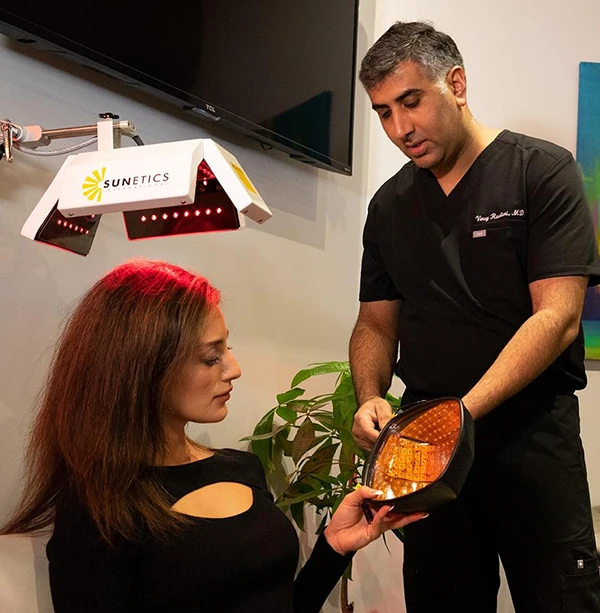
A specific red wavelength that stimulates cellular activity in the follicle. FDA-cleared, clinically supported, and one of the few at-home treatments shown to regrow hair. Worn 30 minutes, every other day.
We recommend the LaserCap HD+, developed by the founder of photomedicine at Harvard-MIT. It is portable and sits discreetly under a cap.
Metabolism · Blood Flow
Fine needles create controlled micro-injury, triggering the body’s healing response — increased blood flow, and activation of skin and hair cells. It also improves how well your topical treatments absorb.
Begin once weekly, increasing to twice. Avoid topical medications on the same day. Can be uncomfortable for some women.
Provided in consultation with trichologist Debbie Ansay-Martinez, founder of HairLab Chicago.
This is about the products your hair uses. The environment the hairs grow in is important, as inflammation can impact follicular growth. Dandruff, excessive oil, redness and scalp irritation all work against the treatment regimens we develop.
Some treatments require prescriptions, but many are general scalp care that is not commonly known. Where your regimen calls for it, Dr. Vinay refers you to Debbie — a trichologist and hair replacement expert who has built one of the largest non-medical hair loss practices in the Chicago area.
Persistent flaking and scaling is inflammatory, and inflammation slows everything else down. Addressed with preshampoos, shampoos, lotions and concentrated vials selected to the pattern you present with.
Excess oil production alters the scalp environment and compounds flaking. Regulating treatments in shampoo, lotion, preshampoo and vial form.
Redness, sensitivity, irritation and folliculitis. Calming masks, soothing applications and targeted balms to bring the scalp back to a stable baseline.
Hair that grows but does not survive to length reads as thinning. Bond repair, restructuring masks and conditioning treatments protect what you already have.
Enzymatic scrubs, acid rinses and purifying treatments. Beyond scalp health, this improves how well your prescribed topicals penetrate.
The base layer everything else sits on, matched to your scalp type rather than your hair type — a distinction most women have never had explained to them.
Recommended in consultation by trichologist Debbie Ansay-Martinez.
General supplementation works at RDA level — ensuring the macronutrients are present, and that the nutritional status of the body can support good scalp health and actively growing hair. Growing hair requires more than standard recommendations provide.
It is separate from prescription supplementation, which corrects a measured deficiency and sits in the medical program above.
Everything above is what we can prescribe. Deciding which of it you actually need is a separate question, and for some women the examination alone does not answer it.
Hair loss is often the visible edge of something systemic. When that is a possibility, we look — before treatment starts, rather than after six months of it has failed.
Individual tests ordered through Quest Diagnostics and available nationwide, drawing from over 37 well-known and validated markers of hair health — selected for you rather than sold as a fixed panel. These are the findings that change a diagnosis rather than refine a prescription.
One of the most common and most correctable causes of shedding in women, and routinely missed because a normal blood count does not rule it out.
Both underactive and overactive thyroid disease affect the growth cycle directly. Hair is often the first place it shows.
Involved in follicle cycling, widely low, and correctable at doses a general supplement does not provide.
Systemic inflammatory markers point at a driver that scalp treatment alone will not reach.
Autoimmune conditions can present as hair loss before anything else. Identifying one changes the diagnosis, not just the prescription.
Analysis of the genes that govern how you respond to our main treatments. We send this test to Spain to determine, in advance, whether a treatment is going to work for you. Minoxidil is the clearest example of why this matters.
Did you know that the most commonly prescribed hair loss treatment only works for around 40% of people — those who have the enzyme activity to use it appropriately?
The genetic panel reads that variant, along with the genes governing several other treatment pathways. The result changes the plan rather than ending it — an oral form is activated in the liver instead of the follicle, which bypasses the problem entirely.
This is one of the steps specialists take and online services skip. We test when the result will change what we prescribe.
Some treatments are not active as prescribed. The follicle has to convert them using an enzyme called sulfotransferase, and how much of that enzyme you have is genetically determined. Women who carry the low-activity variant get little benefit no matter how faithfully they apply it.
Some women see change at three months. Most do not. We would rather you begin with an accurate picture than an encouraging one, because the women who quit at month four are almost always the ones who were promised month three.
Some treatments cause additional shedding as the growth cycle resets. This is common and expected — but it is not proof that treatment is working, and we will not tell you it is.
The earliest point at which change becomes visible, and it is the minority of women who see it this soon. Doses are titrated through this window rather than left where they started.
Where results are formally evaluated. Hair grows roughly half an inch a month; no protocol outruns that. If a treatment has not earned its place by this point, we change it.
Same four targets, opposite plans — because the diagnosis is what decides.
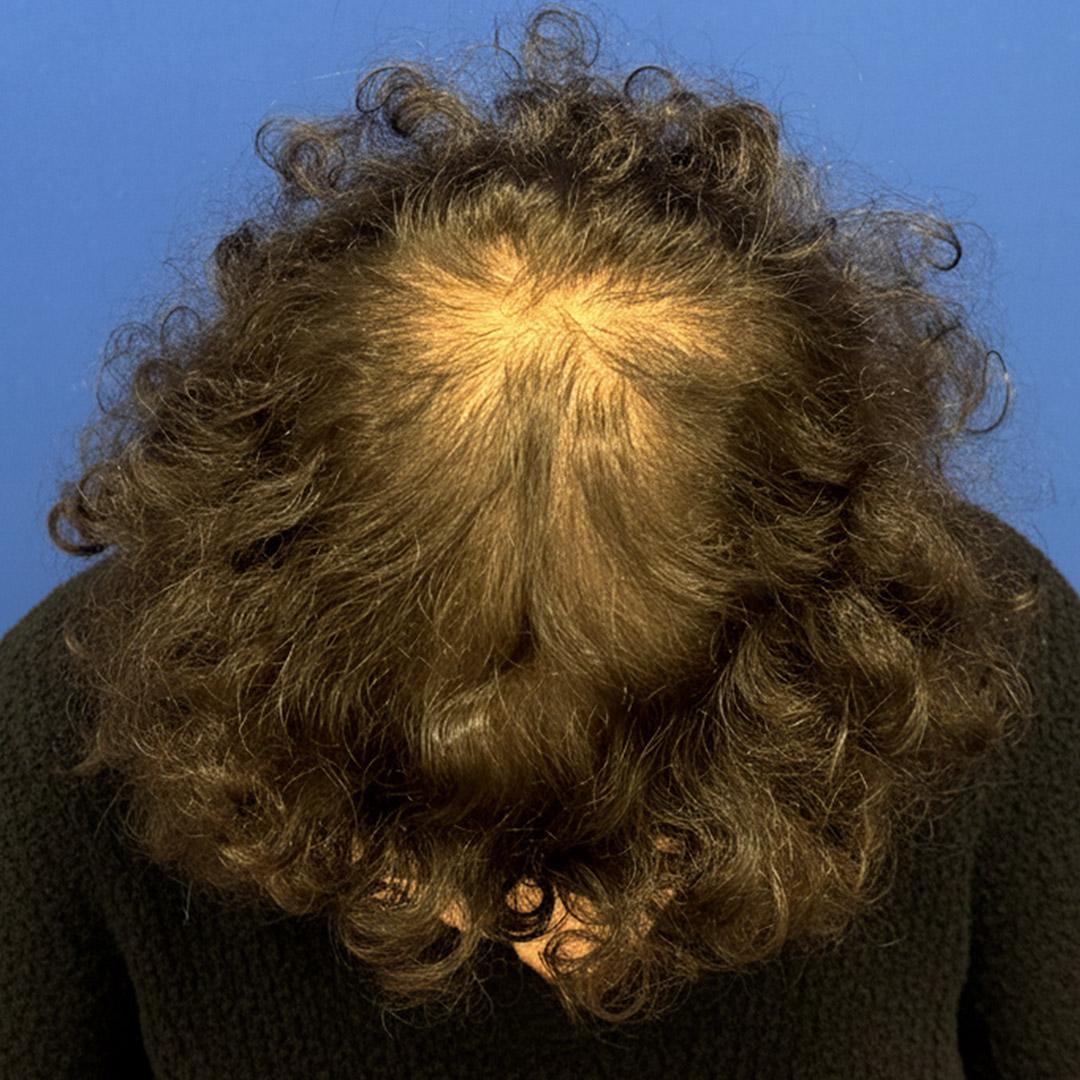
It presents in a pattern, and the pattern is the diagnosis.
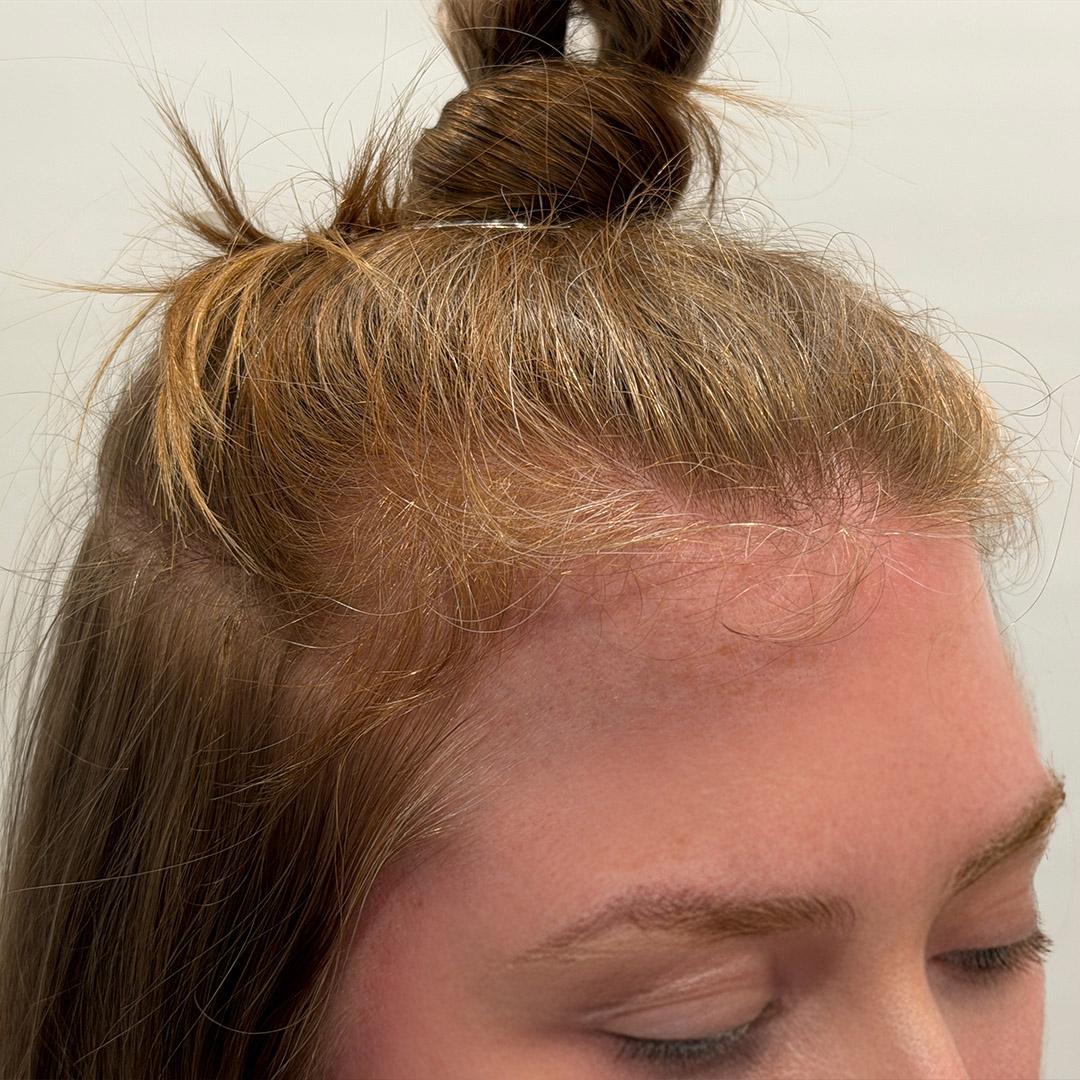
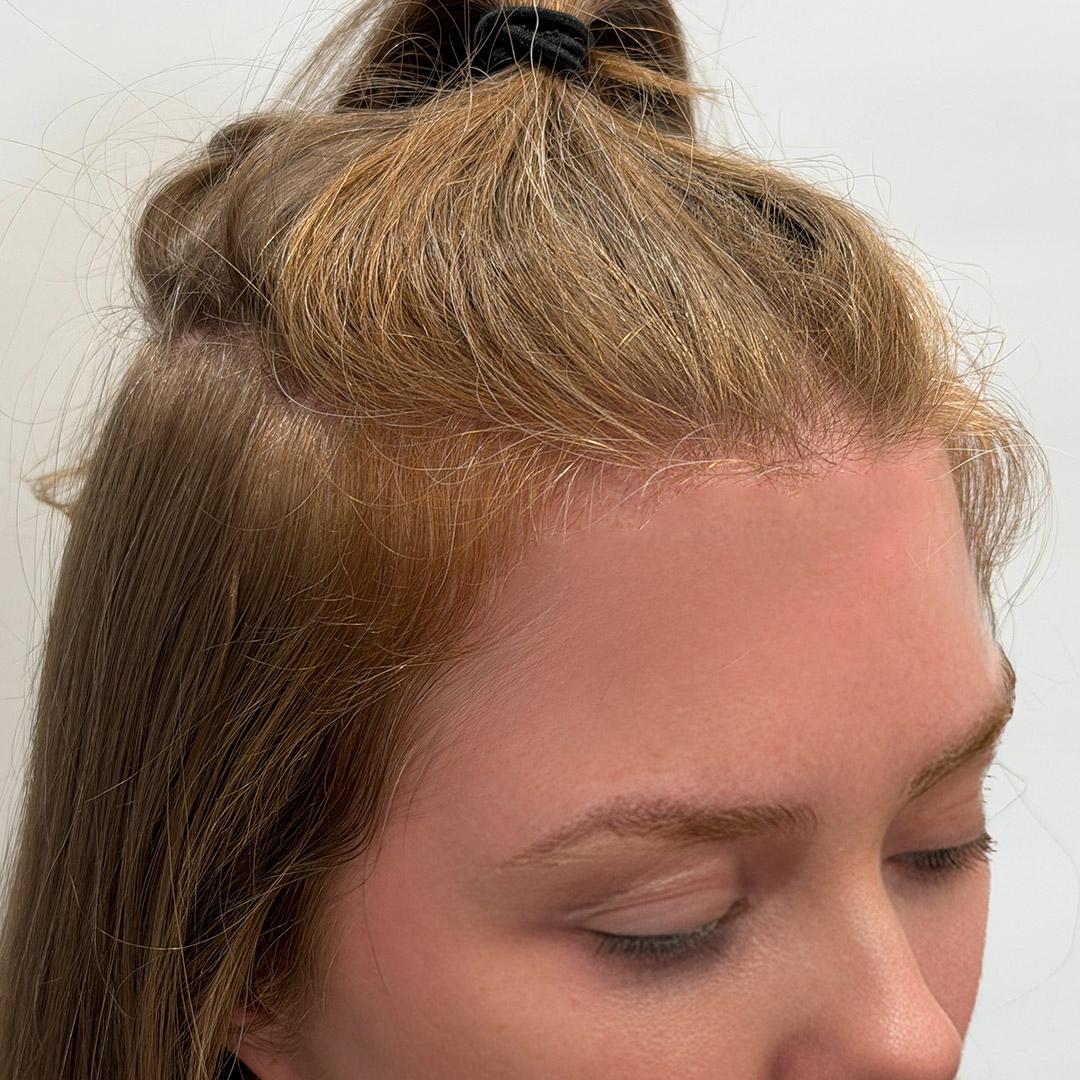
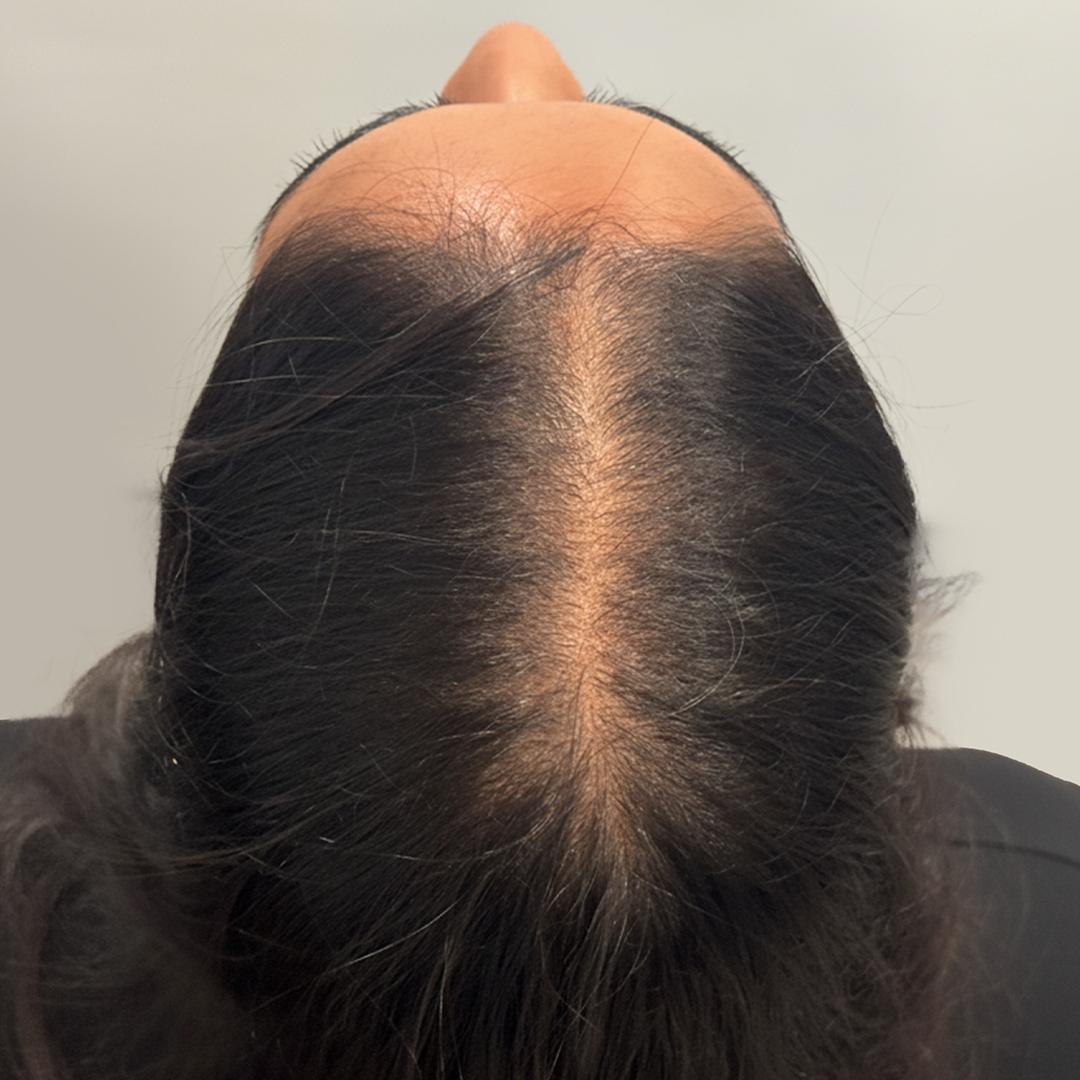
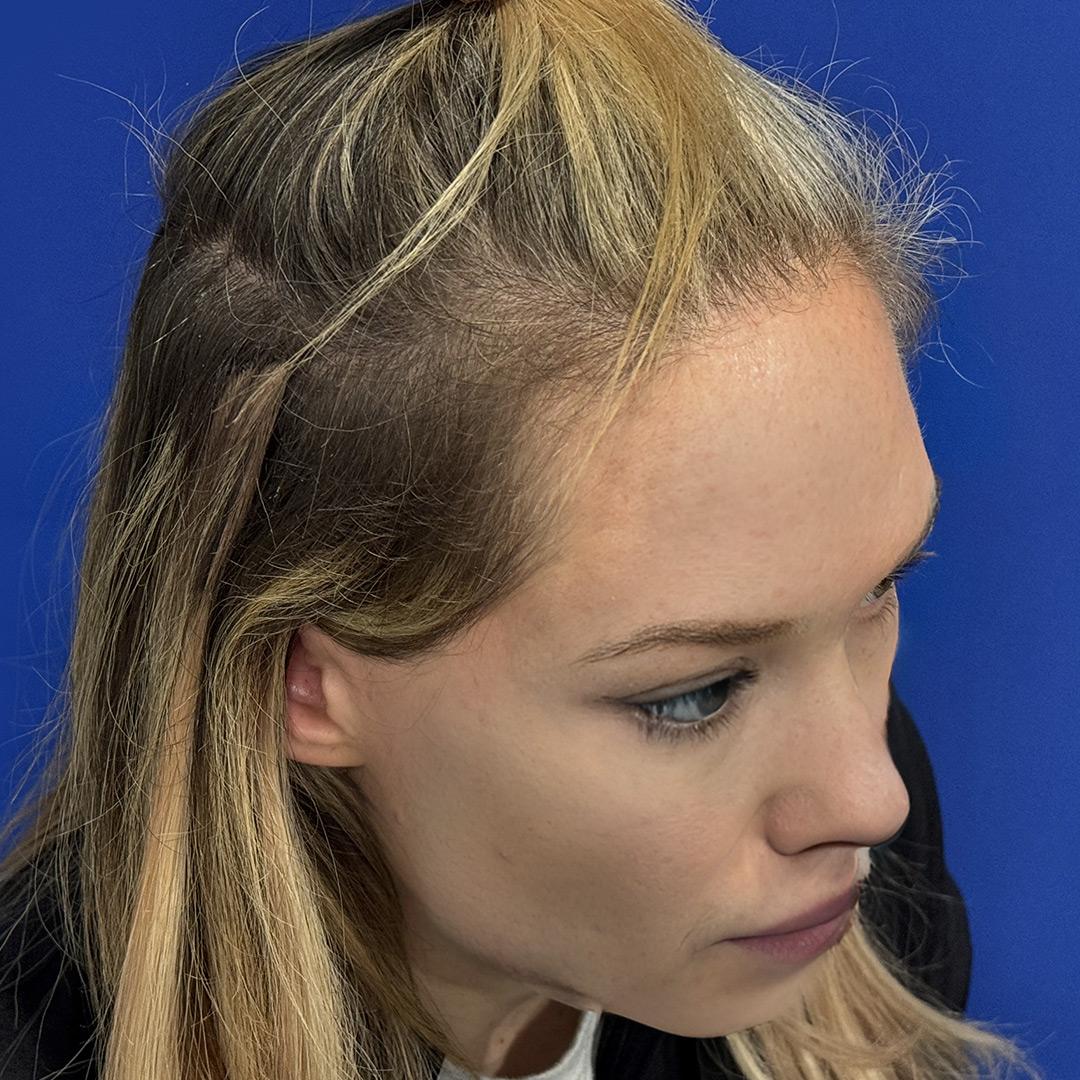
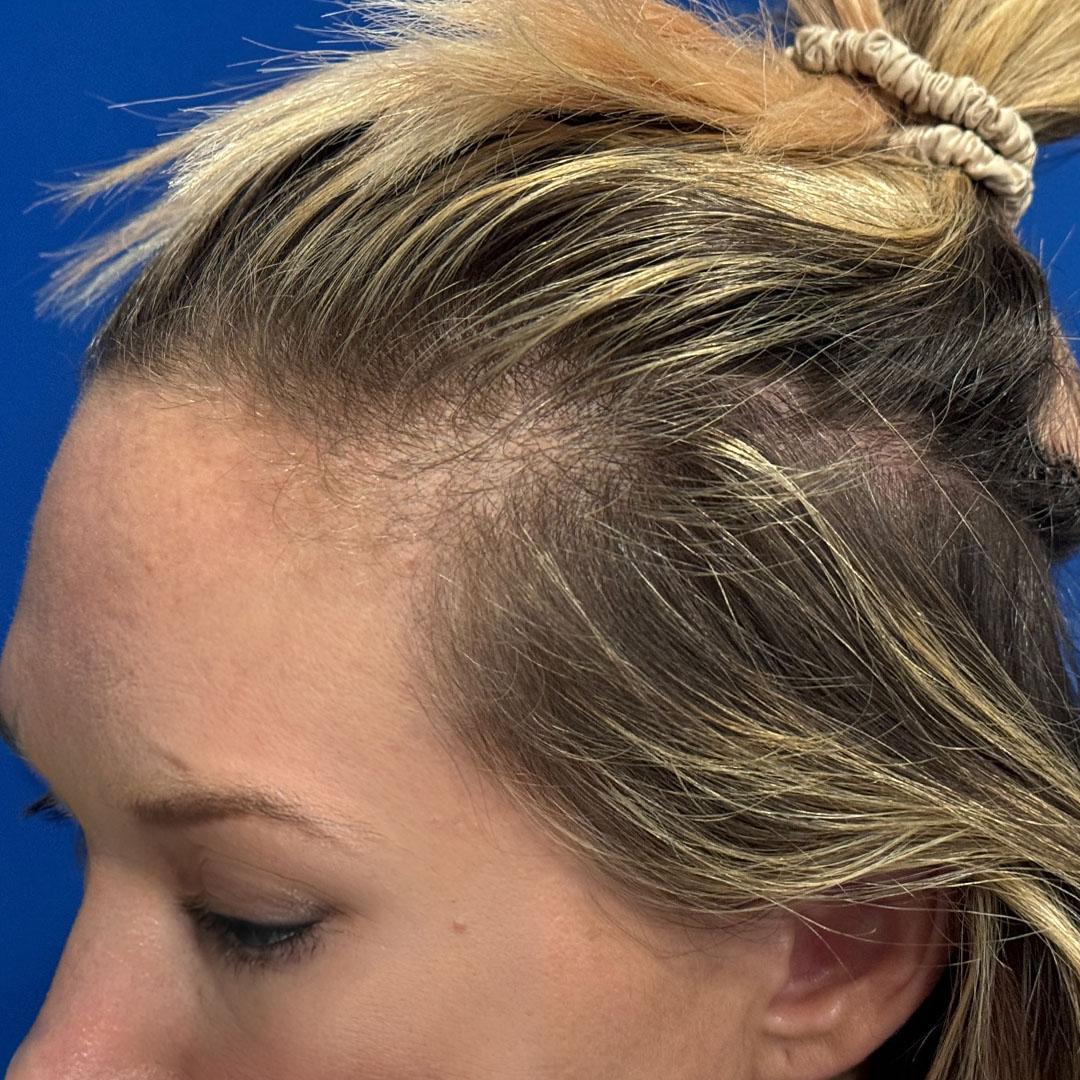
Testosterone is converting into dihydrotestosterone, or DHT. That drives the metabolism of the hairs down, decreasing their size and their color density. The body responds to decreased metabolism by shutting down the blood supply — which thins the hair further and creates a vicious cycle of patterned hair loss.
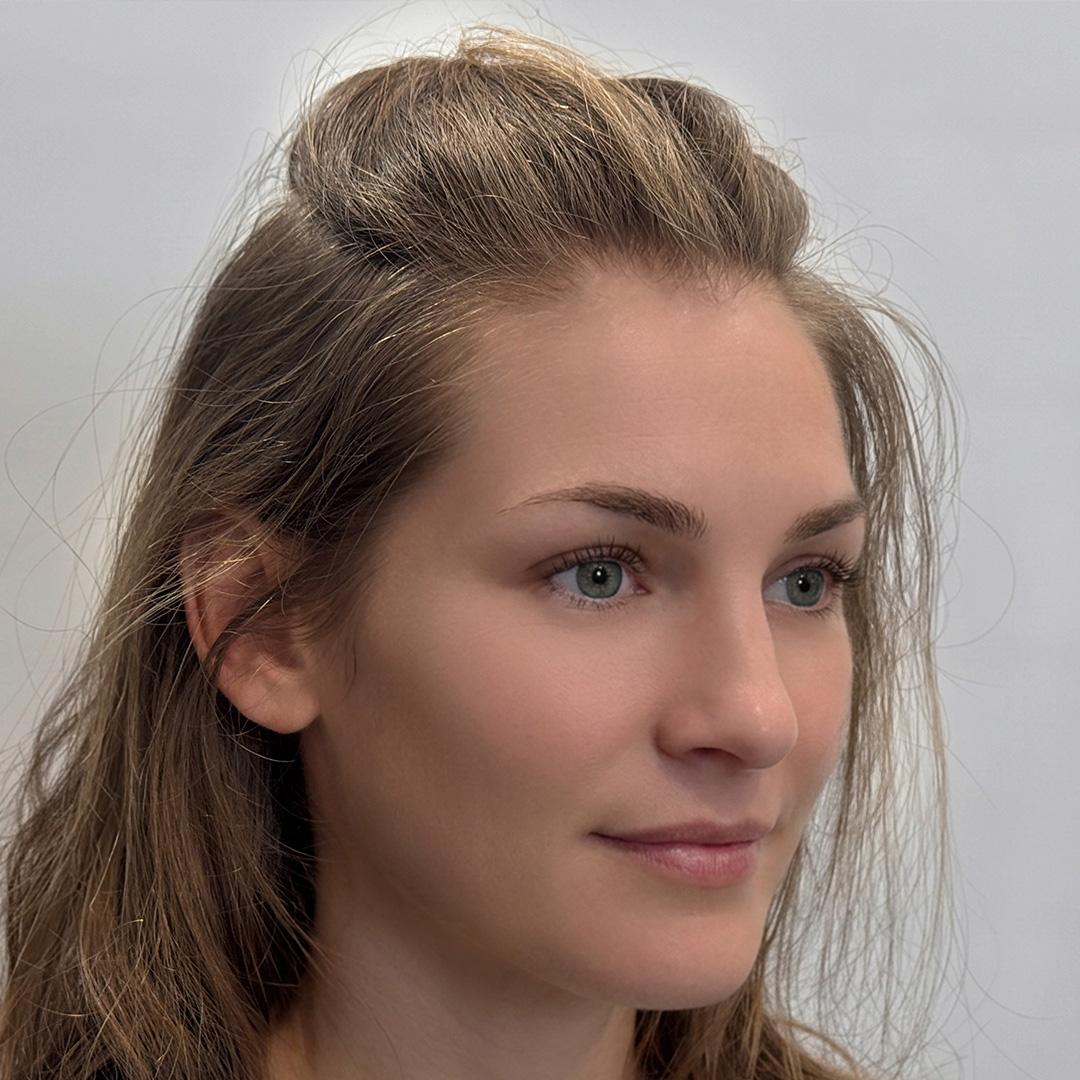
She is young, and she is anxious: not only from losing her hair, but from events that have recently caused her a great deal of stress.
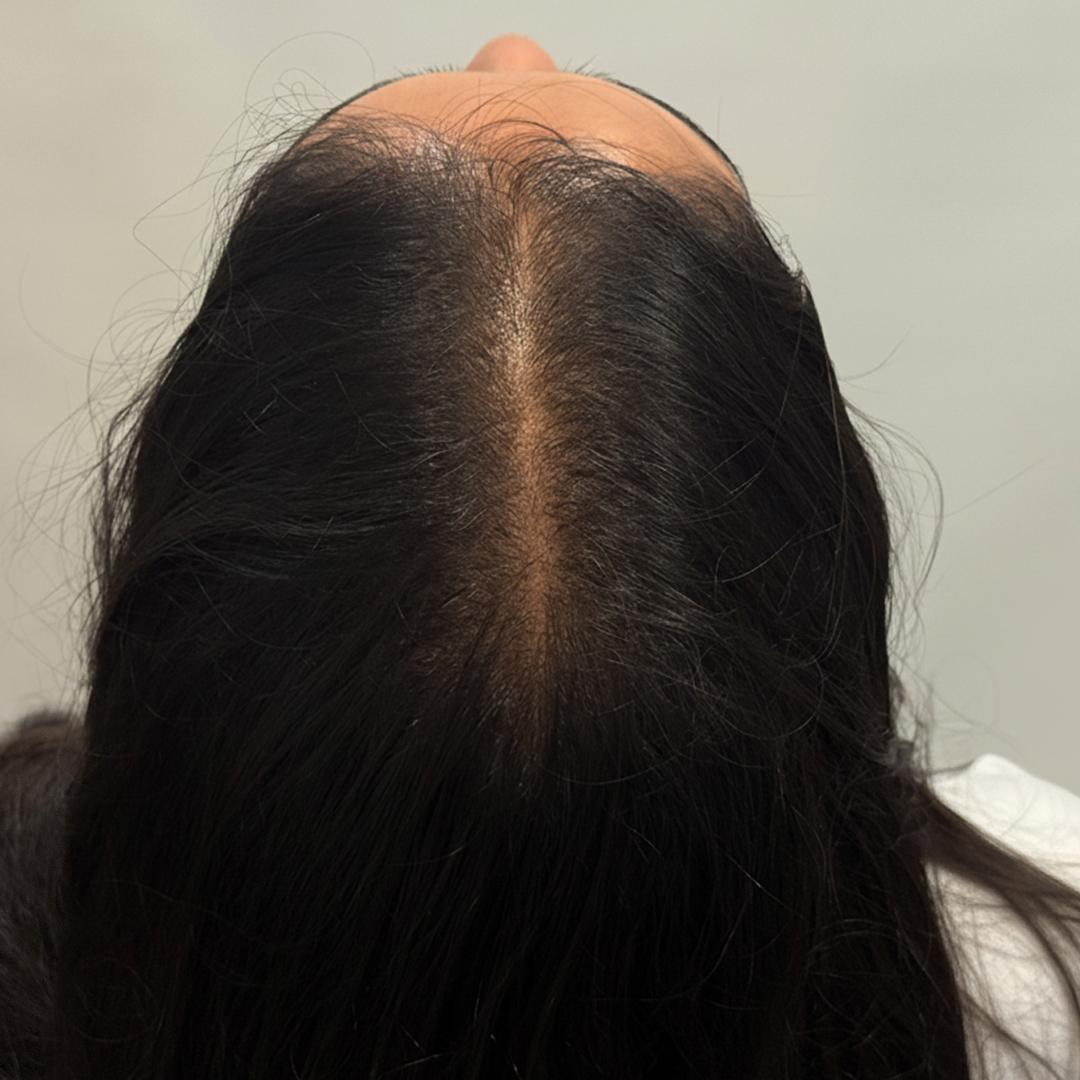
This is the second most common cause of hair loss, induced by stress, raised cortisol, and arrest of the hair growth cycle. The hairs all synchronize in the shedding phase and become stuck there because of the stressor.
Without hair growth there is no metabolic demand from the hairs, so the body slows the blood supply. If the hairs do not regrow in time, that blood supply weakens — and what is normally a transient, self-limited condition can become chronic and very hard to treat.
This is the second most common cause of hair loss, induced by stress, raised cortisol, and arrest of the hair growth cycle. The hairs all synchronize in the shedding phase and become stuck there because of the stressor.
Without hair growth there is no metabolic demand from the hairs, so the body slows the blood supply. If the hairs do not regrow in time, that blood supply weakens — and what is normally a transient, self-limited condition can become chronic and very hard to treat.
Having a real doctor with real diagnostic ability and a full set of treatments is what both of these women need — not a questionnaire and a provider network that hands the same medications and supplements to everybody. The longer either one waits for real therapy, the less likely she is to see results.
“It’s my job to have great hair, and it’s my pleasure to give you the same.”
Lead Hair Loss Physician and founder of Northwestern Hair Restoration. He performs every evaluation in this program, writes every prescription, and conducts every follow-up.
Specialty
Hair loss medicine and hair restoration surgery
Training
Northwestern University and the University of Chicago
Honors
Louis E. Fazen Endowed Scholar in Medicine
Practice
Northwestern Hair Restoration, one of Chicago’s premier hair loss clinics
Dr. Vinay experienced hair loss himself, and had two hair transplants. The results were inferior to what the medical therapies he now prescribes for his patients can achieve.
That is an unusual thing for a transplant surgeon to say out loud, and it is why this program exists. Surgery moves hair. It does not treat the condition causing the loss, and it cannot protect what you still have. Medical therapy does both, and for most women it should come first.
Dr. Vinay refers into a team he works with directly. These are not names on a directory — they are the people your care is handed to when your diagnosis calls for them.
Trichologist and hair replacement expert, founder of HairLab Chicago. Scalp and hair care, and the non-medical side of hair loss — a category that does not require a prescription but does require proper treatment and restoration of scalp homeostasis.
Functional health physician. Hormone replacement therapy for hormonal causes of hair loss, and the broader metabolic and hormonal picture that patterned loss sits inside.
Dermatologist, consulted on cases where a condition of the skin is affecting the hair, and where specialty medication rather than hair loss treatment is what the scalp requires.
You’ve likely seen multiple doctors and dermatologists, and had free consultations, all of which have failed you. This is common for most women experiencing hair loss.
If you want a doctor who is focused on delivering real results, you understand the value in talking to that doctor one-on-one. Here is what that buys:
We diagnose conditions
We prescribe treatments.
We refer to other professionals.
We do the follow-ups.
One consultation with Dr. Vinay Rawlani, in person or over Zoom. Everything else follows from what he finds.
$100 · In person or over Zoom
Because we have to see you. A questionnaire captures what you already know about your hair; an examination finds what you do not. Consultations are available over Zoom precisely so that distance is not a reason to settle for less.
Dr. Vinay is a hair transplant surgeon. He will tell you the appropriate way to address the various components of your hair loss. Only certain areas can be treated with a transplant, while other areas may benefit more from medical therapies — which can be prescribed to your home.
No. Consultations, treatments and laboratory testing in this program are all self-pay. Our laboratory does not take insurance either. There is no insurance coverage for anything here.
Not to get started. You book one consultation with Dr. Vinay. If your regimen calls for scalp and hair care, or if your presentation needs a dermatologist or functional health physician, he will refer you — and that referral is arranged from inside the program rather than left to you.
No. We test when the result will change what we prescribe. Sometimes the examination is enough; sometimes bloodwork is the only way to identify a correctable cause. Dr. Vinay will tell you which applies to you, and what it costs, before anything is ordered.
We change treatments based on your response. That is what the follow-up schedule is for.
There is also a reality worth stating plainly: some hair loss has advanced far enough that at-home medical therapy will not provide improvement or halt the loss. In those cases, in-office treatments, transplants or hair replacement may be the better option. Northwestern Hair Restoration has specialists in all of these avenues, and once you are a patient we can guide you through whichever one is right.