



Why Women Experience Hair Thinning Even Without Bald Spots
Many women assume that hair loss always leads to visible bald spots. In reality, female hair loss often develops much differently than male pattern baldness. Instead of isolated patches of missing hair, women frequently notice a gradual decrease in overall hair volume, a widening part, or thinner ponytails. Why Women Experience Hair Thinning Even Without Bald Spots is a question that has several possible answers, and understanding the underlying cause is the first step toward effective treatment.
At Northwestern Hair Restoration, Dr. Vinay Rawlani takes a comprehensive, physician-led approach to diagnosing female hair loss. Because hair thinning can result from genetics, hormonal fluctuations, stress, nutritional deficiencies, or medical conditions, every patient receives an individualized evaluation before treatment recommendations are made. Identifying the root cause allows for a more effective and personalized restoration strategy. Contact Northwestern Hair Restoration today for more information.
Female Hair Loss Looks Different Than Male Pattern Baldness
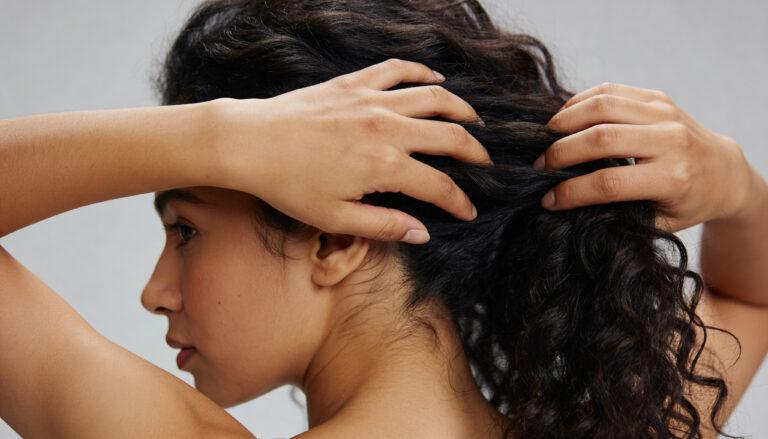
Unlike men, who often develop a receding hairline or distinct bald spots on the crown, women usually experience diffuse thinning across the scalp. Hair becomes finer over time, reducing overall density while the frontal hairline often remains intact.
This gradual change can make hair loss more difficult to recognize in its early stages. Many women first notice increased scalp visibility under bright lighting, reduced volume while styling, or hair that simply doesn’t feel as thick as it once did.
Because the progression is subtle, treatment is often delayed until significant follicle miniaturization has already occurred.
Common Causes Of Hair Thinning In Women
A single factor rarely causes hair thinning. Several conditions may contribute simultaneously, including:
- Female pattern hair loss (genetics)
- Hormonal changes related to pregnancy or menopause
- Thyroid disorders
- Iron or vitamin deficiencies
- Emotional or physical stress
- Certain medications
- Autoimmune conditions
- Significant illness or surgery
Each cause requires a different treatment strategy, making an accurate diagnosis essential before beginning therapy.
The Role Of Hormones
Hormonal fluctuations are among the most common contributors to female hair thinning.
Changes in estrogen, progesterone, and androgen levels can alter the normal hair growth cycle, causing follicles to spend less time in the active growth phase and more time resting. As this cycle repeats, hairs become finer and shorter, leading to noticeable thinning without creating complete bald patches.
Women often experience hormonal hair changes after pregnancy, during perimenopause, menopause, or as a result of certain endocrine disorders.
Genetics Can Cause Diffuse Thinning
Many women are surprised to learn that hereditary hair loss doesn’t always resemble male pattern baldness.
Female pattern hair loss usually develops gradually across the top of the scalp while maintaining the frontal hairline. Individual follicles slowly miniaturize, producing thinner hairs with each growth cycle.
Although the process may take years, early intervention can help preserve active follicles before permanent loss occurs.
Stress And Lifestyle Factors
Physical and emotional stress can temporarily disrupt the hair growth cycle.
Conditions such as illness, major surgery, rapid weight loss, or prolonged emotional stress may trigger increased shedding known as telogen effluvium. While this type of hair loss is often temporary, chronic stress can contribute to ongoing thinning when combined with other underlying factors.
Healthy nutrition, adequate sleep, and stress management may support recovery, but persistent thinning should always be professionally evaluated.
Why A Medical Evaluation Matters
Treating hair thinning without identifying its cause can delay effective care.
At Northwestern Hair Restoration, Dr. Vinay Rawlani performs a comprehensive evaluation that considers medical history, scalp condition, hair characteristics, donor density, medications, hormonal influences, and overall health.
This physician-led assessment helps distinguish between temporary shedding, hereditary hair loss, inflammatory conditions, and other causes that require different treatment approaches.
Non-Surgical Treatment Options
 Many women experiencing diffuse thinning benefit from non-surgical therapies designed to preserve existing follicles and improve hair quality.
Depending on the diagnosis, treatment recommendations may include:
- ACS (Autologous Conditioned Serum) therapy
- PRP (Platelet-Rich Plasma) therapy
- Prescription medications, when appropriate
- Low-level laser therapy
- Personalized hair maintenance programs
These treatments aim to strengthen existing follicles, reduce shedding, and support healthier hair growth over time.
Can Women Still Be Candidates For Hair Transplants?
Yes, but not every patient with diffuse thinning is an ideal candidate for surgery.
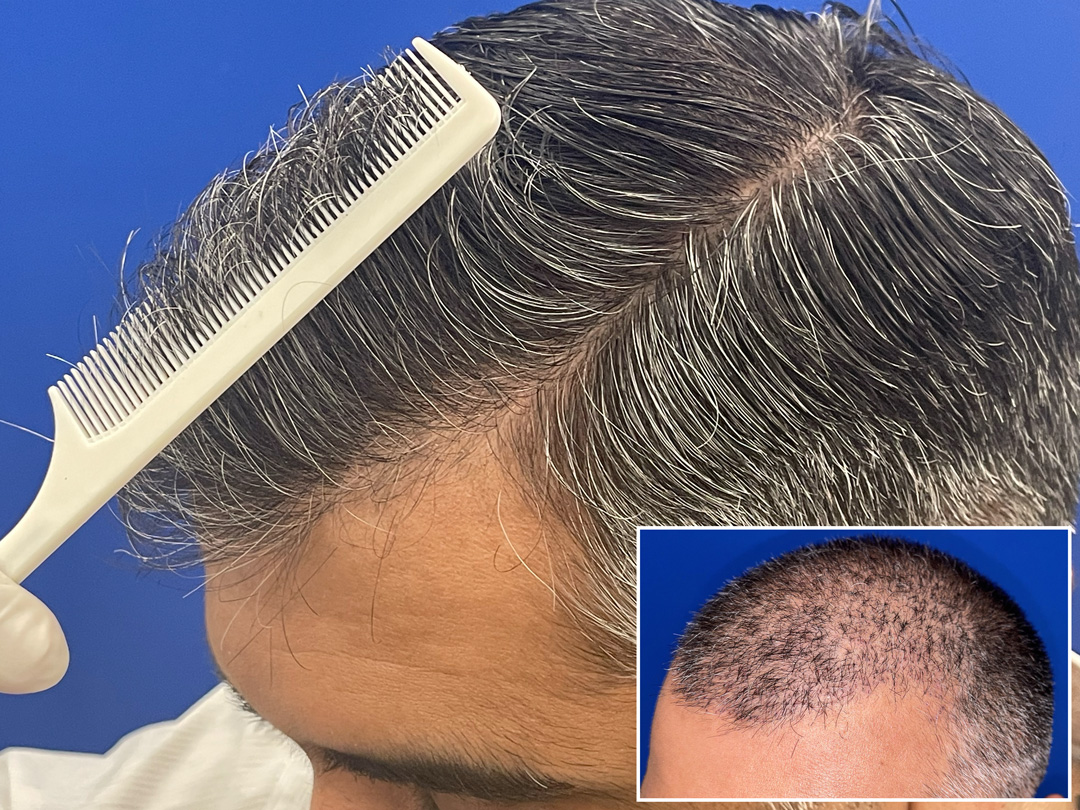
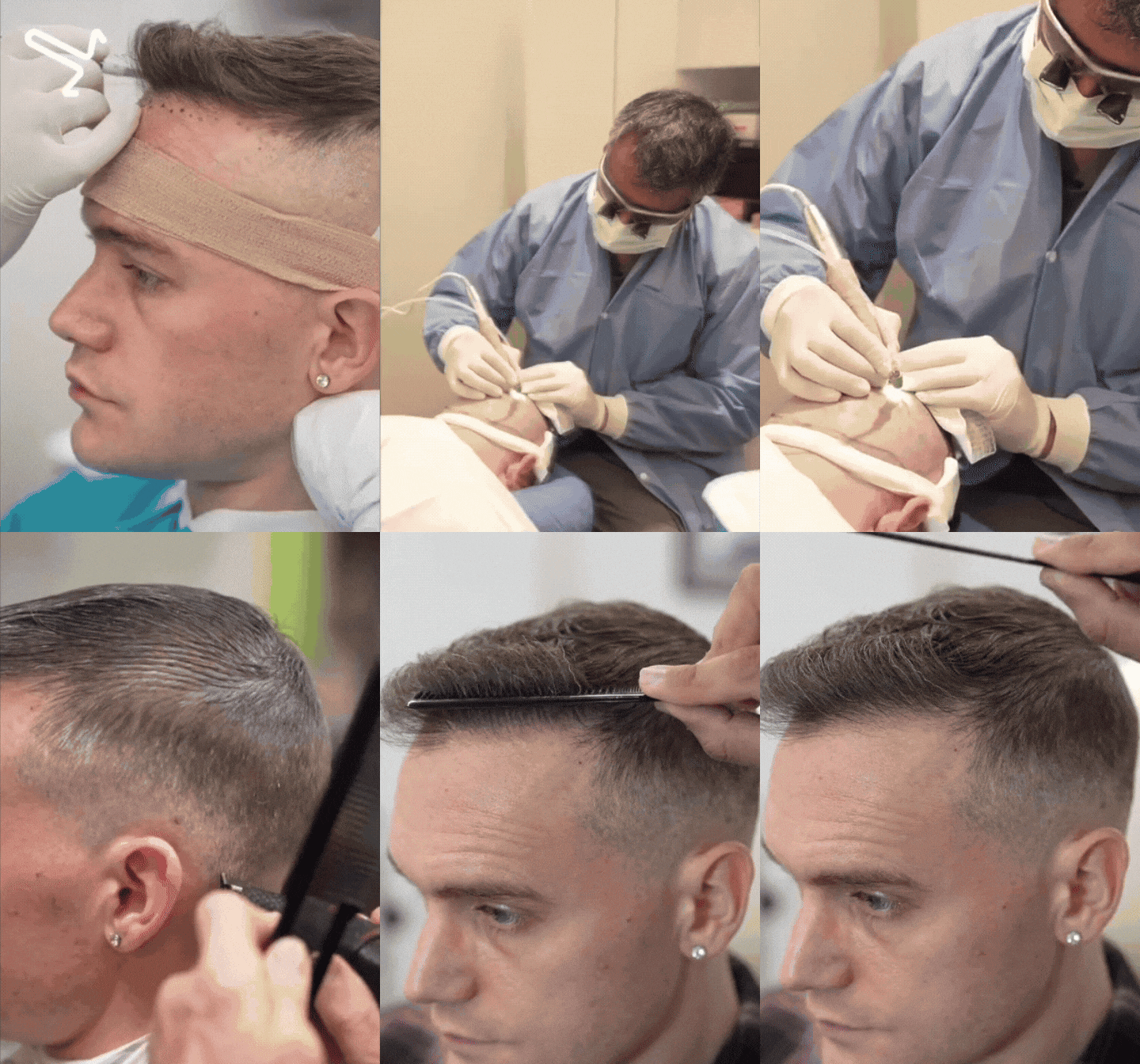
Women with stable areas of thinning, localized hair loss, or hairline recession may benefit from Micro FUE hair transplantation. However, patients with extensive thinning throughout both the recipient and donor areas may achieve better outcomes with non-surgical therapies.
Dr. Vinay Rawlani carefully evaluates donor hair quality before recommending surgery, ensuring that treatment decisions are based on long-term success rather than short-term improvement.
Why Choose Northwestern Hair Restoration?
Women throughout the Chicago area trust Northwestern Hair Restoration because every treatment plan is personalized and physician-led.
Rather than offering standardized solutions, Dr. Vinay Rawlani carefully identifies the underlying cause of hair thinning before developing a customized restoration strategy. Whether you’re seeking women’s hair restoration, ACS therapy, PRP, Micro FUE, or comprehensive medical management, every recommendation is based on your unique diagnosis, goals, and long-term hair health.
This individualized approach helps patients achieve natural-looking, sustainable results while preserving healthy hair for the future.
Schedule Your Consultation
If you’ve been wondering Why Women Experience Hair Thinning Even Without Bald Spots, the best next step is a professional evaluation.
Schedule a consultation with Dr. Vinay Rawlani at Northwestern Hair Restoration to identify the cause of your hair thinning and receive a personalized treatment plan designed to restore healthier, fuller-looking hair. Early diagnosis and expert care can make a significant difference in preserving your hair and your confidence. Contact Northwestern Hair Restoration for more information.