


Female Hair Loss and Hormones: What Chicago Women Need to Know
Hair loss affects millions of women, yet it is often misunderstood or dismissed as a normal part of aging. While genetics certainly play a role, hormonal changes are among the most common reasons women experience thinning hair throughout adulthood. Female Hair Loss And Hormones are closely connected, and understanding that relationship is essential for finding the right treatment. Rather than masking the symptoms, identifying the hormonal changes affecting your hair can help create a personalized plan for healthier, fuller-looking hair.
At Northwestern Hair Restoration, Dr. Vinay Rawlani provides comprehensive evaluations to determine the underlying cause of hair thinning before recommending treatment. Because every woman’s hormonal profile and pattern of hair loss are different, successful hair restoration begins with an accurate diagnosis—not assumptions. Contact Northwestern Hair Restoration today for more information.
How Hormones Affect Hair Growth
Hair follicles constantly cycle through periods of growth, transition, rest, and shedding. These phases are influenced by several hormones that regulate follicle activity throughout life.
When hormone levels fluctuate, the hair growth cycle may become disrupted. Follicles can spend less time in the active growth phase, produce thinner hairs, and shed more frequently. Over time, this leads to reduced hair density without necessarily creating obvious bald spots.
Hormonal changes often develop gradually, making them difficult to recognize until noticeable thinning has already occurred.
Common Hormonal Causes Of Hair Loss
 Several hormonal conditions can contribute to female hair thinning, including:
Menopause And Perimenopause
As estrogen and progesterone levels decline, many women notice decreased hair volume and increased shedding. These hormones normally help support healthy hair growth, so lower levels may make androgen-related thinning more noticeable.
Pregnancy And Postpartum Hair Loss
During pregnancy, elevated hormone levels often prolong the growth phase of hair, making it appear thicker than usual. After childbirth, hormone levels rapidly decline, causing many hairs to enter the shedding phase simultaneously.
Although postpartum shedding is usually temporary, it can be emotionally challenging for many new mothers.
Thyroid Disorders
Both hypothyroidism and hyperthyroidism can interfere with normal hair growth cycles. Hair may become finer, more brittle, and shed more rapidly until thyroid hormone levels are properly managed.
Polycystic Ovary Syndrome (PCOS)
PCOS often increases androgen activity, contributing to hair thinning on the scalp while increasing hair growth in other areas of the body. Early diagnosis and treatment can help slow progression and improve long-term outcomes.
Genetics And Hormones Often Work Together
Hormones are not always the sole cause of hair loss.
Many women inherit a genetic sensitivity to hormonal changes, particularly androgens. Even when hormone levels fall within a normal range, genetically predisposed follicles may gradually shrink over time, producing thinner and shorter hairs.
This combination of genetics and hormones explains why some women experience significant thinning while others with similar hormone levels do not.
Why A Professional Diagnosis Matters
Hair thinning can have many causes, and treating the wrong condition may delay meaningful improvement.
At Northwestern Hair Restoration, Dr. Vinay Rawlani performs a comprehensive evaluation that includes your medical history, pattern of hair loss, scalp health, family history, medications, and possible hormonal influences.
This physician-led approach helps distinguish hormonal hair loss from nutritional deficiencies, autoimmune disorders, stress-related shedding, and other medical conditions that require different treatment strategies.
Non-Surgical Treatment Options
Many women experiencing hormonal hair thinning can benefit from non-surgical therapies designed to strengthen existing follicles and slow further loss.
Depending on your diagnosis, treatment recommendations may include:
- ACS (Autologous Conditioned Serum) therapy
- PRP (Platelet-Rich Plasma) therapy
- Prescription medications when appropriate
- Low-level laser therapy
- Personalized hair restoration programs
These treatments work by supporting follicle health and creating a healthier environment for continued hair growth. The best results often come from combining therapies based on each patient’s specific needs.
When Is A Hair Transplant Appropriate?
 Not every woman experiencing hormonal hair loss is a candidate for surgery.
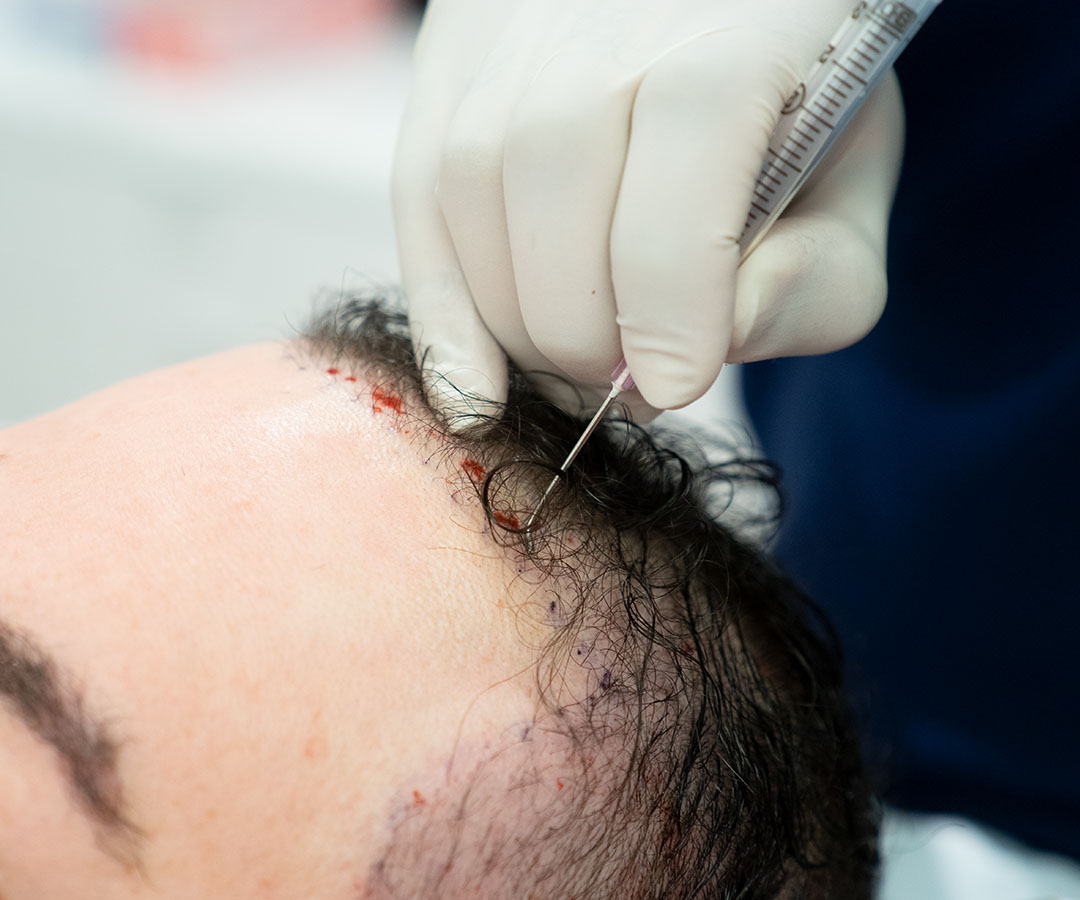
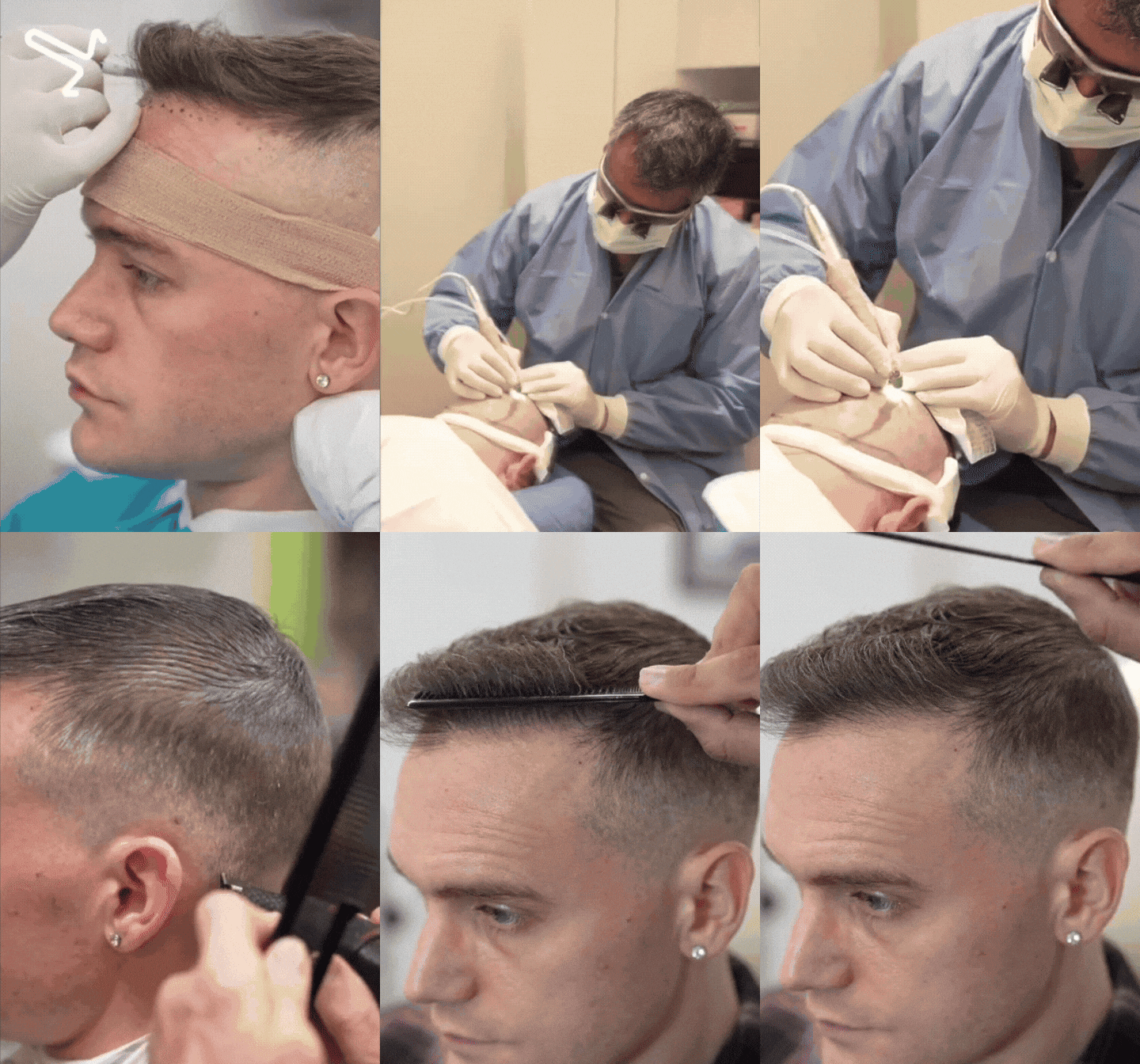
Hair transplantation is generally recommended only when hair loss has stabilized, and healthy donor follicles are available. Women with localized thinning or hairline recession may benefit from Micro FUE hair transplantation, while patients with widespread diffuse thinning may achieve better outcomes through medical therapy alone.
Dr. Vinay Rawlani carefully evaluates every patient’s donor area before recommending surgery to ensure realistic expectations and long-term success.
Lifestyle Can Support Healthy Hair
Although hormones and genetics cannot always be controlled, healthy lifestyle habits can support overall hair health.
Eating a balanced diet, maintaining adequate iron and protein intake, managing stress, getting quality sleep, and following your physician’s treatment plan may all contribute to healthier hair over time.
Lifestyle improvements work best when combined with professional medical care rather than replacing it.
Why Choose Northwestern Hair Restoration?
Women throughout the Chicago area trust Northwestern Hair Restoration because of its personalized, physician-led approach.
Rather than offering generic treatment recommendations, Dr. Vinay Rawlani identifies the underlying cause of hair thinning before creating an individualized restoration plan. Whether you’re interested in women’s hair restoration, ACS therapy, PRP, Micro FUE, or comprehensive medical management, your treatment is tailored to your unique diagnosis and long-term goals.
This customized approach helps preserve existing hair while supporting natural, lasting improvement.
Schedule Your Consultation
If you’re experiencing hair thinning and suspect hormones may be contributing, early evaluation can make a significant difference.
Schedule a consultation with Dr. Vinay Rawlani at Northwestern Hair Restoration to receive a comprehensive assessment and personalized treatment plan. Together, you can identify the cause of your hair loss and explore the most effective solutions for restoring healthier, fuller-looking hair with confidence.