

When Can You Work Out, Swim, or Play Sports After a Hair Transplant?
Of all the post-op questions we answer at our Chicago clinic, none comes up more often — or gets negotiated harder — than this one. The consultation version is polite: “When can I get back to the gym?” The week-two version is more desperate: “It’s just light cardio. That’s fine, right?”
We get it. The patients most motivated to invest in their appearance are usually the same ones with a training routine they guard jealously. Two weeks away from the gym feels like an eternity, and the internet offers a different answer on every forum.
So here’s the definitive, activity-by-activity timeline — and more importantly, the reasons behind each date, because patients who understand why a rule exists follow it far better than patients handed a list. Contact Northwestern Hair Restoration today for more information.
Why Exercise Is Restricted at All
Three separate risks drive the entire timeline, and each one expires at a different point in healing:
- Graft dislodgement (days 1–10). As we covered in our post on when grafts become secure, newly placed follicular units spend their first days held in place by little more than clotting and tissue fluid. They anchor progressively over the first 10 to 14 days as new blood vessels grow into them. During that window, anything that bumps, rubs, or shears the recipient area — a shirt pulled off carelessly, a barbell pad, a teammate’s elbow — can physically dislodge a graft. A dislodged graft isn’t a setback; it’s a lost graft.
- Sweat, bacteria, and infection (weeks 1–2). Thousands of micro-incisions are open channels during early healing. Heavy sweating soaks them in salt and bacteria; gyms are famously unsterile environments, and pools, oceans, and hot tubs are their own microbial story. Infection after a transplant is rare — but nearly every case traces back to this window.
- Blood pressure and swelling (weeks 1–2). Strenuous exertion spikes blood pressure, which increases oozing at graft sites, worsens the forehead swelling that peaks around days 3 to 5, and works against the delicate revascularization your yield depends on. Straining under a heavy lift — the Valsalva maneuver every lifter knows — is the single sharpest pressure spike in fitness.
Notice what this means: the restrictions aren’t one blanket rule fading over time. They’re three different clocks, which is why the answer is different for walking, deadlifting, and swimming.
The Activity-by-Activity Timeline
 One note before the list: this is our general framework, and it reflects typical Micro PUE recovery. Your specific post-op instructions from Dr. Rawlani supersede anything on the internet — including this post. Larger sessions, scar repair work, and individual healing all shift dates.
Days 1–3: Deliberate rest. Walking around the house, gentle daily activities, nothing that raises your heart rate meaningfully. Sleep elevated, protect the grafts, let the swelling window pass quietly. This is the highest-stakes period for the least sacrifice — three days of patience protecting a five-figure investment.
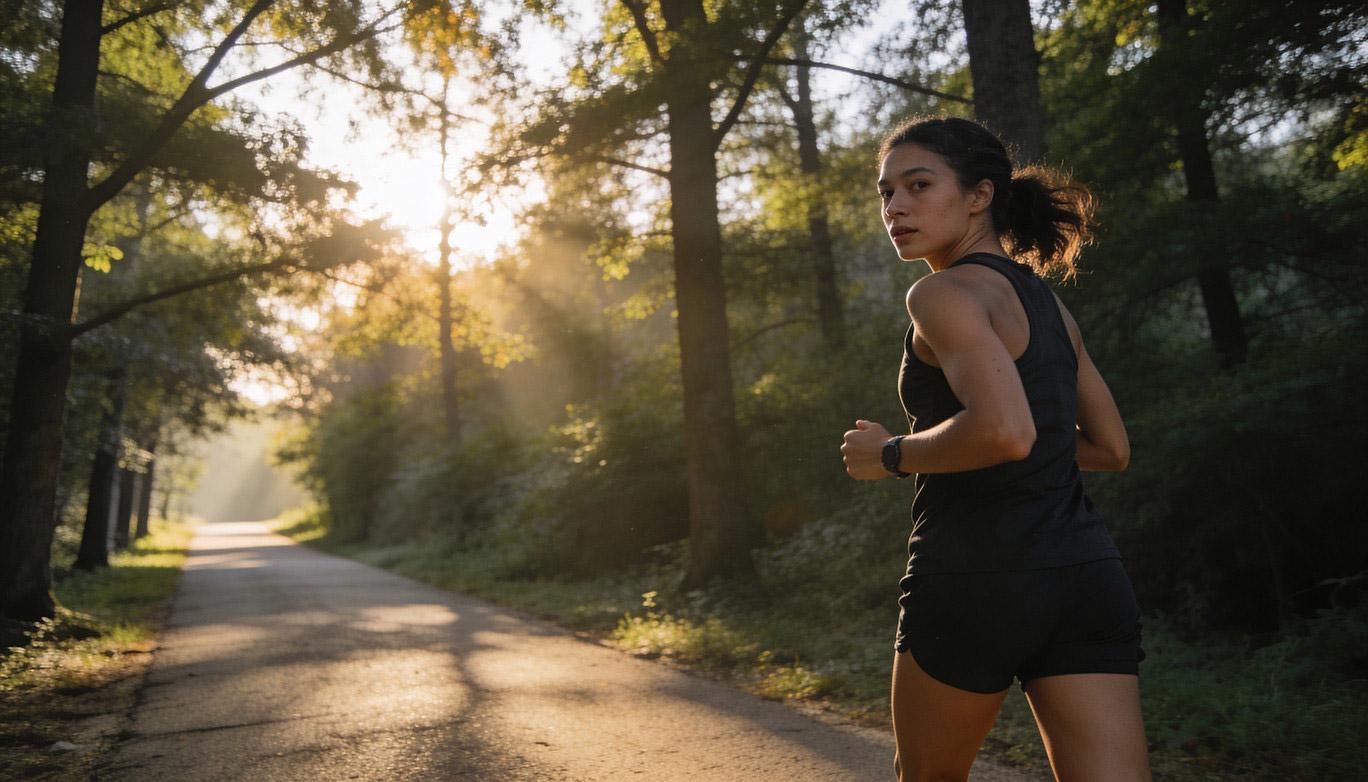
Days 4–7: Walking is your sport. Easy walks at a casual pace are encouraged — circulation helps healing. No jogging, no incline hiking that gets you dripping, no gym. Avoid direct sun on the scalp; a very loose, clean hat only if your post-op guidance permits it (and we covered the nuances of hats after transplants in our myth-busting post on the subject).
Week 2 (days 8–14): Light cardio returns. Once grafts are anchoring — typically after day 10 — light stationary cycling or brisk walking is reasonable. The goal: elevated heart rate, minimal sweat, zero contact. Keep sessions short, keep intensity conversational, and skip anything that requires a headband, helmet, or cap against the grafts.
Weeks 3–4: The gym reopens — gradually. Moderate weight training resumes, with two rules: no maximal lifts, and no straining that turns your face red. Work at weights you can move smoothly for controlled reps. Running, elliptical work, and normal-intensity cardio are back on the menu. Sweating is now acceptable — grafts are secure and incisions closed — though you should still shower promptly after sessions and treat the scalp gently while any residual scabbing resolves.
Weeks 4–6: Nearly everything returns. Heavy lifting, HIIT, spin classes, hot yoga, and recreational sports without head-contact risk (tennis, golf, cycling with a well-fitted helmet — the helmet question usually resolves around week 3 to 4, but confirm against your instructions). Most patients feel completely unrestricted in the gym by the end of this window.
Swimming: the special case — weeks 4+ for pools, and think in weeks, not days, for open water. Swimming gets its own clock because it combines every risk at once: prolonged soaking of healing skin, chlorine’s drying irritation, and open water’s bacterial load. Chlorinated pools are generally reasonable around week 4; lakes and oceans deserve more caution — we’d rather you wait toward weeks 4 to 6 for open water, and hot tubs sit at the cautious end too, since hot, communal, poorly circulated water is the perfect infection cocktail. If your summer revolves around the water, this is a scheduling conversation — which is exactly why we wrote about timing your procedure around Chicago’s seasons.
Contact sports: weeks 6+, the longest wait. Basketball, soccer headers, martial arts, wrestling, hockey — anything where the scalp can take a blow or sustained friction waits the full six weeks, sometimes longer for combat sports with headgear friction. The grafts are secure long before this, but the maturing tissue is still remodeling, and a direct impact to the recipient area is the one risk with no partial version. Ask us before you return to the mat, not after.
The Questions Patients Actually Ask
“Can I just do legs? It’s not like I’m training my head.” The grafts don’t know what muscle group you’re training — they experience your blood pressure. A heavy leg press produces exactly the strain spike we’re avoiding. Week 3, like everything else with a barbell.
“What if I sweat from a sauna instead of exercise?” Saunas and steam rooms carry the sweat-and-heat problem without the exertion, and they add prolonged heat exposure to healing tissue. Treat them like swimming: week 4.
“I train for a living / I’m mid-season. Can we compress this?” Sometimes — this is a real conversation for athletes, trainers, and active-duty patients, and it’s exactly the kind of planning that happens in consultation rather than in a blog’s comment section. Often the honest answer is scheduling the procedure around the season, not compressing biology around the schedule. For Chicago’s corporate athletes and marathon trainees alike, procedure timing is a strategy question we solve constantly.
“I already worked out at day 6, and nothing fell out. So the rules are soft, right?” The rules are probabilistic, not theatrical. Most single violations cost nothing — but graft loss from early strain doesn’t announce itself with hair on the gym floor. It shows up at month eight as yield that’s a few percent lower than it should have been, and no one can prove which workout did it. You’re not managing a guarantee; you’re managing odds on an investment you can’t repeat for free.
The Mindset That Makes This Easy
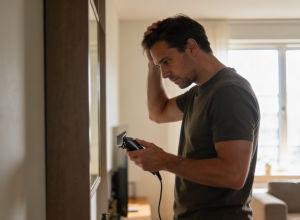 Here’s the reframe that works for our most training-obsessed patients: treat recovery like a deload phase, not a shutdown. Every serious program already builds in recovery weeks. This is one of them — scheduled, purposeful, and short. Walking volume in week one, zone-2 cardio in week two, technique-focused moderate lifting in week three, full training by week four to six. Plenty of patients come out of the protocol with better aerobic habits than they went in with.
And the perspective that matters most: transplanted hair takes 12 to 15 months to deliver its final result. Against that timeline, two to four weeks of modified training is a rounding error — one that protects everything the next fourteen months are building.
The Bottom Line
Grafts anchor over the first 10 to 14 days, which makes the first two weeks the non-negotiable window: rest, then walking, then light sweat-free cardio. The gym returns in weeks 3 to 4 with moderation, swimming waits until week 4 or beyond, and contact sports hold until week 6. Every date exists for a specific biological reason — dislodgement, infection, or blood pressure — and every one of them is short compared to the result they protect.
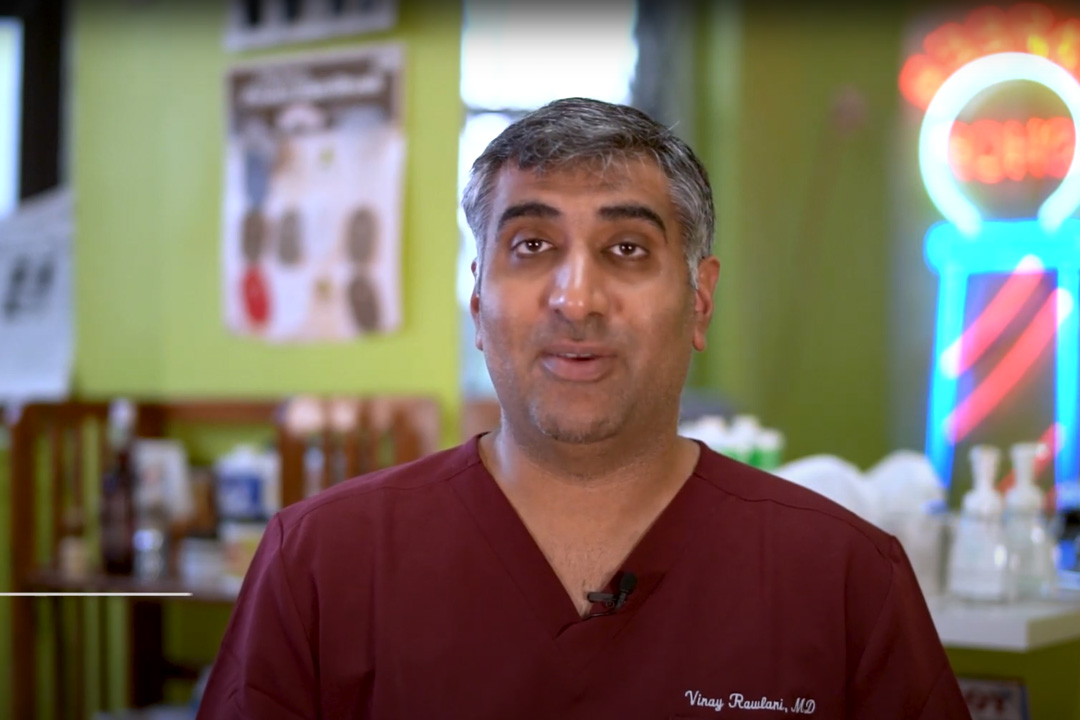
If you’re planning a transplant around a training calendar, a season, a race, or a summer on the water, bring the calendar to your consultation. At Northwestern Hair in Chicago, Dr. Rawlani builds recovery planning into the procedure plan itself — because the best results come from patients who never had to choose between their routine and their grafts.