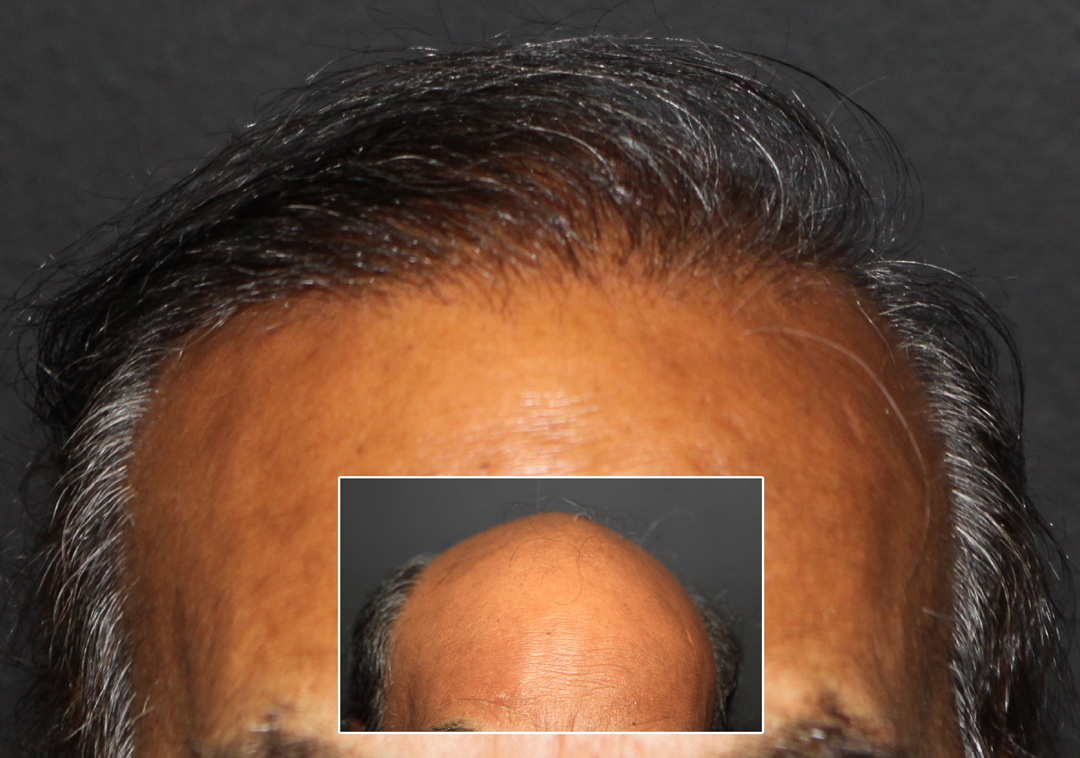





Stage 3 Hair Loss: Is It the Ideal Time for a Hair Transplant?
For many men, Stage 3 Hair Loss is the point where hair loss becomes impossible to ignore. The hairline begins to recede more noticeably, thinning becomes visible in everyday situations, and styling your hair no longer hides the changes. While earlier stages may cause mild concern, Stage 3 is often when patients begin seriously considering a hair transplant.
But is it the right time?
According to Dr. Vinay Rawlani at Northwestern Hair Restoration, the answer depends on more than the amount of hair you’ve lost. Your age, donor hair quality, rate of progression, family history, and long-term goals all play a role in determining whether now is the ideal time for surgical restoration or whether another treatment strategy should come first. Contact Northwestern Hair Restoration today for more information.
What Is Stage 3 Hair Loss?
The Norwood Scale is the most commonly used system for classifying male pattern baldness. At Stage 3, recession becomes more pronounced around the temples, creating a distinct M-shaped hairline. Some patients may also begin developing thinning near the crown, while others experience recession primarily in the frontal region.
Although Stage 3 represents the first clinically significant stage of hair loss, many men still have an excellent donor supply in the back and sides of the scalp. This makes it one of the most common stages where patients become candidates for hair restoration procedures.
However, having sufficient donor hair does not automatically mean surgery is the best immediate option.
Why Timing Matters
 One of the biggest misconceptions about hair transplantation is that earlier is always better.
While restoring the hairline at Stage 3 can produce excellent cosmetic improvement, the procedure must also account for future hair loss. Male pattern baldness is progressive, meaning your native hair may continue thinning long after surgery if the underlying condition isn’t addressed.
This is why Dr. Vinay Rawlani emphasizes long-term planning instead of simply treating today’s hairline. Every transplant should be designed with tomorrow’s appearance in mind, preserving donor hair while creating a natural-looking result that continues to age well.
A successful transplant isn’t just about replacing missing hair—it’s about creating a restoration strategy that remains balanced for decades.
Are You A Good Candidate?
Not every patient with Stage 3 Hair Loss requires immediate surgery.
During your consultation, several factors are evaluated, including:
- Hair density in the donor area
- Current pattern of recession
- Family history of hair loss
- Age and anticipated progression
- Scalp condition
- Overall health
Patients with stable hair loss often make excellent candidates for transplantation. Younger patients with rapidly progressing loss, however, may benefit from combining medical therapy with future surgical planning rather than rushing into a procedure.
Every recommendation should be individualized rather than based solely on the Norwood stage.
Hair Transplant Options At Northwestern Hair Restoration
Northwestern Hair Restoration offers advanced surgical solutions designed to create natural, long-lasting results.
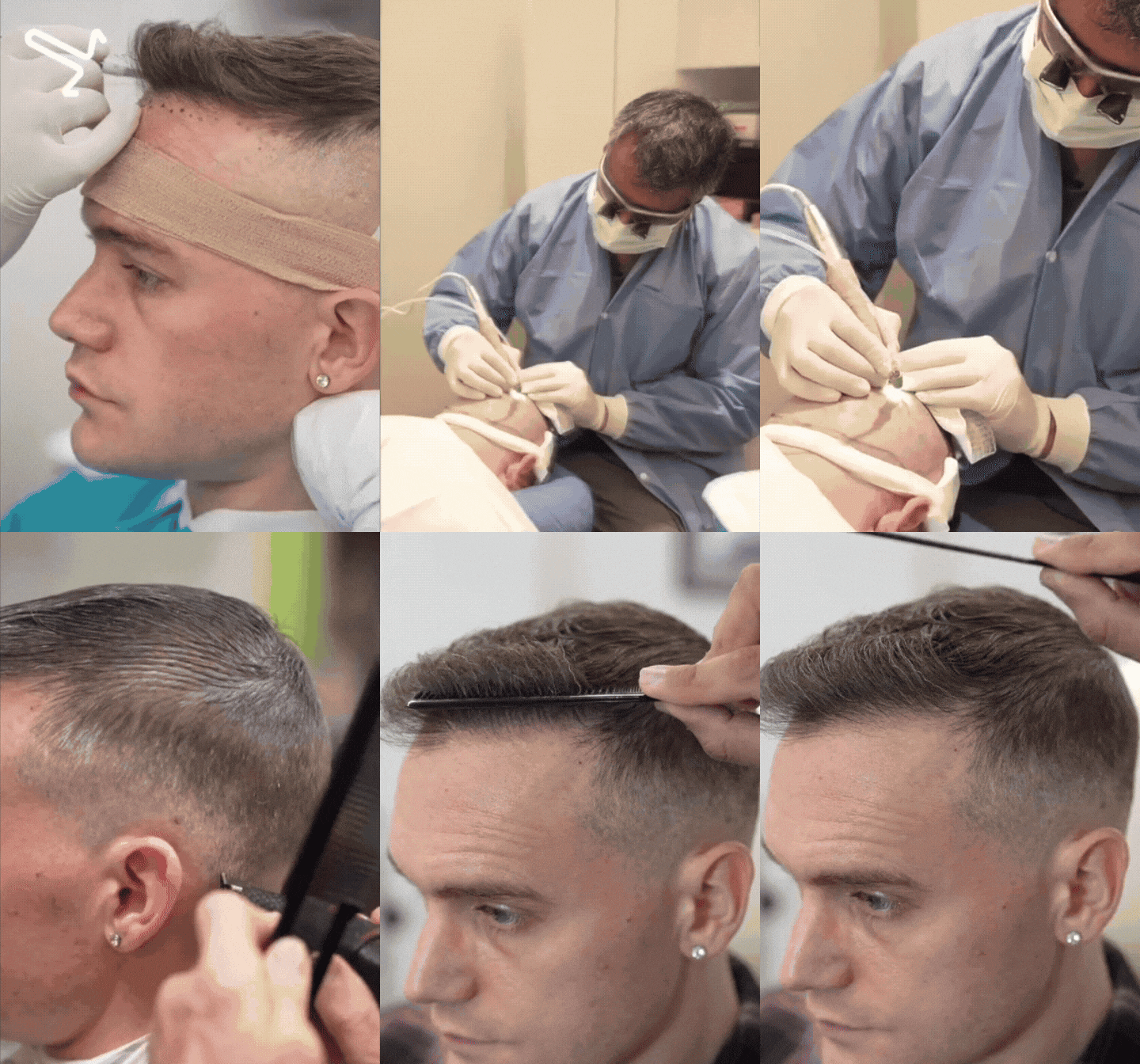
One of the most popular procedures is Micro FUE (Follicular Unit Extraction). Individual follicular units are carefully harvested from the donor area and strategically placed into thinning regions while preserving the natural direction, angle, and density of existing hair.
Unlike older techniques, modern FUE minimizes visible scarring, allows for faster recovery, and produces highly refined outcomes.
Every procedure is personally performed and supervised by Dr. Vinay Rawlani, who combines surgical precision with artistic hairline design to create restorations that blend seamlessly with each patient’s facial features.
Medical Treatments May Also Play A Role
Hair transplantation is only one part of comprehensive hair restoration.
Many Stage 3 patients benefit from combining surgery with medical therapies that help preserve existing hair and slow future loss.
Depending on your evaluation, Dr. Rawlani may recommend treatments such as:
- ACS (Autologous Conditioned Serum)
- PRP therapy
- Prescription medications
- Low-level laser therapy
- Personalized maintenance protocols
These treatments help support follicle health and may improve both surgical and non-surgical outcomes over time.
The goal isn’t simply restoring hair—it’s protecting the hair you already have.
Why Hairline Design Is So Important
For Stage 3 Hair Loss, the hairline becomes the focal point of treatment.
Many patients believe success depends primarily on graft numbers. While graft count is important, the overall design has an even greater influence on the final appearance.
A natural hairline contains subtle irregularities rather than a perfectly straight edge. It also considers facial proportions, ethnicity, age, and likely future recession.
Dr. Vinay Rawlani personally designs every hairline, ensuring the restoration complements the patient’s features while preserving flexibility for future treatment if needed.
This physician-led approach helps avoid unnatural results that may require corrective procedures later.
Recovery And Long-Term Expectations
 Hair transplantation is a process, not an overnight transformation.
Following surgery, transplanted hairs typically shed during the first several weeks before entering a resting phase. New growth gradually begins over the following months, with noticeable improvement often appearing around the fourth month.
Hair continues to mature throughout the first year, becoming thicker and denser as the follicles establish themselves.
Patients who follow post-operative instructions and maintain recommended therapies often enjoy long-lasting, natural results.
Why Choose Northwestern Hair Restoration?
Patients throughout Chicago choose Northwestern Hair Restoration because of its physician-led philosophy.
Rather than functioning as a high-volume clinic, every treatment is customized and carefully planned. From consultation through recovery, Dr. Vinay Rawlani remains directly involved, ensuring consistency, precision, and personalized care throughout every stage of treatment.
Whether you’re interested in men’s hair transplants, women’s hair restoration, Micro FUE, ACS therapy, or long-term hair preservation, every recommendation is based on your individual goals rather than a standardized treatment plan.
Schedule Your Consultation
If you’re experiencing Stage 3 Hair Loss, this may be one of the best times to explore your treatment options—but only after a thorough medical evaluation.
A consultation with Dr. Vinay Rawlani allows you to understand your donor capacity, future hair loss pattern, and whether a hair transplant, medical therapy, or a combination of treatments offers the best long-term outcome.
Contact Northwestern Hair Restoration today to schedule your consultation and begin building a personalized strategy designed to restore your hair naturally while protecting it for years to come.