




Can Women Get Hair Transplants? What Female Patients Should Know
Hair loss is often associated with men, but millions of women also experience thinning hair at some point in their lives. Whether it’s caused by genetics, hormonal changes, aging, or medical conditions, hair loss can significantly affect self-confidence and quality of life. One of the most common questions women ask is, Can Women Get Hair Transplants? The answer is yes—but not every woman is an ideal candidate, and the treatment approach is often different from that used for men.
At Northwestern Hair Restoration, Dr. Vinay Rawlani understands that female hair loss requires a personalized evaluation. Every patient has unique hair characteristics, patterns of thinning, and treatment goals. Rather than applying a one-size-fits-all solution, Dr. Rawlani develops customized plans designed to restore hair naturally while preserving long-term hair health. Contact Northwestern Hair Restoration for more information.
Understanding Female Hair Loss
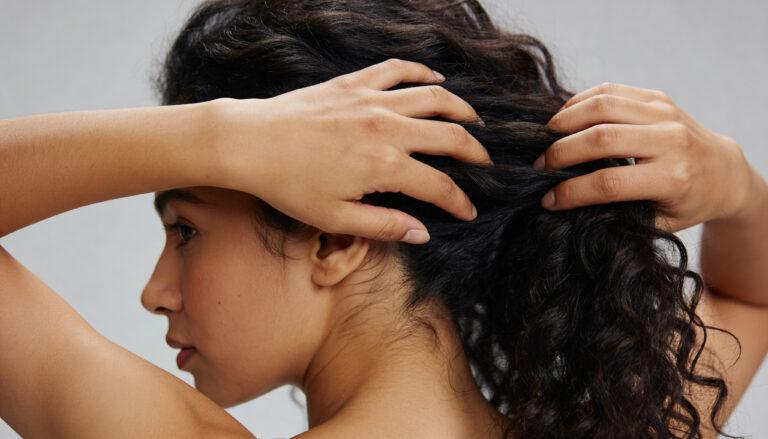
Unlike men, who typically experience a receding hairline or bald spots, women often develop diffuse thinning across the scalp. Hair gradually becomes finer, the part widens, and overall density decreases while the frontal hairline frequently remains intact.
Female hair loss may be caused by several factors, including:
- Genetic predisposition (female pattern hair loss)
- Hormonal changes related to pregnancy or menopause
- Thyroid disorders
- Nutritional deficiencies
- Stress
- Certain medications
- Autoimmune conditions
Because the causes vary widely, identifying the underlying reason for hair loss is the first step before considering surgical treatment.
Who Is A Good Candidate?
 Not every woman experiencing hair loss is a candidate for transplantation.
Women who typically benefit most from a hair transplant include those with:
- Localized areas of thinning
- Stable female pattern hair loss
- Hairline recession
- Hair loss from trauma or previous surgery
- Scarring alopecia that has become inactive
- Naturally strong donor hair
Patients with widespread diffuse thinning throughout both the top and donor area may not achieve optimal surgical results because there may not be enough healthy donor follicles available.
During your consultation, Dr. Vinay Rawlani performs a detailed evaluation of your scalp, donor density, hair quality, and medical history to determine whether transplantation is the right solution.
Why Diagnosis Comes Before Surgery
One of the biggest mistakes women can make is assuming every type of hair loss should be treated with surgery.
Hair transplantation redistributes existing hair—it does not create new follicles or stop active shedding caused by hormonal or medical conditions.
At Northwestern Hair Restoration, identifying the cause of hair loss is just as important as restoring it. Dr. Rawlani carefully evaluates whether the condition is stable enough for surgery or whether medical treatment should be recommended first.
This physician-led approach helps patients avoid unnecessary procedures while improving long-term outcomes.
Hair Transplant Techniques For Women
Modern hair restoration has advanced significantly over the past decade.
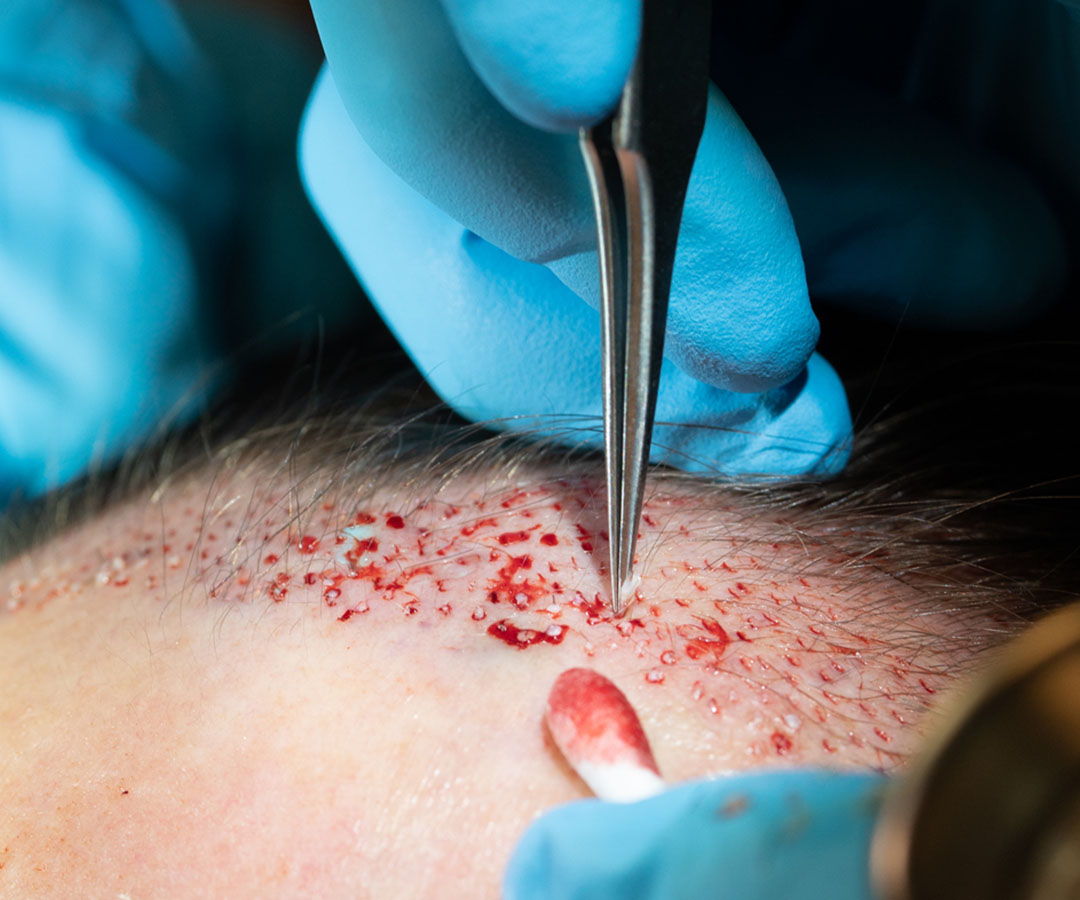
One of the most effective surgical options offered at Northwestern Hair Restoration is Micro FUE (Follicular Unit Extraction). During this procedure, individual follicular units are harvested from the donor area and transplanted into thinning regions with exceptional precision.
Because the follicles are placed according to the natural direction and angle of hair growth, the results are designed to blend seamlessly with existing hair.
Micro FUE also minimizes visible scarring and allows many patients to return to normal activities relatively quickly.
Hairline Restoration For Women
While many women experience diffuse thinning, others seek treatment to restore a naturally youthful hairline.
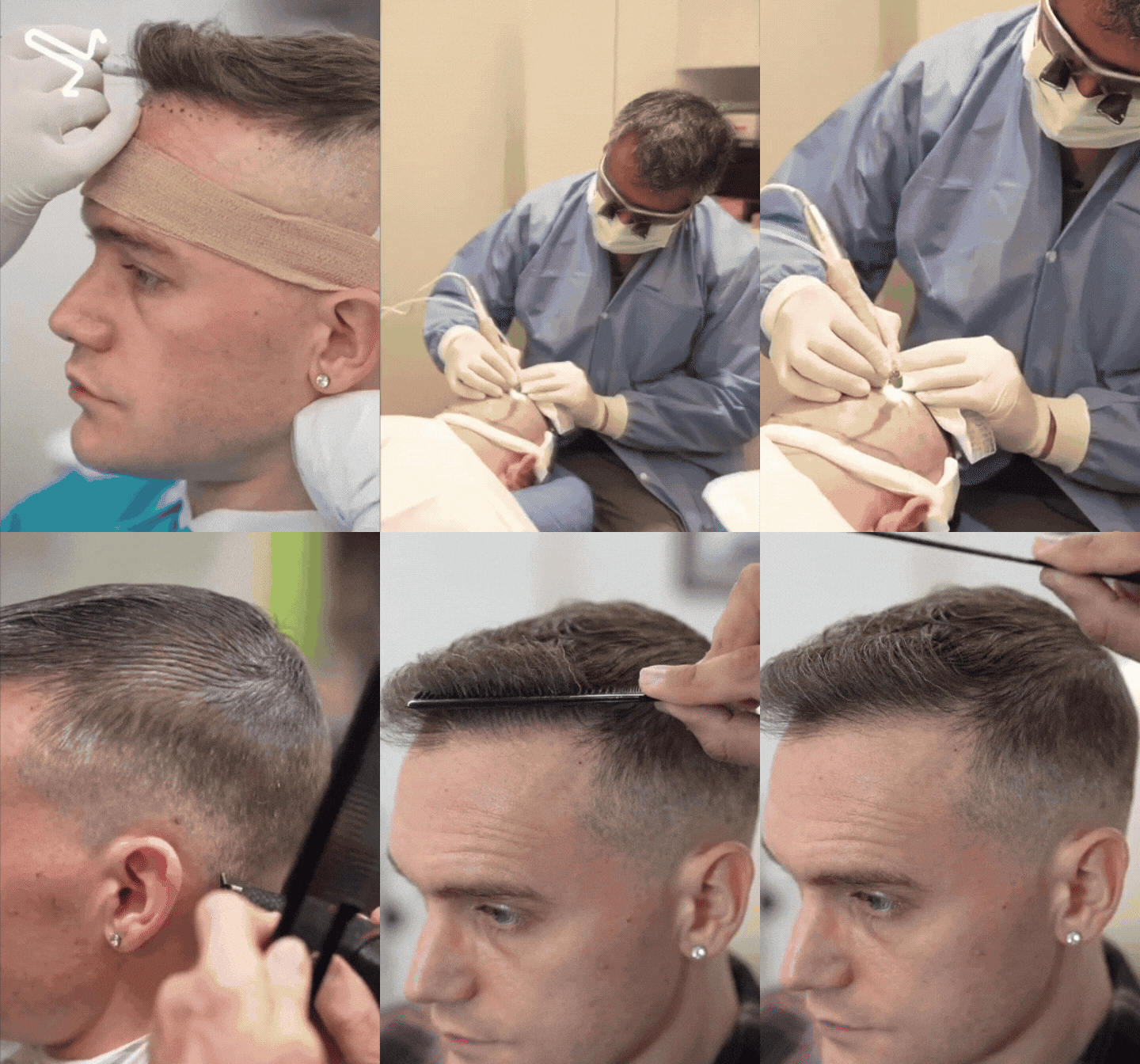
Hairline restoration requires both surgical precision and artistic planning. An overly straight or aggressive hairline can appear unnatural, while a carefully designed hairline enhances facial balance and creates the appearance of fuller hair.
Dr. Vinay Rawlani personally designs every hairline, taking into consideration facial proportions, ethnicity, age, hair characteristics, and long-term expectations.
The goal is always to create results that look like your own natural hair—not evidence of a procedure.
Non-Surgical Treatments May Be Recommended
 Surgery is only one part of comprehensive hair restoration.
Many women benefit from combining transplantation with therapies designed to strengthen existing follicles and slow additional hair loss.
Depending on your diagnosis, Northwestern Hair Restoration may recommend:
- ACS (Autologous Conditioned Serum) therapy
- PRP (Platelet-Rich Plasma) treatments
- Prescription medications, when appropriate
- Low-level laser therapy
- Personalized treatment and maintenance plans
These therapies can improve hair quality, support transplanted follicles, and help preserve your existing hair.
Recovery And Results
Recovery after a hair transplant is generally straightforward when post-operative instructions are carefully followed.
The transplanted hairs typically shed during the first several weeks before entering a resting phase. New growth usually begins several months later, with continued improvement throughout the first year.
Because hair grows gradually, the results appear naturally over time rather than changing overnight.
Patience, proper aftercare, and ongoing maintenance all contribute to successful long-term outcomes.
Why Choose Northwestern Hair Restoration?
Women experiencing hair loss deserve individualized care—not generic treatment recommendations.
At Northwestern Hair Restoration, every patient receives a comprehensive physician-led evaluation. Dr. Vinay Rawlani personally oversees diagnosis, treatment planning, hairline design, donor management, and the surgical procedure itself.
Whether you’re interested in women’s hair restoration, Micro FUE, ACS therapy, PRP, or non-surgical hair preservation treatments, your care is customized to your unique pattern of hair loss and long-term goals.
This personalized approach helps create natural-looking, lasting results while protecting the health of your existing hair.
Schedule A Consultation
If you’ve been wondering, Can Women Get Hair Transplants?, the best way to find out is through a professional evaluation.
A consultation with Dr. Vinay Rawlani at Northwestern Hair Restoration will determine the cause of your hair loss, assess your donor hair, and identify the treatment options that best fit your needs.
Contact Northwestern Hair Restoration today to schedule your consultation and begin a personalized hair restoration plan designed to restore your confidence with natural, beautiful results.