




What Types of Hair Loss Do We Treat?
Genetic Hair Loss (Female and Male Pattern Hair Loss)
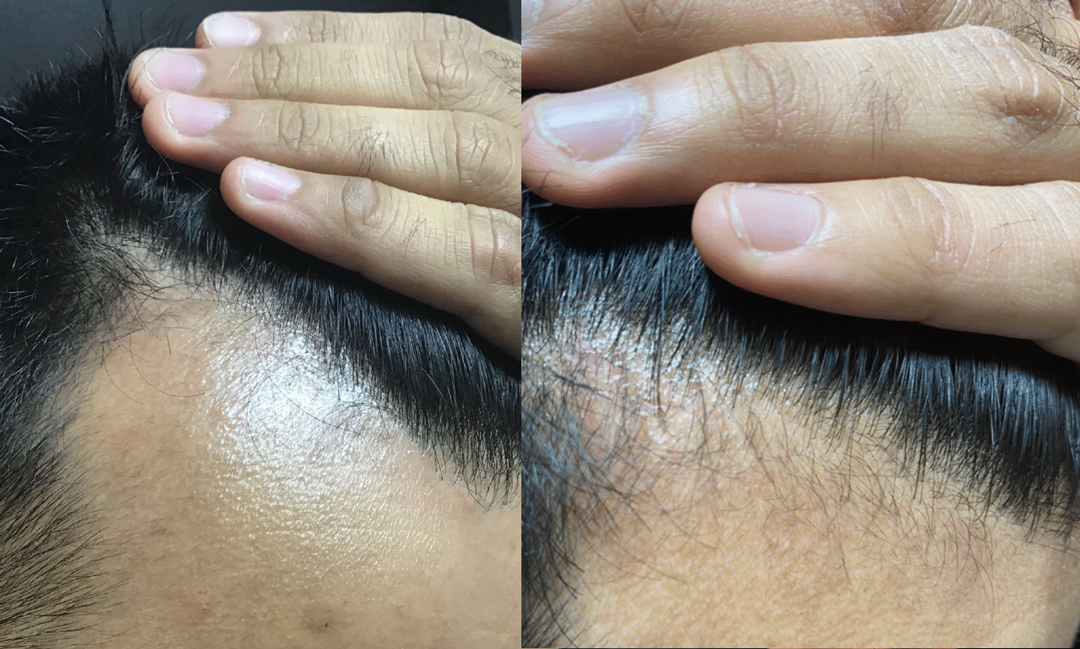
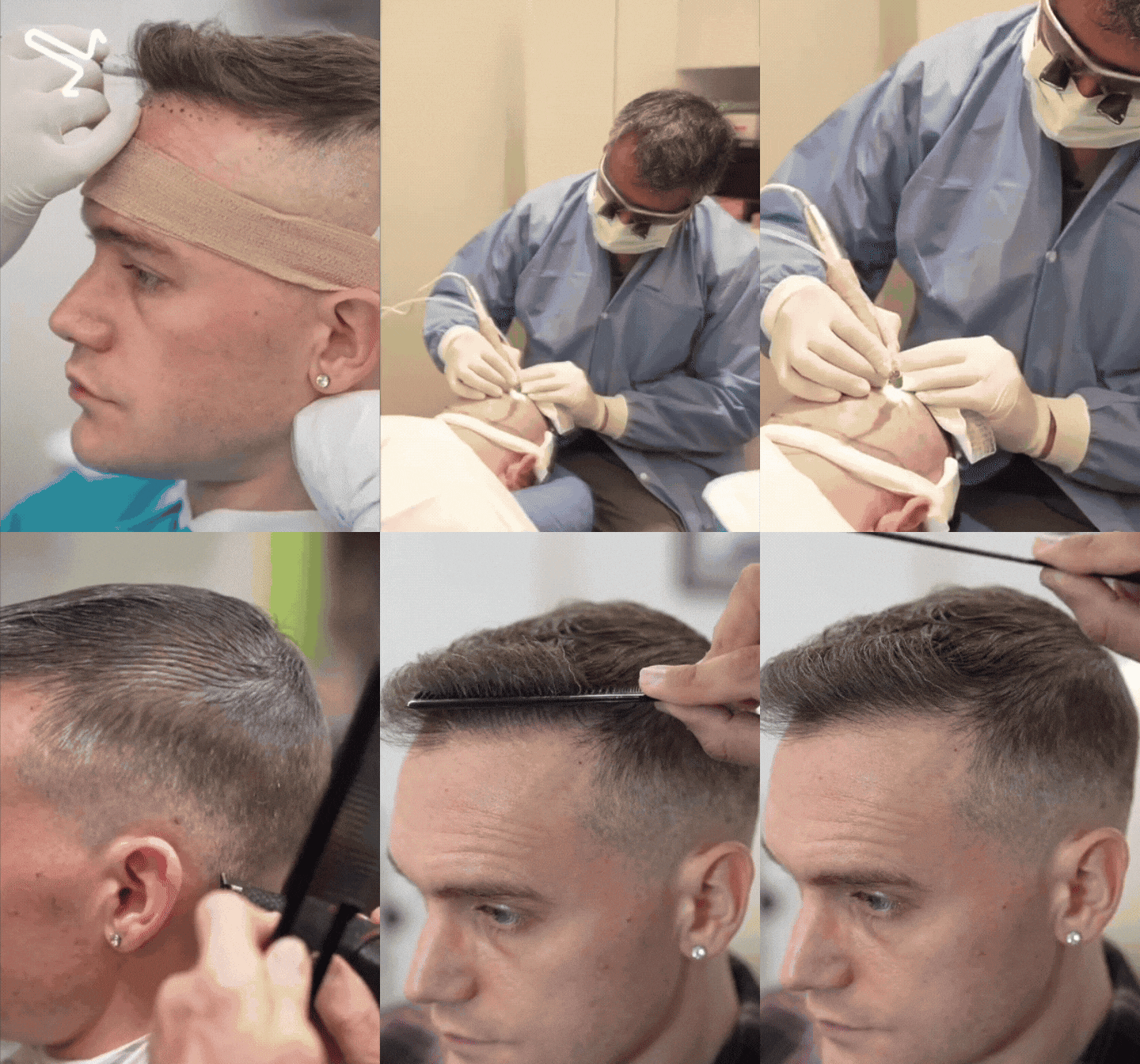
 This is the most frequently treated type of thinning seen in our practice. Often hereditary and related to hormone sensitivity, genetic hair loss tends to progress slowly over time. With advanced therapies like Follicular Unit Extraction (FUE) and personalized regimens, many patients achieve a natural, denser appearance.
Telogen Effluvium
Postpartum & Hormonal Hair Loss
Traction Alopecia
Persistent tension on the hair from certain styles or repetitive pulling can cause hair loss over time. Early intervention and modification of hairstyling practices, combined with targeted restoration techniques, can help preserve and regrow hair in many cases.
These forms of hair loss typically respond well to tailored treatment approaches that may combine surgical techniques, growth-factor therapies, and other supportive care.
What About More Complex Hair Loss Conditions?
Some conditions are more challenging to treat because they not only involve thinning but also structural changes to the scalp and follicles. These types of hair loss may not be fully addressed by traditional restoration alone:
Scarring Alopecia (Cicatricial Alopecia)
Also referred to as scarring alopecia, these are a group of disorders that permanently damage hair follicles and replace them with scar tissue. Because the follicles are destroyed, hair cannot regrow in the affected areas without addressing the underlying condition first. Scarring alopecias may be associated with inflammation and may require medical dermatologic treatments before hair restoration strategies can be successful.
Severe Autoimmune Hair Loss
Conditions such as advanced alopecia areata can involve the immune system attacking hair follicles, leading to patchy or widespread hair loss. In its more aggressive forms — such as alopecia totalis or alopecia universalis — treatment may involve systemic therapies and dermatologic oversight before restoration can be considered. These conditions often require a multidisciplinary approach with medical specialists.
Other complex hair loss patterns, such as certain inflammatory scalp disorders, may also fall outside the primary scope of surgical restoration. Careful diagnosis by a hair loss specialist or dermatologist is key to identifying the best path forward.
Why Some Conditions Are Harder to Treat
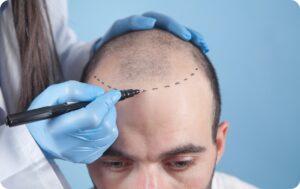 Hair loss conditions vary widely, not only in cause but also in how they affect hair follicle biology. Some non-scarring hair loss (such as pattern thinning) involves follicular miniaturization, which can respond well to surgical and non-surgical interventions. Others, like scarring alopecia or severe autoimmune conditions, involve fundamental changes to scalp structures or immune activity that must be addressed medically before restoration can be considered.
Comprehensive evaluation using physical exams, patient history, and sometimes diagnostic tests helps our team determine the nature of your hair loss and whether it is best treated in-house or in collaboration with expert partners.
What If You Have a Condition We Don’t Specialize In?
If you have a complex or scarring hair loss condition, we don’t leave you without options. Instead, we work closely with our partner dermatologists and medical specialists to ensure you receive the care you need. This collaborative approach helps you get a comprehensive plan that addresses both the underlying condition and your restoration goals.
Our priority is always to find the best path forward for you — whether that involves hair transplant surgery, non-surgical therapies, medical treatments, or a combination tailored to your situation.
Your Next Steps
If you’re concerned about hair loss and want to explore your options further, our team is here to help. A thorough consultation allows us to assess your condition and recommend an individualized plan. With advanced techniques and caring support, we’re committed to helping you move confidently toward thicker, healthier hair.
Speak with our specialists today to understand what type of hair loss you have and what treatment options are most appropriate for you.