


Women’s Hair Transplant Recovery: What to Expect After Micro PUE
For many women considering hair restoration, the biggest questions aren’t just about the procedure—they’re about recovery. How long will healing take? When can you return to work? When will new hair begin growing? Understanding Women’s Hair Transplant Recovery helps patients prepare for each stage of the process with realistic expectations and confidence.
At Northwestern Hair Restoration, Dr. Vinay Rawlani believes that exceptional outcomes begin long before surgery and continue well after the procedure. Every patient receives personalized recovery instructions and follow-up care to help protect newly transplanted follicles and support healthy, natural-looking growth. Whether you’re restoring a thinning hairline, improving density, or treating localized hair loss, knowing what to expect after Micro PUE (Precision Follicular Unit Extraction) can make your recovery smoother and more successful. Contact Northwestern Hair Restoration today for more information.
Women’s Hair Transplant Recovery
A successful hair transplant doesn’t end when the procedure is complete. Healing plays a critical role in graft survival, scalp health, and long-term results.
Following post-operative instructions helps minimize swelling, protects the transplanted follicles, and creates the ideal environment for healthy hair growth. While every patient heals differently, understanding the normal recovery timeline can reduce unnecessary anxiety during the first few months.
The goal is not simply to heal quickly but to allow every transplanted follicle the best opportunity to thrive.
The First Few Days After Micro PUE
Immediately after surgery, it is normal to experience mild redness, slight swelling, and tiny scabs around the transplanted grafts. These are expected signs of healing and generally begin improving within the first week.
The donor area may feel tender for several days, but discomfort is typically mild and manageable with the aftercare instructions provided by Northwestern Hair Restoration.
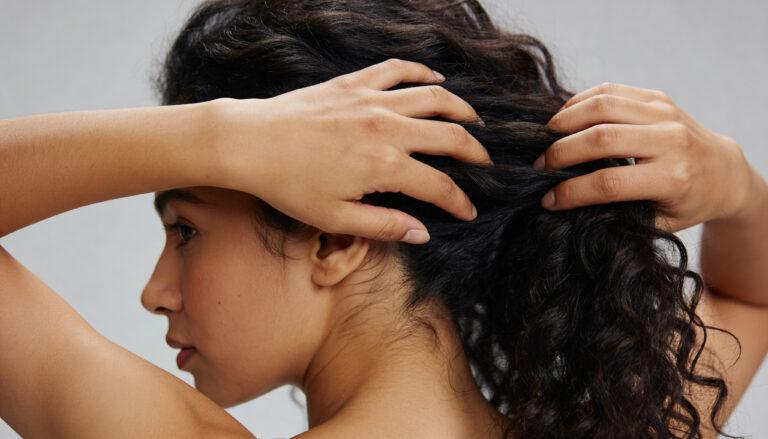
Patients should avoid touching, scratching, or rubbing the treated areas while the grafts become securely established.
Sleeping During Recovery
 Sleeping properly is one of the most important aspects of Women’s Hair Transplant Recovery.
Dr. Vinay Rawlani generally recommends sleeping with the head elevated for the first several nights. Elevation helps reduce swelling while preventing unnecessary pressure on the transplanted follicles.
Using extra pillows or a reclining chair can make this period more comfortable while helping protect the surgical results.
Washing Your Hair Safely
One of the most common concerns after surgery is when and how to wash the hair.
Patients receive detailed washing instructions designed to cleanse the scalp without disturbing the newly transplanted grafts. Gentle washing removes dried blood and scabs while supporting healthy healing.
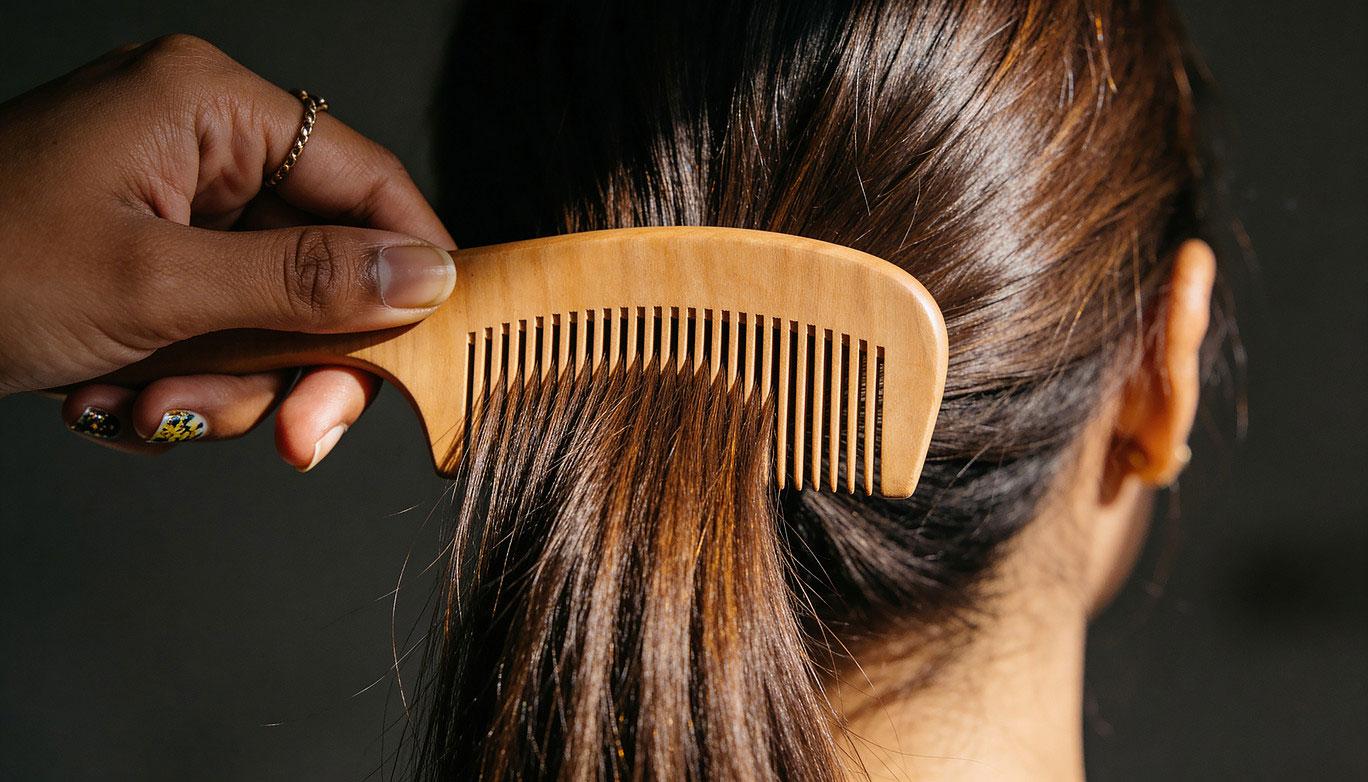
Avoiding aggressive scrubbing during the first days after surgery is essential for protecting the follicles as they become securely anchored.
Temporary Shedding Is Completely Normal
Several weeks after surgery, many patients notice that the transplanted hairs begin to shed.
Although this can be alarming, it is a completely normal part of the healing process. The follicles themselves remain healthy beneath the scalp while entering a temporary resting phase before producing new hair.
This shedding does not mean the procedure has failed—it is an expected stage of recovery.
When Will New Hair Grow?
Patience is one of the most important parts of successful hair restoration.
Most patients begin noticing new hair growth several months after surgery. Initially, the hairs are often fine and light before gradually becoming thicker and stronger over time.
Hair continues to mature throughout the first year, with improvements in density, texture, and overall appearance becoming increasingly noticeable.
Every patient’s timeline is slightly different, but gradual progress is completely normal.
Supporting Long-Term Results
A hair transplant restores hair to thinning areas, but protecting your existing hair remains equally important.
Depending on your diagnosis, Dr. Vinay Rawlani may recommend combining surgery with advanced non-surgical treatments, including:
- ACS (Autologous Conditioned Serum) therapy
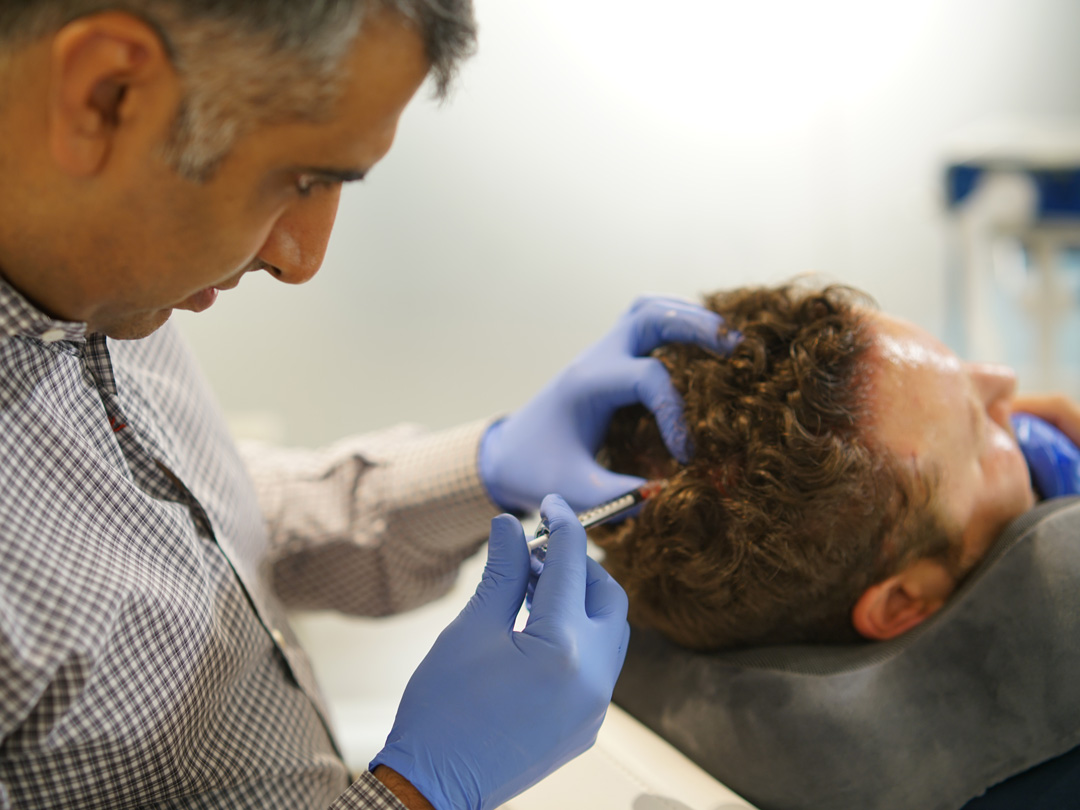
- PRP (Platelet-Rich Plasma) therapy
- Prescription medications, when appropriate
- Low-level laser therapy
- Personalized hair maintenance programs
These treatments may help strengthen existing follicles, reduce future thinning, and support long-term transplant success.
Returning To Your Normal Routine
 Many women return to office work within several days, although recovery timelines vary depending on the individual and the nature of their job.
More strenuous activities—including heavy exercise, swimming, and any activity that causes excessive sweating—should be postponed until approved by your physician.
Following post-operative guidelines allows the scalp to heal properly while protecting the transplanted grafts.
Why Physician-Led Follow-Up Matters
Recovery does not end after the first week.
Regular follow-up appointments allow Dr. Vinay Rawlani to monitor healing, evaluate hair growth, answer questions, and recommend additional therapies if necessary. These visits ensure that recovery progresses as expected and provide patients with ongoing support throughout the restoration process.
This physician-led approach helps maximize both short-term healing and long-term results.
Why Choose Northwestern Hair Restoration?
Northwestern Hair Restoration provides personalized, physician-led care from consultation through recovery.
Unlike high-volume clinics where patients may have limited interaction with their surgeon after the procedure, Dr. Vinay Rawlani remains actively involved throughout the entire process. He personally evaluates every patient, designs individualized treatment plans, performs the critical aspects of every Micro PUE procedure, and oversees post-operative care.
Whether you’re considering women’s hair restoration, Micro PUE, ACS therapy, PRP, or non-surgical hair preservation treatments, your care is customized to your unique needs and long-term goals.
Schedule Your Consultation
If you’re considering a hair transplant and want to understand Women’s Hair Transplant Recovery better, schedule a consultation with Dr. Vinay Rawlani at Northwestern Hair Restoration.
During your visit, you’ll learn what to expect before, during, and after your procedure, while receiving a personalized treatment plan designed to restore fuller, natural-looking hair with results that continue to improve over time.