


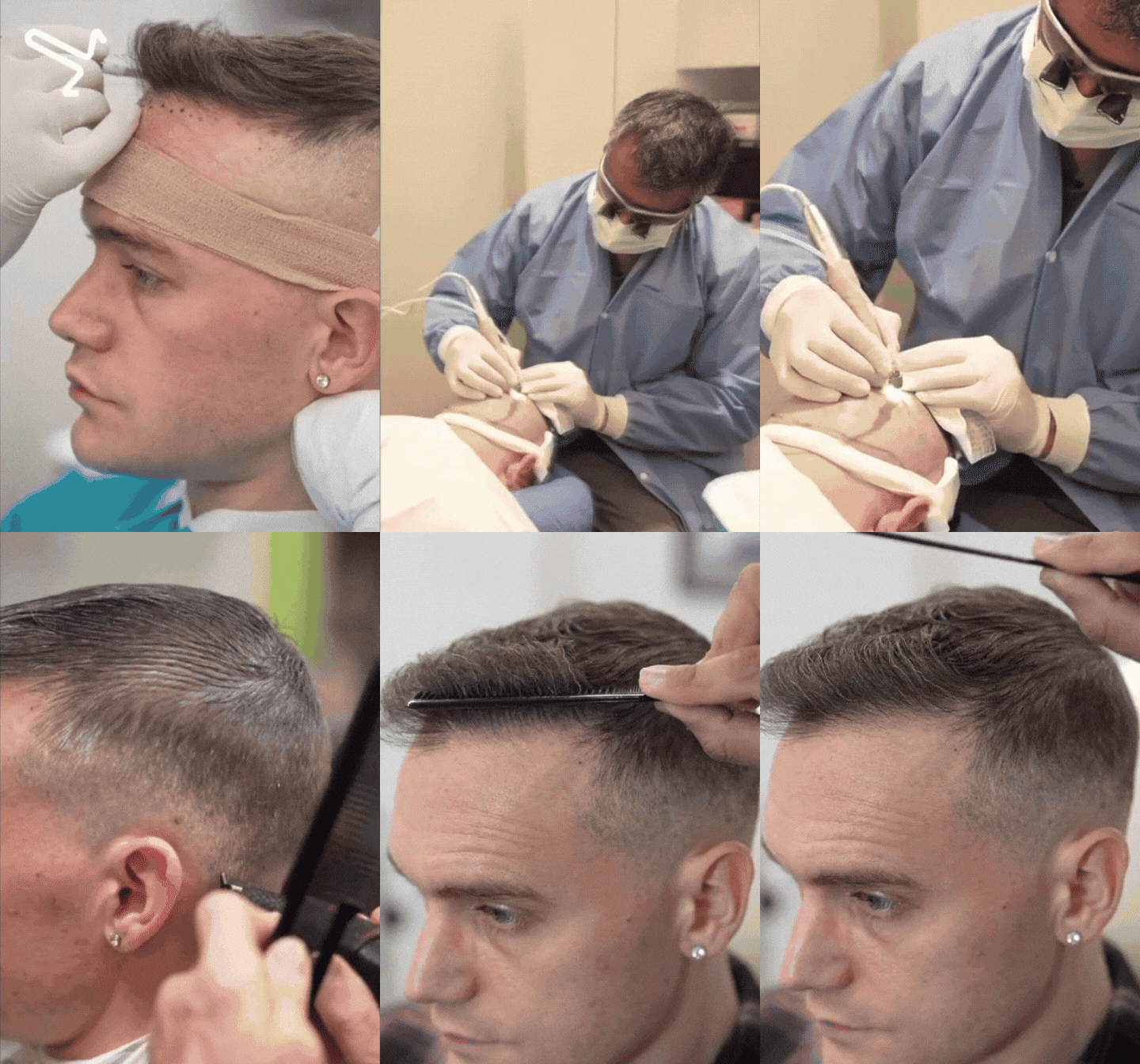
Can You Style Your Hair After a Hair Transplant? What to Expect During Recovery
The answer is yes — eventually, without restriction. Transplanted hair is permanent hair. Once it’s established, it grows, cuts, colors, and responds to products the same way your natural hair always has. Getting there just requires protecting it during the window when it’s most vulnerable.
Here’s what styling looks like at each stage of recovery, and why the timing matters.
Phase 1: The First 10–14 Days
The grafts placed during your procedure are stabilizing in the first week and a half. They’re not yet anchored in the way mature follicles are, and anything that applies pressure, friction, or chemical stress to the recipient area can dislodge or damage them.
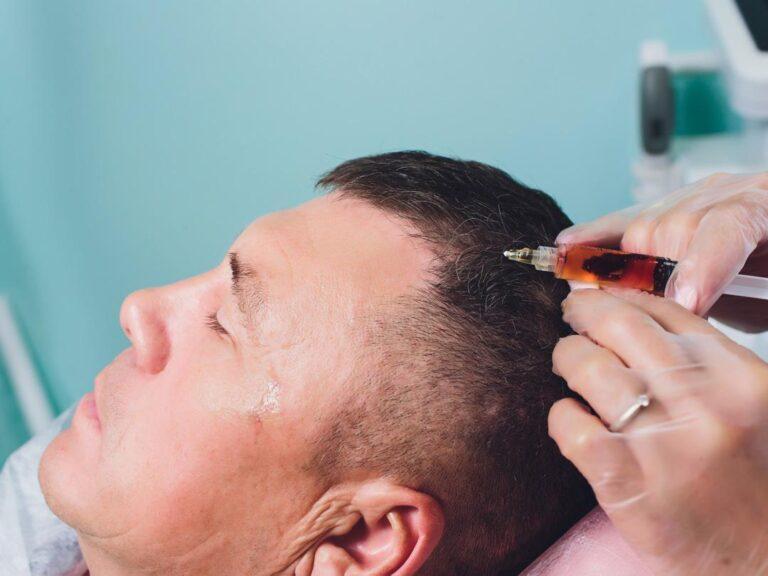
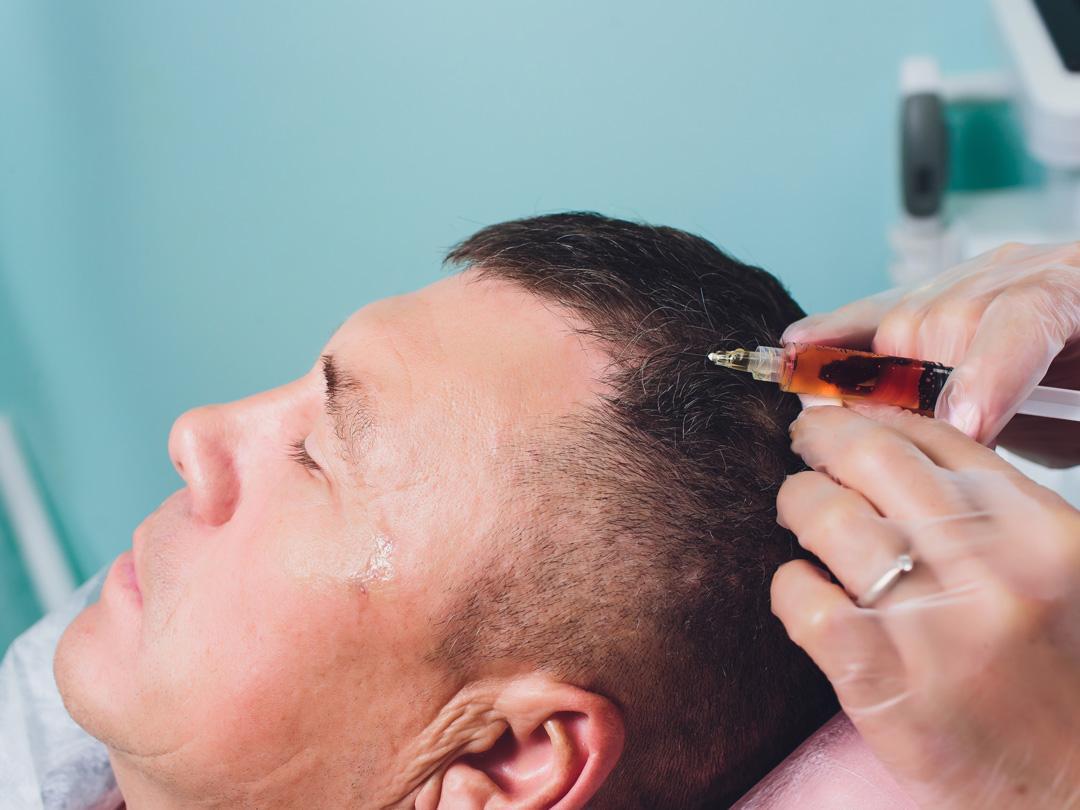
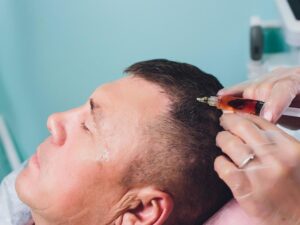 During this window, that means no hair gel, mousse, or heavy styling products near the transplant zone. No tight hats, helmets, or headbands that press against the scalp. No rubbing or scratching. Washing follows the specific protocol your physician provides, which is gentler and more deliberate than normal shampooing, designed to clean the scalp without disturbing the graft sites.
This phase asks more of you than any other part of recovery. It’s also the shortest. Two weeks of careful handling protect months of growth.
Phase 2: Weeks 2–6
By the two-week mark, scabbing has typically resolved, and the scalp looks considerably more normal. The grafts are establishing more securely, and the range of what’s safe expands meaningfully.
Light styling resumes. Hats can be worn normally. A careful haircut — scissors, not aggressive clippers against the donor area — is generally fine. The donor area specifically warrants some caution early in this phase; the micro-extraction sites are healed at the surface, but the underlying tissue is still consolidating, so avoid anything that puts sustained friction directly on it.
Shedding of the transplanted hairs is common and expected throughout this period and into the third month. The hair shafts release while the follicles remain intact beneath the scalp. It looks like a loss. It isn’t.
Phase 3: Months 3–12
New growth typically begins breaking through around months three to four. As it progresses, the styling restrictions that defined the early recovery phase fall away one by one until, by the time full density is established, there are none.
Transplanted hair can be cut and styled normally. Coloring is generally safe once healing is complete — confirm the specific timing with your physician, as it depends on how your scalp has healed. Normal grooming routines, products, and tools all come back into the picture. The hair growing in from transplanted follicles follows the same growth patterns as your donor hair, because it is your donor hair — genetically identical, now growing in a new location.
The Donor Area: What to Expect
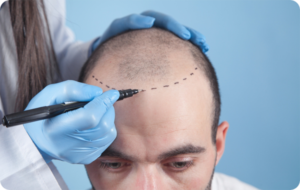 With Micro PUE, the donor area heals with small, dispersed extraction sites rather than a linear scar. In most patients, these sites are not visible once healing is complete, and wearing the hair short poses no cosmetic issue.
How the donor area looks at full healing depends on the extraction technique, donor density, hair caliber, and skin tone. Careful distribution of extraction across the donor zone — rather than concentrating removal in a single area — is what preserves the appearance of natural density. This is one of the variables your physician manages during the procedure; the result in the donor area at six months reflects those decisions as much as it reflects your individual biology.
The Short Version
The first two weeks require deliberate care. After that, the constraints ease in stages. By the time the transplant is fully grown in, there’s nothing you can’t do with it. Cut it. Color it. Style it. It’s your hair.
Schedule a Consultation at Northwestern Hair Restoration
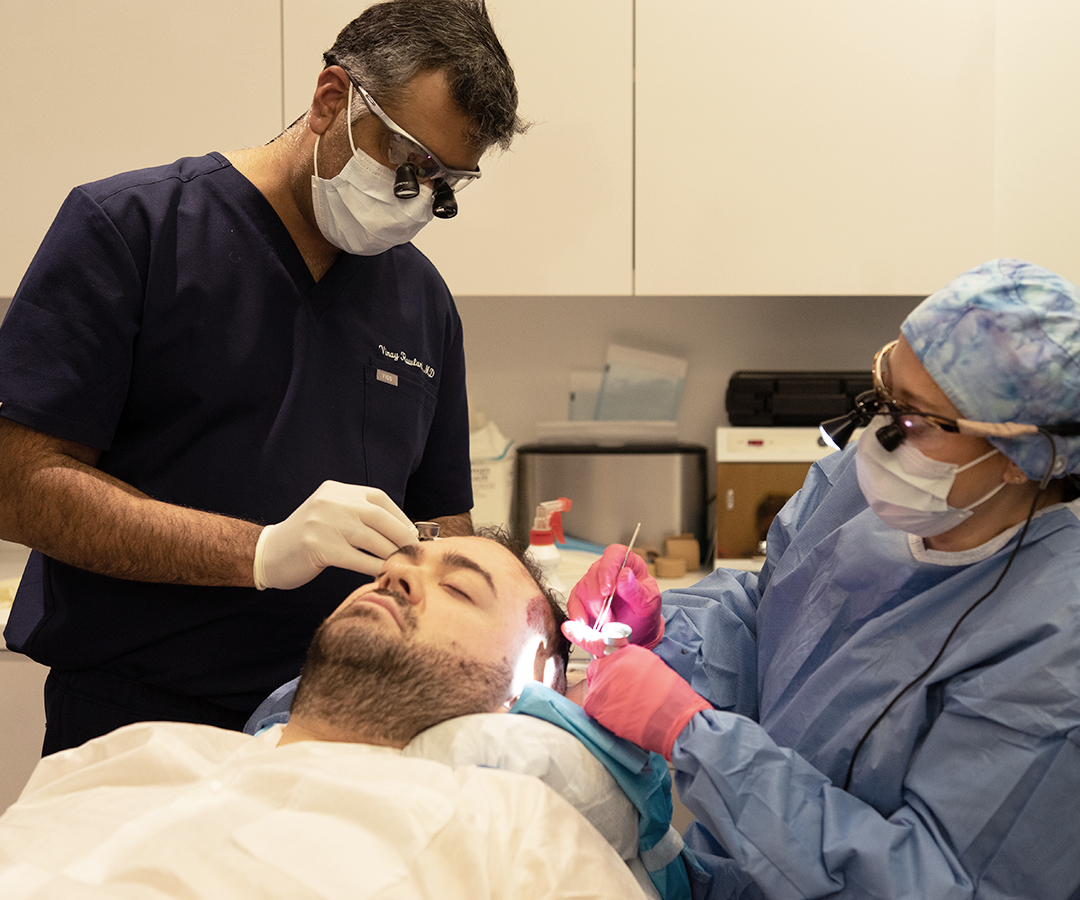
If you’re considering a hair transplant and want to understand what the full recovery arc looks like — what to expect at each stage, what aftercare involves, and what the result looks like at twelve months — a consultation with Dr. Vinay Rawlani is where that conversation starts.
In-person evaluations are available at our Chicago clinic. Virtual consultations are available for patients anywhere.