


FUE Hair Transplant Procedure: What Are the Pros and Cons?
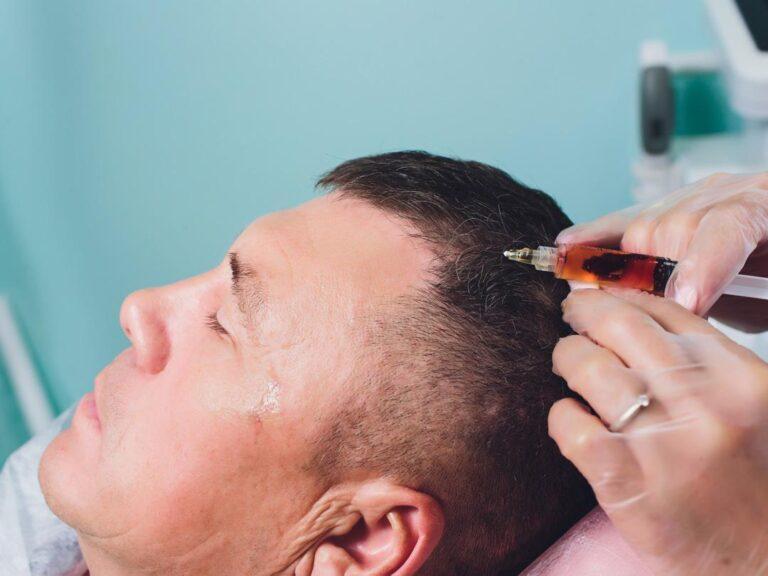
FUE — Follicular Unit Extraction — has become the dominant surgical hair restoration technique for a reason. The FUE hair transplant technique is an advanced, minimally invasive hair transplant technique that uses a micropunch tool to extract individual follicular units. It’s minimally invasive, produces natural results when performed well, and avoids the linear donor scar that made older strip procedures a harder sell for patients who wanted to wear their hair short. For the right candidate, it’s an excellent procedure.
But ‘FUE’ is also a broad category. The range of quality within FUE — in technique, in instrumentation, in how the donor area is managed, in who’s actually performing the extraction — is enormous. Follicular unit excision (FUE) is a precise surgical hair transplant technique, whereas follicular unit transplantation (FUT), the older strip excision method, often results in a linear scar and the use of hair plugs, leading to less natural results. Understanding both what the procedure offers and where its limitations lie helps patients ask better questions and make better decisions about where and how to get it done. Contact Northwestern Hair Restoration today for more information.
What FUE Actually Is
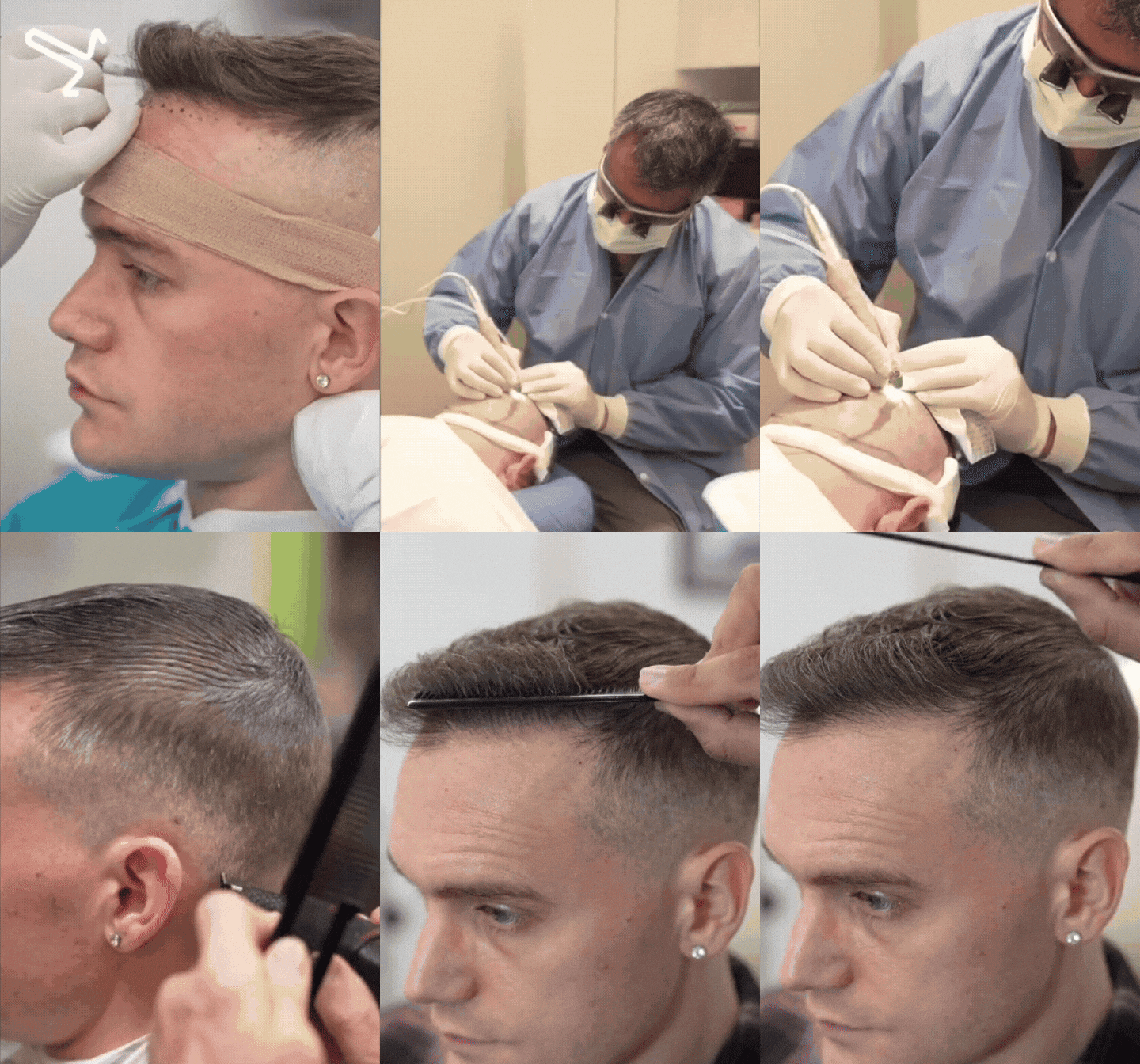
 FUE involves removing individual follicular units — naturally occurring groups of one to four hairs — from the donor scalp or donor site, typically at the back and sides of the head, and placing them into thinning or balding areas. FUE uses micro punches ranging from 0.7 to 1.2 mm in size to harvest follicular units, and these punches can be manual, motorized, or robotic. Because it removes follicles individually rather than excising a strip of scalp, it leaves the donor area without a linear scar — just small extraction sites that, when properly managed, heal to be essentially invisible.
The extracted individual grafts or donor grafts are then placed into the recipient area with precision that determines both density and the natural direction and angulation of growth. Careful handling during harvesting follicular units is essential to avoid damaging the hair shaft, ensuring successful transplantation and natural-looking results. Done well, the result looks like hair that grew there. Done poorly, it looks like something was done.
The Advantages of FUE
No linear scar
The most commonly cited advantage is a genuine one. Standard FUE leaves small dot-like extraction sites in the donor area rather than a single linear scar. For patients who want to wear their hair short — including buzz cuts or very close crops — the absence of a linear scar makes FUE the technically appropriate choice. The donor area, when managed well, shows no visible evidence of the procedure once healed.
Faster, more comfortable recovery
Because FUE surgery doesn’t require closing a strip incision, the donor area heals more quickly and with less post-procedure discomfort than FUT. Most patients are resuming normal daily activities within a few days. During FUE recovery, tiny scabs typically form in the donor and recipient areas and usually fall away within 1 to 2 weeks after the procedure. The recovery is real but manageable, and the visible signs of healing resolve within the first two weeks for most patients.
Precision graft placement and hairline artistry
Individual graft placement is what makes the hairline design possible at the level of artistry that produces natural results. Each follicular unit is positioned with specific intent — angle, depth, and direction calibrated to the overall design. Single-hair grafts at the leading edge create the soft, irregular transition that mimics natural growth. Multi-hair units behind the hairline build density in a gradient that the eye reads as real. Patients with thicker hair often achieve a denser and more natural appearance after FUE, as the hair shafts provide better coverage and fullness. This precision is the technical foundation of results that don’t look transplanted.
Flexibility in hairstyle after healing
Patients who maintain shorter styles throughout their lives don’t have to modify that preference to accommodate a donor scar. Once the extraction sites heal — typically within a few months — the donor area looks normal at short hair lengths. This matters practically for patients whose identity and style involve close-cropped hair.
Micro PUE: a meaningful advance over standard FUE
Not all FUE is the same. Standard FUE uses mechanical punch instruments and forceps to extract follicular units — a process that, at high volumes, carries a meaningful risk of follicular trauma. Sharp punches can transect the follicular structures below the visible shaft. Forceps can crush graft tissue during handling. The damage is microscopic and doesn’t reveal itself until months later when growth is thinner or patchier than expected.
Micro PUE replaces mechanical contact with vibration and suction at the extraction stage, preserving the biological integrity of each follicle rather than subjecting it to the stress of the standard technique. Advanced techniques, including robotic methods, are now used for harvesting follicular units with greater precision and less trauma, further improving outcomes. The result is better graft survival, more consistent density at twelve months, and a donor area that heals cleanly and maintains its natural appearance. For patients evaluating FUE clinics, asking specifically about extraction instrumentation — not just whether they perform ‘FUE’ — is one of the most useful questions they can ask.
The Limitations of FUE
Donor supply is finite and irreplaceable
This is the constraint that governs every decision in hair transplant surgery. The donor area contains a finite number of follicles. How they’re extracted, allocated, and preserved determines not just the outcome of the current procedure but the options available in every future one. FUE doesn’t change this fundamental limit — it just changes how grafts are removed. Over-extraction in a single session, extraction concentrated in a narrow zone rather than distributed evenly across the donor area, or a plan that doesn’t account for future loss progression, can all compromise long-term donor integrity in ways that aren’t recoverable.
The quality of donor management is one of the most important variables to assess in any FUE clinic — and one of the least visible from the outside.
Procedure time
FUE procedures involving significant graft counts take several hours — sometimes six to ten hours for large sessions. This is an inherent feature of individual follicle extraction rather than strip harvesting, and it’s worth understanding going in. The length of the procedure isn’t a limitation in the sense that it produces a worse outcome, but it’s a practical reality that affects how the day is structured and what the patient’s experience involves.
FUE doesn’t stop future hair loss
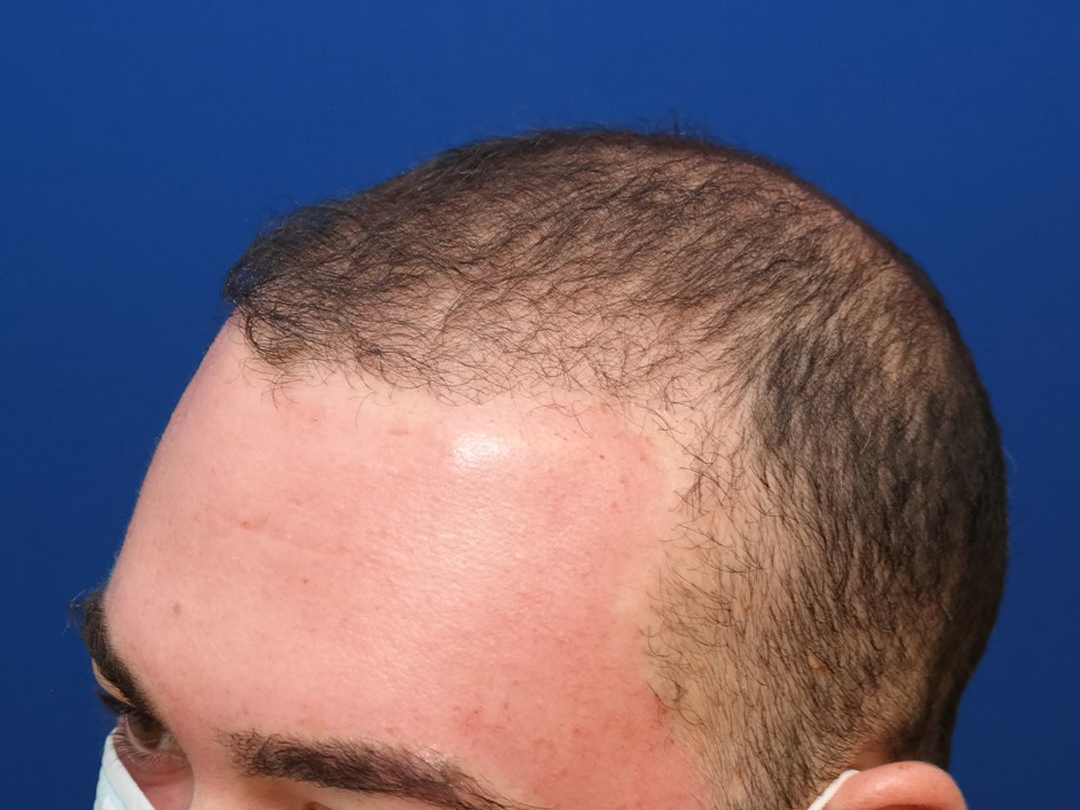
Transplanted follicles are permanent. The native hair around them is not necessarily protected, and in most patients, it continues to thin over the years following the procedure. Ongoing hair loss can result in bald patches or areas of thinning, even after a successful FUE hair transplant procedure. A transplant without a maintenance strategy for the surrounding native hair will eventually show the progression of loss in the areas that weren’t transplanted. The surgical result and the long-term plan are inseparable — which is why the consultation conversation has to cover both.
Quality variance is high
FUE is a technique, and techniques vary in execution. The gap between an FUE hair transplant procedure performed by an experienced hair surgeon with advanced instrumentation, appropriate volume per session, and careful donor management — and an FUE performed in a high-volume setting with technician-led extraction and no long-term planning — is enormous. Both get called ‘FUE.’ The outcomes are not comparable. This is the most important limitation to understand when evaluating FUE as an option: the technique is as good as the hands and philosophy applying it. Choosing an experienced hair surgeon is crucial for achieving natural results and minimizing risks such as graft failure or unnatural appearance. More serious complications associated with FUE are rare, occurring in under 5% of cases, and are often due to surgeon inexperience or poor aftercare.
FUE and Hair Growth: What to Expect
One of the most common questions patients have about FUE hair transplant surgery is what to expect in terms of hair growth after the procedure. Follicular Unit Extraction (FUE) is a minimally invasive procedure that involves extracting individual follicular units from the donor area — typically the back and sides of the scalp — and transplanting them into areas affected by hair loss. This technique is designed to deliver natural-looking results by carefully placing each follicular unit to mimic the natural growth pattern of your hair.
After undergoing an FUE hair transplant, patients should be prepared for a brief period of adjustment. In the first two to three weeks following the hair transplant procedure, it’s normal for the transplanted hair to shed. This is a standard part of the hair growth cycle and not a cause for concern. The follicles themselves remain healthy and intact beneath the scalp, ready to begin producing new hair.
New hair growth typically starts to become visible around three to four months after the FUE procedure. At this stage, patients will notice fine, soft hairs emerging in the transplanted areas. Over the following months, these hairs will thicken and mature, gradually blending in with the surrounding hair. Most patients see significant improvement in hair density and coverage by six to nine months, with full results — meaning the final texture, density, and appearance — becoming apparent after 12 to 24 months.
The rate and pattern of hair growth after FUE hair transplantation can vary based on several factors, including your individual hair type, the quality and density of your donor hair, and the expertise of your hair transplant surgeon. Patients with healthy hair follicles and robust donor areas tend to experience more consistent and satisfying results. The transplanted hair will continue to grow naturally for the rest of your life, allowing you to cut, style, and care for it just like your original hair.
FUE hair transplant is a versatile solution for a range of hair loss conditions, including male pattern baldness, female pattern hair loss, and general thinning hair. It can also be used to restore hair in areas affected by trauma, surgery, or scarring. Thanks to advances in hair transplantation technology and techniques, FUE offers a minimally invasive approach with minimal downtime and natural-looking, long-lasting results.
Setting realistic expectations is crucial. During your consultation, your hair transplant surgeon will assess your donor area, discuss your goals, and help you understand what kind of new hair growth you can expect based on your unique situation. This personalized approach ensures that your FUE hair transplant delivers results that are both natural and satisfying.
Risks and Side Effects of FUE
While a FUE hair transplant is considered a safe and minimally invasive procedure, it’s important to be aware of the potential risks and side effects. Most patients experience only mild, temporary symptoms such as swelling, bruising, and redness in the donor and recipient areas. These effects typically resolve within a few days and are part of the normal healing process.
As with any surgical procedure, there is a risk of infection, though this is rare when proper post-operative care is followed. Your hair transplant surgeon will provide detailed instructions and may prescribe antibiotics to further reduce this risk. Another consideration is scarring — while FUE avoids the linear scar associated with traditional strip methods, it does involve making tiny incisions in the donor area. These small scars are usually barely visible, especially when the procedure is performed by an experienced surgeon using advanced techniques.
Follicular transection is another potential risk, where hair follicles may be damaged during extraction. This can affect the survival rate of transplanted grafts and the overall density of new hair growth. Choosing a skilled and experienced hair transplant surgeon is the best way to minimize this risk and ensure optimal results.
Some patients may notice temporary hair shedding, known as ‘shock loss,’ in the weeks following the procedure. This is a normal response and typically resolves on its own, with new hair growth beginning within a few months. In rare cases, patients may experience uneven hair growth or patchiness, which can often be addressed with additional touch-up procedures if needed.
It’s essential to discuss all potential risks and side effects with your hair transplant surgeon during your initial consultation. Following post-operative instructions carefully will help minimize complications and support healthy healing.
Is FUE Right for You?
FUE is well-suited to patients with stable donor density, moderate to advanced hair thinning, realistic expectations about what the procedure can achieve, and a clear-eyed understanding of the long-term maintenance their native hair will need. It’s the right choice for most patients who are genuine surgical candidates.
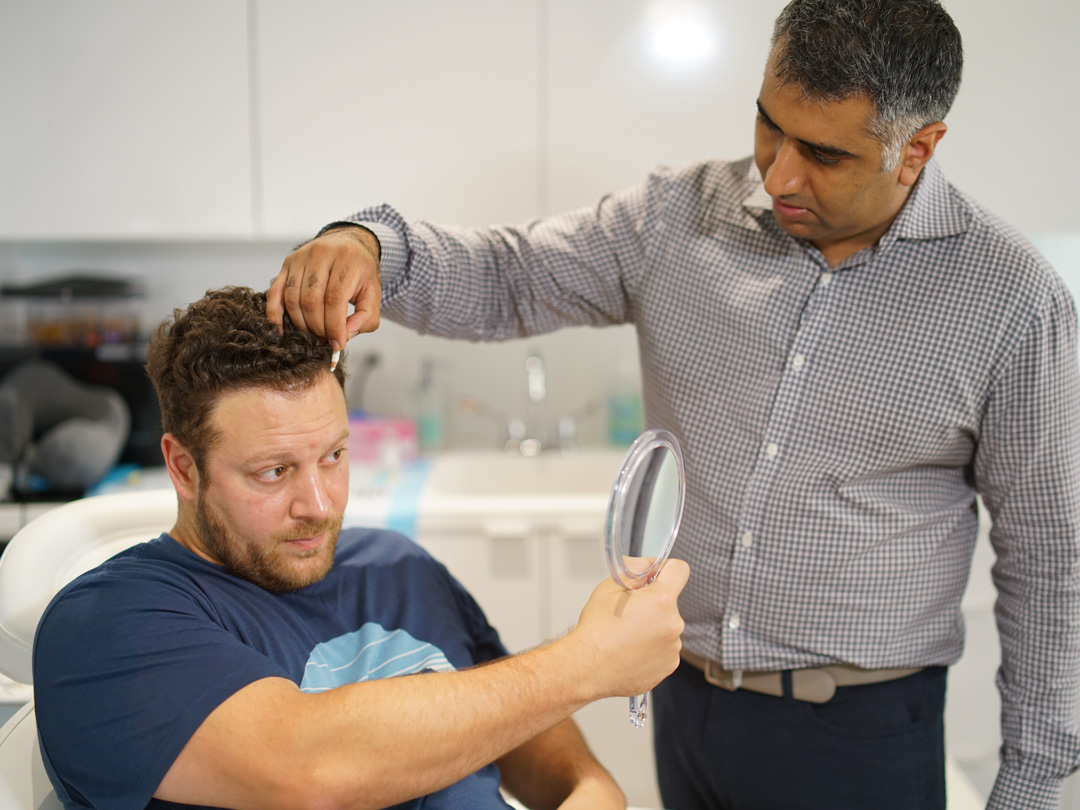
What determines whether FUE is right for a specific patient isn’t the technique itself — it’s the clinical picture behind it: the donor supply available, the trajectory of loss, the design goals that are realistic for that face and that hair. That assessment happens in the consultation, where the variables that actually determine the outcome can be evaluated directly.
Schedule a Consultation at Northwestern Hair Restoration
If you’re considering FUE and want to understand what the procedure involves, what Micro PUE specifically offers beyond the standard technique, and what a realistic plan looks like for your case — including options such as unshaven FUE transplant — a consultation with Dr. Vinay Rawlani is where that conversation starts. We’ll evaluate your candidacy, your donor supply, and what a long-term strategy built around your hair actually looks like.
In-person evaluations are available at our Chicago clinic. Virtual consultations are available for patients anywhere.