




Understanding Scalp Biopsy
 A scalp biopsy is a minor procedure where a small sample of scalp skin — including hair follicles — is removed and examined under a microscope by a pathologist. This helps doctors look at the structure of hair follicles and surrounding tissue for signs of diseases or unusual patterns. Biopsies can detect conditions that aren’t always obvious through exam or labs alone, such as certain rare autoimmune or scarring disorders.
- Scarring (cicatricial) alopecia, where hair follicles are replaced by scar tissue.
- Inflammatory scalp diseases may not present clearly on visual examination.
- Unusual hair loss patterns that don’t fit the common male or female pattern of thinning.
The procedure is typically done in-office under local anesthesia, is quick, and most people go home the same day. A tiny scar may remain where the sample was taken — usually small enough to be hidden by surrounding hair.
When a Biopsy Isn’t Necessary
- For the majority of hair loss patients, a scalp biopsy isn’t required. Most cases of hair thinning can be accurately diagnosed without it. Here’s why:
- Pattern hair loss, the most common type of thinning in both men and women, is usually identifiable through clinical exam and patient history alone.
- Lab tests like thyroid function, iron/ferritin levels, and vitamin D help identify metabolic or nutritional contributors to thinning without the need for tissue sampling.
- Many non-scarring forms of hair loss can be differentiated by a careful exam and diagnostic tools such as dermoscopy, scalp evaluation, and hair pull tests.
When We Might Recommend a Biopsy
While most patients don’t need a biopsy, there are specific situations where it can be clinically valuable:
1. Diagnosis Is Unclear After Initial Evaluation
If your history, scalp exam, and lab results don’t point clearly to a known cause of hair loss, a biopsy can help distinguish between different types of alopecia.
2. Suspected Scarring Alopecia
In cases where hair loss appears permanent, shiny patches develop, or the skin shows signs of inflammation, a biopsy can confirm whether scarring is present and guide your treatment accordingly.
Rapidly progressive loss, patterns that don’t fit classic male or female pattern thinning, or failure to respond to standard treatments might warrant a biopsy to ensure the right diagnosis.
4. Complex or Rare Conditions
If an unusual underlying disease — like certain autoimmune or inflammatory scalp disorders — is suspected, a biopsy is one of the best ways to confirm it and plan appropriate therapy.
How a Biopsy Fits Into Your Overall Evaluation
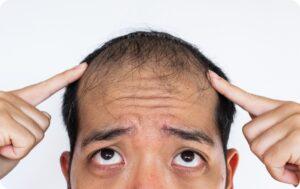 Hair loss diagnosis should always be holistic. Clinics that specialize in hair loss, like Northwestern Hair Restoration, start with your medical history, scalp exam, and lab work to identify the most likely causes. If these tools give a clear picture, a biopsy isn’t necessary.
Your Path Forward
If you’re wondering whether you need a biopsy for your hair loss, the best first step is a specialized evaluation. Our physicians will review your case and explain whether your pattern of hair loss can be diagnosed without invasive procedures or if a biopsy could provide valuable insight.