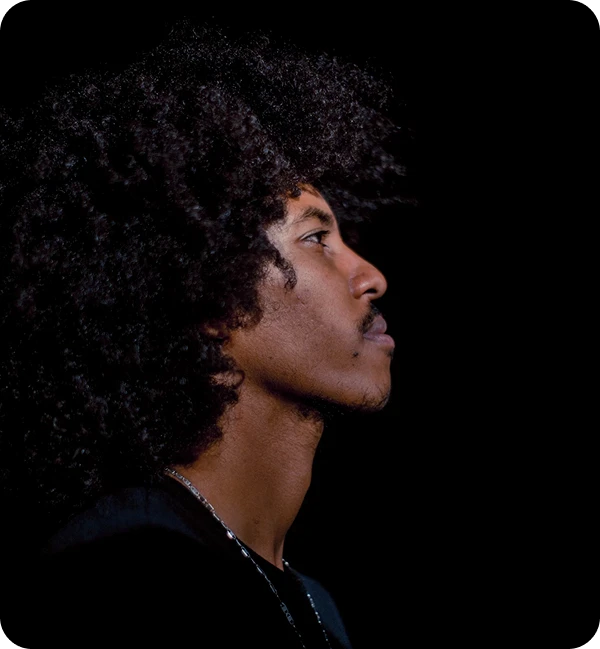
Hair This Personal Requires a Surgeon Who Gets It.
Hair has never been a neutral subject in Black culture. It’s identity, history, resistance, and pride — all at once. When hair loss enters the picture, the weight of that doesn’t disappear. It gets heavier.
Hair has never been a neutral subject in Black culture. It’s identity, history, resistance, and pride — all at once. When hair loss enters the picture, the weight of that doesn’t disappear. It gets heavier.
At Northwestern Hair, we take that seriously. The conversation you have with Dr. Vinay isn’t just clinical. It’s personal — because your hair always has been.
“Sometimes the goal isn’t to blend in. It’s to make a statement.” — Dr. Vinay
Dr. Vinay
Why Technique Matters More Than You Think
Not all surgeons are equipped to work with tightly coiled and curly hair. The follicles themselves are curved beneath the scalp — which means extraction requires a different approach than straight hair demands. Done wrong, the results show it. Done right, they don’t.
Dr. Vinay is trained and experienced in the anatomical differences that matter: curved follicle extraction, the specific hairline patterns common in Black patients — typically fuller and more rounded than Caucasian hairline standards — and the heightened consideration required around scarring. These aren’t minor adjustments. They’re what separates a result that looks right from one that doesn’t.
Curved Follicle Extraction
Requires a different approach than straight hair demands
Specific Hairline Patterns
Typically fuller and more rounded than Caucasian hairline standards
Scarring Considerations
Heightened attention to keloid risk and prevention
These aren’t minor adjustments. They’re what separates a result that looks right from one that doesn’t.
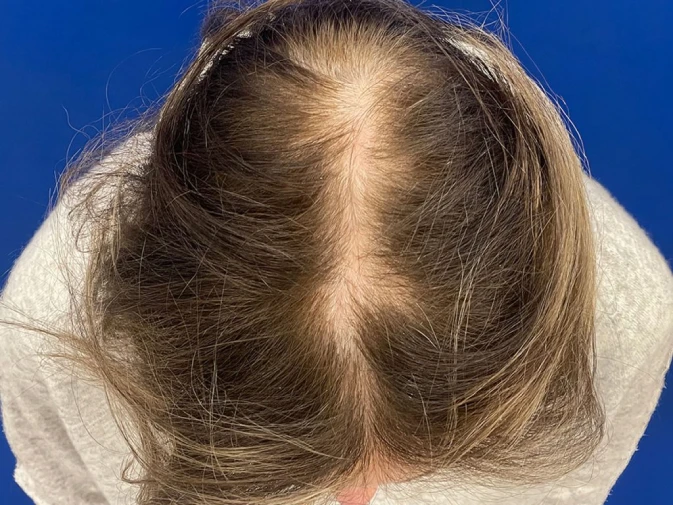
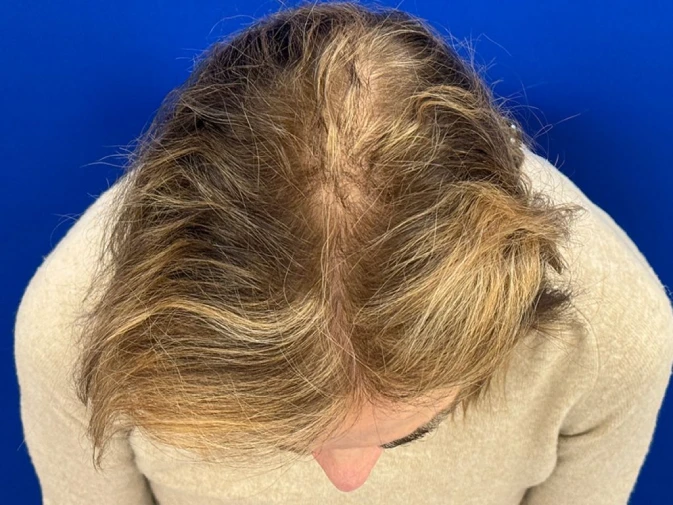
before
4 MONTHS
before
4 MONTHS
Common Concern
Traction Alopecia — We Know What Caused It
Years of protective styles, braids, and locs can take a real toll on the hairline. Traction alopecia is one of the most common reasons Black men come to us, and one of the most treatable — when addressed correctly.
We start with an honest assessment: how much damage, where, and whether the follicles are still viable. From there, the path forward is specific to you — not a generic protocol. We won’t recommend a transplant unless we genuinely believe it’s the right answer.
Our Assessment
We evaluate how much damage, where, and whether the follicles are still viable. The path forward is specific to you, not a generic protocol.
Our Promise
Unlike some clinics, we won’t recommend a transplant unless we genuinely believe it’s the right answer.
Keloid Risk and What We Do About It
Patients of African descent have a higher predisposition to keloid scarring. We assess this in consultation before anything else. Our approach to donor extraction and incision design accounts for this directly — and in cases where the risk is elevated, we’ll tell you plainly what that means for your options. We’d rather have a hard conversation early than a preventable outcome later.
Built For Your Anatomy
The hairline you’re built for has its own aesthetic logic — the shape, height, and density that looks natural on a Black patient is specific to that patient, not to a textbook average.
Dr. Vinay designs to your anatomy, not to a generic template.
The result should look like it belongs to you. Because it does.
From surgical restoration to non-invasive treatments for traction alopecia, we have the expertise to address your specific needs.
before
4 MONTHS
before
4 MONTHS
Surgical
Surgical Hair Restoration
For patients where transplantation is the right path, Dr. Vinay leads every procedure personally — designing the hairline, overseeing extraction, and directing graft placement with his surgical team. His involvement isn’t supervisory. He is present and engaged at every critical stage.
There is no universal hairline standard. The shape, height, and density that looks natural on a Black patient has its own aesthetic logic — and Dr. Vinay designs to that, not to some textbook average. The result should look like it belongs to you. Because it does.
For patients not yet at the point of surgery, or managing early-stage traction damage, ACS and a personalized at-home protocol can address loss at the root. Dr. Vinay will assess whether that’s the right starting point for your situation.
Expertise in Curved Follicles
Tightly coiled and curly hair requires specialized extraction technique. The follicles curve beneath the scalp, making standard approaches ineffective or damaging.
Proper angle to avoid transection
Specialized punch sizes for curved follicles
Careful handling to preserve graft integrity
Placement that accounts for natural coil pattern
You can return to normal life the day after a Discrete FUE™ procedure — without anyone suspecting a thing.
before
4 MONTHS
before
4 MONTHS
Non-Surgical
ACS + At-Home Care
Surgery isn’t always the starting point — or the right answer at all. For women and men experiencing thinning, scalp health concerns, or early-stage loss without significant recession, our non-surgical program addresses the root cause directly.
Autologous Cellular Serum (ACS)
Uses regenerative cells from your own blood to reactivate dormant follicles, restore blood flow, and stimulate growth. Goes beyond traditional platelet therapies by harnessing active healing cells.
For traction alopecia in its earlier stages, ACS combined with a targeted at-home regimen can support significant recovery — before surgical intervention becomes necessary.
Early Treatment Is Always the Better Conversation
Why It Matters
Traction alopecia is progressive. The earlier we address it, the more follicles we can preserve or reactivate. Once follicles are completely dormant or scarred over, non-surgical options become less effective.
The Treatment Program
Series of in-office ACS sessions
Personalized at-home maintenance plan
Calibrated to your specific pattern of loss
Meaningful results without incision
We Take Your Hair As Seriously As You Do
Whether it’s traction damage from years of protective styles, recession, diffuse thinning, or something more complex, the conversation you have with Dr. Vinay isn’t just clinical.
It’s personal, because your hair always has been.
Start with an honest consultation.
Dr. Vinay will assess your specific situation and give you a straight answer on what’s possible. No overselling. Just the truth.