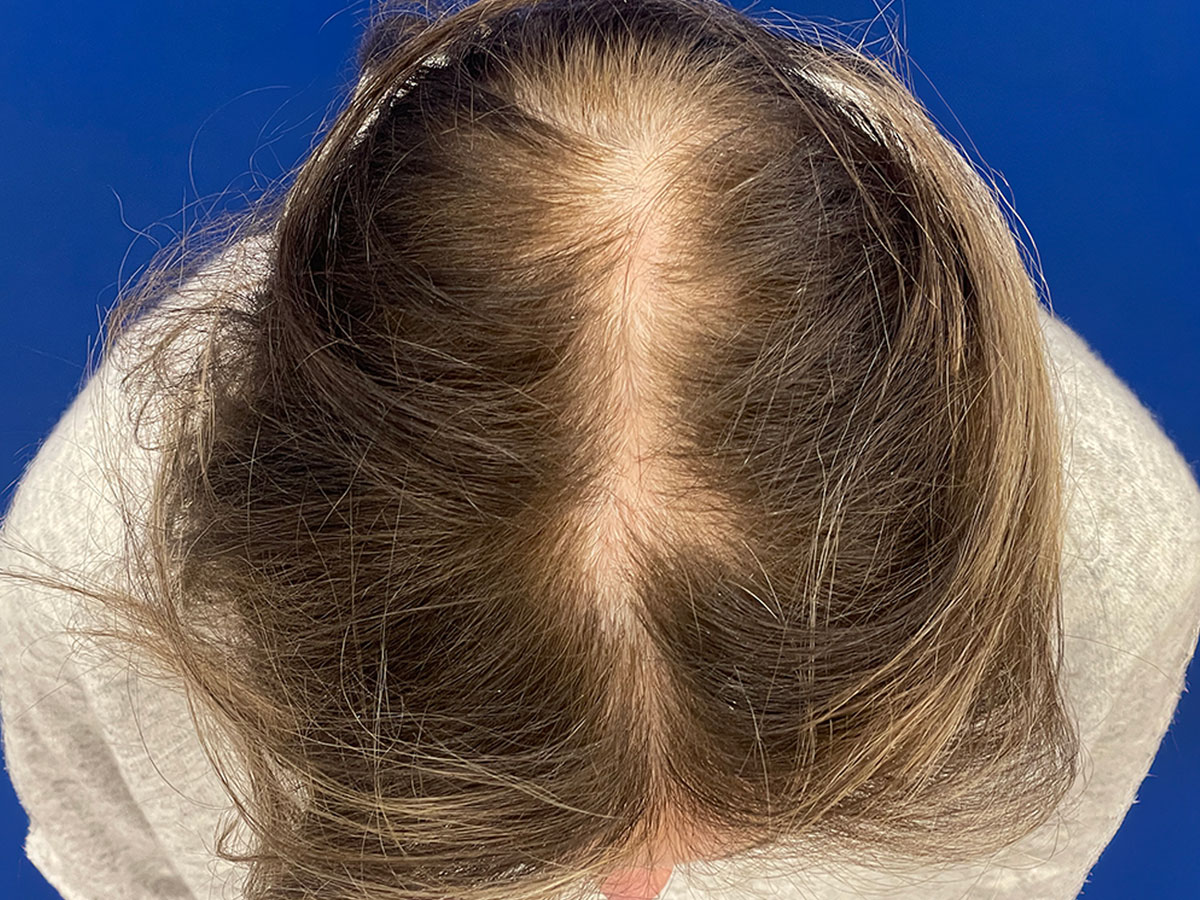
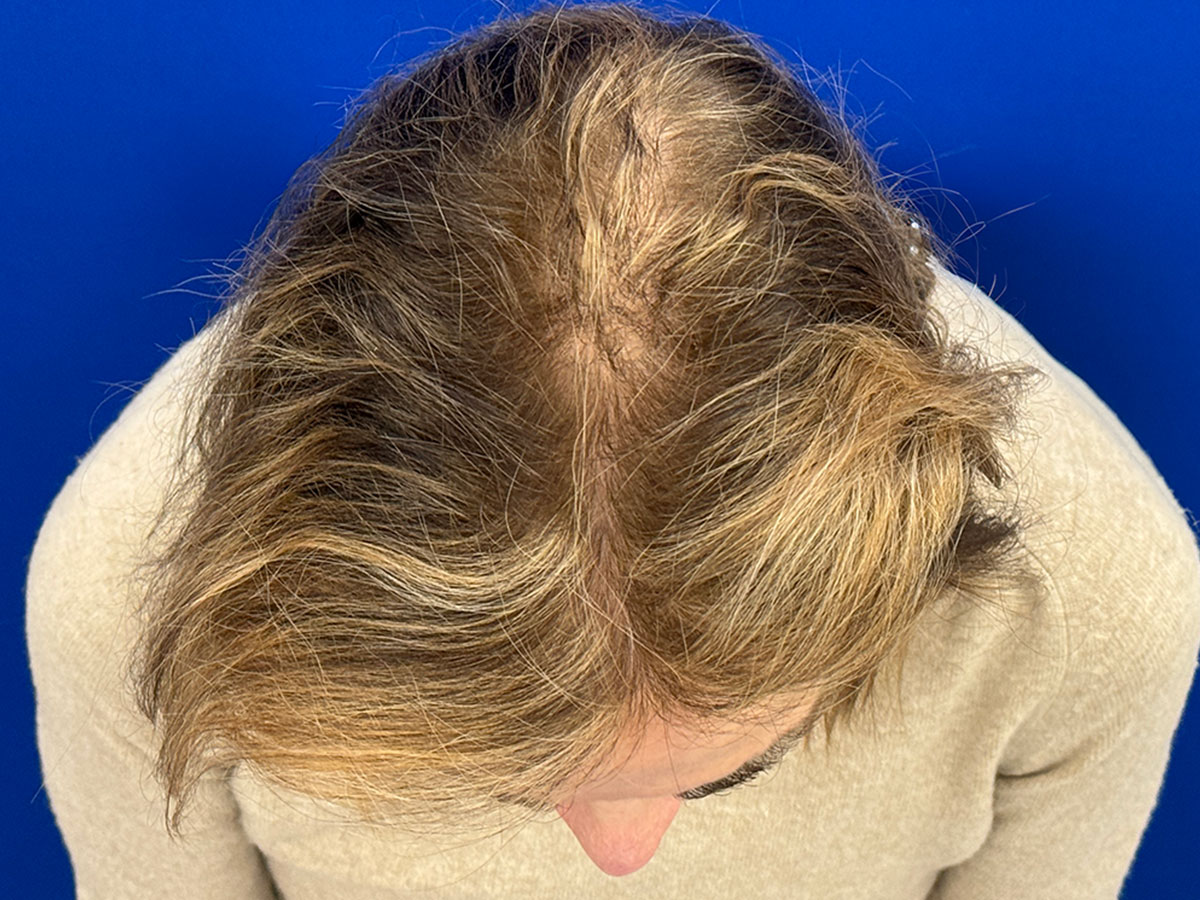
Asian hair — whether we’re talking about women experiencing diffuse thinning or men facing hairline recession — has properties that make transplant results highly visible. For better or worse.
The shafts are typically thicker, straighter, and darker than other hair types, which creates a sharper contrast against the scalp. When the work is done well, those results can be extraordinary. When it isn’t, there’s nowhere to hide.
Dr. Vinay’s approach was built for cases where precision isn’t optional. That applies to every patient who walks through our door, and it applies with particular force here.
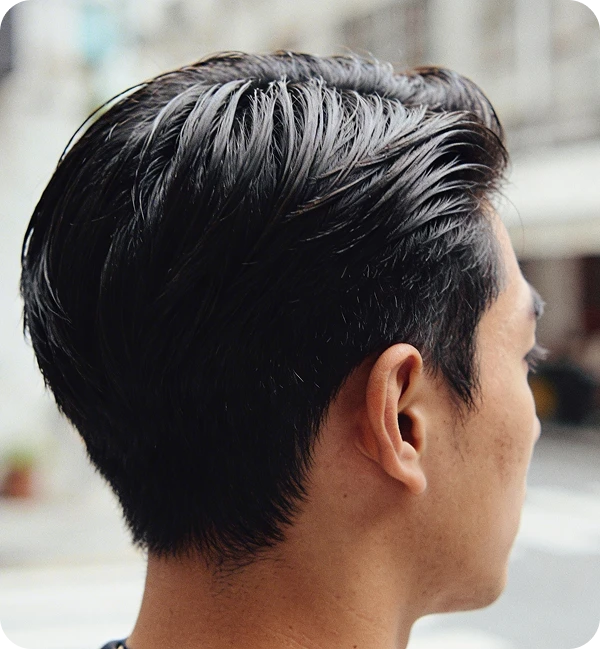
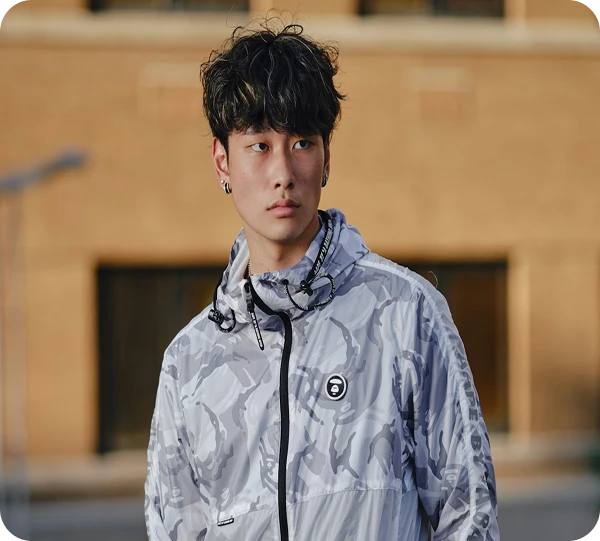
"We spent 90 minutes mapping Wasif's hairline, starting with where his hair loss will end, then working backward to design something that looks sharp today and natural in 20 years."
Dr. Vinay
Understanding What Makes Asian Hair Different
Asian patients typically have lower follicular unit density — fewer groupings per square centimeter — even though individual strands are thick. That means donor supply calculations require more careful planning. You can’t rely on volume to compensate for density; every graft placed has to count.
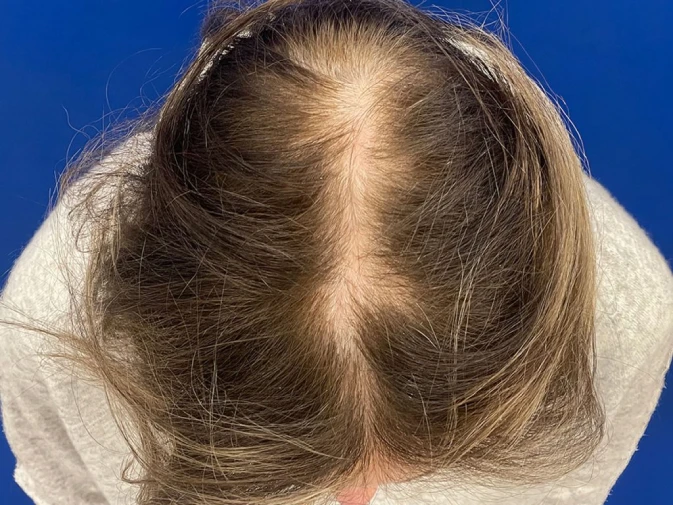
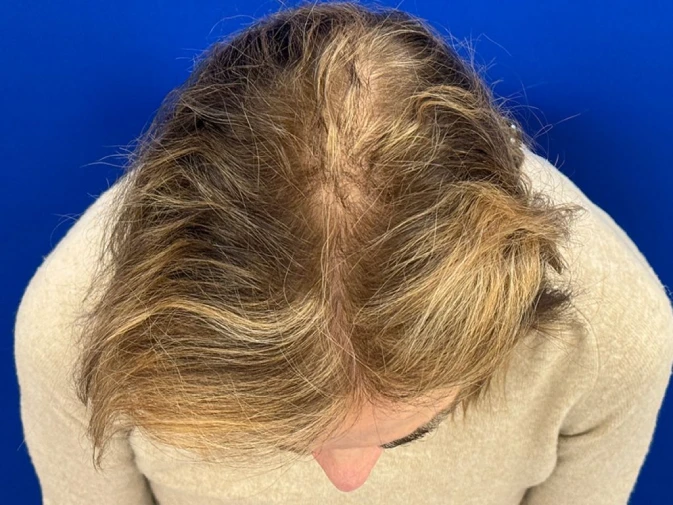
The higher shaft-to-scalp contrast also changes how density is staged and distributed. The hairline can’t just look dense — it has to look graduated, natural, and three-dimensional. For women with diffuse thinning, where the loss is spread rather than concentrated, the same principle applies: placement has to be precise enough that the result reads as naturally full, not artificially filled in.
The Hairline Aesthetic That Actually Fits
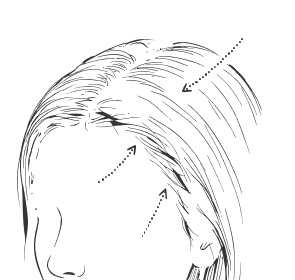
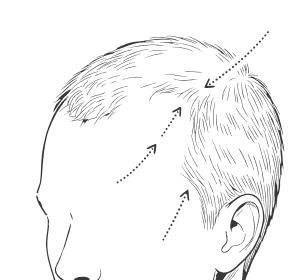
What looks natural on an Asian face has its own logic — typically lower, straighter, and more uniformly dense than what’s considered standard in Western cosmetic norms. For women, the goal is often to restore softness and density along the part and temples. For men, it’s a hairline that reads as sharp and intentional without sacrificing the grafts needed for long-term coverage.
Dr. Vinay designs to your specific anatomy, not to a generic template. We look at your bone structure, your natural hairline remnants, your facial proportions, and your goals — and we build something that looks like it was always there.
we understand that asian Hair is Different
01
Thicker Shafts
Individual strands are thicker and straighter, creating sharper contrast against the scalp. When done well, results are extraordinary.
02
Lower Density
Fewer follicular units per square centimeter means every graft placement has to count. No room for error.
03
High Contrast
Darker hair against lighter scalp means placement must be precise enough to look naturally graduated and three-dimensional.
The Hairline Aesthetic That Actually Fits
What looks natural on an Asian face has its own logic — typically lower, straighter, and more uniformly dense than Western cosmetic norms.
For Women
Restore softness and density along the part and temples. Results that read as naturally full, not artificially filled in.
For Men
A hairline that reads as sharp and intentional without sacrificing grafts needed for long-term coverage.
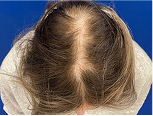
before
4 MONTHS
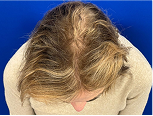
before
4 MONTHS
Surgical
Surgical Hair Restoration
For patients whose loss requires structural correction, Dr. Vinay leads every procedure personally — designing the hairline, overseeing extraction, and directing graft placement. His involvement isn’t supervisory. He is present and engaged at every critical stage.
Given the high shaft-to-scalp contrast common in Asian hair, the artistry of graft placement is especially consequential here. Angle, direction, and depth determine whether the result disappears into the face or announces itself.
We hold the result to the same standard regardless of which: if you can tell, it isn’t finished.
What is ACS?
It outperforms traditional platelet therapies because it draws on active healing cells, not platelets alone. For Asian women experiencing diffuse thinning across the part or crown — which often progresses gradually and goes unaddressed for years — ACS combined with a personalized at-home maintenance plan can produce significant, lasting improvement without surgical intervention.
The at-home component is calibrated to your specific pattern of loss and refined across your treatment sessions. The goal is a result that holds — not one that requires constant management to maintain.
Non-Surgical
ACS + At-Home Care
For women and men whose hair loss is better addressed without surgery — early-stage thinning, reduced density, scalp health concerns — our non-surgical program works at the root cause rather than the surface.
Autologous Cellular Serum (ACS) uses regenerative cells from your own blood to reactivate dormant follicles, stimulate metabolism, and restore blood flow to the scalp.
Subtlety as a Design Principle
Many of our Asian patients aren’t looking to make a statement. They want a result so natural that no one notices anything changed — except that they look like themselves again, or better. That quiet, undetectable outcome is actually the hardest thing to achieve. It demands the most from the surgeon. It’s also what Dr. Vinay is most proud of.
Let's design something built for you.
Book a consultation with Dr. Vinay. Every case starts with an honest assessment — what your hair is, where it’s headed, and what’s actually achievable.