



Chicago has a deep concentration of medical expertise, and hair transplant in Chicago is no exception. The number of available options can be both an advantage and a challenge, as not all clinics operate at the same standard. The difference between a well-executed transplant and a poorly planned one isn’t always obvious during a consultation—it becomes clear years later, when surrounding native hair continues to thin, or a once-acceptable hairline begins to look unnatural over time.
This guide covers what actually matters when evaluating a hair restoration clinic in Chicago — not just what to look for on paper, but what separates results that hold up from ones that don’t. Contact Northwestern Hair Restoration today for more information.
Why Chicago Is a Strong Market for Hair Restoration
 Chicago’s medical infrastructure is genuinely world-class. Patients here have access to specialists trained at major academic institutions, clinics equipped with advanced technology, and a range of treatment options that extend well beyond surgery. For out-of-town patients, Chicago’s travel access makes it a practical destination even for those coming from outside the Midwest.
The growth of the industry here also means increased competition, which has driven real innovation at the top end of the market, and a proliferation of high-volume, low-cost clinics at the other end. The difference between those two tiers is not always obvious from the outside. That’s what makes the research worth doing carefully.
Understanding Hair Transplant Techniques
Most hair transplants performed today use one of two primary methods. Understanding the difference helps you ask better questions during consultations.
Follicular Unit Extraction (FUE)
FUE involves extracting individual follicular units from the donor area and placing them into thinning or balding areas. It’s minimally invasive, leaves no linear scar, and allows for a faster recovery than older methods. It’s well-suited to mild to moderate hair loss and patients who prefer to wear their hair short, since there’s no strip scar to conceal.
The quality of an FUE procedure varies significantly based on the instrumentation used and the precision of the extraction. Micro PUE — a more refined approach to follicular extraction that minimizes trauma to each graft and protects the biological integrity of the follicle — produces consistently better survival rates and more natural results than standard FUE. It’s worth asking any clinic you evaluate which extraction method they use and why.
Follicular Unit Transplantation (FUT)
FUT, or the strip method, involves removing a thin section of hair-bearing scalp from the donor area and dissecting it into individual grafts for transplantation. It can yield a high number of grafts in a single session and may be appropriate for patients with advanced hair loss who need maximum coverage. The trade-off is a linear scar at the donor site and a somewhat longer healing process. A qualified clinic will be straightforward about which method suits your specific case and why.
Who Is Actually Performing Your Procedure?
 This is the most important question that most patients don’t ask directly enough.
In high-volume clinics, critical steps of the procedure — including extraction and graft placement — are often performed by technicians rather than the surgeon whose name is on the door. This is more common than most patients realize, and it’s one of the primary reasons results vary so dramatically across clinics that appear comparable on the surface.
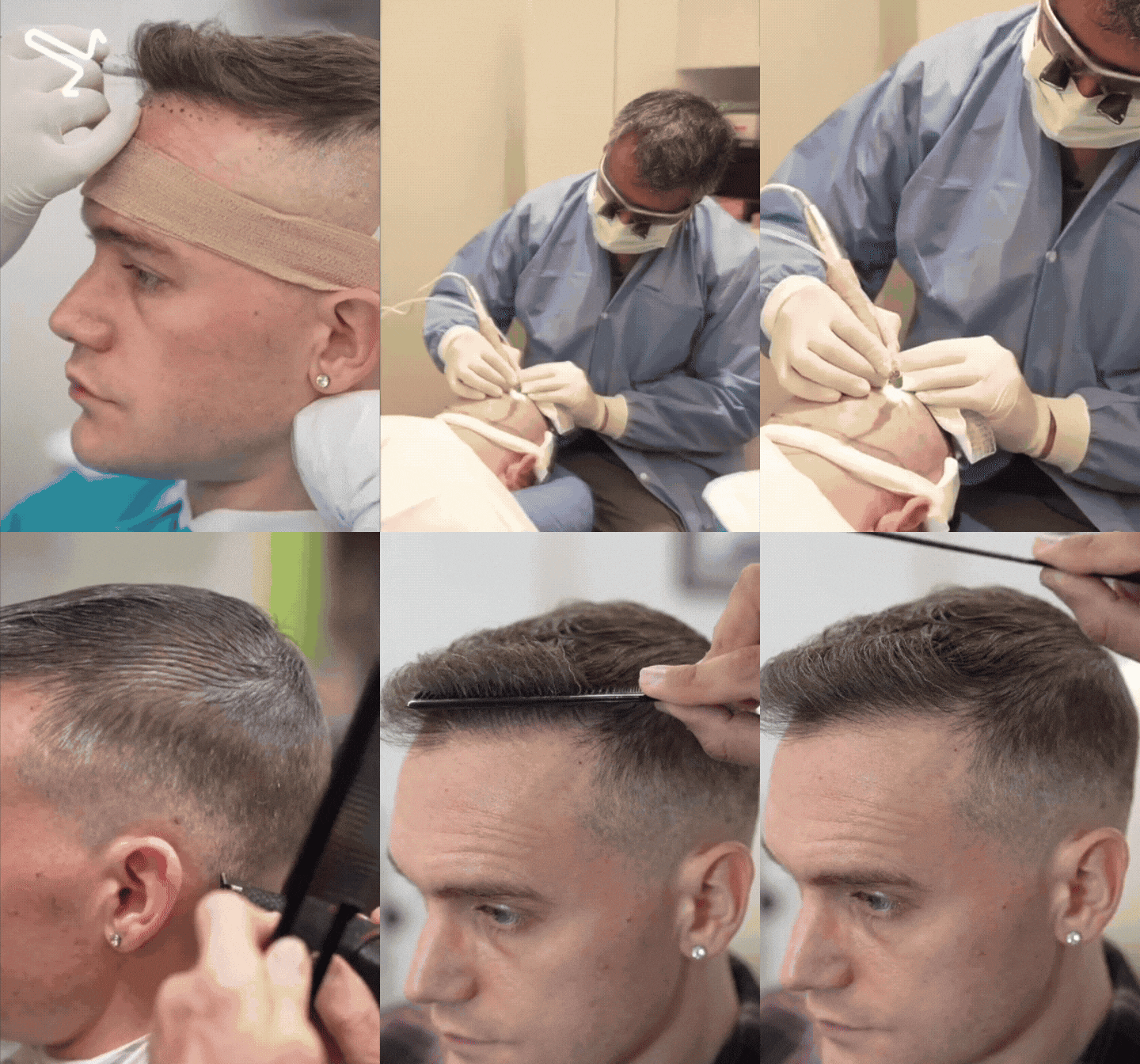
Your surgeon should be the one evaluating your scalp, designing your hairline, and leading the procedure. The hairline design in particular is not a step that should be delegated — it requires the kind of aesthetic judgment and long-range planning that only a physician deeply familiar with your case can provide. Before committing to a clinic, ask specifically about the surgeon’s role on procedure day, not just their credentials.
The Importance of Hairline Design
A technically proficient transplant with a poorly designed hairline is still a poor result. Hairline design is where surgical skill and artistic judgment meet — and it’s the variable that most visibly distinguishes exceptional outcomes from obvious ones.
A well-designed hairline accounts for facial structure and proportions, age-appropriate placement that will still look natural as the patient ages, density transitions that mimic how hair actually grows, ethnic hair characteristics, and the trajectory of future hair loss. That last point matters more than most patients appreciate at the consultation stage: a hairline positioned for how your hair looks today, without accounting for where it’s going, can look disconnected within a few years of the procedure. The design has to be built for the future, not just the present.
How to Evaluate Before-and-After Results
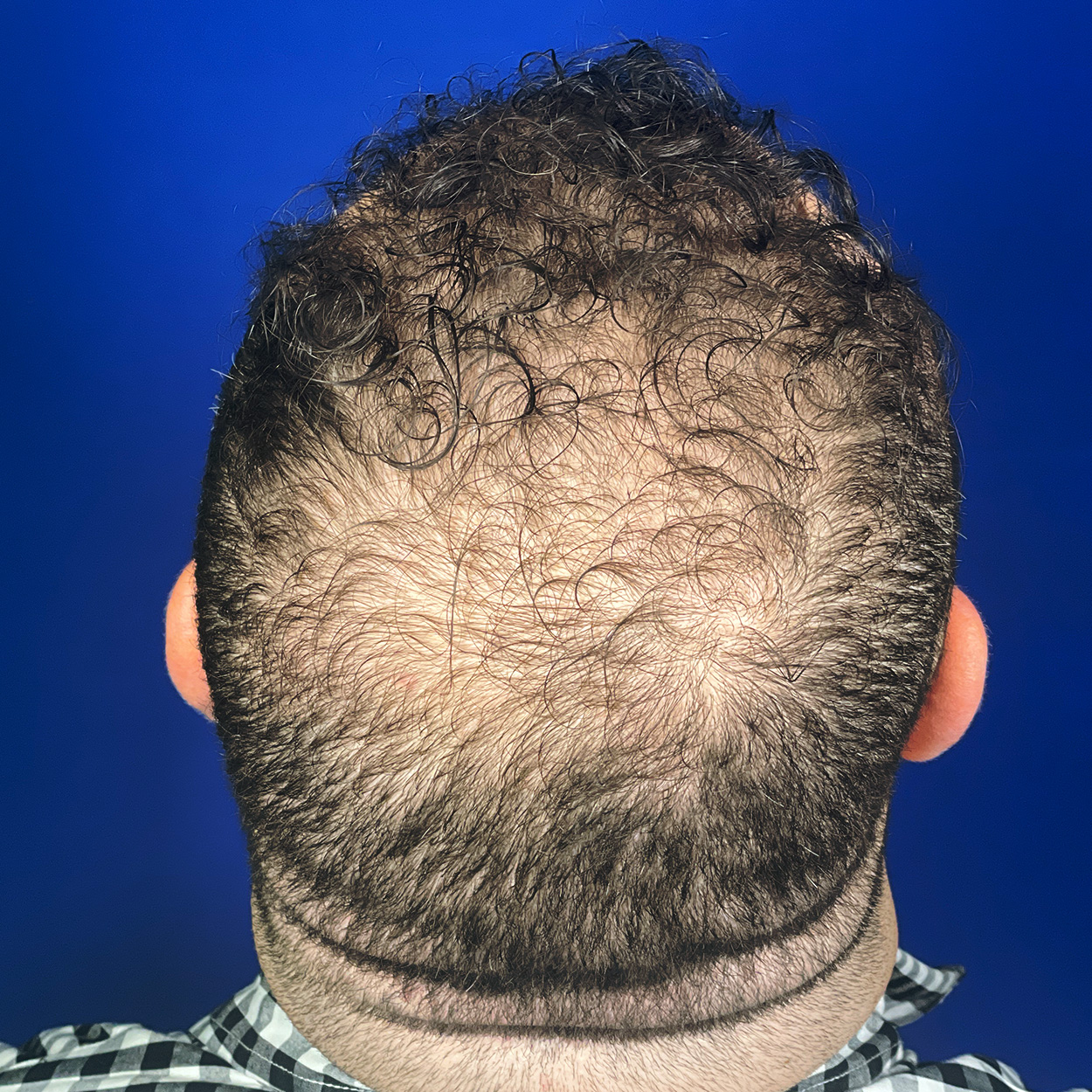
Before and after photos are useful, but they require some interpretation. Look for consistent density and natural-looking hairlines across a range of cases — not just the best results a clinic has ever produced. Pay attention to how the hair sits and moves, not just whether it’s present. Look for cases at different stages of hair loss and, ideally, cases with hair types and loss patterns similar to yours.
Be cautious of clinics that show primarily immediate post-procedure photos, heavily styled results, or a very narrow range of cases. The photo that matters most is the one taken two or three years after the procedure — when the native hair around the transplant has had time to continue thinning and the long-term design decisions have had time to prove themselves.
Technology and What It Signals About a Clinic
The tools a clinic uses reflect its commitment to the craft. Precision micro-punch extraction instruments, high-magnification graft dissection systems, advanced graft preservation protocols, and regenerative therapies like Autologous Cellular Serum (ACS) — these aren’t marketing features. They’re the practical infrastructure of a clinic that takes graft survival and long-term outcomes seriously.
Technology doesn’t substitute for surgical skill, but it reflects investment in the standard of care. A clinic still using the same tools and protocols it used ten years ago is worth questioning on that point.
Understanding the True Cost of a Hair Transplant in Chicago
Cost varies based on graft count, technique, surgeon experience, and the complexity of the hairline design. It’s a reasonable factor to weigh, but it’s worth understanding what you’re actually comparing when you compare prices across clinics.
A lower per-graft price at a high-volume clinic may reflect technician-performed extraction, less time spent on hairline design, or less rigorous graft handling protocols — all of which affect the result you’ll be living with. Corrective procedures, when they’re needed, are significantly more expensive and more complicated than getting it right the first time. Hair transplantation permanently redistributes a finite donor supply. The cost of the procedure and the cost of the outcome are two different numbers.
Red Flags Worth Knowing
A few patterns consistently signal a clinic worth avoiding: unusually low pricing that isn’t explained by any specific clinical rationale, guaranteed results or promises of full density, high-pressure sales tactics during consultations, vagueness about physician credentials or who specifically will be performing your procedure, and no personalized consultation process — a treatment plan offered before a proper evaluation has taken place.
A clinic that prioritizes patient education, sets realistic expectations, and is willing to tell you when surgery isn’t the right next step is a clinic that’s thinking about your long-term outcome. That’s the standard worth holding out for.
Recovery: What to Expect After Surgery
Most patients return to normal daily activities within a few days. The first one to three days typically involve mild swelling and redness. Scabbing resolves around days seven to ten. Transplanted hairs shed in the first few weeks — this is normal, not a sign that something has gone wrong. The follicle remains intact; it’s the hair shaft that releases. New growth begins around months three to four, with noticeable improvement through months six to nine. Full results are typically visible between twelve and eighteen months.
Following post-procedure instructions carefully during the healing phase directly affects graft survival and the quality of the final result.
Non-Surgical Treatments That Support Long-Term Results
A transplant addresses areas where follicles are no longer viable. It doesn’t stop hair loss in the surrounding native hair. A comprehensive clinic will address both, which typically means building a maintenance plan that runs alongside and after the surgical work.
Depending on your hair loss pattern and biology, this may include medical therapy such as finasteride or minoxidil, Autologous Cellular Serum (ACS) to support follicle metabolism and scalp health, low-level laser therapy, or nutritional and scalp health guidance. The goal is a long-term strategy that preserves what’s there while the transplant restores what’s been lost. Treating those two objectives separately tends to produce results that don’t hold up as well over time.
Choosing the Right Hair Transplant Clinic in Chicago
The criteria that matter most are consistent across every patient: a physician who leads the evaluation, the design, and the procedure; proven results that look natural years after surgery; and a transparent approach to credentials and team roles. In hair transplant in Chicago, it’s equally important to have honest conversations about candidacy and long-term planning, along with a maintenance strategy that considers where your hair loss is heading—not just where it is today.
Chicago has excellent options at the top of that standard. The research to find them is worth doing.
Schedule a Consultation at Northwestern Hair Restoration
If you’re evaluating a hair transplant in Chicago and want a clear picture of what’s possible for your specific case — your hair loss pattern, your donor capacity, and what a realistic long-term plan looks like — a consultation with Dr. Vinay Rawlani is where that conversation starts.
In-person evaluations are available at our Chicago clinic. Virtual consultations are available for patients anywhere.