



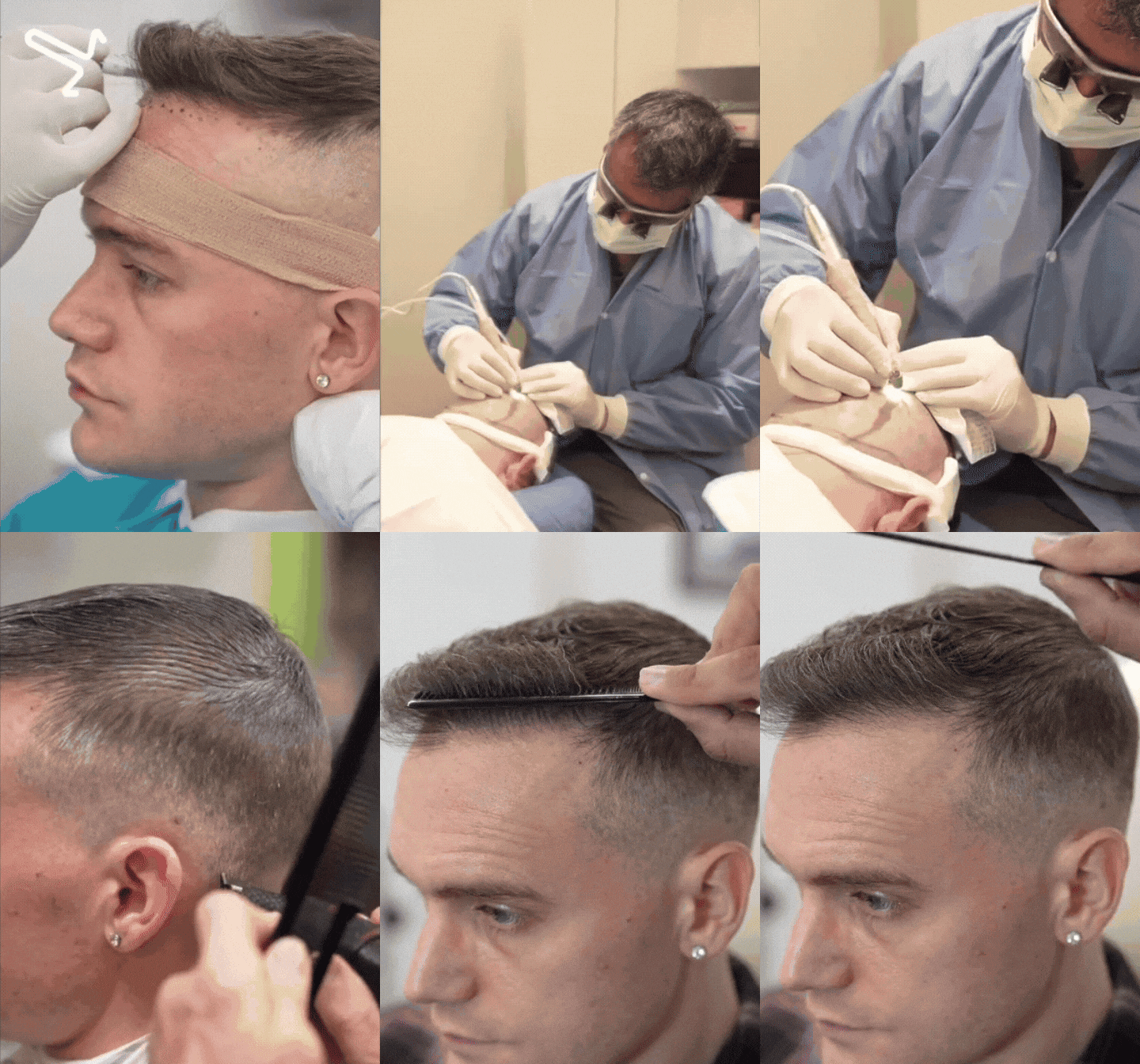
Patients researching hair transplants tend to focus on the variables that feel concrete: graft counts, survival rates, recovery timelines. These things matter. But the factor that most determines whether a result looks natural — or whether it looks like a procedure — is harder to quantify. It’s the hairline.
The hairline is the first thing anyone sees. It frames the face. It communicates age and character. A poorly designed hairline can’t be rescued by technical execution, no matter how precise the extraction or how high the graft survival rate. And a beautifully designed hairline — one that captures the irregularity and proportion of natural hair growth — is what makes the difference between a restoration that people notice and one that nobody can place.
This is where hair transplantation stops being purely medical and becomes, genuinely, an art.
What Makes a Hairline Look Natural
 The answer isn’t symmetry. Natural hairlines are not symmetrical. They’re not straight. They don’t follow a template. What they have is a specific kind of organized irregularity — micro-variations in density and direction that the eye reads as real, even without consciously registering them.
At the leading edge, single-hair grafts placed at subtle, irregular angles create the soft, feathered transition that mimics how hair actually grows out of the scalp. Behind that edge, density gradually builds through a layered placement strategy — transitioning from single-hair grafts to multi-hair units as you move further from the front. The result is a density gradient that looks like it grew there, rather than a line that reads as a planted row.
The ‘plugged’ look associated with older transplant techniques was the product of large grafts placed in a regular pattern. The solution isn’t just smaller grafts — it’s the artistry of placement: angle, spacing, the deliberate introduction of variation that makes the result indistinguishable from natural growth at any distance.
▶ Watch: Dr. Vinay Rawlani walks through the technical steps of hairline design with Ari — angulation, feathering, and single-hair placement at the leading edge. youtube.com/watch?v=mFeJ-QhxB7c
The Design Factors That Determine the Right Hairline for Each Patient
Facial proportions
 A hairline is a frame for a face, and the design has to be calibrated to the face it’s framing. Forehead height, brow position, jaw structure, and overall face shape all influence where the hairline should sit and how it should be shaped. A placement that looks proportionate on one patient can look crowded or incongruous on another. There is no universal hairline. There is only the right hairline for this face.
Age and future hair loss
This is the dimension of hairline design that most separates experienced surgeons from technically proficient ones. A hairline designed for a thirty-year-old has to look right at fifty. That means accounting not just for current hair loss, but for the trajectory — where the native hair is likely to recede in the coming decades, and how the transplanted hairline will relate to it when it does.
A hairline placed too low or too aggressively at thirty can look natural immediately and disconnected within ten years, as the surrounding native hair continues to thin around a fixed transplanted line. The design has to be built for the future version of the patient’s face, not just the current one. That requires a different kind of aesthetic judgment than simply drawing a flattering line.
Gender
Male and female hairlines are structurally different, and the design has to reflect those differences. Male hairlines typically feature a slight temporal recession, more angular definition, and a mature positioning that reads naturally on an adult male face. Female hairlines tend to be softer, rounder, lower, and fuller, without the temporal recession that characterizes most male patterns. Designing a female hairline with male proportions — or vice versa — produces results that feel subtly wrong even when patients can’t articulate exactly why.
Ethnicity and hair characteristics
Hairline shape, density, and the natural growth patterns that inform the design vary across ethnic backgrounds. The curl pattern, shaft thickness, and skin-to-hair contrast all influence how the hairline reads visually and what design decisions will produce the most authentic result. A hairline designed without reference to these characteristics risks producing something that is technically correct but aesthetically incongruous with the rest of the patient’s hair.
Donor supply
Every design decision is also a resource allocation decision. A hairline placed lower requires more grafts to fill and frame. An aggressive design that looks impressive in the first year may deplete the donor zone in ways that foreclose the refinement or density work a patient will want five or ten years later. Conservative design isn’t timidity — it’s the long view. Protecting donor supply for future procedures is part of what makes a hairline design responsible, not just attractive.
Common Hairline Design Mistakes — and Why They Happen
Poor hairline outcomes are rarely the result of careless execution. They’re usually the result of design decisions that optimized for the wrong thing.
A hairline placed too low creates immediate visual density that photographs well at twelve months. It also creates a fixed line that the patient’s natural hair will recede away from over time, producing the disconnected, operated-on look that most patients are trying to avoid. The pressure to show impressive immediate results is real in high-volume clinics — and it can lead to design decisions that serve the before-and-after photo more than the patient’s long-term appearance.
A straight or perfectly symmetrical hairline reads as artificial because it doesn’t exist in nature. The eye is remarkably good at detecting the absence of irregularity, even without the viewer being able to name what feels off. Creating intentional micro-variation requires the designer to resist the impulse toward regularity — which is a more sophisticated aesthetic skill than it sounds.
Using multi-hair grafts at the leading edge produces the density clusters that characterized older transplant techniques. The single-hair feathering at the front isn’t just a stylistic choice — it’s the technical prerequisite for a soft, natural-looking transition. Getting it wrong at the front edge is visible at conversational distance in a way that density errors further back simply aren’t.
Ignoring future hair loss in the design is perhaps the most consequential mistake because it’s the least visible at the time of the procedure. A design that doesn’t account for progression looks fine until it doesn’t — and by the time the problem becomes apparent, the donor supply that would have allowed for correction may already be spent.
What the Hairline Design Process Actually Looks Like
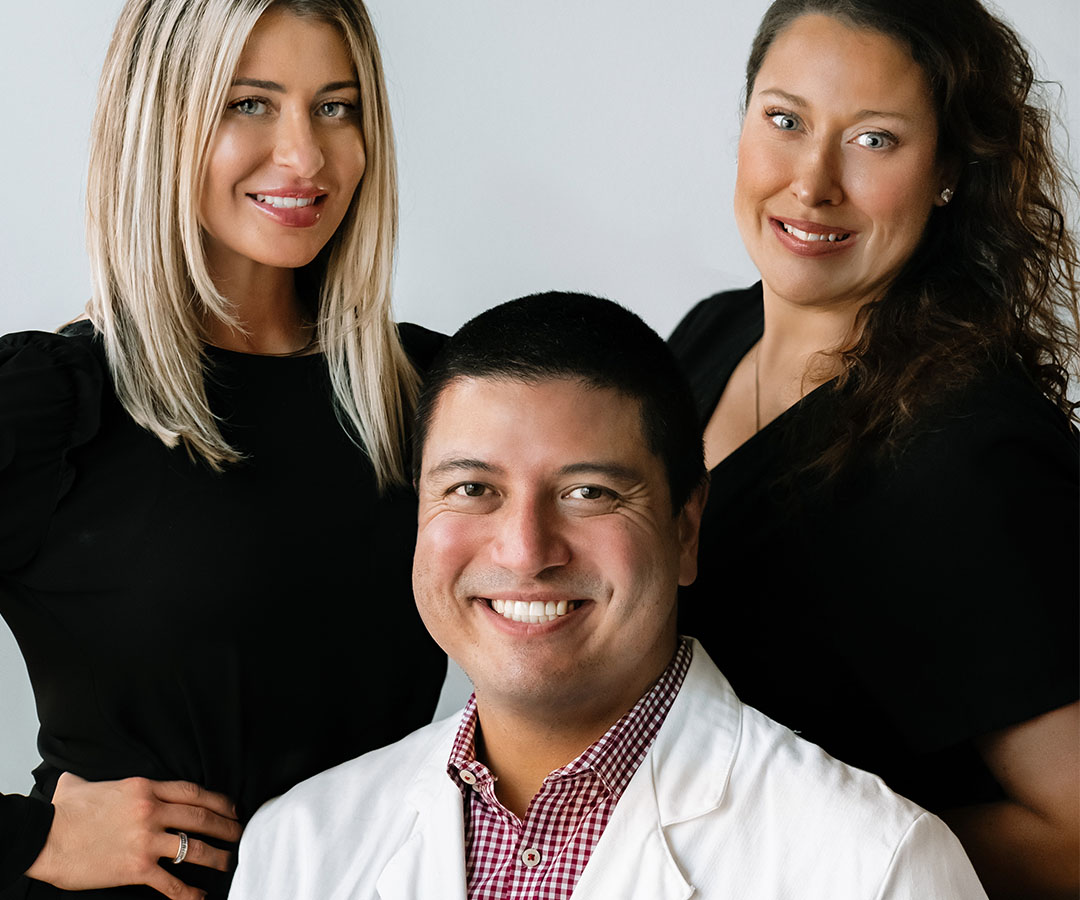
The design conversation begins at the consultation, not on procedure day. Dr. Vinay Rawlani evaluates facial proportions and current hair loss pattern, discusses your goals and what’s realistically achievable given your donor supply and loss trajectory, and maps a hairline that accounts for both immediate appearance and long-term progression. The design is reviewed together before any decisions are made.
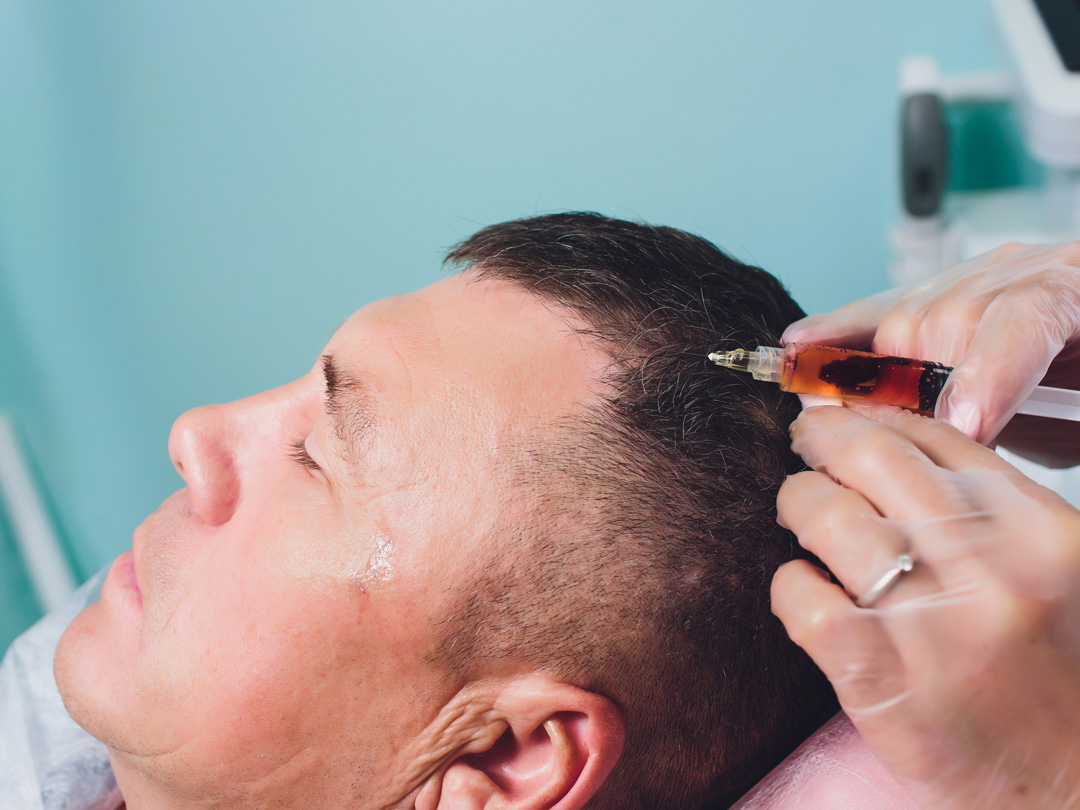
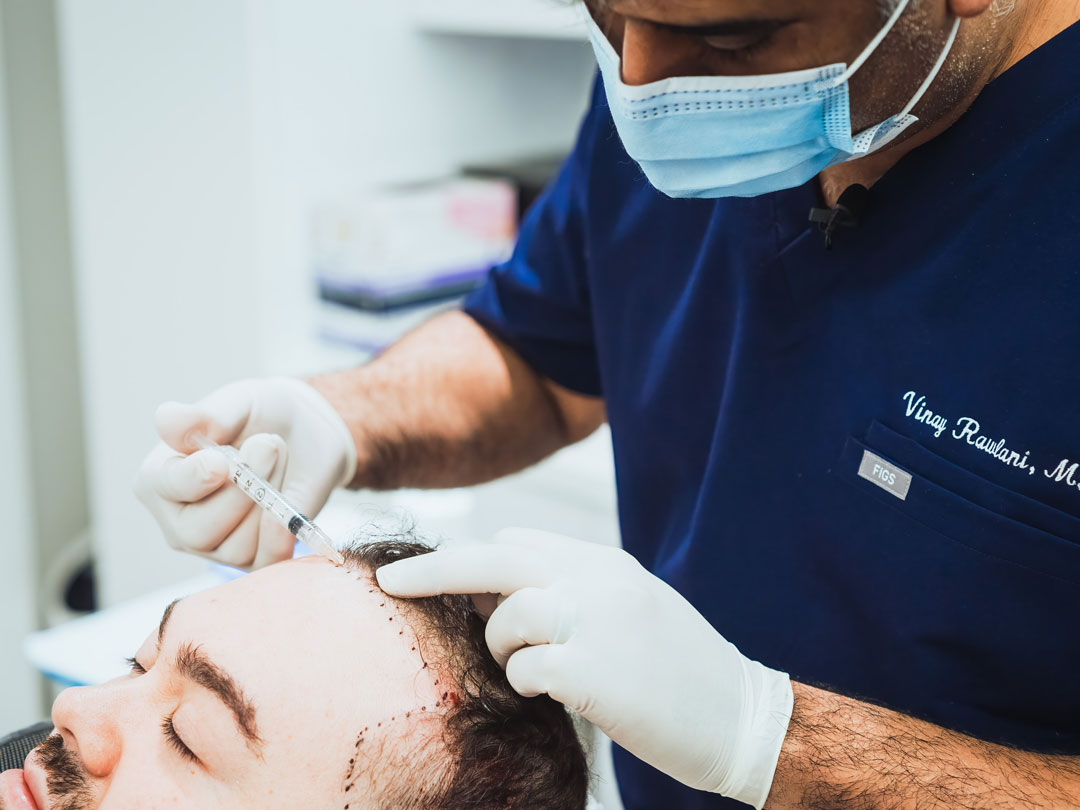
On procedure day, the hairline is drawn and confirmed before extraction begins. The placement, angle, and density of every graft in the leading edge zone is deliberate — each one positioned to contribute to the overall irregularity and naturalism of the result. This is the work that can’t be delegated or protocolized. It requires the judgment of a surgeon who has studied both the science and the aesthetics, and who holds personal responsibility for the outcome.
▶ Watch: Follow a full hairline design session — Dr. Vinay Rawlani thinking through the design out loud, and the patient, Wasif, who trusted him with it. youtube.com/watch?v=JwHl_0dGOkw
Long-Term Satisfaction Begins with the Design
A hairline that looks right immediately and still looks right at fifteen years is the standard. That standard requires designing not just for today’s face and today’s hair, but for the patient’s face and hair as they age — with the native hair continuing to evolve around a transplanted line that doesn’t change. Getting that right is the hardest part of hair restoration and the part that most distinguishes results that hold up from results that don’t.
It’s also the part that has the least to do with graft counts.
Schedule a Consultation at Northwestern Hair Restoration
If you’re considering a hair transplant and want to understand what thoughtful, individualized hairline design looks like in practice — what the conversation involves, what the design options are for your specific face and hair loss pattern, and what a result built for the long term looks like — a consultation with Dr. Vinay Rawlani is where that starts. The hairline is the first decision, and it’s the one that everything else follows from.
In-person evaluations are available at our Chicago clinic. Virtual consultations are available for patients anywhere.