



Why Turkey Hair Transplants Fail So Often (And When They Don’t)
This piece is going to be more honest than most clinics would write it.
The typical version of this article, published by a U.S. hair restoration clinic, reads as a hit piece — a list of horror stories, dramatic failure photos, and a thinly disguised sales argument dressed up as objective analysis. The subtext is always the same: Turkey bad, us good, book a consultation.
That’s not what this is.

The reality of Turkey as a hair transplant destination is considerably more nuanced than either the international clinics marketing packages or the domestic providers dismissing them will tell you. Some patients travel to Istanbul and come home with excellent results from genuinely skilled surgeons at a fraction of what they’d pay in Chicago. Others come home with outcomes that require years of corrective work — or outcomes that simply cannot be corrected.
The question worth asking isn’t whether Turkey works or doesn’t work. It’s why the variance is so enormous — and whether that variance is predictable enough for a patient making this decision to manage meaningfully.
Here’s the honest answer. Contact Northwestern Hair Restoration today for more information.
The Structural Problems That Drive Failures
When hair transplants fail, they rarely fail for one reason. They fail because of a cluster of structural problems that tend to travel together in high-volume, low-cost operations. Understanding each one separately helps explain why the failure rate in that market segment is what it is.
The technician-led procedure
This is the central issue — the one that most directly explains the gap between advertised outcomes and actual results.
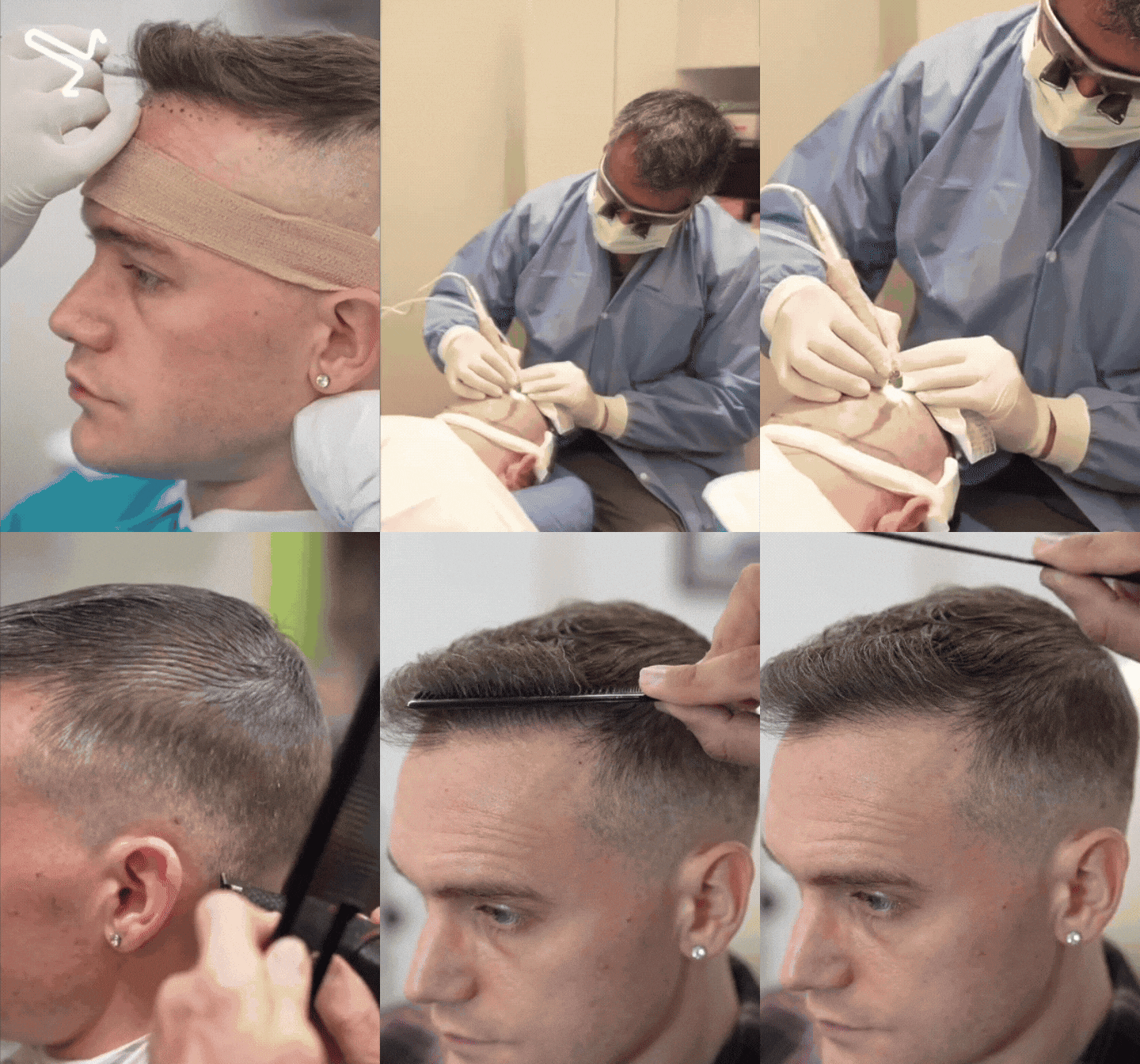
In a legitimate surgical hair transplant, the physician performs the critical steps: extraction, hairline design, and graft placement. These are the steps that determine whether grafts survive, whether the density is achievable, and whether the result looks natural rather than transplanted.
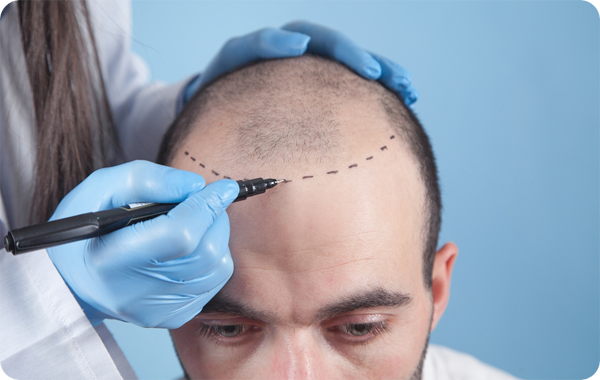
In a high-volume Istanbul clinic running six to twelve procedures per day, the physician’s role is frequently limited to the consultation, the initial hairline marking, and periodic supervision. Extraction and placement — the technically demanding work that constitutes the majority of the procedure — is performed by technicians.
This is not uniformly illegal in Turkey. It is uniformly not what patients are told is happening. The surgeon whose credentials are featured on the website, whose before-and-after portfolio sold you on the clinic, may have spent thirty minutes on your procedure while technicians handled the remaining eight hours.
Technicians in these settings are not surgeons. Many have genuine skill developed through repetition. Others are undertrained, overextended, and performing work that requires clinical judgment they haven’t developed. The patient has no reliable way to determine which category their team falls into before or during the procedure.
Standard FUE graft damage
Most Turkish clinics — even the higher-quality ones — perform standard FUE. The extraction mechanism relies on mechanical punch instruments and forceps to remove follicular units from the donor area.
The clinical problem with this approach is well-documented. Sharp punch instruments can transect follicles — severing the structures below the visible shaft that are responsible for growth. Forceps can crush graft tissue during handling. Both forms of damage are microscopic and invisible at the time of extraction. They manifest months later when growth is thinner than expected, patchy, or in some areas entirely absent.
At low volume, with an experienced surgeon executing carefully, standard FUE produces acceptable results. At high volume — thousands of grafts extracted over hours, with technicians rotating and attention inevitably diffusing — the damage rate compounds in ways that meaningfully affect outcome density.
Micro PUE addresses this directly. By replacing mechanical contact with vibration and suction rather than forceps and sharp punches, each graft is extracted with its architecture intact. The biology that makes it grow is preserved. The result is a graft that survives the procedure and produces the growth it’s supposed to produce. That technology is available in Chicago. Most Istanbul clinics are not using it.
Donor area over-harvesting
Your donor area contains a finite number of follicles. A responsible surgeon extracts from it with the future in mind — preserving density, maintaining natural appearance, and ensuring that grafts remain available for follow-up procedures if your loss pattern continues progressing.
In a high-volume operation motivated by maximizing graft count in a single session, these incentives are misaligned. The clinic’s interest is in delivering the highest possible graft number in one procedure — it’s the metric patients compare when shopping, and it’s what the marketing emphasizes. The patient’s interest is in a result that looks natural now and holds options open for decades.
Over-harvested donor areas are one of the most common and most consequential problems seen in revision cases from international procedures. The extraction pattern leaves visible thinning in the donor zone, the available follicles for future procedures are depleted, and the options for correction are structurally limited. This is damage that doesn’t fully reveal itself until years after the procedure, which is precisely when the patient has the fewest good options to address it.
Hairline design without long-term thinking
A natural hairline isn’t a line drawn at the edge of existing hair. It’s a three-dimensional structure designed to fit the patient’s face, complement their features, account for their current loss pattern, and — critically — evolve naturally as they age and as their hair loss potentially progresses.
High-volume international clinics frequently design hairlines that look good in twelve-month photos. They’re aggressive, low, and dense in ways that photograph well and generate the testimonial content that drives the next booking cycle.
What those hairlines sometimes fail to account for is what happens at year ten or year fifteen if the native hair behind the transplant zone continues to thin. An aggressively low hairline designed for a 35-year-old can look incongruous on a 50-year-old with a thinned mid-scalp — the transplanted front holding strong, the surrounding native hair receding behind it, creating a density distribution that reads clearly as a procedure from a different decade.
Good hairline design at the outset is invisible design — it looks natural immediately and continues to look natural as the patient ages. It requires surgical artistry, clinical judgment about long-term loss trajectories, and a willingness to have honest conversations about what’s appropriate rather than what’s most impressive at the twelve-month mark.
No continuity of care after you board the flight home
Recovery from a hair transplant spans twelve months. Questions arise. Concerns emerge. Unexpected healing patterns need evaluation. Some situations require a clinical response — an adjustment to aftercare protocol, a direct assessment of whether something is within normal range, a decision about whether intervention is needed.
When your surgeon is in Istanbul, and you’re in Chicago, that continuity evaporates the moment you leave Turkey. Post-procedure communication typically consists of email exchanges across time zones, video calls with staff who weren’t present during your procedure, and ultimately a referral to a local physician in your home city who has no relationship with your case, no access to your surgical records, and no investment in your outcome.
For uncomplicated procedures with straightforward recoveries, this is a manageable inconvenience. For procedures that develop complications — or outcomes that don’t match expectations — the absence of a local physician with real accountability for your result is a serious structural problem.
The Failure Modes: What Actually Goes Wrong
Turkey hair transplant failures aren’t monolithic. They tend to cluster into several distinct categories, each with different causes and different implications for correction.
Poor growth density
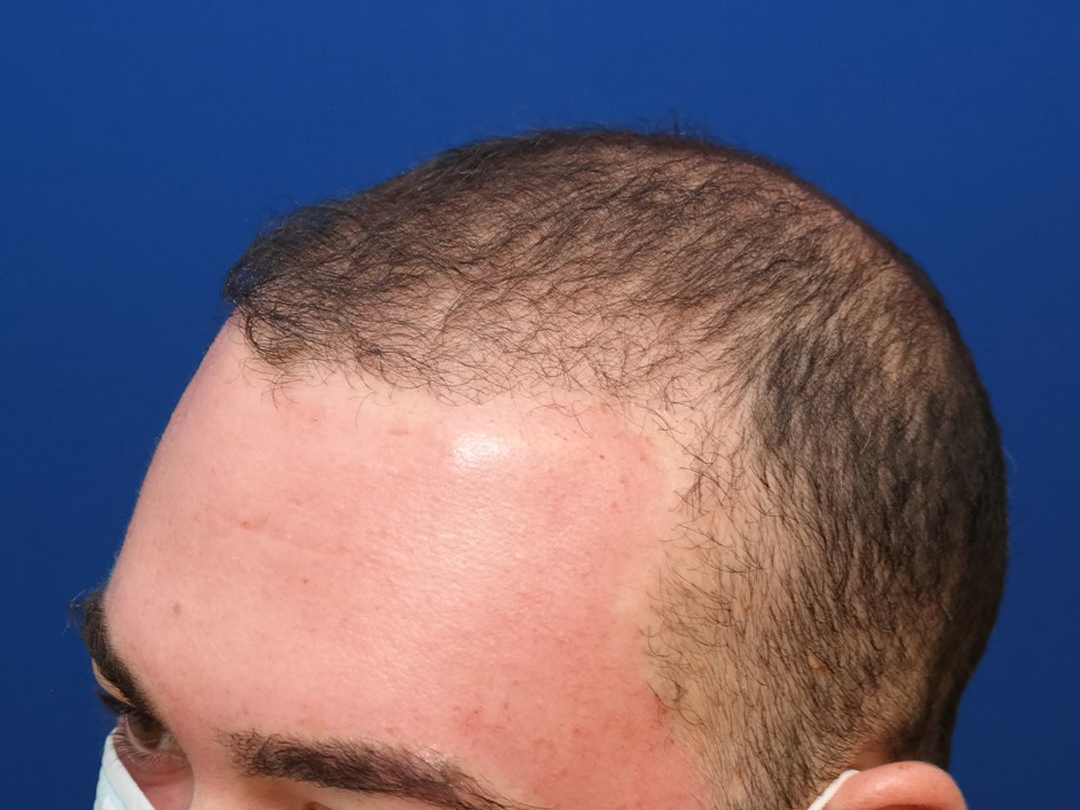
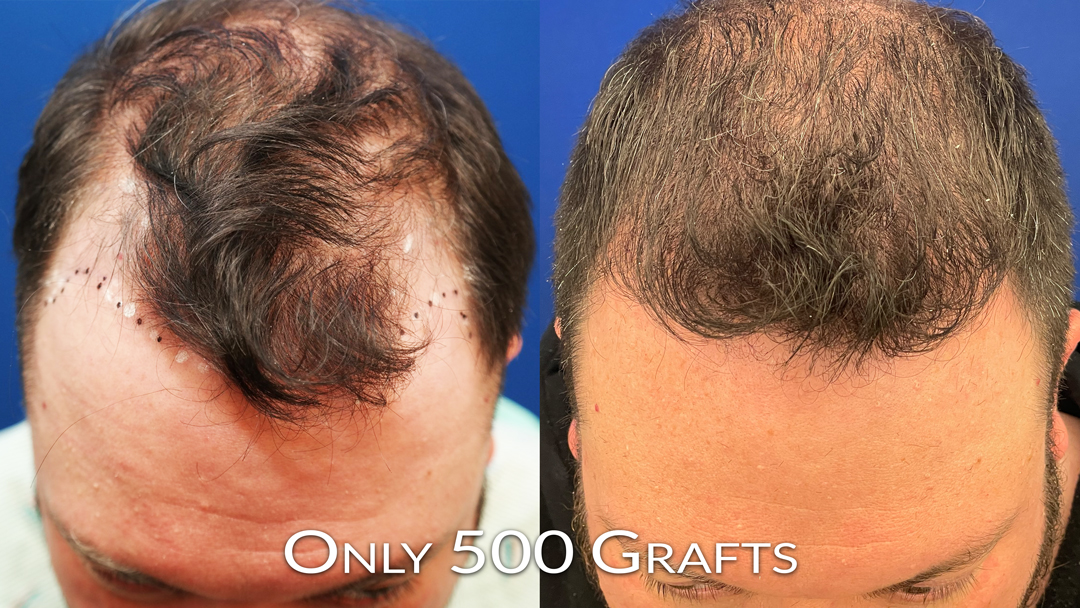
The most common complaint. The patient expected a certain density based on the graft count and the clinic’s before-and-after photos. The actual growth is thinner, patchier, or concentrated unevenly. The hairline is present but lacks the fullness that makes it look natural. Causes typically include graft damage during extraction, suboptimal storage conditions during the procedure, placement technique issues that affect survival rate, or lower graft counts than what was invoiced. In many international clinics, graft counting is self-reported by the same team performing the procedure and is not independently verifiable.
Unnatural hairline design
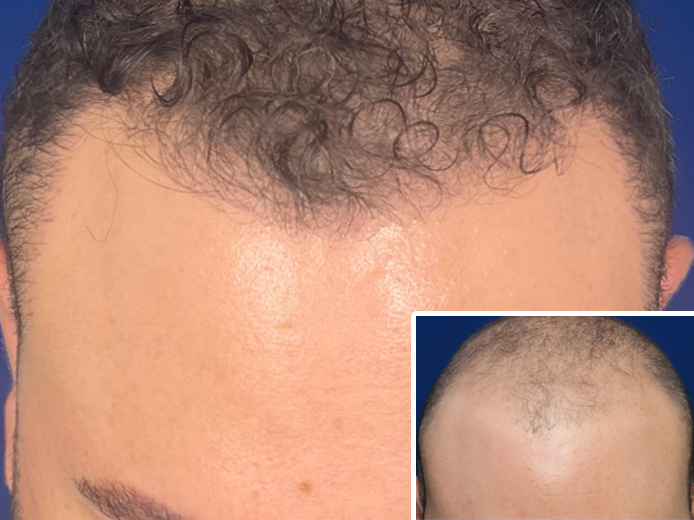
Pluggy, doll-hair appearance in the hairline. Grafts are placed at incorrect angles, so hair grows in the wrong direction. A hairline positioned too low or designed without natural irregularity creates a result that reads as artificial, even when growth is technically successful. This is a surgical error, not a biological failure — and it’s the category most likely to require either revision grafting or acceptance of a permanent compromise.
Donor area damage
Visible thinning, scarring, or moth-eaten appearance in the donor zone from over-harvesting or careless extraction. In severe cases, the donor area is visibly depleted, and the patient is left with inadequate reserves for future procedures. This is the outcome with the most limited correction options. The follicles are gone. What’s left is working with what remains — which may not be much.
Infection and complications
Less common than the above, but not rare. Clinics operating at high volume with compressed procedure times and potentially variable sterile technique carry an elevated infection risk compared to purpose-built surgical environments with rigorous protocols. Most infections resolve with appropriate treatment. Some cause scarring or follicular damage that has lasting effects on the result.
Complete non-growth
The most dramatic failure — a procedure where grafts simply don’t grow, leaving the patient with both a depleted donor area and an unreconstructed recipient zone. Typically, the result of severe graft damage during extraction or storage failure during a long procedure. Relatively rare but not unheard of in cases where procedural conditions were poor enough.
When Turkey Works — The Honest Assessment
The failure modes described above are real and documented. They’re also concentrated in a specific segment of the international market — the high-volume, low-cost, technician-led operations that dominate the bottom of the pricing tier. They are not universal.
Istanbul has genuine hair restoration surgeons — physicians who trained rigorously, who perform their own procedures, who operate at manageable volume, and who produce results that hold up over time. Patients who find one of these surgeons and have straightforward cases can achieve good outcomes at a price point that is materially lower than anything available domestically.
The problem is identification. Distinguishing this surgeon from the next clinic over — which uses nearly identical marketing language, similar before-and-after imagery, and comparable pricing — requires a level of due diligence that most patients don’t know how to execute from a different country and a different language.
A high-quality international surgeon will answer all of these questions specifically and confidently. A high-volume operation will deflect, generalize, or provide answers that don’t hold up to follow-up.
The questions that matter are the same ones worth asking any surgeon: Who performs the extraction and placement — the physician or technicians? What specific extraction mechanism do you use, and what does it do to protect graft integrity? How many procedures does the surgeon personally perform per day? What does post-procedure support look like after the patient leaves the country?
The patients for whom Turkey represents a genuinely rational option are those who have done this level of due diligence, identified a specific surgeon (not just a clinic), verified that surgeon’s personal involvement in procedures, understood the post-procedure support limitations, and accepted that the savings come with a risk profile that domestic care largely eliminates. That is a different decision from booking a package based on price and Instagram before-and-afters.
The Revision Problem: What Happens When It Goes Wrong
The patients who end up in our consultation room after an unsuccessful international procedure share a common experience: they made what felt like a reasonable decision, based on available information, and are now navigating a situation that is considerably more complex than what they started with.
Revision hair transplant surgery is among the most demanding tasks in the field. Every case comes with constraints the original procedure created — compromised donor supply, scar tissue in the recipient area, misplaced grafts that need to be addressed, and donor zones that limit extraction options. The surgeon performing the revision is working within a problem they didn’t create, with resources they didn’t have the opportunity to preserve.
Some revision outcomes are excellent. Modern techniques and a skilled surgeon can often significantly improve even substantially compromised results. Others are limited by what the original procedure left behind — and honest surgeons will tell patients that directly rather than promising restoration that the biology no longer supports.
The cost of revision care — financially, emotionally, and in terms of donor supply consumed — typically exceeds what quality domestic care would have cost from the beginning. This is not a hypothetical. It is the consistent finding of surgeons who do significant revision work, and it is the practical argument that reframes the international cost comparison more accurately than the initial sticker price suggests.
What This Means for the Decision
If you’re considering an international hair transplant and this piece has given you pause, that’s appropriate. It should.
If you’re considering an international procedure and you’ve done the research, identified a specific surgeon you can verify, understand the post-procedure support limitations, and have made an informed risk assessment — that’s a different situation than most patients who book international packages are in.
The questions that matter before any procedure — domestic or international — are the same: Who performs the surgery? What technique protects the grafts? What does the follow-up look like when the procedure is done? What’s the plan for progressive loss over time?
Those questions have clear, confident answers here. In the international market, the answers vary — and the variance is the risk.
Considering a hair transplant and working through your options? Book a consultation with Dr. Vinay Rawlani at Northwestern Hair. Come with the hard questions — including the ones about Turkey. The conversation will be straightforward.