
For many Latina women in Chicago, hair is woven into how you connect with family, culture, and the version of yourself you’ve carried your whole life. Hair means something here — it always has. When it starts to change, that loss has real weight — not just for your appearance, but for your self-esteem and self-confidence. We take that seriously.


+197 reviews
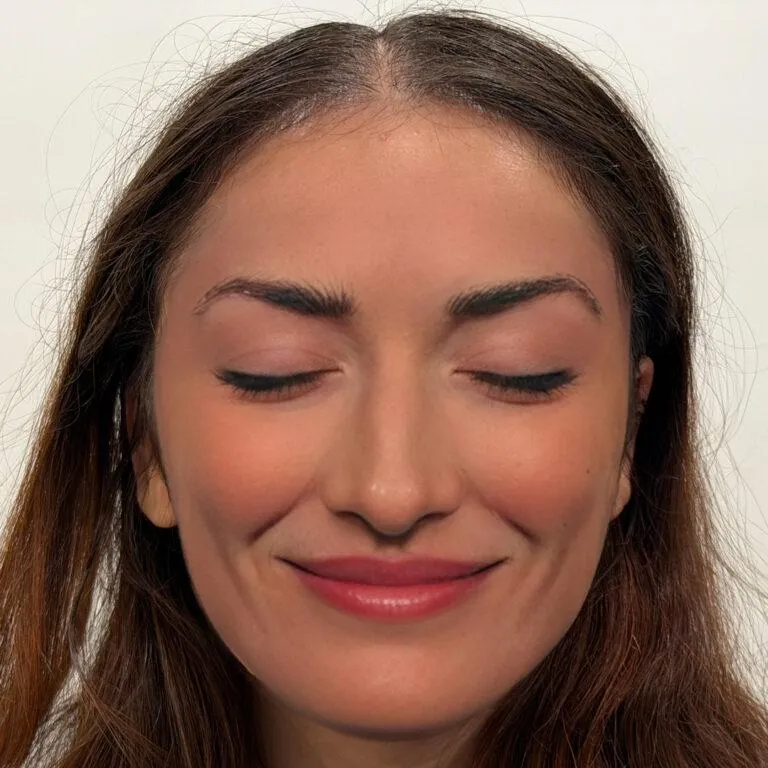
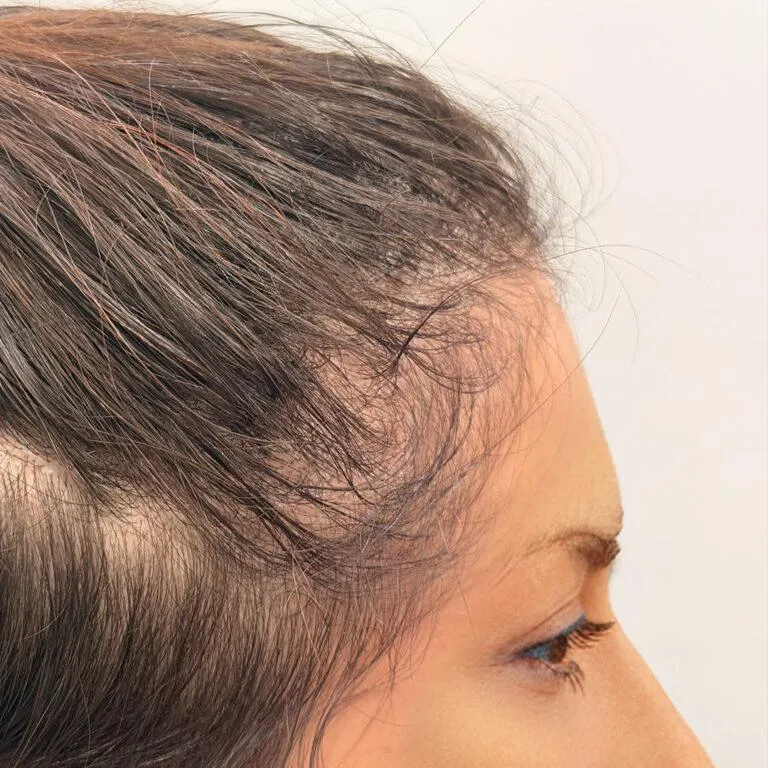
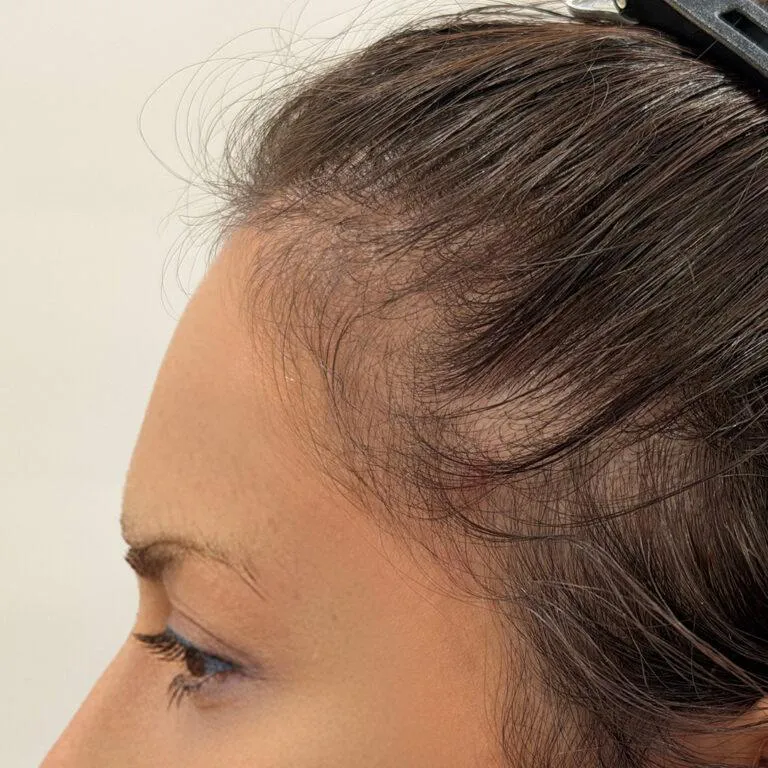
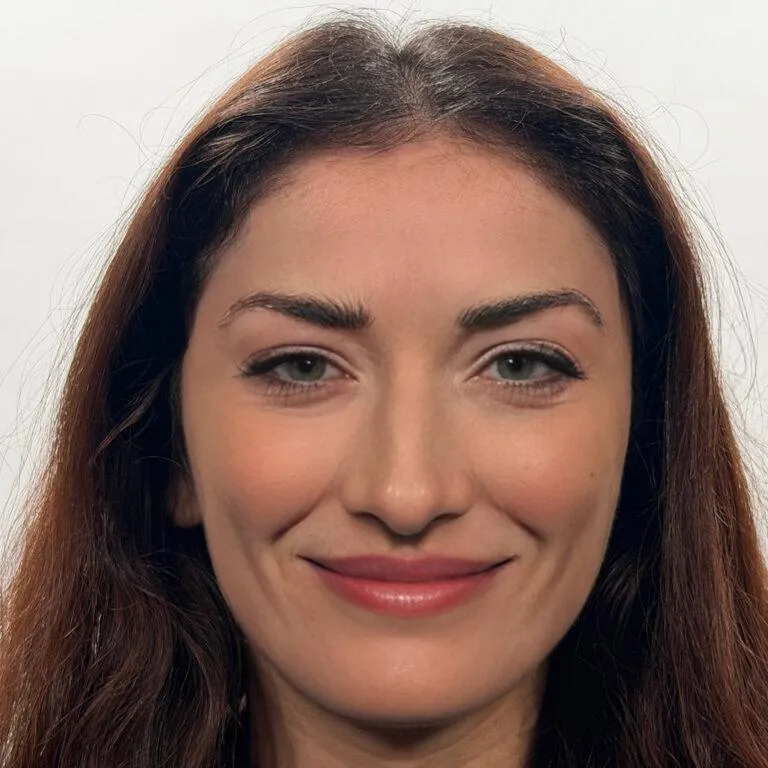
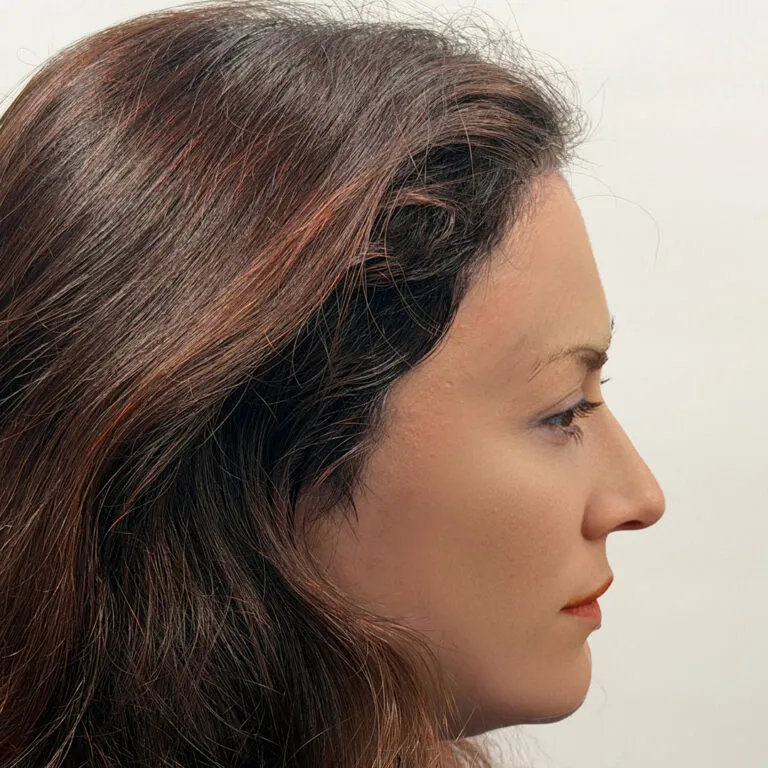
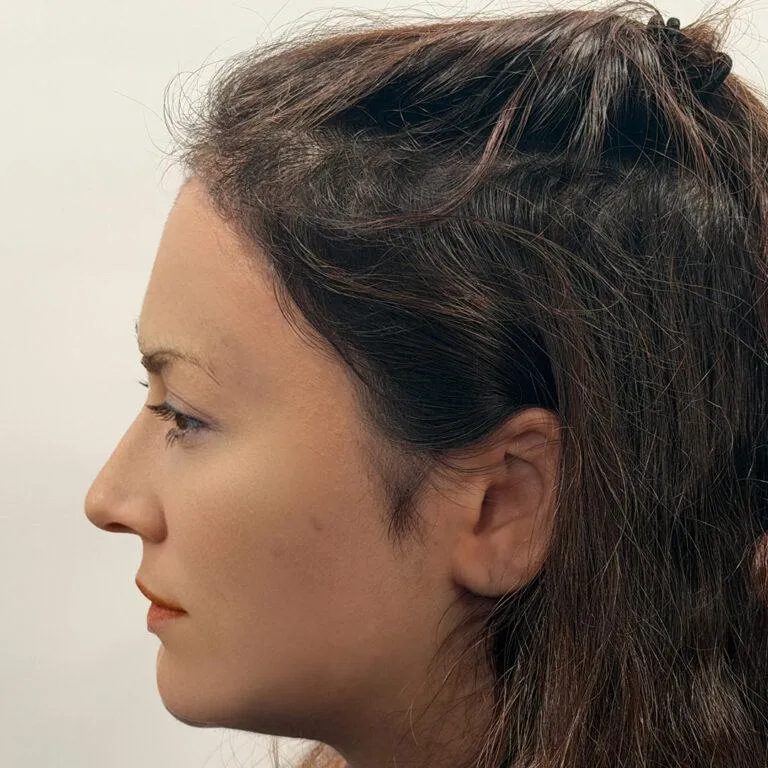
Alejandra’s case is the one I point to when patients ask why we sometimes say wait.
She came to us with frontal hairline loss involving scarring — a category of hair loss that behaves differently from typical pattern loss and demands a different kind of caution. Transplanting into actively scarring tissue is a fast way to lose grafts and make the underlying condition worse. The honest answer is almost always: stabilize first, transplant second.
So we put her on a medical regimen and watched. Two years of stability before we touched a single graft. When we finally did the transplant, the result restored volume across her front hairline in a way that genuinely changed how she sees herself in the mirror.
The discipline of waiting is part of the work. Alejandra trusted that, and the outcome reflects it.

Dr. Vinay


“
We have what separates a result that looks right from one that doesn’t.
+197 reviews
At Northwestern Hair, every patient experiencing hair loss receives personalized care built around their specific situation. Understanding what’s actually driving the thinning hair, what pattern it’s following, and what’s genuinely achievable: that’s where every plan here begins.
There are no default protocols. Every person receives an individual assessment, and a customized treatment plan is developed based on your specific hair texture, loss pattern, lifestyle, and long-term goals — whether you’re dealing with hormonal thinning, postpartum shedding, or traction damage from years of cultural styling practices.

Hair loss in Latina women presents unique challenges that many clinics are not equipped to treat. Hispanic hair doesn’t fit a single profile — thick and coarse, fine and wavy, and everything in between. That wide texture range demands precision that generic hair loss treatment approaches simply cannot provide.
Latina women face distinct risks from both hormonal patterns and cultural hair practices. Research shows Latina women have a higher incidence of alopecia areata compared to white women, while also facing elevated risk from styling practices that damage hair follicles over time.
Understanding the many different causes behind hair thinning is essential for effective diagnosis and treatment. Many Latina women are first seen by a dermatologist or primary care doctor before reaching a specialist. At Northwestern Hair, we bring dermatology-informed assessment together with hair restoration expertise — accounting for your specific hair color, texture, and skin tone together, because what holds up under any light is different for every patient.
When properly worked with, thick, dark hair creates more visual density — a real benefit for hair loss treatment outcomes, both surgical and non-surgical. Precision placement means that Latina women with this hair type often achieve fuller, more natural-looking results with fewer grafts than finer hair types require.
Northwestern Hair offers a full range of hair restoration services for African American men — surgical and non-surgical, each built around the specific demands of afro-textured hair.
Dr. Vinay performs surgical hair restoration procedures for Latina women in Chicago whose loss has progressed beyond what non-surgical treatment can address — significant recession, concentrated density loss, or traction damage that ACS alone cannot reverse. Hair restoration is a cosmetic procedure, but the beauty of a well-designed result is that no one can tell. He will give you a direct, honest assessment of whether that’s where you are.
Micro PUE is a refined follicular extraction technique that allows for high-graft sessions without compromising the donor area. This precision procedure is particularly well-suited for Hispanic hair because thick, dark hair provides excellent visual density per graft, micro punches minimize scarring visibility across all skin tones, and the technique preserves the donor area for potential future needs.
After surgical procedures, patients can expect an initial recovery period of approximately 7–10 days. Transplanted hair may shed within the first 2–3 weeks after the procedure — this is a normal part of the natural growth cycle. New hair growth typically becomes visible after 3–4 months, with full results assessed at 12 months. Results are designed to look completely natural for Latina facial features, honoring Hispanic hairline aesthetics and facial structure.
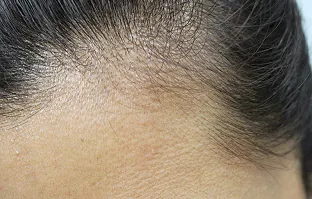
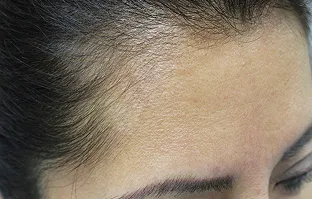
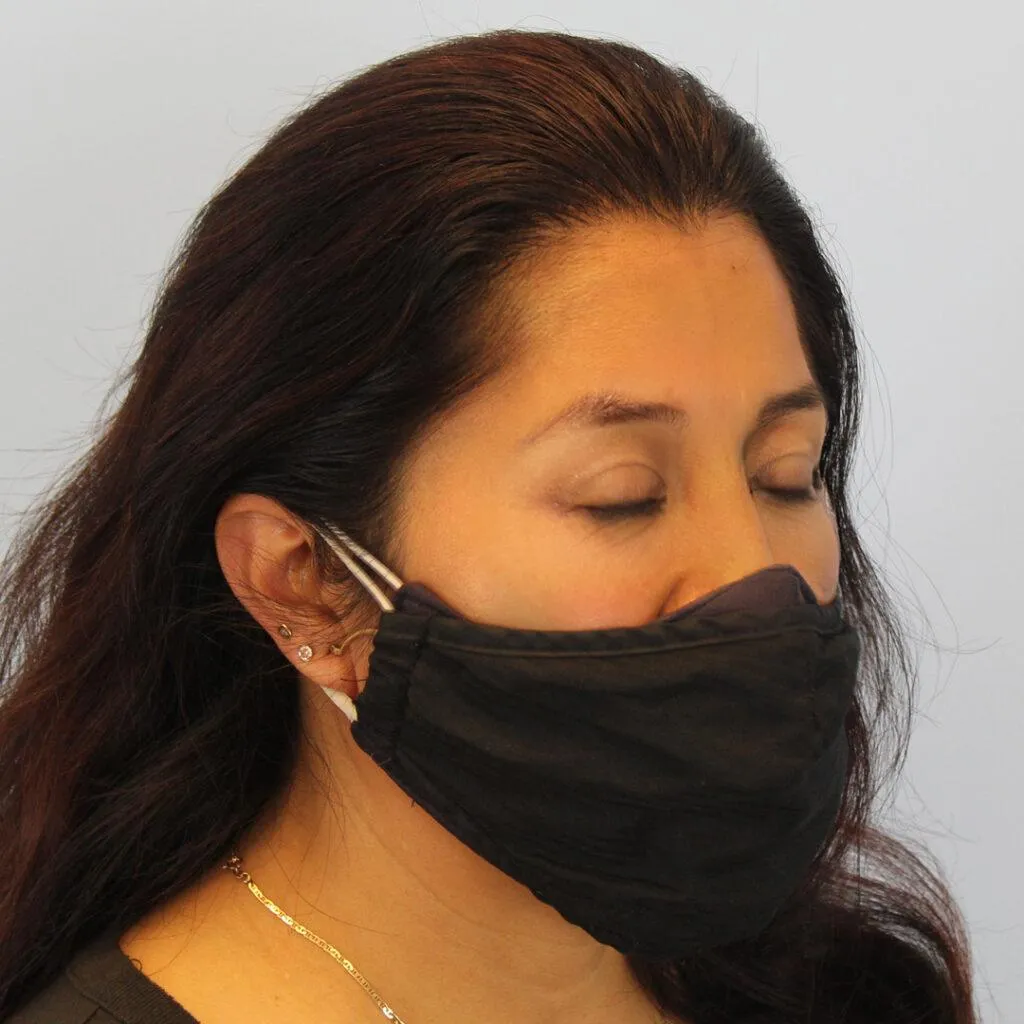
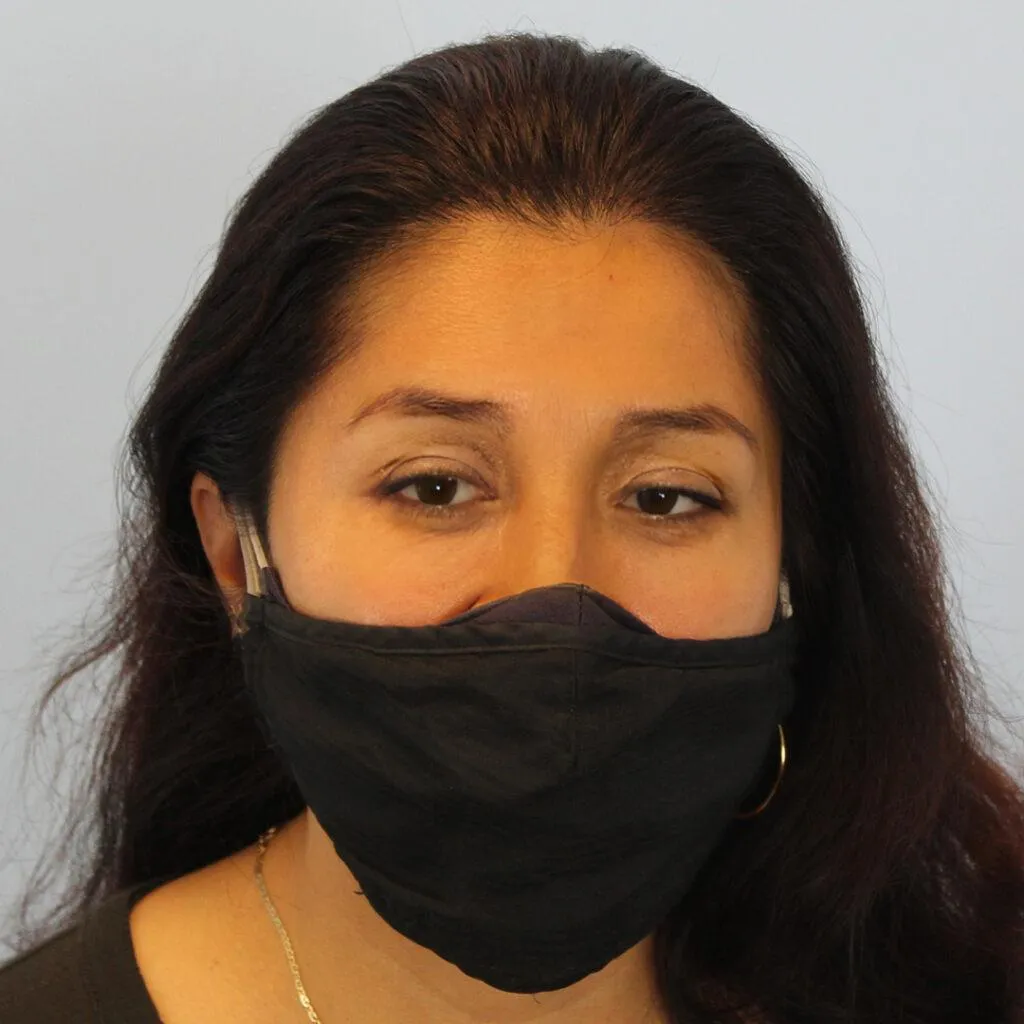
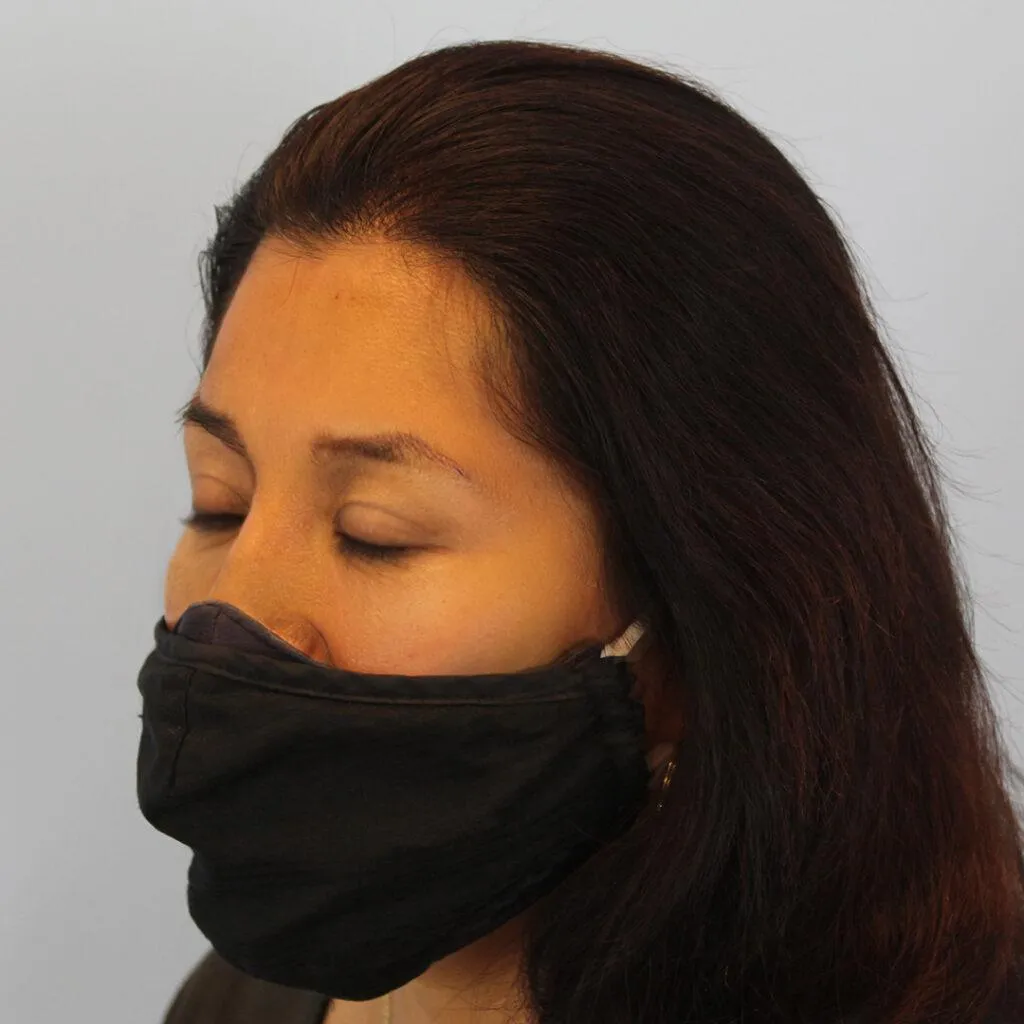
At the center of our non-surgical program is Autologous Cellular Serum (ACS) — an advanced hair loss treatment that uses regenerative cells from your own blood to stimulate hair follicles, restore blood flow, and encourage hair growth. ACS goes beyond traditional platelet therapies by drawing on active healing cells rather than platelets alone.
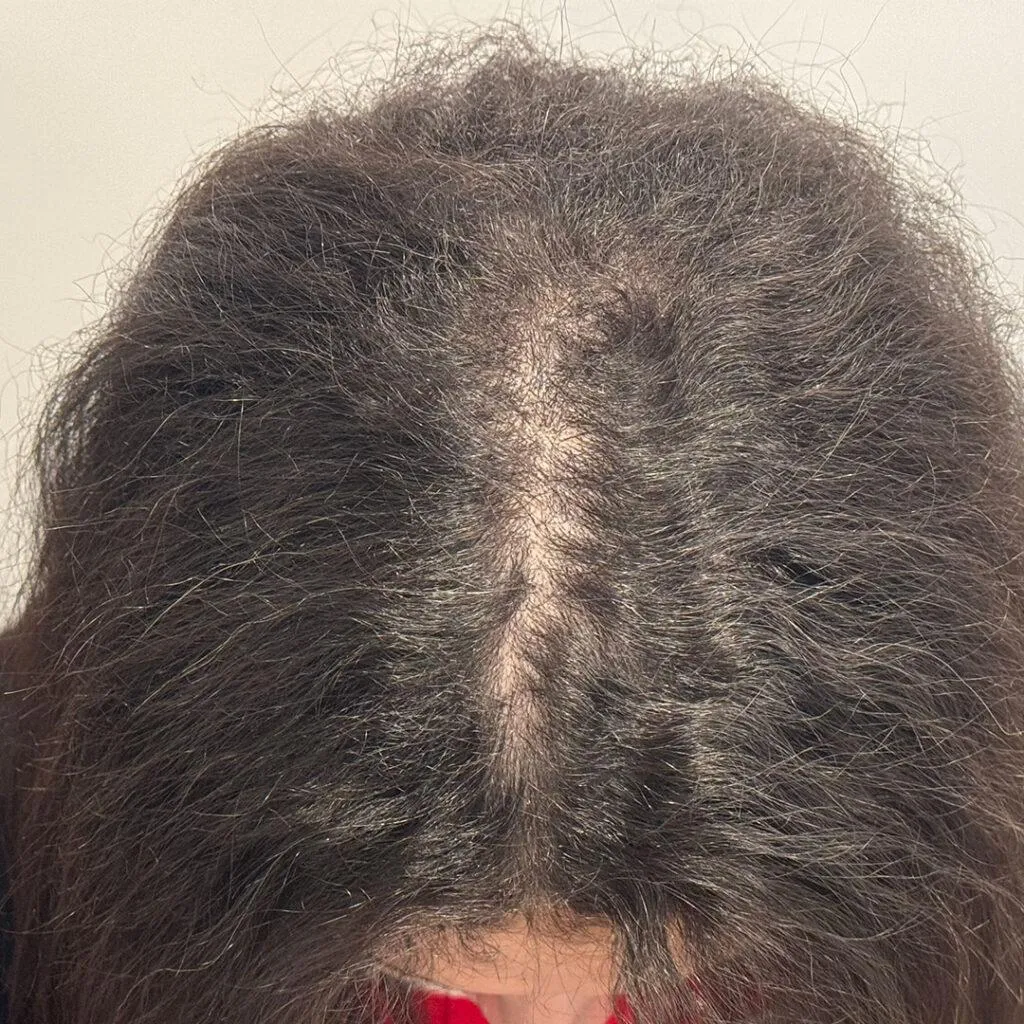
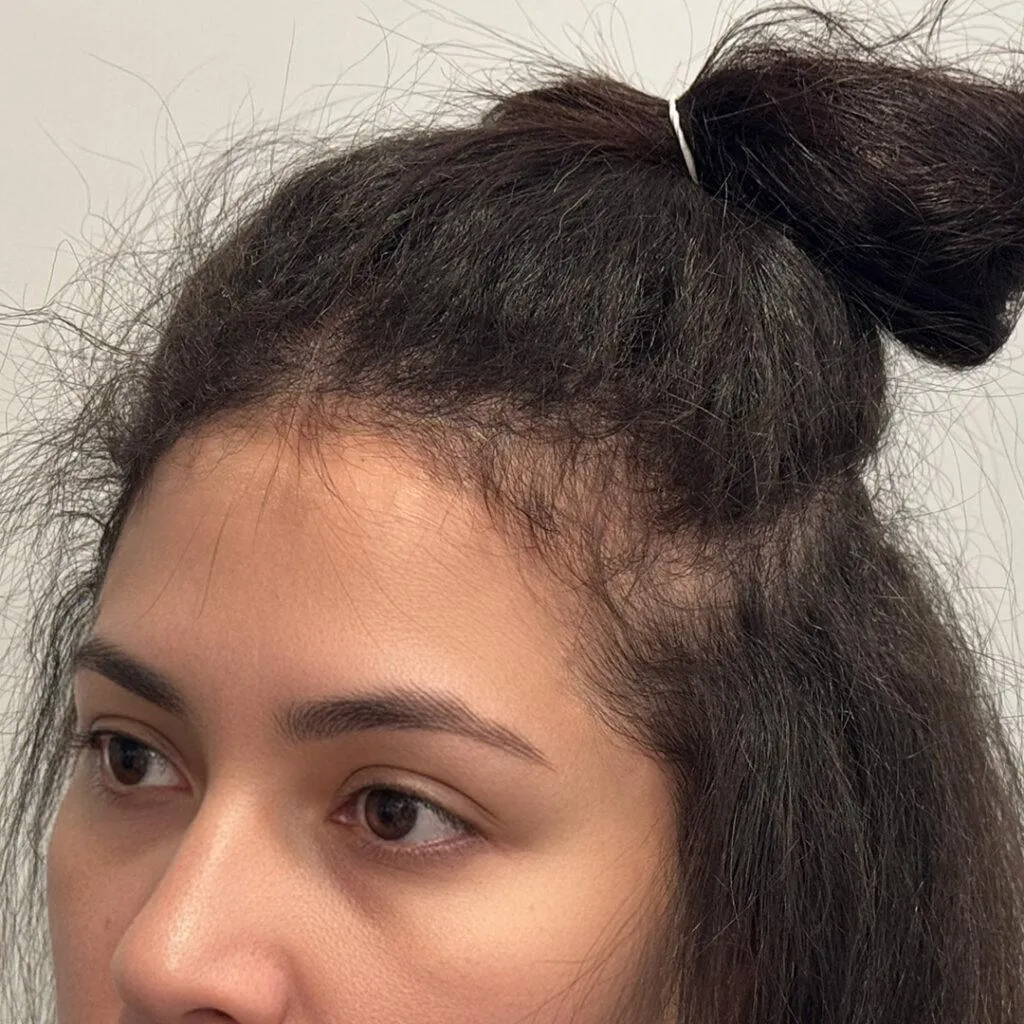
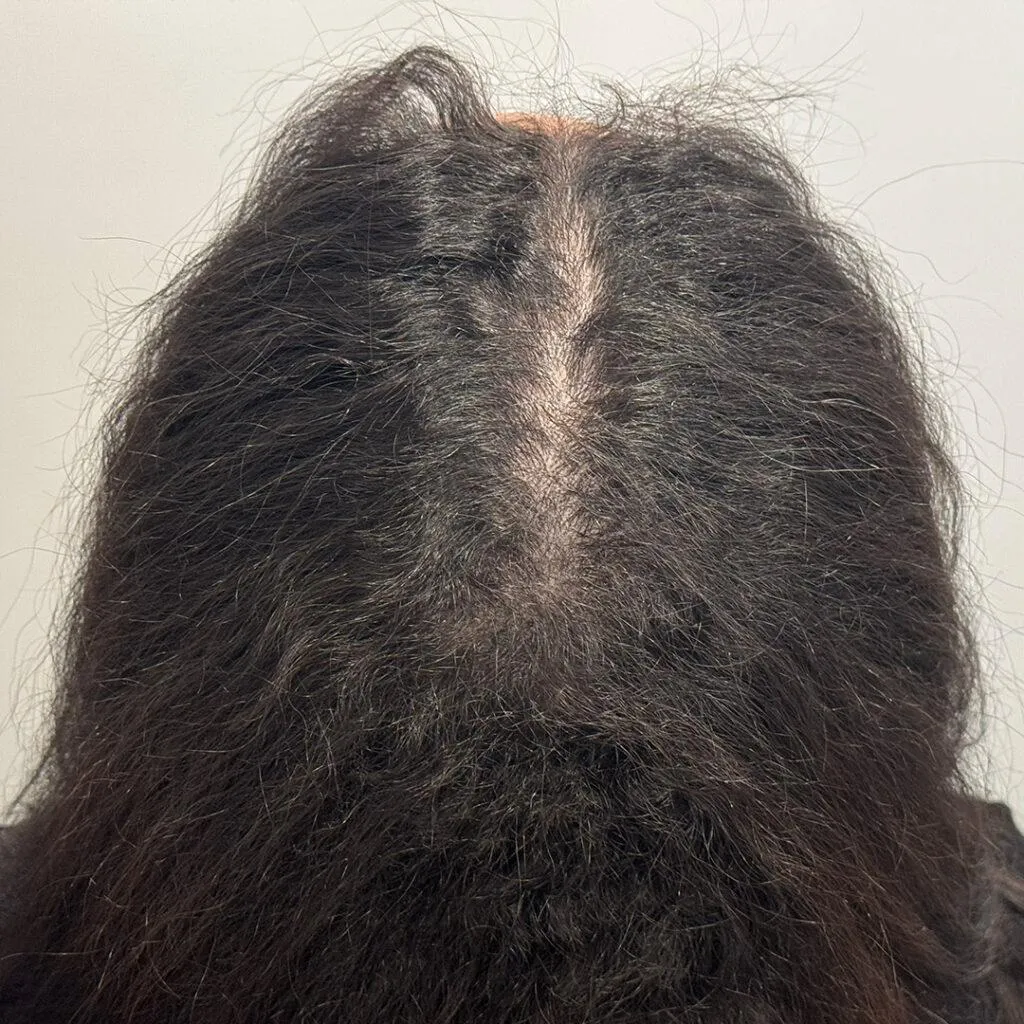
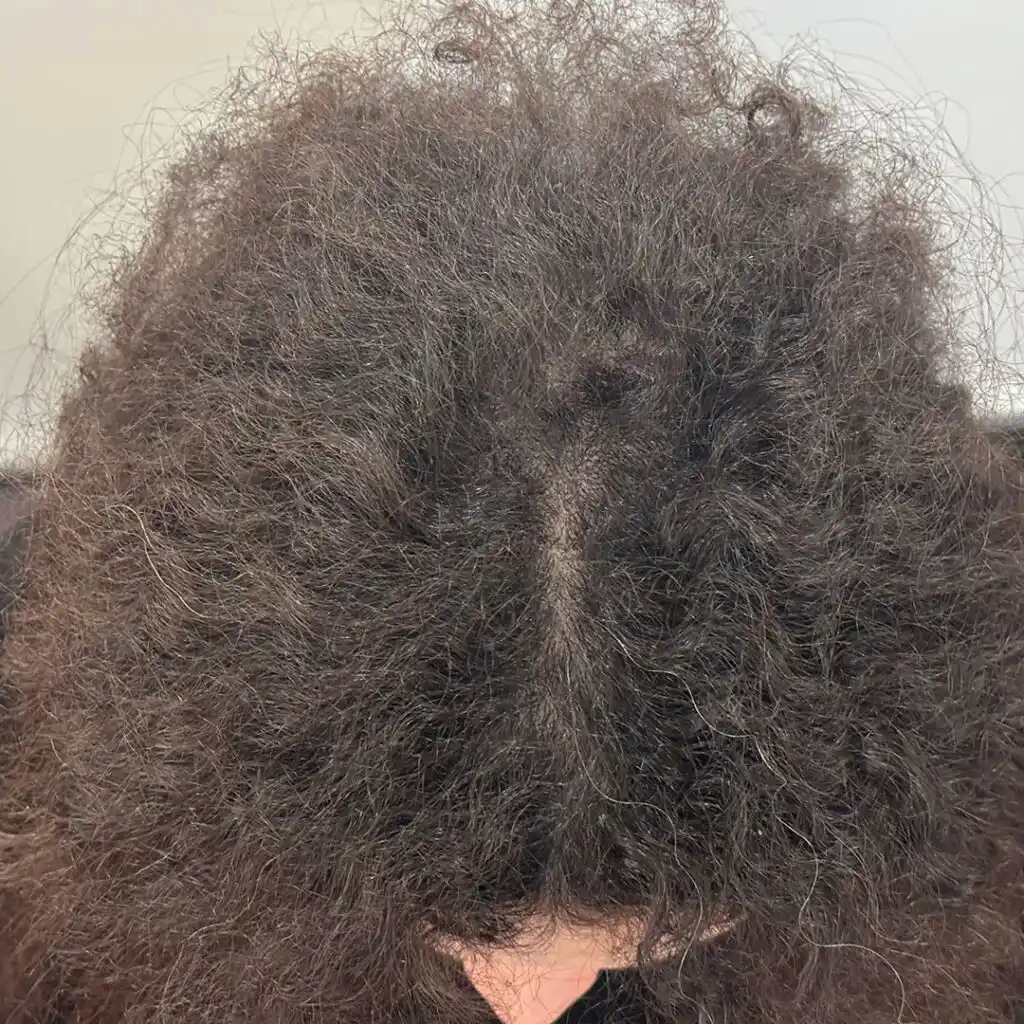
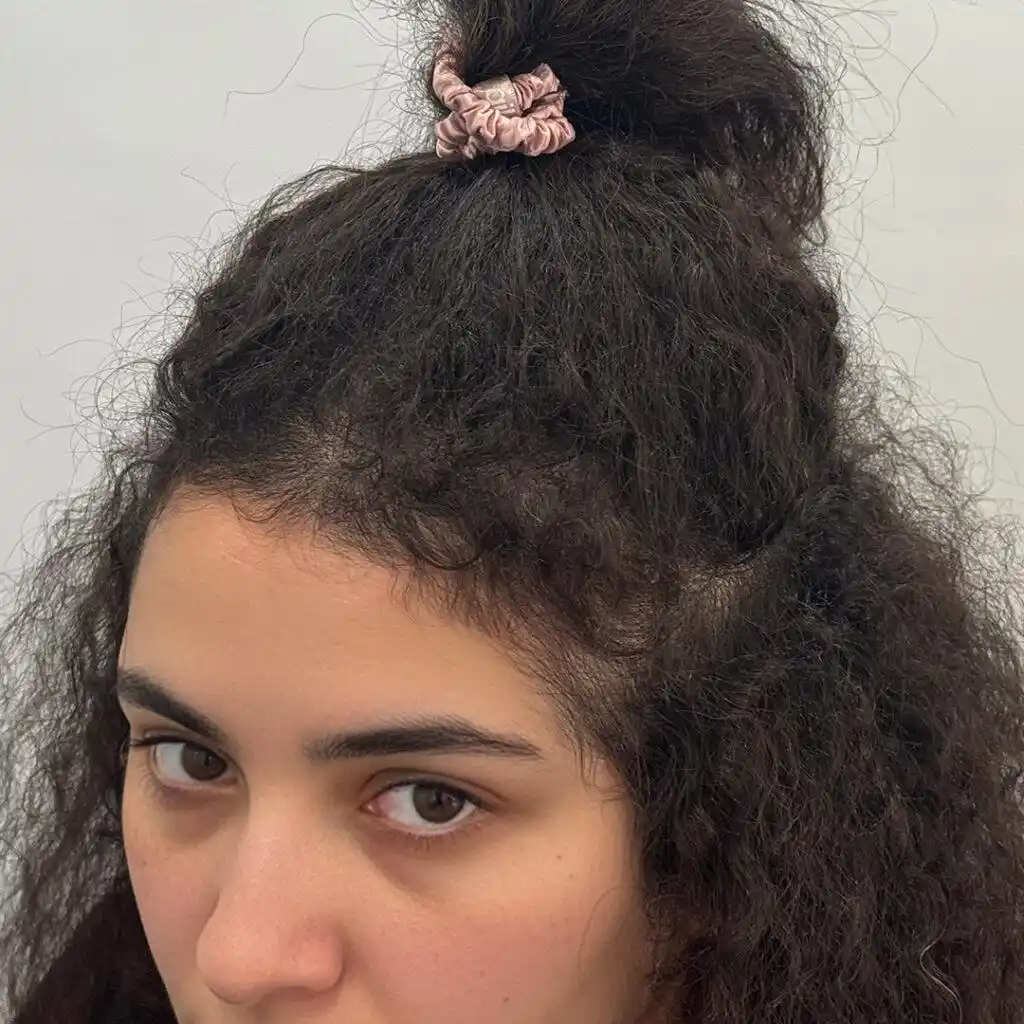
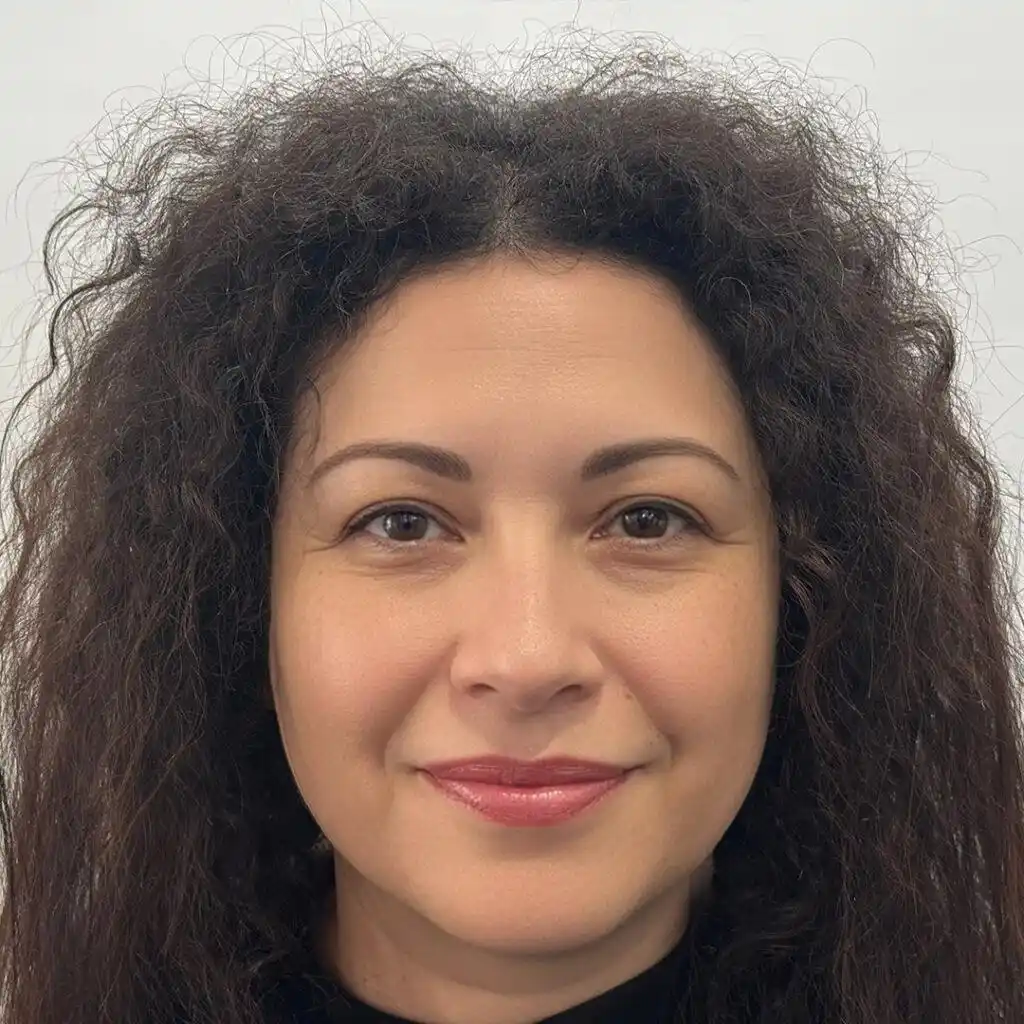
Isabela told me what she wanted in the first ten minutes: she wanted to wear her hair however the night called for it.
She’d spent a year working through it the hard way — biopsies, steroid injections, multiple months on medication with her dermatologist. By the time she got to us, she’d done the diligence. What she hadn’t done yet was see a result.
We started ACS and built a home regimen alongside it. By the fourth treatment, her part had narrowed to the point where she stopped thinking about it — up, down, pulled back, whatever the dance floor demanded. The clinical win is the part line. The actual win is that she’s no longer planning her hair around her life.
Treatment is delivered across a series of progressive in-office sessions at our Chicago office, each paired with a personalized at-home maintenance plan. Topical treatments and medications applied directly to the scalp are selected for your specific pattern of loss and refined across sessions as we evaluate what’s working for your individual needs.
ACS therapy is particularly effective for:
Sandra spends her days helping people through hair loss. She didn’t expect to spend a year working through her own.
She’s a Chicago-based scalp micropigmentation specialist — her clients walk into her chair the way she walked into ours. So when menopause brought thinning across her front hairline, temples, and crown, plus active shedding, she came in with more clinical awareness than most patients ever do.
We started with a single round of ACS and a home regimen, designed to support her while her hormones found their new baseline. The front hairline came back.
So did the version of her that walks into her own studio every day. Treating someone who works in this field is its own kind of pressure — and its own kind of reward.
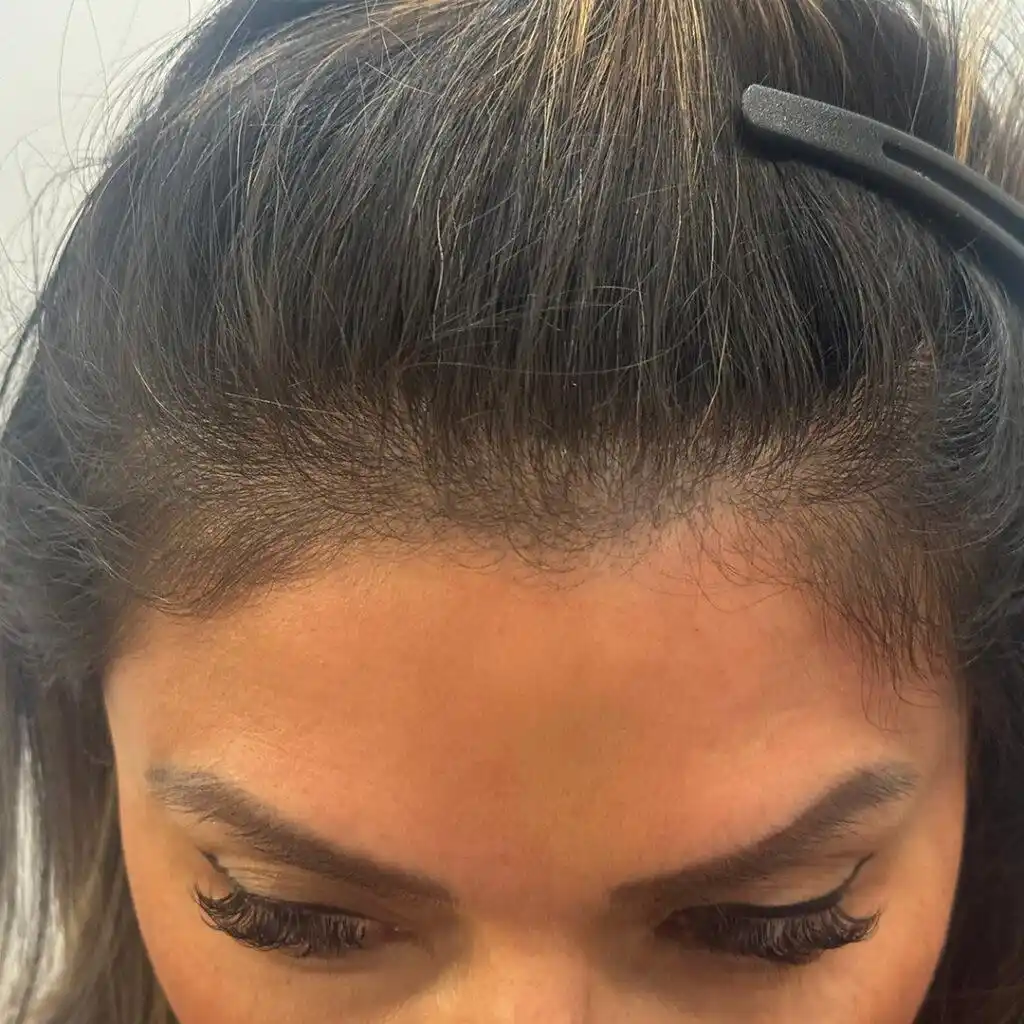
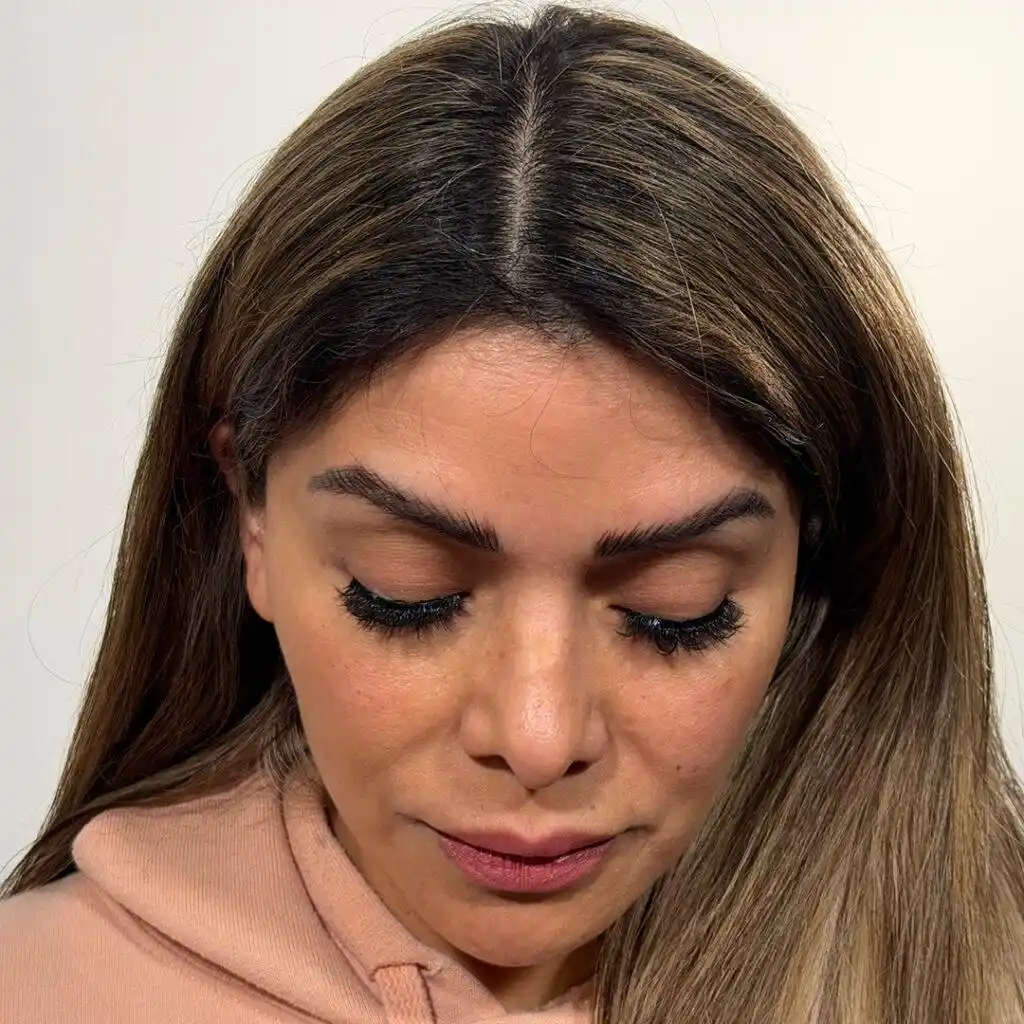
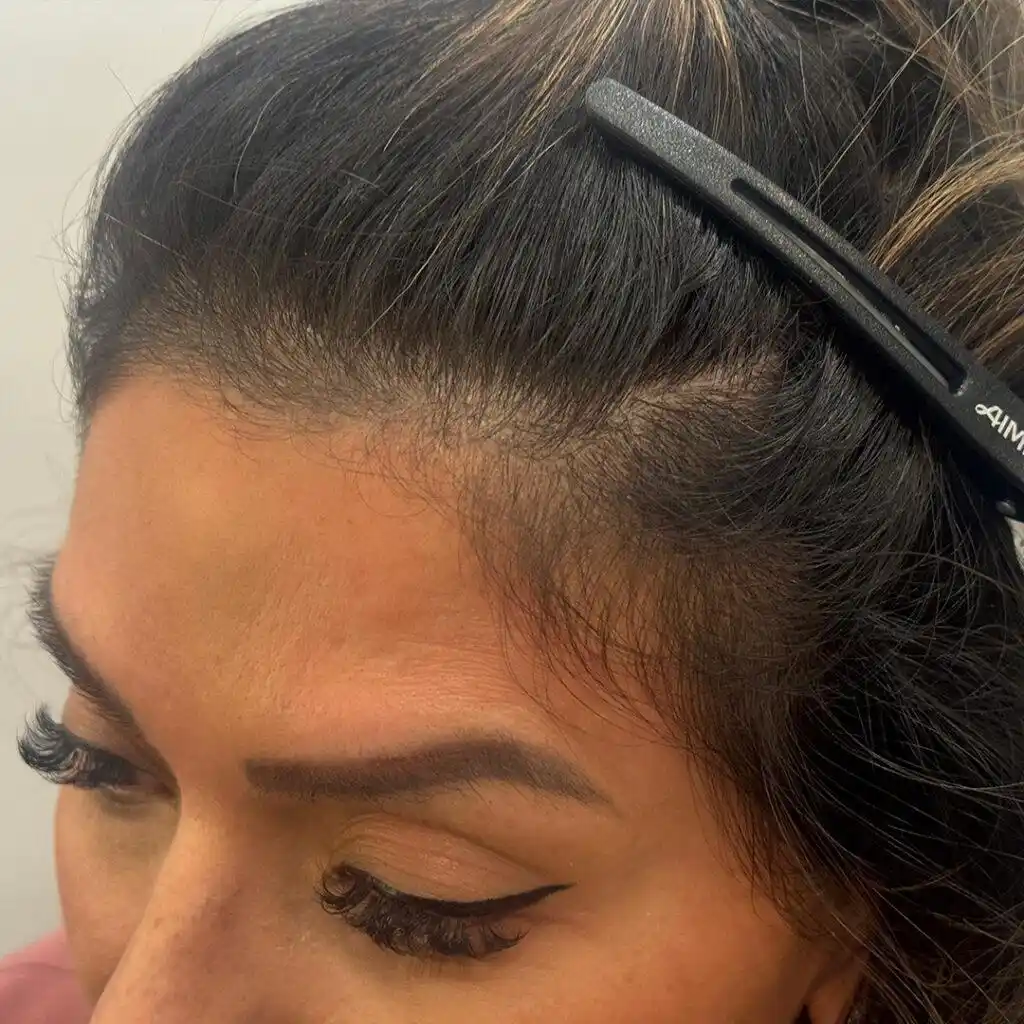
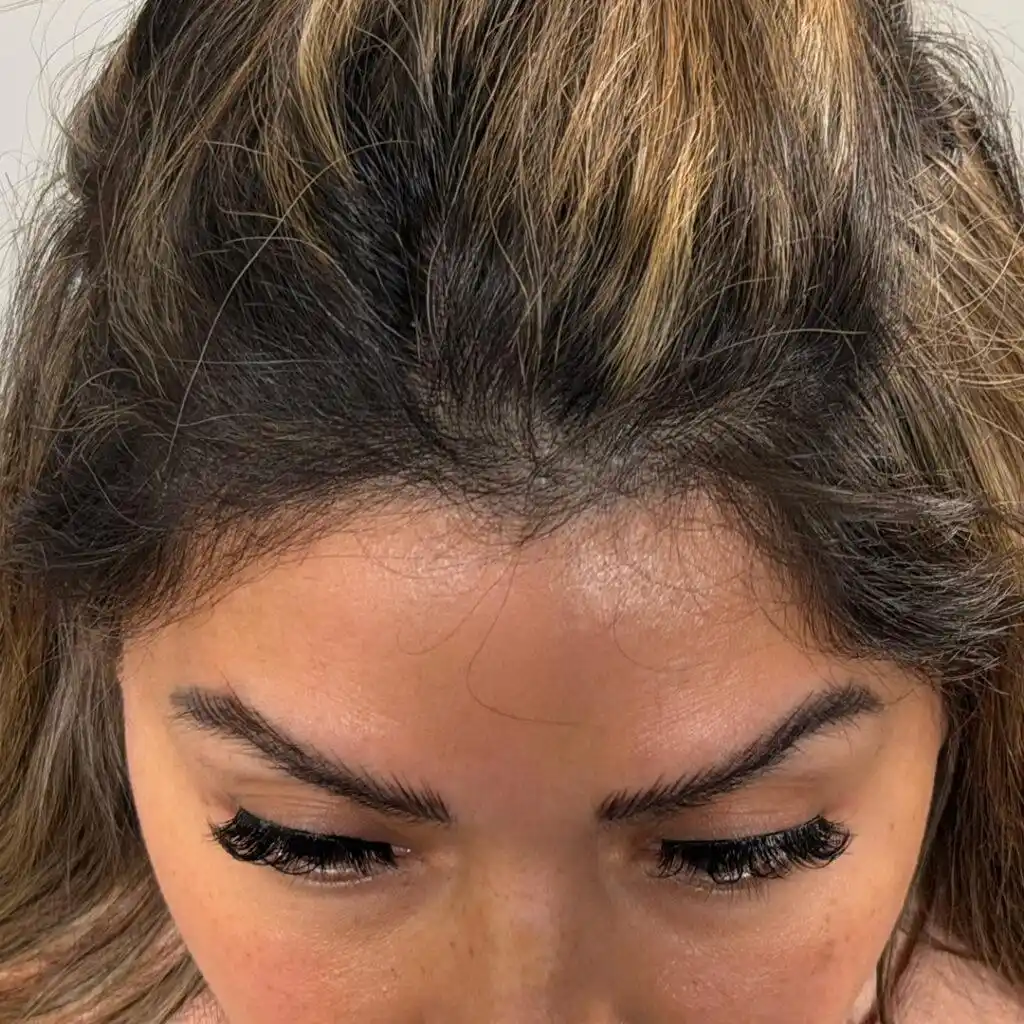
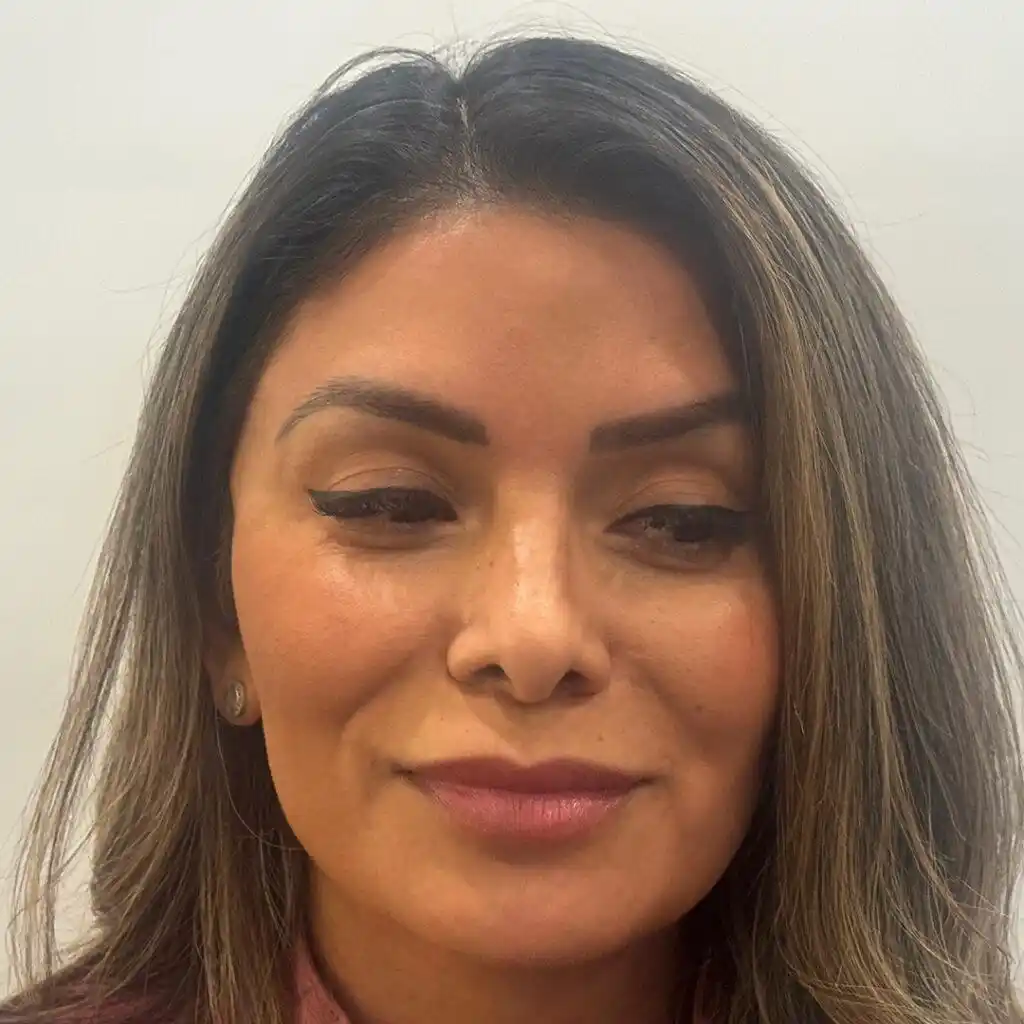
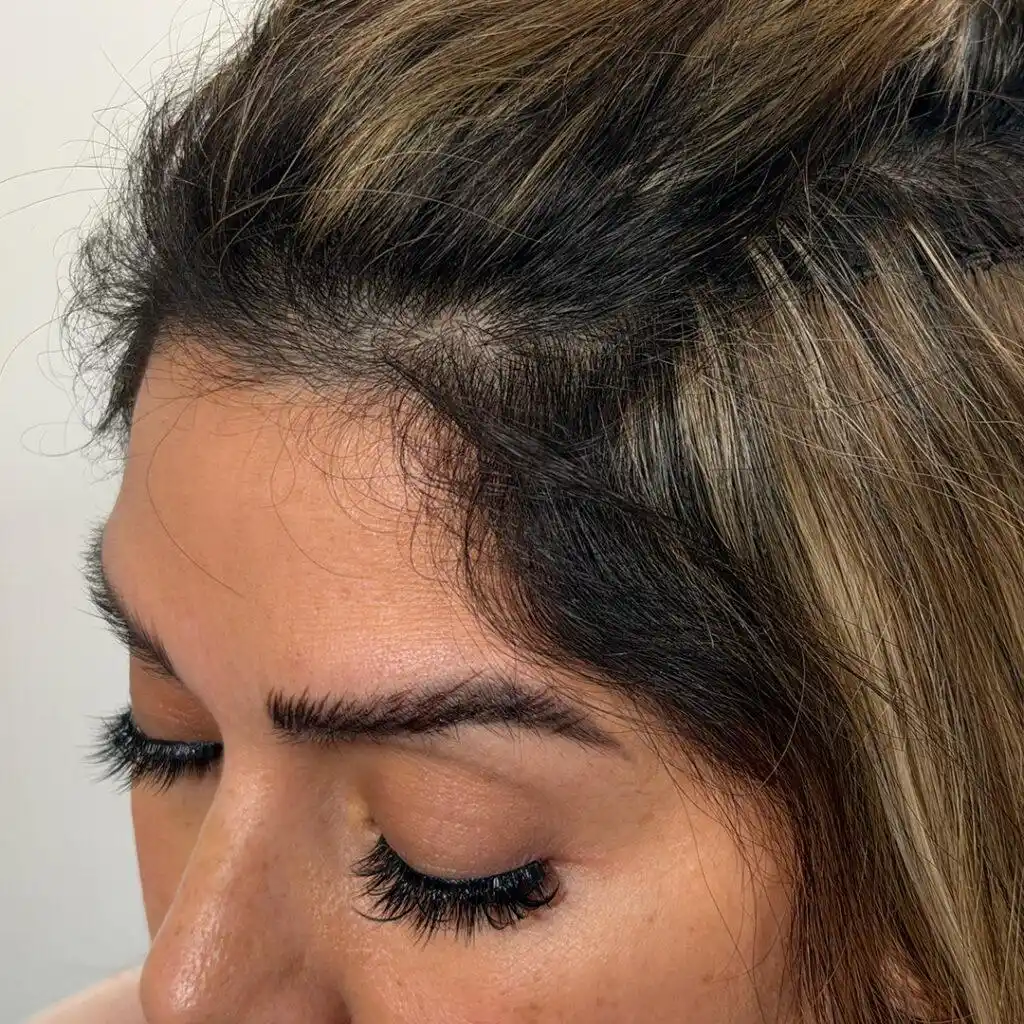
Female pattern baldness in Latina women often presents as diffuse thinning across the top of the scalp while preserving the frontal hairline. This form of hair loss can be triggered by hormonal imbalances related to thyroid function, menopause, or other systemic changes. A thorough diagnosis — including medical history review and bloodwork — is essential for identifying these underlying causes.
Hormonal changes from pregnancy and postpartum often cause significant hair shedding. Many Latina women find their hair doesn’t return to pre-pregnancy density without intervention, particularly when the shedding persists beyond 12 months. ACS therapy can encourage hair growth during this stage and is appropriate for women in the postpartum period.
Traction alopecia from years of tight braids, hair extensions, or pulled-back styles can damage hair follicles — sometimes reversibly, sometimes permanently. Early treatment gives us significantly more to work with. Cultural styling practices matter for understanding both cause and treatment potential.
Specific to textured hair, CCCA begins at the crown and spreads outward. Early detection is critical because this scarring condition involves permanent follicle destruction if not addressed promptly. CCCA is one of the more serious hair loss conditions we assess for during evaluation.
Androgenetic alopecia — also referred to as female pattern baldness — is one of the most common forms of hair loss. This genetic condition causes a receding hairline and thinning around the crown and frontal scalp. Male pattern baldness follows a different progression pattern, but both forms share genetic roots. The progression of androgenetic alopecia in Hispanic genetics can differ from what’s described in general literature — which is why a specialist assessment matters.
Latina women have a higher incidence of alopecia areata compared to white women. This autoimmune condition can cause rapid hair loss on the head, face, and body, and often appears early in life. Alopecia areata requires specific diagnosis and a treatment approach calibrated to its autoimmune nature.
Nutritional deficiencies and hormonal imbalances are frequent triggers of thinning hair that go unidentified without proper bloodwork. Medical history review is essential for accurate diagnosis. Effective hair loss treatment for these causes begins with identifying and addressing what’s driving the loss at the root.
Many patients present with many different causes contributing simultaneously — hormonal changes plus traction damage, for example. These require customized treatment plans that address each cause appropriately, with a focus on treating root causes rather than surface symptoms.

Every case at our Chicago office starts with an honest assessment of your hair texture, loss pattern, and donor area. This isn’t a rushed consultation — it’s a real look at where you are and what’s possible. Dr. Vinay personally assesses each patient to ensure accurate diagnosis and a clear path forward.
The evaluation includes discussion of cultural hair practices and their impact on scalp health. Years of tight styles, chemical treatments, and heat exposure all matter for understanding both cause and treatment potential.
Understanding Your Hair Loss History
Scalp concerns, styling history, and family history are all part of the picture. Some follicles that appear lost may be dormant and capable of reactivation. Others may be permanently gone. Knowing the difference determines everything about the path forward — and sets realistic expectations from the start.
Effective hair restoration for Latina women requires identifying the underlying cause before recommending any treatment options. This diagnosis process includes:
A customized treatment plan is developed for each patient based on a comprehensive analysis of individual needs — genetics, health, lifestyle, and specific hair loss patterns. Your plan is built around your specific needs and goals, not community averages.
Your personalized care plan includes recommendations based on your specific situation, a timeline discussion covering both near-term and long-term hair planning, integration of medical maintenance therapy alongside your chosen treatment, and ongoing refinement as we evaluate what’s working.
Hair loss doesn’t happen overnight, and neither does the right treatment. Ongoing support and adjustments to your treatment plan are essential as you progress. This includes:
Dr. Vinay Rawlani has seen both sides of the hair restoration process. Having undergone both surgical and non-surgical treatments for his own hair loss, he understands firsthand what works—and what doesn’t.
With medical training from Northwestern University and the University of Chicago, Dr. Vinay combines artistry, precision, and innovation to deliver exceptional results. Whether he’s crafting a timeless hairline or optimizing density, every step is guided by his commitment to perfection.



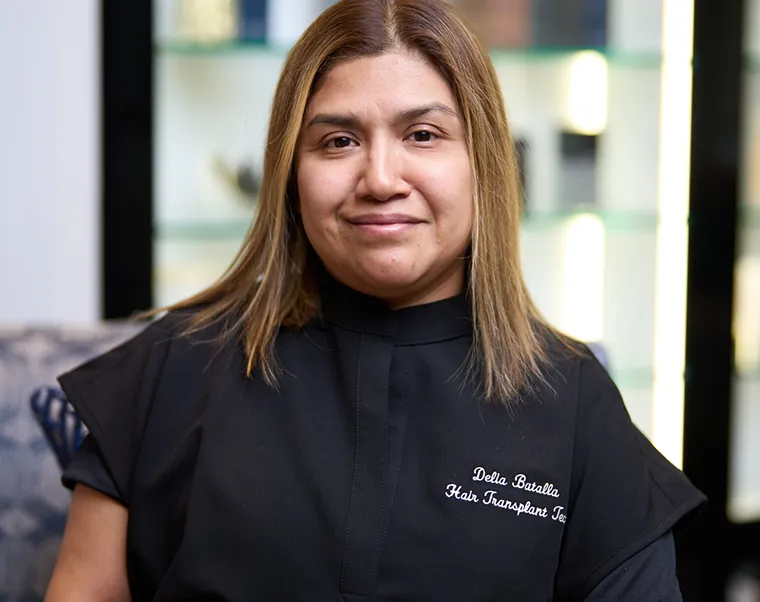
Delia has spent 25 years performing hair restoration procedures across the country and internationally, working with over a dozen surgical teams and completing more than 5,000 transplants in her career. She works directly with Dr. Vinay on procedures at Northwestern Hair and was part of the skilled team involved in the development of Micro PUE.
As a fluent Spanish speaker and patient liaison, she handles consultations for Spanish-speaking patients — walking you through your options, answering your questions, and making sure cost is never a barrier to getting the right information.
Surgical procedures start at $5 per graft, with 0% financing available. She’ll make sure you leave the consultation with a clear picture of what’s possible — and a plan that actually fits your life.
The earlier the conversation, the better. For Latina women managing traction damage or hormonal thinning in its earlier stages, beginning hair loss treatment before the loss advances gives us significantly more to work with. Follicles that are dormant can often be reactivated. Follicles that are gone cannot.
Whatever path makes sense for your hair, the standard is the same: natural looking results that look entirely like yours. No one should see what was done. They should just see you.
 773-289-0061
 3 E. Huron, Mezzanine Floor | Chicago, IL 60611
It depends on whether the hair follicles are still viable. Dormant follicles — those that have stopped producing hair but aren’t destroyed — can often be reactivated through ACS therapy to encourage hair growth. Follicles that are gone cannot be brought back without a surgical procedure. Early intervention gives us significantly more to work with. If significant damage has been present for a long time, we’ll tell you honestly what that means for your treatment options.
Hormonal changes from pregnancy and postpartum affect women based on individual genetic patterns. While some shedding is normal, many Latina women find their hair doesn’t return to pre-pregnancy density without intervention. ACS therapy can stimulate hair follicles and encourage hair growth during this demanding life stage, and is appropriate for women in the postpartum period.
ACS uses active healing cells from your own blood rather than platelets alone — a meaningful difference at the follicle level that produces healthier hair outcomes. For the hormonal patterns common in Latina women, ACS offers better long-term results. The anti-inflammatory properties also benefit women dealing with early-stage scalp concerns or mixed pattern hair loss.
Dr. Vinay will give you a direct, honest read on where you are. Non-surgical hair loss treatment works best for early-stage hair thinning where follicles remain viable, diffuse baldness without significant recession, and patients who want to prevent hair loss progression. Surgical hair restoration becomes the right treatment option when loss has progressed beyond what ACS can address, when concentrated density loss requires redistribution, or when traction damage has caused permanent follicle destruction. Many patients benefit from combining both approaches.
The consultation begins with an evaluation of your hair texture, scalp health, medical history, and loss pattern. Dr. Vinay personally reviews each case. You’ll receive a clear diagnosis, an honest picture of what’s driving your hair loss, and a personalized care plan built around your situation. It’s the first step — and the most important one.
Non-surgical treatment like ACS typically shows meaningful improvement over 6–12 months of progressive sessions. Surgical hair restoration produces initial visible growth at 3–4 months, with full results at 12 months. Individual results vary based on the extent of hair loss, the specific causes involved, and how consistently the at-home maintenance plan is followed.